Beauty in the Borders

We’ve come north to visit my brother in Scotland and hopefully, by finding a few of the Caledonian specialities, give a lift to my ailing year list. It’s always an uphill struggle to boost the list once the clocks go back – the birds seem to dry up with the arrival of the shorter days and the energy begins to drain out of even the most committed year lister. We took it easy on the drive up stopping over night at the excellent Bailiffgate B&B in Alnwick  – great room, nice hosts and a breakfast cooked to perfection! There was nothing much around in the North East, just a Snow Bunting, Northern Wheatear and Shore Lark all near the Old Cemetery in Hartlepool, so our efforts focused on attempting to relocate the long-staying, though elusive, Sardinian Warbler at Mire Loch near St Abb’s Head.

It’s quite a walk from the car park to the loch and it took us sometime to find the boardwalk, where the bird has been occasionally but consistently reported, 60 – 100m beyond it. We spent the first three quarters of an hour scouring the gorse covered hillside until Jane, attending to a call of nature, cried out that she’d seen the bird! By the time I’d found her the thing had slipped away, a frantic search of the immediate area revealed nothing and a black cloud began to descend. I tried to banish the ‘dark damon of dipping’, which had commenced a silent vigil in my head, and regain my optimistic composure. The bird’s been here a long time ‘right’, Jane’s just seen it ( aargh!) ‘right’, it can’t have gone far… ‘right’? I calm down a little and commence a systematic search of the immediate area. Ignoring the dense gorse – the sort of place a Sardinian could hide for weeks, I enter a small clump of near leaf-less Sycamores, bent over by the prevailing winds. A movement down the slope catches my eye and there in front of me, fly-catching in the lower branches, is a beautiful adult male Sardinian Warbler! These birds are difficult to see even in the southern Mediterranean, where they are the default passerine species, so to be able to watch it flitting around in the open was a real unexpected pleasure. It even paused occasionally to allow a quick snap or two:

IMG_6988

This bird was caught and ringed in the spring then promptly went missing. Several months later it was rediscovered amazingly – and it’s still here… in November!

IMG_6992

A very nice late addition to the year list.

Shore start

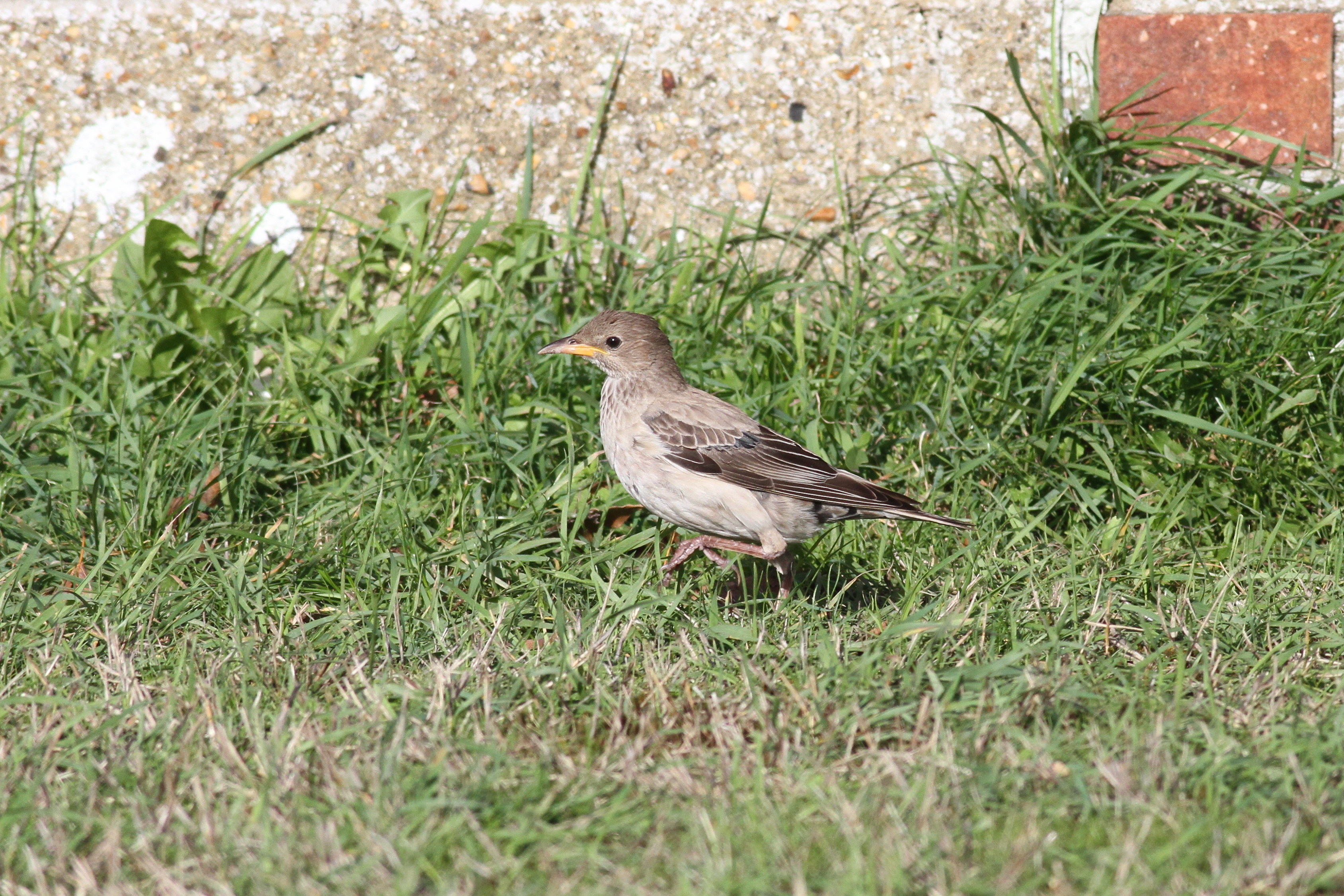
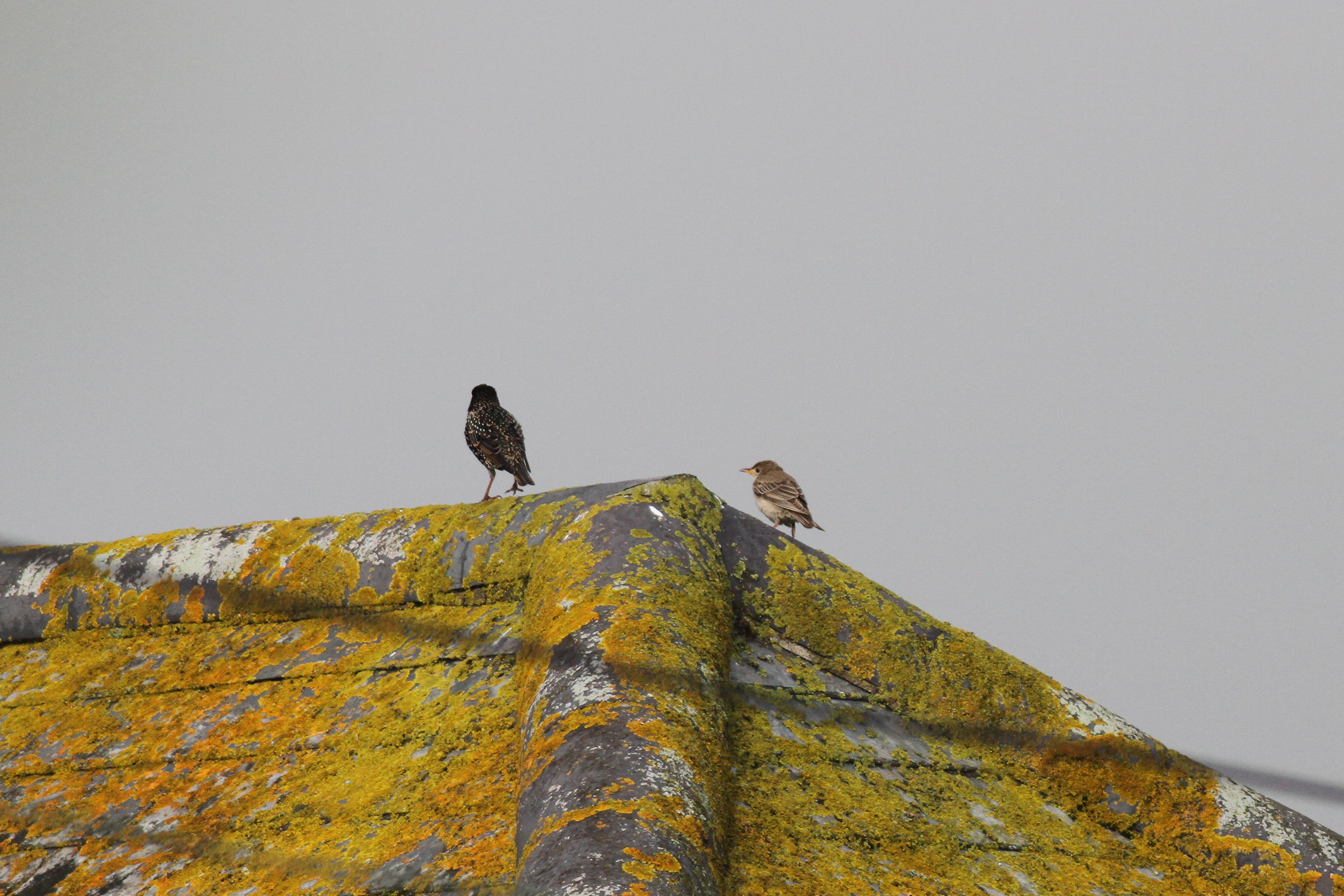
Having spent the best part of a day and a half chasing the Pallid Swift we decided that today we’d take it easy. After a relaxed breakfast we headed down to Winterton, hopefully for me to add Shore Lark to my year list – Jane having already seen them a few days before. We stopped off at the bushes below the Hermanus restaurant to check for the reported Pallas’s Warbler but there was no immediate sign so we continued to the beach in search of our quarry. A single adult winter bird, there had been three earlier in the week, was quickly located feeding at the base of the dunes. We watched it for ten minutes or so before heading back to the Hermanus, where the Pallas’s was showing occasionally. Having got rather ‘thin’ views we returned to the car and set off to our next stop at the beach car park in Caister-on-sea, where the juvenile Rosie Starling was seen almost immediately, first on the roof of a nearby cottage and then feeding on the grass by the side of the car. We then followed the coast road north as far as Happisburgh, where we stopped for Sunday lunch, at the excellent Hill House pub, before  continuing northward. A couple of texts alerted us first to a possible Pacific Swift and then a possible Black-browed Albatross at Hopton, both heading north – so we decided to stop off at the beach car park at Walcott in the vague hope of seeing either bird fly by! Nothing doing, except a number of cheeky Turnstone on the sea wall, so we pressed on towards Trimmingham to see if we could perhaps connect with the Pallid Swift, which was still around. There were a few cars in the lay-by but no birders so we pressed on to the cliffs at Cromer, where the birds had been seen on the three previous late afternoons. News of a Richard’s Pipit at Cley was enough to lure Jane away but I decided to stick it out. After an hour or so of getting blown about and seeing nothing our interest was rekindled by a telephone call to one of the guys standing with me, saying that a Black-browed Albatross had just flown past Overstrand, two miles down the coast! We stared out to sea and after a couple of minutes I became aware of a large black and white, long winged, bird wheeling and ‘towering’ above the horizon – not a gull nor a Gannet, I felt pretty confident that this was our bird. I got the guys on it as it started powering away to the north but less than great views were had before it was finally lost from sight. Unfortunately, Jane returned from a fruitless trip to Cley just at that moment – she felt sick… and so did I!!

A very nice Shore Lark to get the day off to a great start

IMG_6899 IMG_6903

A second ‘Pink Stink’ in as many weeks

IMG_6911

IMG_6948

One of those cheeky Turnstones

DSC05328

And to finish with Horsey wind pump, against a threatening sky… aaah!

DSC05316


Poscript: Apparently the Albatross was seen a little further round the coast from West Runton, but not from Sheringham, before it obviously disappeared to the north.

Pallid performance

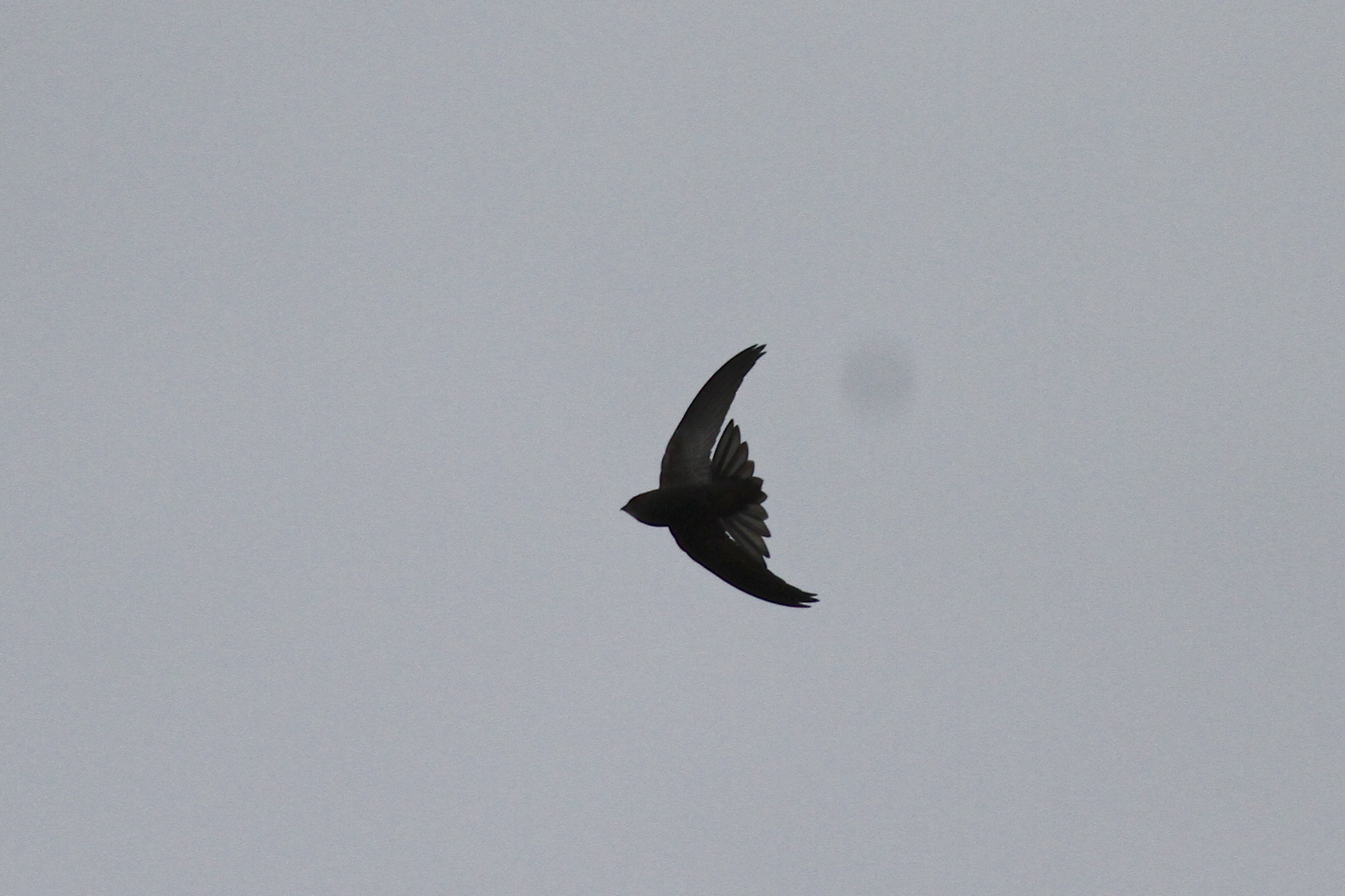
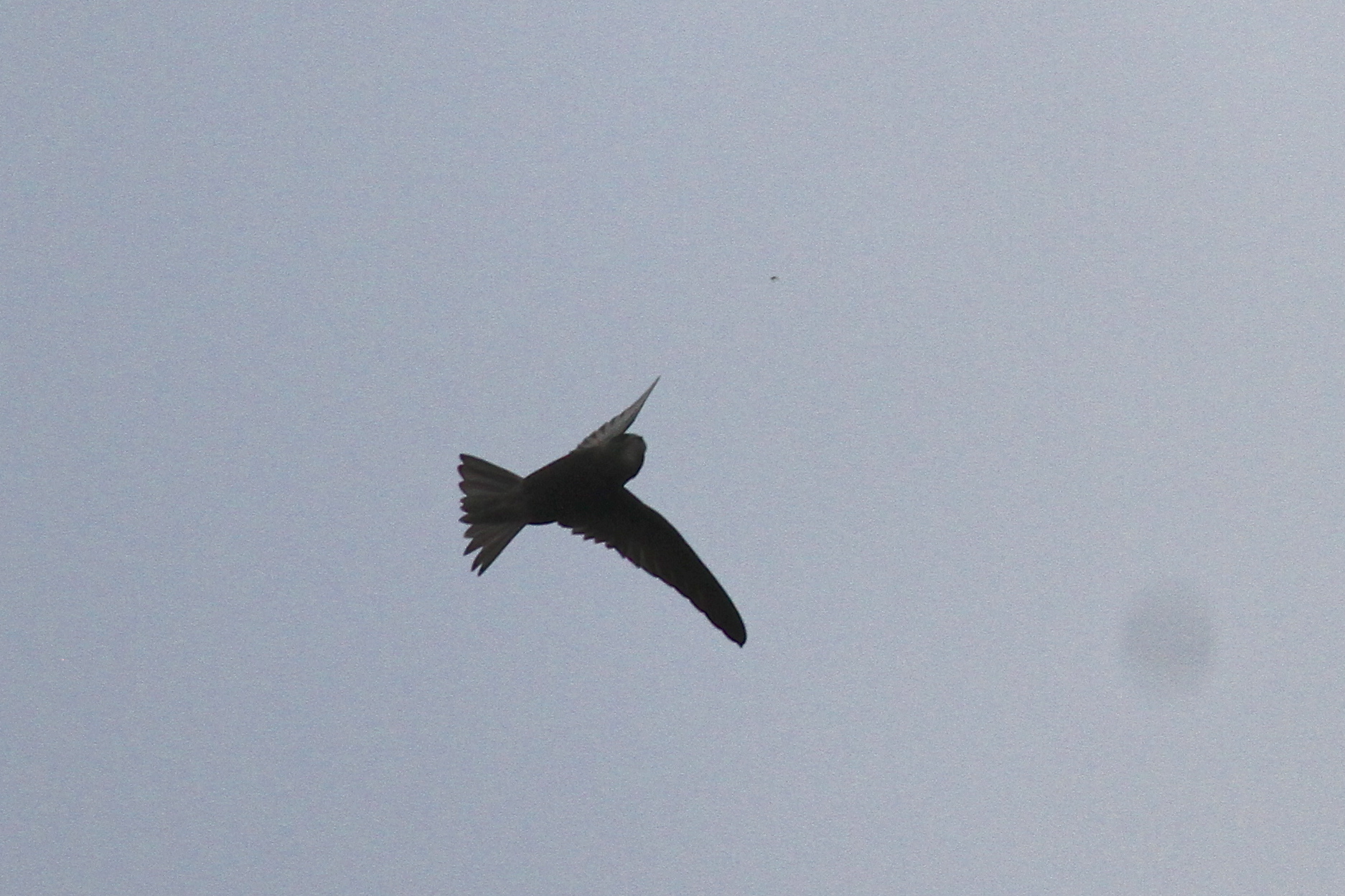
The first report of a Pallid Swift in our part of Norfolk came a few days ago when a bird was seen at Cley and various points along the coast to Cromer. Then, on Thursday when I was tied up at an all day conference in Cambridge, Tim a local birder texted to say that he and Dawn had found possibly the same bird at Felbrigg Hall – practically our ‘back garden’! Yesterday we got up early to get to Felbrigg, where we spent a couple of fruitless hours looking for the bird.  In the afternoon I had to go to Norwich and by the time I’d finished my various meetings it was beginning to get too late for birding…or so we thought! We decided against a shopping trip to Morrison’s and went straight home. Shortly after dark the message came through that the Pallid had been showing well, ‘late afternoon’ between the supermarket and the pier, and had possibly gone to roost on Cromer church – grrnash! Up early this morning to go and stare at Cromer church tower for an hour or so… nothing. Back for breakfast and a report that there were now two birds over the cliffs at Trimmingham. Off we go, only to  be told when we get there that the birds had flown off a couple of minutes before… double bother! A pager message came through that a bird was showing above the wood we could see in the distance… but we couldn’t see the bird. Then another message to say it was seen heading east towards Cromer. Off we go to Cromer sea-front, see nothing but bump into three lads who are pleased to show us their photos of Pallid Swift taken a little earlier at the lighthouse – triple bother! Back for lunch and await further news. None is forthcoming so we go back to Felbrigg. No luck there either but a further text to say that a Pallid Swift is back, somewhere between Trimmingham and Sidestrand. Off we go again, arrive at a likely spot, hoof it to the coast, where a lone birder points to a dot in the sky… that’s the bird! We hoof it back to the car and drive to the village where, thankfully and not before time, the Pallid Swift performs dutifully above us for ten minutes or more.

And the moral of this tale… twitching swifts can seriously damage your (mental) health!

IMG_6861

IMG_6807

IMG_6752

IMG_6802

A few rather poor images of a very welcome addition to the year list!

Turns out that there were indeed two birds, a ‘pale’ bird, which came from Cromer and the west and a darker bird from the east. They both met up briefly over the coast at Trimmingham, mid morning!

GPOG Cornwall 2013

Last week we set off on the regular GPOG (Greater Peterborough Ornithological Group – a rather grand title for a bunch of birding & drinking mates, loosely based in the Peterborough area!) birding excursion to Cornwall. Twelve of us left Market Deeping on Wednesday night, returning late on Sunday. The timing of the trip is intended to maximise our chances of finding rare birds in the valleys of west Cornwall but it’s fair to say that we’ve enjoyed mixed fortunes over the 15 or so years we’ve been going! Star birds in the past have included Aquatic, Bonelli’s, Radde’s, Melodious and Greenish Warbler, Red-eyed Vireo, King Eider, Black Duck, Lesser Scaup, Buff-breasted, Baird’s and White-rumped Sandpiper, Long-billed Dowitcher, Cory’s Shearwater, Sora Rail and a host of other ‘goodies’, but this year, it’s fair to say, there were much leaner pickings on offer. Our modest total of 114 birds included Chough, Snow and Cirl Bunting, Rosie Starling, Yellow-browed Warbler, Firecrest, Richard’s Pipit, Whooper Swan and Glossy Ibis – still a reasonable haul at a time when rarities nationally were in a bit of an uncharacteristic lull. The trip did produce a couple of ‘lifers’ for members of the group and the beer, food and hospitality at the Bucket of Blood (our alternative ‘club hut’) were exceptional – so all things consider, a good time was had by all!

The first of our star attractions, a juvenile Rosie Starling. We’ve managed to find these birds on almost every trip we’ve done to Cornwall. This one was in the car park of Morrison’s at Marazion. Compare the rather drab plumage of this bird with that of a breeding adult, featured on this blog  in June –‘Rose coloured spectacle’

IMG_6339

One of our target birds for this trip was Chough. We had expected to scour the Lizard peninsular to find them but they gave themselves up relatively easily in the Cot Valley. This was one of at least seven, roosting in a quarry.

IMG_6354

Mediterranean Gull were reasonably easy, with up to a dozen on the Hayle estuary and others dotted around the coast. This adult was at Sennen.

IMG_6520

Talking of coastal birds, Rock Pipit are always nice to see – just a pity that it’s distant cousin, the Richard’s Pipit, didn’t give itself up as easily!

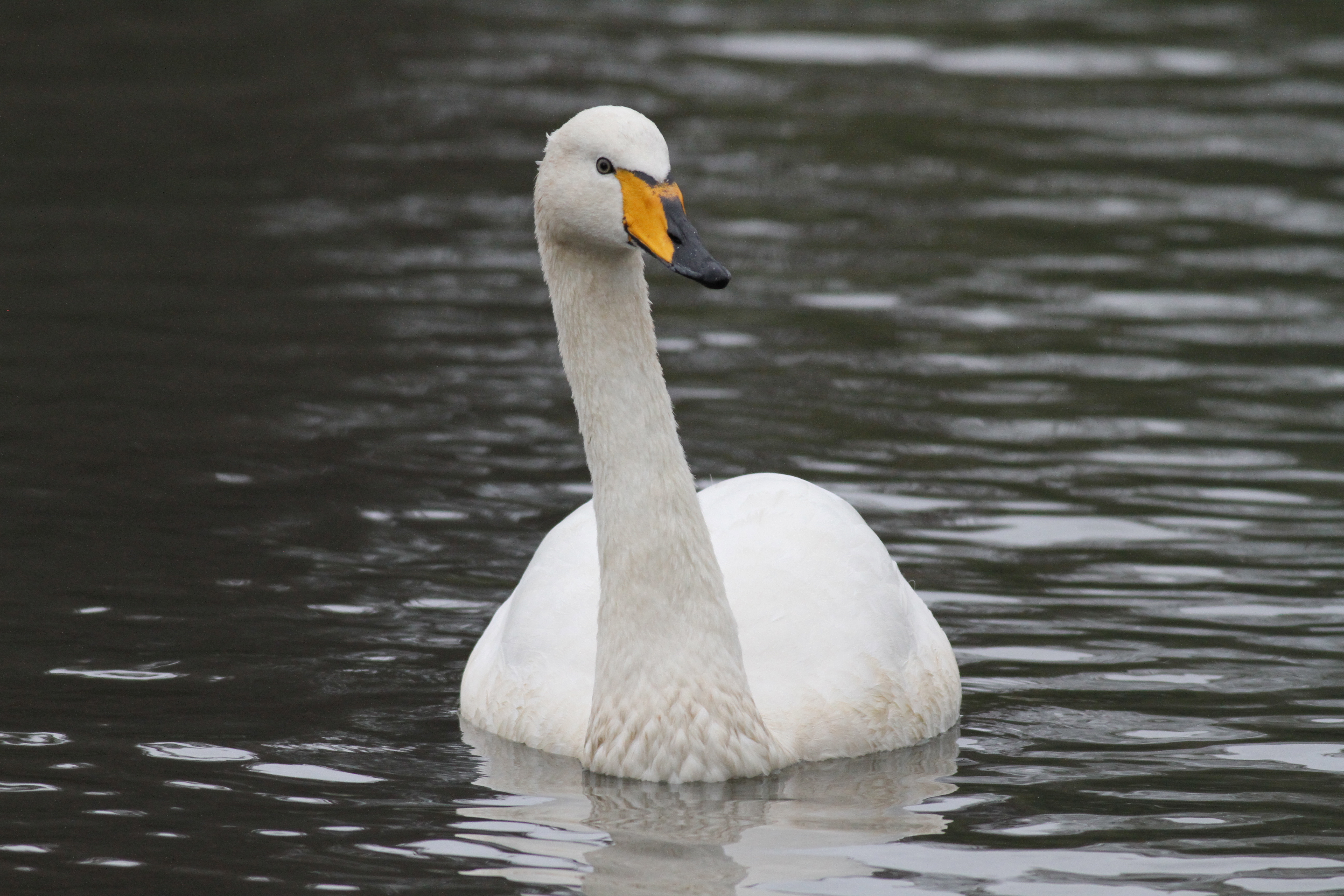
IMG_6503This Whooper Swan was a surprise find on Helston park lake –  no rings, honest Guv! A rare Cornish bird and a ‘grip-back’ for yours truly

IMG_6495

A stop-off at Labrador Bay in Devon produced the goods with this fine male Cirl Bunting, appearing in the hedge between heavy rain showers

IMG_6632

There’s been an increasing trend of autumn ‘invasions’ of Glossy Ibis – we caught up with a couple of this years wanderers at Ham Walls, Somerset on our return journey. Who knows, perhaps these birds will linger on to breed and add to the incredibly impressive list of rare breeding herons on the Avalon Marshes!

DSC05210

These ‘bl**dy clickers’ can never get close enough… can they Will?

DSC05200

But to be fair, this was a very approachable Snow Bunting!

IMG_6584

All in all, a pretty good trip with some very nice birds, but I guess Parula Warbler in the Cot Valley will have to wait for another year….!

Jack in the bag

After several days of routine domestic tasks, including painting the outside windows using a ladder (I must be mad…!) we decided to have a day out, birdwatching. Starting at Holkham pines, we went in pursuit of Yellow-browed Warbler which had, so far, eluded us, despite there being hundreds of this extreme long-distant migrant in the country over the past week. Nothing on the walk down, nothing around Washington hide and nothing in the tit flock at Meals House… until that is Jane noticed a warbler fly into a nearby Sycamore tree – a couple of brief but distinctive calls and the bird was ‘in the bag’! We did see the bird a couple more times, as well as a late Willow Warbler, a flock of Common Crossbill and Siskin, before heading off to Titchwell. There was nothing particularly gripping on the board when we got there, so we set off for what turned out to be a really enjoyable afternoon’s general birding. The tally of ‘interesting’ species included Little Stint, Curlew Sandpiper, Spotted Redshank, Greenshank, Hobby and, just before we headed for home, a very obliging, if somewhat distant, Jack Snipe  – with Common Snipe for useful comparison, on the new scrape called Patsy’s Pool.

One of at least three, winter plumage, Spotted Redshank

DSC05032

Greenshank

DSC05016

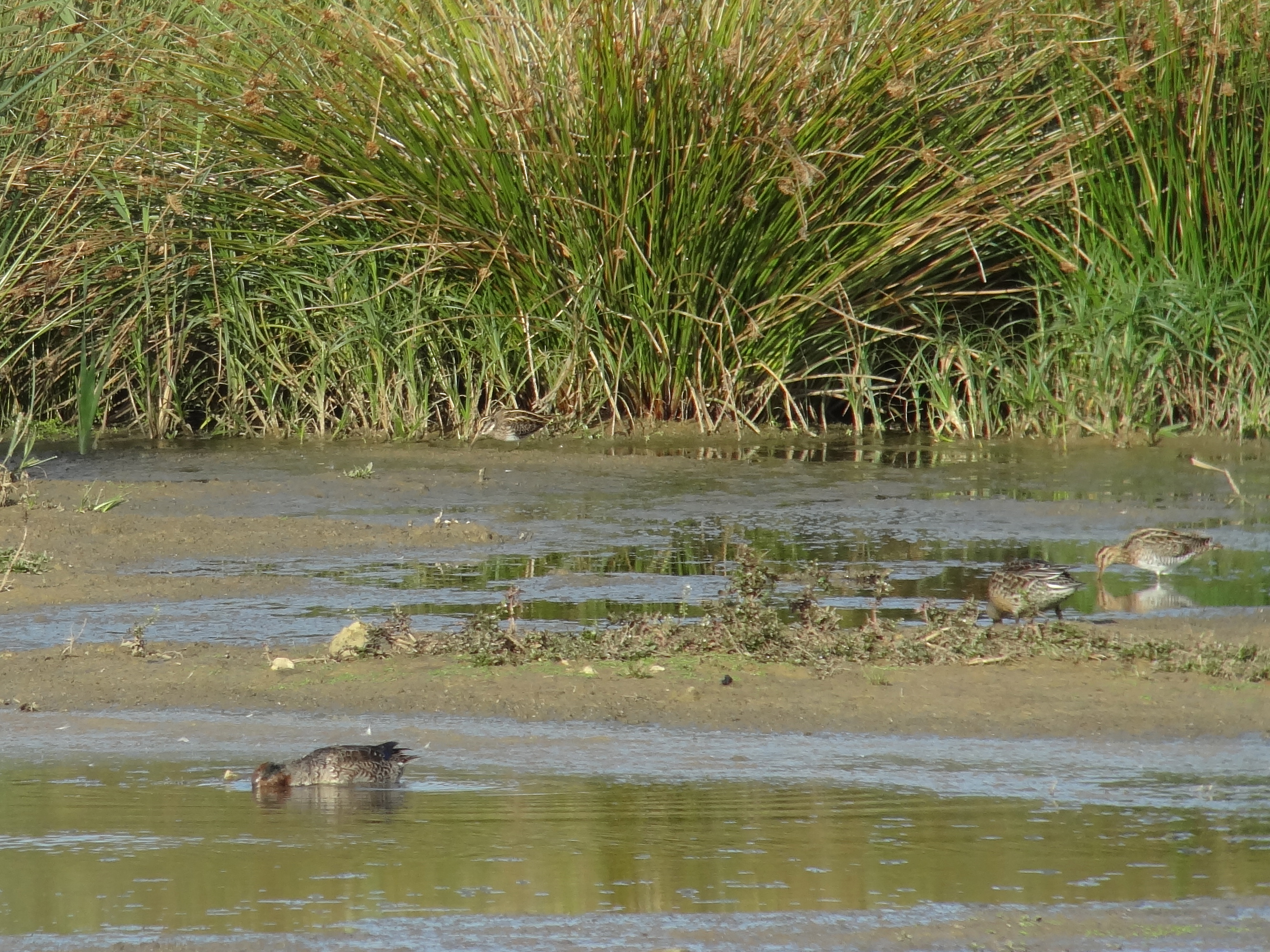
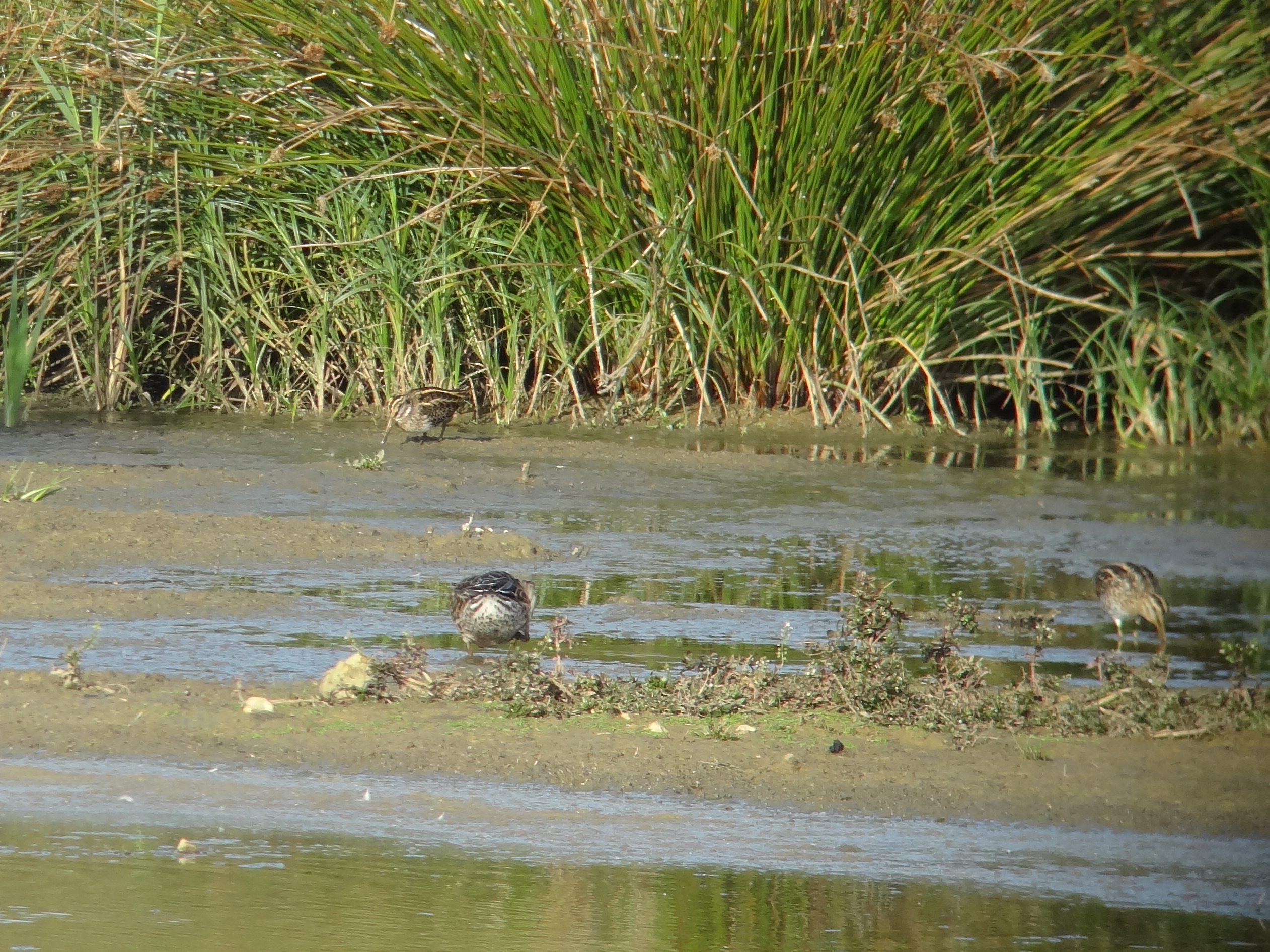
Jack Snipe, back left against the vegetation, with Common Snipe, front right (behind the Teal), for comparison

DSC05066

Jack Snipe is noticeably smaller/stockier than Common Snipe, with a short thick based bill and shorter legs, more of a dark chocolate colouration on the back with broad gold ‘braces’, streaking rather than barring on the breast and no pale central crown stripe. Jack Snipe also exhibit a ‘bobbing-like’ action, whilst feeding.

DSC05068

Lesser is More…

September 1989 Rudston, East Yorkshire, I saw my first Lesser Grey Shrike, yesterday near Leiston, Suffolk, I see my second.

Having done a few jobs around the house/allotment in the morning, by lunchtime I was beginning to get restless. The weather hasn’t been great for ‘small bird’ migration so far this September but a few things have started to arrive here in East Anglia, like the Lesser Grey Shrike which turned up last Sunday. With nothing better (more interesting ) to do I decide to have a go for it.

Although it’s no great distance from Cromer to Leiston, it’s a slow drive across Norwich and through the lanes of Suffolk, so it was half past three when I got to the site. The first guy I see coming the other way is looking grumpy – not a good sign! Apparently the bird was seen a couple of hours ago but ‘it flew off high over the woods’ and nothing since. Is it just me or is there a rising trend of premature pessimism amongst birders these days – how often do you see on BirdGuides a ‘sad face’ report and then, ten minutes later, such and such a bird is ‘back in is usual spot and showing well‘! Is it that we invest so much emotional energy in seeing rare/scarce birds that we have to psychologically brace ourselves against disappointment or is it just that those who witness these supposedly ‘last sightings’ want to rub it in the faces of the poor unfortunates who arrive too late? Either way my spirits drop a little but I carry on looking. Nothing for ten minutes, just a lot of empty fence posts, where this rare bird from the south and east of Europe once was – images of the numerous photos of the bird, posted on various websites, beginning to pop into my brain to tease me. A guy in his forties walks by, cheerfully enquiring if we’ve seen the bird, and he tells us about an Arctic Skua on the nearby beach at Sizewell.

Then the shout goes up – the bird is back, a little further up the track. We hurry to the spot and there is the shrike, sat atop a hawthorn bush, catching insects…pheew! The same guy then casually remarks that his first Lesser Grey was in the late eighties, somewhere near Spurn – there is a sudden connection between us. Same bird, same experience… just a quarter of a century separating the two. What happened to the two and a half decades that have gone by between these two events – and why do birders measure their lives out in this way – by the birds they’ve seen? I’ve no idea, but ‘first’ or ‘second’, it was a lovely bird to see….. and more than just a bird!

Lesser Grey Shrike, with Sizewell B nuclear power station in the background

IMG_6018

DSC04882…Meat Feast!

DSC04914

Post Script:  As I write this post, three large skeins of Pink-footed Geese have flown over – watch out, winter’s coming!

Honeymoon Special

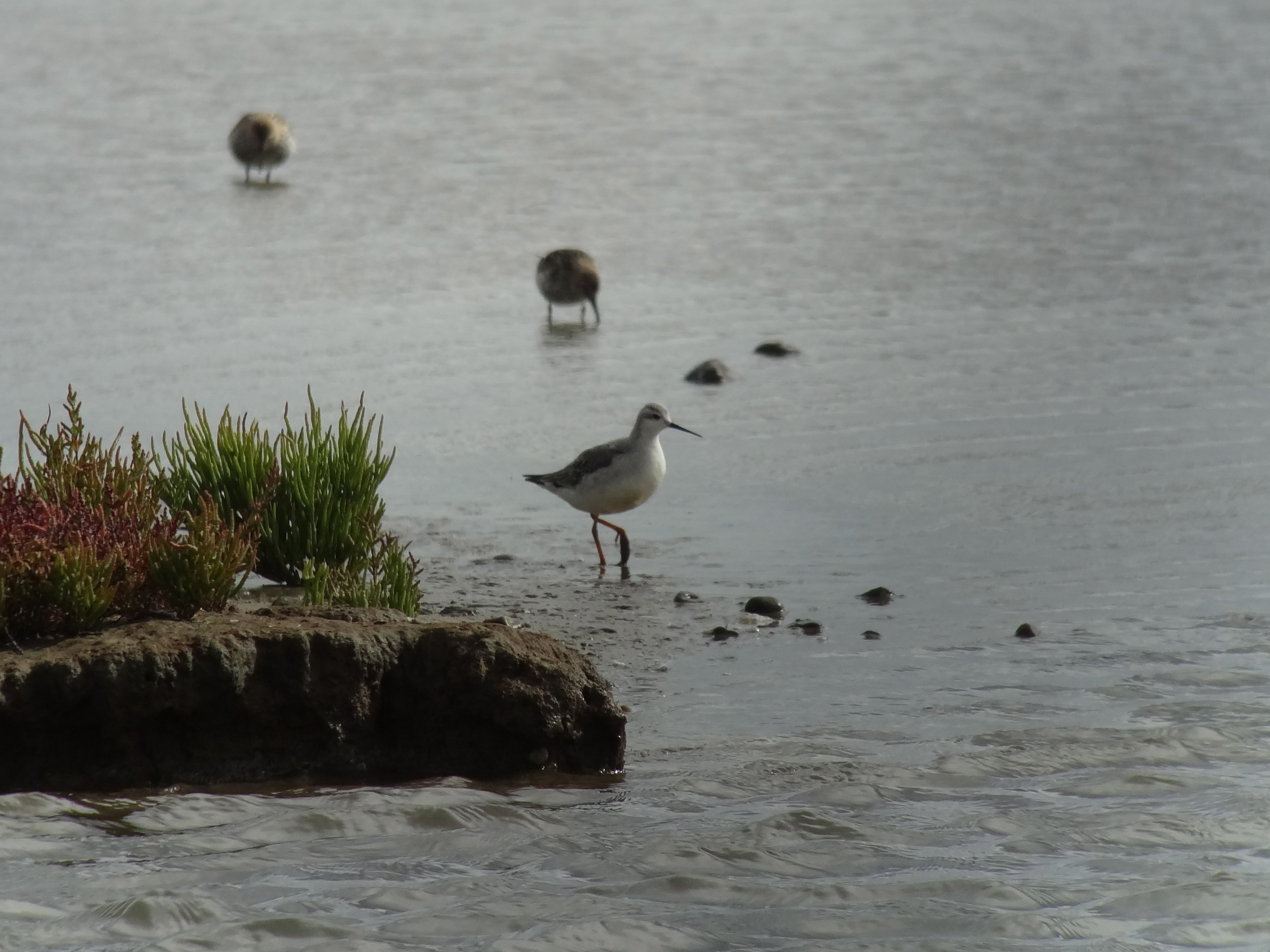
Jane and I were married at the end of September, nearly 36 years ago. We were students at the time so I borrowed my Dad’s car and we stay for a few nights in a B&B in Northumberland for our honeymoon. On our first proper day together we went to visit Lindisfarne and passing Newton Pools, a shallow rain-filled depression in a field, (not sure if they are even there anymore ) we came across a first winter Wilson’s Phalarope! Now Jane wasn’t much of a birder at the time but even she could appreciate the simple, elegant beauty of this transatlantic vagrant.

Fast forward to this morning. Monday is my ‘duty day’ at Cley NWT. I’d checked the wader scrapes from the hides – no sign of the reported Pectoral Sandpiper from earlier and nothing much of note either. I took a brisk stroll down East Bank, the wind was strong from the west and keeping everything down. On approaching Arnold’s Marsh there was a small group of bird watchers looking closely at something. ‘Something of interest?’ I asked – ‘there’s an odd looking bird in the vegetation by the edge of the water’ came the reply. A quick look with my bins and I could tell this was something interesting! I dismissed the suggestion that it could be a Marsh Sandpiper and focused on the Phalarope family – silvery grey upper parts with brown scalloping at the rear, long black needle-like bill, dark eye mask, a whitish supercilium and… bright yellow legs!  Hold on – that’s Wilson’s – oh heck, I thought!! I concentrated for the next few seconds on getting some digiscope grab shots before the bird rather inconveniently flew off west along the shingle ridge, showing a neat square white rump as it did so. I raced down to North hide whilst trying to contact Cley NWT Centre on the radio – no luck and no mobile phone signal either! On entering the hide I asked, breathlessly, if anyone had seen any interesting waders – ‘no’ came the reply. A brief scan around with the scope and I relocated the bird at the far end of the scrape. It eventually came closer for a brief while before heading off again, over the Eye field, towards Blakeney. I managed to get a weak mobile signal by the beach car park and put in a call to Mark Golley, who luckily was at home in Cley. Using his considerable local knowledge he went off to Bishop’s hide and relocated the bird some time later. The bird stayed on Pat’s for most of the afternoon.

DSC04808 DSC04809 DSC04864

I’ve seen a couple of spring birds in the intervening years but this is the only ‘first winter’ I’ve seen since our honeymoon special!

Pectoral display

Having spent most of the day blogging our recent Spanish birding break, including details of the yet to be conclusively identified ‘orange billed’ terns, we finally managed to get out birding at tea-time. We arrived at Titchwell in rather poor light and quickly ascertained the rough location of the two remaining Pectoral Sandpipers. A walk down to Parrinder Hide and there they were, some distance away on a grassy island. Always nice to see this most numerous of American waders in Britain, better still to see two.

Record digipics

DSC04750


DSC04753

Having had our fill of the Pecs we decided to continue down to the beach before it got too dark. There was nothing much on the sea of interest, just a couple of Great Crested Grebes and a juvenile Arctic Skua, then a delightful Purple Sandpiper flew straight towards us in ‘the bunker’ and pretty much landed at our feet!

Taken on my Sony compact

DSC04785


Triumph at Trafalgar

We’ve just returned from a short birding break to the Cadiz region of Spain, including the area around Cape Trafalgar – scene of a previous great victory, by a former Norfolk resident! We flew with Ryanair from Stansted to Jerez, got the hire car from the very reasonable and efficient Gold Cars and stayed for five nights at the excellent Las Magaritas hostel in Terifa. Our trip was timed primarily for raptor migration – actually the weather this year wasn’t particularly conducive to large raptor movement, but we did catch up with most of the local specialities as well as visiting a couple of new birding sites. We bumped into John Cantelo, local British birder and blogger, at La Janda who kindly provided up to date information on what was around – well worth visiting his website if you are planning a trip to the region. Highlights from a bird list of over 160 included, Rufous Bush Robin, Black Stork, Calandra Lark, Black-winged Kite, Olivaceous Warbler, Red-necked Nightjar, White-headed Duck, Collared Pratincole…oh and that Tern – read on for details! We were also lucky enough to be in Tarifa for Feria and the fascinating procession of the Vergen de la Luz.

First up, although the weather wasn’t conducive to large raptor movement, there was plenty of ‘visible migration’ going on – the main species involved being  Honey Buzzard, Booted Eagle and Black Kite with smaller numbers of Montagu’s Harrier, Short-toed Eagle, Sparrowhawk, Egyptian Vulture and Red Kite. This adult Short-toed Eagle came closer than most. For more raptor photos see my Terrific Tarifa post, April 2012.

IMG_5744

There was also a strong passage of White Stork – this being a small part of one of the migrating flocks

IMG_5520

There were plenty of interesting ‘small birds’ to keep up our interest, this male Black-eared Wheatear for instance

IMG_5496

or this Melodious Warbler, near Banalup

IMG_5809

and this Short-toed Lark on the beach at Los Lances

IMG_5614

Now, turning to the ‘Bird on a wire’ section – first, Zitting Cisticola

IMG_5668

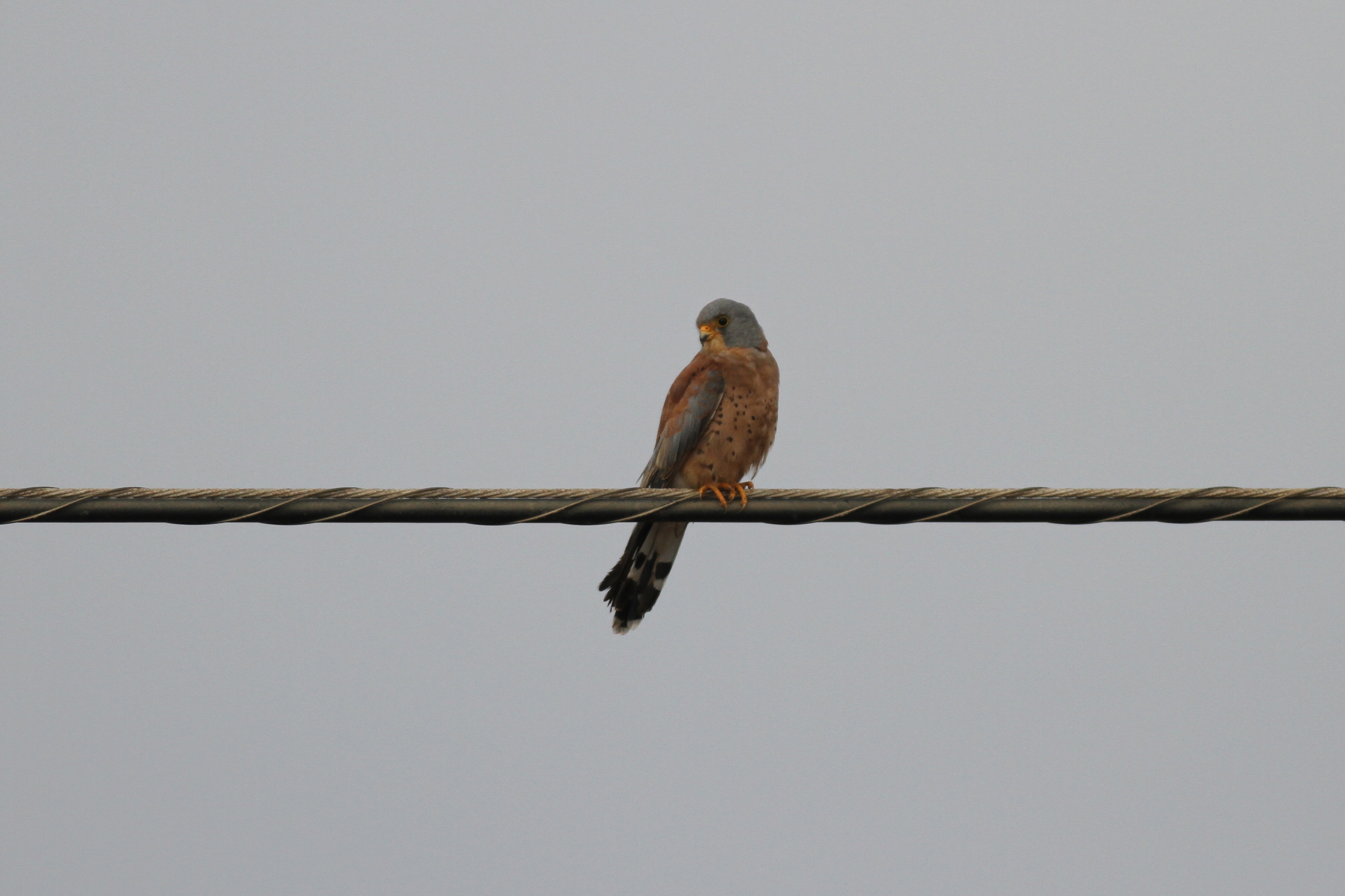
A male Lesser Kestrel on the road to Sanctuario de la Luz – look closely and you can just see the definitive id feature of white ‘toe-nails’!

IMG_5632

Juvenile Woodchat Shrike

IMG_5639

and a ‘bonus bird’, in the cattle compound at Los Lances, Rufous Bush Robin

IMG_5562

The wetlands of La Janda, just inland from Tarifa, are always good value – this Black Stork dropped in whilst we were searching through the waders on one of the flooded rice fields

IMG_5685

This juvenile Collared Pratincole was also close by

IMG_5869

Not the Little Swift at Chipiona we were hoping for but a free-flying Peach-faced Lovebird (not yet on the Spanish list though I’m afraid!)

IMG_5896

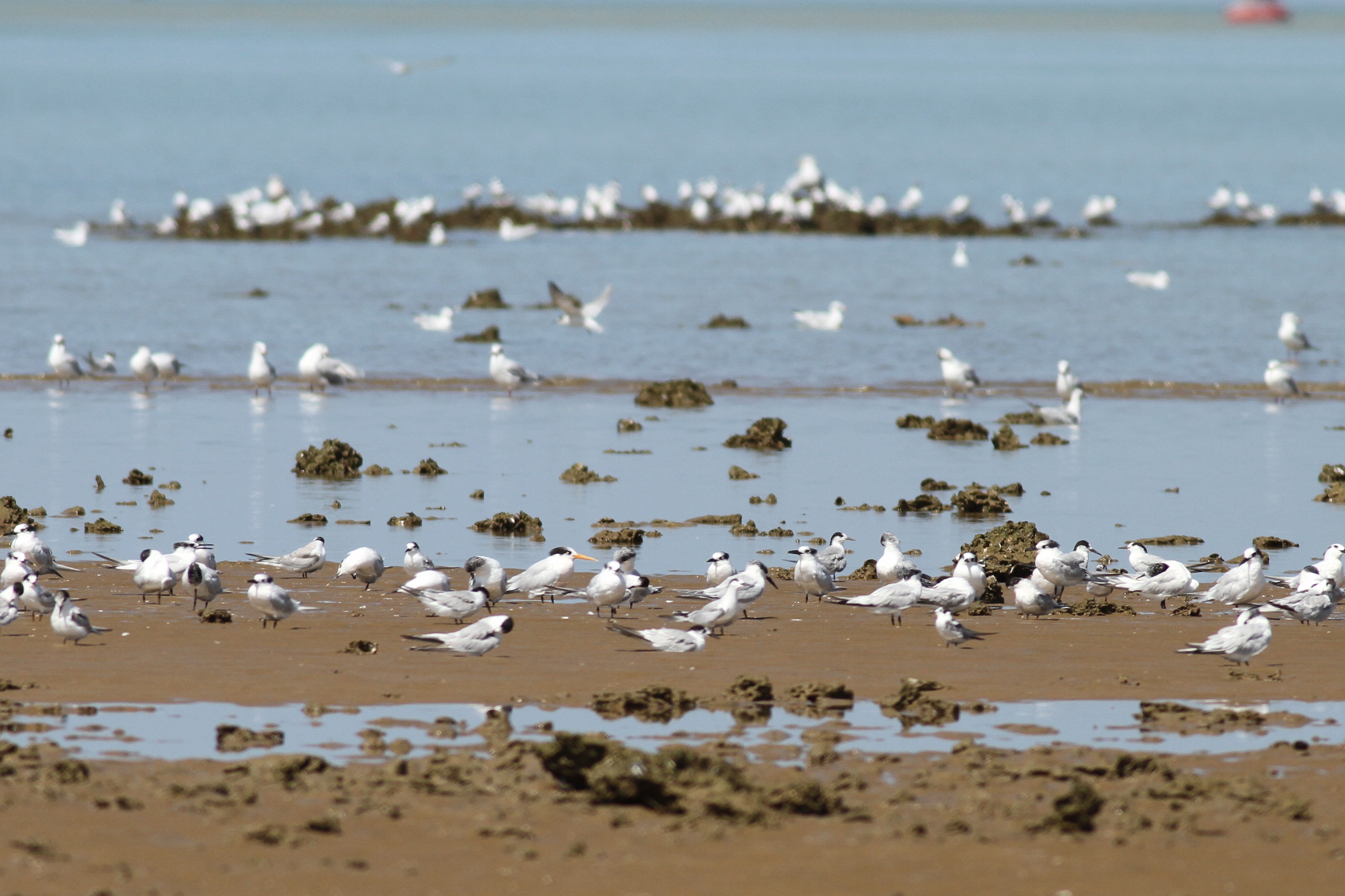
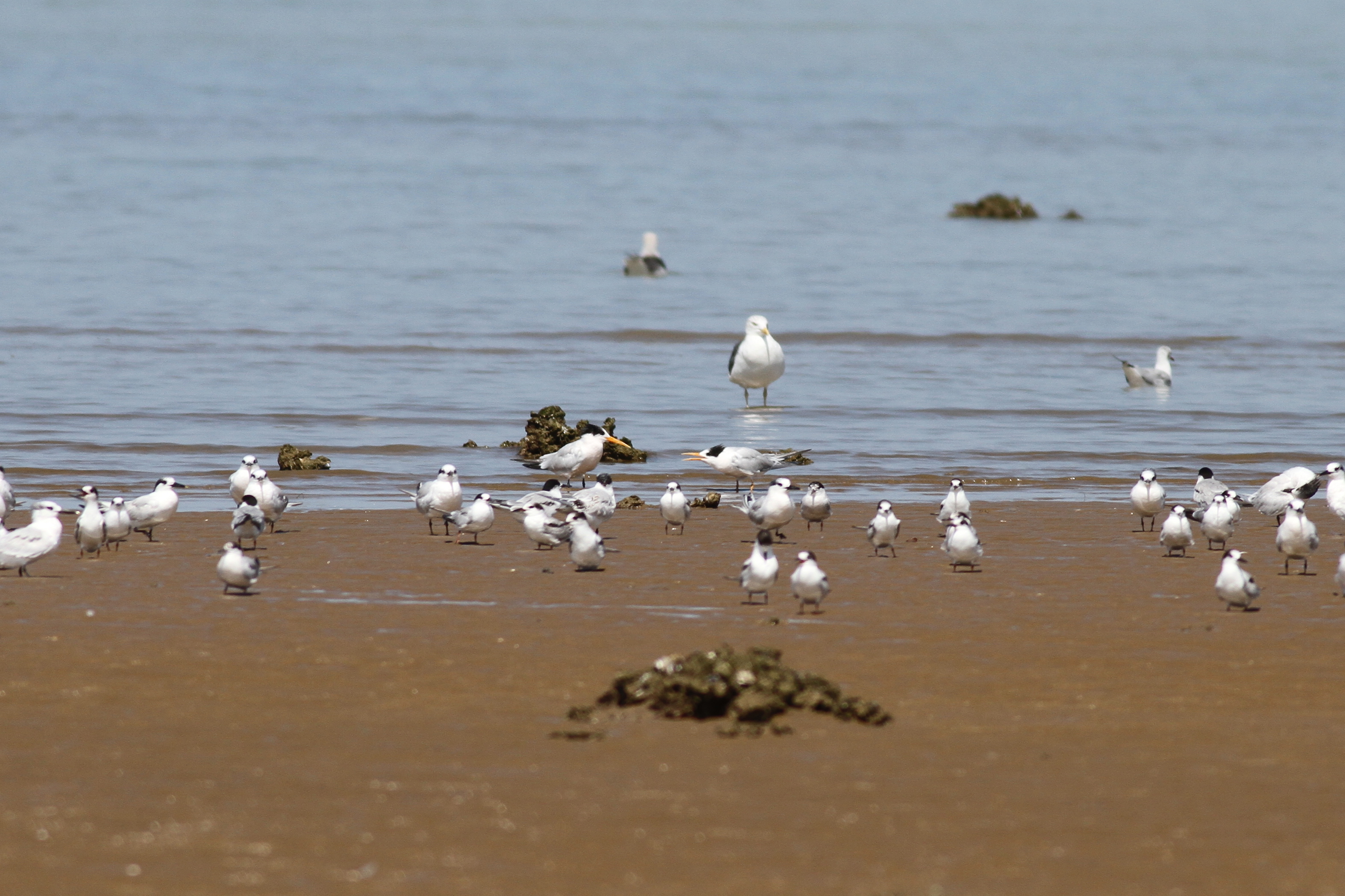
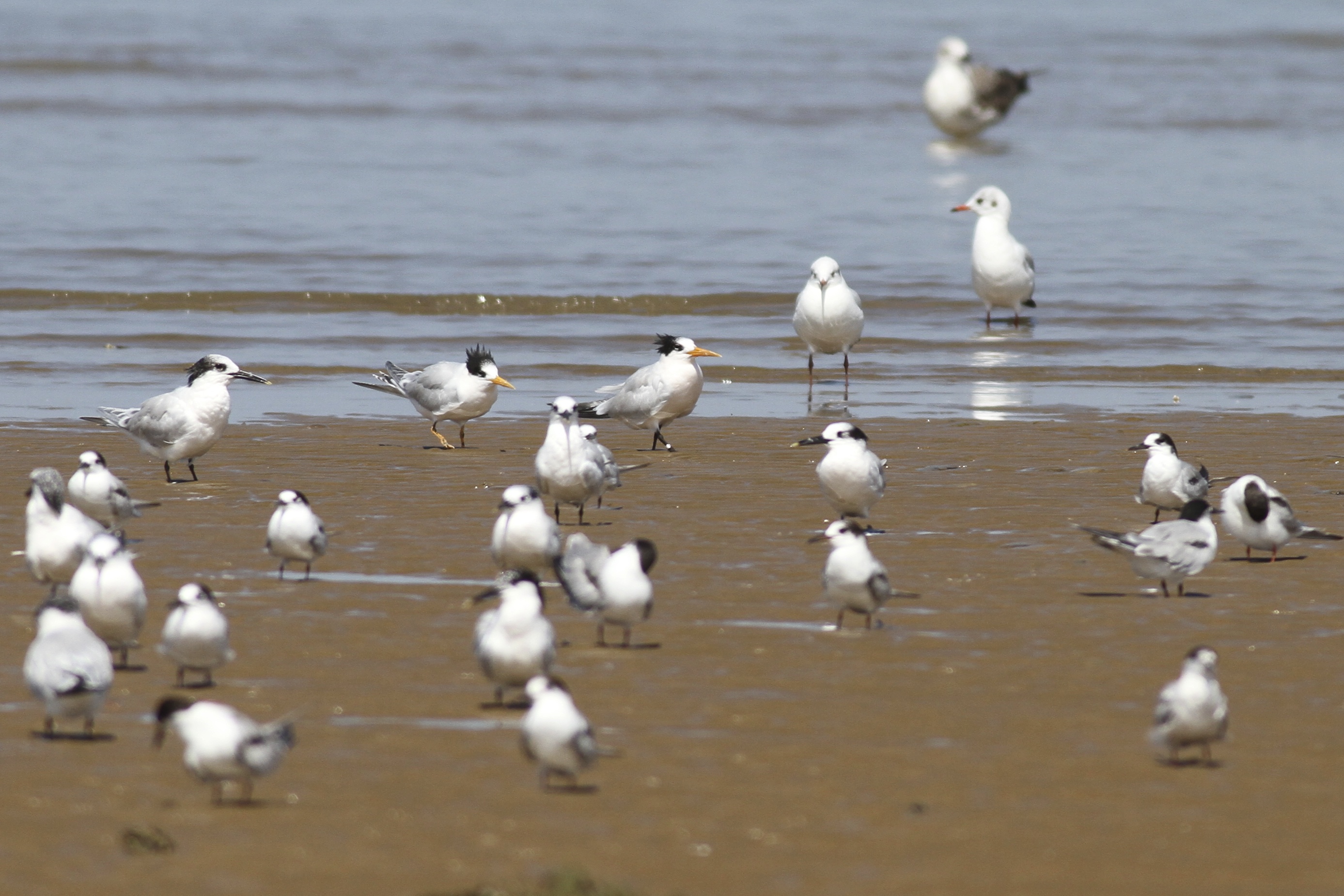
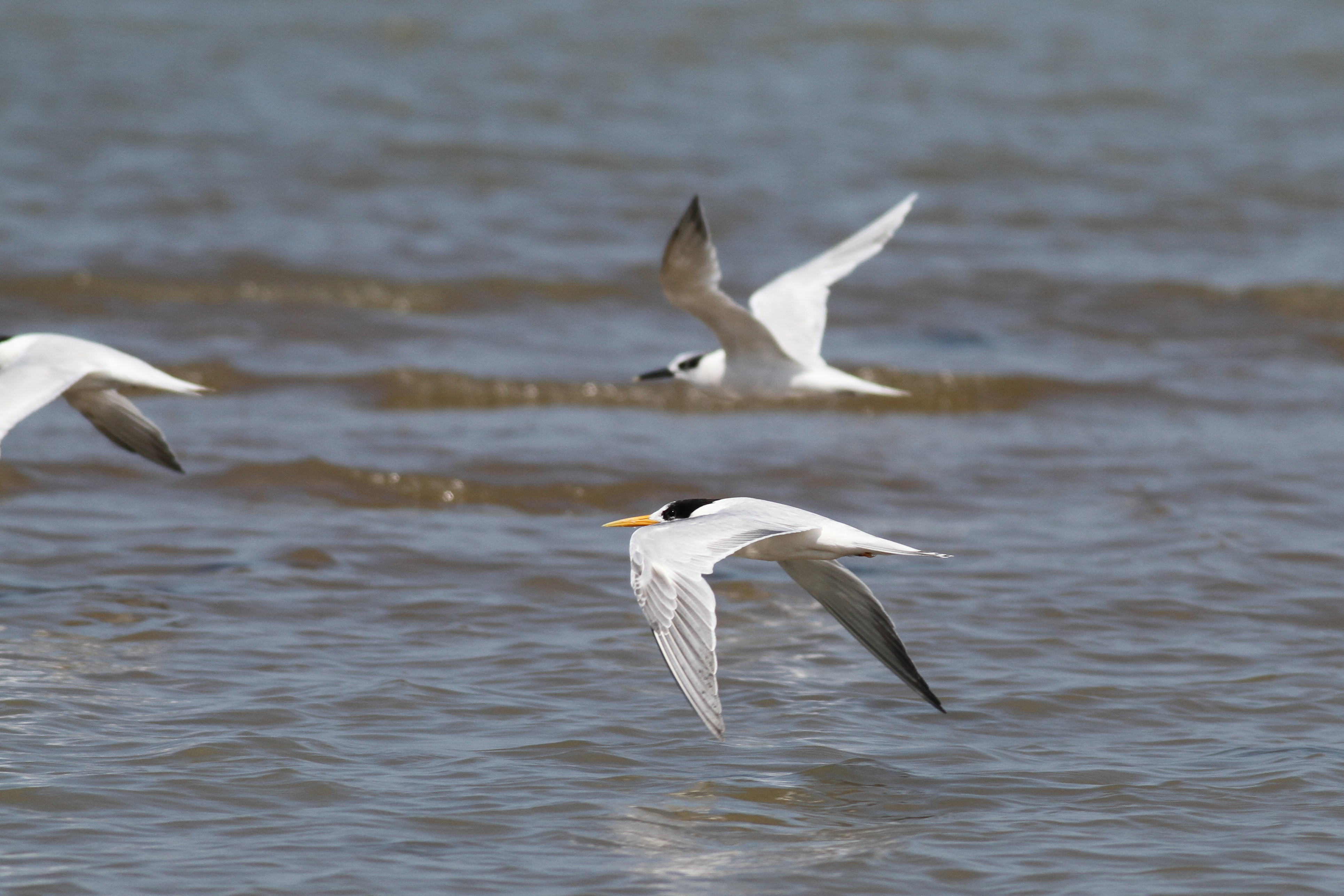
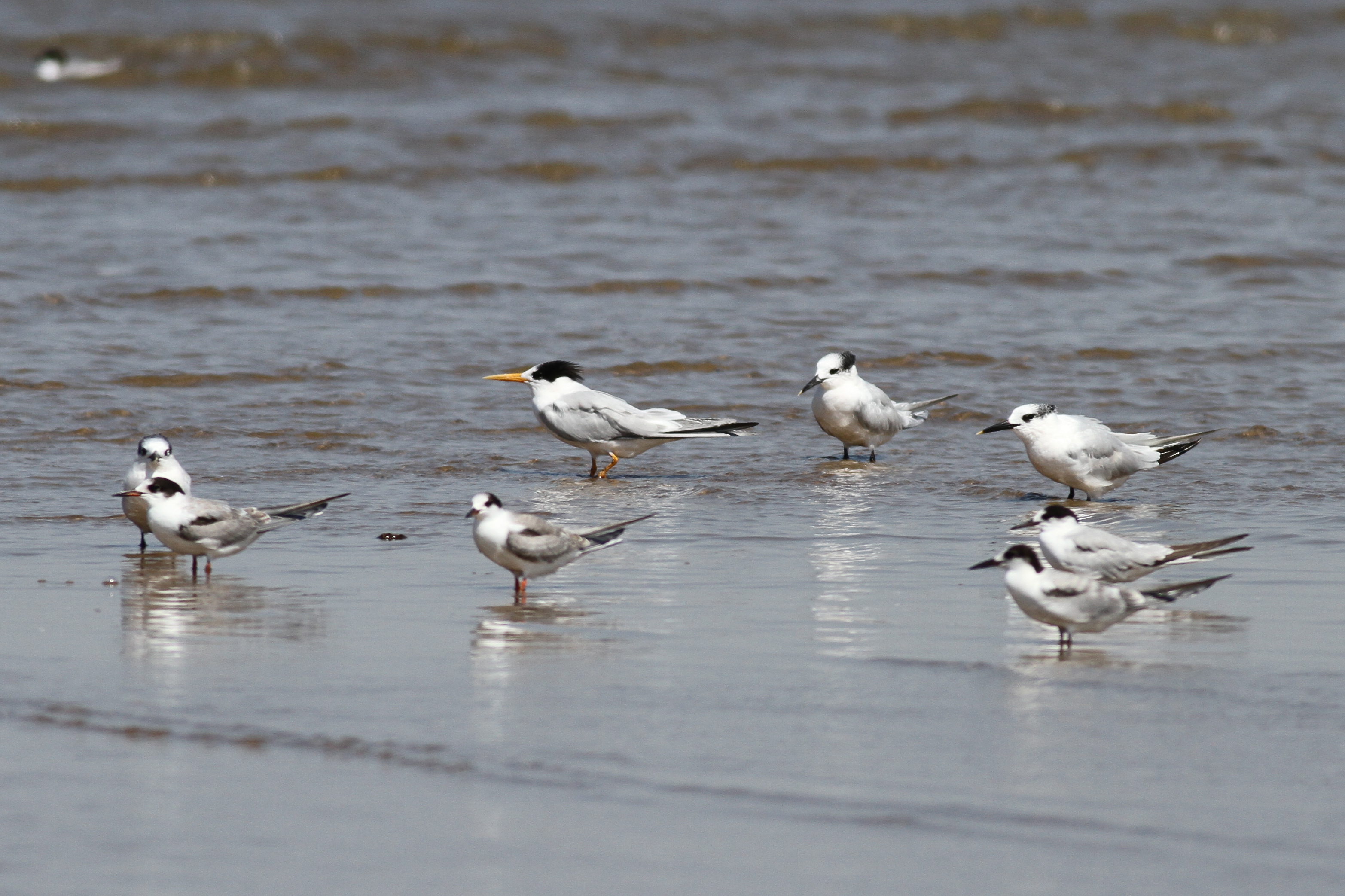
Finally, that  tern or terns I was telling you about. Having visited the beach at Tarifa more times than I care to remember, including at least six times on this trip, looking for Lesser Crested Tern, a speculative visit to the beach at La Reyerta, around lunchtime on 11th, finally turned up trumps…. well sort of!! Two ‘orange billed’ terns, an adult and a first winter bird (yellow legs) where ‘loafing’, along with a few hundred mixed terns and gulls, at the mouth the Guadalquivir. Good candidates for Lesser’s perhaps…. but as Elegant Tern, which are pretty similar, have bred recently in Spain, they can’t be ruled out. For additional photos, see ‘La Reyerta orange billed tern gallery’ on this blog.

Authoritative sources in Spain now say that these birds are the male and youngster of a pair which bred in Albufera de Valencia, this year and which have been roaming the Cadiz area for a number of weeks. The male was first ringed in Marismas del Odiel, Huelva (SW Spain) on 8 October 2002 as a Lesser Crested Tern, but when it was re-trapped in 2006, it’s  identity was questioned, DNA was taken and the identity awaits confirmation – though is leaning towards Elegant. The mother was an Elegant Tern and therefore the youngster is considered by most to be genetically pure enough to ‘tick’ as Elegant…which indeed I intend to do! This ‘orange billed’ tern id quest has been a bit of a mind-bender…I hope it’s a while before I see another one!

The birds in question…..

IMG_5924


IMG_5966


IMG_5974


Fantastic birds – a real and unexpected triumph!

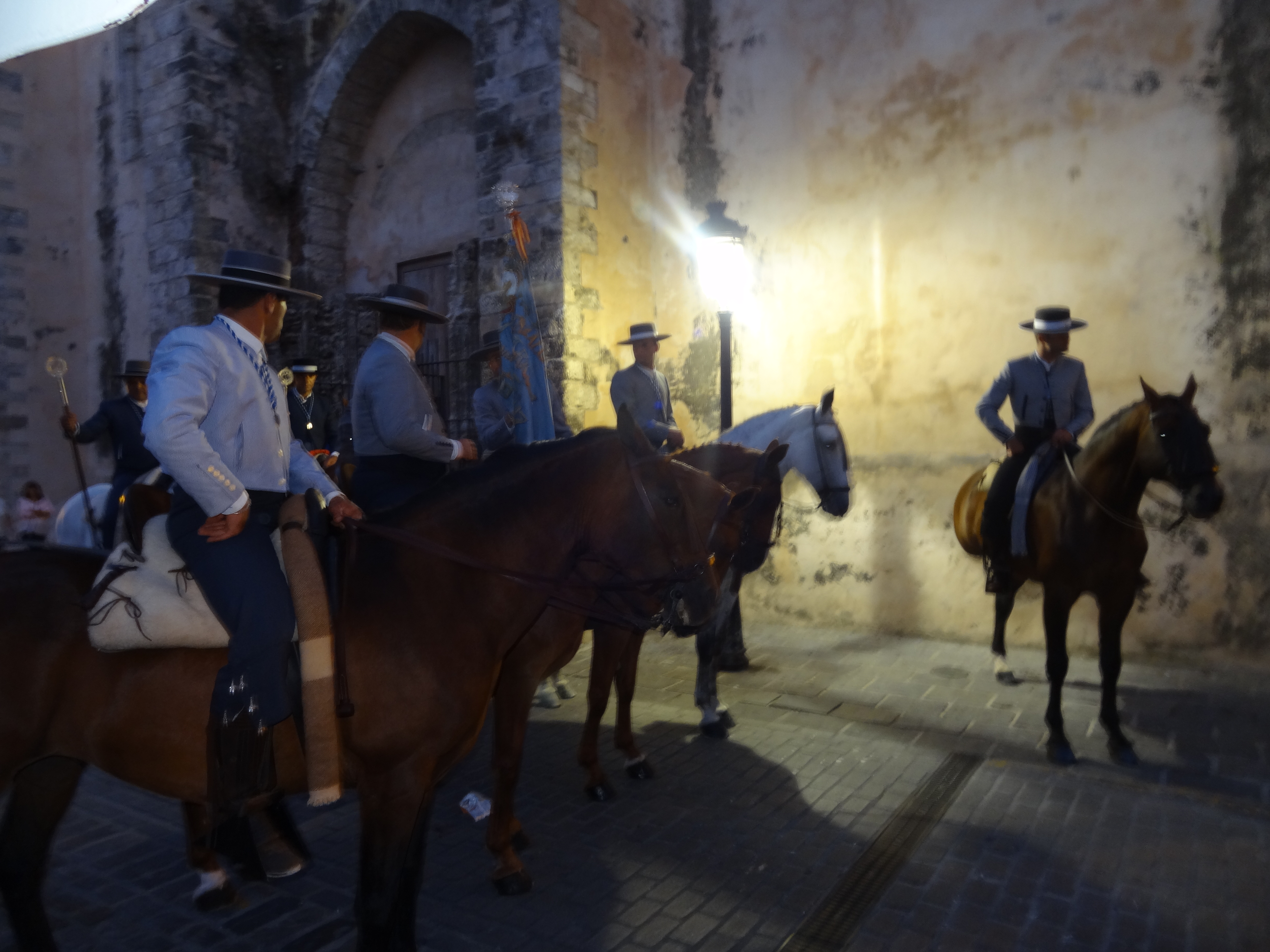
Post Script:  The Tarifa Feria or fair, combined with the procession of the Vergen de la Luz was a real added bonus.

DSC04607

DSC04626

DSC04638