Upland upheaval

Long-legged Buzzard drifting over the rest area mid-way between Sogut and Cavdir

Back in the day the only bits ordinary tourists got to see of Turkey were around the resorts like Bodrum, Iztuzu, Marmaris or, if you were posh, Olu Deniz and the connecting coastal strip seen from the airport bus. Tourist excursions to Turtle Beach or further away to Ephesus and Pammukale gave visitors a brief glimpse of the ‘real’ Turkey. From the sixties a few intrepid birders had explored the country and discovered its hidden avian treasures and, on their heals, Dave Gosney – package holiday birding pioneer – produce his booklet ‘Finding Birds in Western Turkey’ (revised in 1996 and 2014). When we first came to Turkey a couple of decades ago we used the Gosney ‘bible’ to uncover a host of hidden locations and their birds. One regular trip was inland from the coast, high up onto the mountain plateaus – a step back in time to ancient landscapes and subsistence farming. Well things have changed! Driven presumably by the burgeoning tourist industry, the desire for economic growth and entry to the EU, the uplands have undergone a massive upheaval. The winding mountain roads have been replaced with dual carriageways, the farmland peppered with poly tunnels and mechanisation and an explosion of housing to service this growth. Yesterday we repeated the long trip but the impact of these changes became quickly apparent. We started at the furthest end of our itinerary looking for the water trough next to the mountain pass road near Cavdir where Gosney had seen a host of exciting species come to drink – ‘magic’ he’d said. The water has stopped flowing and the trough is now isolated by a four lane highway. The story was repeated throughout the day as site after site had been ‘improved’! Don’t get me wrong, we still saw some good birds (not helped by the time of year I’m sure) but the long day and distances involved left us weary and nostalgic for past times.

Masked Shrike at the same location
Rough-tailed Rock Agama
We saw three new ‘rock’ species – Rock Bunting, Rock Sparrow and this Rock Thrush. Record shot
The pass at Göğübeli Geç in 2005 – a local mum comes to collect water from a mountain spring. Now there’s a drive-in pancake place there!

First motorised excursion

Kruper’s Nuthatch – in the hills around Cogenli Yaylasi

We finally got our hire car an hour later than promised, but for fifty quid a day what can you expect. It comes complete we ‘no questions asked’ insurance – you don’t ask us about insurance and we won’t tell you there isn’t any… I suspect! For our first reacquaintance with Turkish driving we opted for a gentle ride up into the hills behind Koycegiz, to the farming plateau of Cogenli Yaylasi – another location covered on the Dalyan Birding website. It’s only about 50k from the hotel but it took us well over an hour to reach the remote village nestling amongst the hills. Significantly cooler and with a variety of habitats it proved excellent birding – taking our trip list to over 60. There are some birds that hold a special place in one’s imagination – Kruper’s Nuthatch is one such bird for me. We first tracked them down at the well-known army camp site on Lesbos. A dainty, colourful nuthatch with a big call. Today’s bird, found by Jane, was silent but obliging, as it foraged around the trunks of some mature roadside pine trees. Other notables included: Sombre Tit, Blue Rock Thrush, Western Rock Nuthatch, Montagu’s Harrier (pending final confirmation of id) and Chukar. Now we have wheels we’re off to more distant location – mountains and coastal lakes are on the itinerary for the next couple of days.

Blue Rock Thrush – amongst the supporting cast for the day
Short-toed Snake Eagle – raptors are thin on the ground

Lazy Sunday morning

The Kings Tombs, carved in the cliffs high above the Dalyan River

Still without wheels we decided on a lazy Sunday morning, catching the row-boat ferry to visit the Kings Tombs on the opposite side of the river to Dalyan. We’d been there before but they are impressive when you get close to the base of the cliffs. What we hadn’t done before was continue on the track that leads away from the houses towards the ancient settlement of Kaunos. Dating back to 10th century BC, there is an impressive array of Greco-Roman architecture, set in a spectacular coastal setting – including an impressive amphitheatre, several temples, church, observatory, entrance gate, etc. Also a few nice birds around, including our first Black-eared Wheatear of the trip. By the time we’d finished mooching around in was lunchtime, which we ate in the family-run riverside pancake house – great food but far too much. The afternoon was spent on a conducted tour of the Dalyan ATM’s until we found one that would give us some money.

The amphitheatre at Kaunos
Black-eared Wheatear (female) amongst the ruins at Kaunos

Hunting for hotspots

This wasn’t a bird I was expecting at our Dalyan birding hotspot – Lesser Spotted Woodpecker. Record shot

It always takes time in an unfamiliar location to work out where the birds are, particularly if you are restricted to early mornings / late afternoons by the heat of the day (<35deg in our case) and you are relying on ‘shanks’s pony’ to get around. There’s a track that runs along an overgrown canal, near to our hotel, which has the makings of a ‘birding hotspot’. So far, along a one kilometre stretch we’ve found eight sorts of warbler, Spotted Flycatcher, two races of Yellow Wag, three different shrikes – Red-backed, Woodchat and Masked, and two different woodpeckers – Syrian and Lesser Spotted. I get the feeling that there’s more to come.

More expected, but still nice to see – Spotted Flycatcher
The local black-capped race of Jay – anatoliae – is interesting

Green… you could say that

Tourist boat heading for Turtle beach, with the rock tombs across the river

We arrived well after dark at our Dalyan hotel, so yesterday was our first chance to explore. Staying ‘green’, at least until we’ve acclimatised, I took a dawn stroll around the hotel which is on the edge of town. Past a couple of smaller hotels, a few cultivated plots, across the canal and I was down at the river, with the sandstone cliffs rising steeply from the opposite bank. By the time I returned for breakfast I’d seen close on twenty species – a good reminder of Turkish birding. It was still mid-morning when we decided to set off to do a local walk to the ‘Eskikoy Rocky Outcrop’, as highlighted on a Dalyan birding website – now defunct I think. We stuck to the track leaving town, adding a few more species to the list, before finding the start of the walk proper. As the temperature started to rise I did a quick check that we were up for this. I’d got a small bottle of water in my pocket so we decided to continue. By the time we reached the rocky outcrop – giving good views over lake Koycegiz – we were definitely feeling the effects of the sun. Jane sought out some shade between two rock slabs whilst I decided to reach ‘the summit’ and enjoy the views. It was only then that I started reflecting on the tragic case of Michael Mosley (a couple of years younger than me) who perished recently on a hillside walk on a remote Greek Island. We rationed the water and started back on the return journey – neither of us feeling quite right. As we turned off the main road, with only a couple of kilometres to go, we sipped the last of the water and it was then that I noticed Jane’s phone was missing from her pocket. It must have dropped out somewhere in the last 5k! Neither of us were in a fit state to retrace our steps. We made it back to our hotel room, sat under a cold shower and drank litres of water and coke. Jane spent the afternoon tracking her phone on her iPad. It appeared to have been lost on the roadside a couple of kilometres from when we first noticed it missing, but soon after it was showing at a location in the next town! Another check an hour later and it was in Dalyan – turns out at the police station! Jane and her phone (and her driving licence and bank cards) were happily reunited. The walk ended up being just shy of ten miles and the temperature an average of 35 deg. What a day, and following gentle admonishment from the kids, we promised to be less ‘green’ in the future!
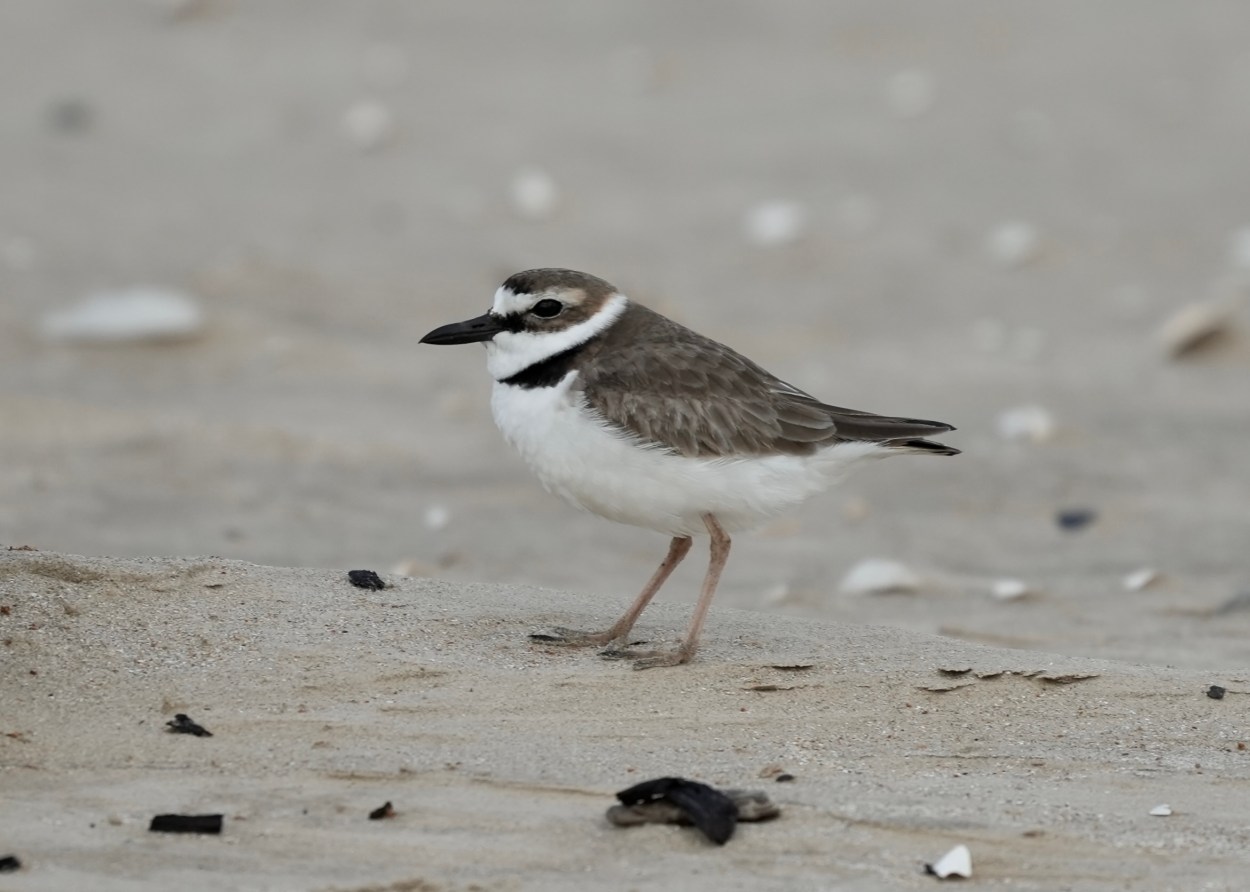
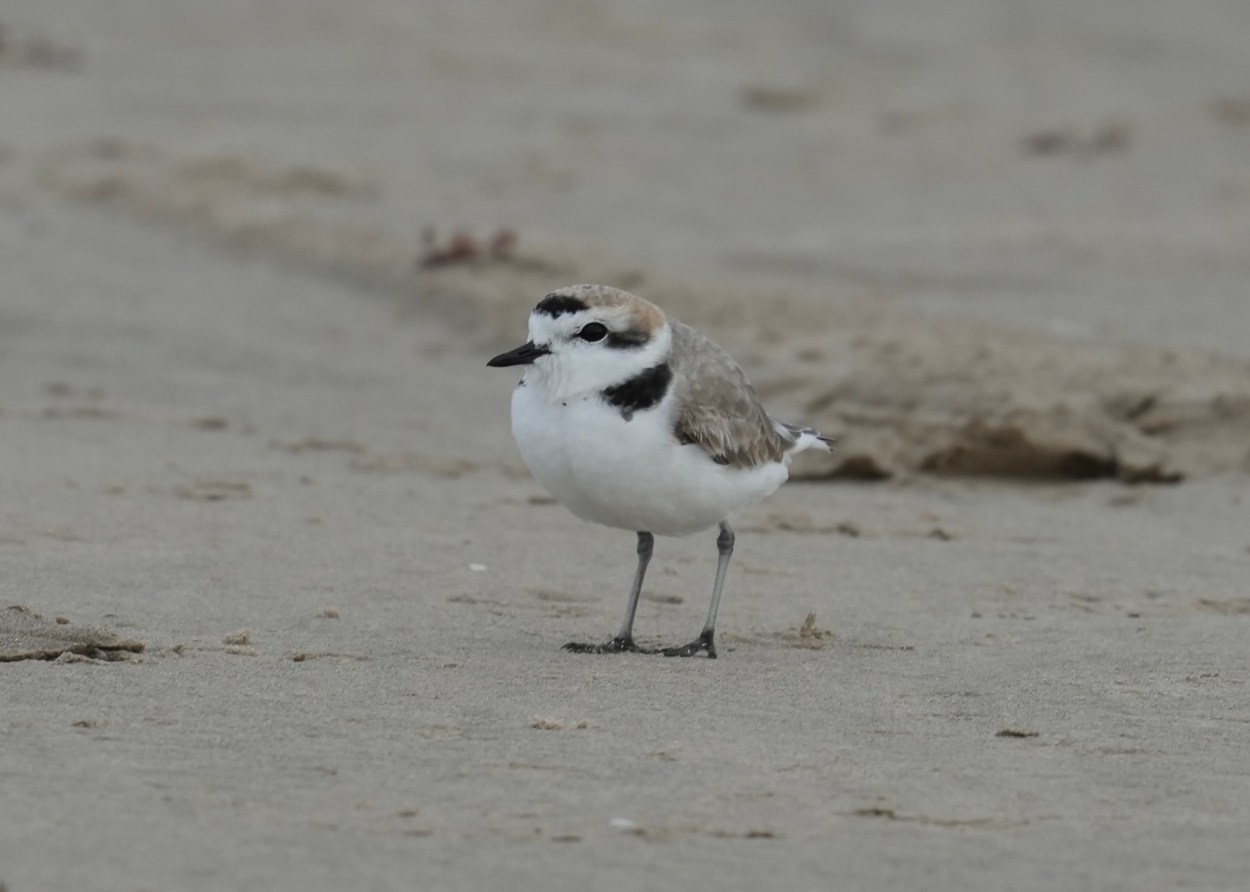
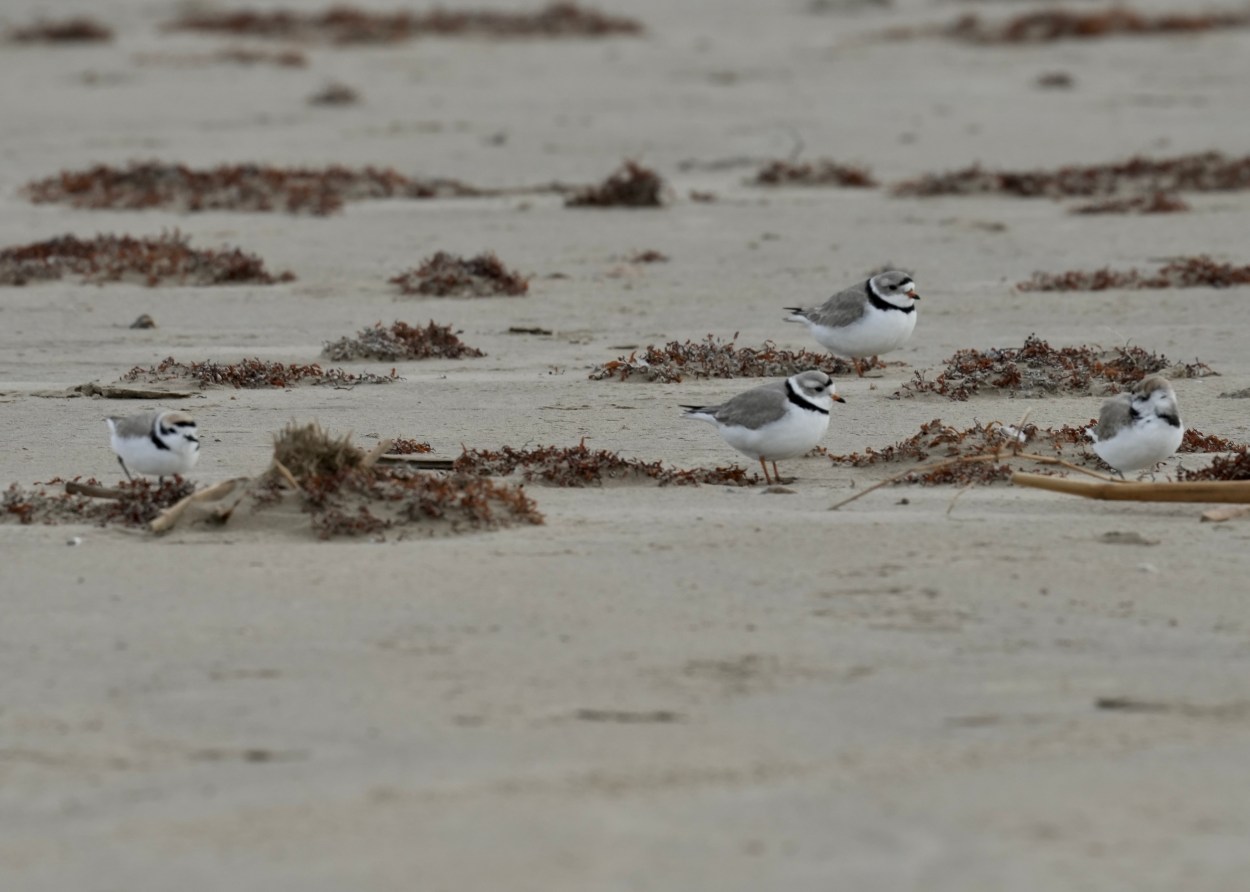
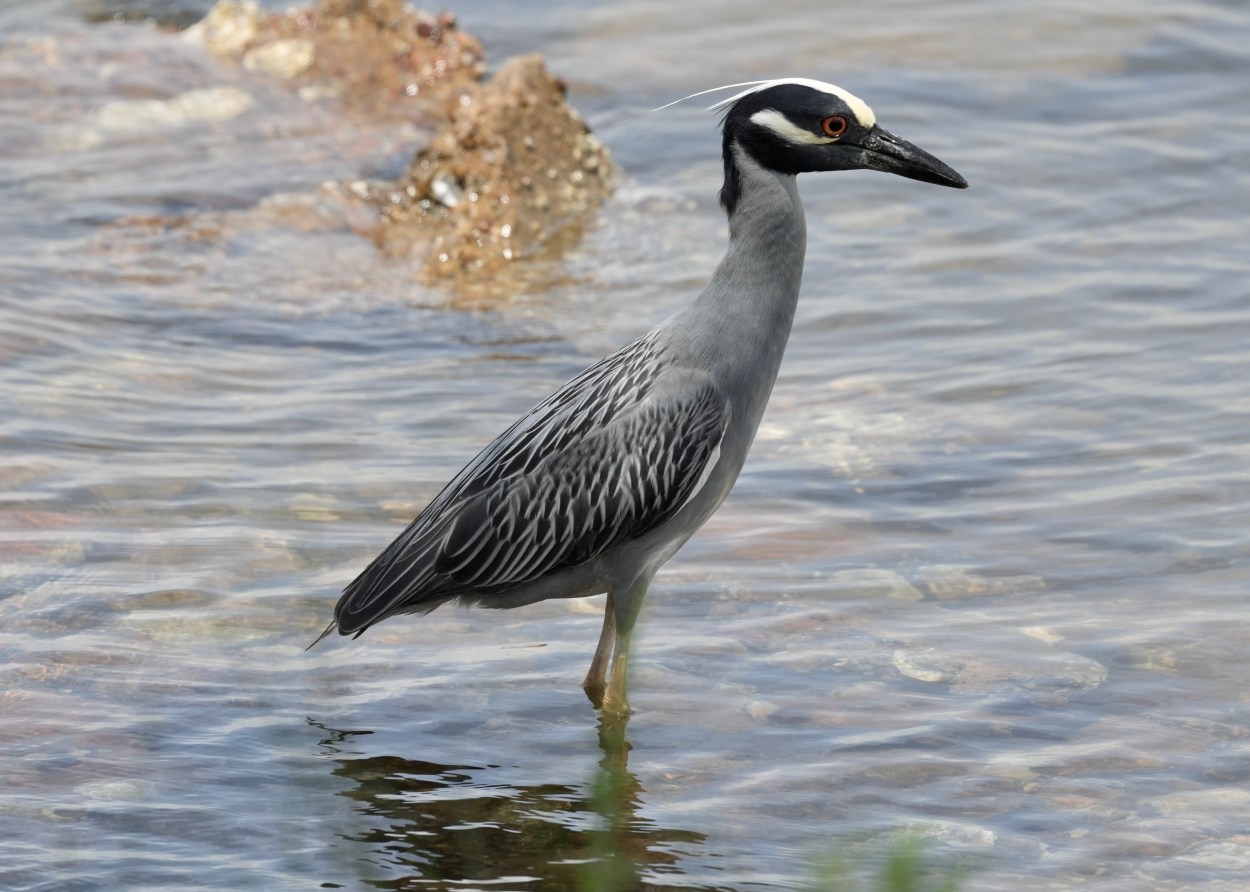
View of Lake Koycegiz – if you were in a fit state to enjoy it – from Rocky Outcrop
Even this old goat knew it was too hot to be out!

Unexpected change of birding destination!

Roller – one of the many highlights of the 2007 GPOG trip to south-west Turkey

To cut a long and painful story short, we were going to Spain for a well-deserved break – now we’re going to Turkey instead! Turns out that the expiry date in your UK passport (in my case March next year) is irrelevant to our European cousins. In a recent spiteful and petty anti-Brexit reaction EU bureaucrats apparently created the ‘ten year rule’ which means your passport isn’t valid beyond ten years after the issue date – in my case early August. Having travelled down to Luton on Monday, spent the night in an hotel, parked the car for the week and checked in our luggage, ready for an early departure to Malaga yesterday morning, I was stopped at the gate and told I couldn’t fly. It took an age to retrieve our bags, collect the car and drive back home. Jane managed to cancel some accommodation but we’ve lost the money for the flights, car hire, parking and accommodation – three cheers for Brussels! Determined to do something with our precious week we looked for last minute breaks to non-European countries and Turkey came up trumps. We’re off tomorrow to Dalyan a lovely lake-side resort in the south-west of the country – a destination we last birded with a GPOG group back in 2007 – what could possibly go wrong! More news on this blog in due course…

The GPOG gang back in 2007


Day 22 – Eye, eye

Record shot of Sora as it darted between the reeds at Cherry Creek State Park

Our overnight was at Castle Rock on the edge of Denver – less than an hour away from the airport. Luckily our route took us passed the excellent birding hotspot of Cherry Creek State Park – where we spent our final couple of hours of US birding. The wetlands which surround the reservoir hold a variety of species but we were after two in particular – Sora in the reedy margins and ibis sp feeding on the open pools. The rail called loudly but it took awhile before we managed to see it. The ibis on the other hand were evident from the start but their constant feeding actions meant obtaining conclusive views of eye-colour was difficult! White-faced, which is the default, have pink eyes whereas the much rarer Glossy have dark eyes. There are also other subtle difference in bare-part colouration – around the face, the bill and legs. We eventually got good enough views, with id confirmation later from photos. Our 197 and 198* additions to our Great American Midwest Birding Roadtrip. We handed in the car, checked in and departed on time arriving back in the UK at 11.00am on Friday.

The default ibis species, White-faced – with pink eyes
Glossy Ibis, with dark eyes and grey facial colouration – a challenging last addition to the list

Matt’s 40th birthday weekend celebrations before back to Norfolk and Cley on Monday. Posting will now revert to Cromer Nature Notes

* totals subject to recount – we’d missed moving several from the State lists to the Trip list!

Day 21 – All done birding

Curve-billed Thrasher in the early morning sun – preventing it being a ‘dot day’

Our last full day of birding in Colorado. We started with a pre-breakfast trip back to Pueblo Reservoir to ‘collect’ Curve-billed Thrasher in the camp ground – first bird we heard / saw. Then we spent most of the day at the lovely, though rather birdless, Fountain Creek Regional Park. We did manage to add one tick though – Grey Flycatcher. We checked in to our final overnight stop at Castle Rock before heading out to Castle Wood Canyon State Park for a last couple of hours birding before dark. Nothing of particular note but Pine Siskin, Mountain Chickadee, Spotted Towhee and Northern Flicker in the trees, whilst overhead White-throated Swift mingled with Golden Eagle, Cooper’s Hawk and Turkey Vulture – not a bad end to the day really. Today we’re heading for the airport for an overnight flight back home – we might be able to squeeze in a couple of ‘on route’ sites on the way. As always, birding in the States has been a great mix – good birds, nice people and terrific scenery. What’s not to like?

Record shot of our only other tick of the day – Gray Flycatcher at the lovely Fountain Creek

Day 20 – Arkansas River valley birding

Forster’s Tern first tick of the day (shame about the missing primaries!)

We spent the day birding the Arkansas River valley, starting with a pre-breakfast return to Holbrook Reservoir, where we added Forster’s Tern and Marbled Godwit to the trip list. After breakfast it was a short hop north west to Pueblo and the Lake Pueblo State Park – beginning with Valco Ponds where we added Hooded Merganser, Great Egret and Greater Scaup. Then on to the Visitors Centre for Bushtit and Rock Canyon for Ash-throated Flycatcher. In the afternoon at Swallow SWA we had another Great Egret and a Snowy for good measure. Final new bird for the day and my USA list was Cackling Goose at the City Park in Pueblo. Not a bad day but the prospect of adding new ticks is becoming more remote as the days go by – surely we’re due a ‘dot day’!

Viewed and photographed at considerable range – it took us a while to be happy with the identification of this Greater Scaup
This four foot Bull Snake on the path at Valco Ponds was a bonus
Last tick of the day and a ‘first’ for me in the US – Cackling Goose which winter in south east Colorado

Day 19 – heading back towards Denver

Stunning scenery at Two Buttes SP and some good birding too

We started the day at Two Buttes State Park looking for Ladder-backed Woodpecker and hoping to catch more early migrants. The scenery was awesome and our target was quickly located – a pair actually, but they were always in the tops of the trees. We did also add another warbler to the list, this time Tennessee. Next we dropped in on the Lamar Community College, where they have a nature trail behind the campus. Unfortunately we failed to ‘do the double’ with Red-headed Woodpecker – which is proving tricky. Lunch was taken visiting several sites around the John Martin Reservoir State Park and although the various habitats looked good we failed to add anything new to the list. Ferruginous Hawk was a much needed addition on route to our final couple of stops – two adjacent inland saline water bodies – Cheraw Lake and Holbrook Reservoir. Both locations produced the goods – at the first we got reasonable views of breeding (?) Snowy Plover and at the later, two more water birds – Common Loon and Red-breasted Merganser. Oh and another Snow Goose! – this one being a first winter bird.

We’d tried several locations for this elusive species before tracking it down at Two Buttes SP – the appropriately named Ladder-backed Woodpecker
Another plover we weren’t expecting – Snowy, in perfect breeding habitat
Book-ending this blog, another scenic shot – this time of Cheraw Lake – the natural salt deposits making a perfect backdrop for the Snowy Plover