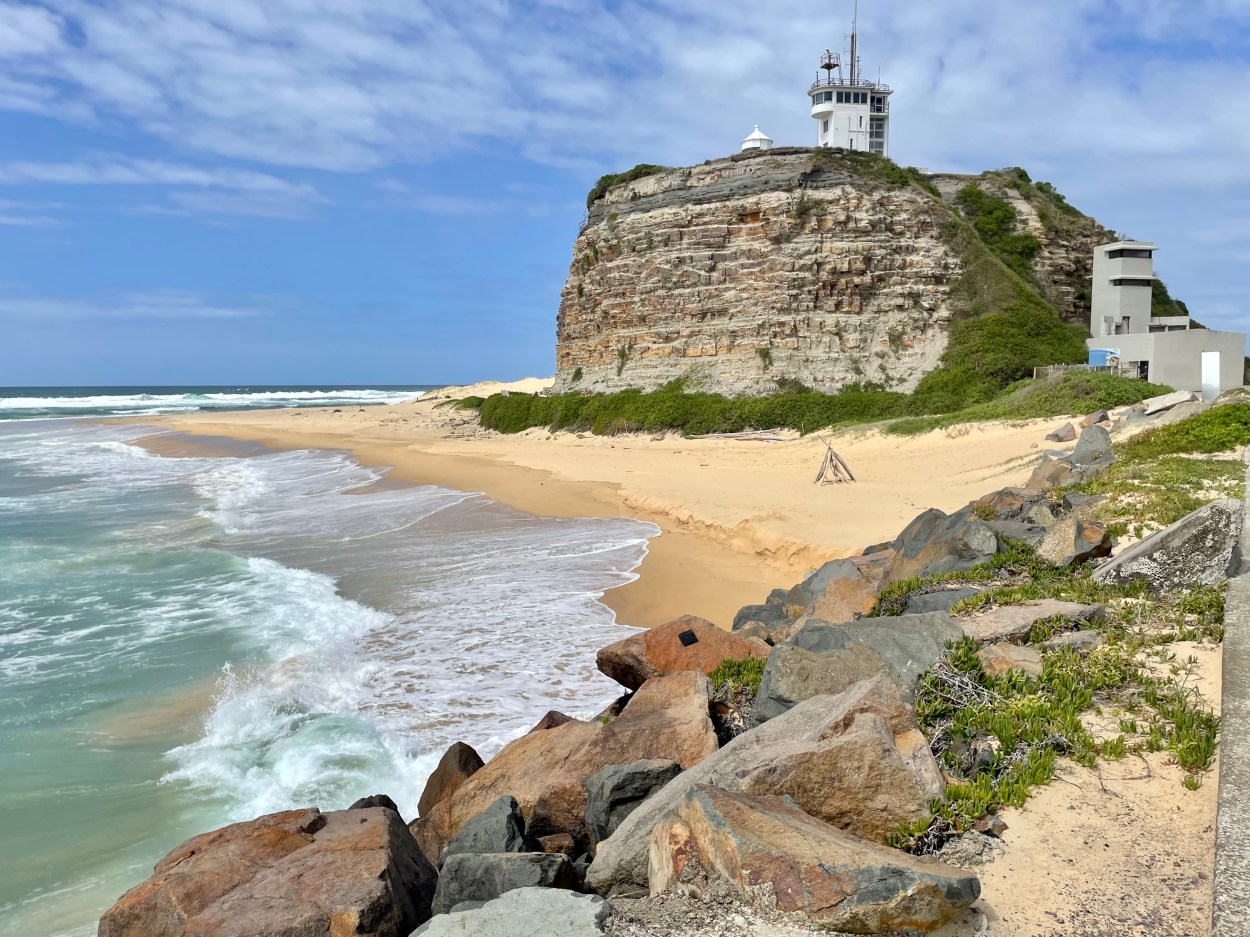
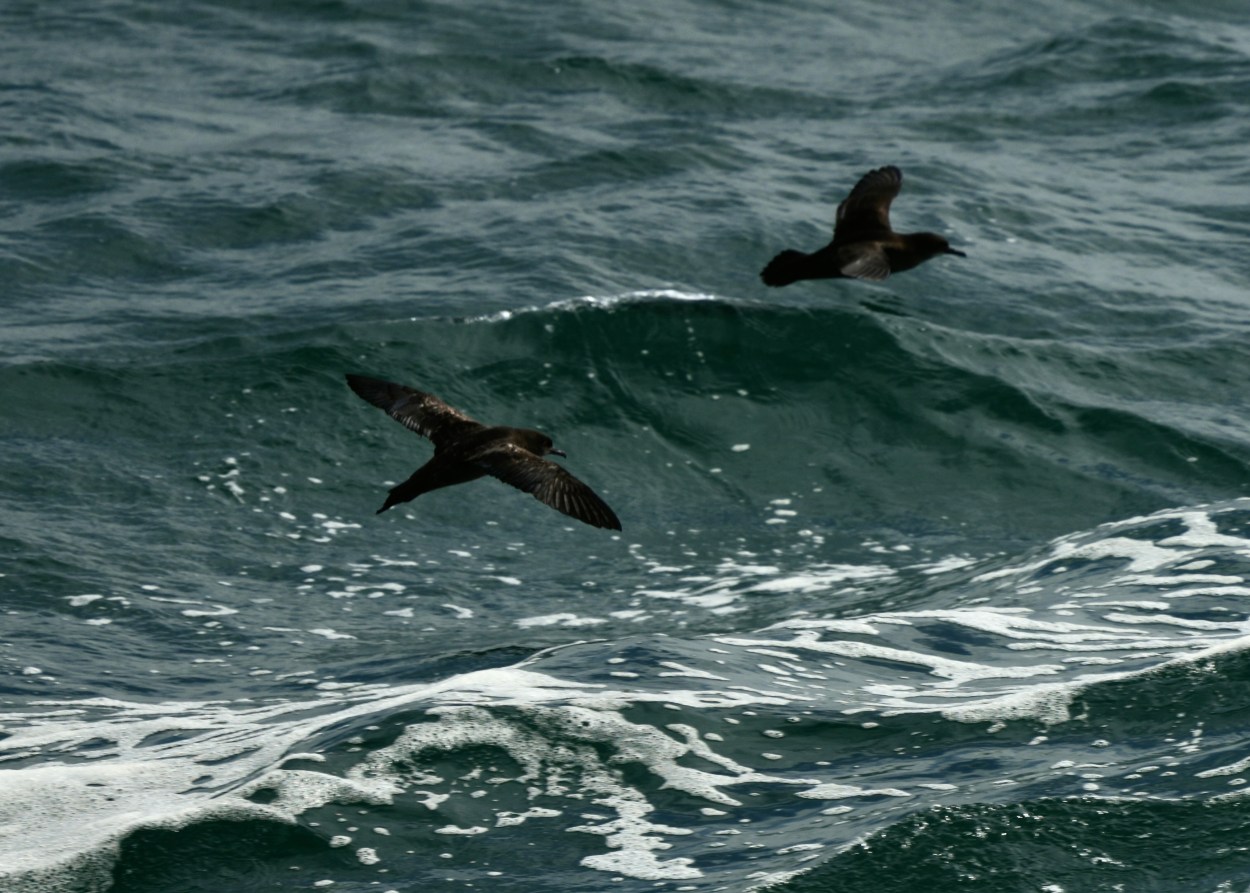
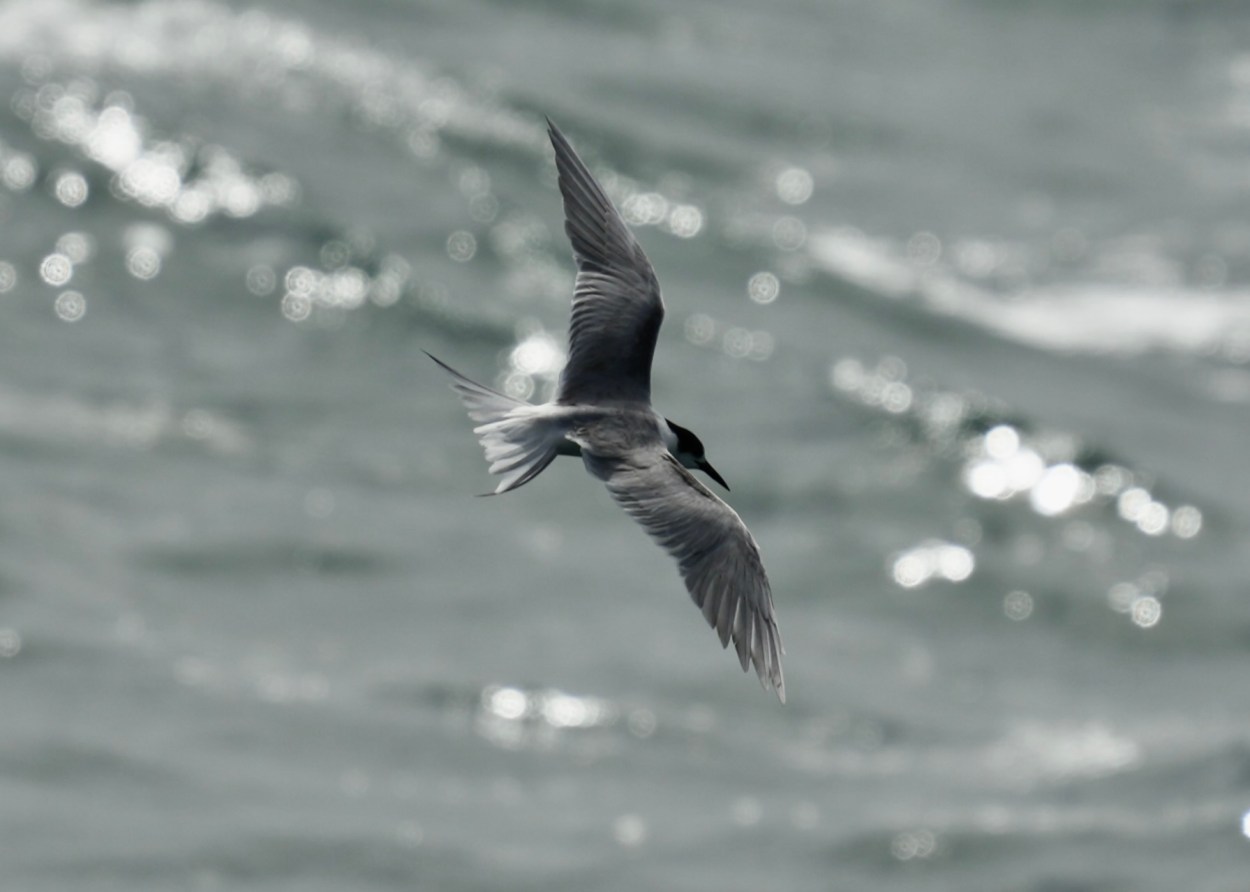
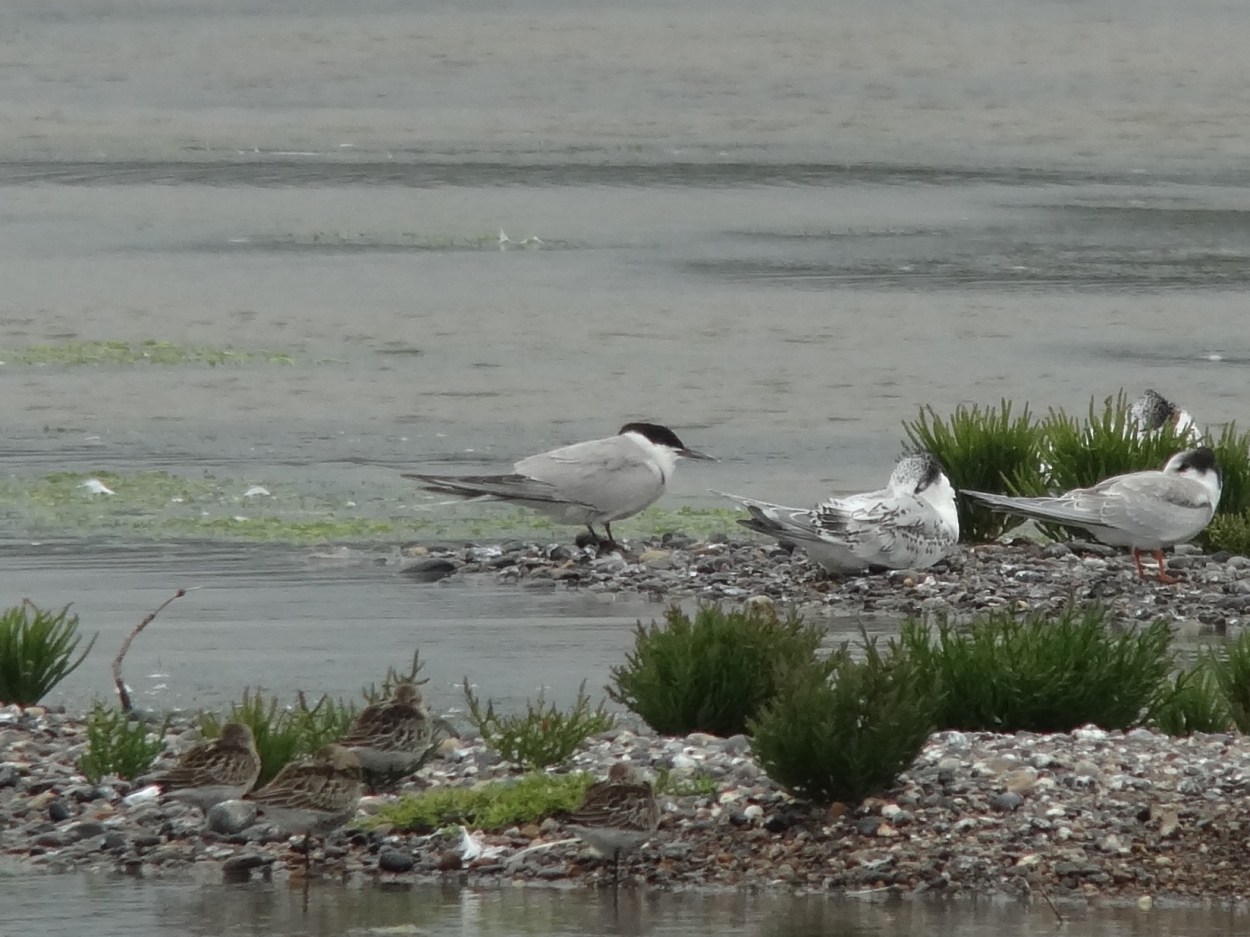
Nobbys Point is a notable Newcastle landmark – a lighthouse and breakwater which guards the southern approach to the Hunter. In the right conditions it can be a good place for birding. Unfortunately on our first visit this trip, last Sunday, it poured with rain and we had to retreat. Yesterday the weather was better and we made it to the end of the breakwater before the high tide washed over us. Birding was quiet with only one shore bird – Sooty Oystercatcher – a handful of ‘Wedgies’ (Wedge-tailed Shearwater) and three tern species: Little, Crested and Common. The latter of course looks nothing like the Common Tern we are familiar with in Norfolk, with black bill and dark legs. I did see a presumed ‘Eastern Common Tern’ at Cley back in August 2014. The only other bird of note was a singing Blue-faced Honeyeater in the garden in Wallsend.
A couple of Wedgies off Nobby’s PointSeveral Common Tern off the point – an addition to the trip listThe Cley ‘Eastern’ Common Tern in August 2014, with black legs and bill
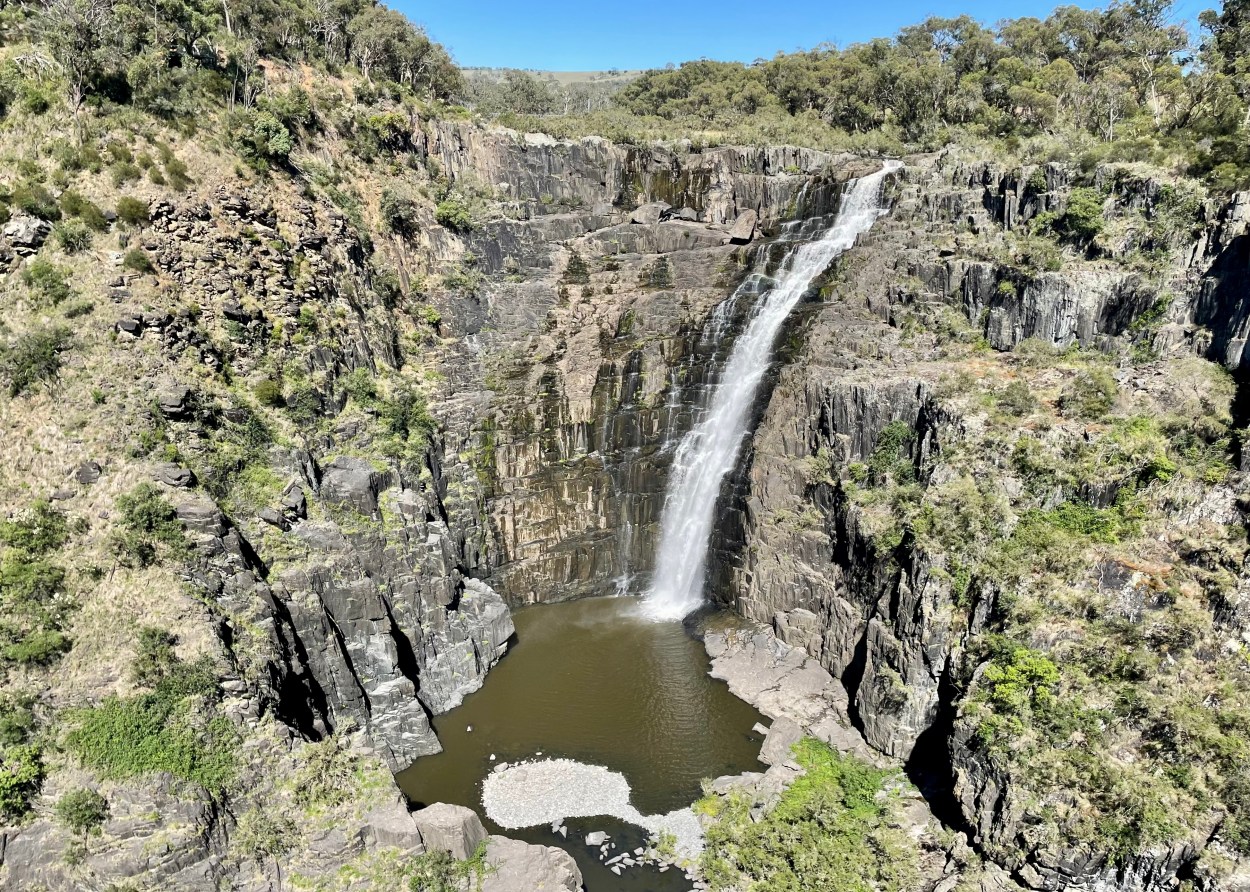
The impressive Apsley falls in gorge country, the traditional lands of the Dunghutti people
Yesterday was the last day of our mini road-trip to the New England tablelands. We spent most of the day in a steady descent from our lodgings at Walcha Road – over 1000m – to Port Macquarie which is, as the name suggests, at sea level. We visited several tourist attractions and birding sites in the process. We did a bit more birding along the coastal plain before finally arriving home at 20.30, eleven hours after departing our hotel – a total distance of approx 300k. We managed to add a few more birds to the list but with the temperature in the high thirties most were hiding in the shade.
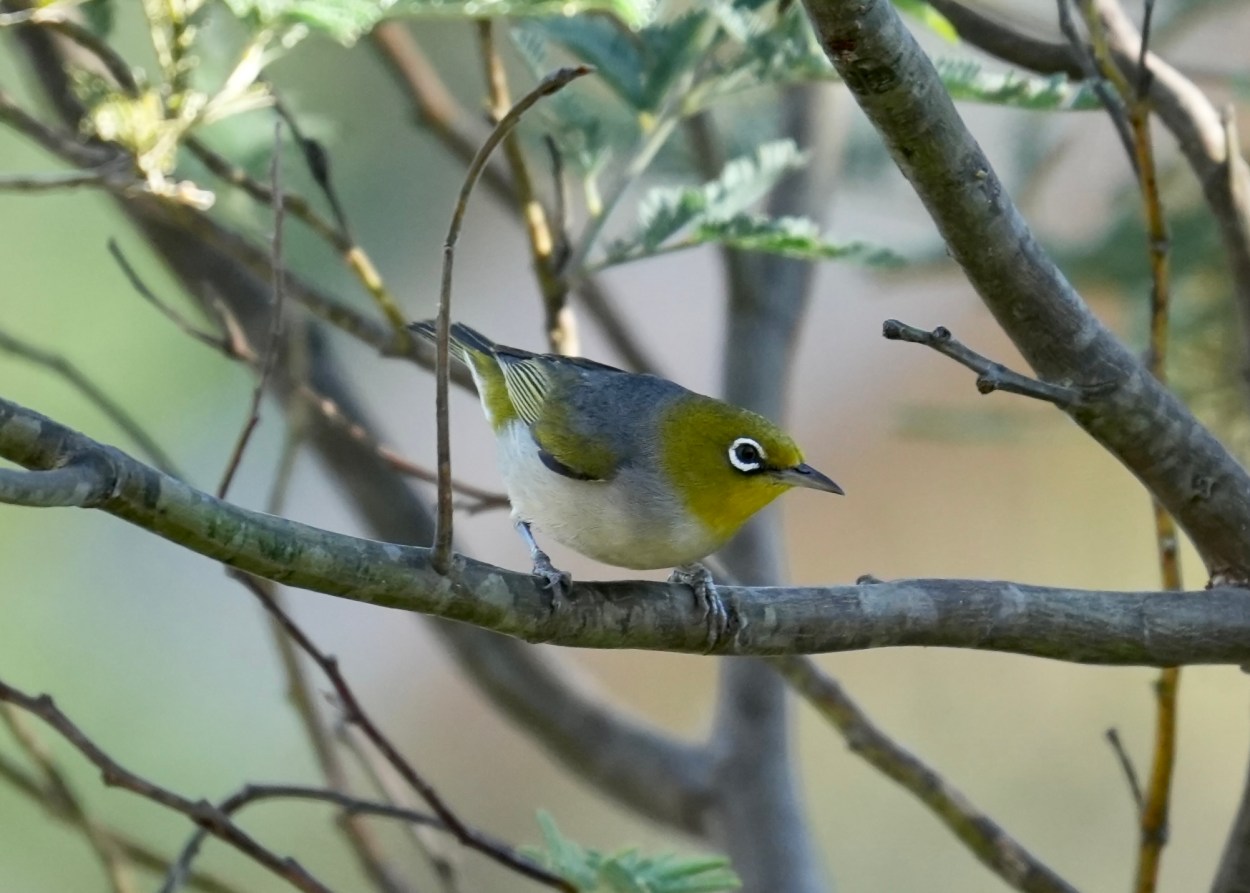
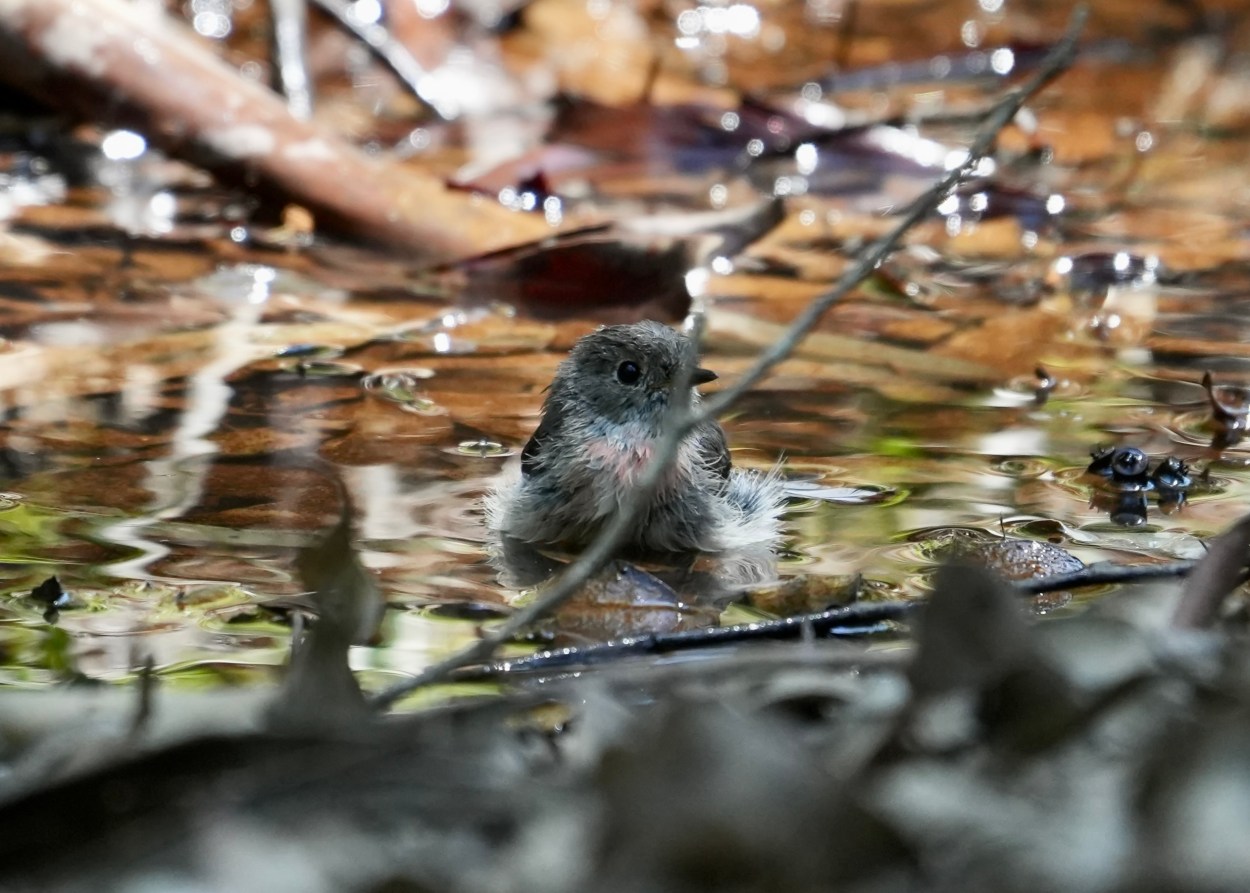
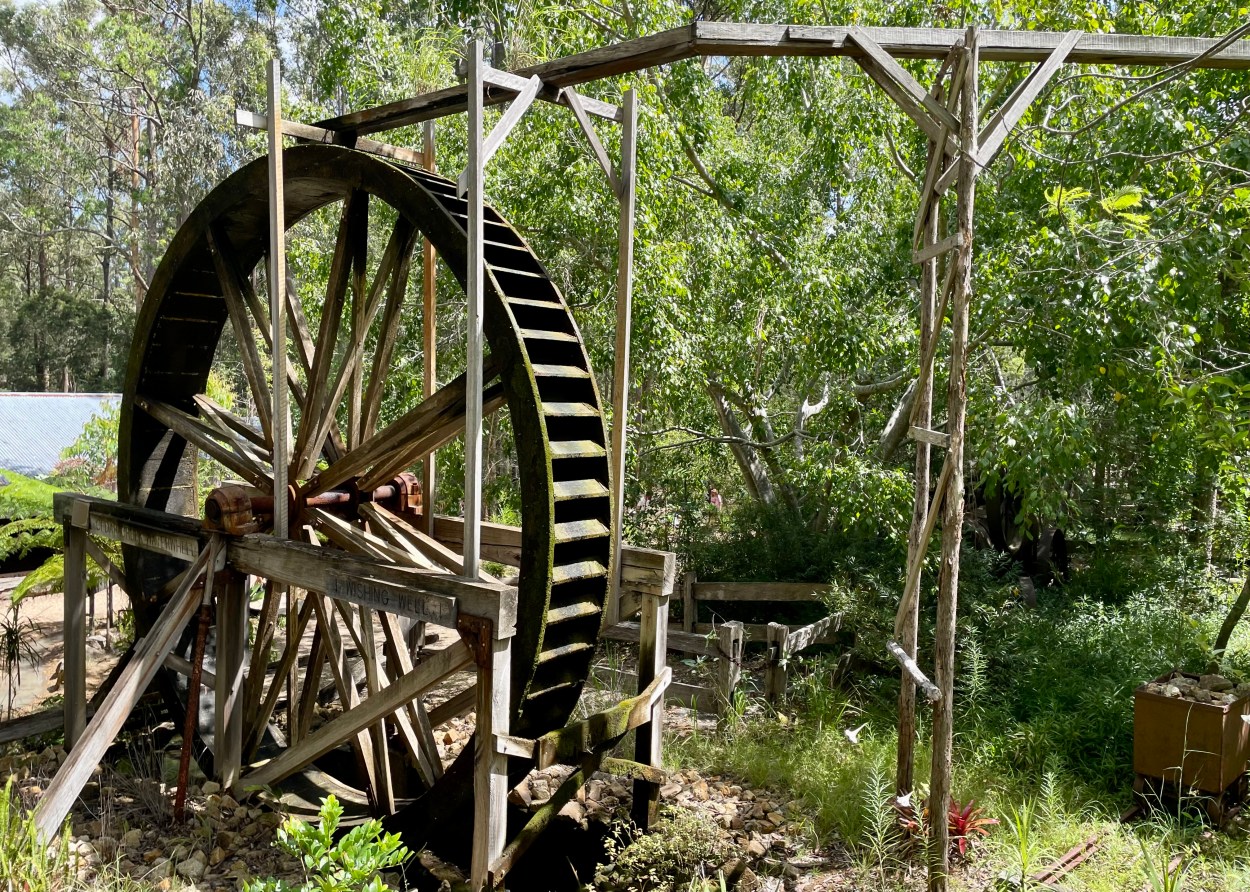
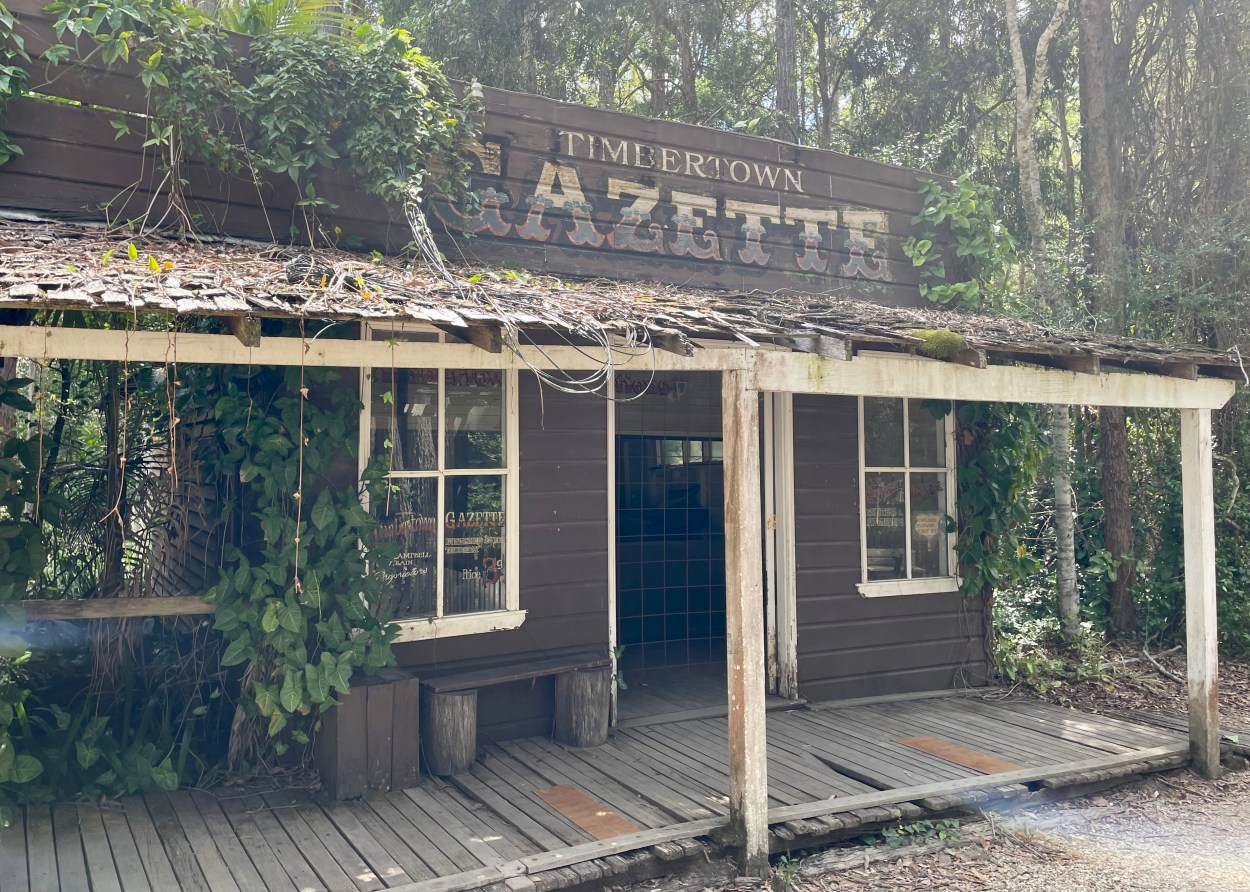
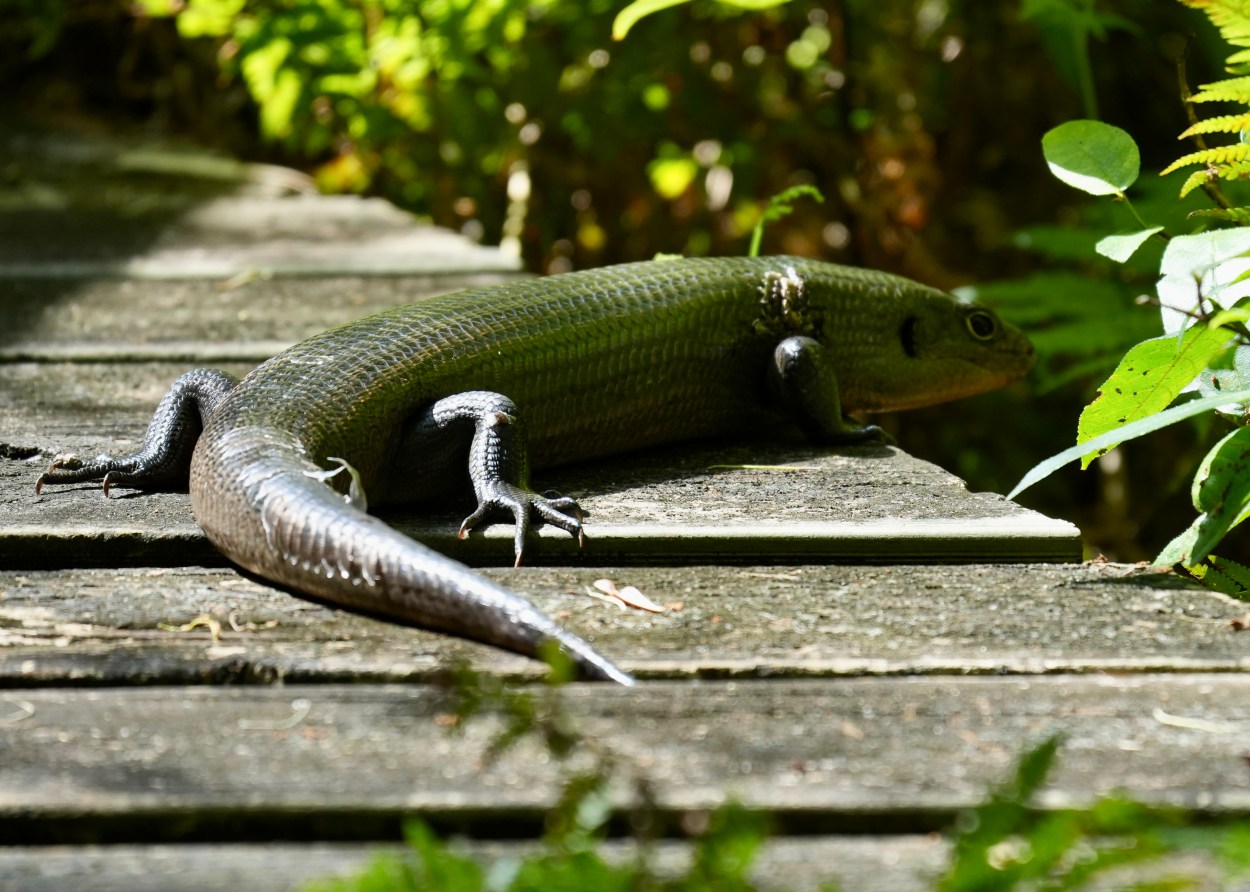
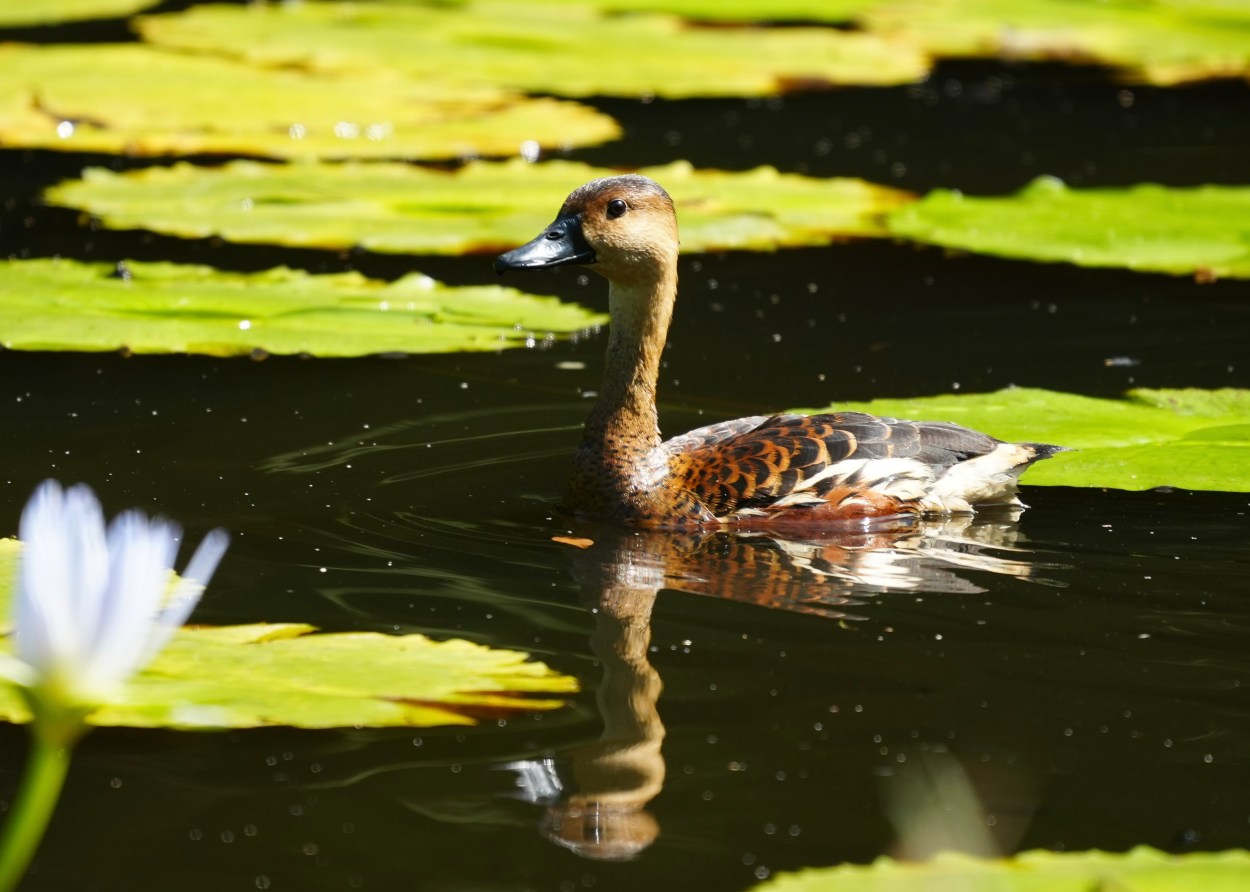
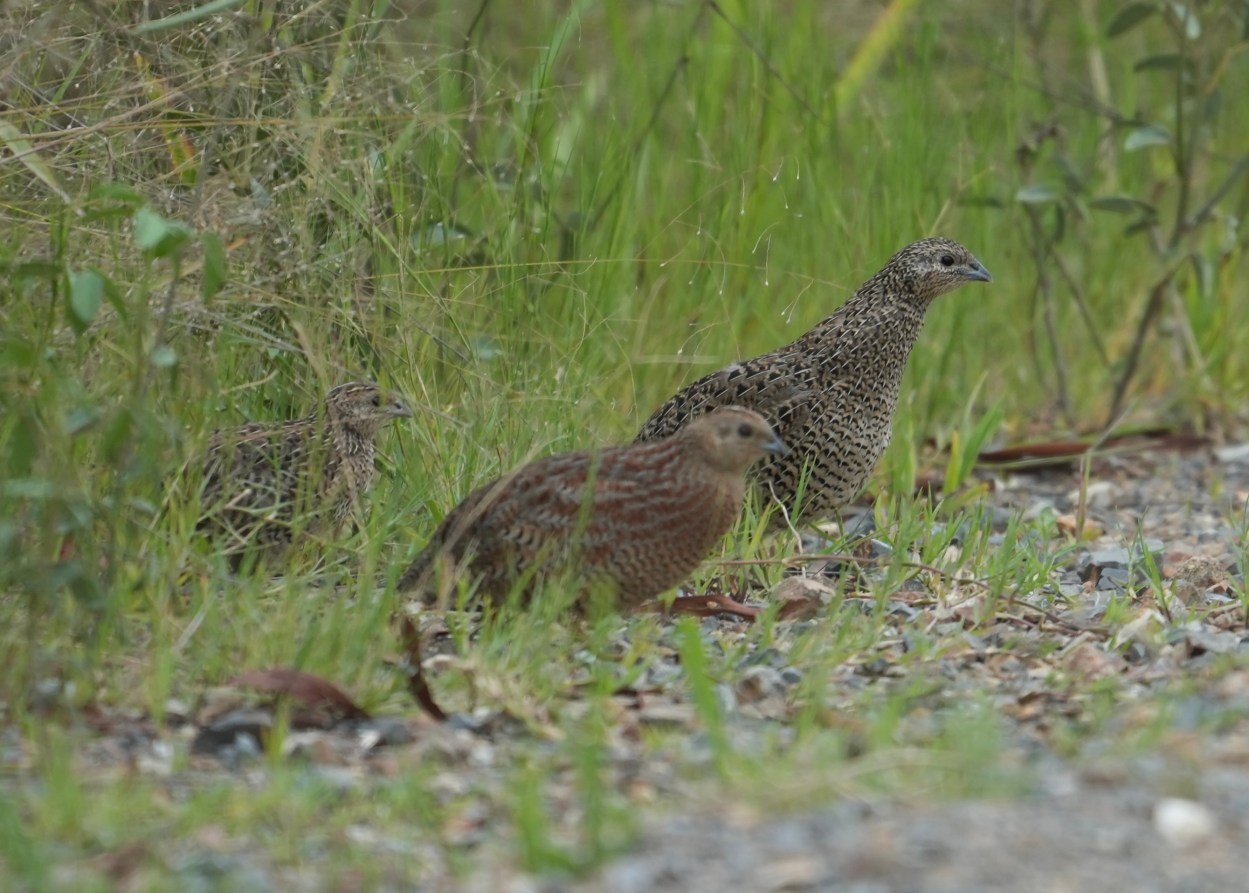
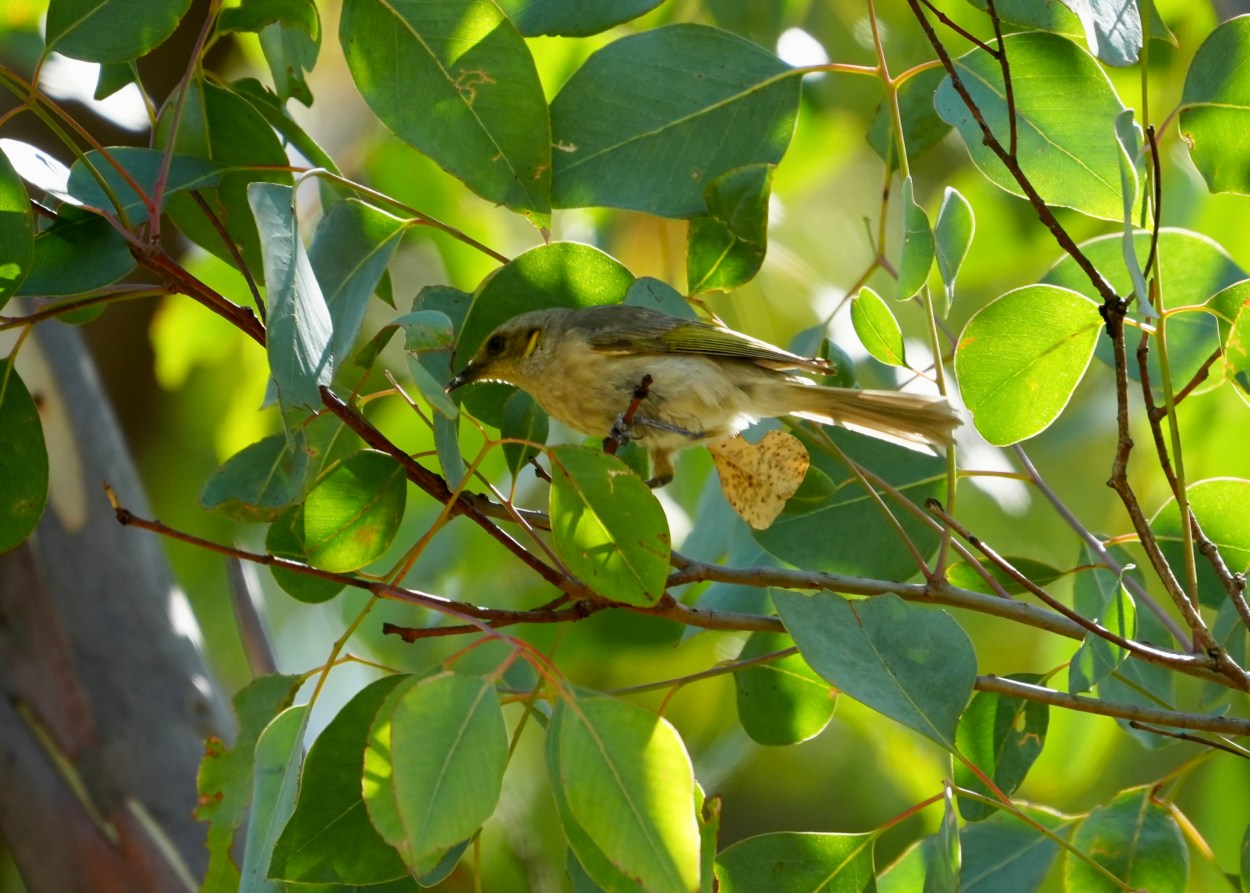
Silvereye – not uncommon but very strikingA bathing Pink Robin in the rainforest as we continue our descent from the tablelandsLocal tourist attraction at Timbertown – a town built on (and from) timberThis carefully curated ‘living history’ attraction is about to close permanently and the contents sold off – such a shameA site in the Port Macquarie suburbs failed to produce the target bird but did provide some nature interest – this Land Mullet for example – Australia’s largest skinkand this Wandering Whistling Duck Last stop of the day was Minimbah – where I managed this grab shot of Brown Quail by the edge of the track
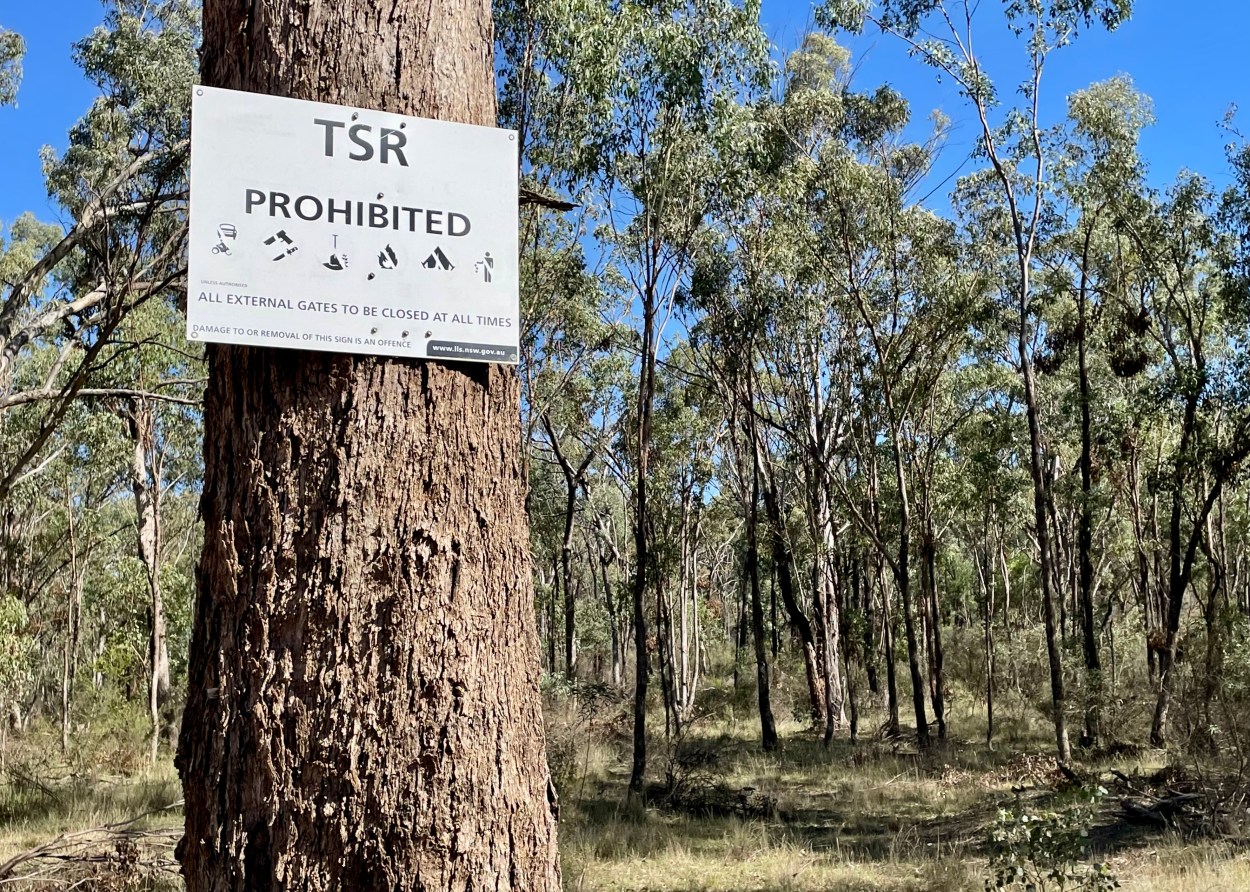
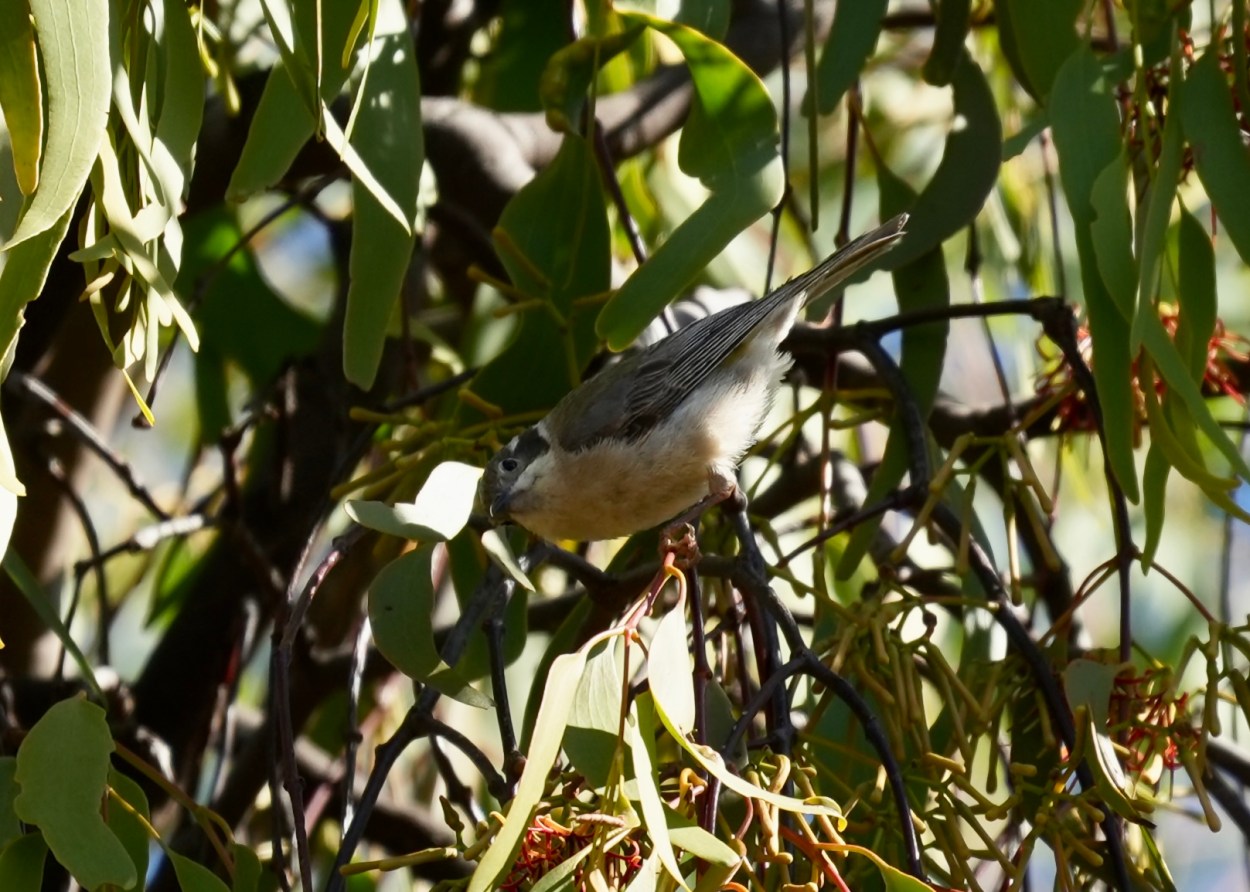
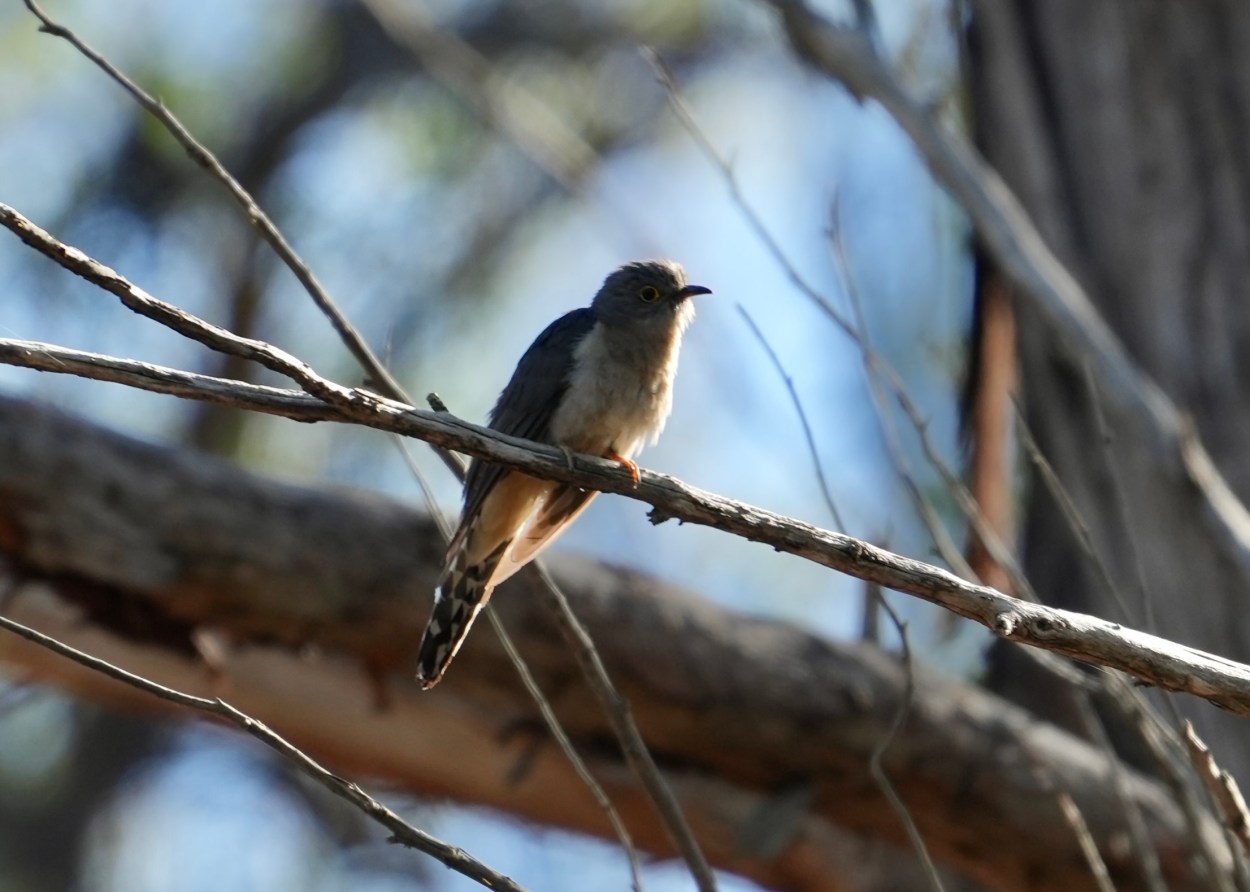
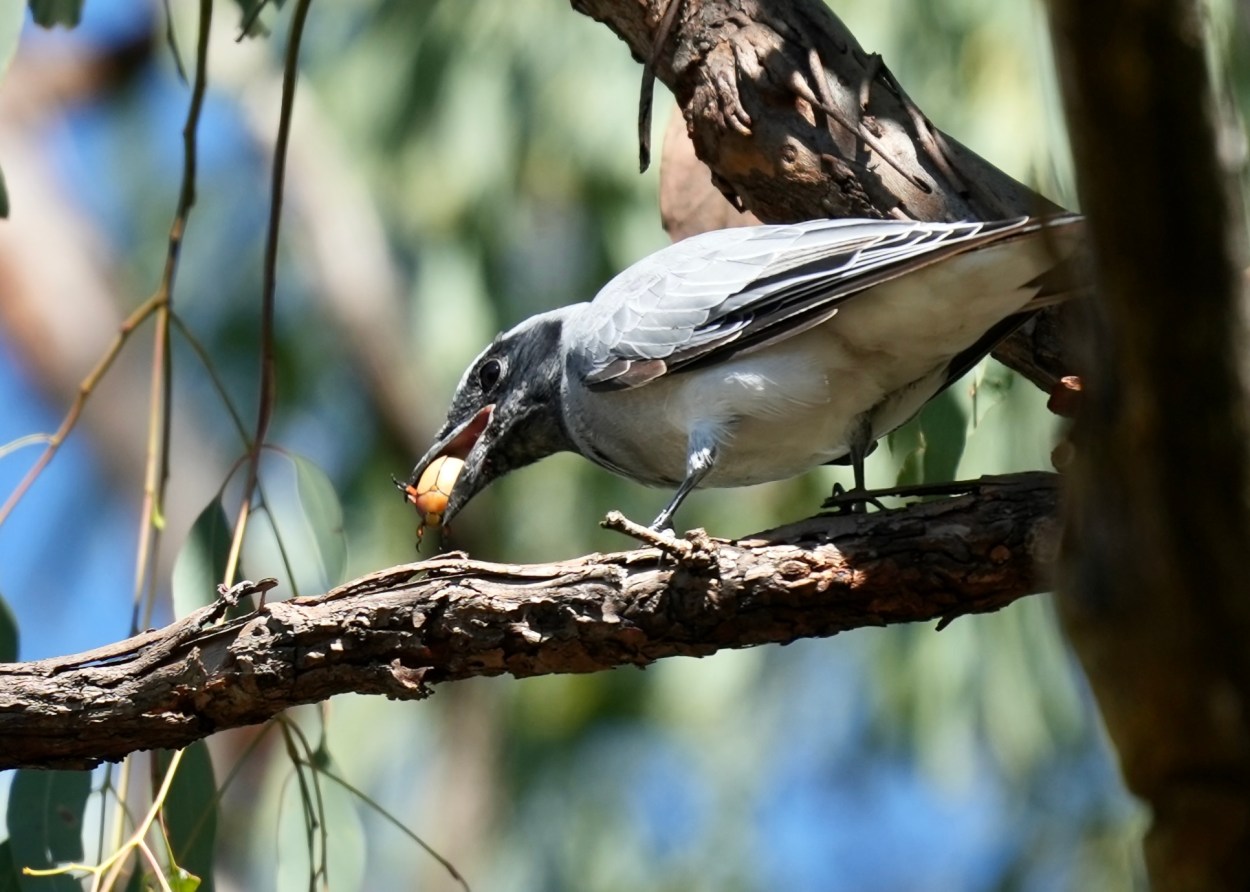
Dan and Mick have been talking about the importance of TSR’s for Australian bird conservation – today we got the opportunity to visit one. TSR or ‘travelling stock reserves’ are designated parcels of public land – used in the past to move stock across the countryside. Nowadays they provided important wildlife corridors and places of sanctuary for nature – not unlike Surveyors Allotments in Britain, but on a much larger scale. This morning we visited the TSR at Torryburn – a large tract of native woodland with an abundance of birds. By the end of our birding session we’d added a couple of dozen birds to the trip list, which now stands at 205.
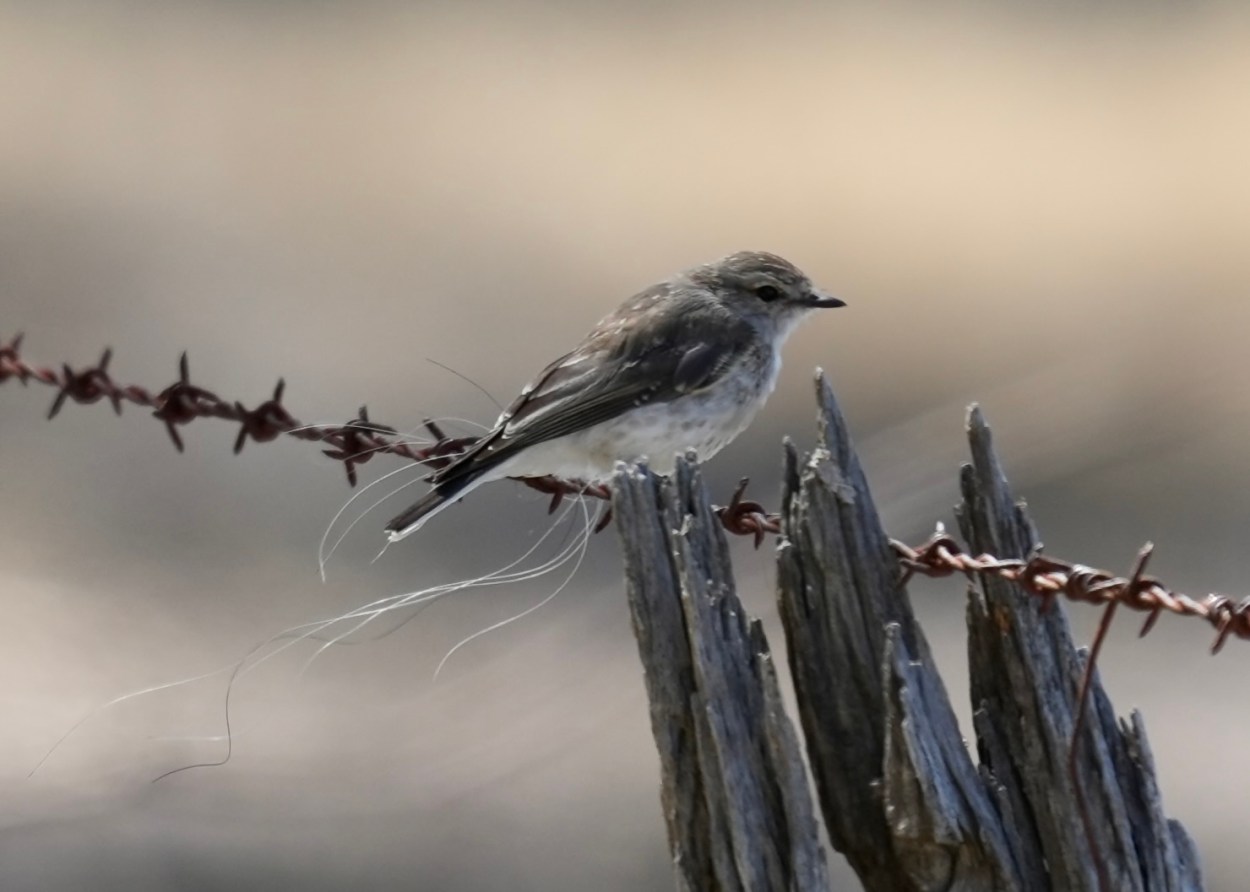
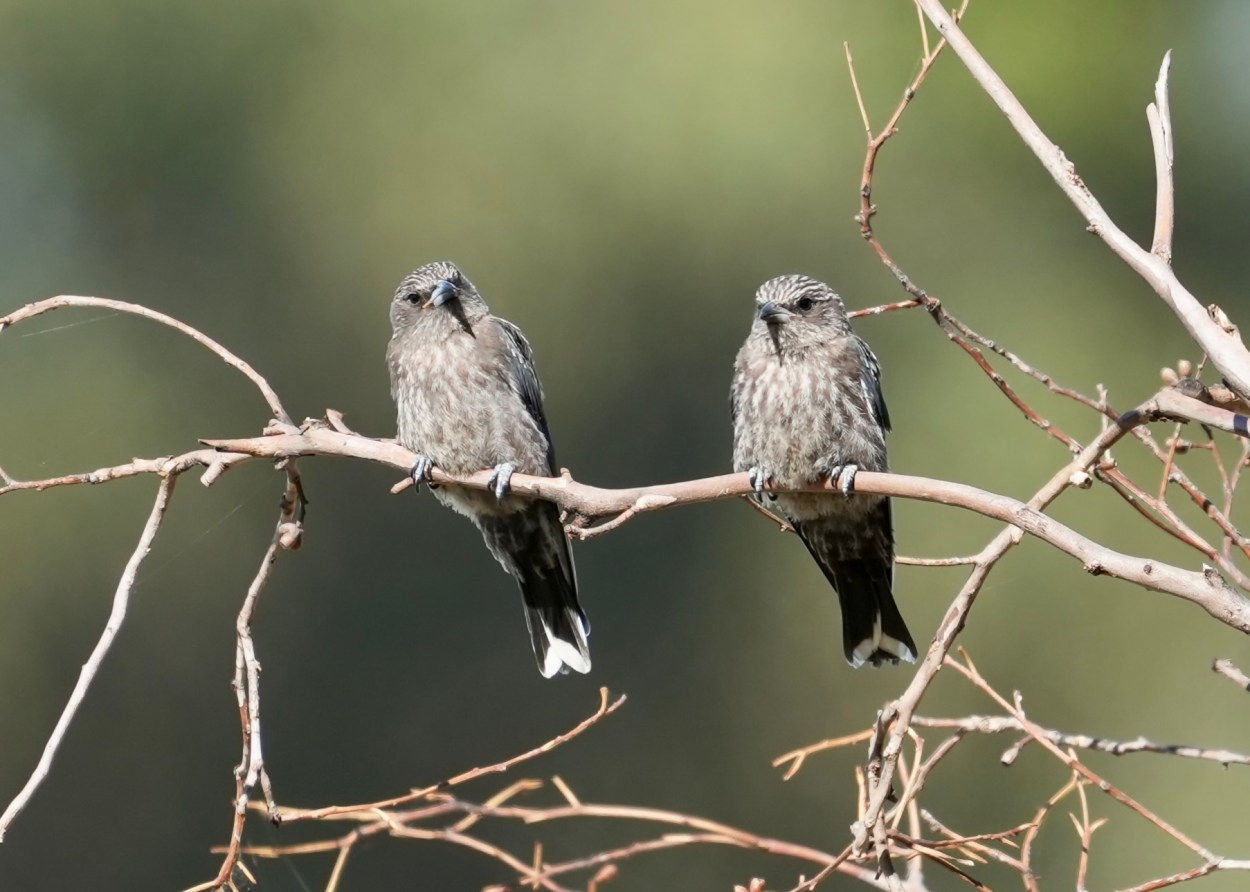
Like this Brown-headed Honeyeateror Fantailed CuckooThis BUFCUS – Black-faced Cuckoo-Shrike – was snacking on a beetleAnother honeyeater – this time FuscusAlong the woodland edge – Jacky Winterand Dusky WoodswallowA view from yesterday – the lookout at Moonbi
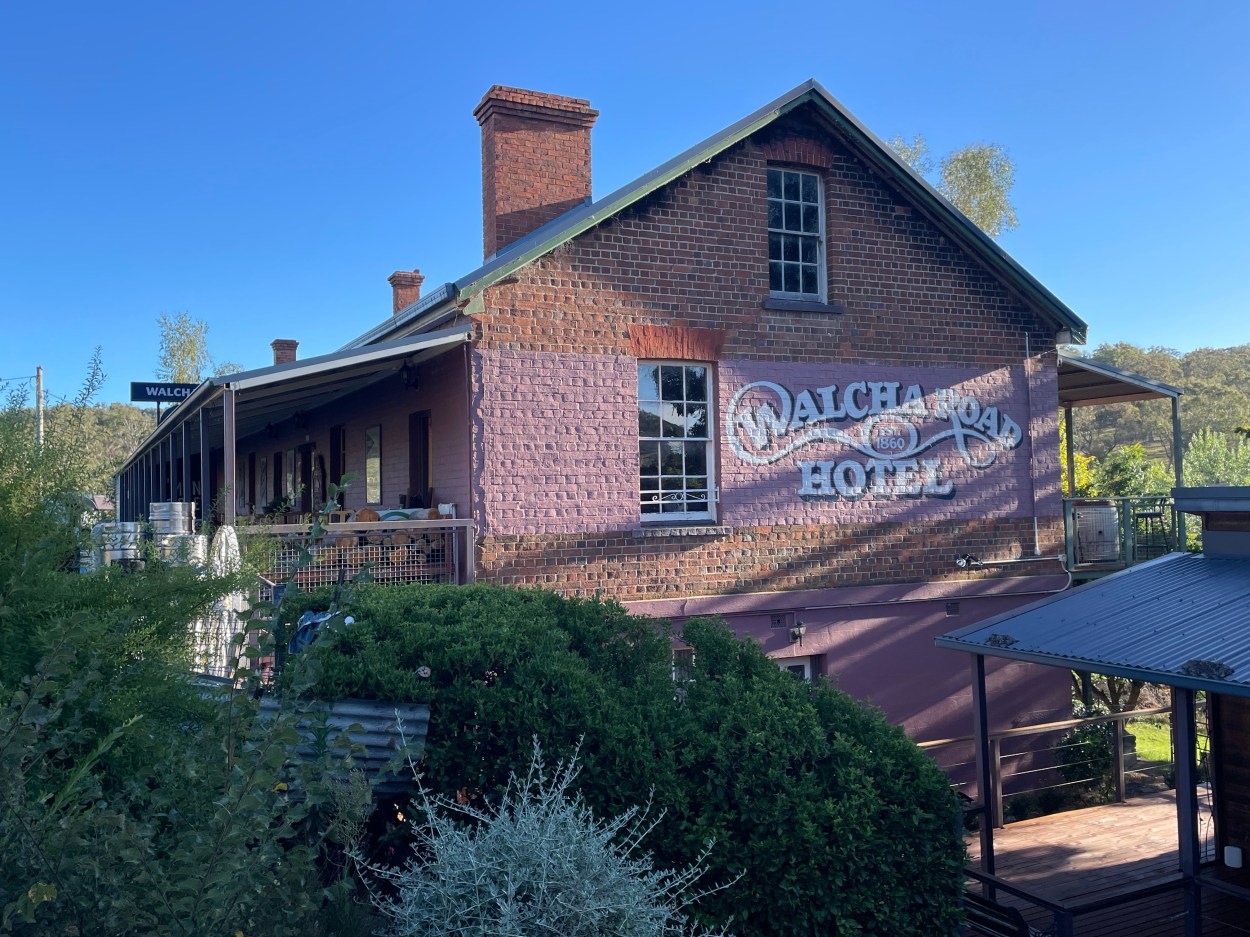
Our lodgings for the next few days – Walcha Road Hotel
Following the cancellation of our trip to Broughton Island, in the wake of the cyclonic weather system off the NSW coast, we’ve travelled 31/2 hours north-west of Newcastle to the New England tablelands. This extensive high plateau straddles the Great Dividing Range and features rolling grassland plains, world heritage rainforests, dramatic gorges, unique cold-climate vegetation and significant biodiversity. On our way to our lodgings, the historic Walcha Road Hotel est. 1860, we called in at Copeland Tops for some rainforest birding – unfortunately it was raining, so we saw very little! The afternoon was spent doing the notorious bush-ranger ‘Captain Thunderbolt’ heritage trail and birding a couple of lagoons near Uralla. We have two more days sight-seeing and birding before heading home on Thursday.
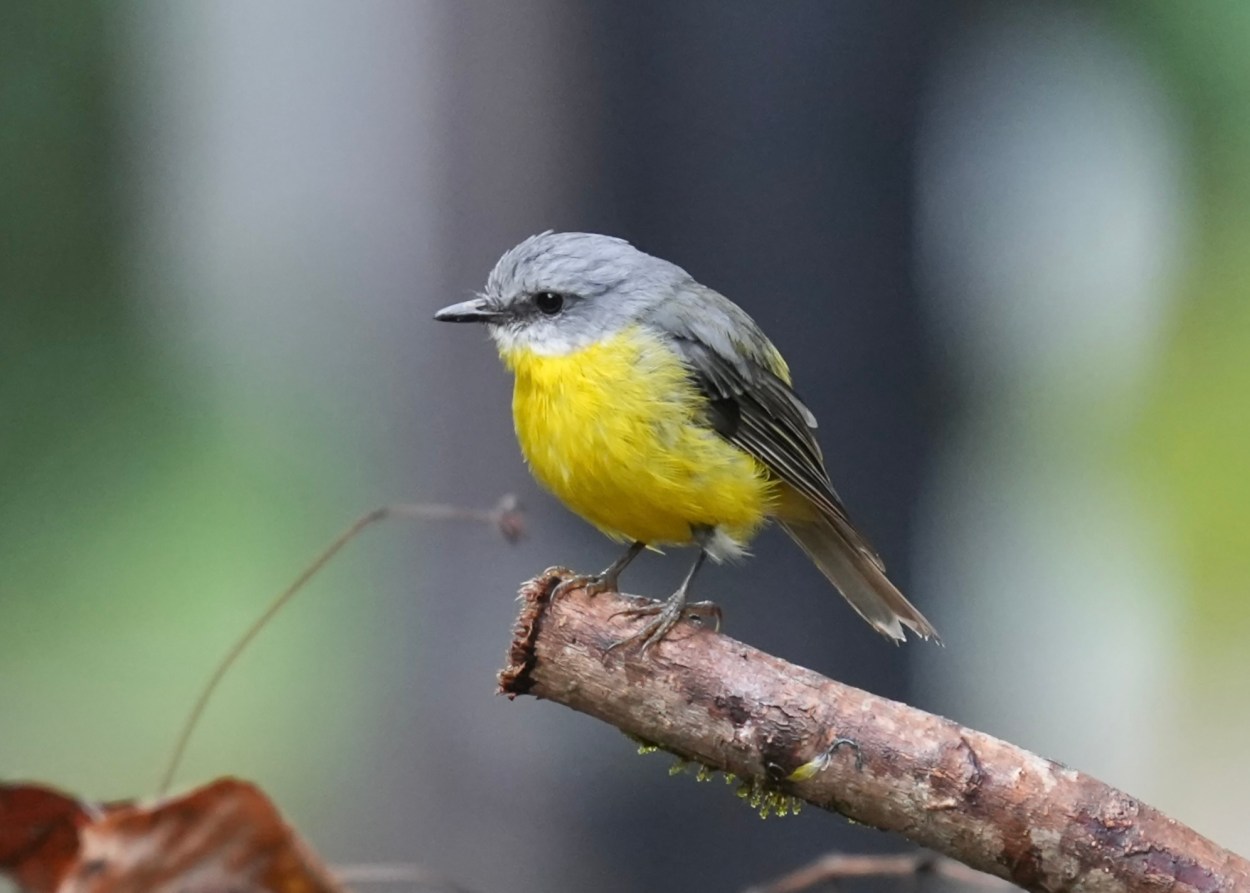
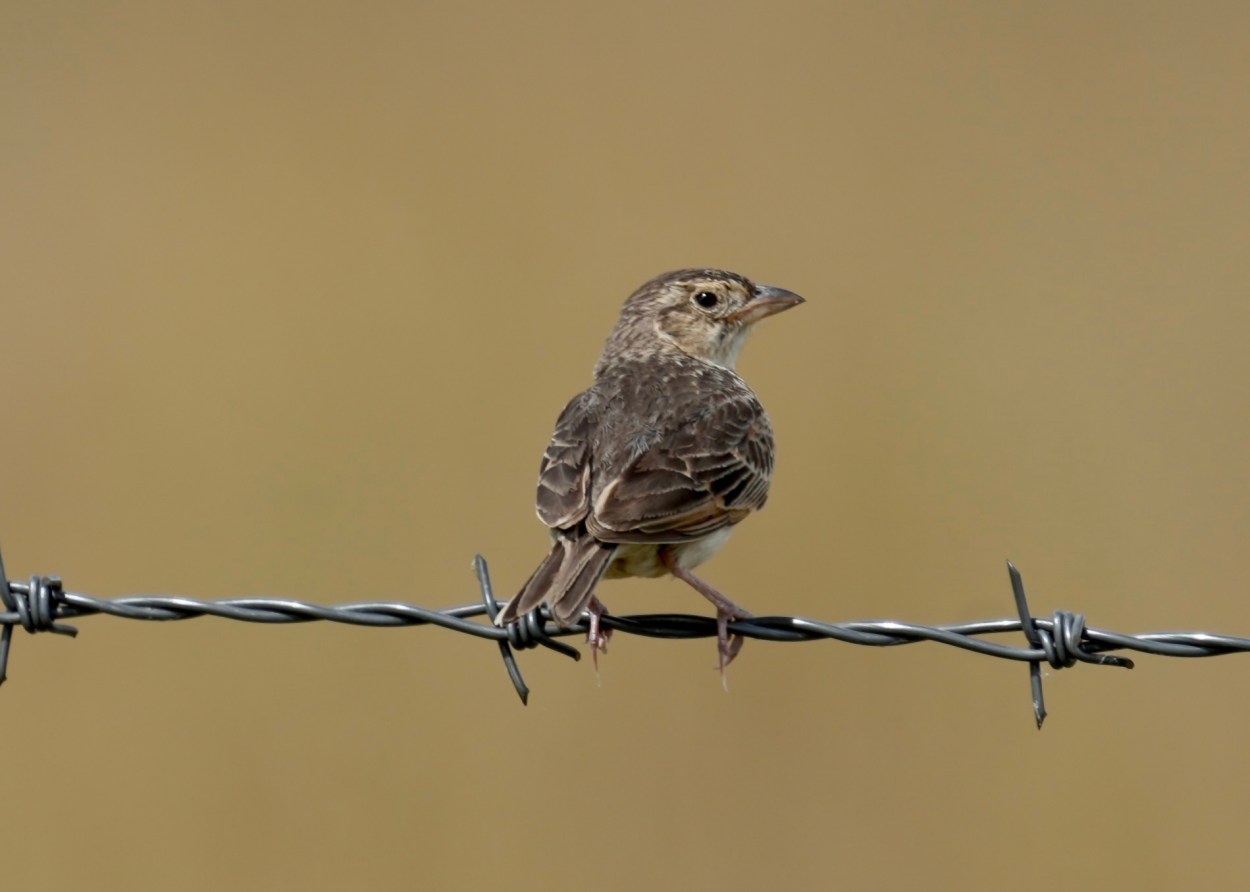
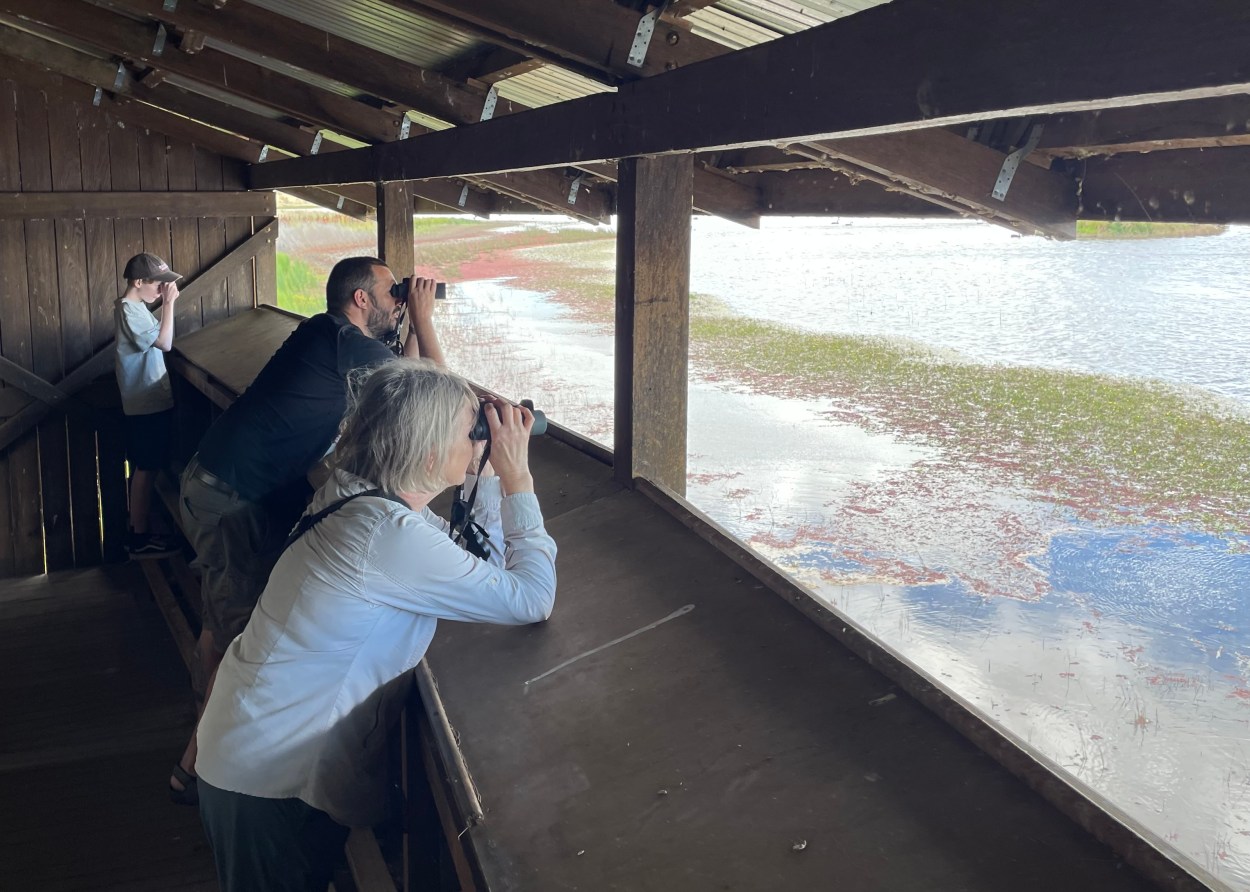
Eastern Yellow Robin at Copeland – but not the Pale Yellow we were hoping forHorsfield’s Bush Lark seen around UrallaIn the hide at Dangars Lagoon
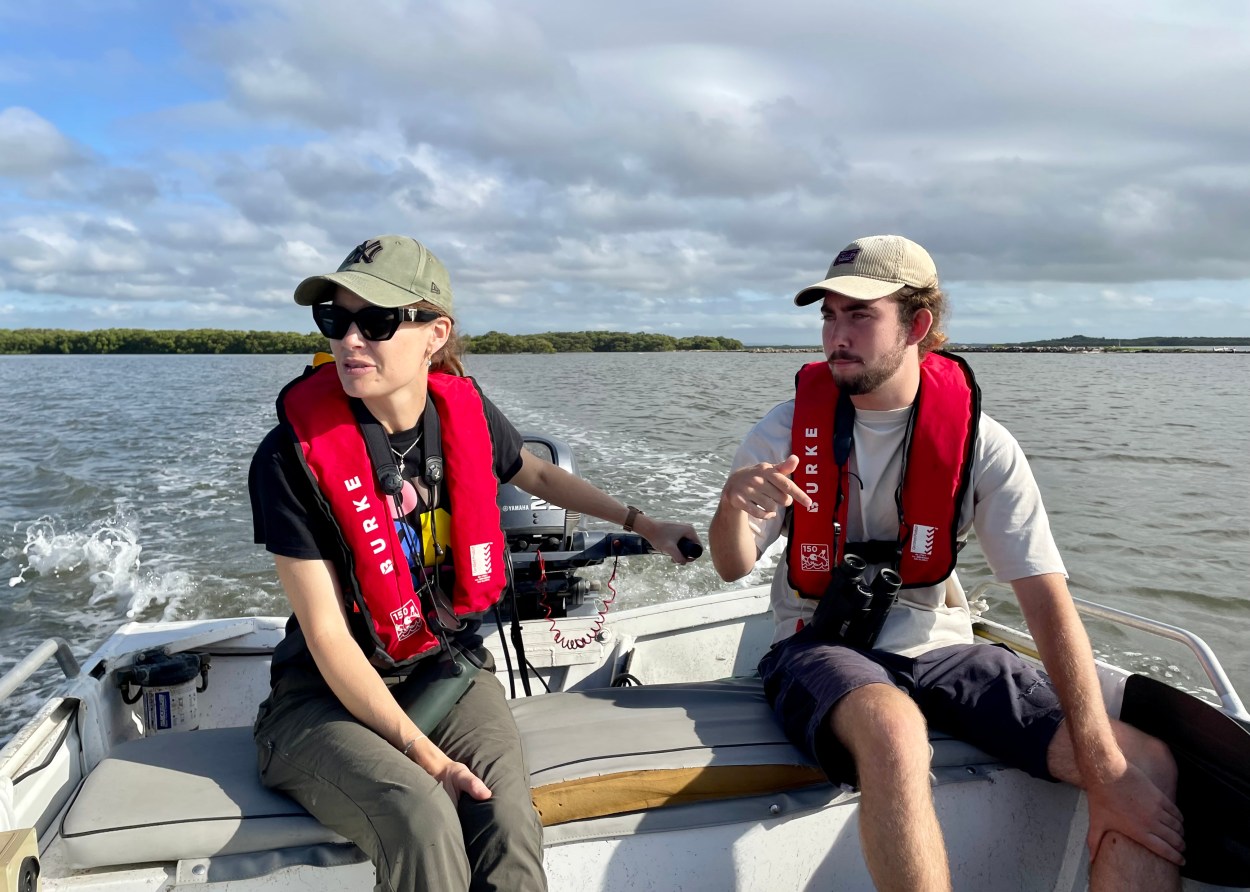
Out on the boat with Louise and Cyrus, doing the Kooragang shorebird survey
I’m missing my monthly WeBS count back in Norfolk but Dan has got us involved in some Hunter Bird Observers Club surveys instead. Yesterday it was the turn for the Kooragang dykes – a monthly shorebird survey along the banks of the Hunter river. This involved going out on a boat, ably crewed by Louise and Cyrus, with Jane as recorder and me making up the numbers. We had a successful survey, adding several waders to our trip list including: Marsh & Curlew Sandpiper, Great Knot and Sooty Oystercatcher, with Terek Sandpiper and Grey-tailed Tattler added immediately after. But the undoubted highlight of the morning was Common Sandpiper – a Hunter Valley (HBOC) tick! Later, on a separate snipe survey, we added Glossy Ibis and Black-tailed Godwit.
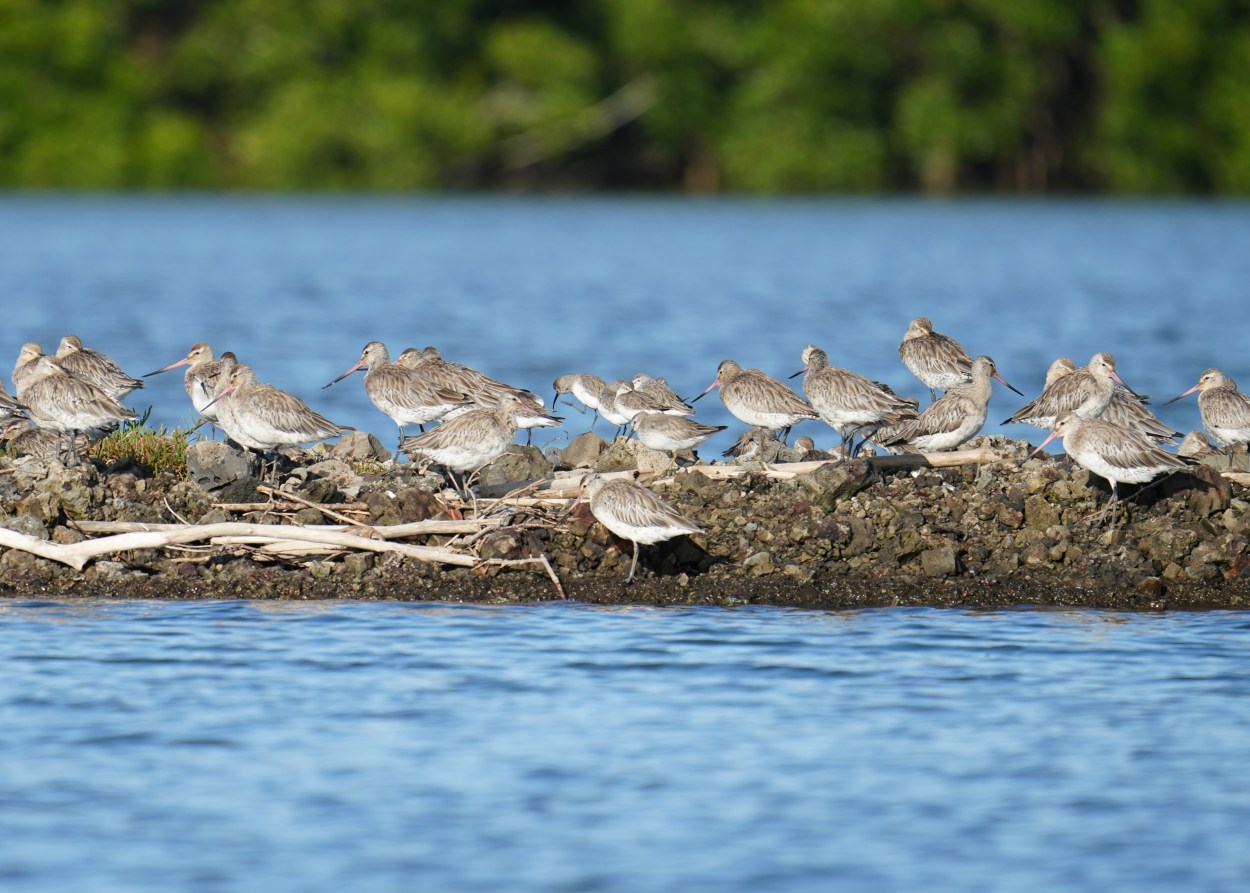
A selection of waders along the dykesThe high tide roost for Grey-tailed Tattler and Terek Sandpiper– with a couple of Whimbrel as well
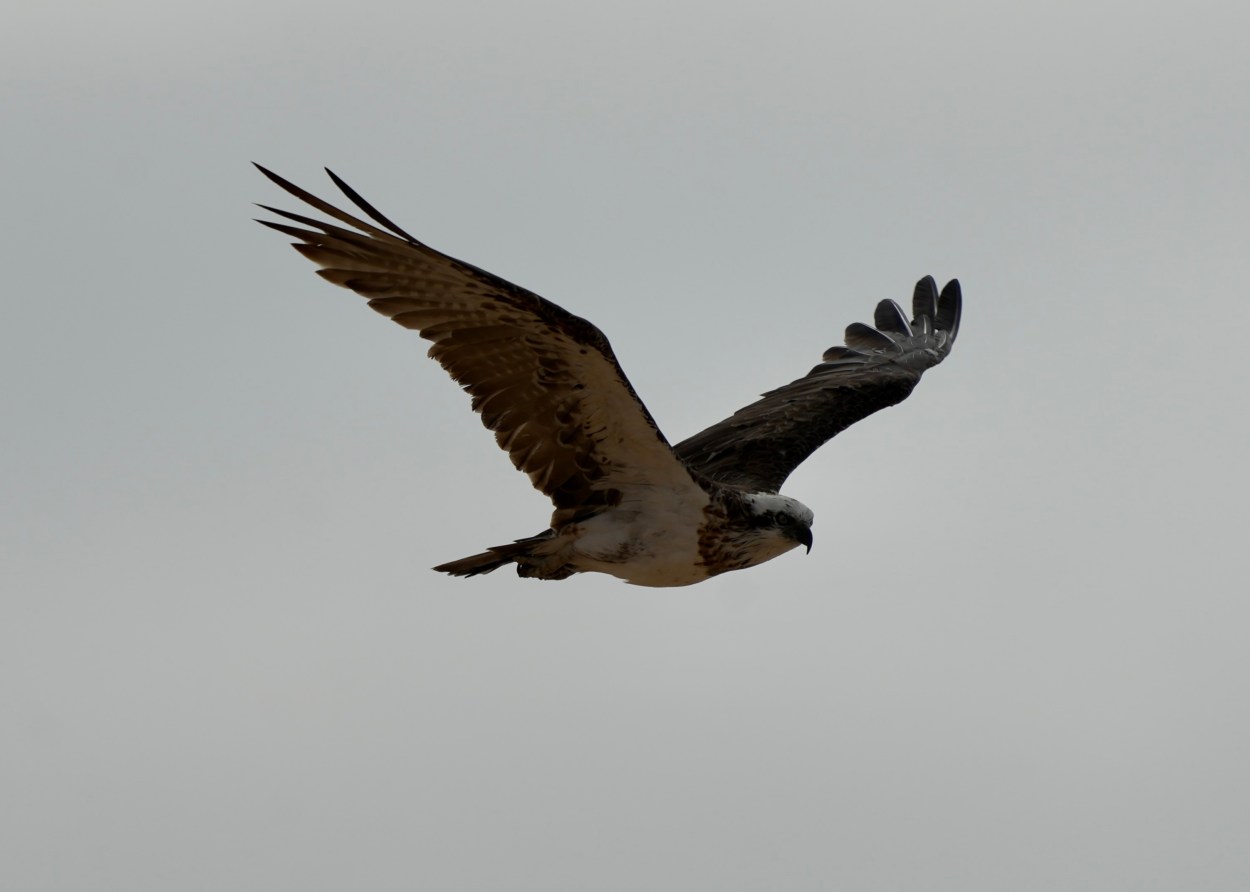
Osprey was an early bonus on our morning beach survey
We arrived in Newcastle yesterday afternoon, ahead of a tropical cyclone which brought strong winds, torrential rain and spectacular thunderstorms. Fortunately the storm had moved through overnight and we awoke to a dry and warm morning – ready for our Stockton beach bird survey. After a leisurely pub lunch we spent the afternoon doing a spot of bush birding. We closed our trip list this evening on 155. With the weather next week forecast to be unpredictable at best our three day adventure to Broughton Island has unfortunately already been cancelled. We’re working on Plan B. Tomorrow is the monthly wader survey – hopefully add a couple more species.
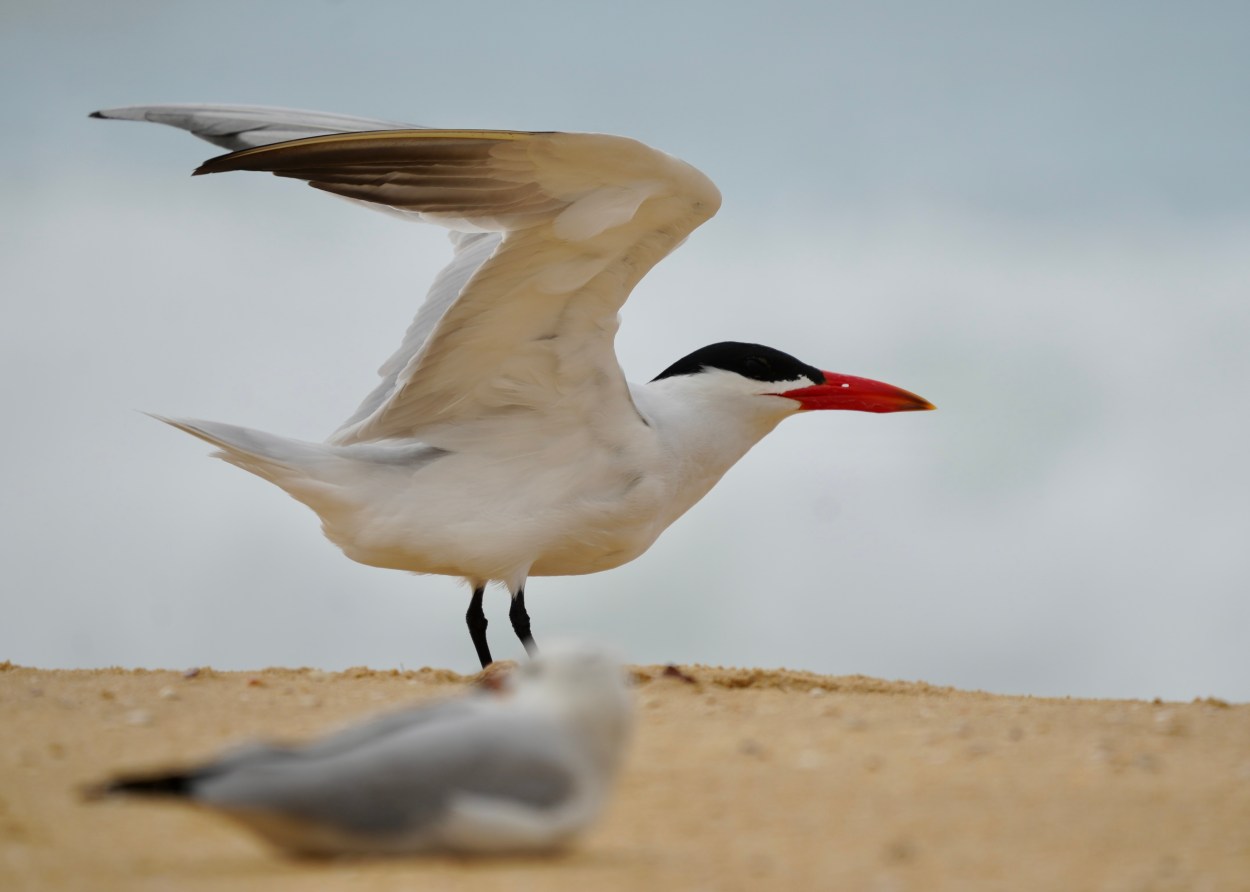
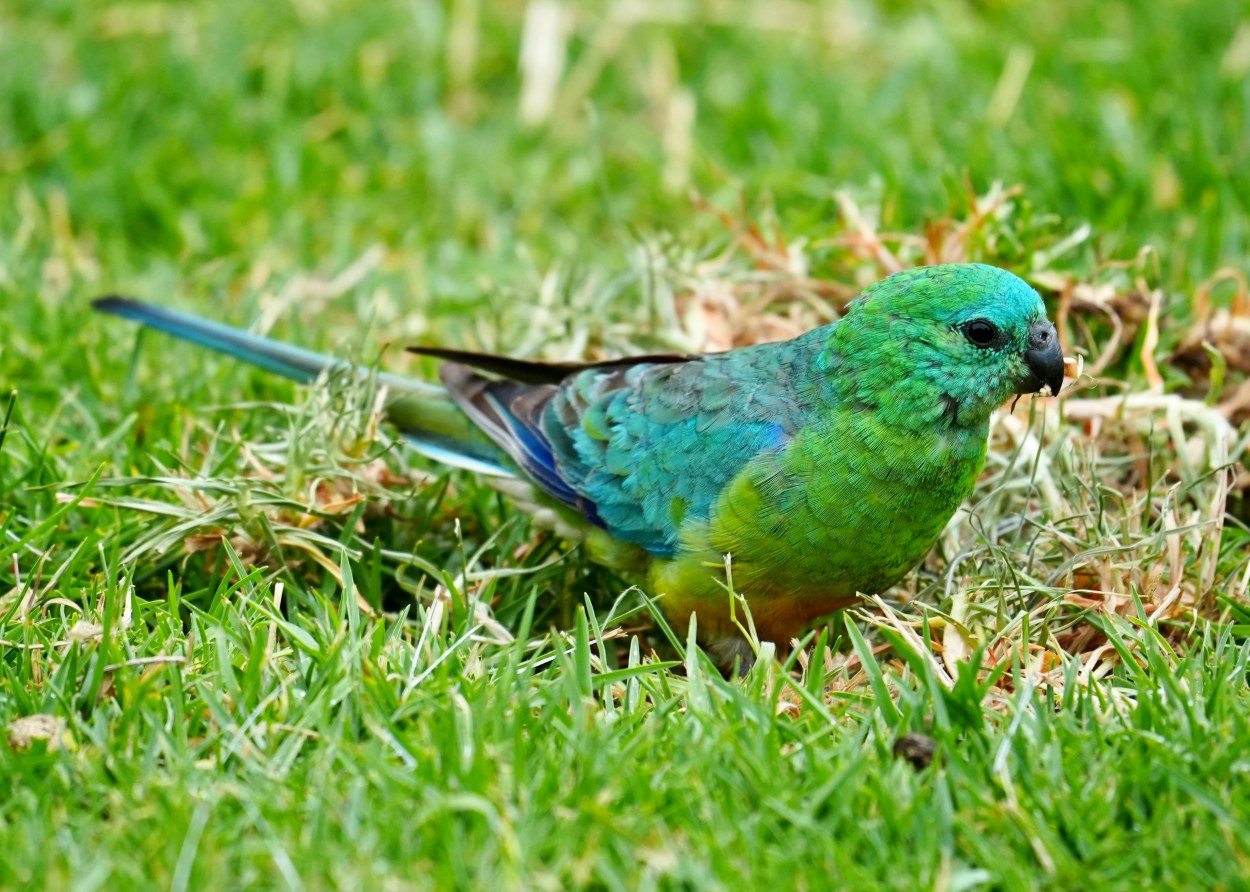
We had three species of tern on the beach – Australian (Gull-billed), Little and Caspian – with it’s enormous red billWhite-bellied Sea-Eagle – one of a handful seenRed-rumped Parrot – seen at Braeside before heading to Melbourne airport
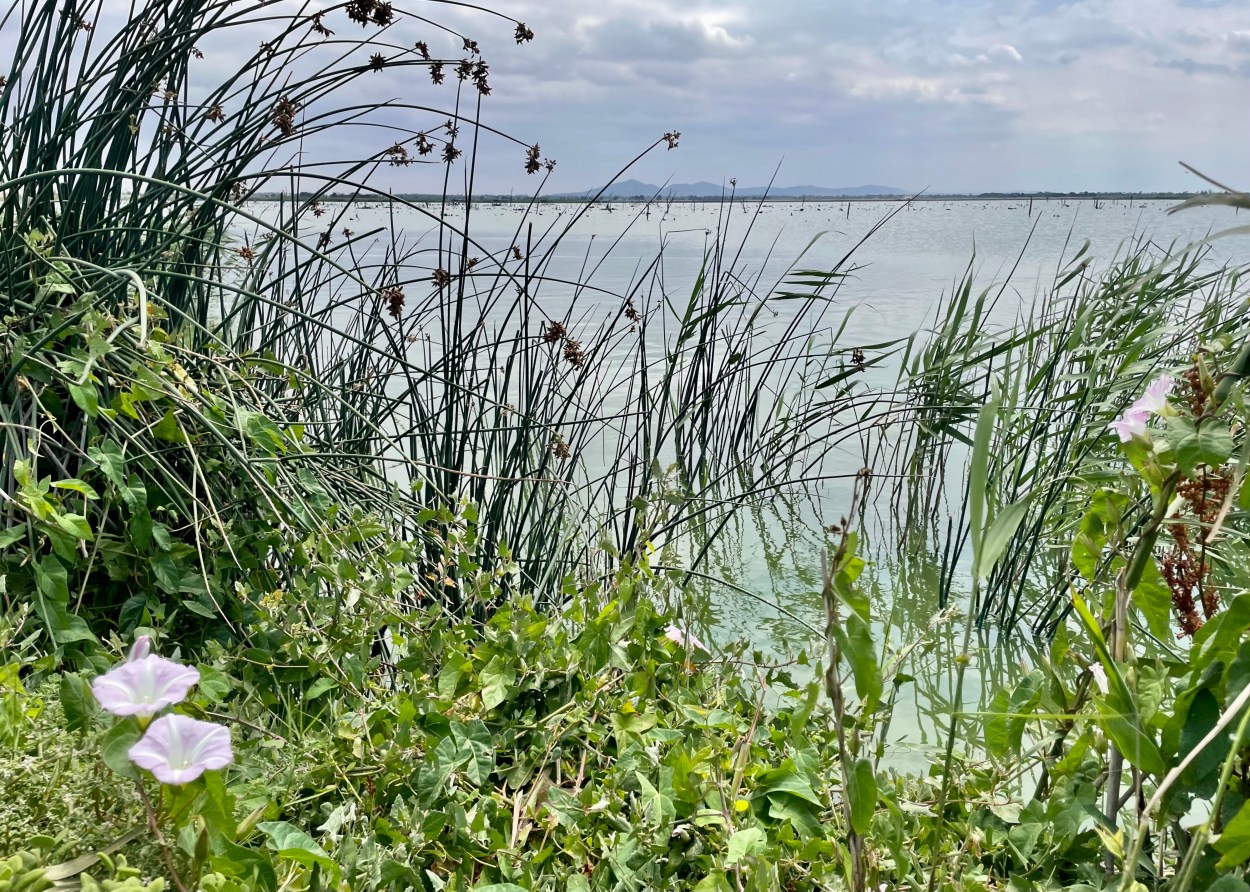
View of one of the countless settling lagoons at Werribee with the You Yang range in the distance
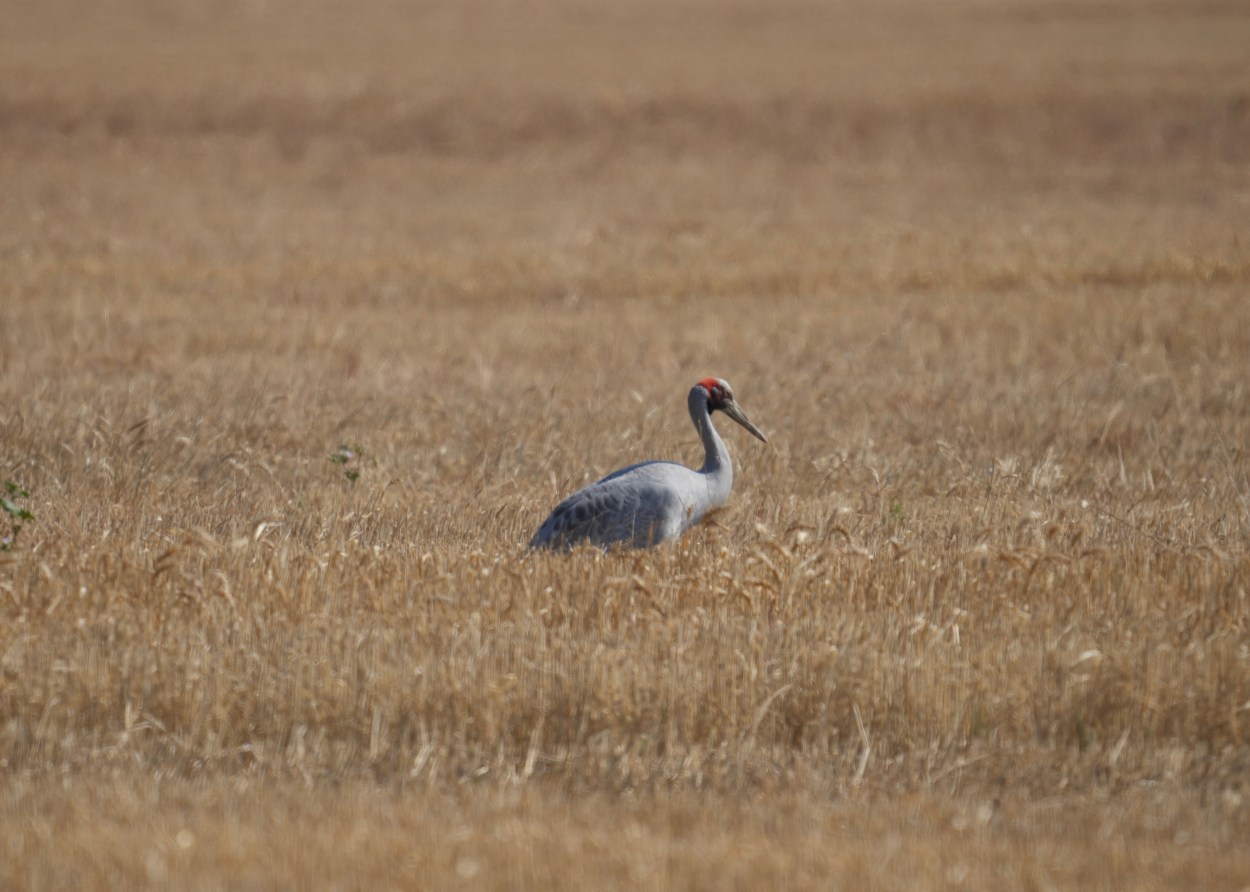
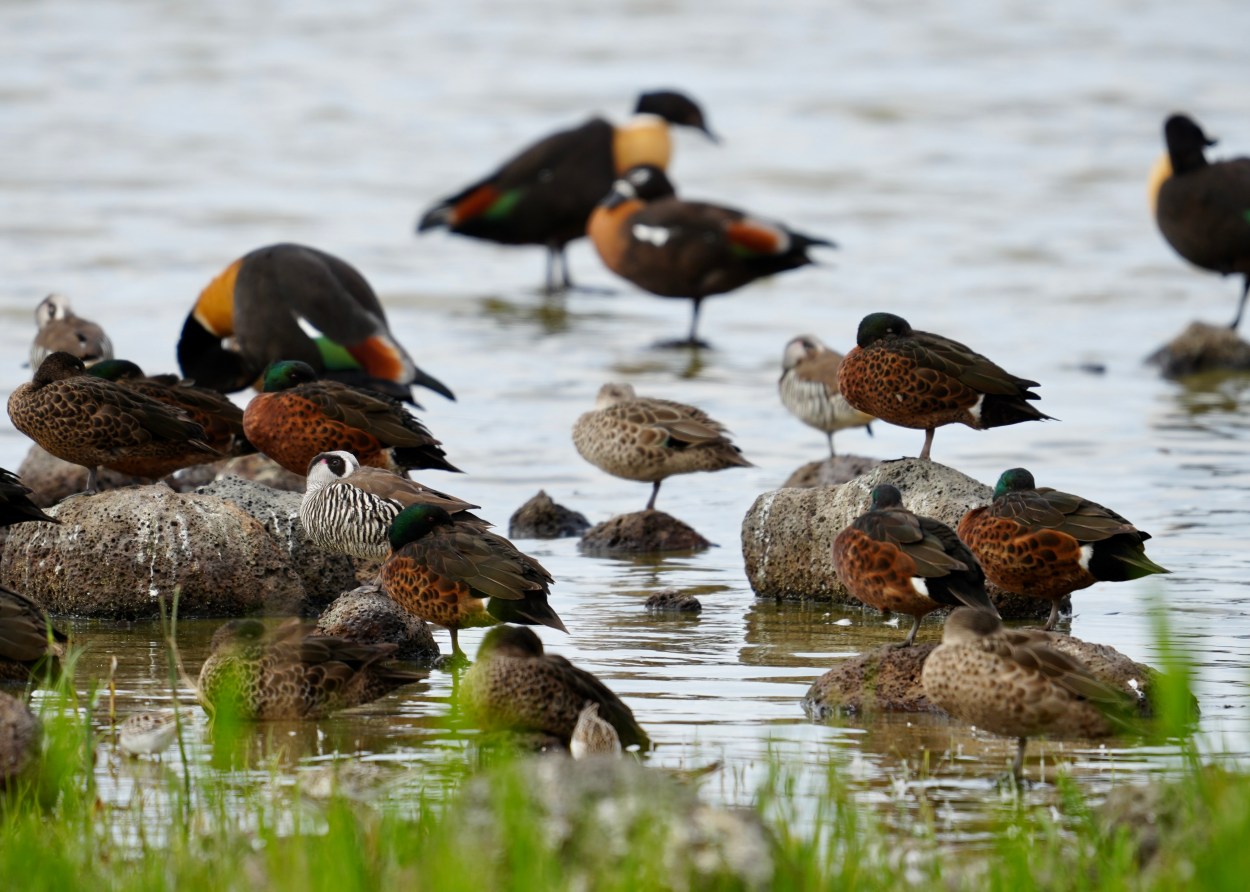
Yesterday, our last in Victoria before we fly to Newcastle later today, was spent at Werribee – possibly one of the best birding spots in the State, if not the whole of Australia. The Western Treatment Plant (or ‘poo ponds’) – the largest sewage treatment works in the country – covers approx 11,000 hectares and provides a haven for tens of thousands of birds, thanks to ample water and a variety of habitats and plants. The actual treatment facilities cover only a fraction of the site, surrounded by vast settling lagoons, home to nearly 300 bird species. Werribee is recognised as a wetland of international importance under the RAMSAR Convention. Unfortunately it’s the opposite side of the bay from Edithvale, where we are staying, and you have to drive through the centre of Melbourne to get to it – a round trip of three hours. But still well worth the effort. We were there from the earliest time we could collect the key from the Open Range Zoo till it closed at 4.00. We saw some great birds – both in terms of number and variety – and added 25 to our trip list. It’s impossible to do the site justice in a single visit but even with limited time available it never fails to impress. On this occasion the highlights included Brolga, ten species of duck, ten species of wader, seabirds and raptors. The story is better told in pictures.
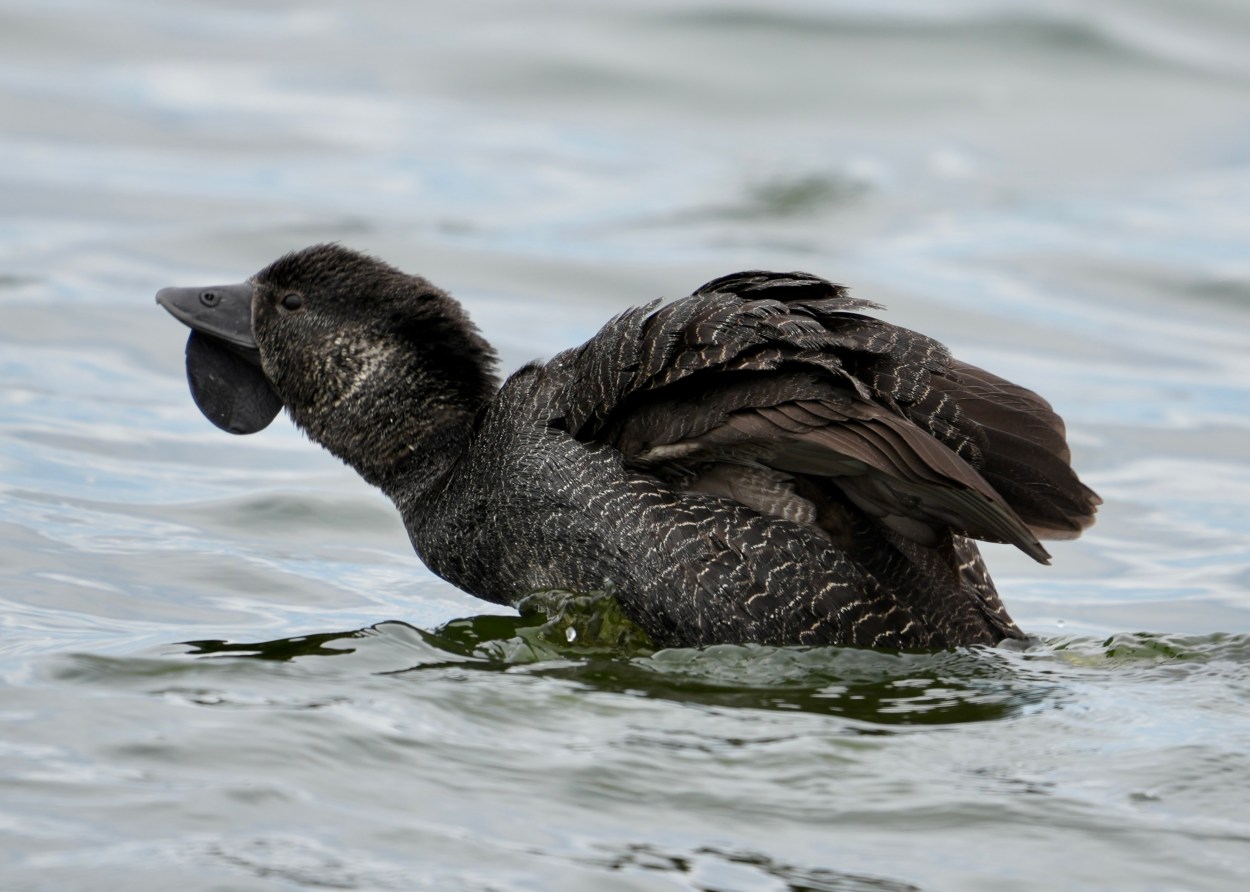
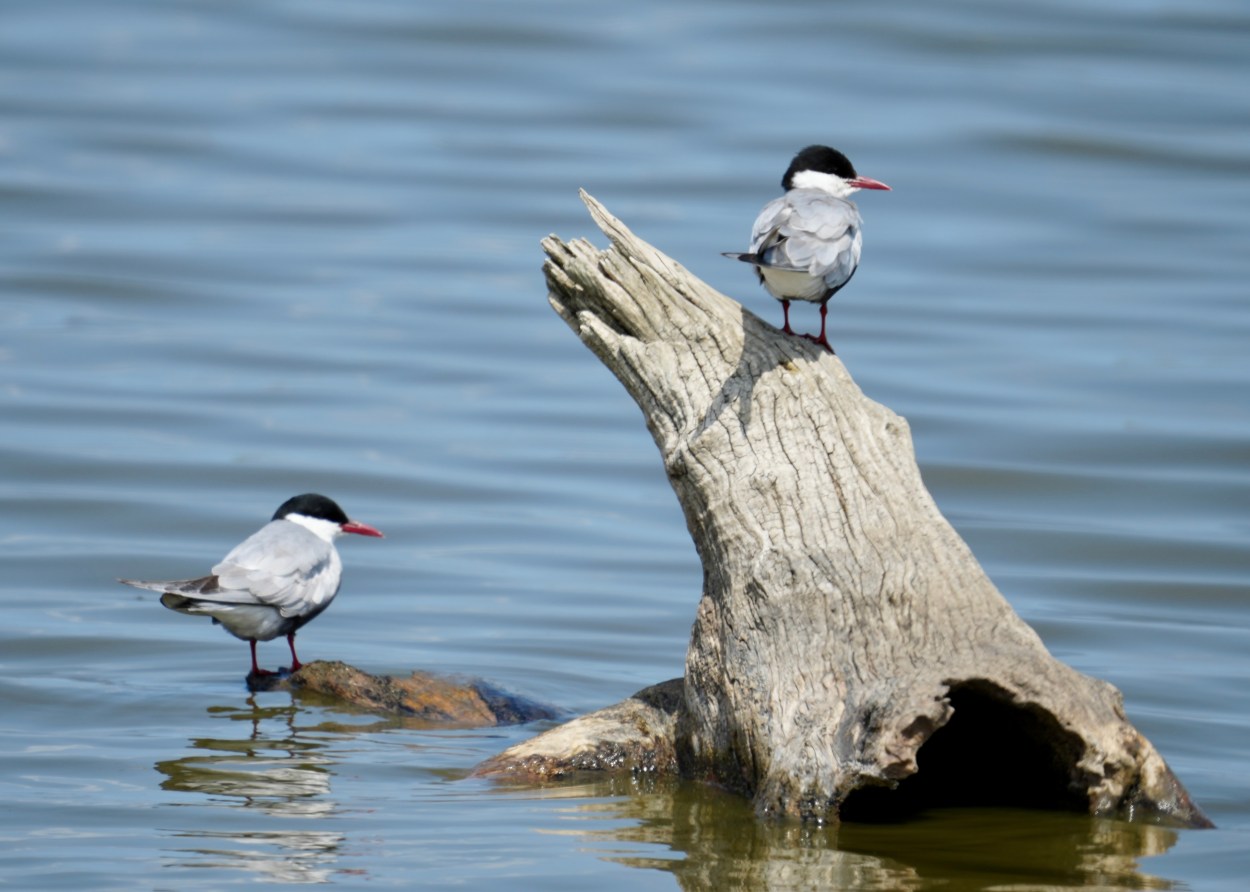
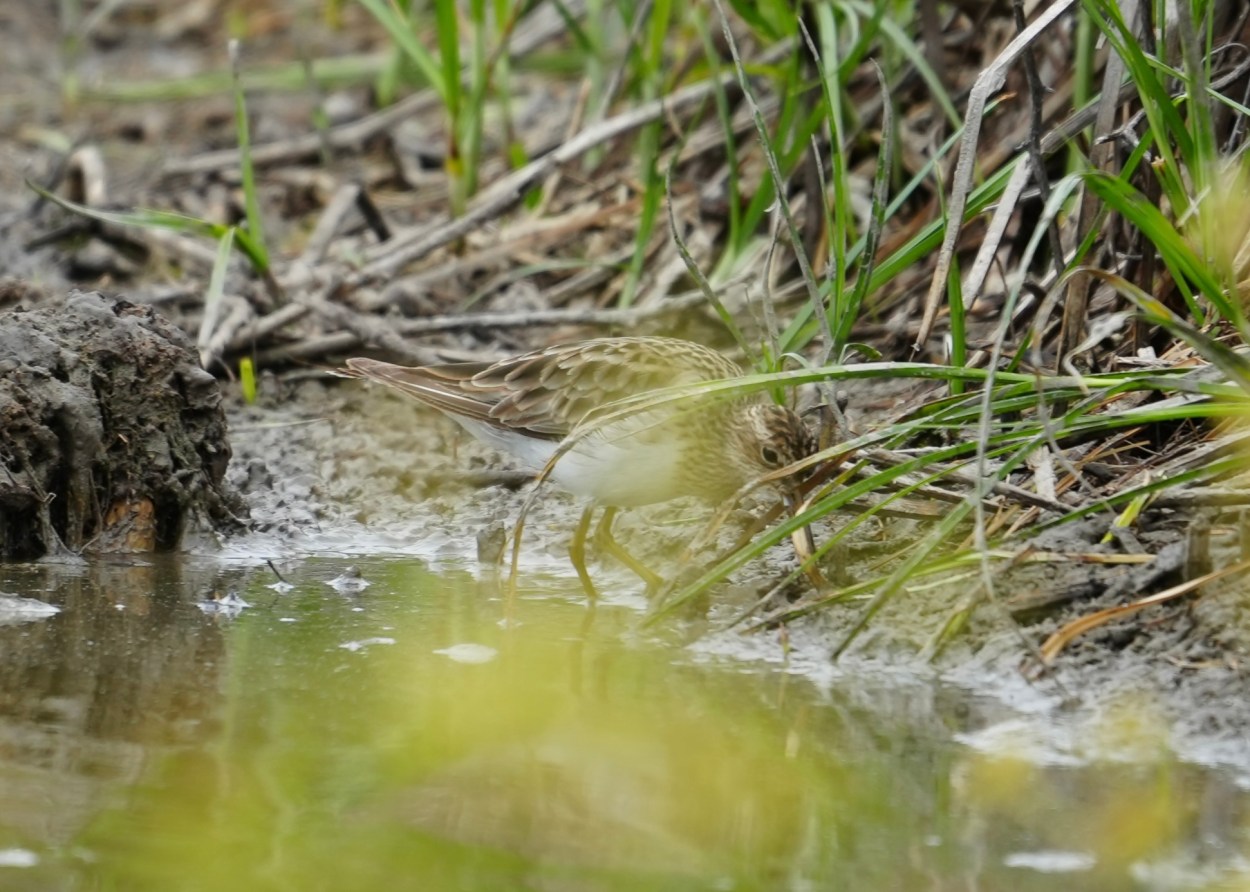
Brolga feeding on the vast grasslands of Werribee – a spectacular crane up to four and a half feet tallA colourful mix of ducks including Pink-eared, Chestnut and Grey Teal and Australian Shelduck.. but none so strange as Musk DuckSharp-tailed Sandpiper was the default shore bird Red-kneed Dotterel take some beating thoughThis Australian Pelican was pretending to be a ‘bush bird‘Whiskered Tern were plentiful – though we did find a Common Tern contender(awaiting adjudication)Star bird was this Pectoral Sandpiper which we relocated on Borrow Pit in the afternoon
What a way to end our week in Victoria with Rob & Gi – great hosts, great food and lovely birds. Thank you…
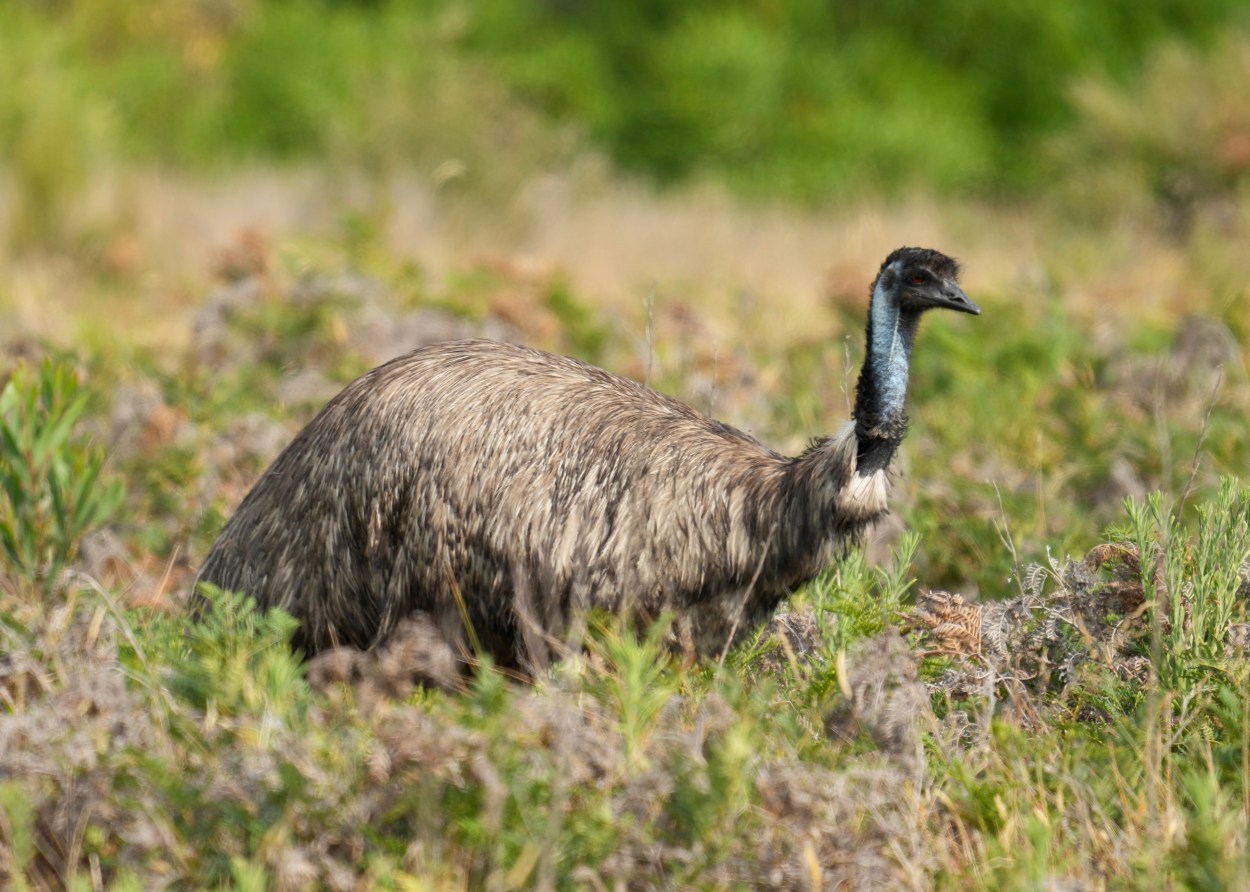
Emu seen on the recently created Prom Wildlife Walk near the old airfield
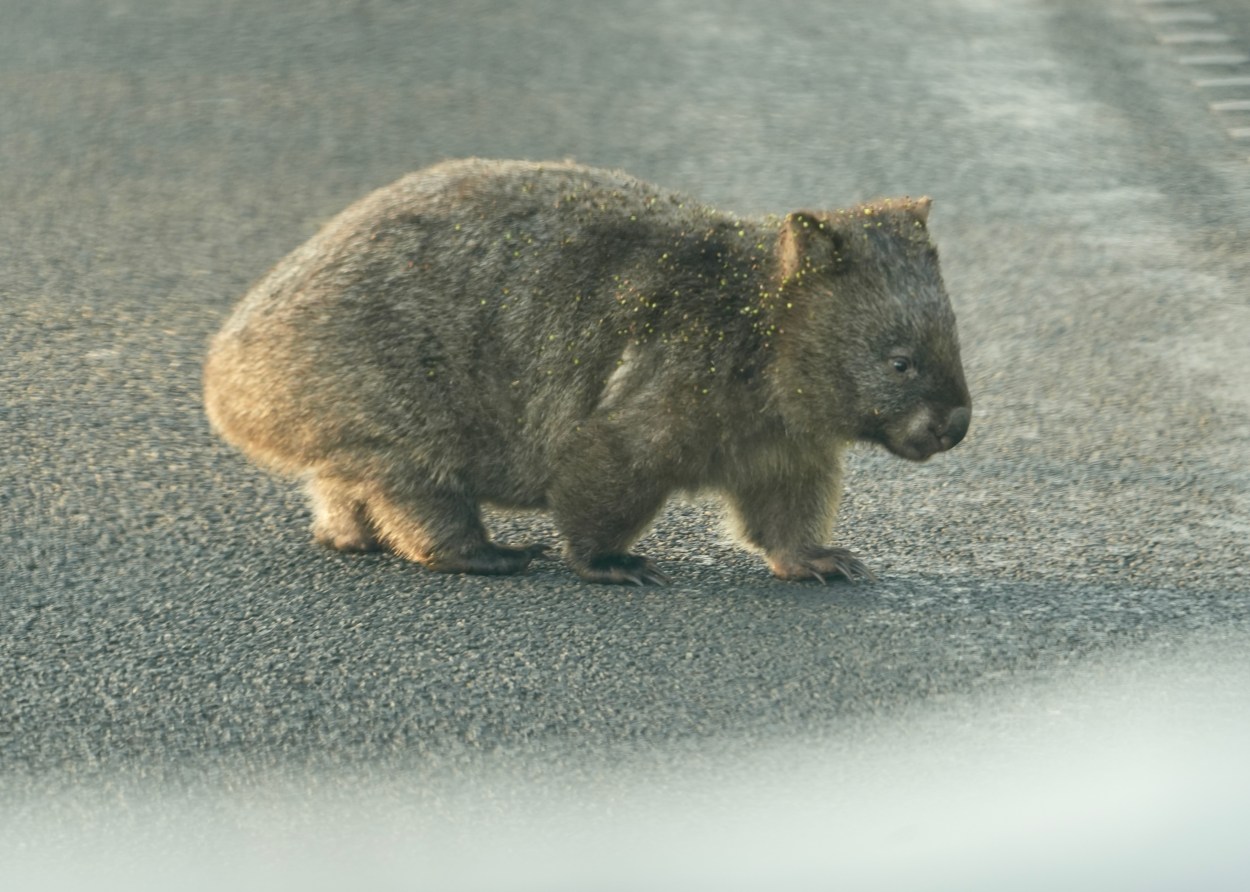
We got back from our two day excursion to The Prom at lunchtime. During the time we were there we visited several of our old birding haunts, explored new areas and saw some great birds and mammals in the process. The trip list now stands at 96, with a couple of sightings still under review. Highlights included: Emu – always nice to see these huge birds inconspicuously going about their business, flocks of Needletails, more honeyeaters, Eastern Whipbird – found with my thermal imager before dawn this morning, Black-faced Wallabies, Roos and Wombat, Brown & Peregrine Falcon, a young Tiger Snake in the back garden, several parrot sp. including Gang-Gang and more besides. After lunch today we went in search of shore birds around the bay – found none but did add Musk Lorikeet to our list.
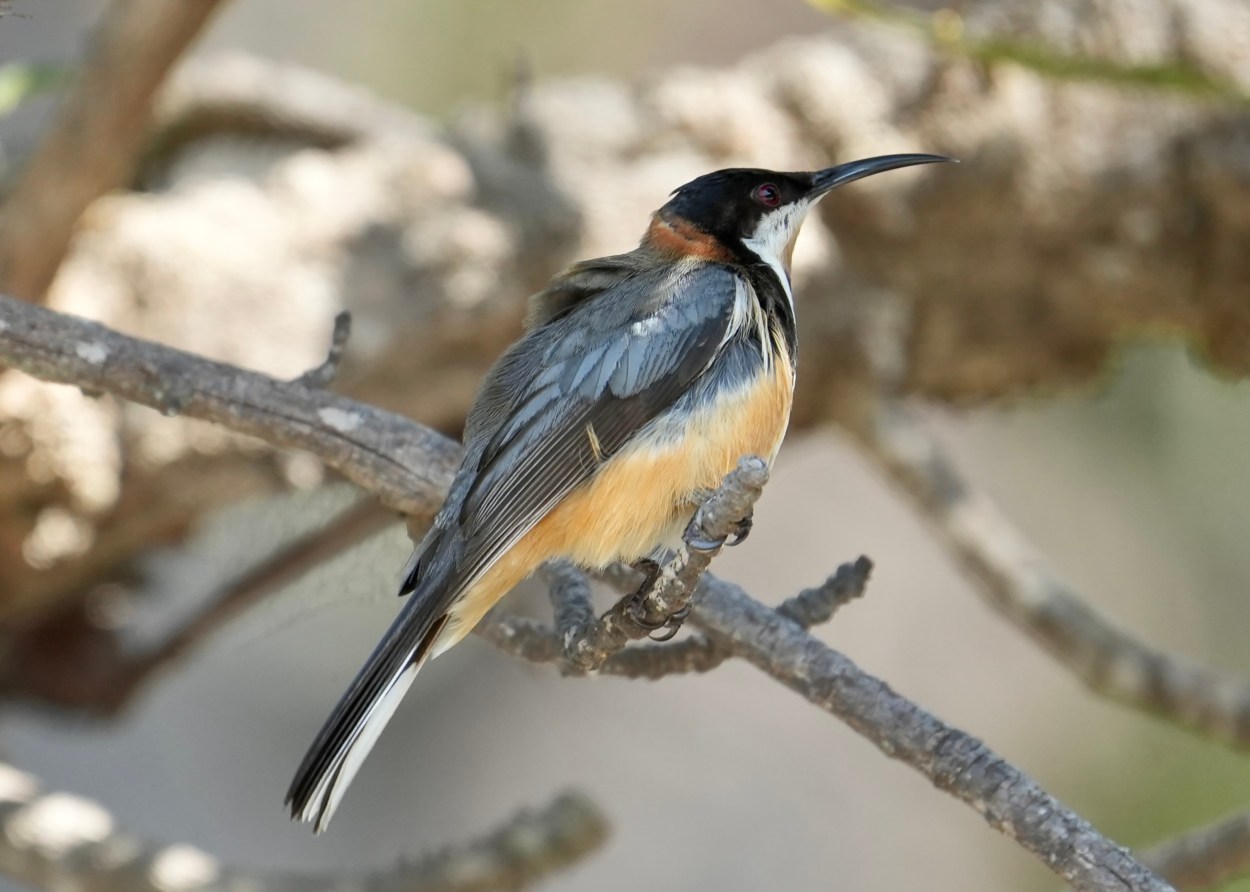
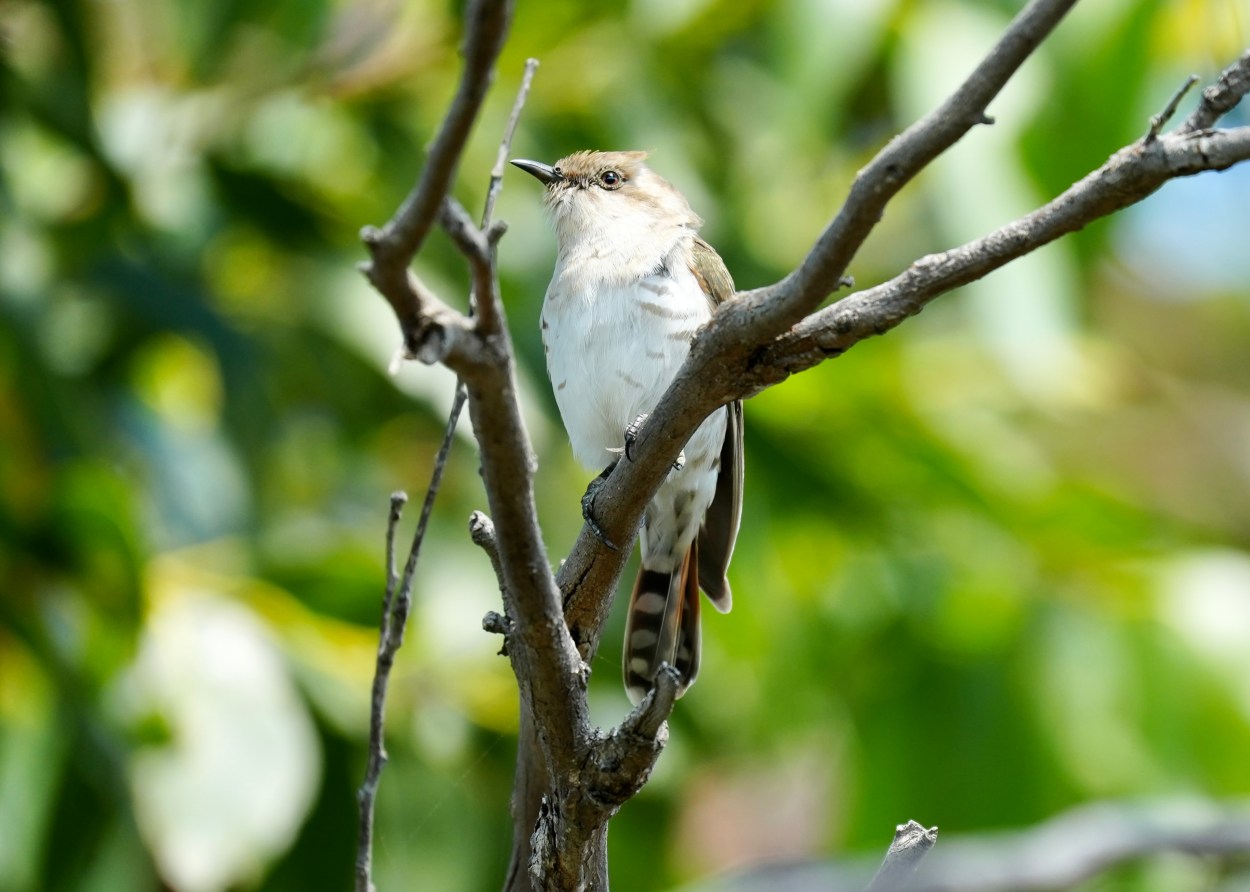
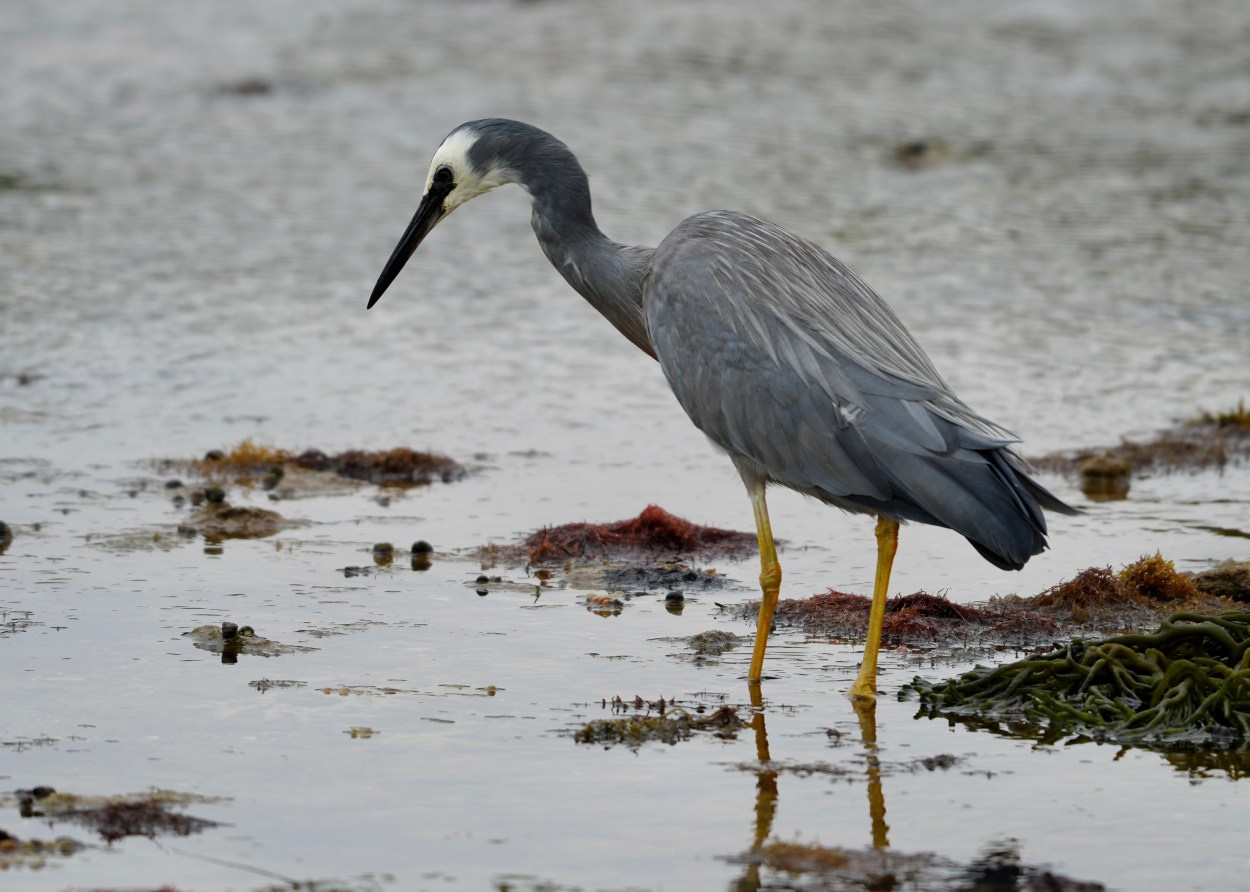
A common enough species on The Prom but gorgeous nonetheless – Eastern SpinebillHorsfield’s Bronze-cuckoo – easier to hear than seeAn early morning Wombat – photographed through the windscreen – as it crossed the road White-faced Heron plentiful around the coastIn amongst the numerous Rainbow Lorikeets … we found a few Musk Lorikeet
Tomorrow – our last full day with Rob & Gi – we’ve got another treat in prospect – a visit to the gigantic Melbourne sewage works at Werribee. It’s an all day affair!
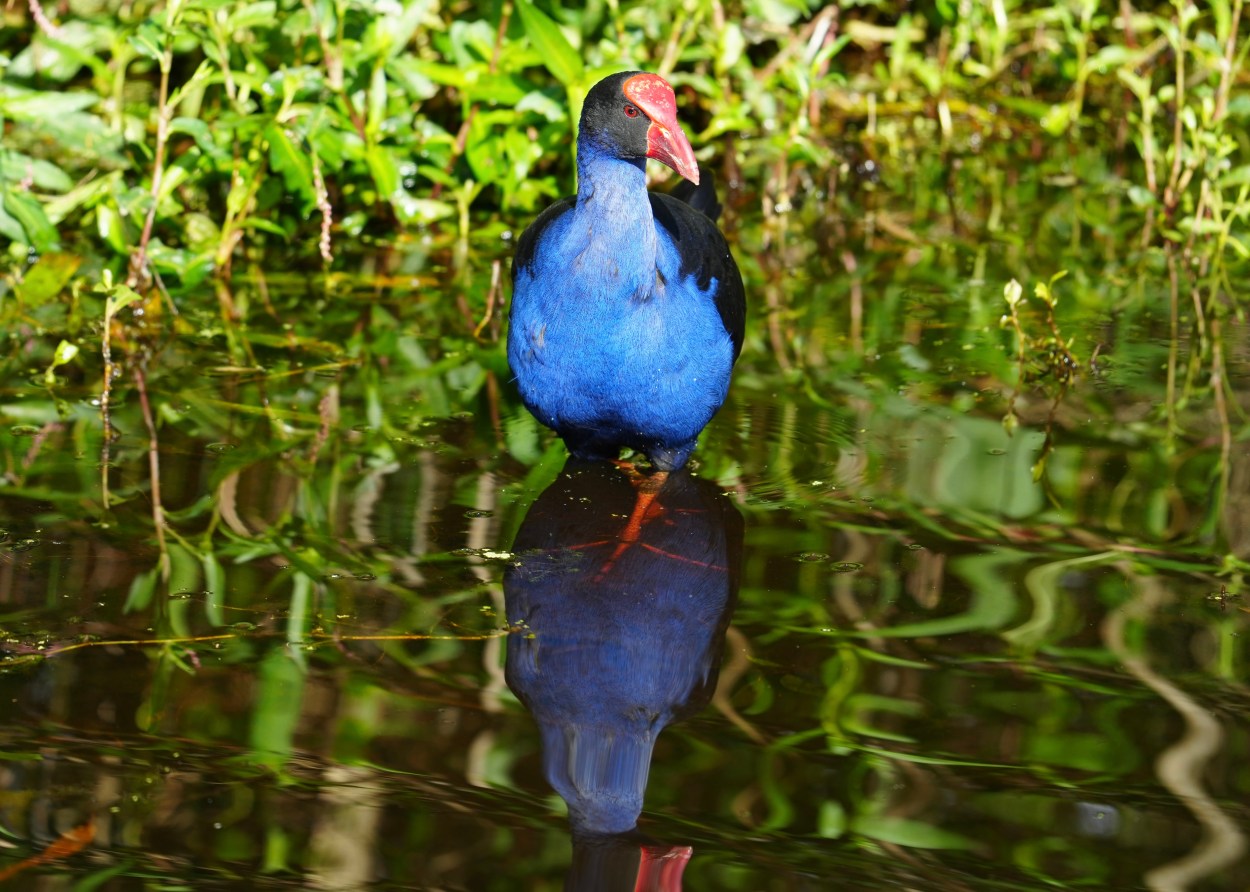
Plenty of Purple Swamphen at Hollow Grove on our morning walk
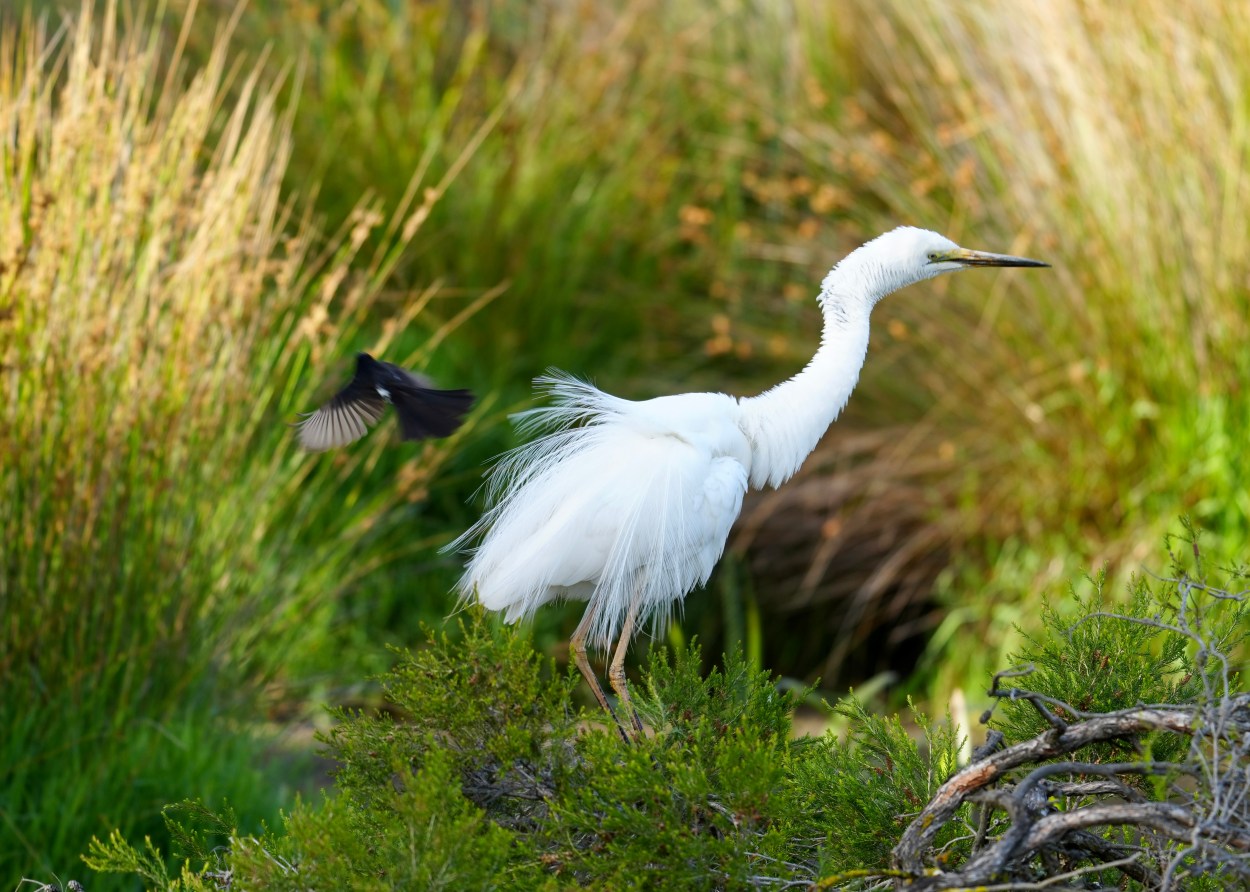
Our morning walk was to Hollow Grove, a Melbourne suburban park of woodlands and wetlands connected by a network of tracks, bridges and boardwalks, where we finally found a few ‘bush birds’. These included Blackbird, House Sparrow and Goldfinch – I could have been in my Cromer garden – but also thornbill, scrub-wren and fantail. On one of the pools we watched an egret being bullied by a Willie Wagtail! A late morning transfer had us lunching at Rob & Gi’s place on Wilsons Promontory, over-looking the entrance to the National Park, across to Mount La Trobe and beyond. Afternoon walks to two tidal creeks were very pleasant but relatively unproductive.
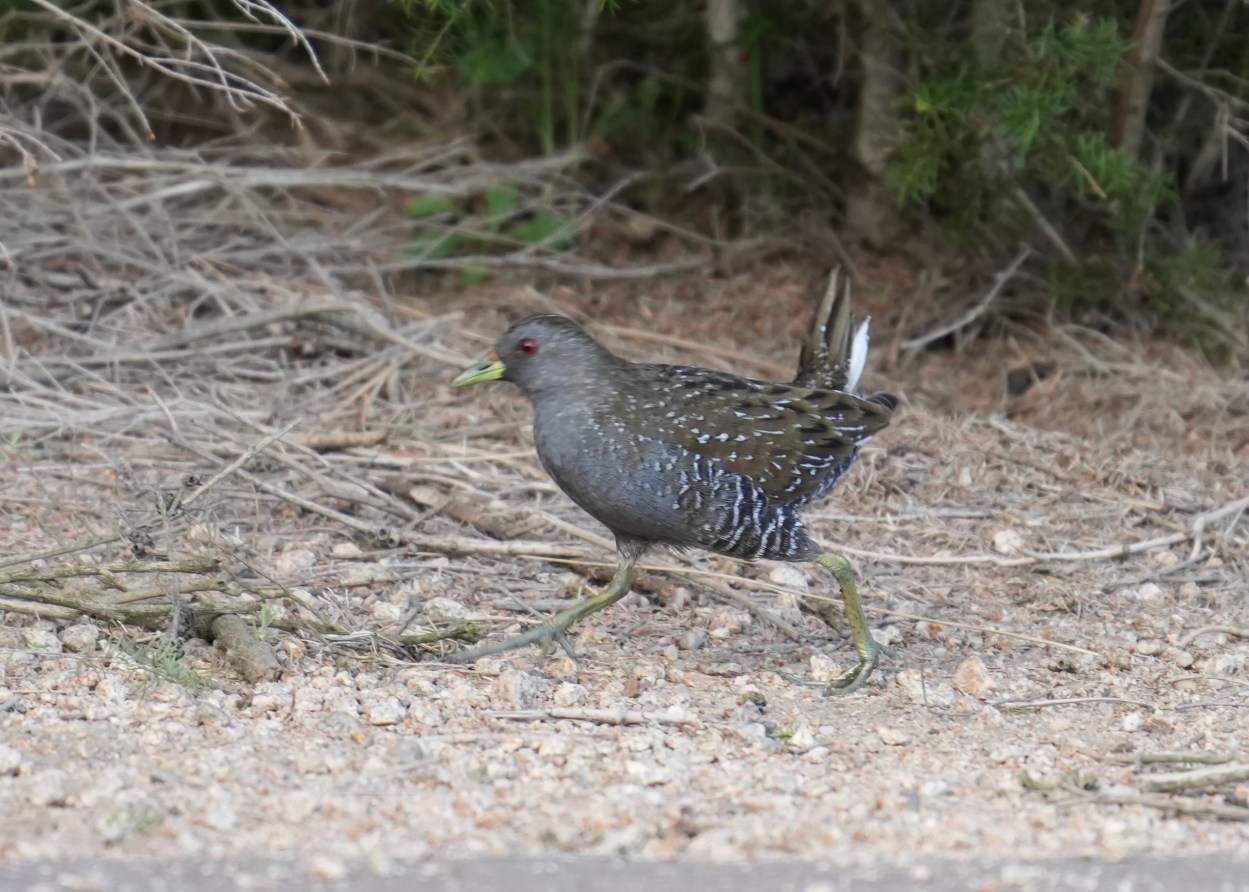
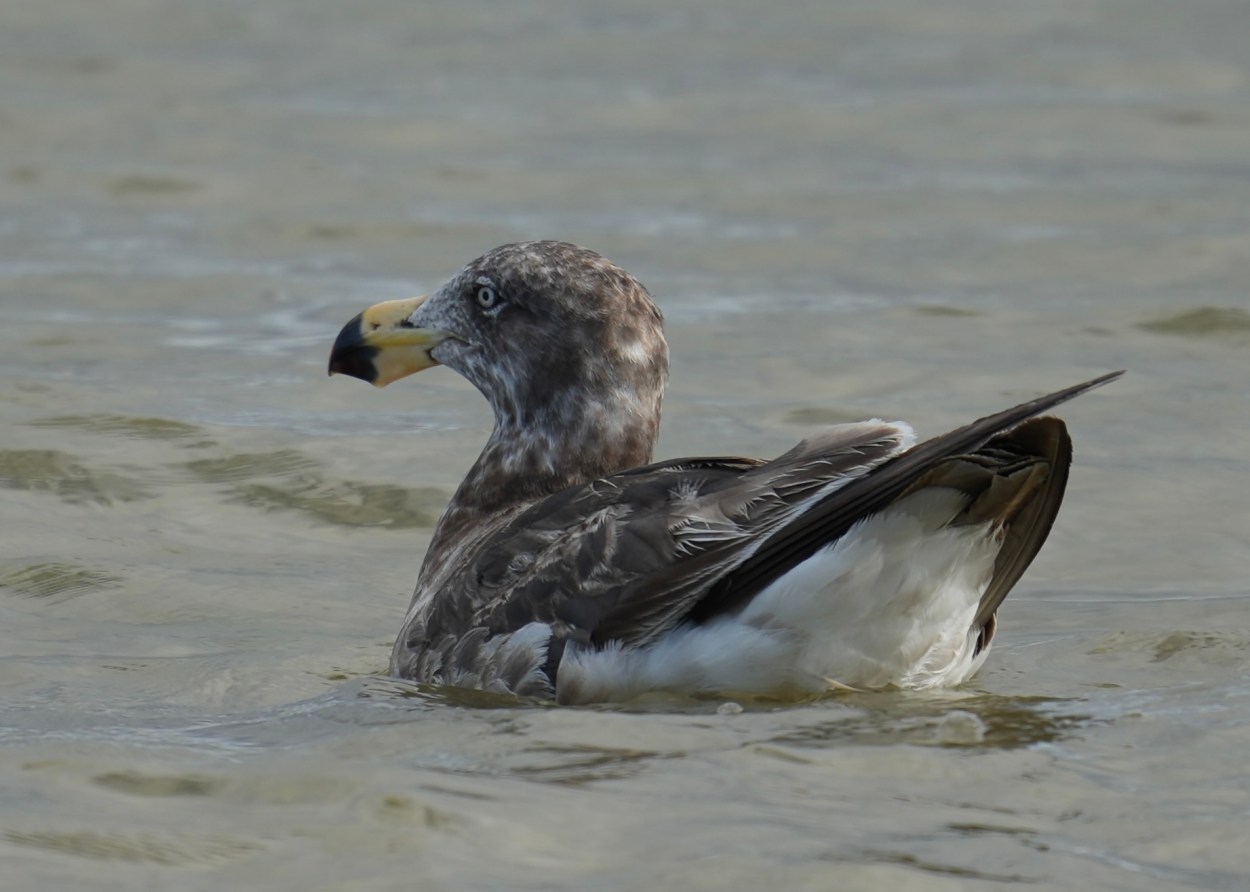
A Willie Wagtail bullies an egret off the pond and finally away altogetherNot our first views of Australian Spotted Crake but certainly our bestHighlight of the afternoon was a selection of Pacific Gulls – this juvenile was in less familiar plumage
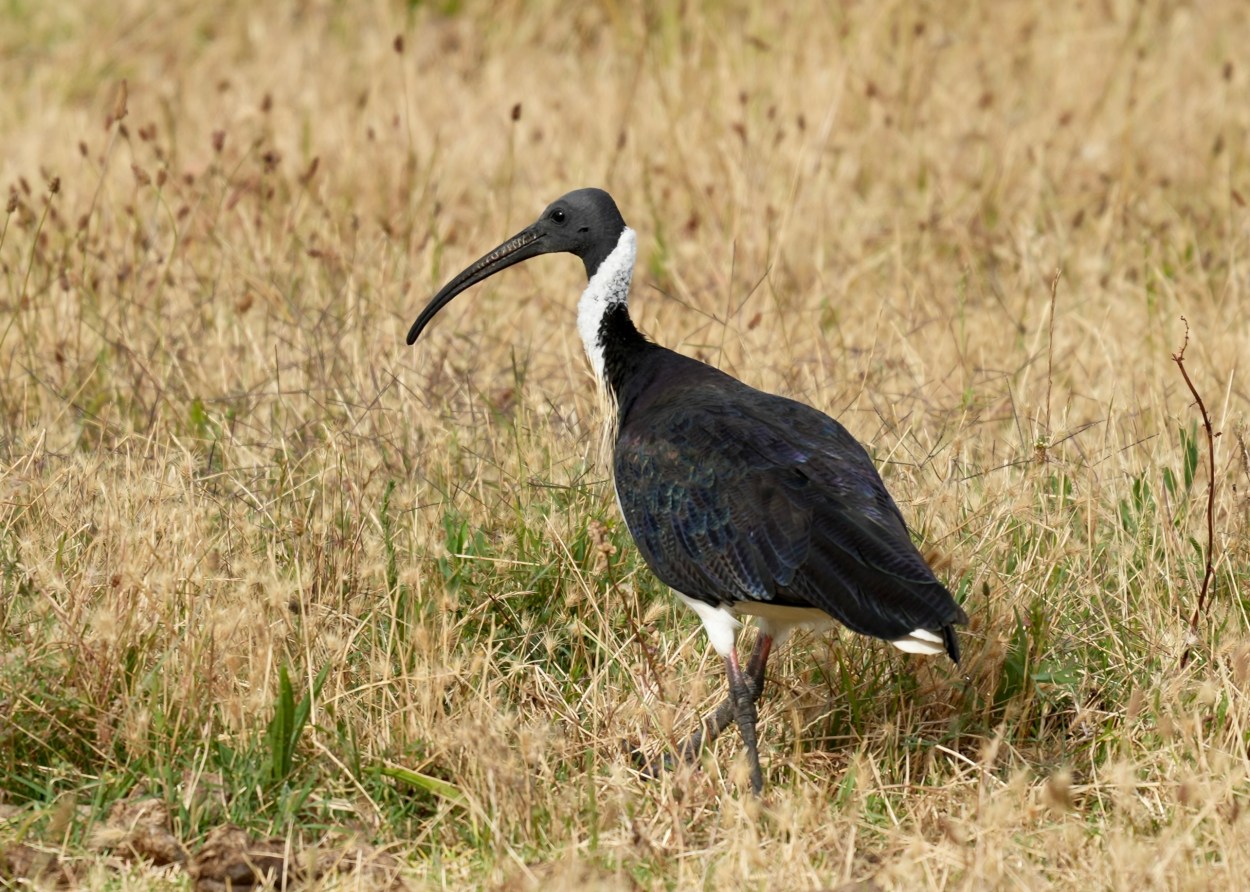
Common enough but a smart bird nonetheless – Straw-necked Ibis on a walk to Patterson River
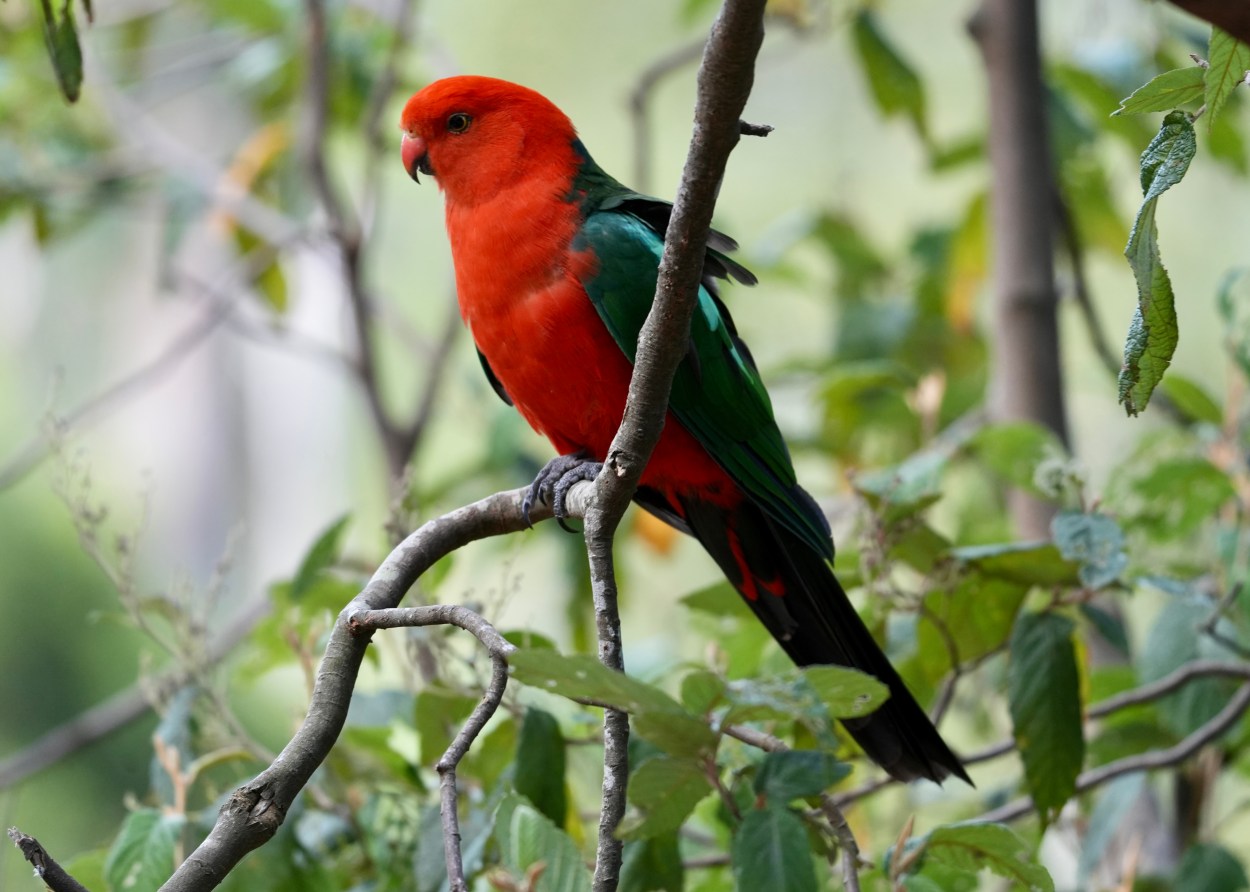
We had a busy schedule yesterday – visiting a few local birding spots, including Edithvale Wetlands Centre, enjoying a belated 70th birthday lunch with Peter & David and, in the afternoon, taking a ride out to the Dandenongs NP, around Ferntree Gully. We managed to see a few interesting birds including several ‘parrot’ species, Freckled & Pink-eared Duck, Swamp Harrier and Australian Crake – moving the trip list along to 49. Best bird for me was the Needletail (White-throated) briefly overhead in a flock of Welcome Swallow and Fairy Martin. Birding wasn’t helped by the continuing strong winds, but at least they’ve moved round to the south-west (straight from the Antarctic) with a resulting drop in temperature, down to a more acceptable 25 degrees. Today we’re off to ‘the Prom’.
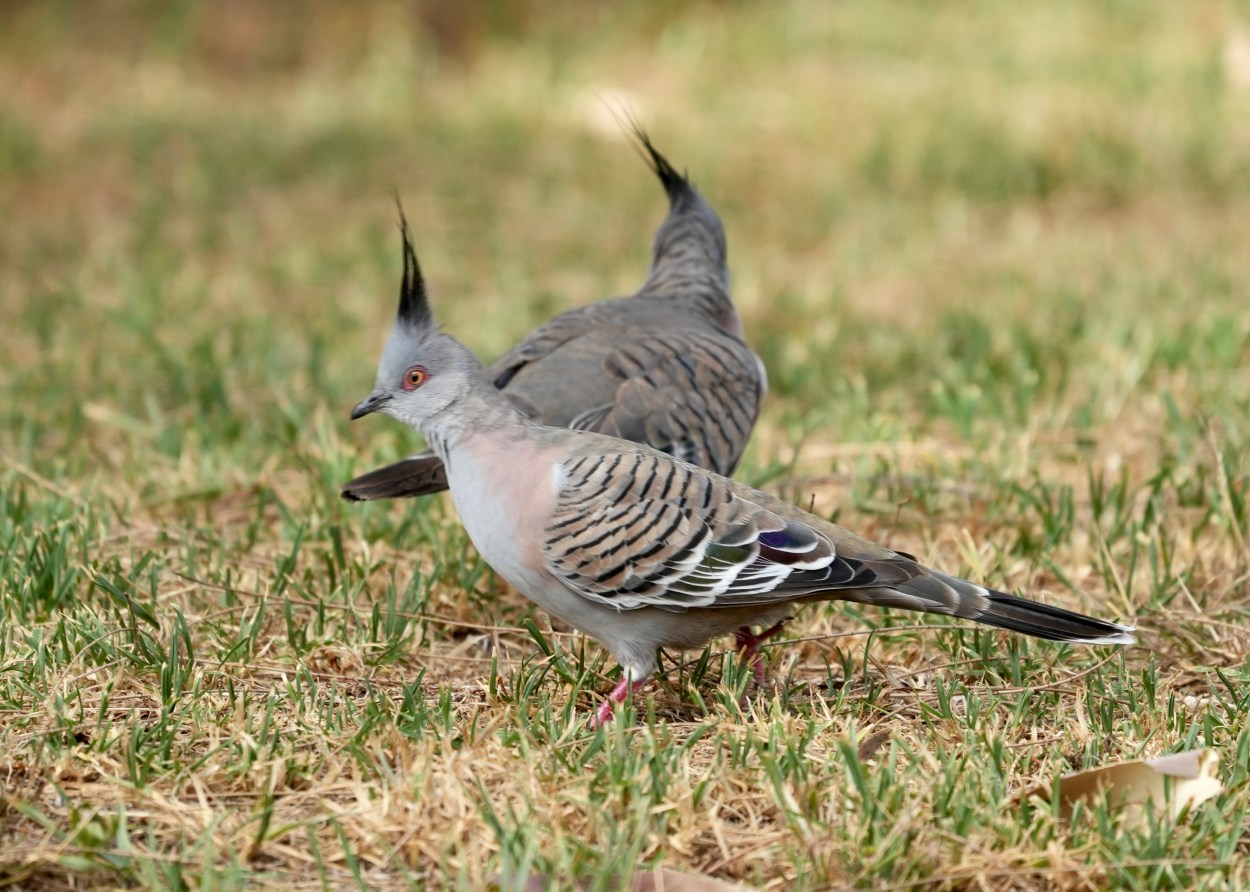
King Parrot around Grants Picnic Ground in the DandenongsAnother regular species but a bit of an upgrade on our pigeons – this is Crested




 Trevor On Tour