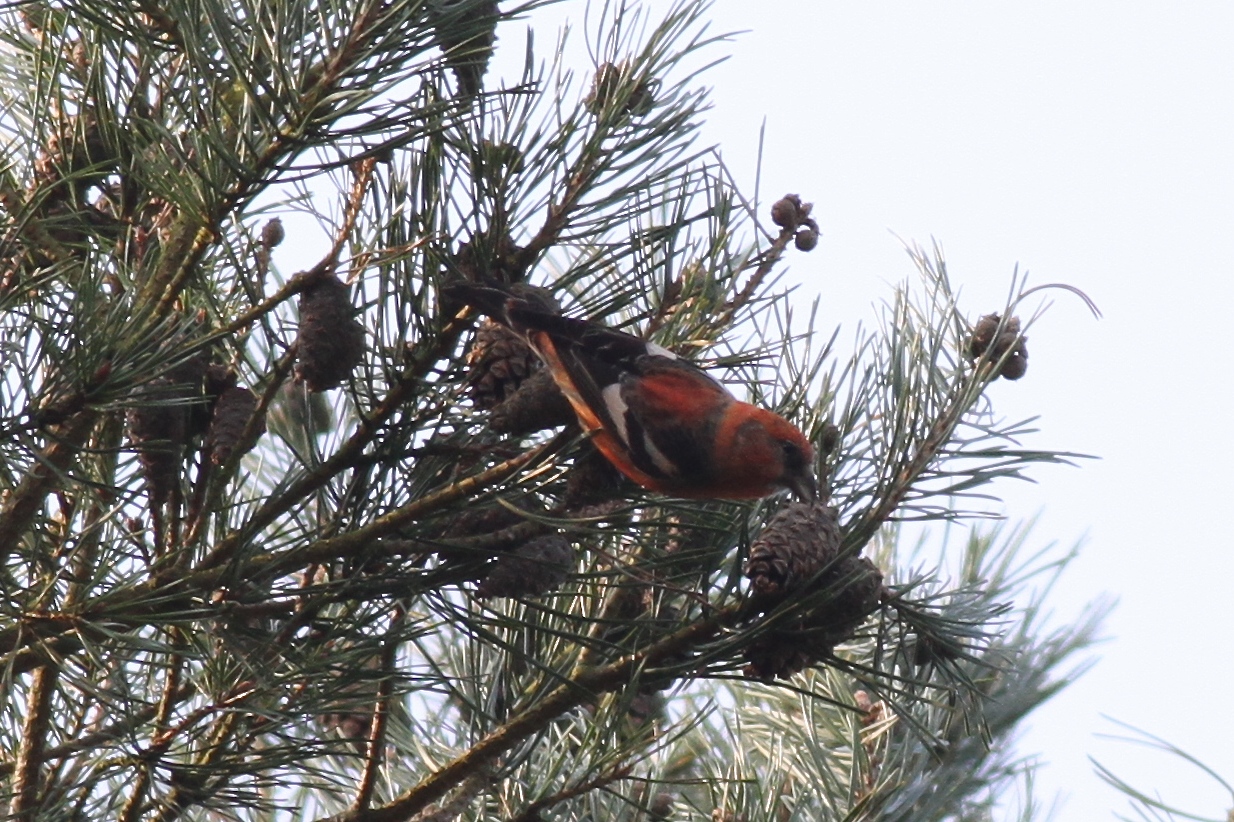
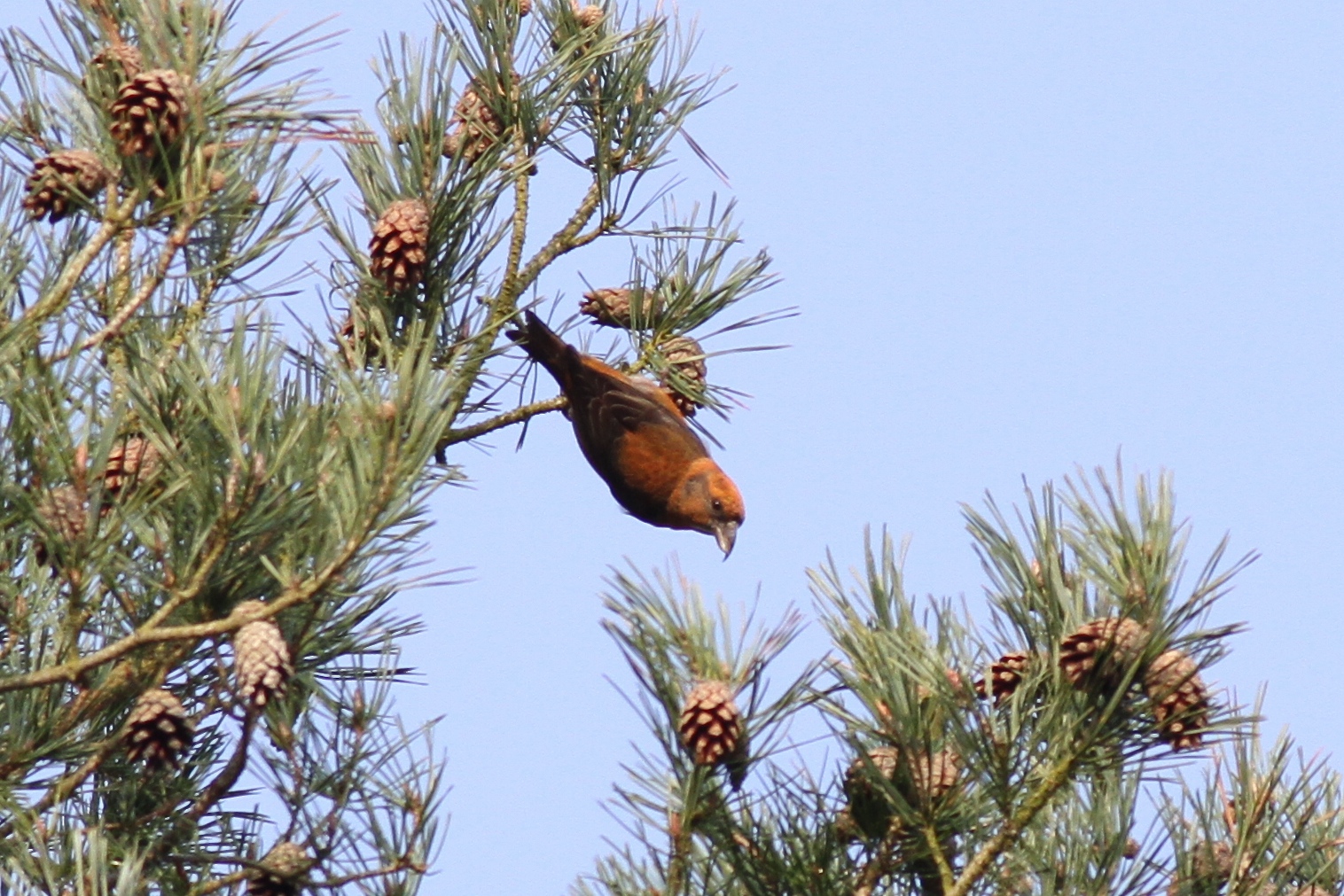
Northumberland gallery

Brother Rob and his wife Gi are over from Australia, stopping with us for a few days prior to their trip to Iceland (the country not the frozen food store!) – we’re joining them for a few days at the end. We’ve come up to Northumberland to meet up with other brother Bryan and his wife Anne, from Scotland – we’re staying at the quirky but charming country house B&B at Budle Hall. On the way up we drove through Teesdale and yesterday we did the castles – Alnwick, Warkworth, the iconic Dunstanburgh and Bamburgh. Today, weather permitting, we’re going over to Lindesfarne. As the primary purpose of the trip is a family re-union, there’s only been limited scope for birding but we have managed to see a few bits and bobs:

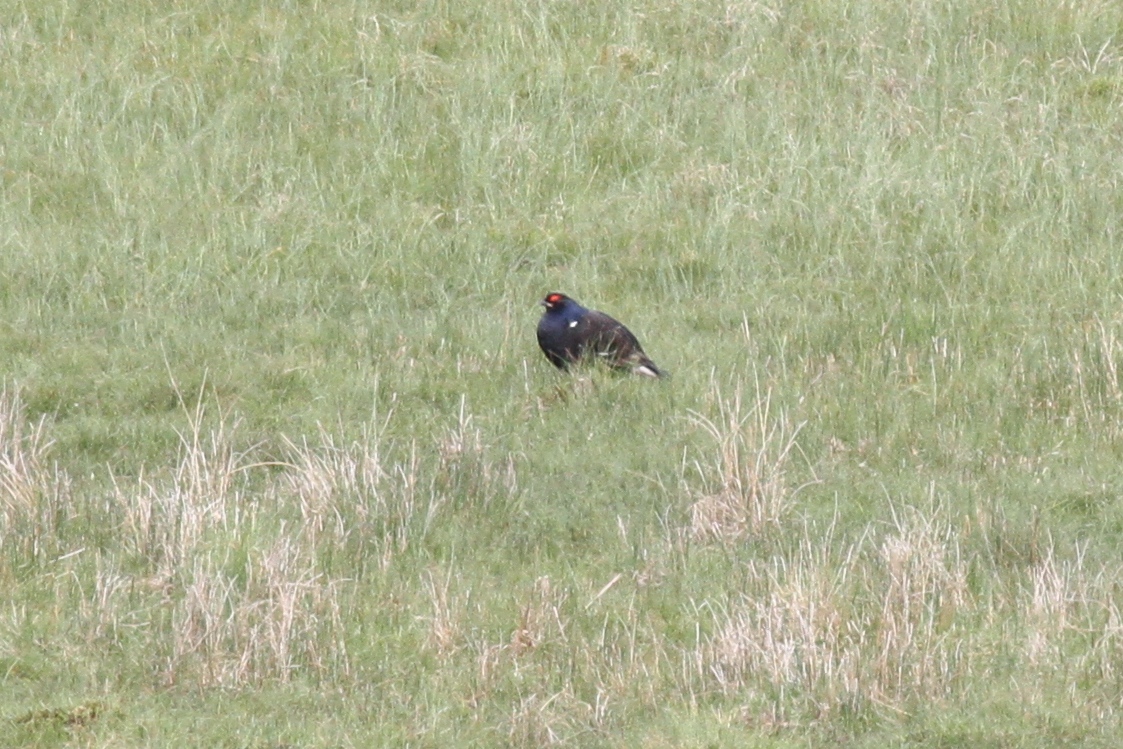
Black Grouse, at the same spot in upper Teesdale as last year, but only two and distant
IMG_4275

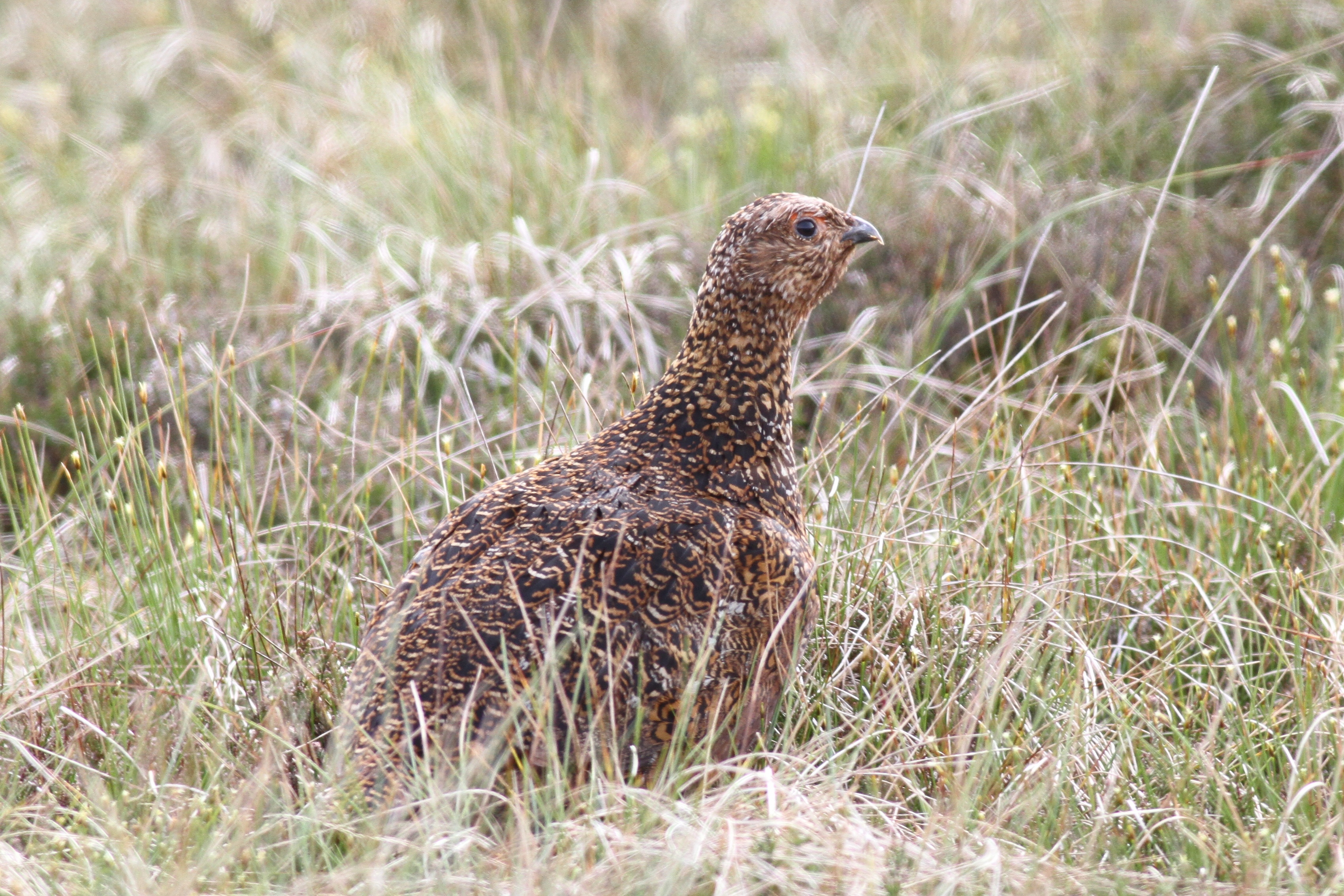
Red Grouse, easier to see, but still nice
IMG_4289

On the cliffs at Dunstanburgh, Rock Dove

IMG_4327

Kittiwake, in the rain

IMG_4376

Razorbill

IMG_4324

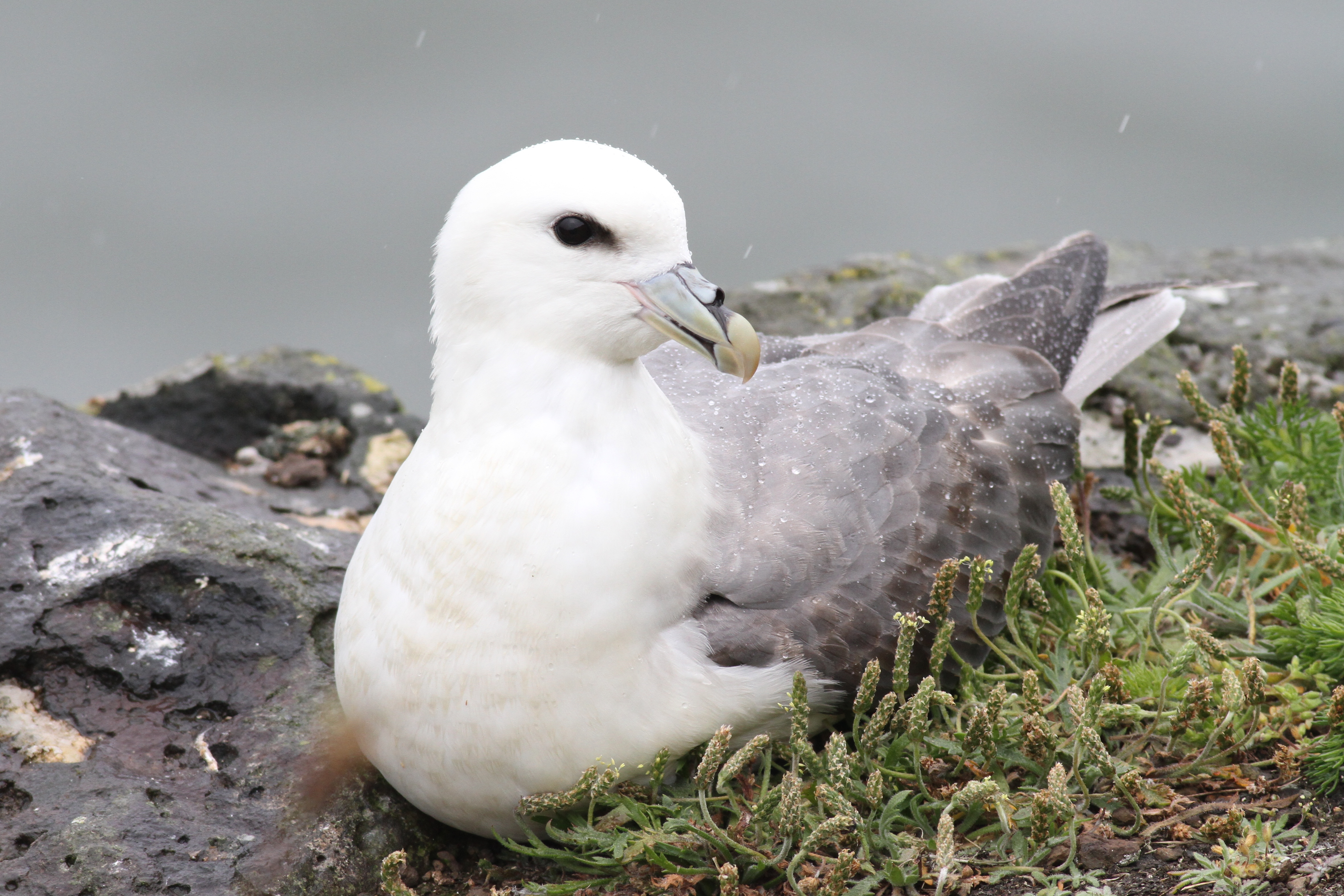
and Fulmar

IMG_4374

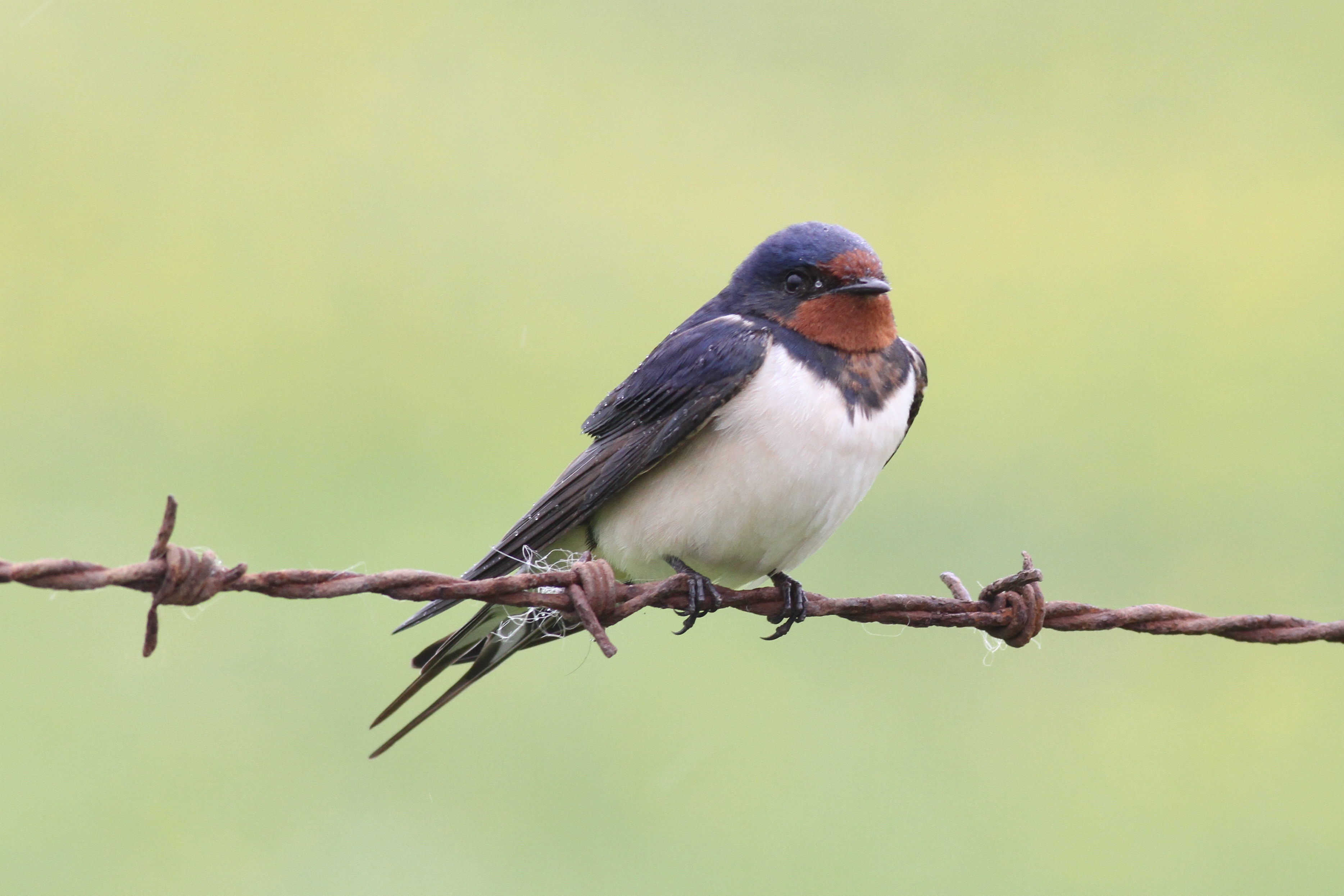
Finally a rather chilly Barn Swallow, probably wishing it had waited a while longer before migrating
IMG_4389

We’re hoping for much better views and photos of sea birds and ducks when we get to Iceland in just over a weeks time


Temminck’s Times Two

DSC06947

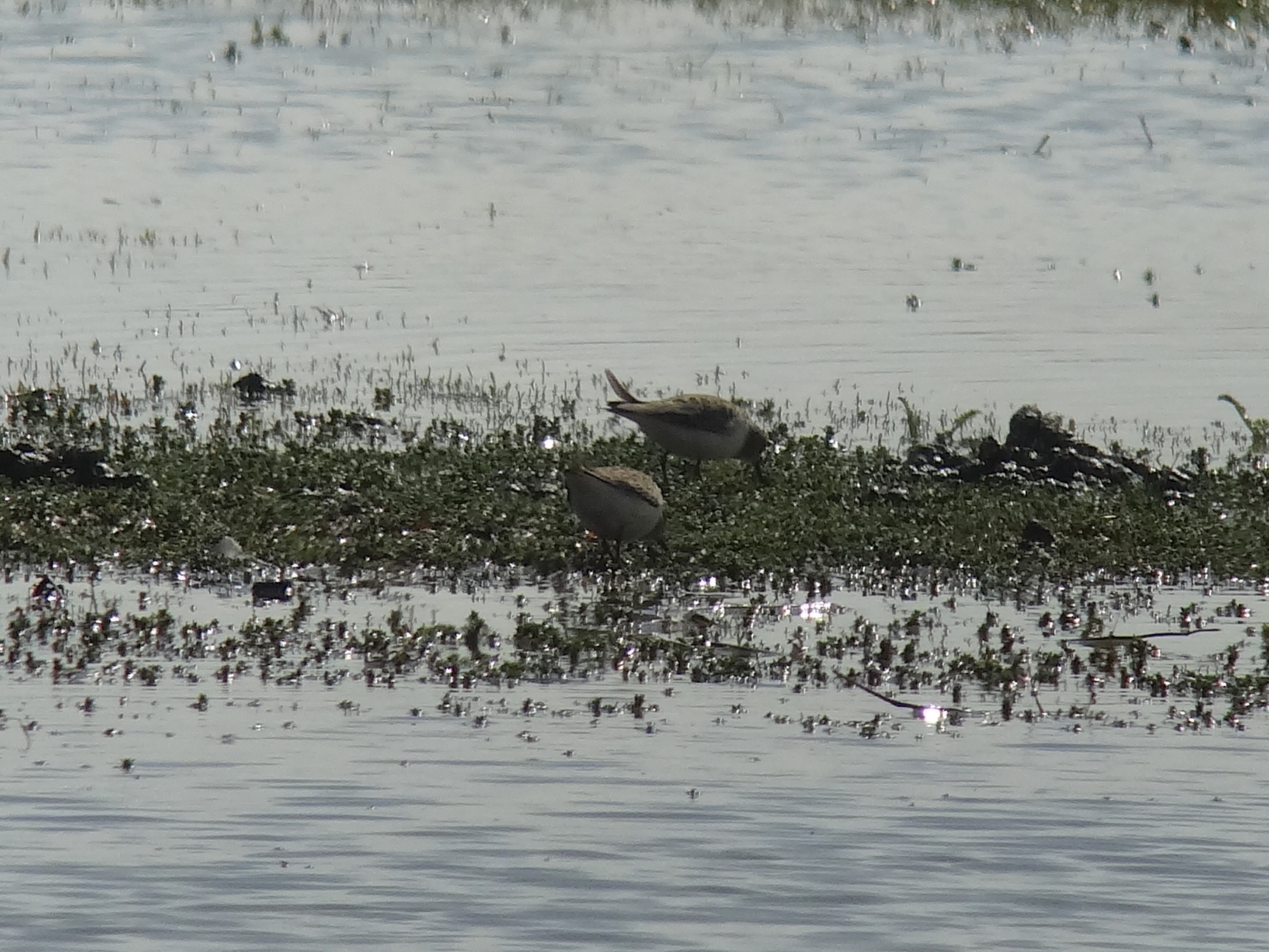
Two Temminck’s Stint, Cley NWT, May 2014

Yesterday was my first ‘duty day’ at Cley NWT since returning from our GPOG holiday on Lesbos. I was relieved to discover that,  whilst we were away, the weather had been pretty foul and that I’d not missed any really good birds, except perhaps Temminck’s Stint. However I was delighted to find that the two birds were still present, on Pat’s Pool , when I started my morning rounds. Temminck’s Stint is a scarce passage migrant in England with occasional breeding, away from their regular summer haunts in the Scandinavian tundra, in Scotland. Longer and squatter than the more common Little Stint, summer birds show a distinct pectoral band, blotchy black scapulars and yellowish coloured legs – they have a preference for feeding on drier, grassy ground. It seemed slightly strange that only a couple of days before we’d been watching another pair of these birds on the beach pool at Faneromeni!

The bird in the centre, flanked by two Little Stint for useful comparison, was a very dark looking thing – possibly due to oiling

IMG_3215

The second bird was a much more typical example, showing the longer ‘rear end’, distinct pectoral band, black scapular feathers and ochre legs

IMG_3218


Late Spring in Lesbos

We’ve just got back from a weeks holiday in Petra, Lesbos, with GPOG (Greater Peterborough Ornithological Group – a rather grand title for a bunch of birding/drinking mates!). We stayed at the excellent Niki Michael Studios booked as a package with Thomas Cook, used vehicles from Costa rentals and based our itinerary on Steve Dudley’s excellent book and our accumulated knowledge from previous trips. We deliberately chose a May week to catch the later arriving migrants and resident breeding species. We managed to notch up nearly 150 species during the week and several members of the party got a ‘life tick’ or two!

Some of the birds we saw:

Subalpine Warbler, male

IMG_2486

Black Stork, this one in the centre of Kalloni!

IMG_2565

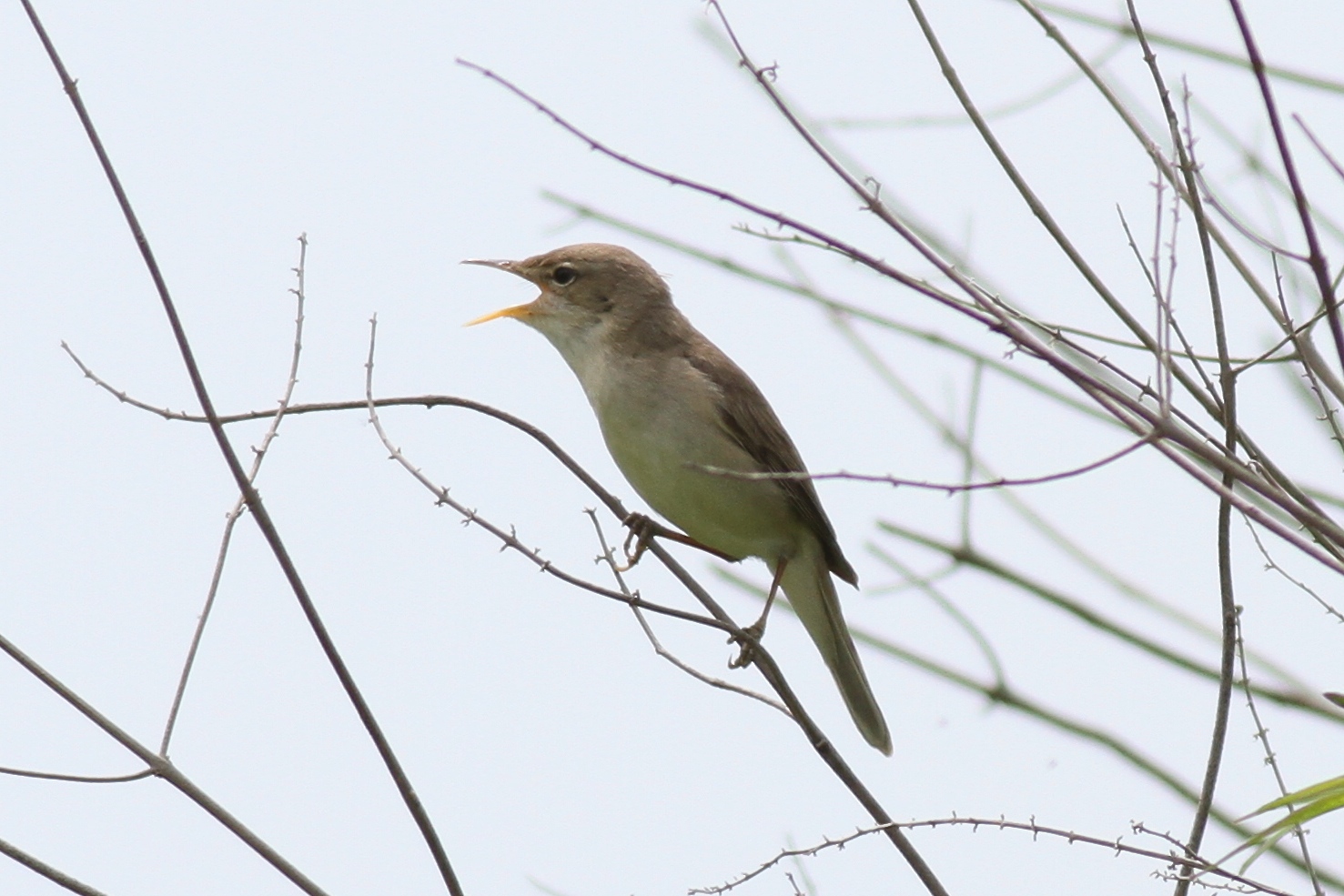
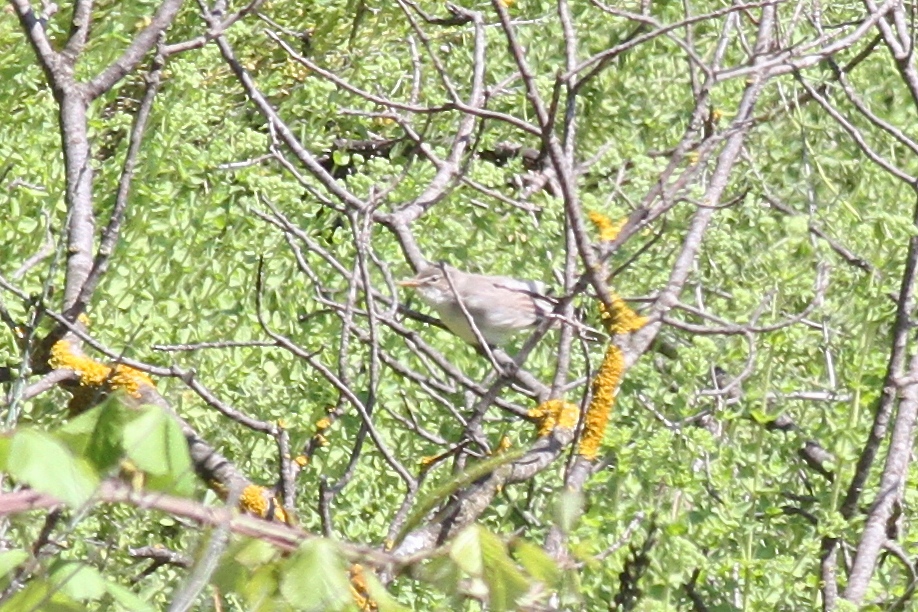
An obliging Eastern Olivaceous Warbler

IMG_2656

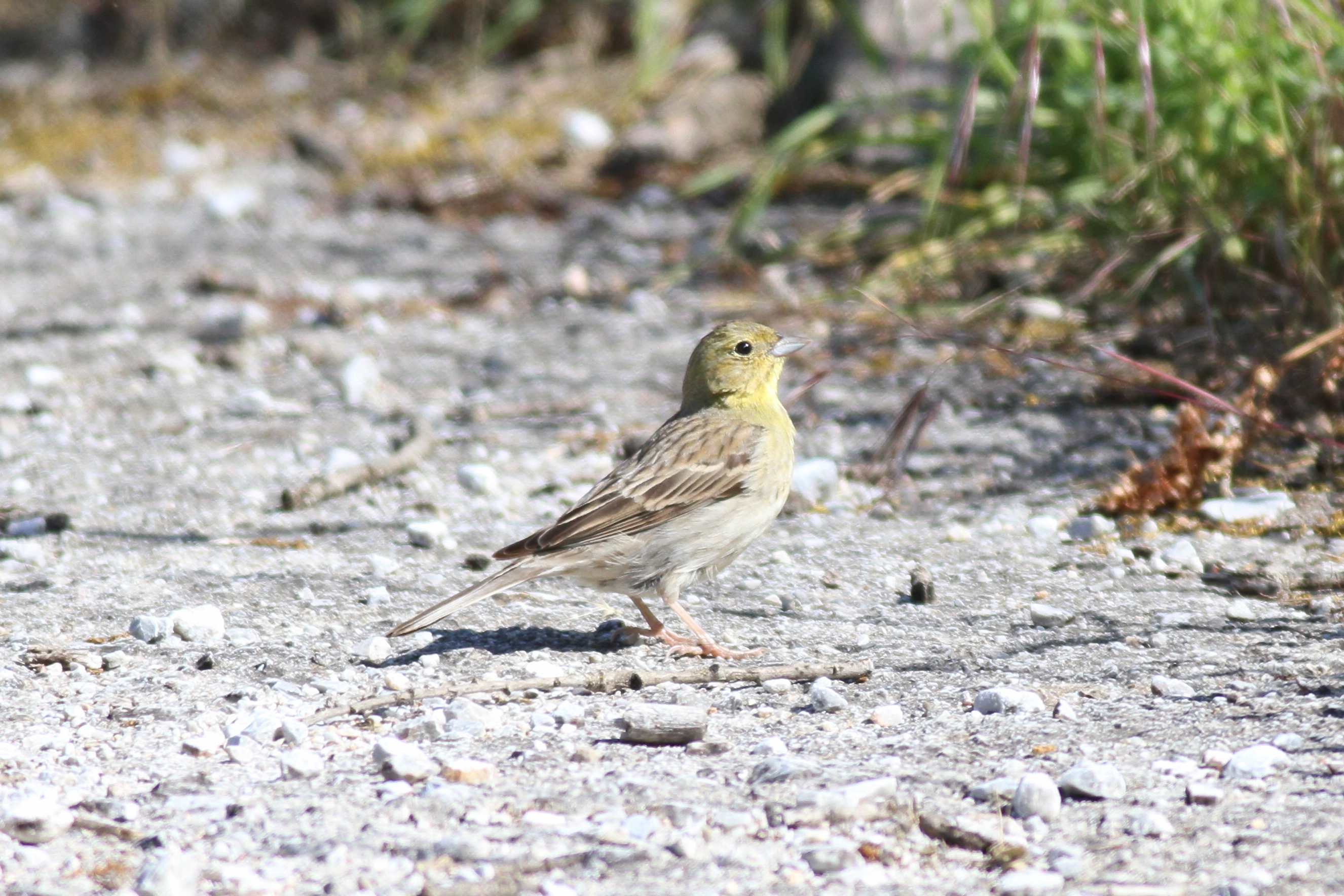
Cirl Bunting

IMG_2840

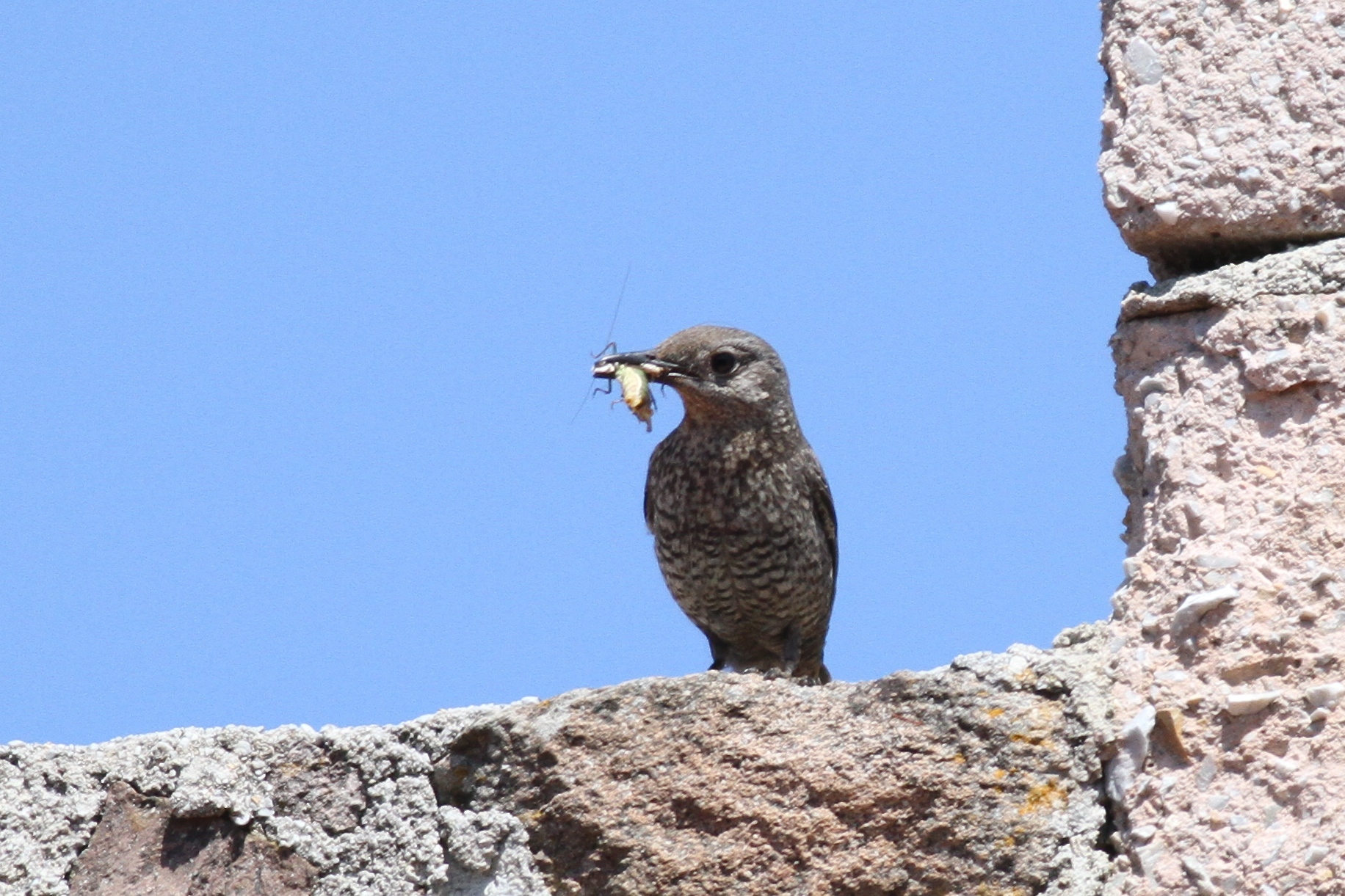
A female Blue Rock Thrush, feeding young at Ipsilou monastery

IMG_3005

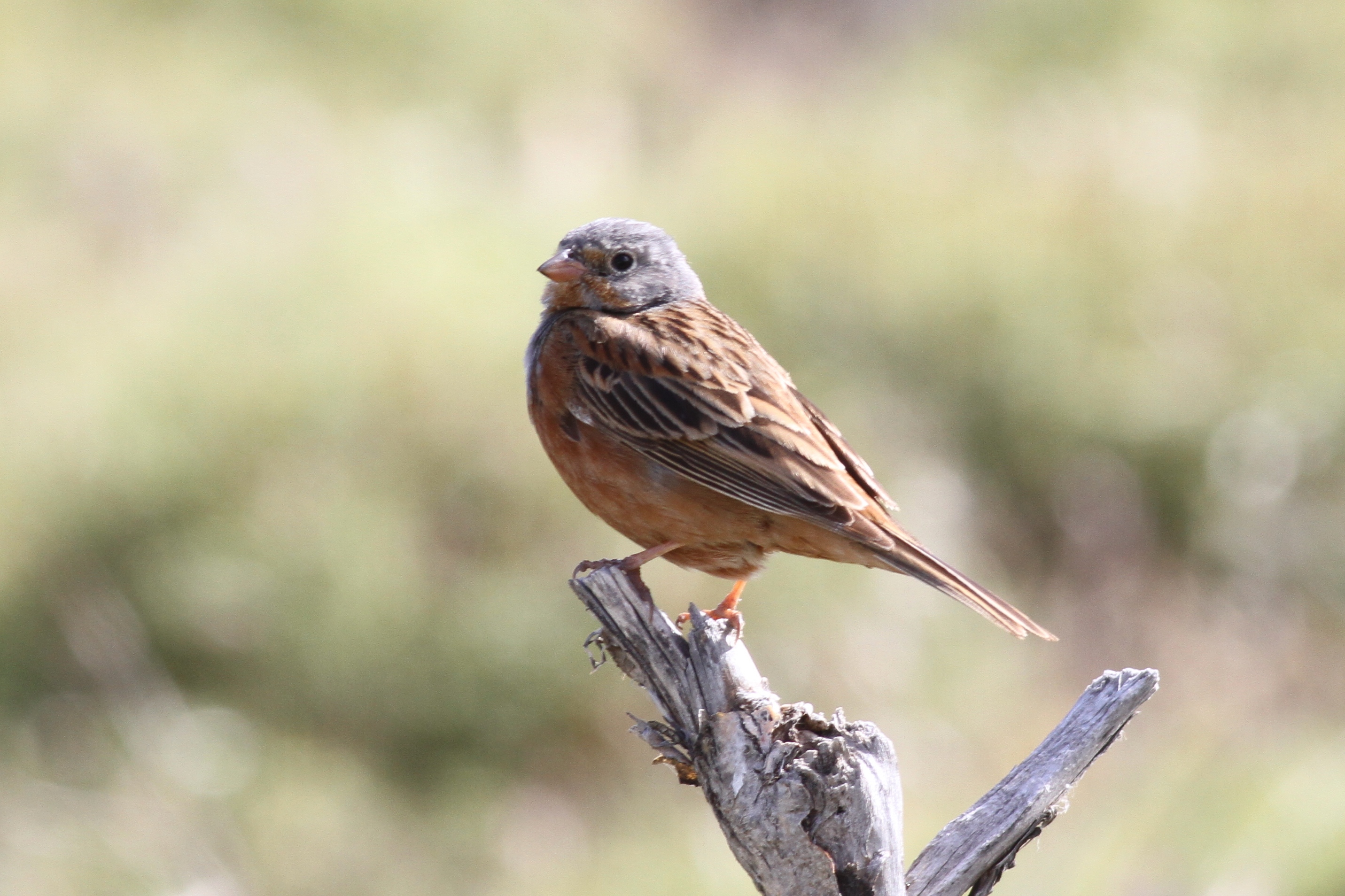
Lesbos speciality, Cinereous Bunting

IMG_3092

Another Lesbos speciality – Isabelline Wheatear, one of a couple of pairs seen

IMG_3163

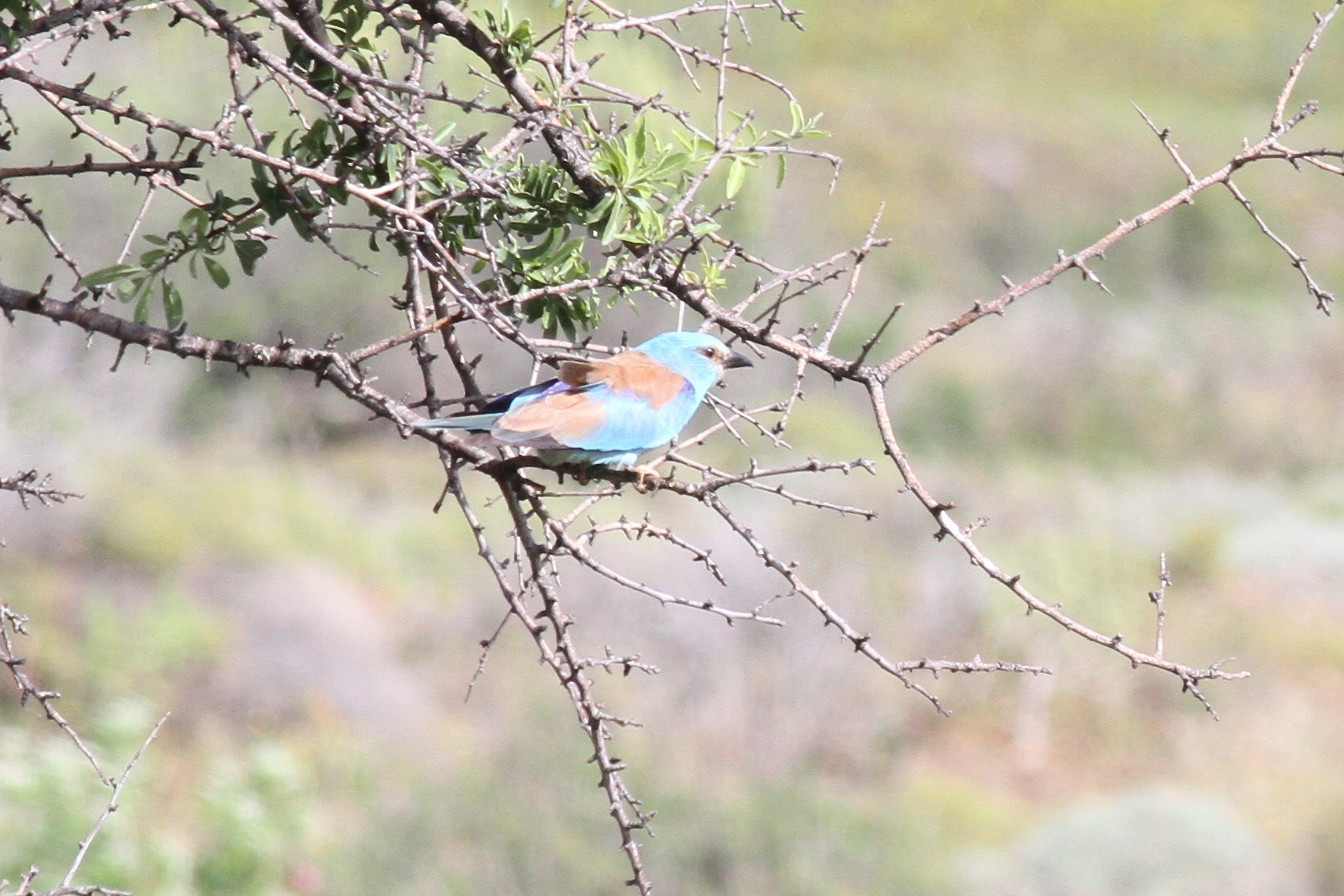
Roller, one of a small influx on our last day – we saw four birds, there were probably more

IMG_3909

Another special Lesbos bunting – this one is Cretzchmar’s

IMG_3889

Olive-tree Warbler, difficult to see and near impossible to photograph!

IMG_3817

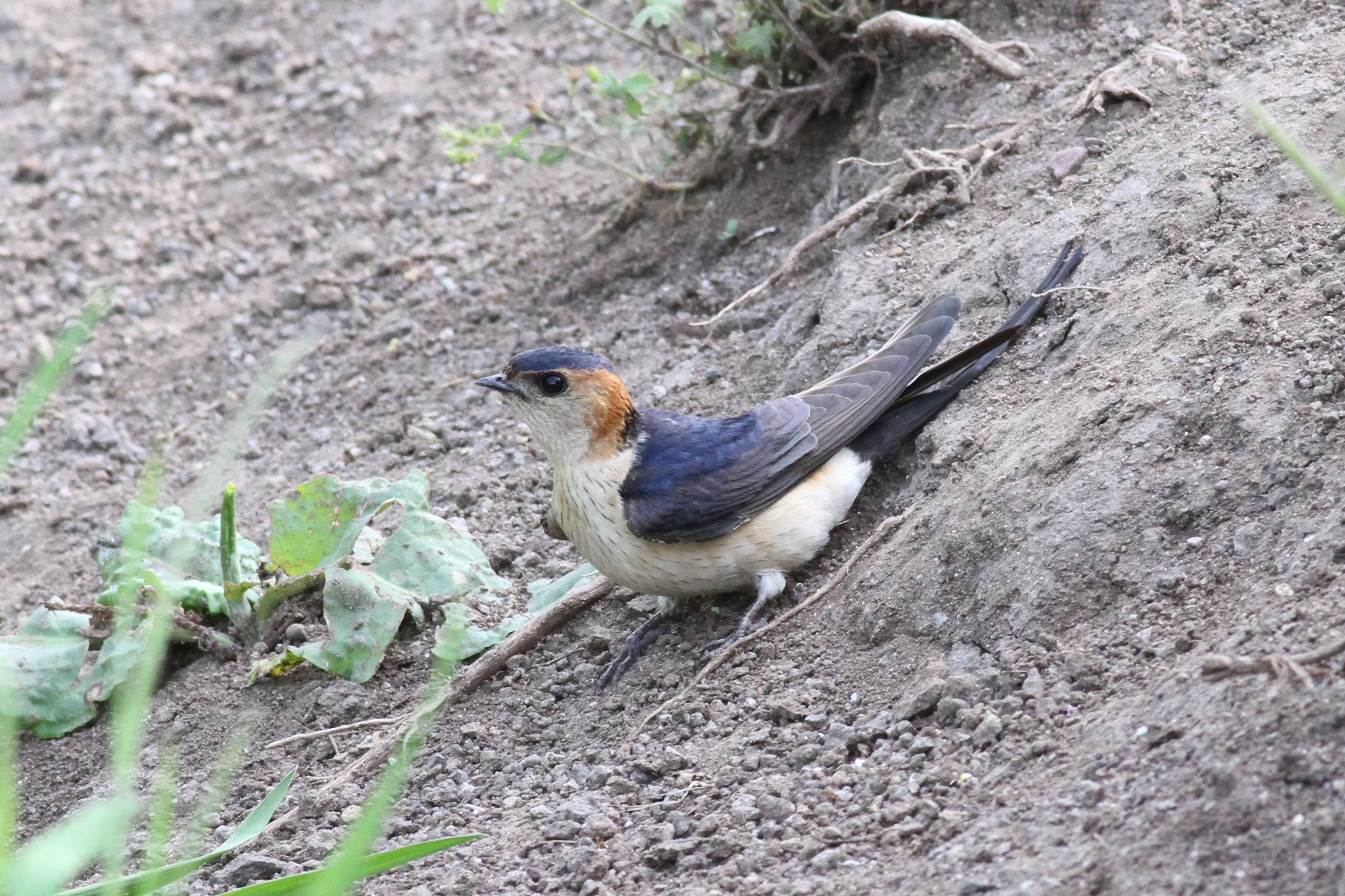
Red-rumped Swallow collecting mud for nest-building

IMG_3850

Rufous Bush Robin, also nest building.

IMG_4063

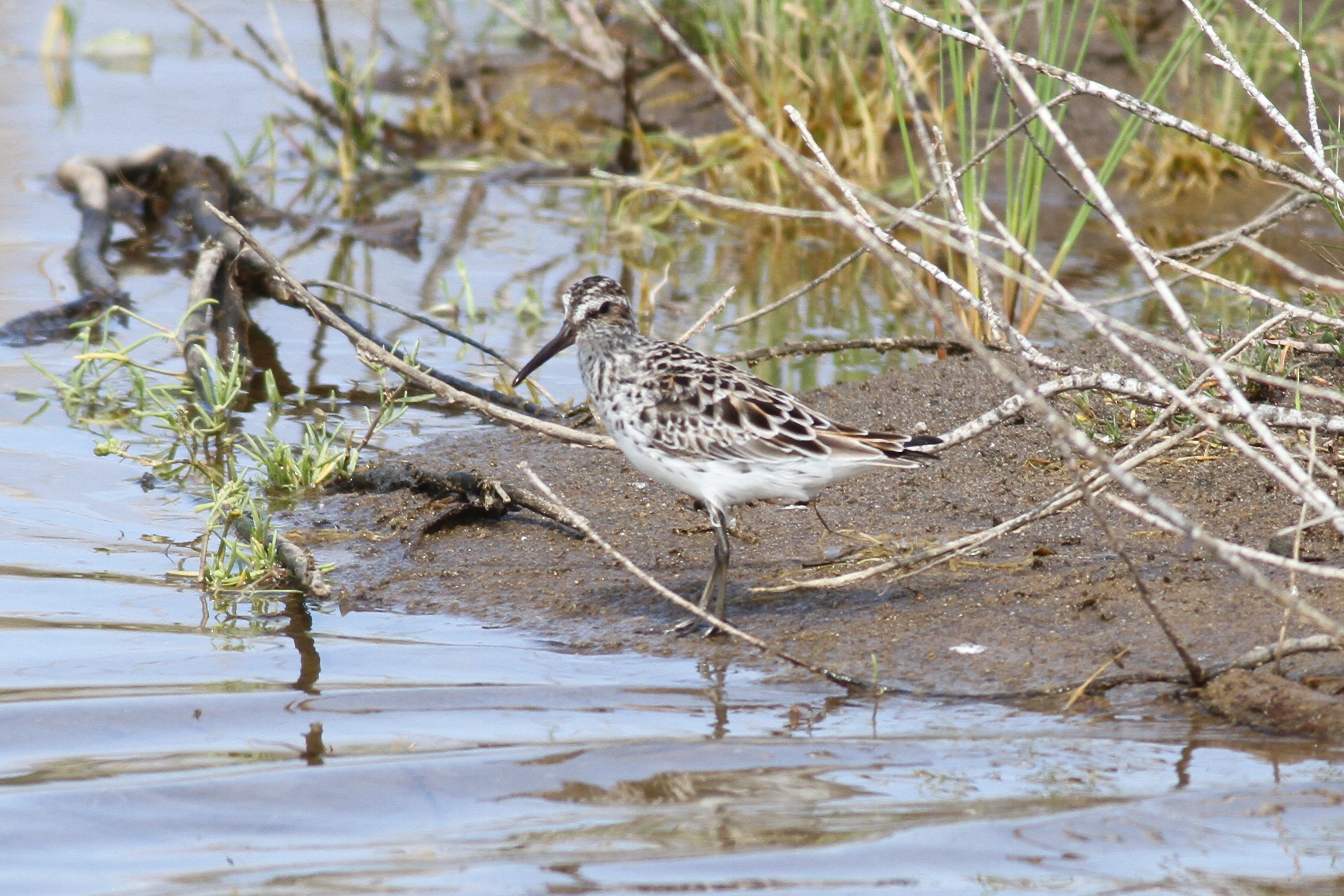
Broad-billed Sandpiper, one of three seen. This cooperative individual was at Faneromeni Beach pool

IMG_3268

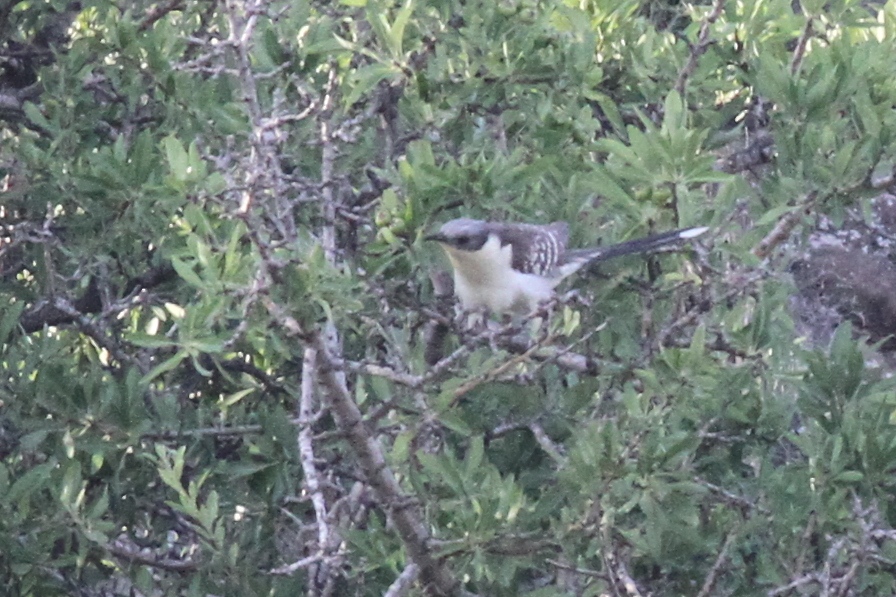
Great Spotted Cuckoo – a poor picture of a great bird, well actually one of a breeding pair

IMG_3878

One of this year’s target species, a superb male Black-headed Bunting

IMG_3369

Red-breasted Flycatcher, this one was in a roadside ravine on the old Sigri to Erossos road

IMG_3492

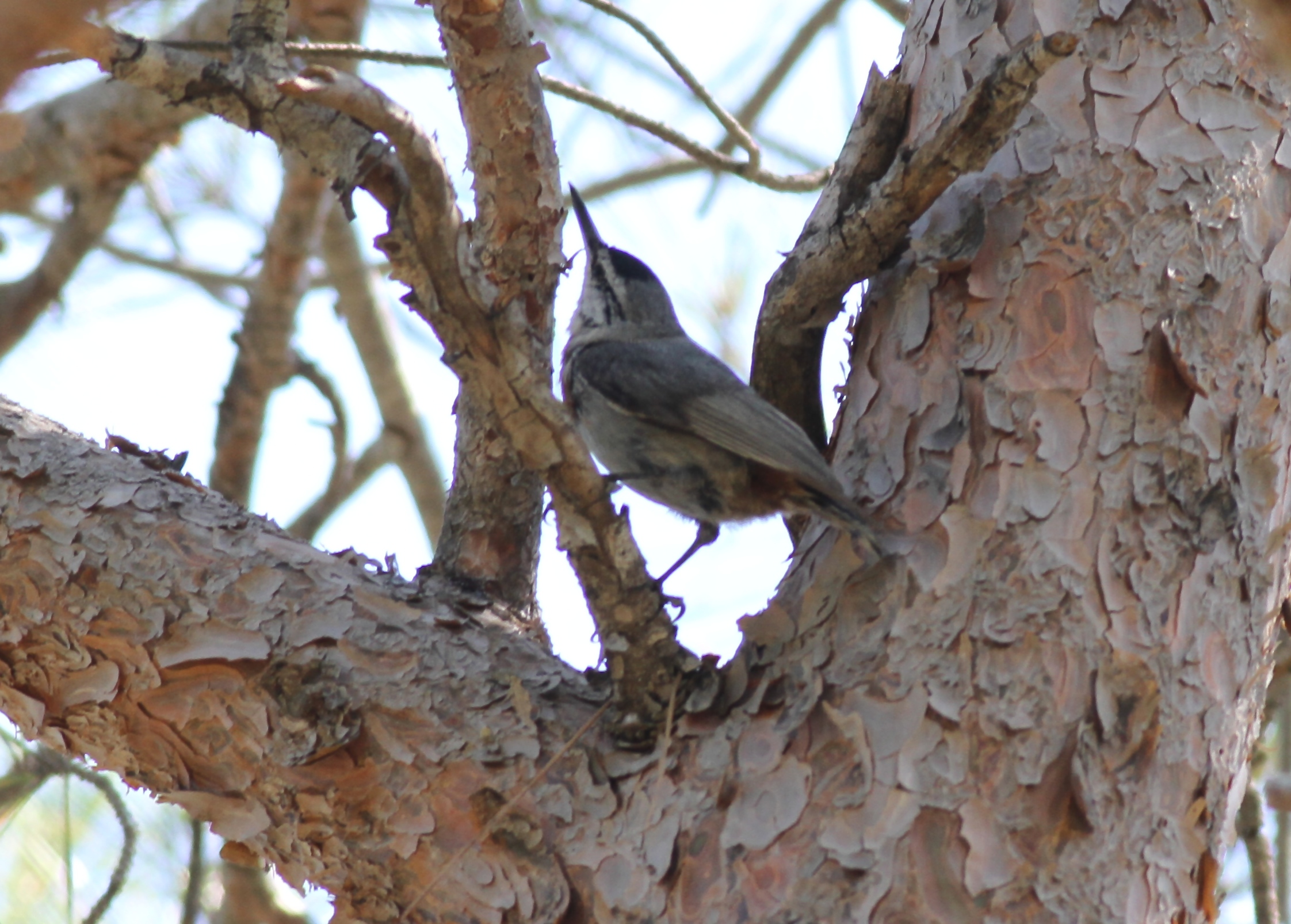
Another Lesbos speciality – Kruper’s Nuthatch

IMG_3618

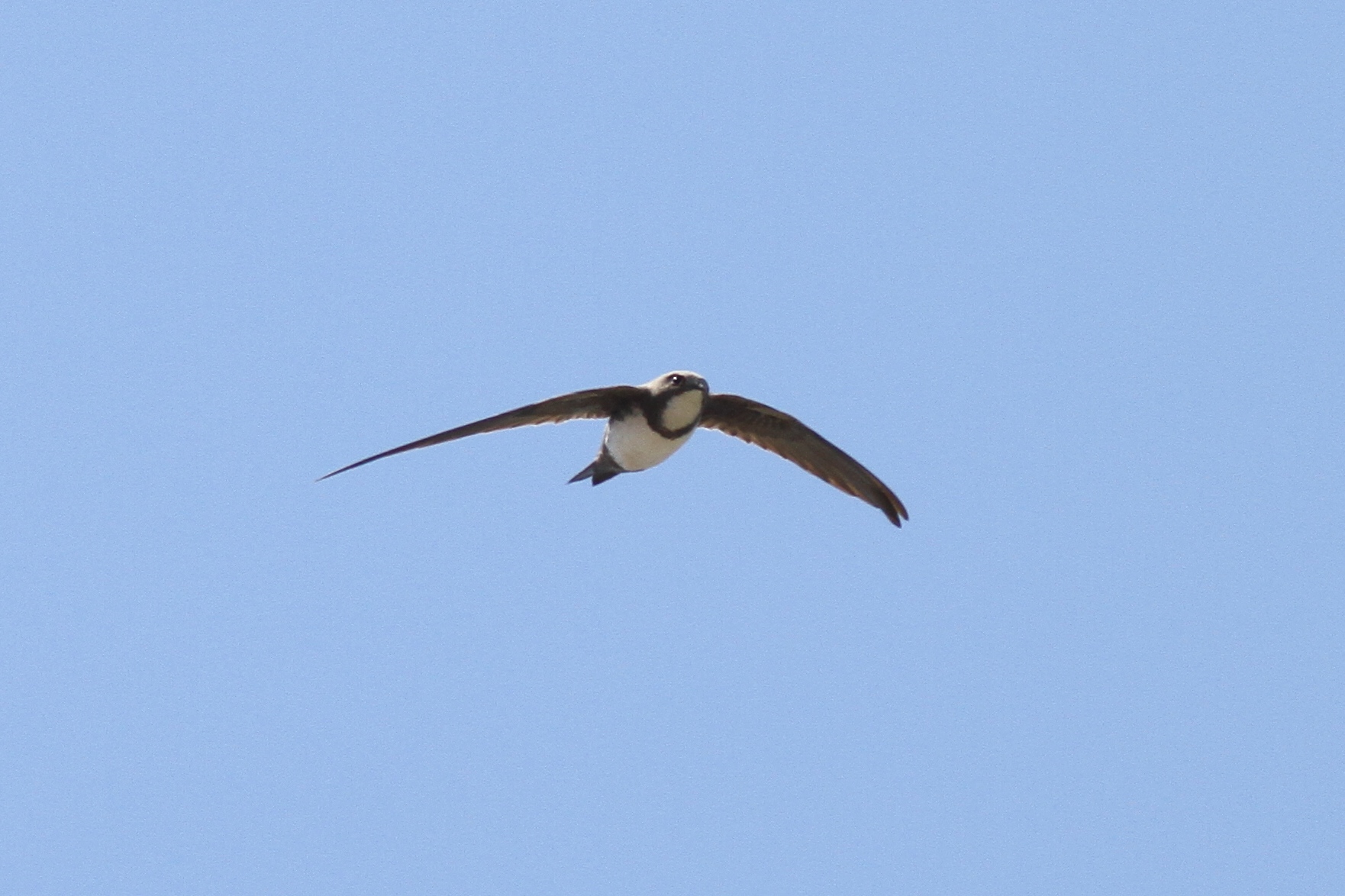
Alpine Swift, odd birds seen on several days – this one was over West river

IMG_3828

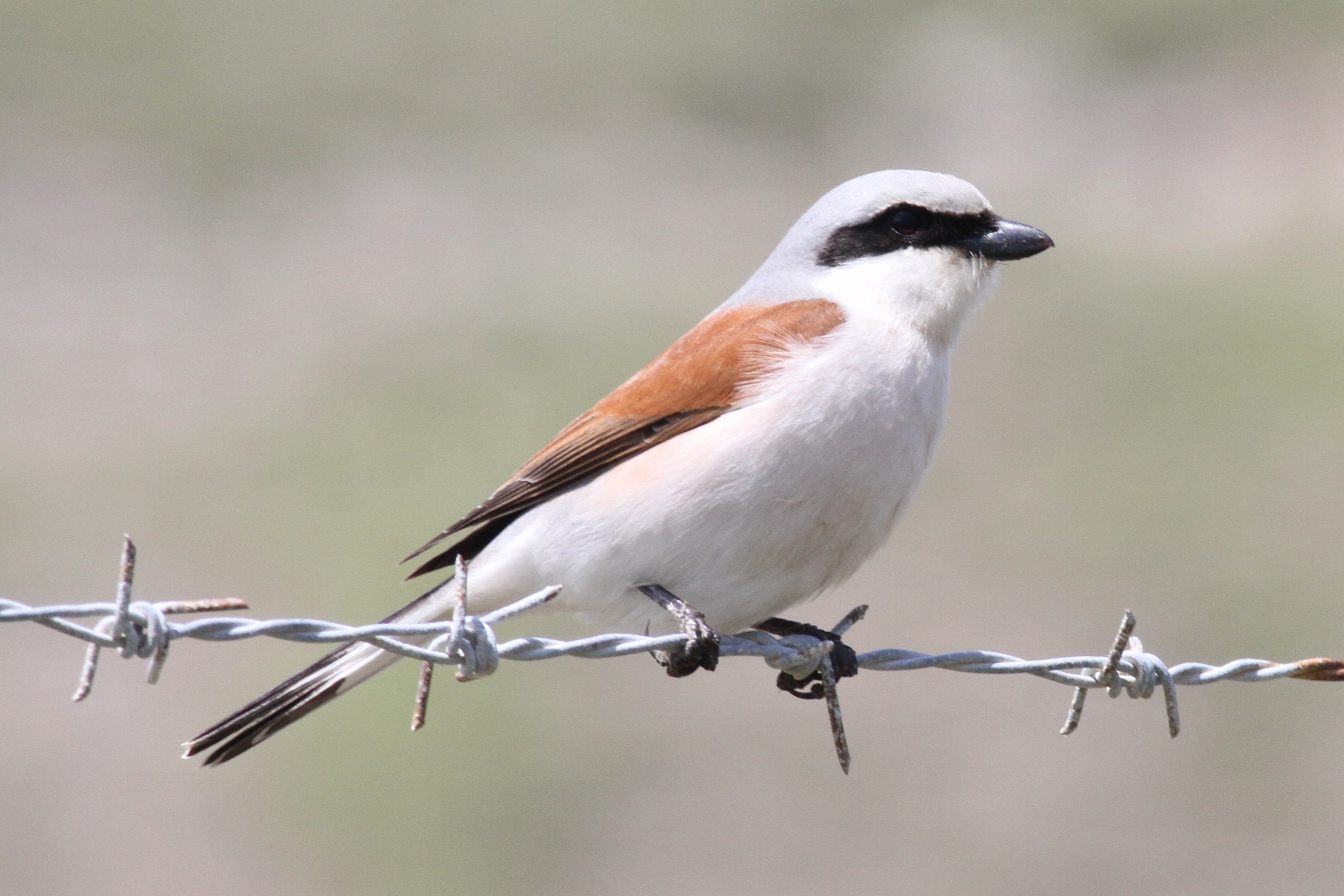
Red-backed Shrike – there was a large influx towards the end of the week, mostly males

IMG_4073

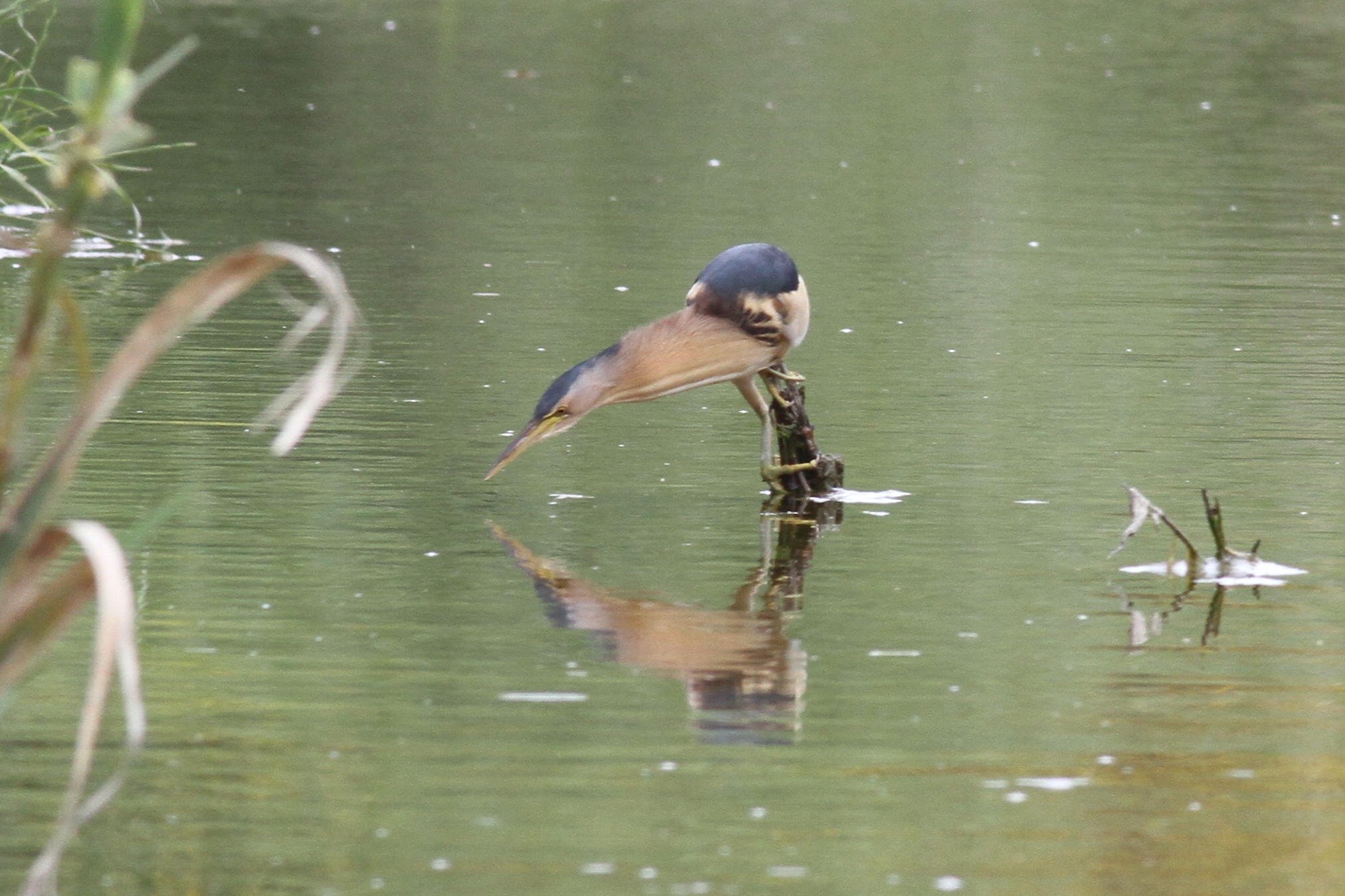
Little Bittern at the lower ford, Faneromeni

IMG_4105

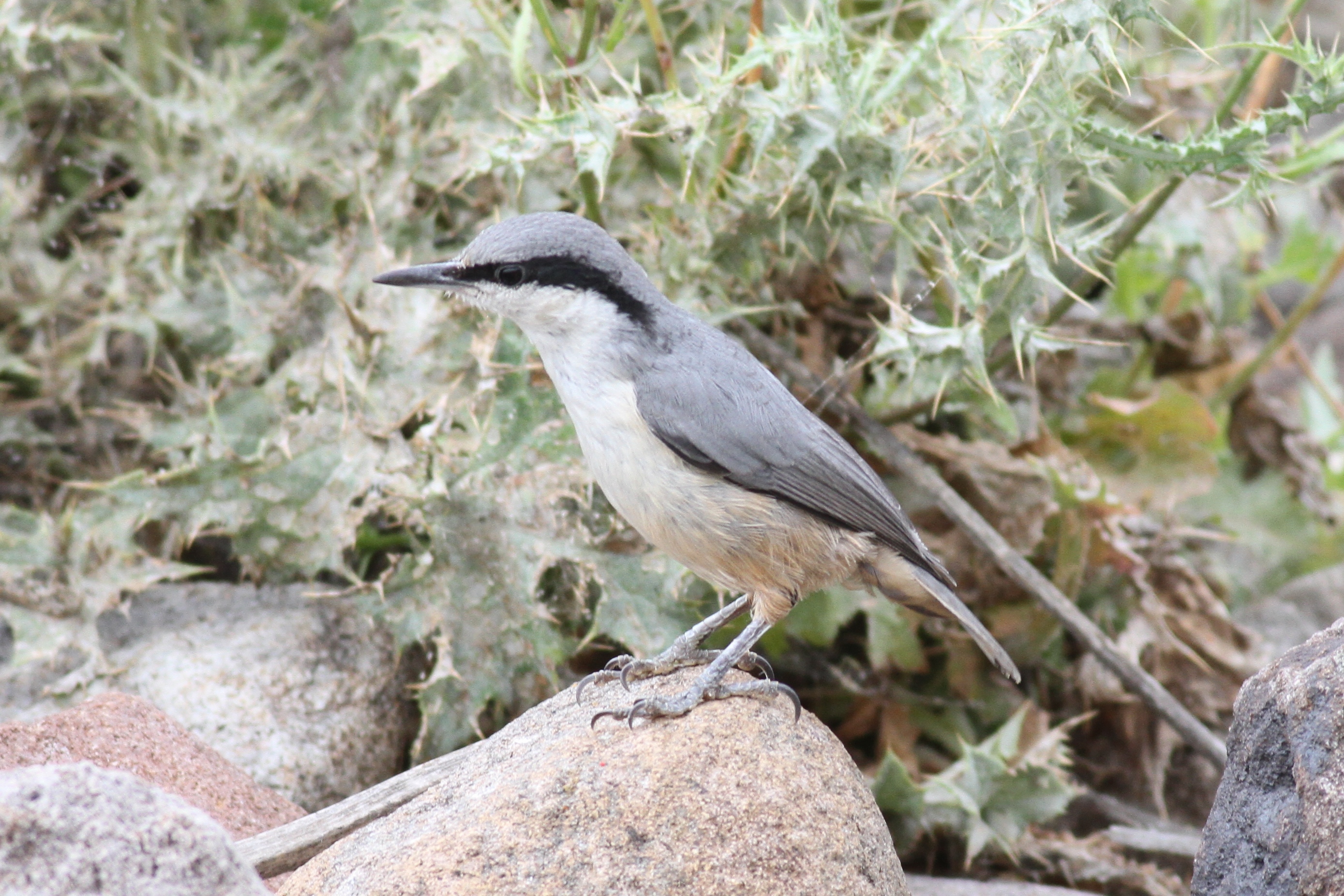
Rock Nuthatch – reasonably common and widespread in sparsely vegetated areas

IMG_4184

and lastly, Spanish Sparrow – near the old Sanatorium

IMG_4199

A great weeks birding with lots to find and some really superb ‘celebrity’ species.

We’ll be publishing a complete annotated & illustrated trip report shortly.. watch this blog for details.

The Early Bird gets the.. grainy photo!

IMG_2357

Nightingale, Salthouse Heath, 1st May 2014

Having woken early – at 4.50am to be precise, I thought I’d make the best of it by going to Salthouse to see if I could hear Nightingale – a difficult species to pin down in Norfolk. I arrived on the heath soon after it got light and as I pulled the car off the road I immediately heard a Nightingale blasting it out! Hampered by the early morning mist and the fact that these birds like to sing from deep cover, I set about trying to see it. Eventually it showed briefly in the more open canopy of a birch tree and I managed to get a couple of record shots – taken at 6400 iso and 30th sec!

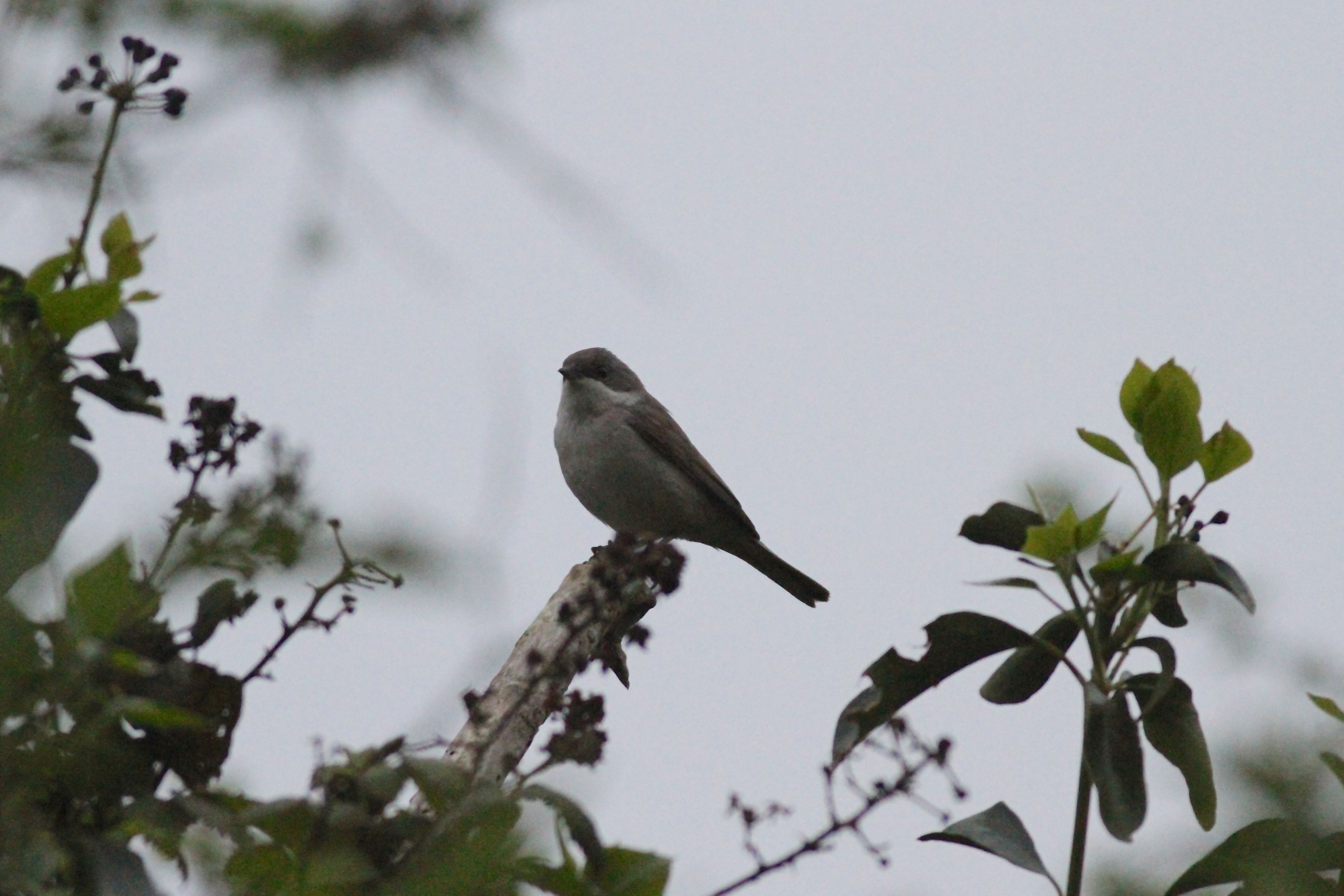
Nearby another Norfolk ‘year tick’ – Lesser Whitethroat

IMG_2365

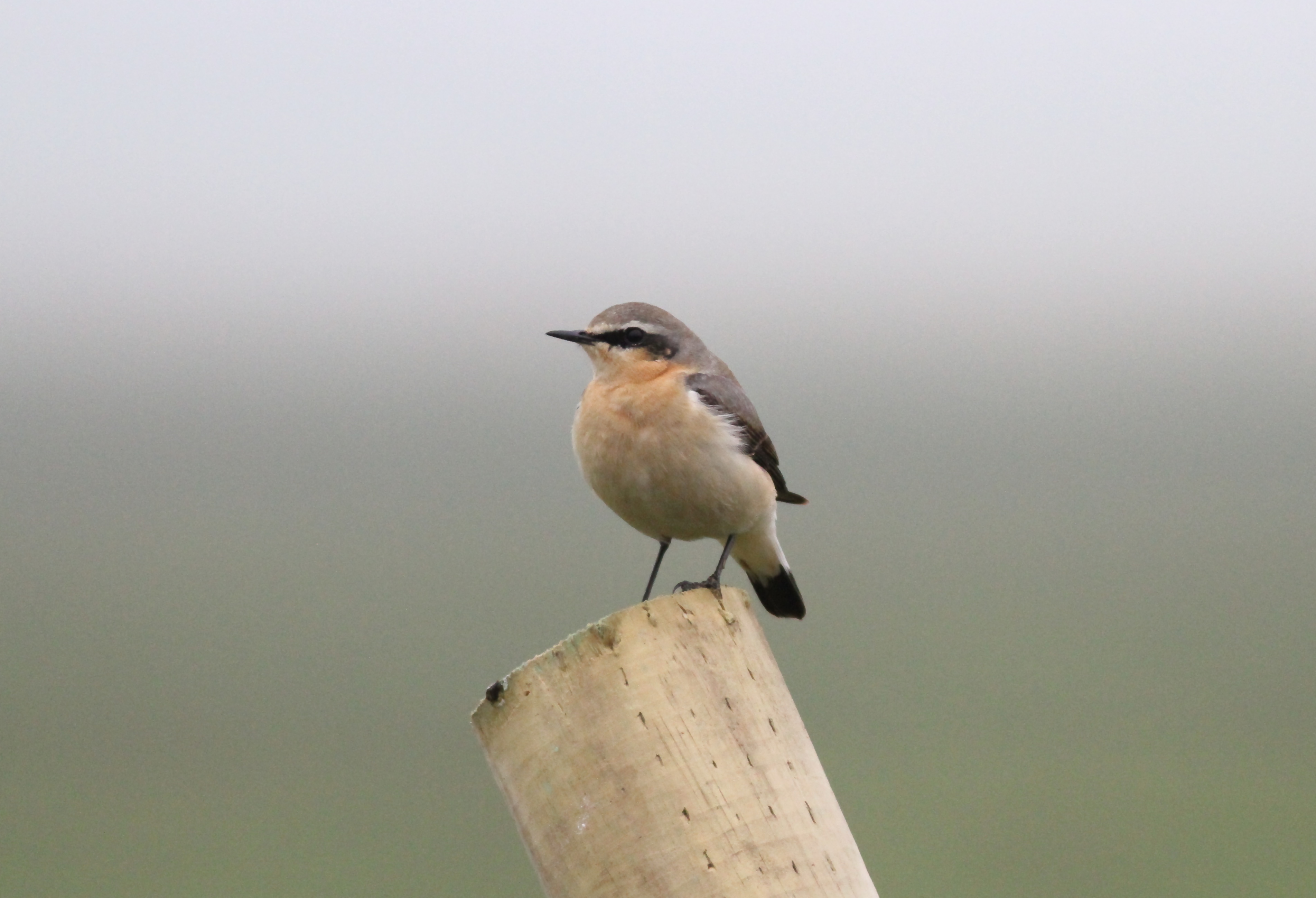
and down on the coast, a fine male Wheatear

IMG_2393

Three Nice Birds

IMG_2320

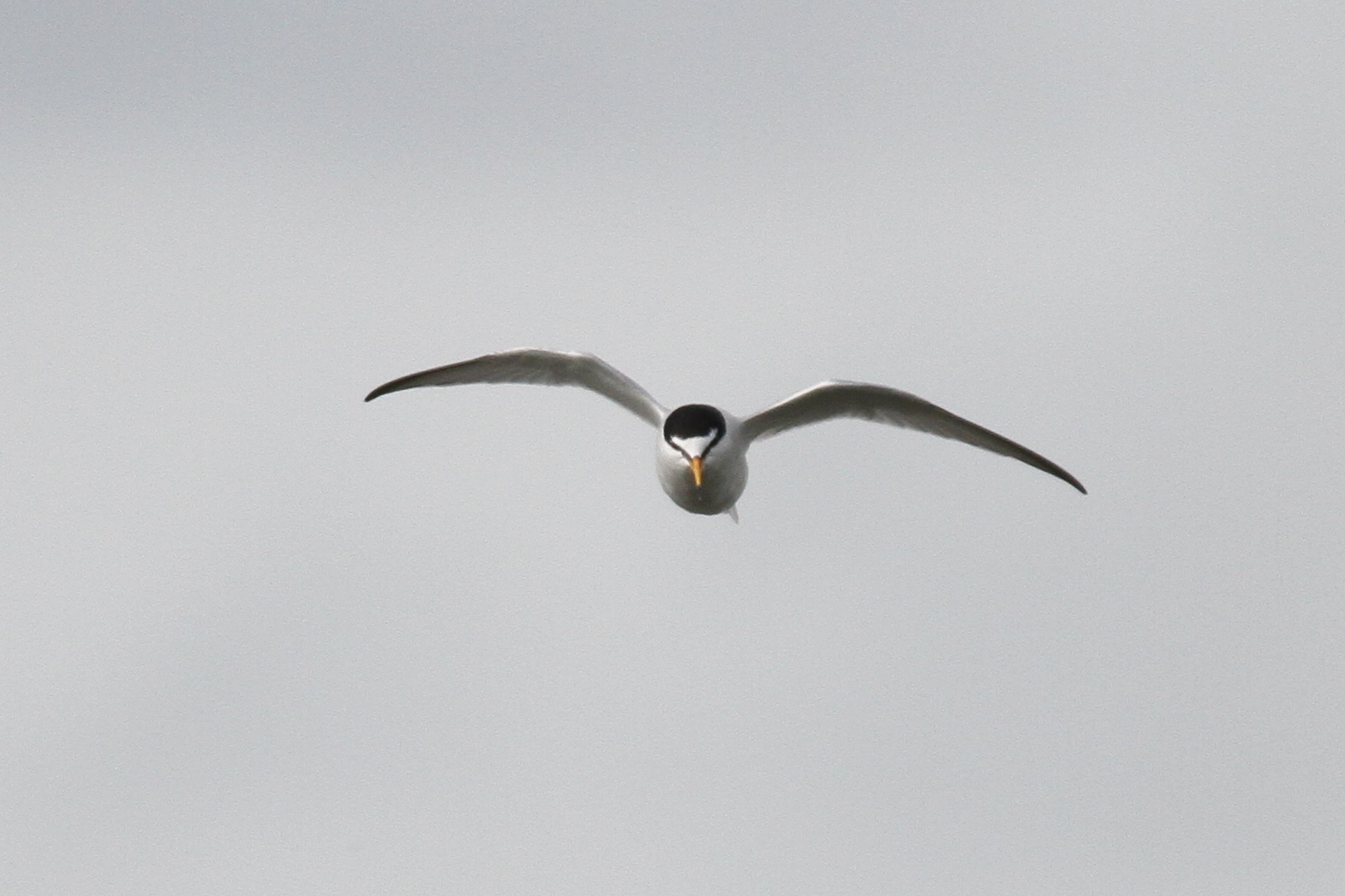
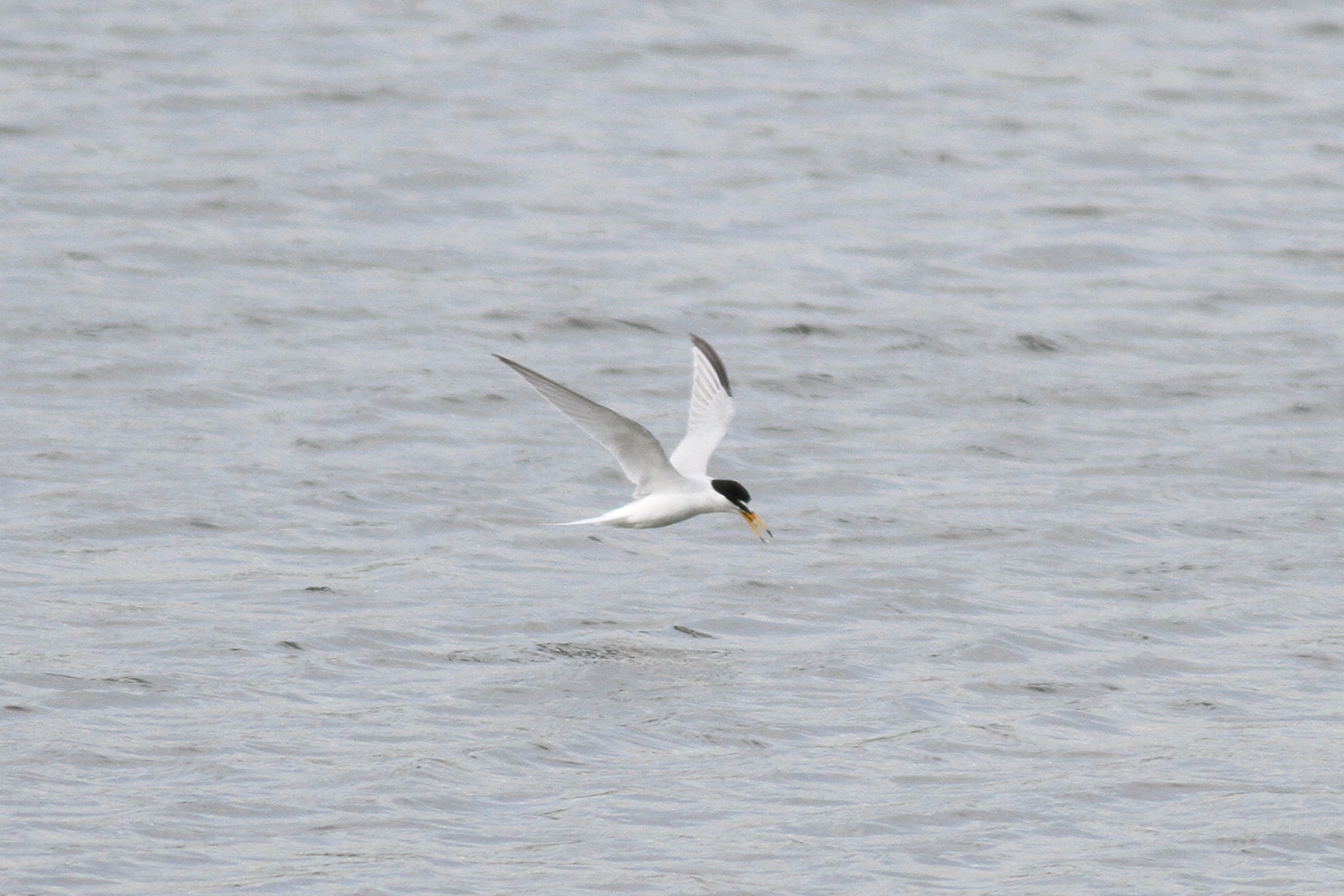
Little Tern, Ferry Meadows CP, 26th April 2014

On Friday the weather forecast for yesterday was pretty poor, with the threat of almost continuous drizzle, so I rushed round like a mad thing and mowed the lawns – this resulted in a rare thing nowadays, a Saturday afternoon ‘off’ in the Peterborough area. As it turned out the weather was much better than predicted, so I decided to go and have a look at a small ‘trip’ of Dotterel that had been reported at a traditional ‘stop-over’ spot, just south of the city. When I arrived at Black Bush Fen there where a few folk looking over a vast freshly planted peat field. The Dotterel, two females and a male, were hunkered down in the furrows at the far end, making for acceptable telescope views but rendering photography of any form virtually pointless – still nice birds to see, particularly as we missed them on last years ‘Big Year’.

With time on my hands I decided to continue on to Ferry Meadows in search of the reported Black and Little Terns – the latter surprisingly being a Peterborough Bird Club (PBC) recording area tick for me. I took the back way into the country park and approached Gunwade Lake from the ‘wrong side’ – but still I managed to pick out, first the summer plumage Black Tern and then, fishing in front of the swanky new cafe, the Little Tern. I walked round to the boat club side and, in the company of a couple of other Peterborough birders, spent a happy hour watching the birds and catching up with events on my former ‘patch’. I did manage a few acceptable record shots.

First the adult summer Black Tern

IMG_2242

IMG_2212

This particular bird showed a striking ‘two-tone’ dark throat and belly – not something I’ve previously been aware of. I assume it’s to do with the stage of transition into summer plumage – or perhaps it’s that I’ve just not looked closely enough in the past!

IMG_2167

I told you that photography was pointless – but just for the record, Dot.. terel, two females (unusually they are the brighter ones of the species) and a male

DSC06775

Last word (photo actually) goes to the Little Tern, a PBC ‘tick’

IMG_2205

An excellent afternoon out on the ‘old patch’ and three nice birds into the bargain.

Red-rumped Swallow surprise

IMG_2007

Red-rumped Swallow, Felbrigg, 12th April 2014

Our good friends Neil & Eunice are back in the UK for three weeks and are staying with us for a few days – they arrived yesterday tea-time, along with the first bit of sunshine we’d seen all day. After a welcome cup of tea I suggested we go for a walk to Felbrigg before dinner, Jane and Eunice decide to wait for the bread to come out of the oven ( a good decision!) and so Neil and I set off. We did the usual thing, stroll down the lane, through the ‘back gate’ and follow the new path through the woods to the lake – nothing of great interest on the way just a couple of Chiffchaffs, Nuthatch and an Egyptian Goose. As we enter the Alder carr, by the edge of the lake, we can see Sand Martins low over the water – I lift my bins and almost immediately a Red-rumped Swallow flies through my tree-obscured vision! We both get confirmatory views before the bird is lost in the trees. We hastily re-locate to the dam end, where we get cracking views of the bird amongst the swarm of Sand Martins, in the evening sunlight. A quick call to a few locals and to Jane, asking her to post it on Birdguides,  ‘job done’ – we then have that agonising wait for the first birders to arrive, hoping that it doesn’t decide to fly off. Fortunately it stays – Jane & Eunice arrive with my camera and I manage to get a few shots before we all head back for a celebratory glass of Rioja.

An adult, showing a distinct white spot in the centre of it’s back – something I’ve noticed in other birds in Europe

IMG_2021


IMG_2013


A very nice Felbrigg ‘tick’, only my second in Norfolk and a promising start to the birding long weekend.


Whiter shade of ‘pale phase’

IMG_1962

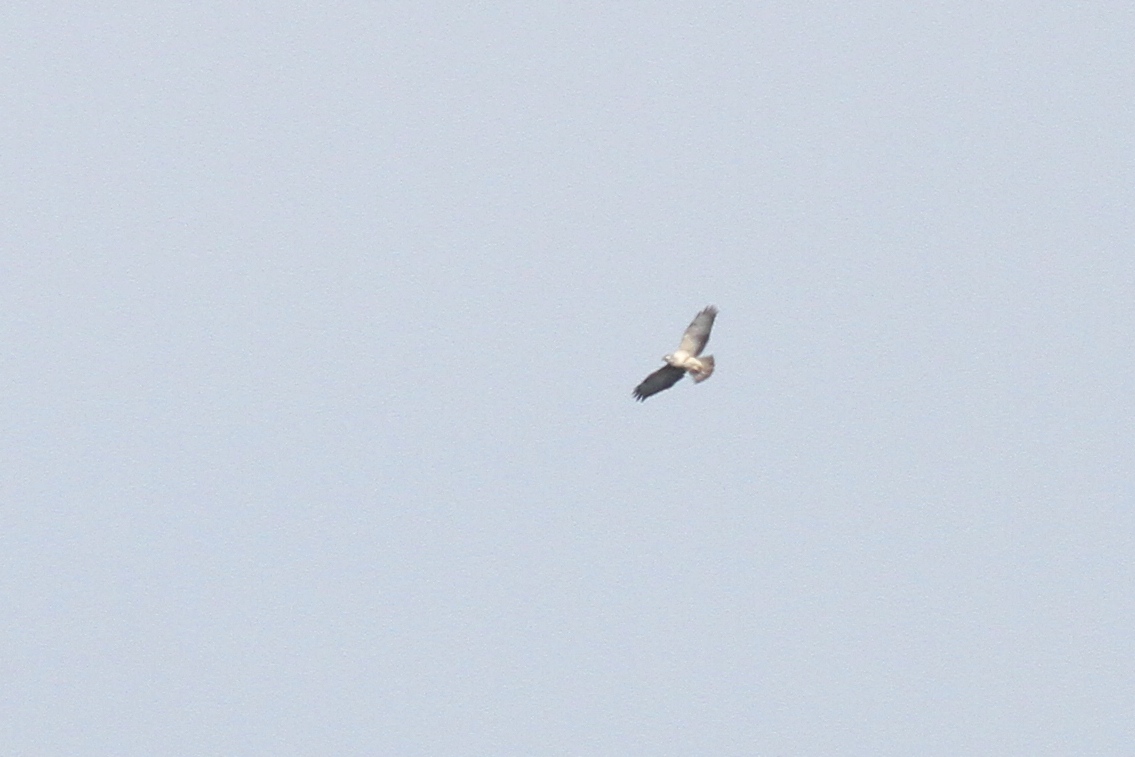
Common Buzzard, pale phase, Brecks – April 2014

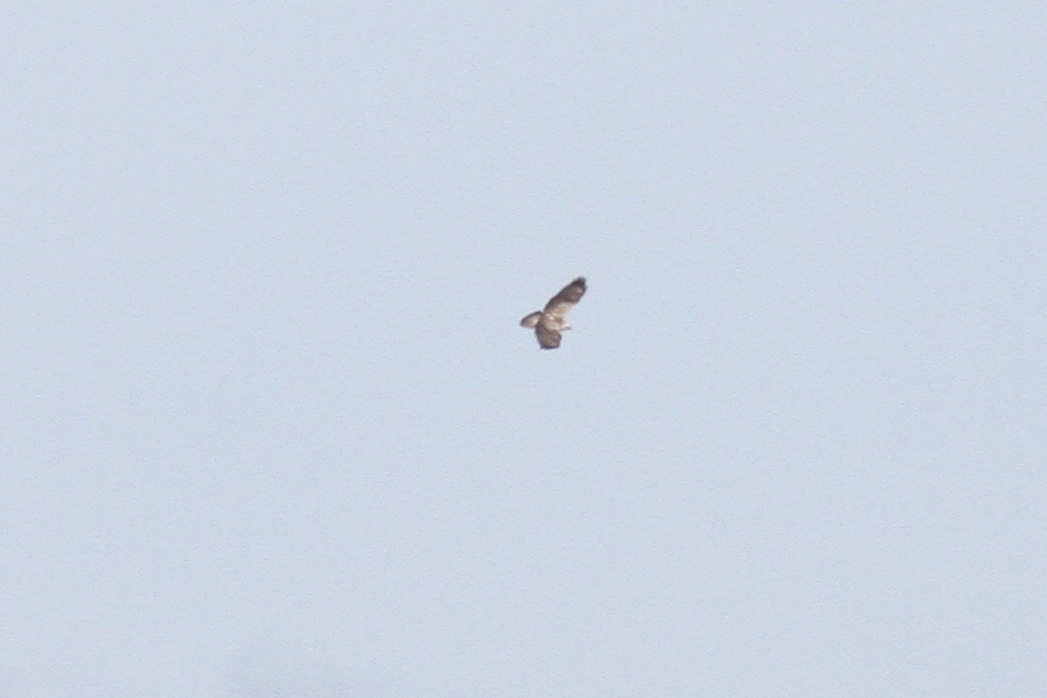
Last week, on our way over to Pat’s birthday party, we stopped off in the Brecks to look for Goshawk. After about half an hour of scanning the skyline and only seeing Common Buzzard, Red Kite and Sparrowhawk, a young Goshawk appeared over the trees in the company of a couple of buzzards. It soon landed in the trees and apart from one further brief encounter, it was lost from view, the Common Buzzards however remained. In amongst the Common Buzzards was a particularly pale ‘pale phase’ bird which, at a glance, showed a number of plumage features similar to Rough-legged Buzzard – pale head, white upper tail coverts, etc. Interestingly there was a report of a ‘possible RLB’ in the same location, on the bird information services, the day before.

Here are a couple more distant shots of this interesting bird:

With a ‘regular’ Common Buzzard, showing a distinctive dark ‘tux’ band on it’s belly

IMG_1953

A couple of shots showing the white upper tail, white head and pale fore wing

IMG_1961 IMG_1950

and this shot, showing an almost complete lack of carpal patches

IMG_1955

Check out the illustration in the 2nd ed. Collins of the ‘juv. Light bird’ – ‘extremely pale variants (mainly N Germany-S Sweden) are very odd looking..’

Post Script. A minor landmark was reached this week, following the publication of my ‘Pied-billed Beauty’ blog – my 15,000th view! Thank you one and all, keeping viewing. 

Pied-billed Beauty

IMG_1997

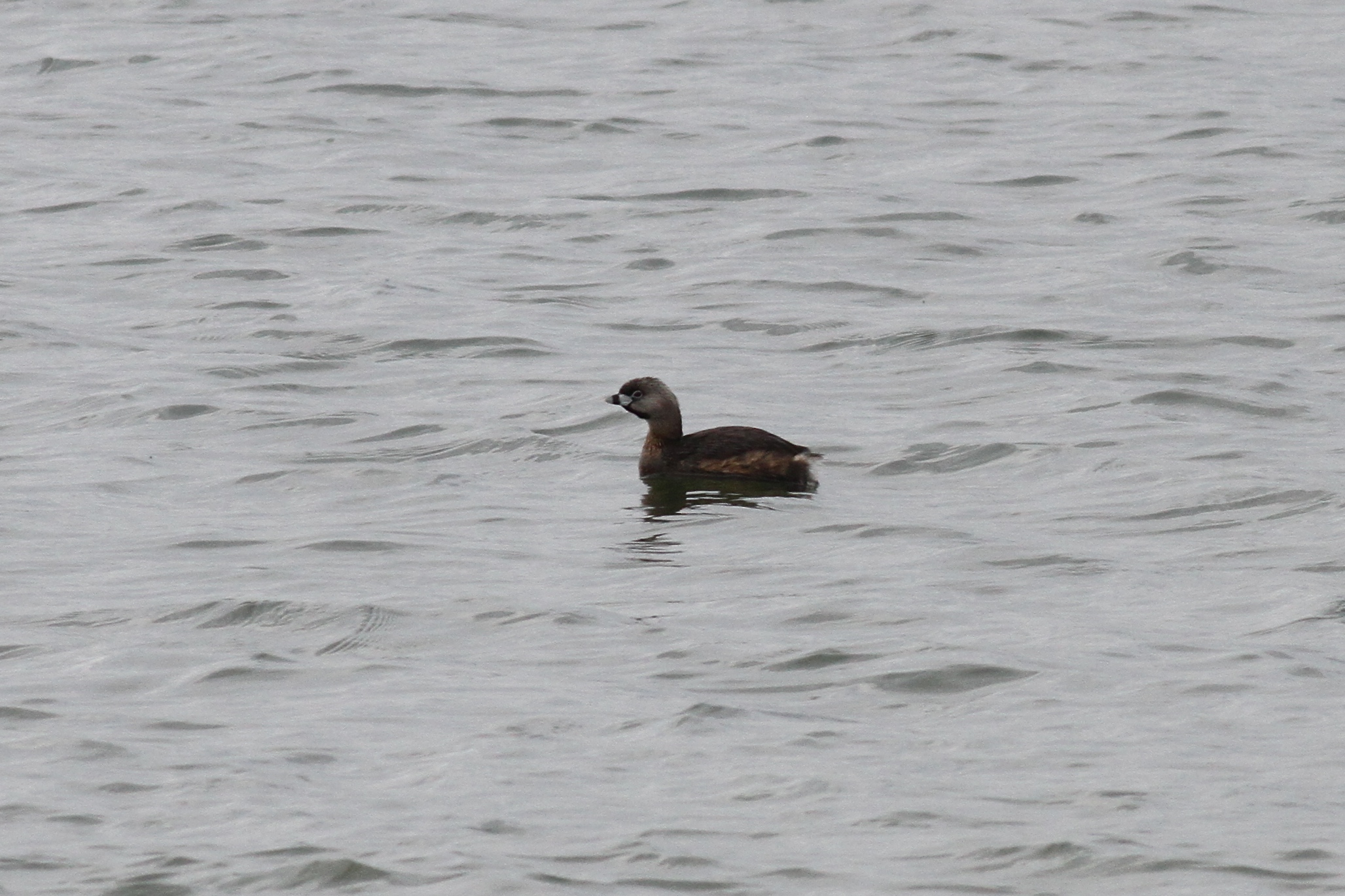
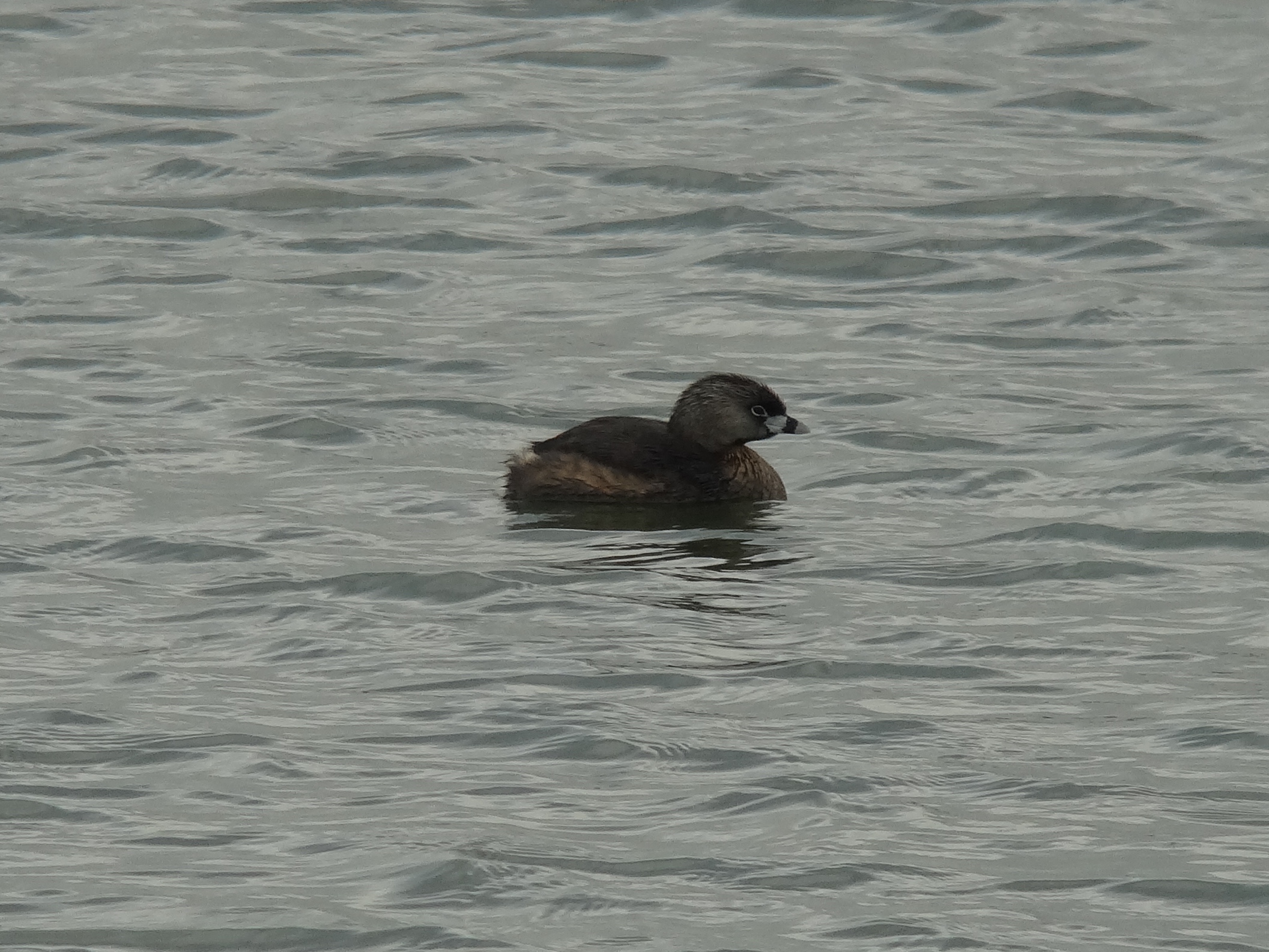
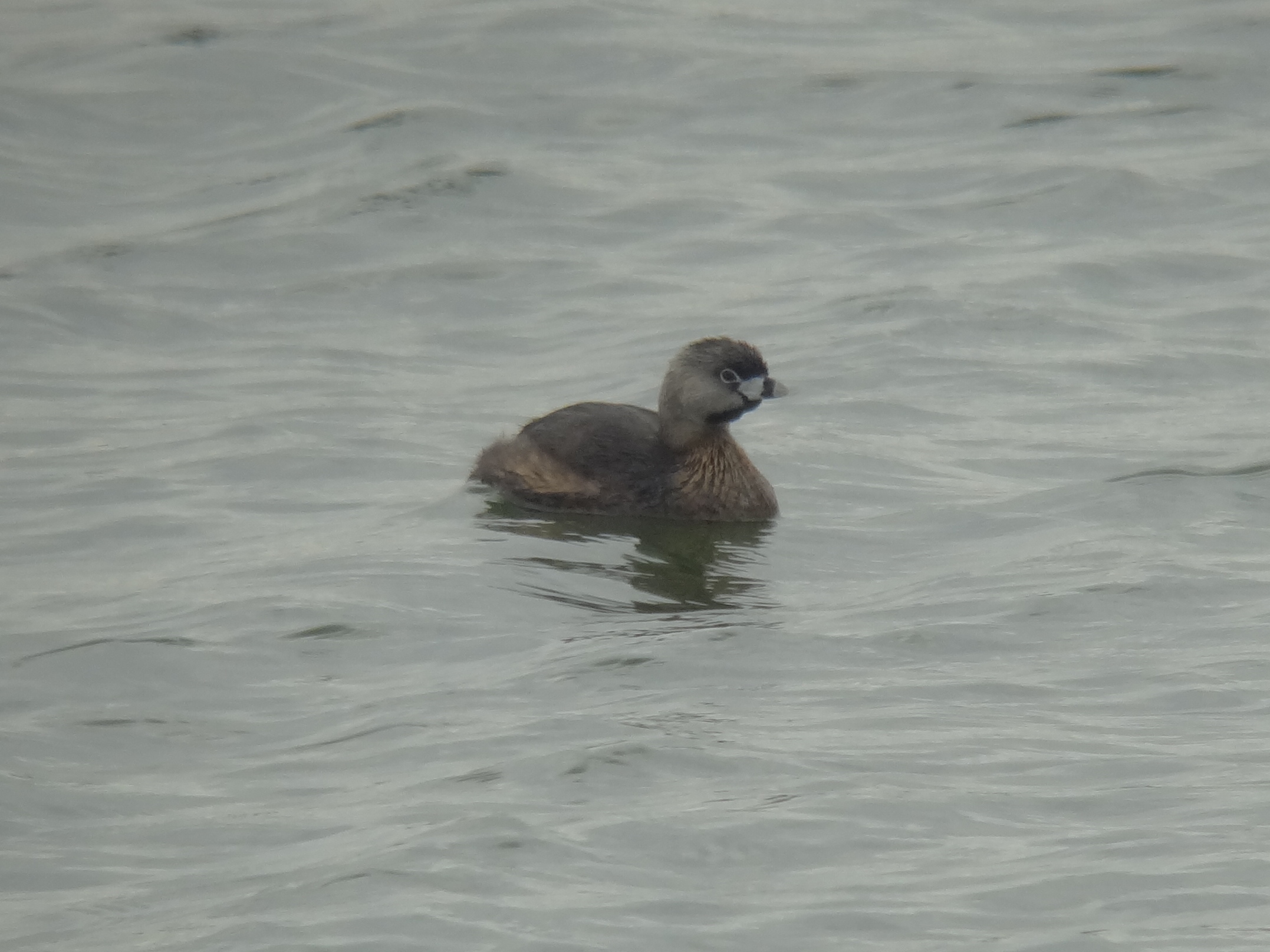
Pied-billed Grebe, Rutland Water, 9th April, 2014

We were at grandson Patrick’s third birthday party when the news came through about a Pied-billed Grebe on Rutland Water. PBG is a 3* rarity from North America, with only a couple seen on average each year in Britain  – I’ve only seen a handful of them down the years. Party festivities concluded, with the finale being a sit in uncle Josh’s police car (he wasn’t under caution you understand!), we head off to the yacht club at Edith Weston, park up and walk the 200 yds or so to the edge of Rutland Water, where the bird is showing nicely in open water. In practically full summer plumage, it looked a real beauty with it’s black chin, bone coloured eye-ring and…pied bill of course! Although the light was fading quickly I did mange a few digipics before it eventually swam into dense cover by the bank.

DSC06571 DSC06577 DSC06554

… like London Buses!

IMG_1939

Baikal Teal, Fen Drayton RSPB, April 2014

Baikal Teal which, as the name suggests, originates from north east Siberia, has only been recorded in Britain as a genuine vagrant on a handful of occasions – until recently that is. Then, just like London buses, they come along in ‘threes’! First there was the ‘for one day only’ bird at Flamborough last April, next there was the much watched mid-winter bird at Crossen’s Outer Marsh, Lancashire (see my blog, 6 December – ‘Banks Baikal Bonus’) and then last Saturday another turned up at Fen Drayton RSPB. We had a spare hour or so on Friday afternoon so decided to go and look at it. Although rather distant it was a gorgeous looking thing – complete with black ‘side-burns’ this time, and which added to it’s wild credentials by disappearing over night! It was later relocated elsewhere on the vast net-work of lakes that are part of the Ouse Washes ‘Living Landscape’. Of course it’s just possible that these are either escaped collection birds and/or the same bird (certainly in the case of the last two records) – but with the arrival of another bird in Belgium at the same time as the Fen Drayton bird, who knows? We’ll just have to wait now whilst the relevant rarities people adjudicate on their authenticity.

Lynford Arboretum

DSC06487

Male Two-barred Crossbill – Lynford Arboretum

Spent this morning at Lynford Arboretum, a well deserved birding break from relentless digging on the allotment! As I pulled into the car park a group of birders had their cameras and scopes pointing skyward – up to five Two-barred Crossbills were apparently feeding in the nearby pines. Two-barred Crossbill breed in Russia and rarely occur in Britain, except following an eruption – as occurred last autumn ( see posts for 20 & 22 July, 2013 ), when they usually over-winter..  Although reasonably close, the small flock which also contained several regular Common Crossbill, were buried deep inside the tops of the trees, only appearing periodically on the outer edge of the canopy. I watched the birds, several males and a female, for half an hour or so before deciding to look for some of the other Lynford specialities. I crossed the entrance track and by the visitors hut I heard and then saw two more Crossbills – one was definitely a male Two-barred. At the feeding station there was no sign of the elusive Hawfinches so I strolled down to the lake to view the paddock – no sign of any here either. A brief diversion along the stream trail produced nothing of particular interest so I headed back towards the car park. By the monument a singing Firecrest eventually gave acceptable views then it was back to the feeding station to stake out Hawfinch – apparently a female had been seen just a few minutes after I’d left. Another half hour or so wait and a small flock arrived in the Hornbeams nearby the feeders – what looked like at least one male with three or four females. Other birds of interest around the feeding station included Redwing, Brambling – a fine spring male, Siskin, Marsh Tit and a Treecreeper feeding on the fat balls!
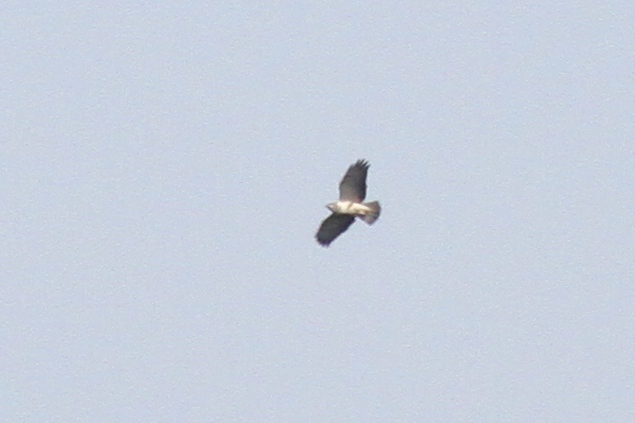
A couple more grab-shots of two different male Two-barred Crossbills

IMG_1905

IMG_1826


..and a male Common Crossbill for handy comparison

IMG_1847


One of a group of four or five Hawfinch in Hornbeams, near the feeding station

DSC06498

A nice array of late winter birds, together with a fly-over Wood Lark, making a truly excellent mornings Breckland birding