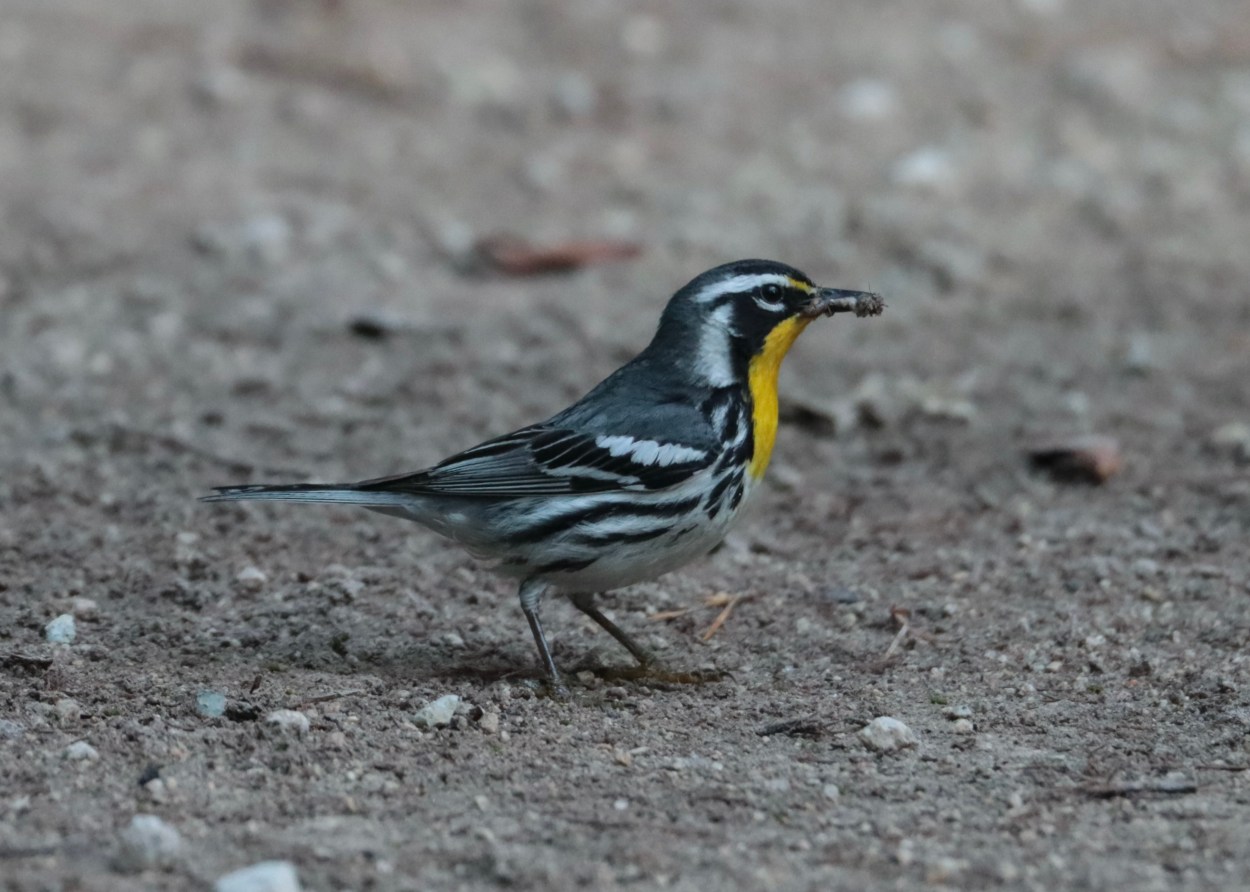
Yellow Warbler – what’s not to like about birding in America!
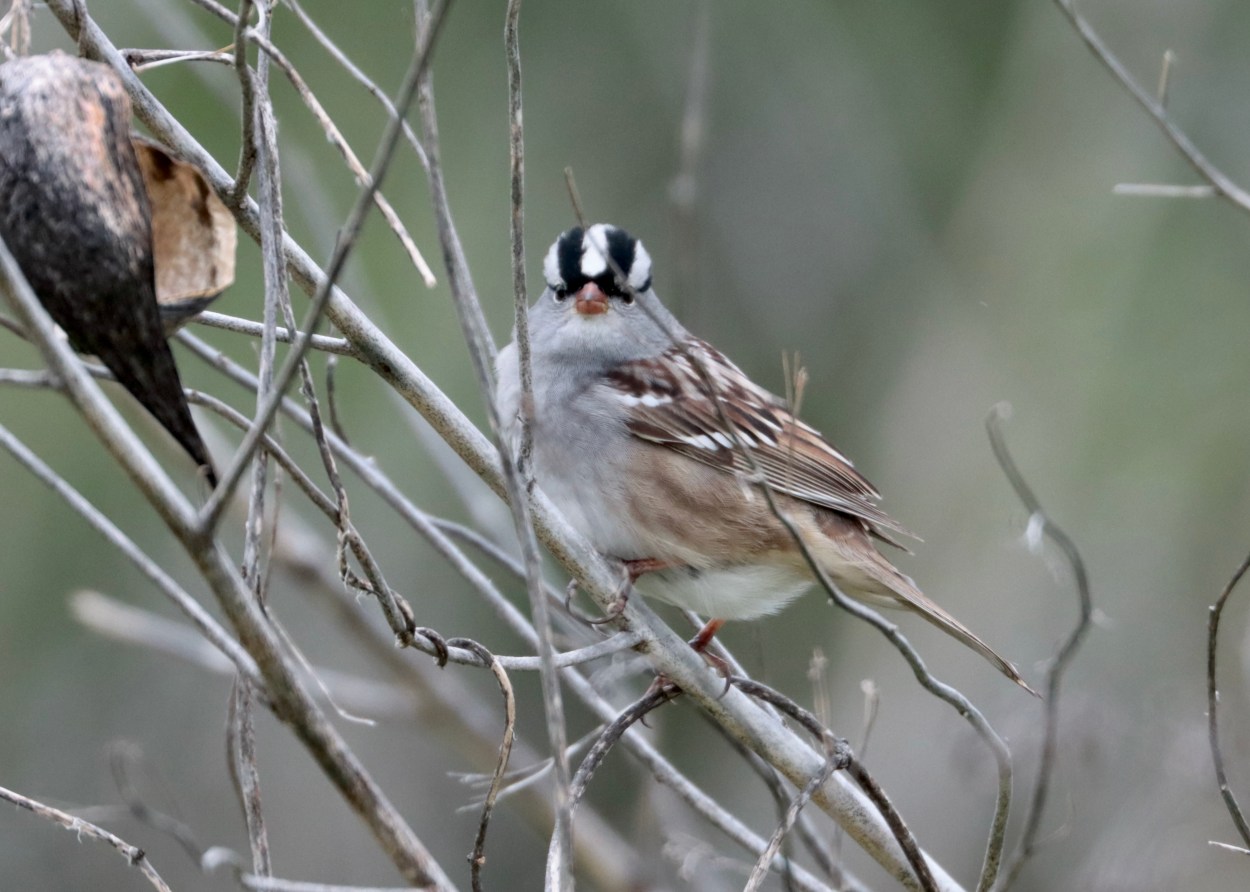
We’ve driven another couple of hundred miles north, out of West Virginia and into Ohio – birding as we go. We’re now three weeks in to our GABRaT ll adventure and having seen over 200 species, we expect any time soon to be a ‘dot day’ – when we don’t add a new bird to our trip list. It didn’t happen yesterday though, when we started birding at Green Bottom Wildlife Management Area and finished at Big Island Wildlife Area. In fact we saw half a dozen new birds including: Yellow Warbler, White-crowned Sparrow, House Wren, Trumpeter Swan, Redhead and Hooded Merganser, got second helpings of Sandhill Crane and added a hat full of State ticks. Today, despite last minute flight cancellations, we hope to be united with Neil & Nicola and Phil & Carolyn – the rest of our extended party. Tomorrow is the start of the Biggest Week in American Birding and we’re hoping it lives up to its name!
Sparrows galore – this White-crowned was new for the tripBig Island WA under leaden skies. Temperatures never got into double figures (centigrade) but the birding made up for it
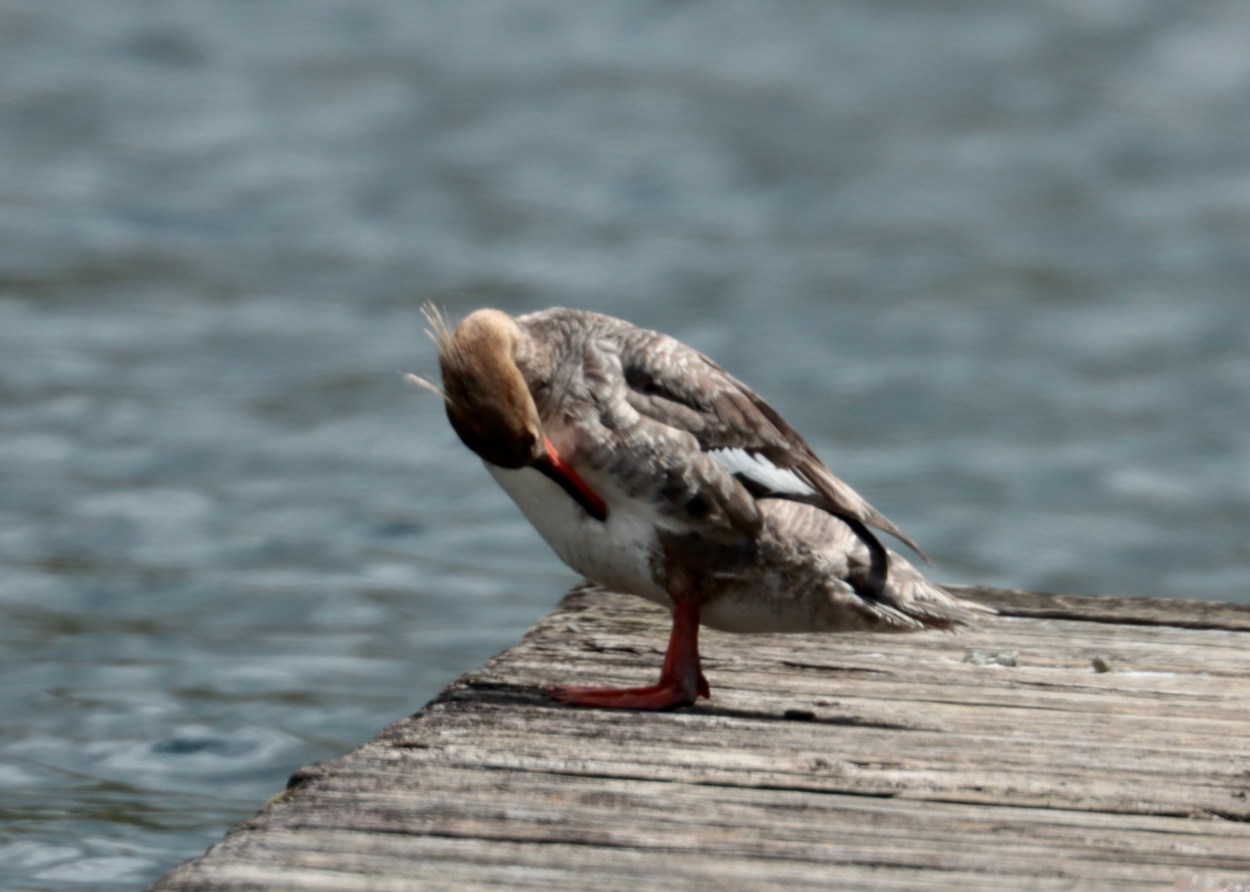
A female Red-breasted Merganser – the only duck on Plum Orchard Lake (barring the local Mallard and her chicks)
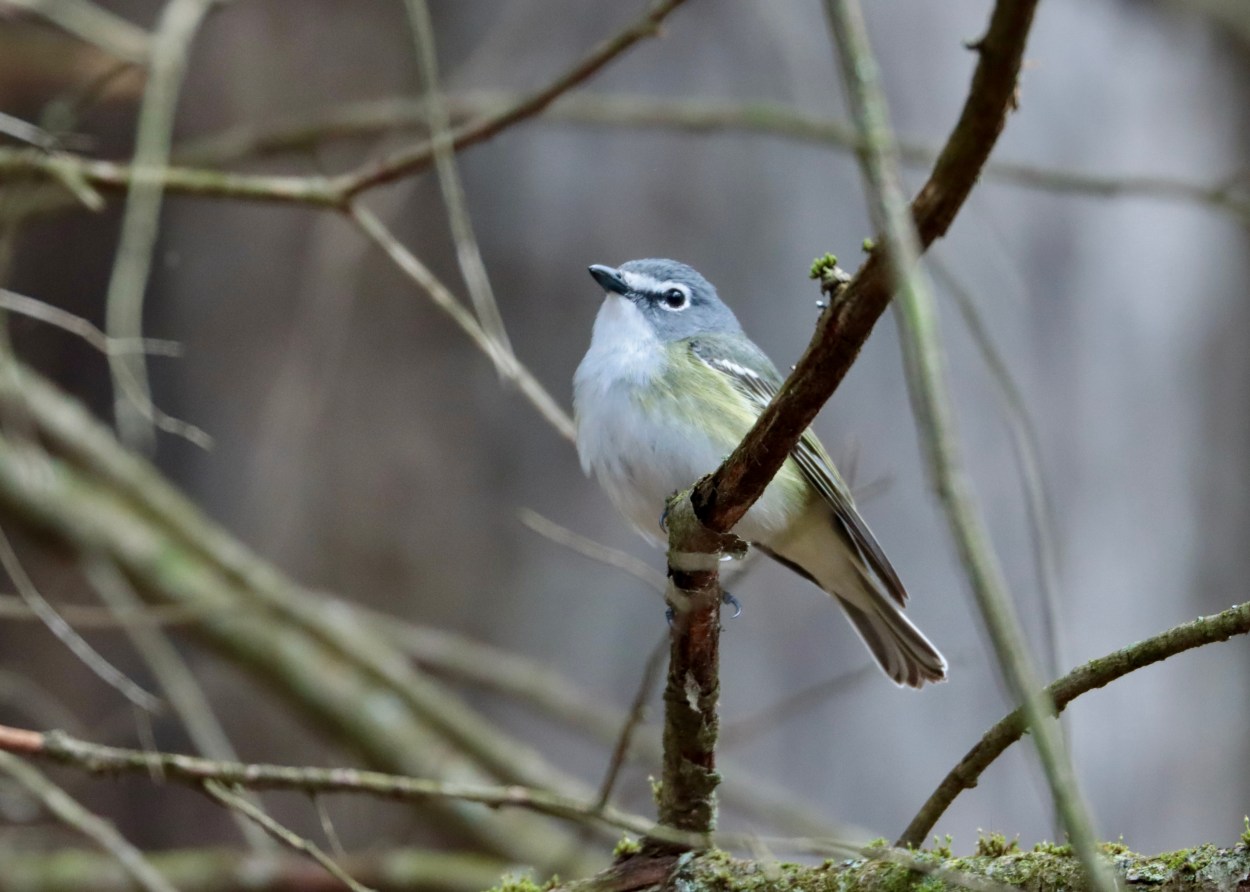
Yesterday, for the fifth time on this trip, we’ve turned up at a large water-body to basically find just one duck! On this occasion it was Plum Orchard Lake WMA and Red-breasted Merganser, a female – no other ducks present. Previous encounters have involved White-winged Scoter, Ruddy Duck, Bufflehead and Lesser Scaup. These ducks have all been out of breeding range – their northward migration paused by something. All birds appeared to be healthy and happy. Other highlights of the day, and there were many, included a couple more vireos and an exceptional warbler. We’d begun the day at Little Beaver State Park with another nature trail around a pond – we’ll actually large reservoir. Here we saw a few more migrants and several lovely Blue-headed Vireo. Also of note were a Cliff Swallow and a secretive Wood Duck, on the approach to the park. Coffee break (without the coffee!) was taken beside the highly productive Paint Creek where, from the observation deck over the river we saw Eastern Wood Pewee, Louisiana Waterthrush, Hooded Warbler and our first Black-capped Chickadee – their range extends south down the finger of the Appalachian Mountains. Our final stop was at Plum Orchard Lake and what a hot-spot that turned out to be. Three vireo species virtually side by side – Red-eyed, Blue-headed and Yellow-throated, a stunning Wood Thrush and a must-get warbler Cerulean – we had a couple at the picnic site where we had lunch. They were tricky birds – mostly remaining high up in the leafy tree canopy – but we did eventually get reasonable views. Today we continue north towards Ohio and our rendezvous with Neil & Nicola and Phil & Carolyn for the gathering of Biggest Week in American Birding festival at Black Swamp Bird Observatory. A bucket-list event for many birders.
Coming a close winner for smartest bird this Blue-headed Vireo – with it’s white ‘spectacles’ – took the prizeWhilst ‘bird of the day’ has to go to Cerulean Warbler – a US tick for me. Record shot only I’m afraid
Louisiana Waterthrush – an early migrant – singing in the Lake Robertson carpark
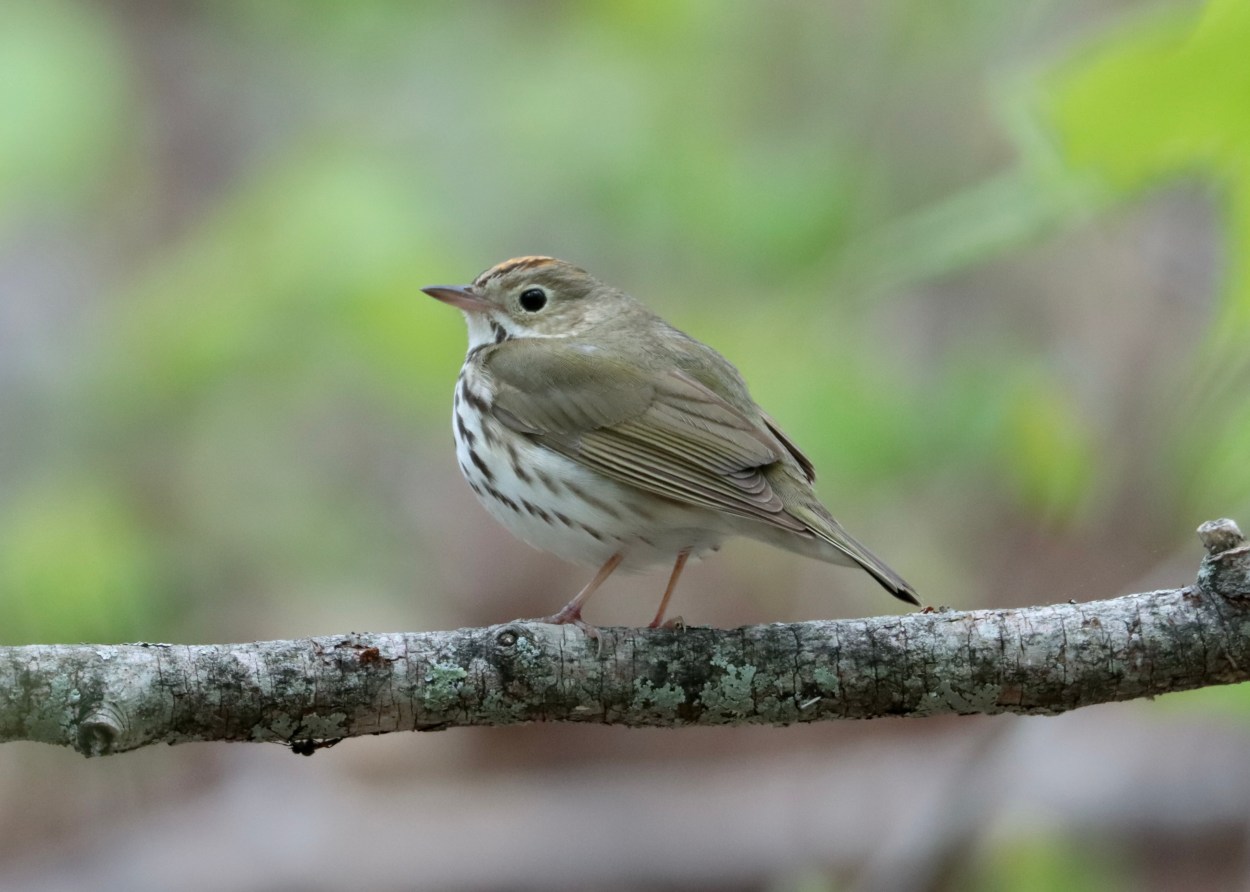
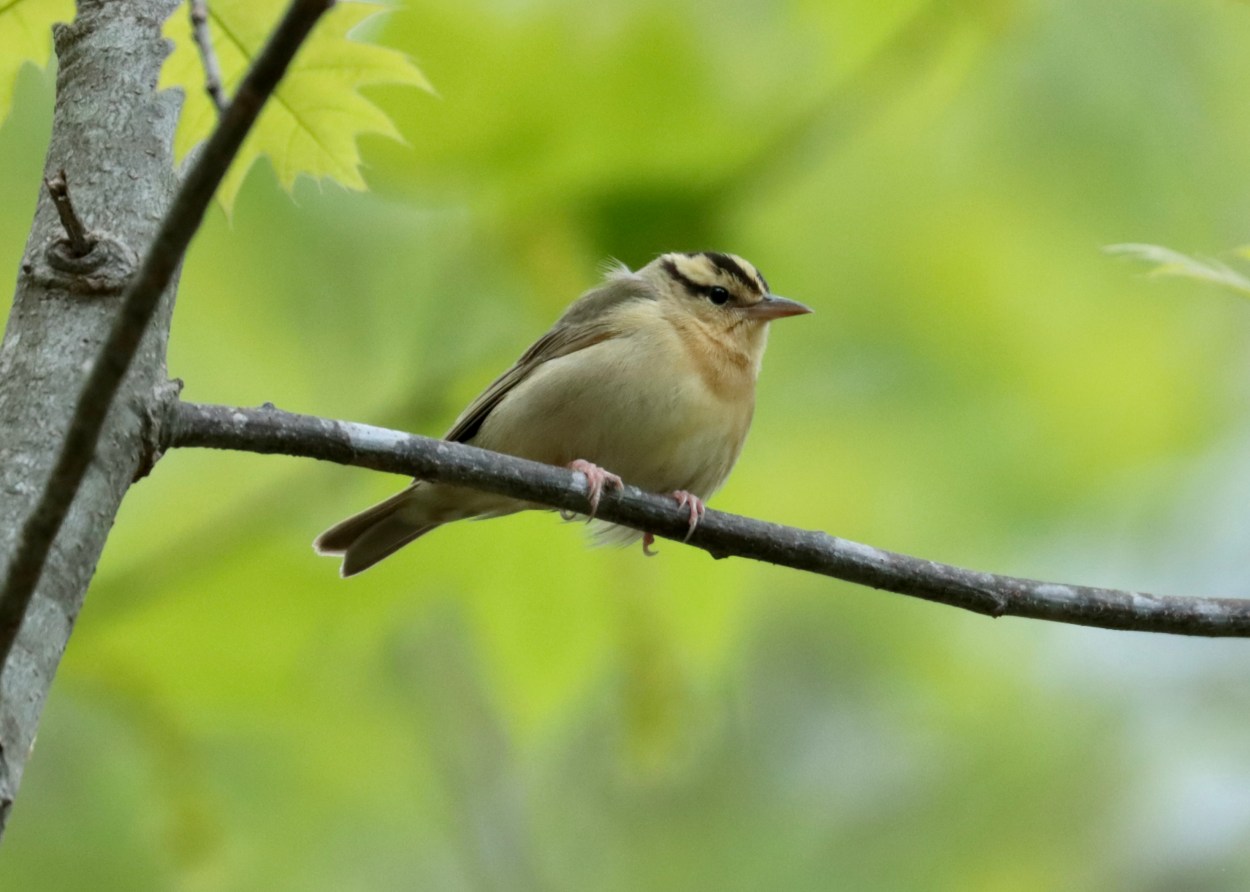
Things are on the move – and not just us! Every birder we’ve spoken to since we arrived in Florida has commented on how slow Spring migration is this year. On Dry Tortugas people were suggesting that they were around three weeks behind. Certainly since then we’ve struggled to identify birds which appear to be migrants rather than resident / wintering populations – particularly warblers. Yesterday, at a couple of sites in Virginia / West Virginia, we may have witnessed some signs of migration. We started at Lake Robertson, where a short nature trail takes you through mixed woodland around an artificial lake. First bird we found in the carpark was a singing Louisiana Waterthrush – one of the earliest of the highly migratory New World ‘warblers’. Along the trail we also came across Scarlet Tanager and Yellow-rumped Warbler. In the afternoon we took the Top Drive along the ridge of the Allegheny Mountains – with views of the more famous Blue Ridge Mountains. At around 3000 feet temperatures were down to 6 deg C. which, with wind chill added into the equation, meant it was pretty damn cold. I may need to review my shorts-wearing policy! Anyway, here we found more ‘warblers’ – American Redstart, Oven Bird, Black and White, Black-throated Green, Hooded and Worm-eating Warbler. Hopefully an indication that the east coast Spring migration is finally happening. Let’s hope so as we are now less than a week away from the big warbler fest in Ohio!
Ovenbird – another New World warbler – seen along Top DriveThe first Scarlet Tanager we’ve come across – stunning birdsand Worm-eating Warbler – this one was singing in the trees rather than skulking on the ground like they usually do
Song Sparrow – new the previous evening but not photographed
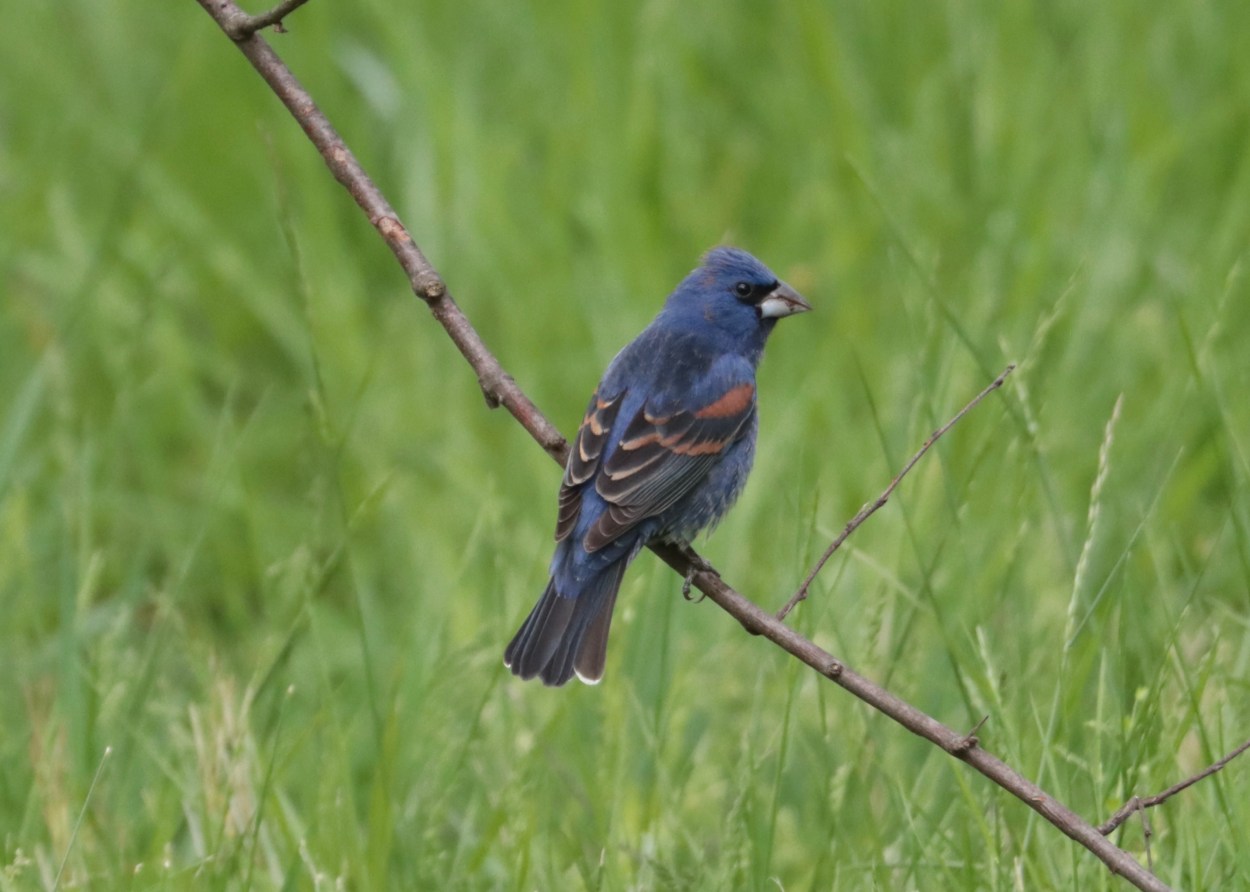
This was our first day together birding with Bob & Sue and Andy so we decided to stay local. We birded a town park and reservoir near Collinsville and a nature trail, created as part of an industrial park, on our way north to our next overnight stop at Covington (more of that later). In all we saw over 50 species and added half a dozen new birds to our overall GABRaT ll list including: Eastern Phoebe, Lesser Scaup – probably the biggest surprise and, along with Pied-billed Grebe, the only two birds on the entire reservoir – White-breasted Nuthatch, Baltimore Oriole, American Goldfinch and Raven. After a great days birding we were looking forward to a relaxing evening at our lodgings – unfortunately the Quality Inn was anything but! It was truly awful and we checked out and found a new temporary residence. Moral of the story – don’t believe all you read on Trip Advisor! Still the evening meal in the nearby Mexican restaurant was excellent.
Record shot of Lesser Scaup – seen on a local reservoir. Most surprising tick of the dayWhite-breasted Nuthatch – missed at a couple of previous sitesThis Blue Grosbeak came late in the afternoon, but along with American Goldfinch and Raven on the road home, rounded off the day nicely
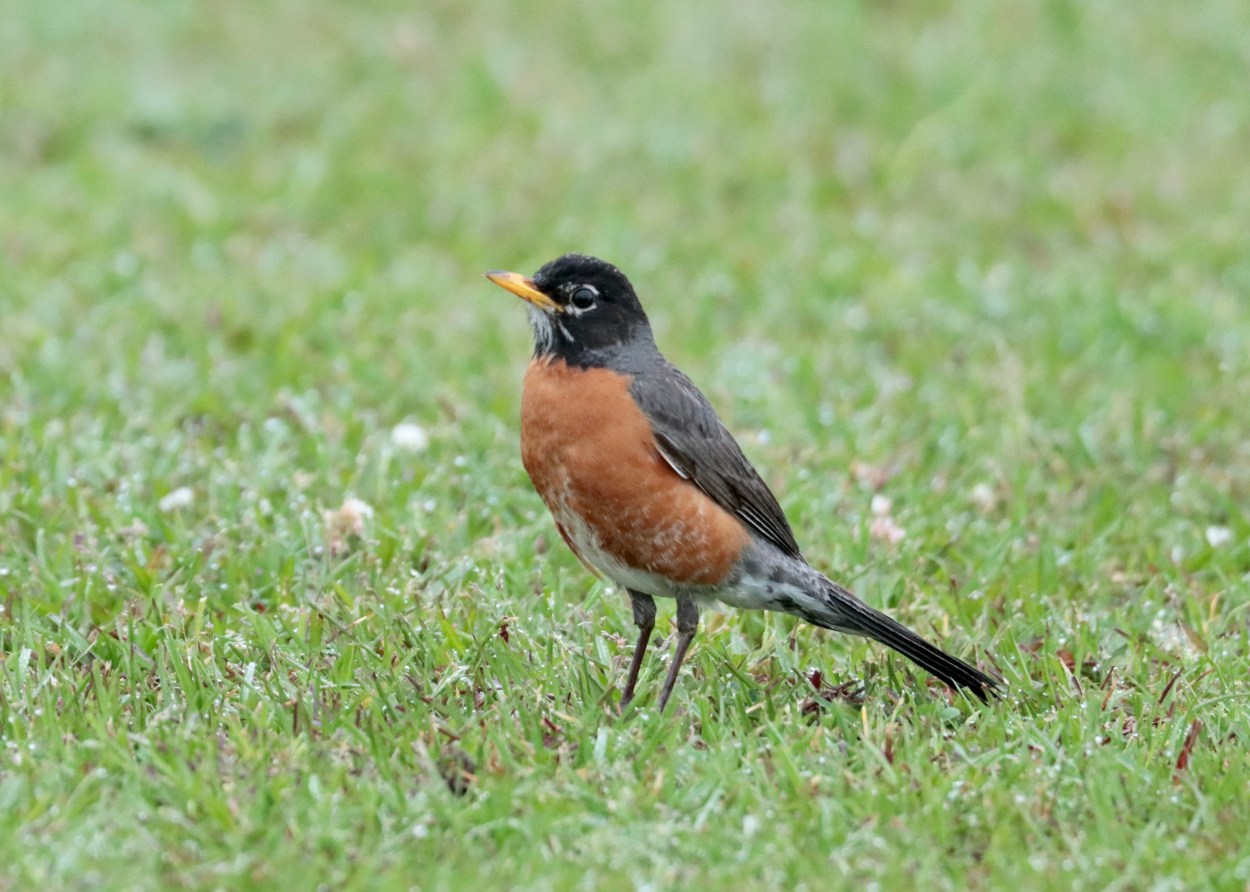
Common enough – although we didn’t start seeing them until we reached North Carolina – American Robin
Today was the day when we met up with Bob & Sue and Andy, who have joined use for the rest of our GABRaT ll adventure. As the drive from the Outer Banks to Raleigh Durham airport was around four hours, we had to change vehicles and then drive 100 miles further north, to our overnight accommodation in Collinsville Virginia, we had very little time for birding other than an early morning return to Bodie Island lighthouse and stuff we saw from the car. We had fully expected it would be a ‘dot day’, as far as the GABRaT ll list was concerned, but as we were checking-in to our motel a couple of birds popped up on the grassy roadside verge – Song Sparrow – a welcome addition to the list. Given the relatively short stay in the State and the generally poor weather we were pleased to have managed to get our North Carolina list into three figures – 103 to be precise. Tomorrow we’re doing a few local sites before heading for the Allegheny mountains the following day.
Reminds me of home – watching Herring Gull squabble over a crab snack
On a day of overcast skies and near continuous rain bird photography proved difficult – here is Bufflehead, a GABRaT ll tick
We woke this morning to heavy rain and a forecast which indicated wet until 5.00pm. We took the opportunity of a leisurely breakfast and then sea-watched from the hotel terrace and later from the near-by pier. Not a great deal happening but there were several Common Loon (Great Northern Diver to you and me) off-shore, a Great- Black-backed Gull on the beach and a selection of terns and waders flying by. A brief break in the weather allowed us to venture south to Pea Island National Wildlife Refuge. Here we added a couple more trip ticks – Marbled Godwit and Bufflehead – and quite a few State ticks, before the rain meant a hasty retreat back to the hotel. By four the weather improved sufficiently for us to head out again, this time to Brodie Island Lighthouse. The birding was good with more trip ticks – Saltmarsh Sparrow and Gadwall and yet more State ticks including: Belted Kingfisher, American Oystercatcher, Common Yellowthroat and a few more besides. Tomorrow we head back inland to Raleigh Durham International to collect Andy and Bob & Sue – ready for the next stage of our GABRaT ll adventure.
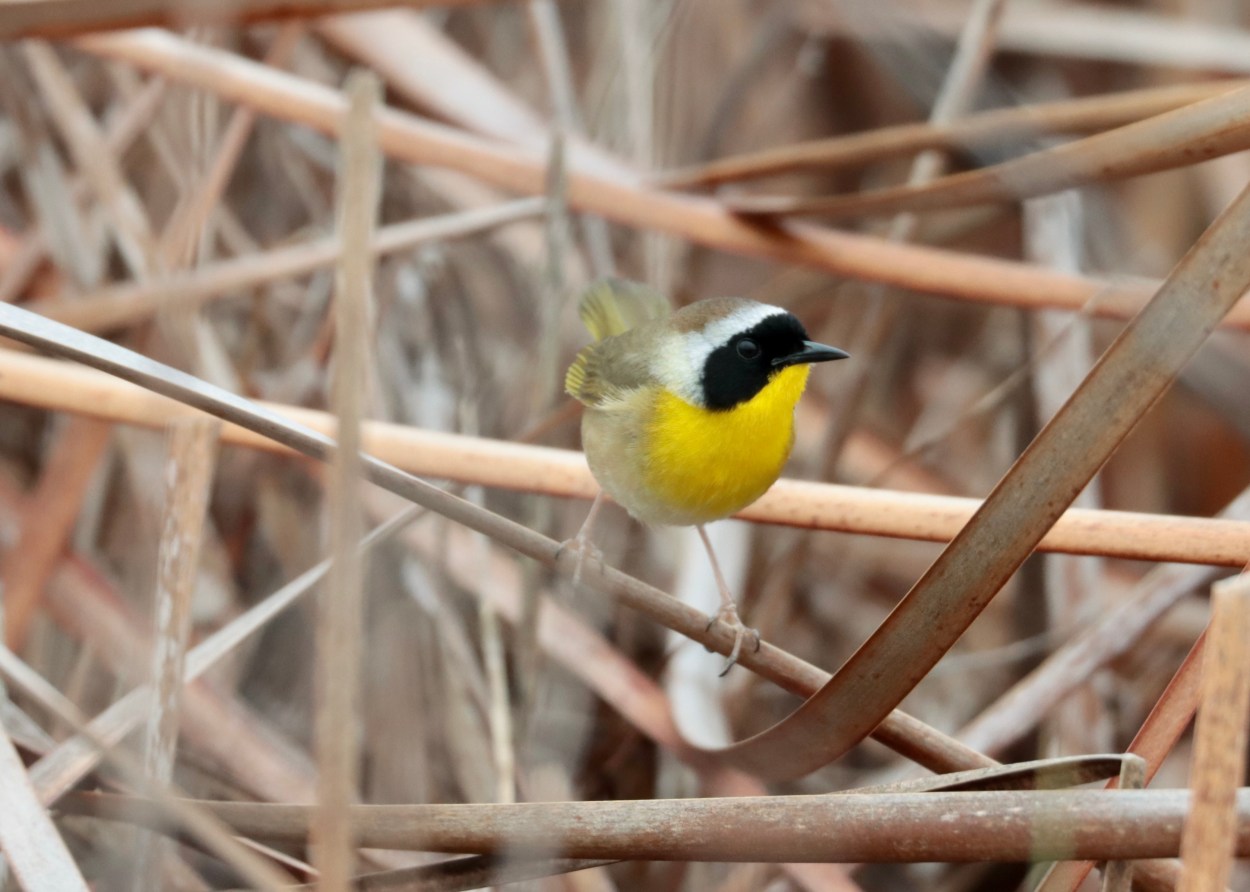
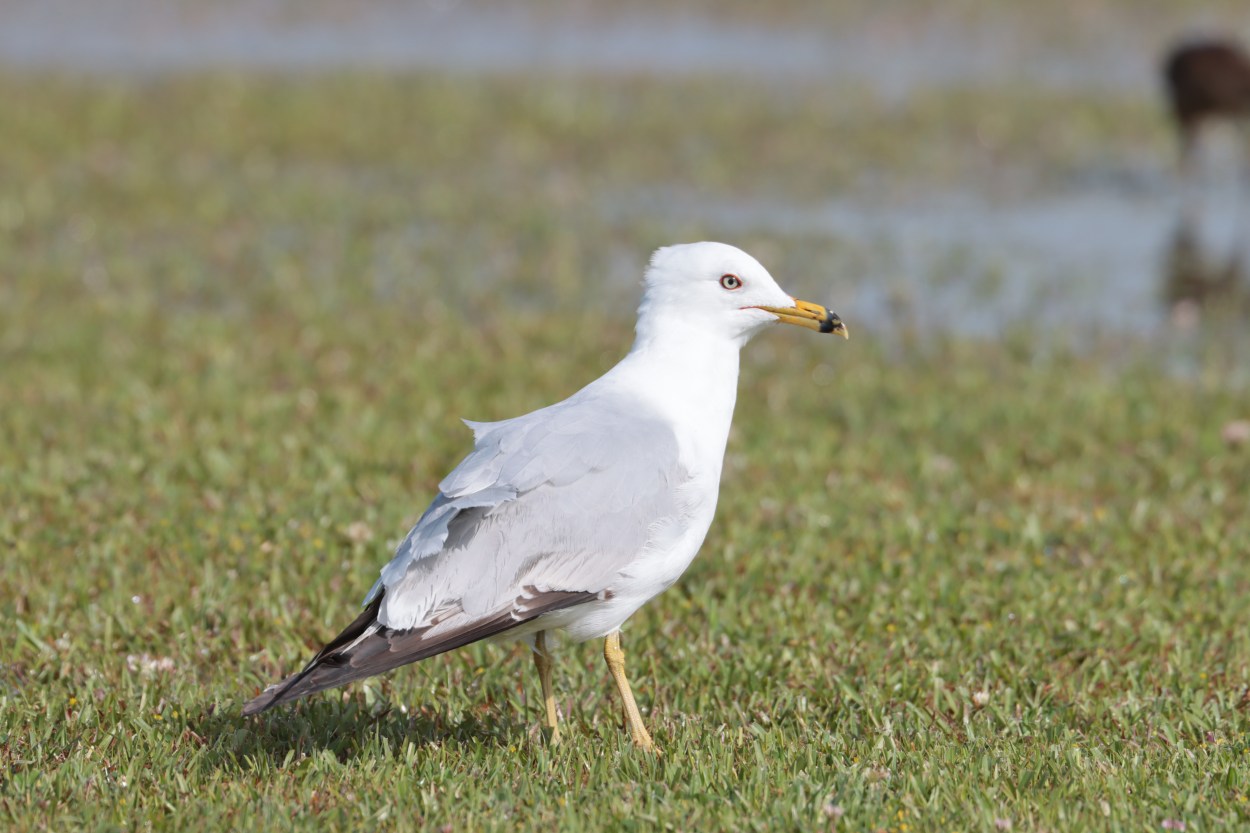
Common Yellowthroat in the bushes at Brodie Island A North Carolina tick – Ring-billed GullThe fishing is evidently good on the Outer Banks! – Double-crested Cormorant and Brown Pelican take full advantage
Pileated Woodpecker – one of five woodpecker species seen over lunchtime at Goose Creek SP
We spent the day travelling to the Outer Banks, calling in at a number of birding locations on the way. Our day started before breakfast in a local park – Smith Creek – where we got our North Carolina State list off to a good start. Top bird was the much anticipated Eastern Towhee, feeding quietly by the trail. Our first stop on the drive was Martin Marietta Park – a former quarry but now restored to a superb wildlife park – provided more additions to the list including Ruddy Duck – last seen near Peterborough in 2022. Then it was on to Goose Creek State Park for lunch – in the company of five woodpecker species! Final stop, before arriving at our Outer Banks base in Nag’s Head, was the gigantic wetlands site of Mattamuskeet NWR. Winter home for 10,000 Tundra Swans, thankfully there were a few stragglers remaining to make a welcome addition to the list. Looking at tomorrow’s weather forecast it could be a very damp day sea-watching and migrant spotting!
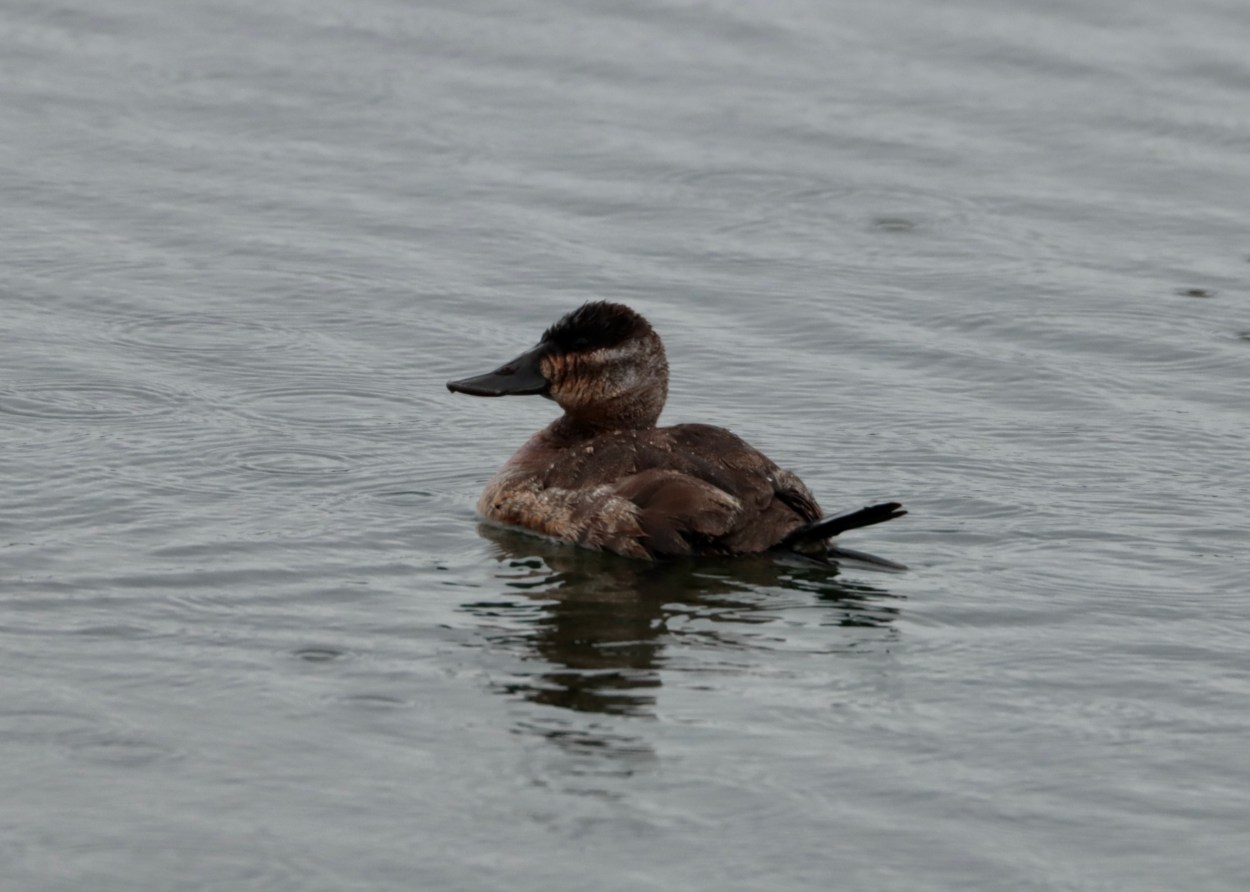
Ruddy Duck was a welcome addition to our GABRaT ll trip listLeft over from the wintering population of ten thousand Tundra Swan at Mattamuskeet NWRA common and widespread sparrow but still rather pretty – Chipping Sparrow
Yellow-throated Warbler at the start of the mosquito-infested Iron Swamp trail
Today we’ve moved further north, crossing from South Carolina into North Carolina. Birding this morning was limited to a quick drive through and short mosquito-ridden trail walk in the Francis Marion National Forest. We saw very little and only added a couple of State ticks – best birds were Yellow-throated Warbler and Acadian Flycatcher. We then headed for our over-night stay near Wilmington NC, breaking our journey at Huntington State Park. Another small coastal barrier island with a nice mix of habitats. Here we added a couple of ‘trip ticks’, one was a our target species – Brown-headed Nuthatch – the other was a complete surprise! The only duck on Sandpiper Pond turned out to be a female type White-winged Scoter. At the very southern edge of its wintering range and not mentioned in any previous eBird reports – though oddly enough both Ring-necked Duck and Pied-billed Grebe had been reported. Close views of Wood Stork and Yellow-crowned Night Heron added value to our trip.
Brown-headed Nuthatch was todays target bird – although they are getting close to the northern edge of their rangeWhat wasn’t on our radar was White-winged Scoter, which we found on Sandpiper Pond, Huntington State Park. Record shot onlyThese Black Swallowtail butterflies were a feast for the eyes – relatively abundant but still impressive
We closed our South Carolina State list on 109 – our overall GABRaT ll list is currently at 186, plus a few of the recent naturalised escape species from Florida: Egyptian Goose, Scaly-breasted Munia, Red Jungle Fowl and Grey-headed Swamphen
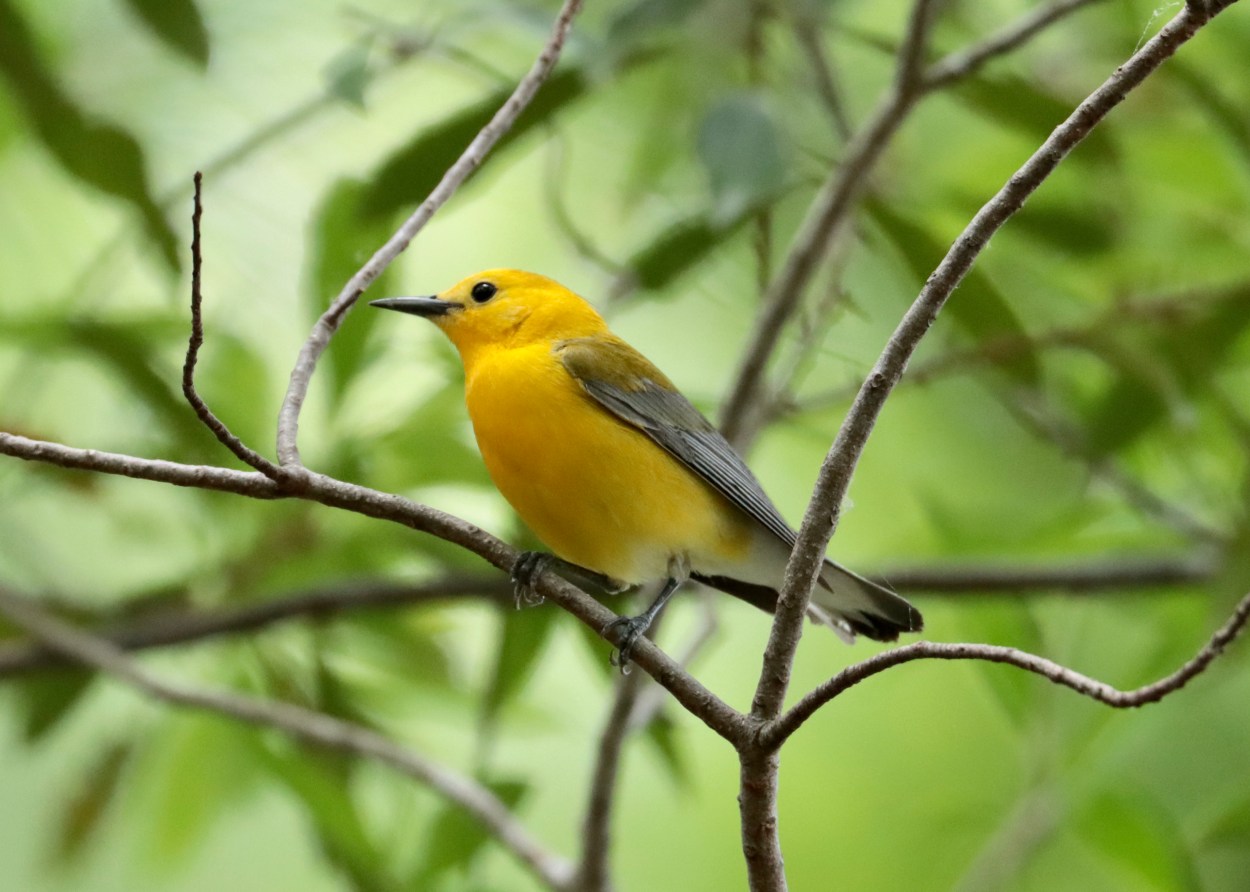
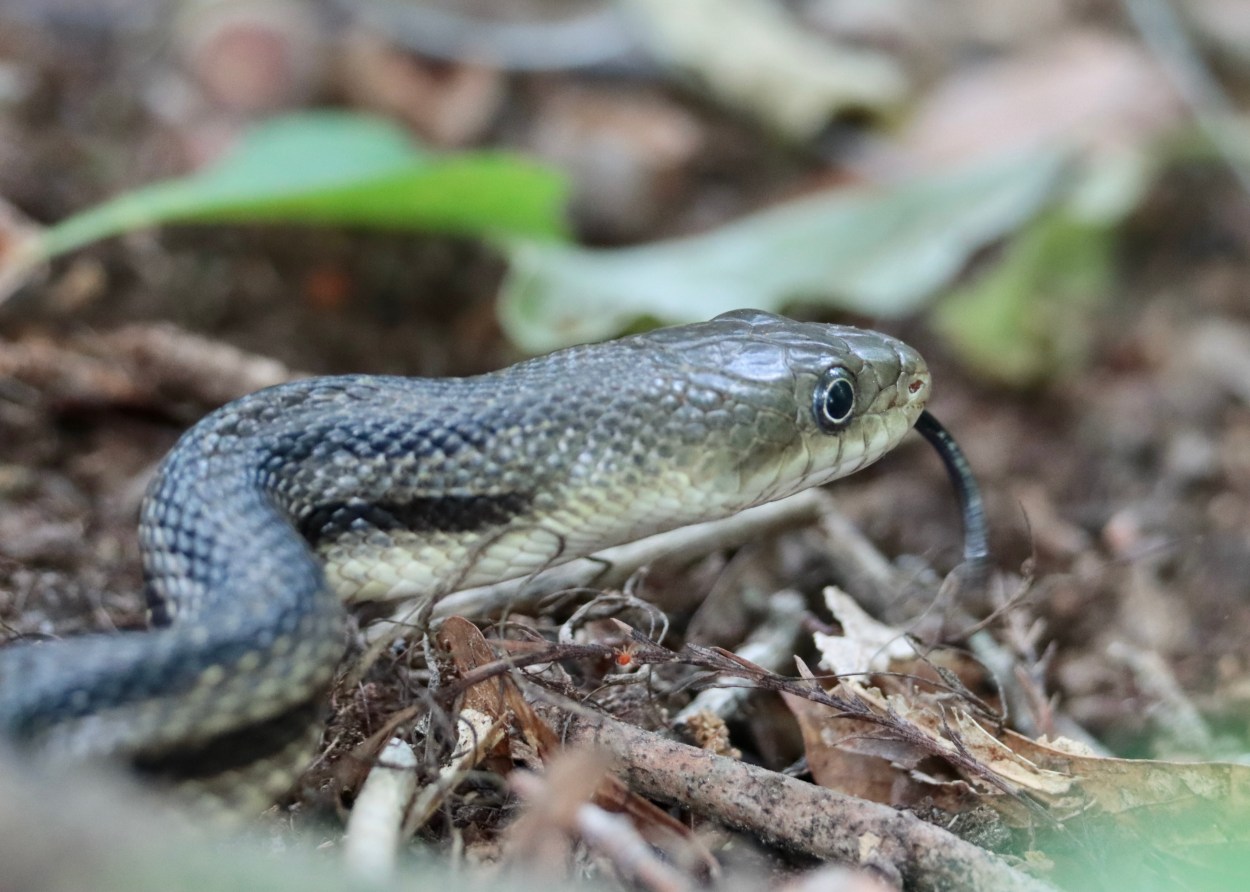
We spent the day at two reserves close to Santee – well worth the 150 mile round trip. Starting at Santee State Park it wasn’t long before we’d added our first trip tick. Feeding quietly on the grass by the side of the approach road was a superb Wood Thrush – a bit like a miniature Brown Thrasher. Unfortunately it quickly melted away, leaving us needing to find another to photograph – which luckily we did. By coffee time we’d moved on to Santee National Wildlife Refuge, which is made up of four separate units with different habitats. During the rest of the day we added more trip ticks including: Worm-eating Warbler, White-throated Sparrow, Red-headed Woodpecker and Barred Owl. The latter we first saw as a brief fly-through the woodland canopy – the identification being a process of deduction based on brief views, relative abundance and timing. We needn’t have angsted over it as ten minutes later two birds started shouting to each other close to where we’d stopped. They put on quite a show. Other wildlife highlights from a really enjoyable day included being dive-bombed by a nesting Red-shoulder Hawk and finding our second snake species the trip, a Queen Snake, which I very nearly trod on. We ended the day with 101 on our South Carolina bird list.
Our first ‘trip tick’ of the day – Wood Thrush – needed a bit of tracking down after the first road-side bird melted awayProthonotary Warbler was probably the most common warbler species at SanteeQueen Snake – our second species for the trip – I very nearly trod on it!
Bird of the day just had to be this Red-cockaded Woodpecker – seen immediately on arrival at the specially marked tree!
Today was our first full day birding in South Carolina and after a steady start it really came up trumps – political pun intended! (FYI SC has voted Republican since 1964, except in 1976 when it supported fellow Southerner Jimmy Carter.) Our first stop was Savannah NWR where we worked three areas of wetland and woodland. The last stop at Kingfisher Pond produced our first trip ticks – a pair of Wood Duck and Red-eyed Vireo. The next scheduled stop was Bear Island WMA – a vast area of swamp, ponds and wet woodland – produced an impressive array of waterbirds and two more trip ticks in the form of Tree Swallow and Mallard! Talking to one of the Rangers she told us about another site Donnellys WMA, just up the road, which had more shorebirds and a small colony of Roseate Spoonbill – a good tick for South Carolina. As we drove in we noticed some mature pine trees which had been conspicuously marked. Ever since our first trip to Florida we’ve known about this ‘secret code’ which is used to identify nest sites of the nationally scarce Red-cockaded Woodpecker. Having filled our boots with the Spoonbills and seen some very impressive (and intimidating) alligators we stopped off at the pine trees, at which point Jane shouted ‘there’s a woodpecker on the tree!’ Turned out to be a Red-cockaded – right on cue. The last impromptu site, which was given to us by a woman birder at Donnellys, was in the town of Jacksonborough – the Edisto Nature Trail. It was quiet on the birding front – best being a nice male Hooded Warbler – but it did give us point blank views of a Racoon, foraging in the undergrowth. A great days birding, taking our State list for South Carolina to 75. We’ll see if we can break the ton tomorrow.
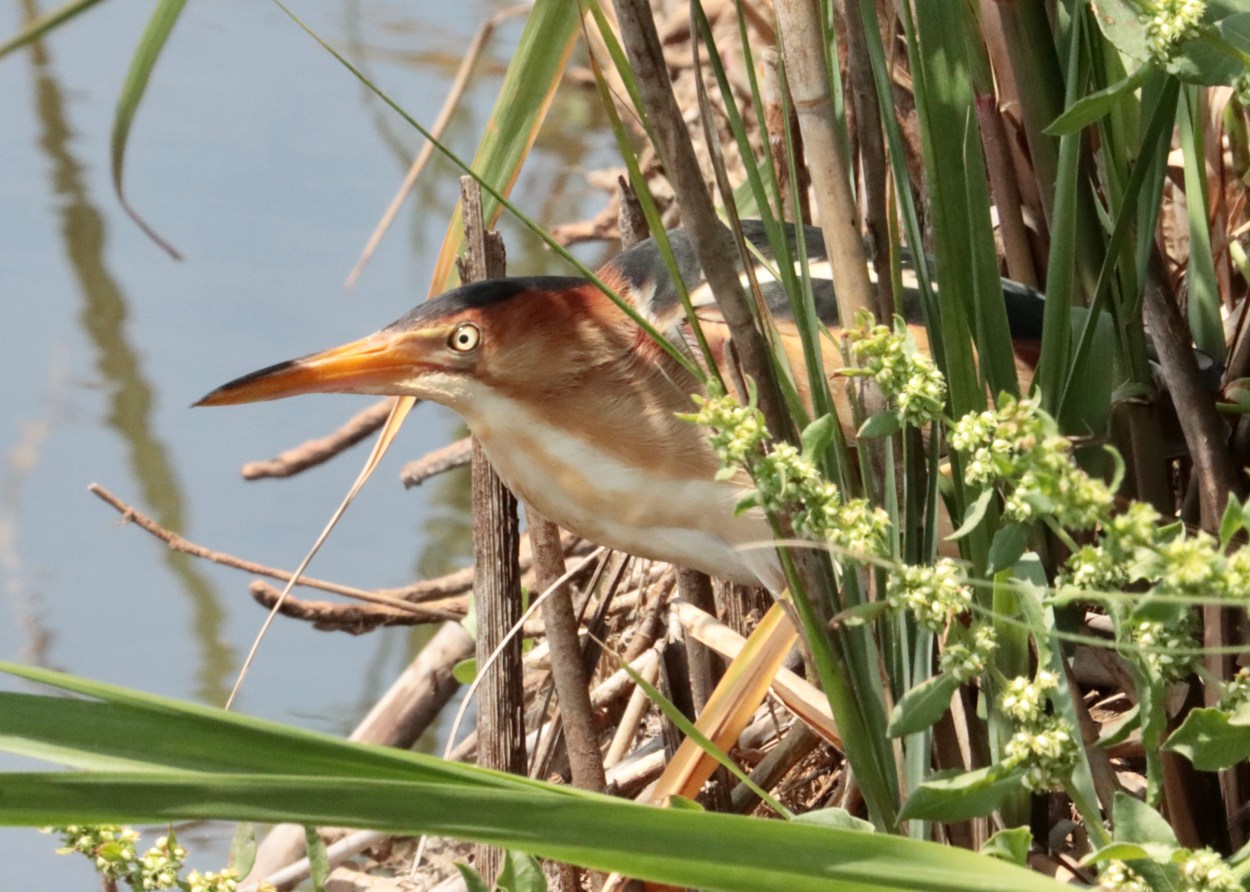
Always nice to see these diminutive bitterns – this is Least. Just 13 inches tall!Roseate Spoonbill – if we had gone to Donnellys WMA for these birds, we wouldn’t have seen the woodpecker!Bear Island held a good range of waterbirds – including these American Avocet. First seen on this trip in Florida

















 Trevor On Tour