Titan of Tytos

Thanks to Jonah we have a record shot of Sooty Owl – an Aussie tick after countless attempts over the past two decades

I can’t lie, Australian night birds are a nightmare. For reasons I don’t fully understand, unlike in the UK or USA, nightbirds in Australia (owls, nightjars, frogmouths etc) don’t emerge until it’s pitch black. That means you generally have to locate / identify them on call. Some of the bigger forest owls have huge territories across difficult to access terrain. We’ve done at least one night bird excursion each time we’ve been to Australia – sometimes two or three and almost always come away empty handed. Yesterday, encouraged by the weather (still, warm with a New Moon) and our enthusiastic grandson Jonah, we set off at dusk for a three hour session in the Watagans National Park, west of Newcastle. Our first stop fully met expectations and predictably failed to produce the hoped for Masked Owl. A couple more stops in the forest produced similar results – though we did hear BooBook, the easiest of the owl species to get. We were just about to give up at the next stop when we got a single response call from a Sooty Owl – the titan of tytos! We stood about for another ten minutes, staring into black space and hearing nothing but a few croaking frogs. Then, through my thermal imager, I found it surprisingly close to us, sitting on a horizontal bough. It didn’t like the spot-light and quickly but silently flew away. We all managed brief but acceptable views on the imager screen. Another five minutes of scanning and ‘bingo’ there it was again, watching us from the tree above. This time the light didn’t bother it and we were able to see its impressive features before it flew to another tree and eventually disappeared back into the night. They are battleship grey on the back, paler on the front with a typical tyto heart-shaped face and black eyes. They are approximately twice the body-mass of a Barn Owl. We arrived home before midnight – exhausted but elated. A trip, Hunter and Aussie tick.

A day at the poo ponds

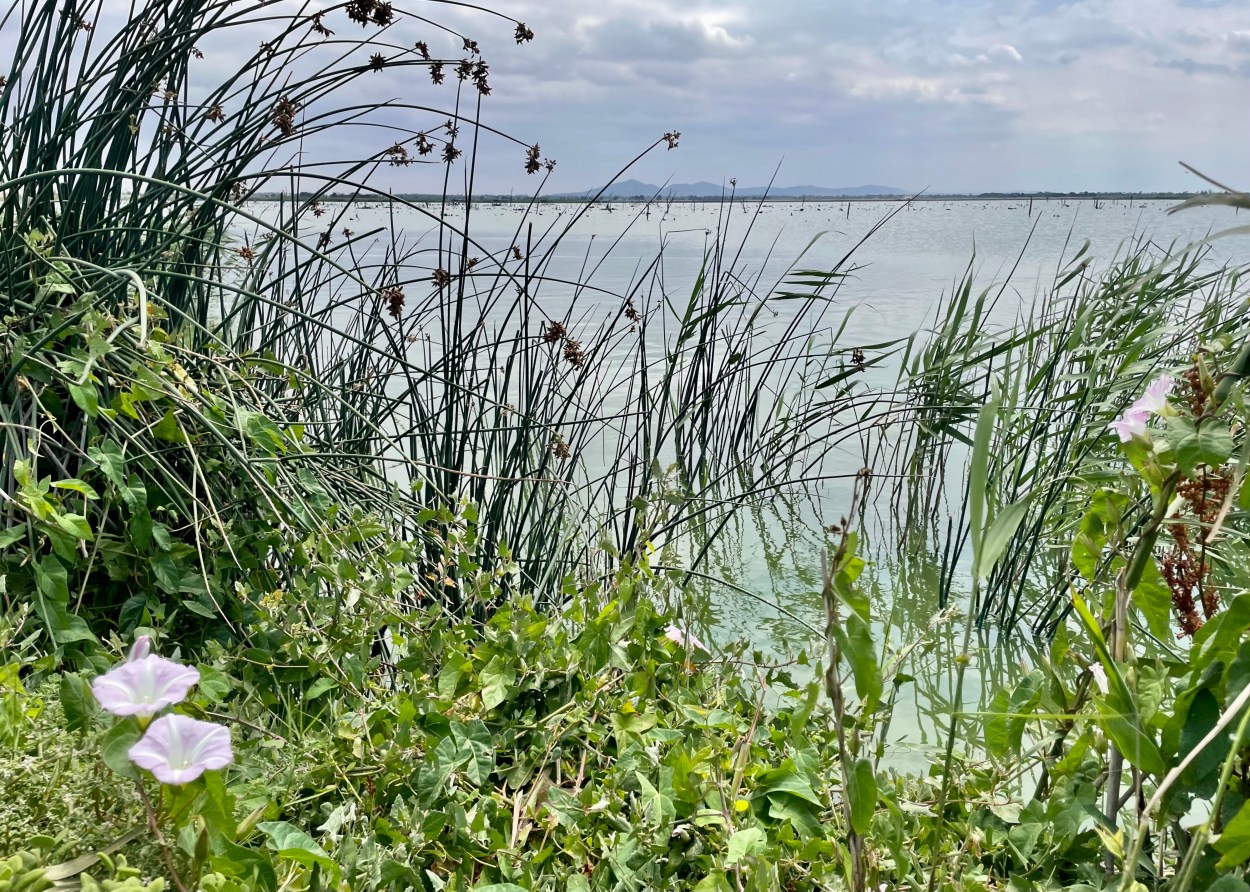
View of one of the countless settling lagoons at Werribee with the You Yang range in the distance

Yesterday, our last in Victoria before we fly to Newcastle later today, was spent at Werribee – possibly one of the best birding spots in the State, if not the whole of Australia. The Western Treatment Plant (or ‘poo ponds’) – the largest sewage treatment works in the country – covers approx 11,000 hectares and provides a haven for tens of thousands of birds, thanks to ample water and a variety of habitats and plants. The actual treatment facilities cover only a fraction of the site, surrounded by vast settling lagoons, home to nearly 300 bird species. Werribee is recognised as a wetland of international importance under the RAMSAR Convention. Unfortunately it’s the opposite side of the bay from Edithvale, where we are staying, and you have to drive through the centre of Melbourne to get to it – a round trip of three hours. But still well worth the effort. We were there from the earliest time we could collect the key from the Open Range Zoo till it closed at 4.00. We saw some great birds – both in terms of number and variety – and added 25 to our trip list. It’s impossible to do the site justice in a single visit but even with limited time available it never fails to impress. On this occasion the highlights included Brolga, ten species of duck, ten species of wader, seabirds and raptors. The story is better told in pictures.

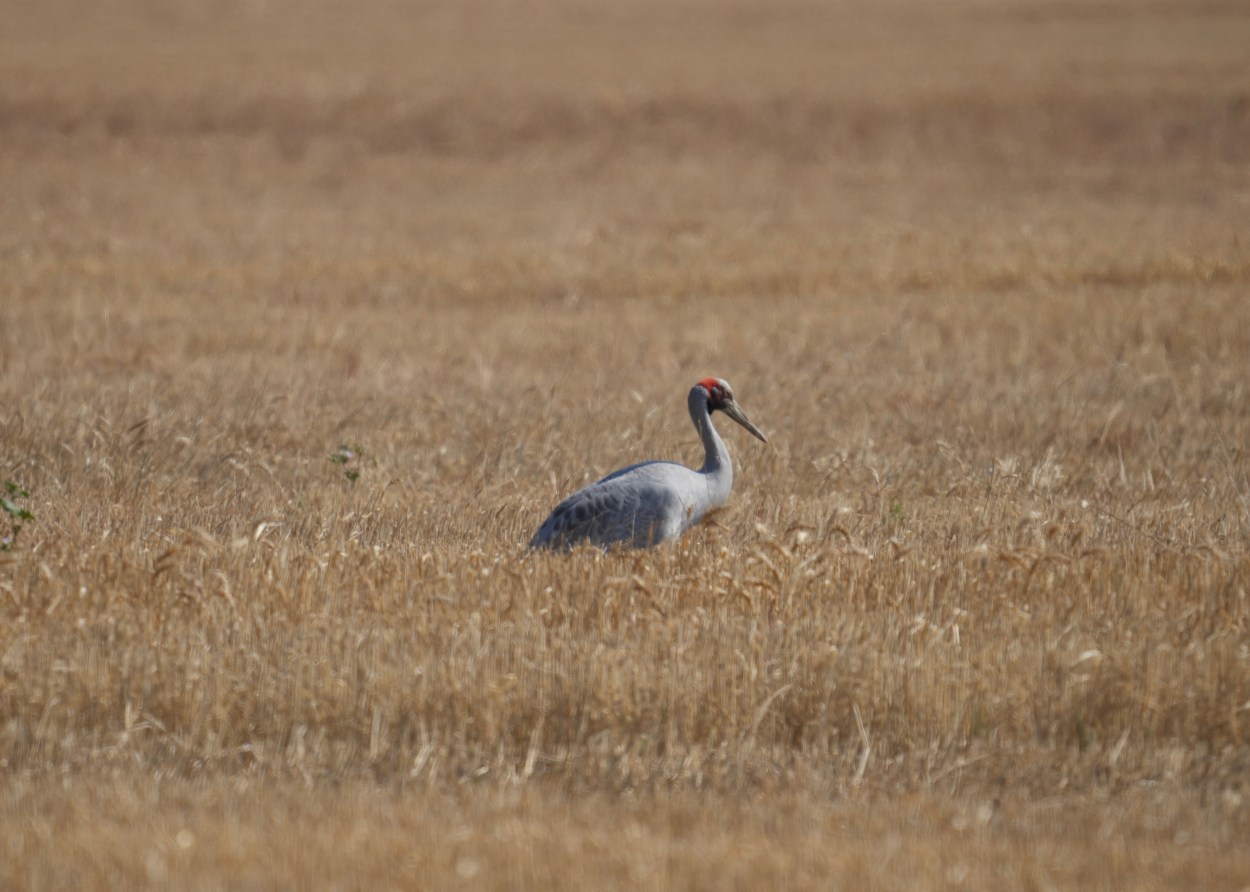
Brolga feeding on the vast grasslands of Werribee – a spectacular crane up to four and a half feet tall
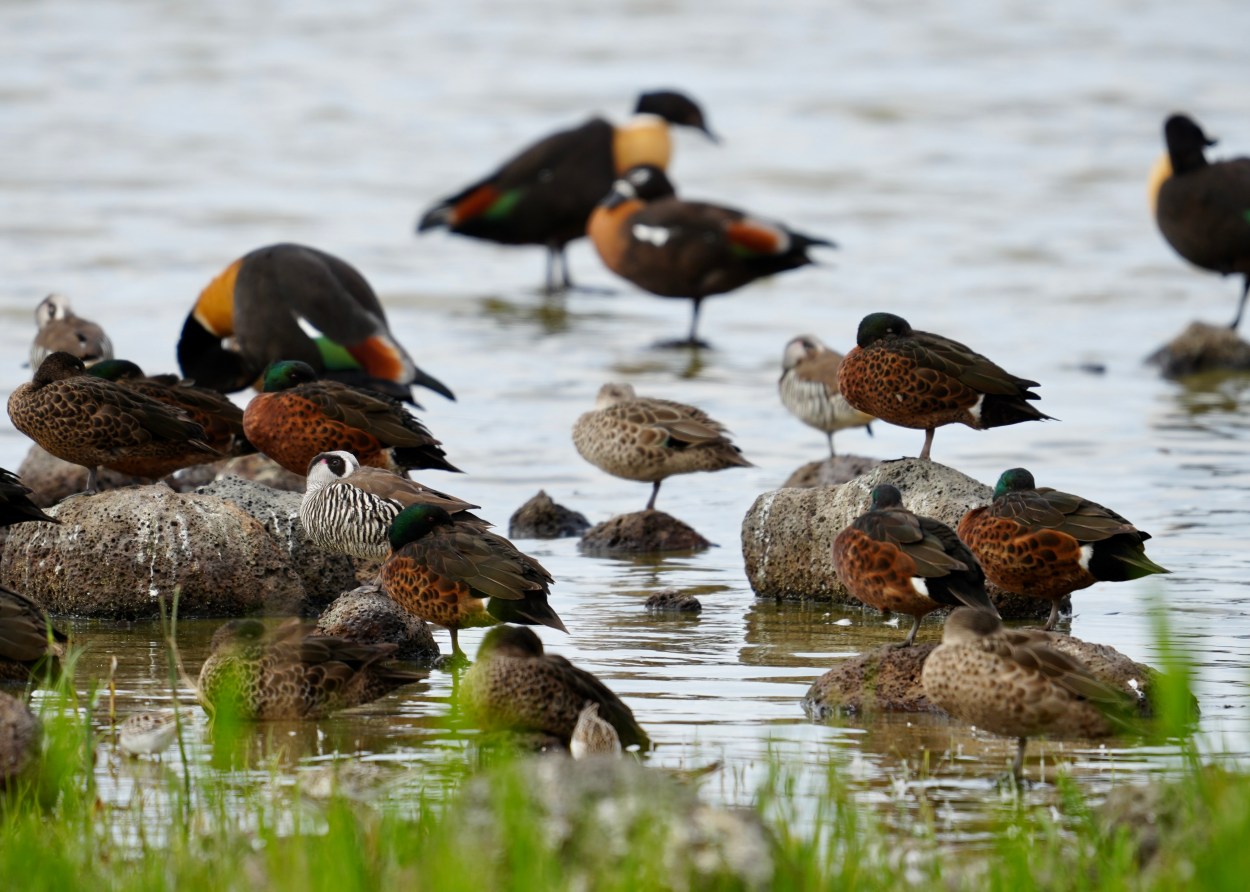
A colourful mix of ducks including Pink-eared, Chestnut and Grey Teal and Australian Shelduck
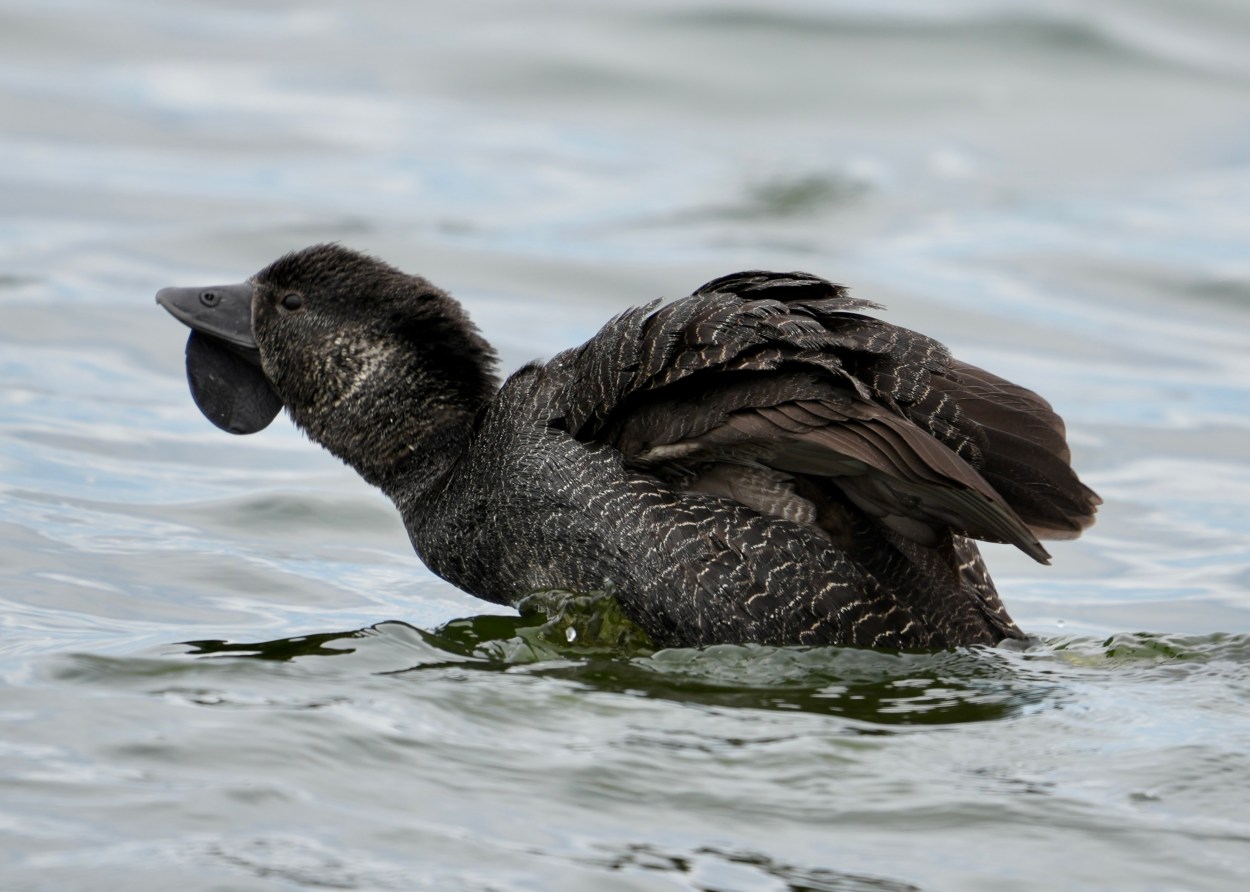
.. but none so strange as Musk Duck
Sharp-tailed Sandpiper was the default shore bird
Red-kneed Dotterel take some beating though
This Australian Pelican was pretending to be a ‘bush bird
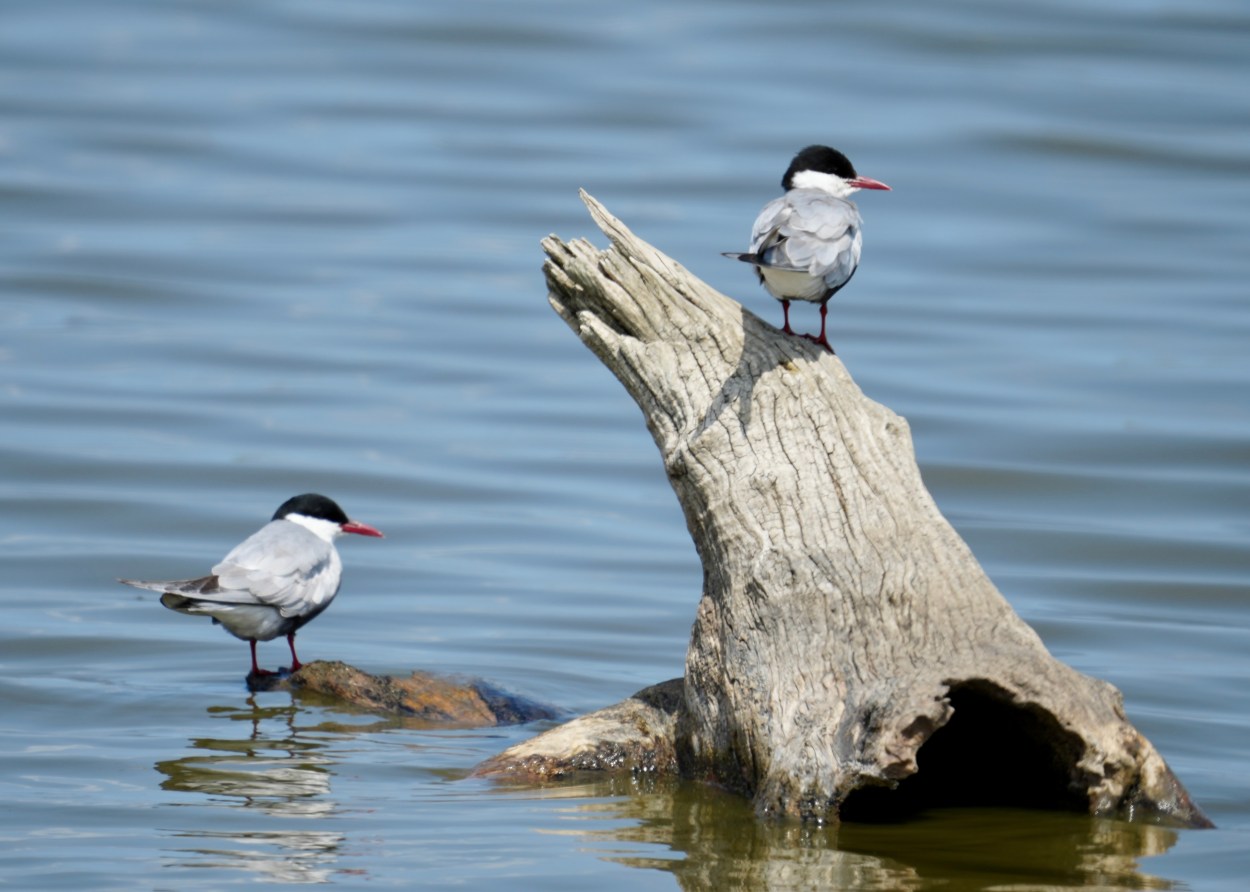
Whiskered Tern were plentiful – though we did find a Common Tern contender (awaiting adjudication)
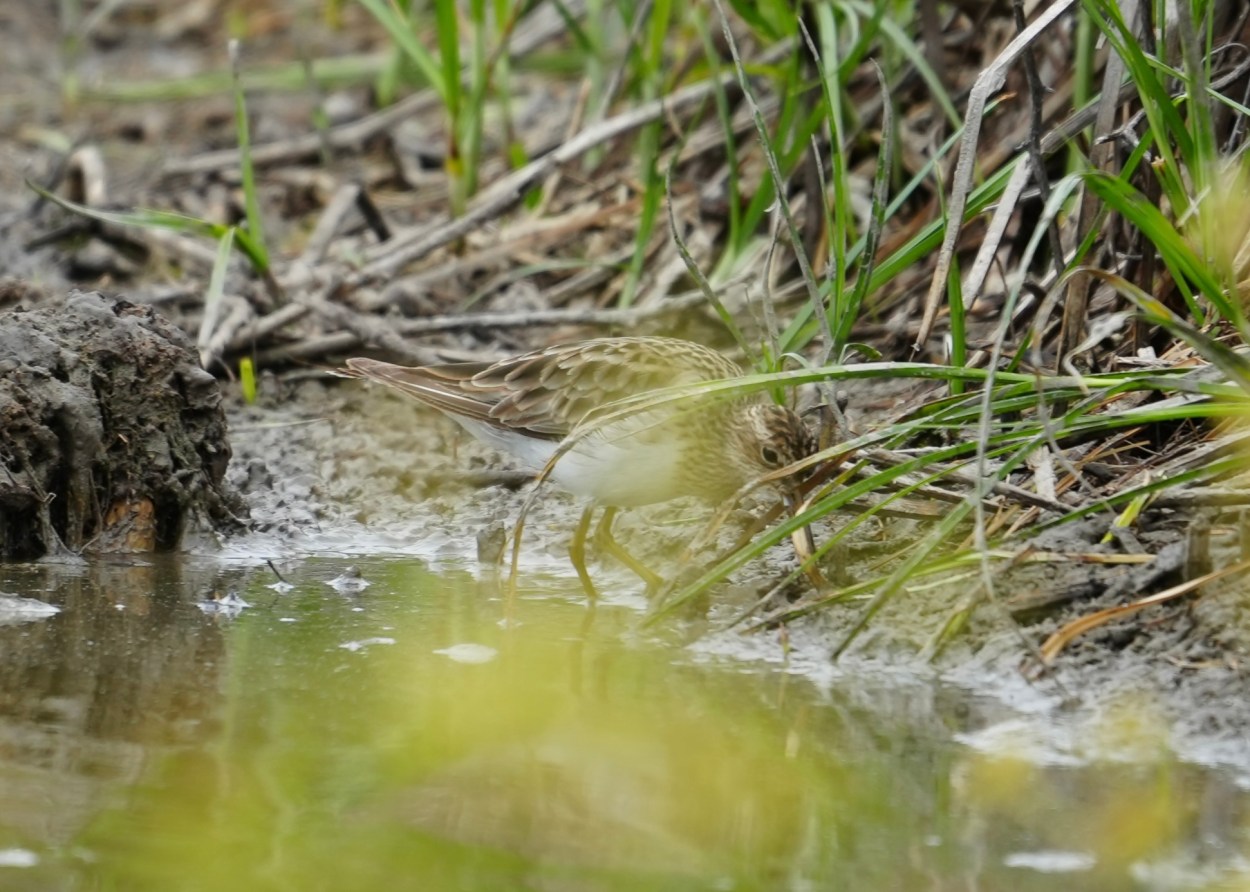
Star bird was this Pectoral Sandpiper which we relocated on Borrow Pit in the afternoon

What a way to end our week in Victoria with Rob & Gi – great hosts, great food and lovely birds. Thank you…

Tex-Az – Day Twenty Nine

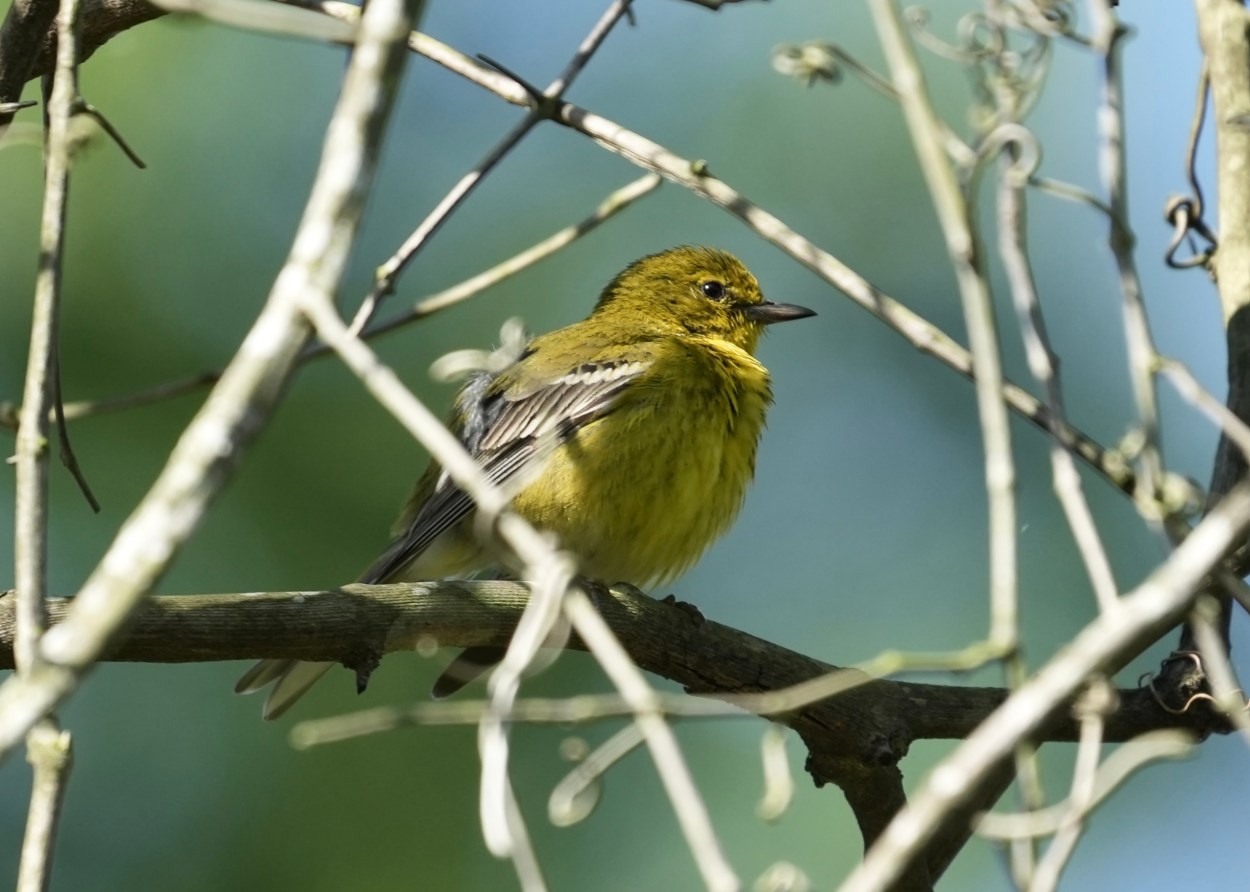
Pine Warbler – seen in the carpark of W.G. Jones State Forest – first of six trip ticks of the day

WG scores a magnificent six! We’re sitting in departures at Houston International having stopped off on the way from our hotel to do a spot of last minute birding. We called in at W.G. Jones State Forest reserve with one very particular target in mind – Red-cockaded Woodpecker – a rare ‘pecker with a patchy distribution across the south-eastern states. Pine Warbler were seen immediately on arrival in the carpark and then again on the woodland trails. Our first tick of the day – swiftly followed by Eastern Bluebird. Woodpeckers starting to put in an appearance – first Red-bellied, then Red-headed, followed by Pileated, the latter two being trip ticks. Brown-headed Nuthatch was seen high up in the pine trees – another trip tick. We’d returned from our trail walk still searching for our target bird when Nicola helpfully bumped into a member of staff on her way to the loo. He provided invaluable information about where we might look. The Red-cockade population is in trouble and they’re doing everything they can to halt the population decline, including embedding nesting-boxes in live trees and managing a release programme of young birds brought in from neighbouring states. One of the fascinating attributes of this bird is the trick of drilling holes in trees below the nesting cavity to create a ring of sap which protects against snakes climbing up the tree to steal the eggs! All we needed to do was find the trees with nest-boxes and sap running down the trunk! A stake-out of suitable trees quickly produced the goods – Jane seeing a bird fly in and begin drumming on a nearby tree. Target bird in the bag. Our 373’rd species of the trip and our sixth of the day. Another great GABRaT trip – great birds, great company and a host of memories… See you next time.

Pileated Woodpecker – the biggest of the three new ‘peckers seen during our morning session
The super-scarce Red-cockaded Woodpecker – our last bird of our amazing Tex-Az birding experience

Tex-Az – Day Twenty Eight

Hudsonian Godwit, at Katy rice fields – one of several new species added to our trip list today

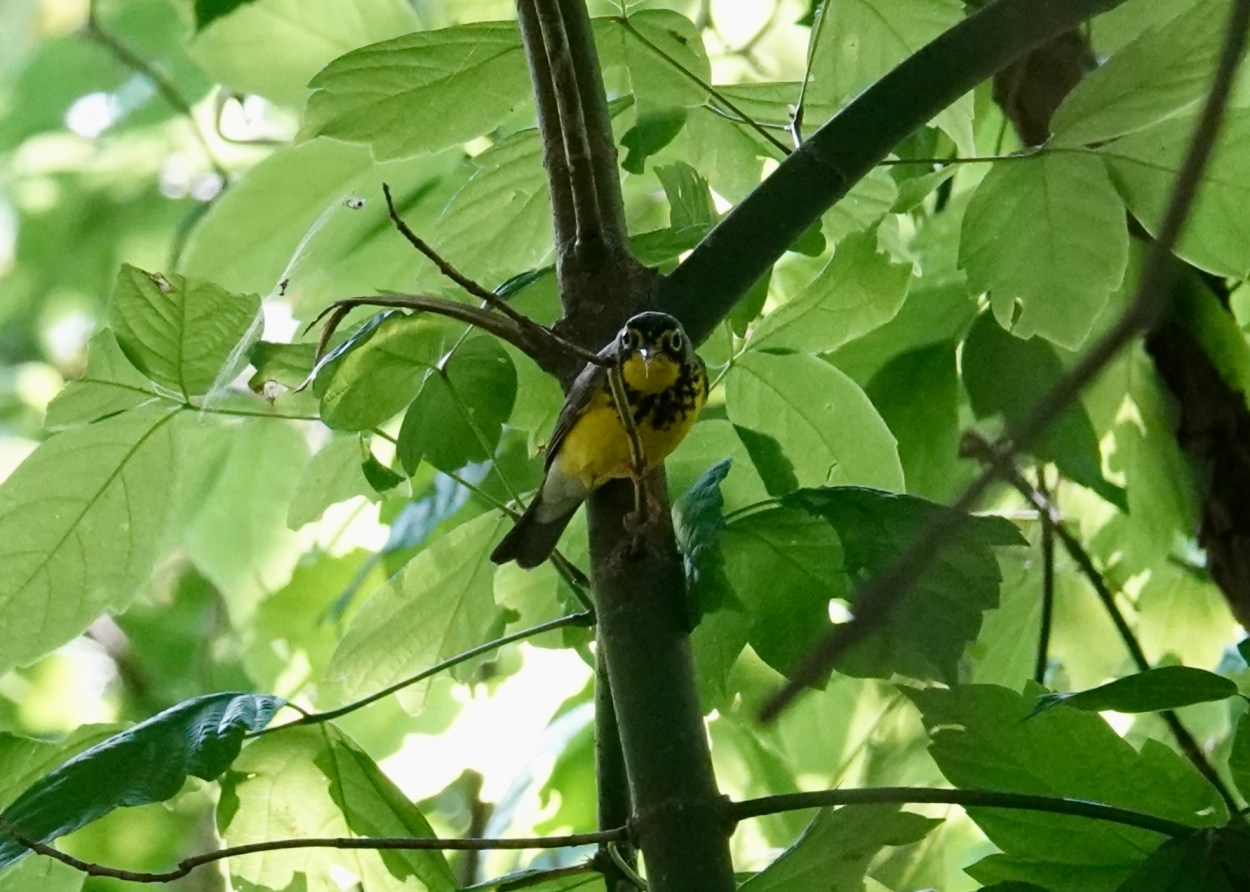
Today was our last full days birding of the trip. We started our more leisurely day back at the Attwater reserve, driving the loop a couple of times and walking the riparian woodland trail. No ‘chickens’ but we did manage to add a couple more ticks to the list – Red-bellied Woodpecker and Red-shouldered Hawk – before returning to the motel for a late breakfast. Next stop was the rice fields around Katy, as we slowly headed into the western suburbs of Houston. We had to drive around a bit to find the wettest spots but it was worth it in the end – a nice variety of waders including: a dozen White-rumped Sandpiper (they’ve become ‘London buses’), a flock of 40 Stilt Sandpiper – not seen since leaving the Gulf coast and, best of all, eight Hudsonian Godwit – another trip tick. We finished our day in another excellent birding spot, Cullinan Park Conservancy. The property was originally part of Stephen F. Austin’s ‘Old Three Hundred’ land grants and includes bottomland forests and forested wetlands – with an extensive and rich bird list. The first species seen was the rather pre-historic-looking Limpkin. We also caught up with Downy Woodpecker and Great Crested Flycatcher – more late additions to the list – before our final good bird of the day, a spanking Canada Warbler, which Neil found near the water drip. The least said about our celebratory meal out at Cracker Barrel – a nostalgic return for Nicola – the better. We ordered four meals – over an hour later only three had arrived (we never did get the fourth) – and I had to go next door to get a takeaway burger. Should be renamed Crapper Barrel! Not enough to take the edge off a great last day’s birding though – taking our trip total to 367, with the possibility of one or two more as we bird our way to the airport.

The rather pre-historic-looking Limpkin, seen on arrival at Cullinan Park – an excellent urban reserve
Not sure why it’s taken us so long to connect with Great Crested Flycatcher – ‘the big guy’
One of two new woodpeckers for the list – this is Red-bellied
Final new bird for the day – an excellent find by Neil – a Canada Warbler. Photo courtesy of Jane

Tex-Az – Day Twenty Seven

Better views of yesterdays addition to our US list – White-rumped Sandpiper at the Junction poo ponds

It was Global Birding Big Day today so we had a tricky balance to strike between sites visited and time spent on the road, travelling another 250 miles east towards Houston. We started at South Llano at dawn seeing most of the stuff we’d seen the previous afternoon, but we did managed to see our two target birds – Black-capped Vireo (again) and Golden-cheeked Warbler, a specialist Edwards Plateau breeder. The latter a list addition – yet again preventing a ‘dot day’. It was then back to our motel to pack up before heading west, via the Junction poo ponds. A nice selection of waders there but fewer ducks and no Black Tern from the previous day. We broke our journey at an urban park in San Antonio – Crescent Bend Nature Park – where we had a reasonable selection of birds despite the time of day. We hadn’t reckoned on an hours delay to check in to our hotel at Sealy – some dispute between them and Booking.com – so by the time we got out again we could only managed a couple of hours at our final spot of the day, the Attwater Prairie Chicken National Wildlife Refuge. A few additions to the Global Birding day list – total over 80 species – but alas no chickens. Not that we were really expecting to see these super rare birds at this time of the year – but you’ve got to try! It was dark when we finally got back to the hotel.

Grab shot of the aptly named Golden-cheeked Warbler in South Llano
The ethics committee is still out on Muscovy Duck, seen at Crescent Bend – it looked pretty wild to me
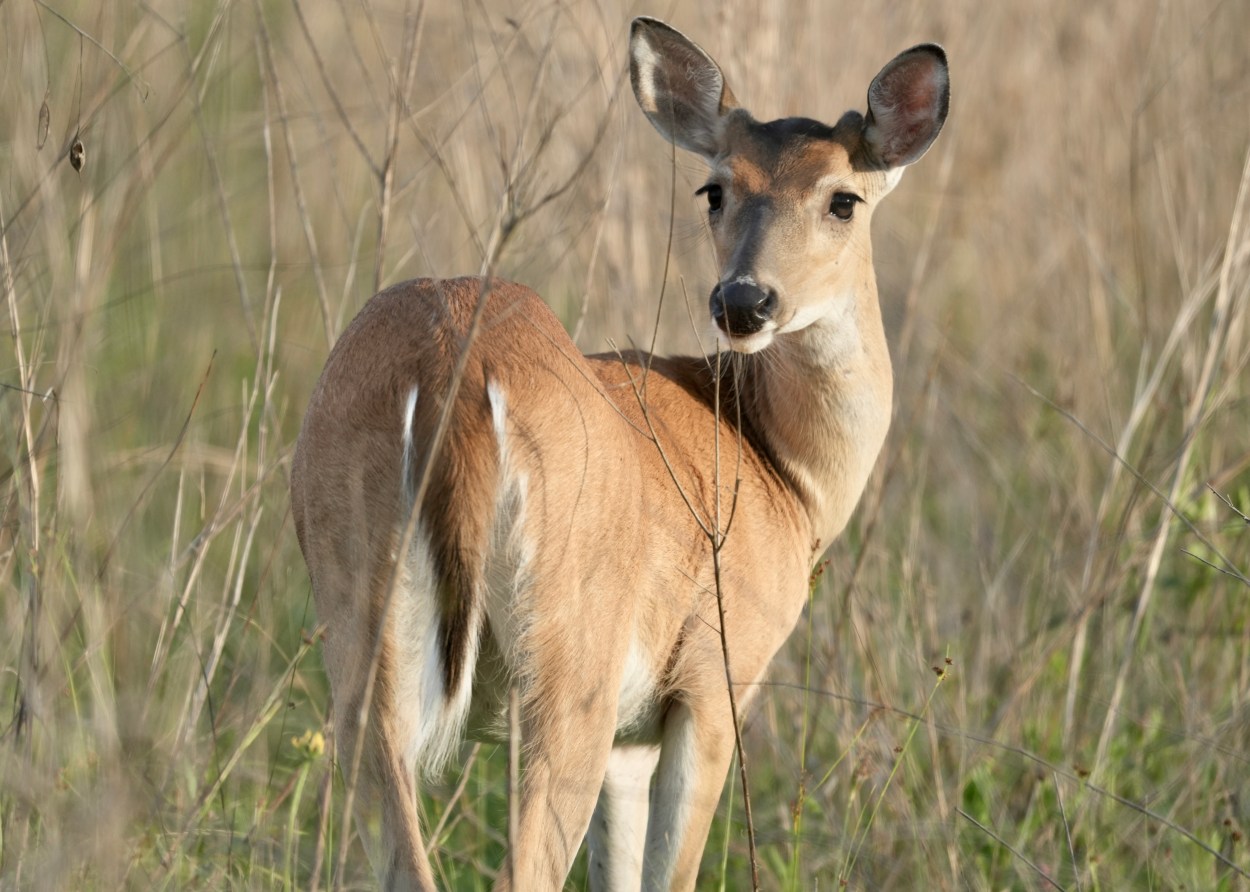
Some sort of deer – seen at Attwater at dusk – bringing our Global Birding Big Day to a close

Tex-Az – Day Twenty Six

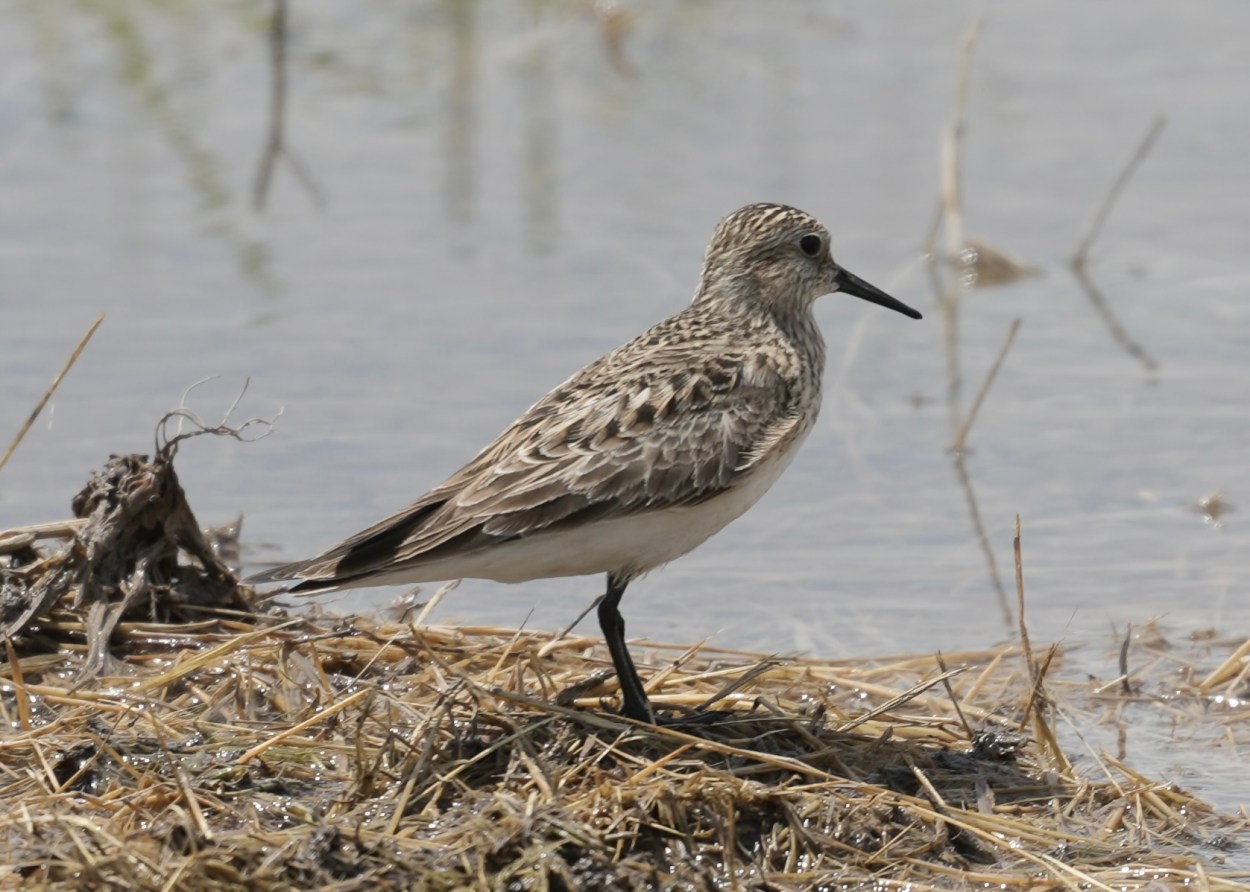
Baird’s Sandpiper prevents it being a ‘dot day’. Remarkably we find a second bird on a puddle just behind our motel in Junction!
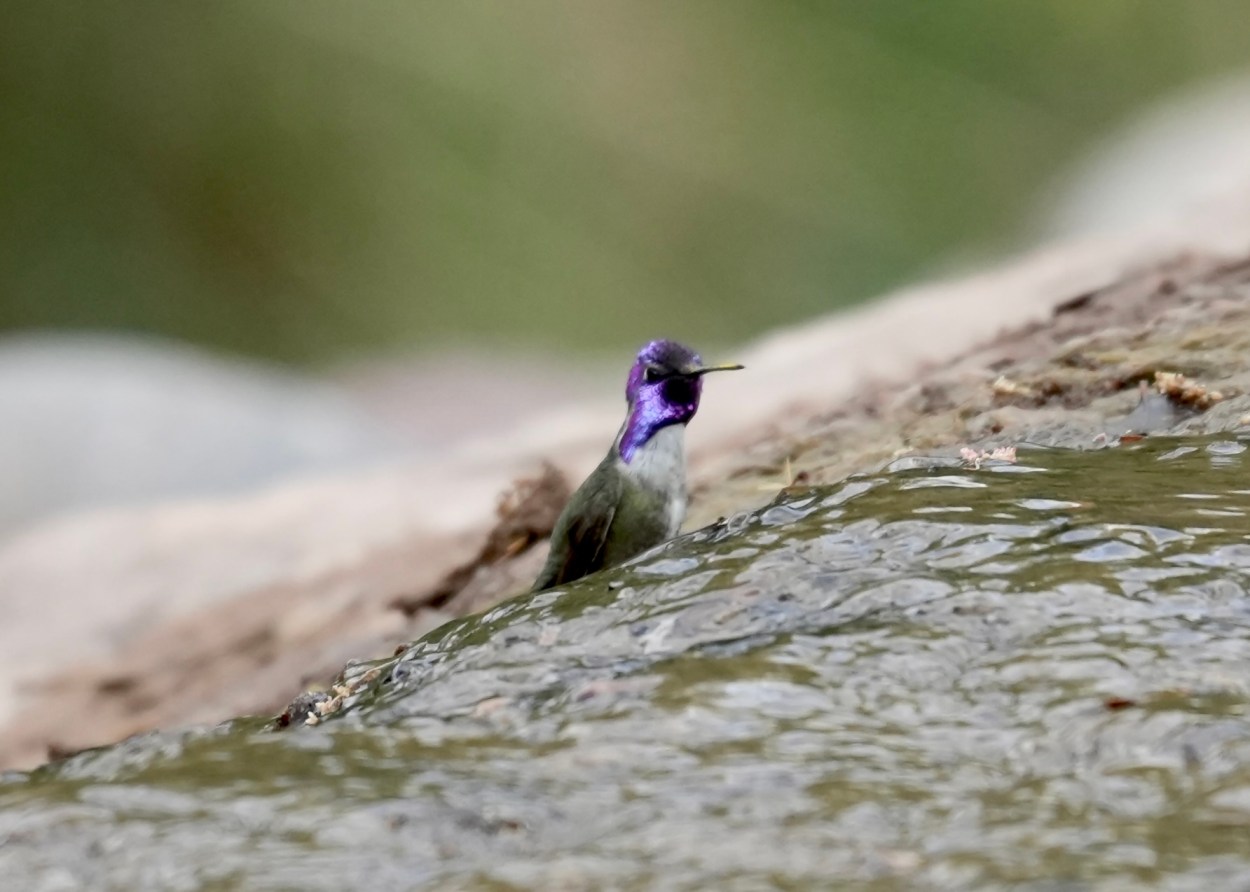
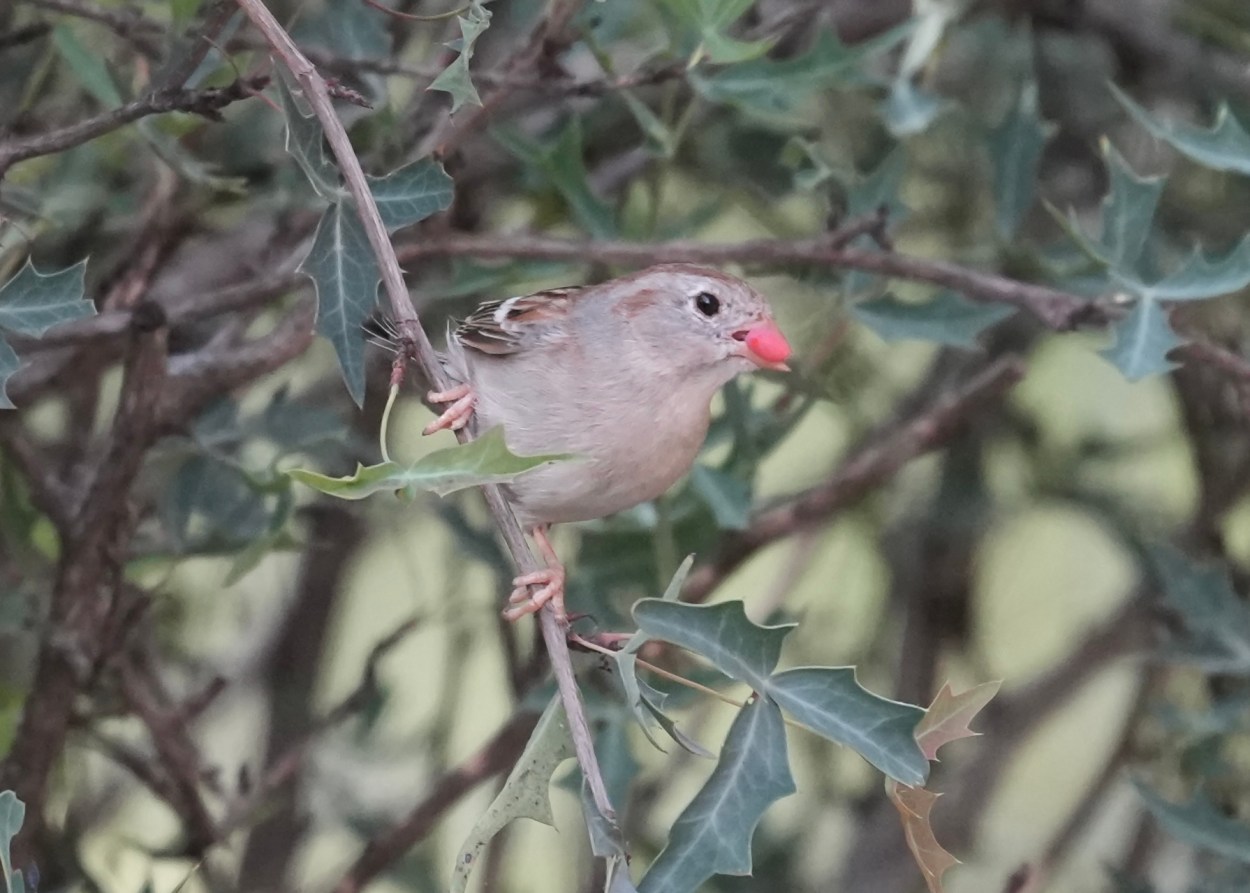
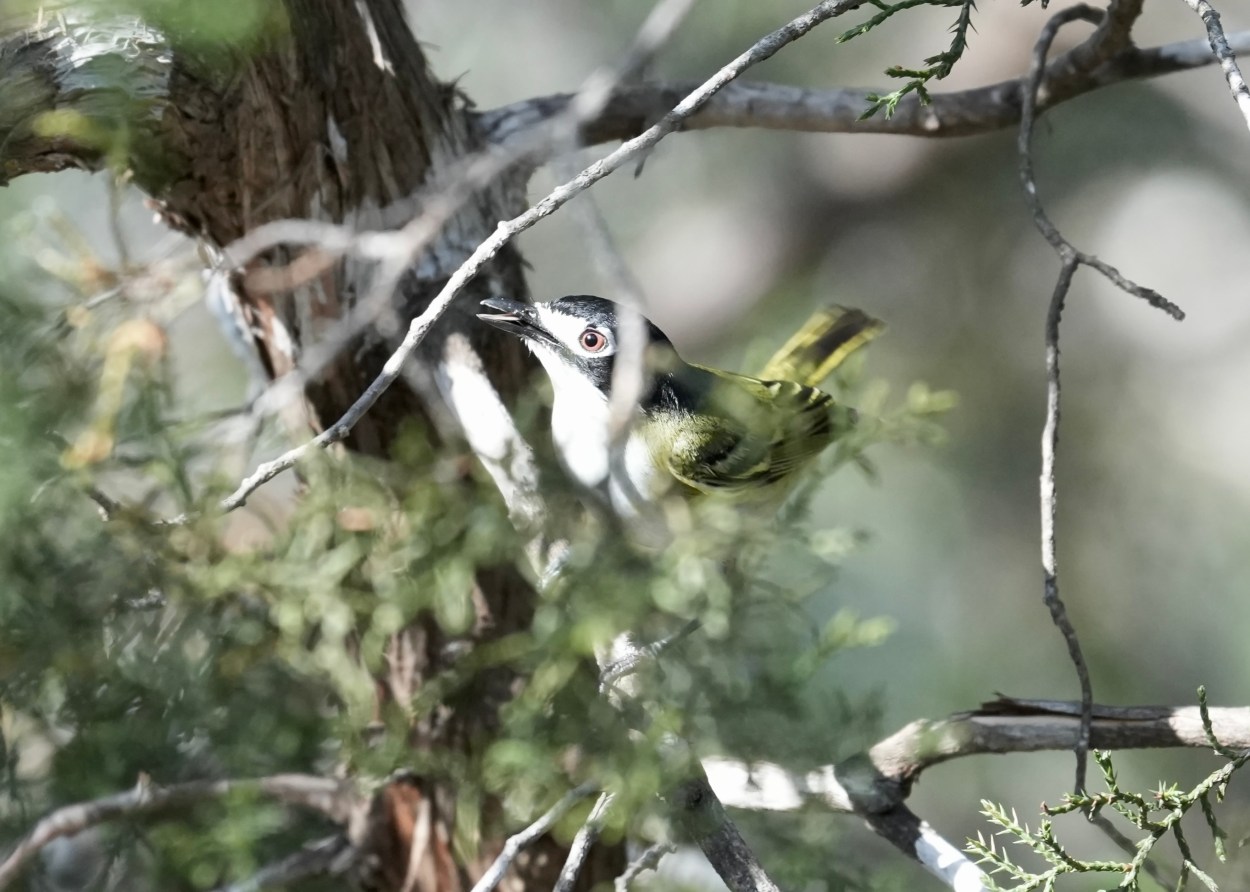
We’ve traveled over four hundred miles further east to Junction, at the centre of the Edwards Plateau. After an early start we broke our journey at Fort Stockton and had an early lunch at the water treatment settling ponds. Our target bird was Baird’s Sandpiper – one had been reported the previous day. A wrong turn on the edge of town took us to a flooded pit where practically the only bird was the Baird’s – temporarily relocated from the nearby poo pond. Not a dot day and a much-needed tick – our 350th of the trip! You need a bit of luck every once in awhile. We continued to Junction, our overnight stop, and a late afternoon session at South Llano River State Park. Here there were two crucial target birds and a small cast of potential additional ticks. We signed in and did a tour of the four feeding areas / bird hides. Field Sparrow and Carolina Chickadee were added to the list as we made our way around. A guy at the last hide told us he’d had a Black-capped Vireo at the first hide, just after we’d left. We returned for another visit to be rewarded by brief but adequate views of this dazzling bird. Reviewing photos of our earlier visit to the Junction poo ponds, on the edge of town, confirmed our initial identification of White-rumped Sandpiper – not only another trip tick but an addition to our US list! Five news birds for the day.

Another new sandpiper – this time White-rumped – at the Junction poo ponds. A US tick for us
Field Sparrow – one of four trip ticks at South Llano River SP in the afternoon
Record shot of the star bird – Black-capped Vireo

Tex-Az – Day Twenty Four

Black-tailed Gnatcatcher – one of our morning target species

Our last day in southern Arizona before we head east through the Texas highlands, Houston and home. We spent the day around Green Valley starting early in Montosa Canyon, following up on a recent sighting of Five-stripped Sparrow – another of those species which just has a toehold in south-east Arizona. We arrived at ‘Km 1’ and set ourselves up, slowly scanning the surrounding rocky hillsides. A distant Rock Wren, calling from a pinnacle high up on the slopes, and a few bush birds in the closer scrub. Then a stocky bird flew into a dead bush on the opposite side of the track – a dark sparrow with an interesting head pattern. It dropped to the ground just a few feet in front of us before flying deeper into cover. Alas too close and quick for a photo. Our target bird preventing a dot day. After a late breakfast we set off to explore Box Canyon – a new location for us. Again, another nice selection of bush birds including the target of Black-tailed Gnatcatcher and, around the dam another, more obliging Thick-billed Kingbird. We headed for lunch and an afternoon siesta but not before dropping in on the local water treatment plant. Here the settling ponds produced another couple of trip ticks – Green-winged Teal and American Wigeon, in amongst the Coot and Ruddy Duck. A late afternoon session in Madera Canyon allowed us to finally get Broad-tailed Hummingbird – a grip-back from Neil – who’d seen one earlier. The evening nightbird stake-outs produced much the same as the previous night but we did manage to see Whiskered Screech Owl in the hole and hear Mexican Whip-poor-will. We now need just a handful of species to meet our trip target of 350 – it could be touch and go.

Better views of Thick-billed Kingbird – another south Arizona speciality
A view up the incredible Madera Canyon from the Procter Road trial
Our ‘grip-back’ Broad-tailed Hummingbird on the feeders at Santa Rita

Tex-Az – Day Twenty Two

Record shot of Costa’s Hummingbird – first new bird for the day. Seen in nearly freezing conditions

We’re staying in an AirBnB on the edge of Patagonia, which is in a very birdy part of South East Arizona. Today we spent the day visiting several sites within ten miles of the town, starting at dawn with the excellent Harshaw Road. Despite the temperature – just 41 deg f. when we set off – we’d added three new trip ticks before breakfast: Costa’s Humming Bird, Vaux’s Swift and Phainopepla. Next was the hummingbird centre, followed by the famous roadside rest area along the H82, which provided us with our second swift species of the day (and trip) White-throated. Next was Patagonia Lake State Park, where Western Grebe near the dam was another new bird. After our afternoon siesta we returned to Paton for a final session where we continued to miss Broad-tail hummer and Mourning Warbler but did finally catch-up with Tropical Kingbird, which arrived in the car park just as we were leaving. On our way home – just five minutes through the town – we stopped at the Mississippi Kite stake-out. It wasn’t there but a kettle of 70+ Turkey Vulture caught my attention. A lone Cooper’s Hawk was the only different bird until, high in the sky above them, I spotted a Golden Eagle. Our last addition to the list for the day. We’re now on 333 and trying to chase down a few more species to get to my ambitious target of 350!

Phainopepla – once we’d seen our first we saw plenty
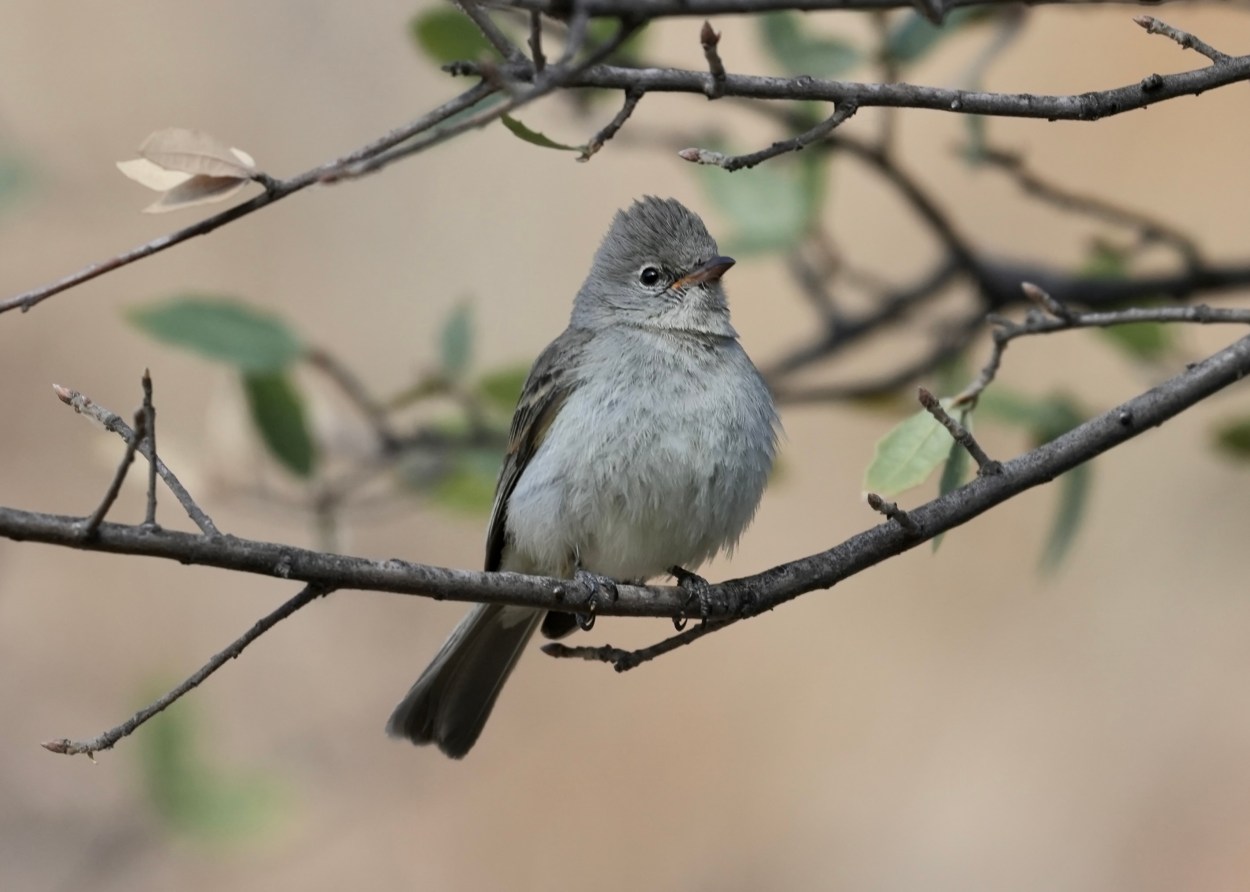
Same was true for this guy – Beardless Tyrannulet. They seem to be everywhere nowadays
Townsend Warbler, seen at the Mourning Warbler stake-out at Paton – which never showed
Tropical Kingbird which obligingly turned up in the car-park just as we were leaving
Last bird of the day – Golden Eagle – seen was looking through a kettle of Turkey Vultures

Tex -Az – Day Seventeen

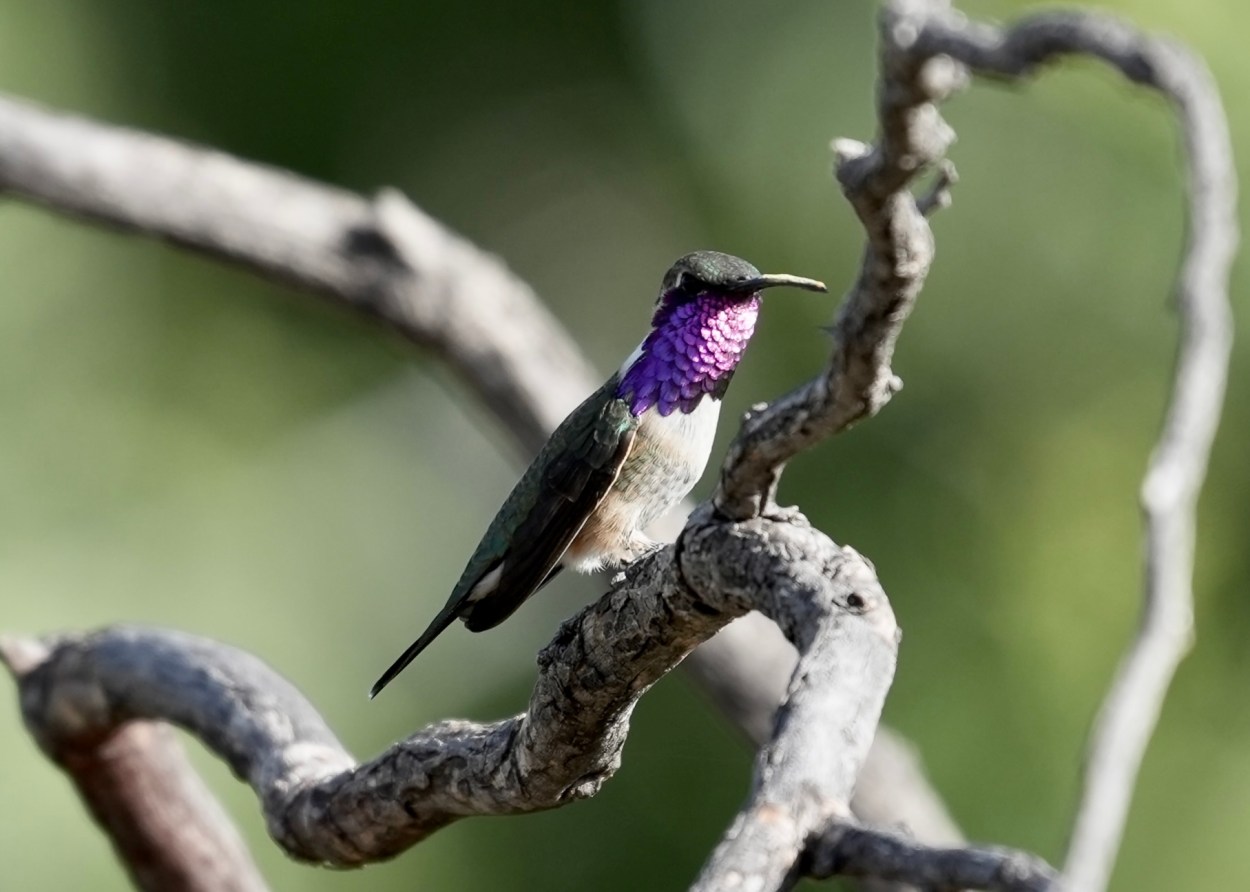
Our target bird at Christmas Mountain – Lucifer Sheartail

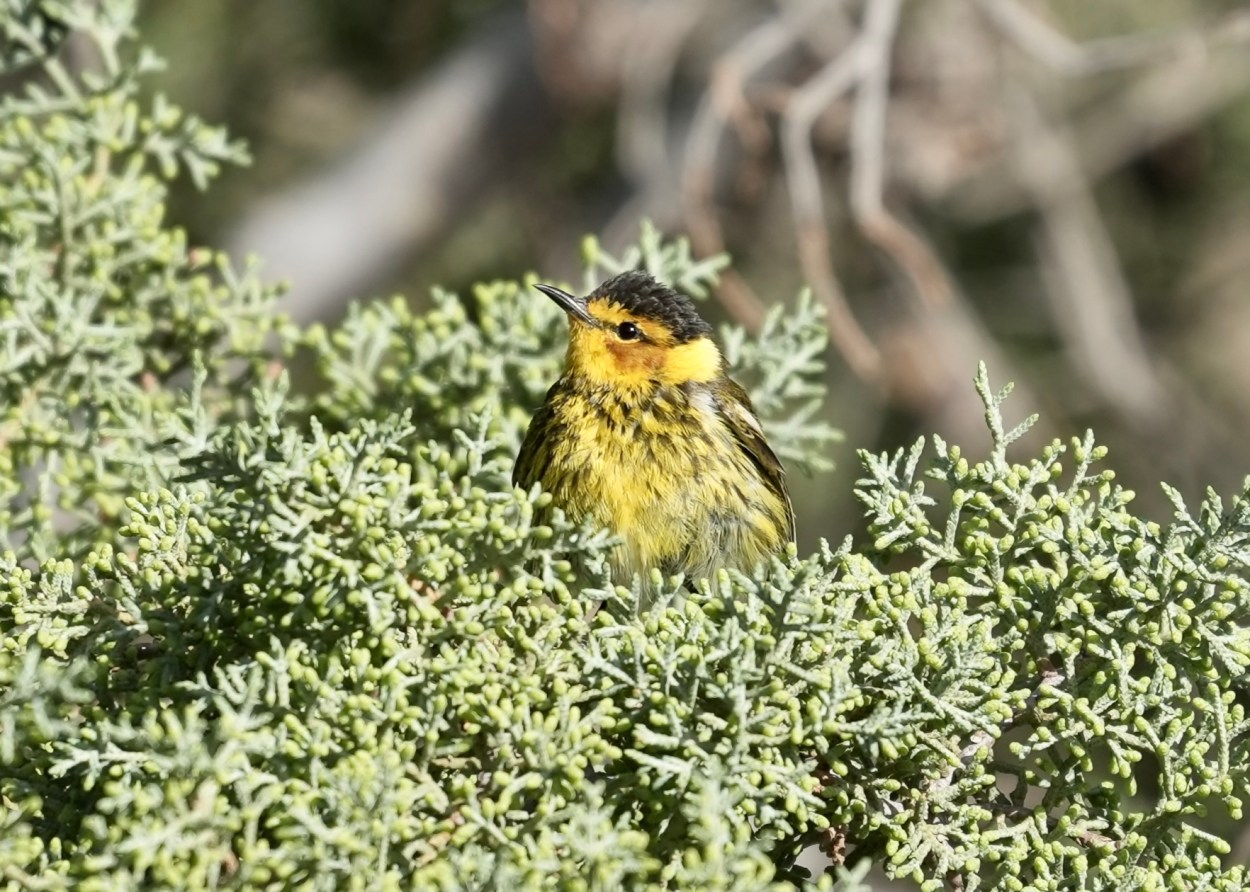
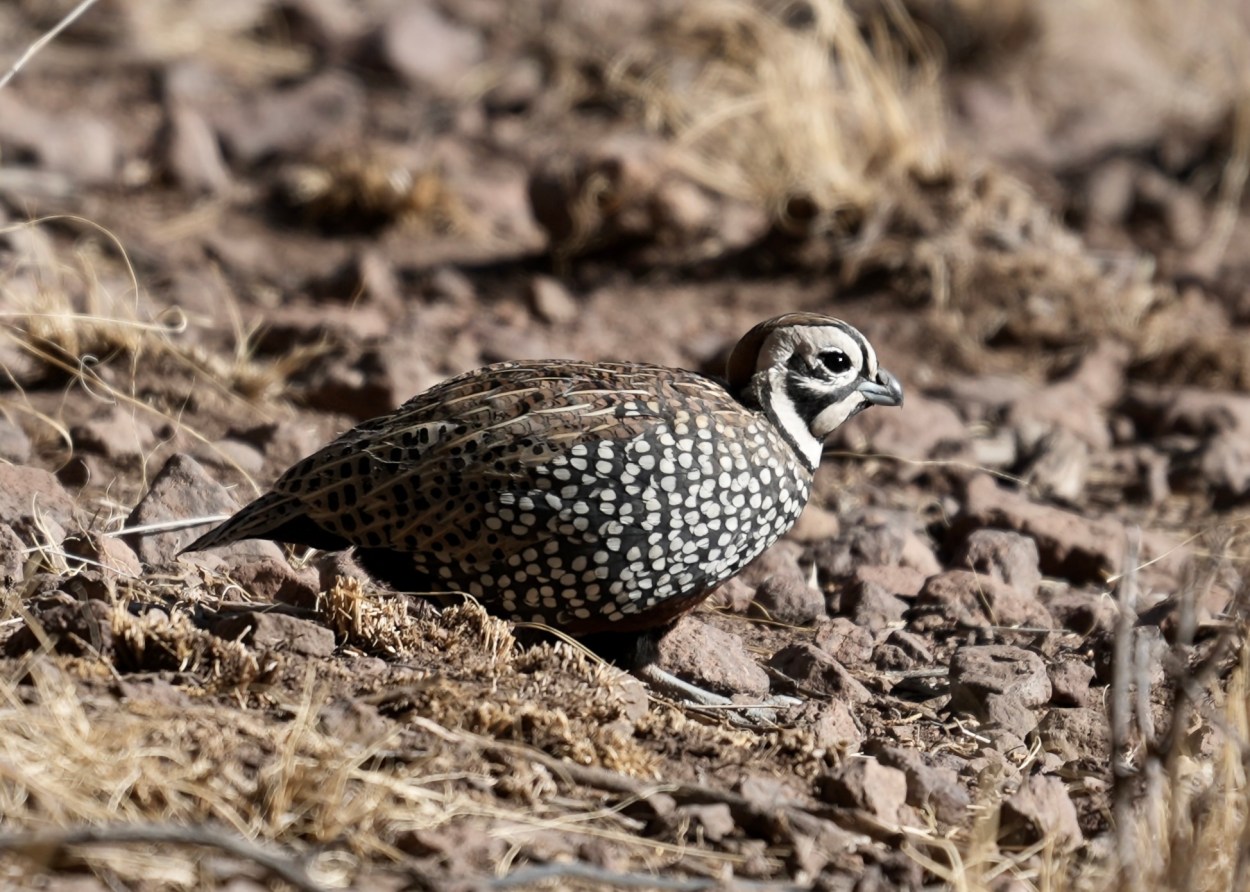
There are good days and bad in birding. Yesterday was bad – well in terms of seeing our target birds that is. Today was good. We continue to steadily make our way west towards Arizona. We left our overnight accommodation at Study Butte after a makeshift breakfast and arrived at Carolyn Olh-Johnson’s oasis reserve at just after eight. It’s a small property, lost in the Christmas Mountains, where she started creating her fabulous sanctuary in 1996. Access is by invitation and is located at the end of a rough track ten miles from the highway. It’s perhaps the most reliable spot in America to see Lucifer Sheartail – or hummingbird as it was formally known. We spent three hours there watching a constantly changing cast of species. We saw over 40 including our target bird and two warblers that were rare for the site. Cape May – only seen once before – and Black-throated Grey, with less than a handful of records. An extraordinary experience. We then headed for Alpine where lunch at MacDonalds was accompanied by an overhead Zone-tailed Hawk chased by an American Kestrel. Johnsons Pools (no relation as far as I’m aware) is another birding oasis only this time in the suburbs. Still, some excellent birding including Northern Waterthrush – our first since we left the Gulf – and Western Tanager. A brief stop at the lakeside pull-off north of the town produced Green Kingfisher, Mexican Duck and Gadwall before we arrived at our overnight stop of Fort Davis. A quick visit to the Davis Mountains State Park interpretation centre produce good intel on our next target and a second shot at Elf Owl. The Montezuma Quail duly obliged at the look-out blind before supper as did the Elf Owl after. A captivating display of nighthawk on the road home rounded off a very productive and satisfying day. The rollercoaster that is birding – I love it!

The redoubtable Carolyn Ohl-Johnson with the gang
Cape May Warbler – only the second record since 1996 at Christmas Mountain
Montezuma Quail – our target bird in the Davis Mountain – only previously heard

Tex-Az – Day Twelve

One of three roosting Pauraque found at Estro Llano SP

Our day began and ended with nightbirds. After breakfast we headed back to Estro Llano after a tip-off about roosting Pauraque. We did the ‘tropical area’ outside the gate first, looking for warblers and checking out a couple of possible nest sites for owls – nothing doing. Once inside we headed for Alligator Lake where, after a bit of searching, Neil found first one and then another roosting bird. The Yellow-breasted Chat bathing at the water drip was a bonus. Another abortive visit to another turf farm for a dip on Buff-breasted Sandpiper – rapidly becoming my bogey bird for America – was followed by a brief visit to Anzalduas Park, another of those public parks along the Rio which is beyond the wall. Here a lone Frankin’s Gull was a welcome addition to the list. The rest of the afternoon was spent at Bentsen State Park which, although rather quiet, produced a ‘grip back’ of displaying Turkey and better views of Buff-bellied Hummingbird. We headed back to our hotel for a bit of R&R and supper before venturing out again for the Elf Owl stake-out at the entrance to Bentsen SP. Amazingly it’s the same hole in an electricity pole (the one with the transformer attached) where we saw Elf Owl in 2018. We arrived in good time – the mosquitos weren’t too bad – before the bird popped up at the appointed time of ten past eight. It bobbed back down again, putting in one more final appearance before flying off into the night sky. Two great night birds book-ending our day.

Yellow-breasted Chat takes a bath at the Estro Llano drip
Displaying Wild Turkey – Bentsen SP
Altimira Oriole – Bentsen SP
Buff-bellied Hummingbird at the feeders in Bentsen SP

Last bird of the day – the adorable Elf Owl at the entrance to Bentsen SP – photo courtesy of Jane