Tex-Az – Day Eight

Best of the warblers at Sheepshead Street was MacGillivary’s – a tricky bird to pin down

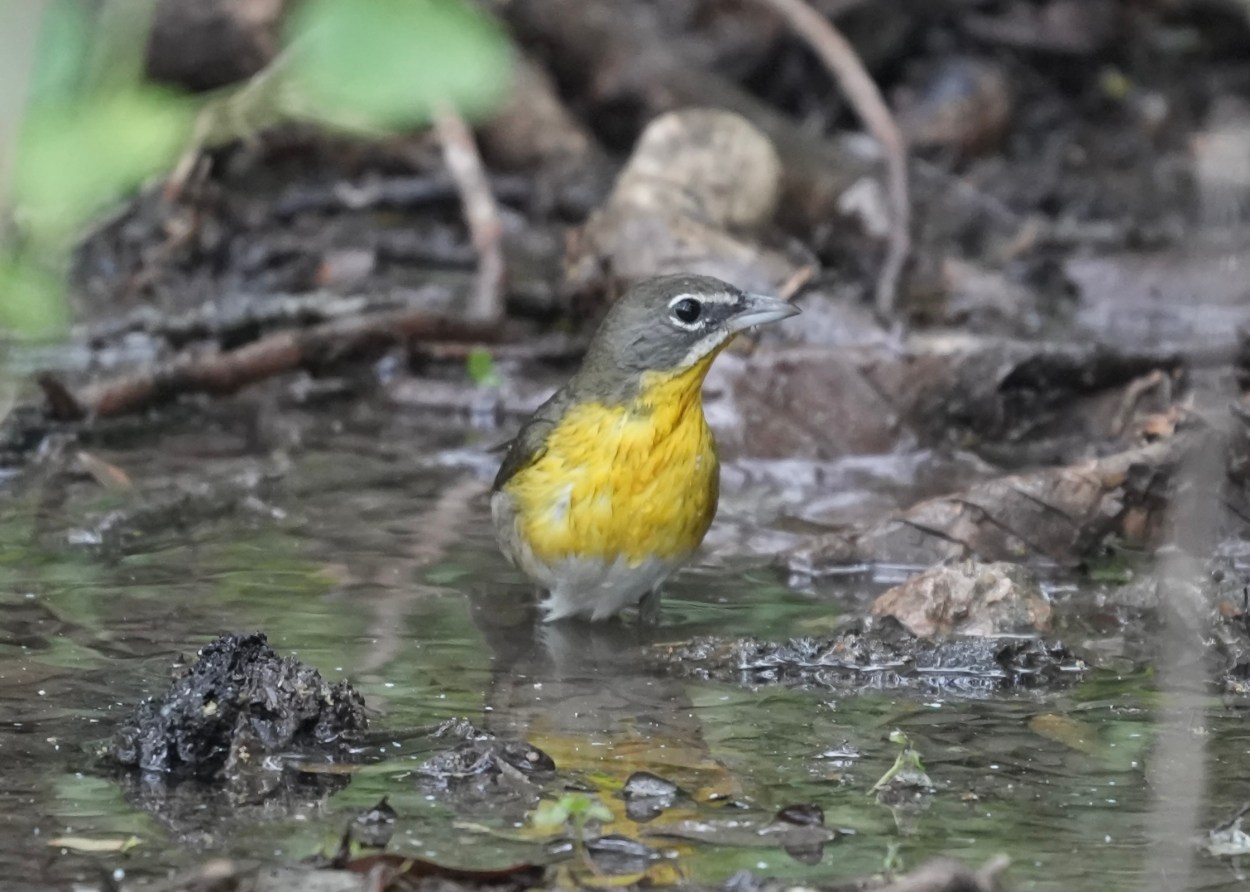
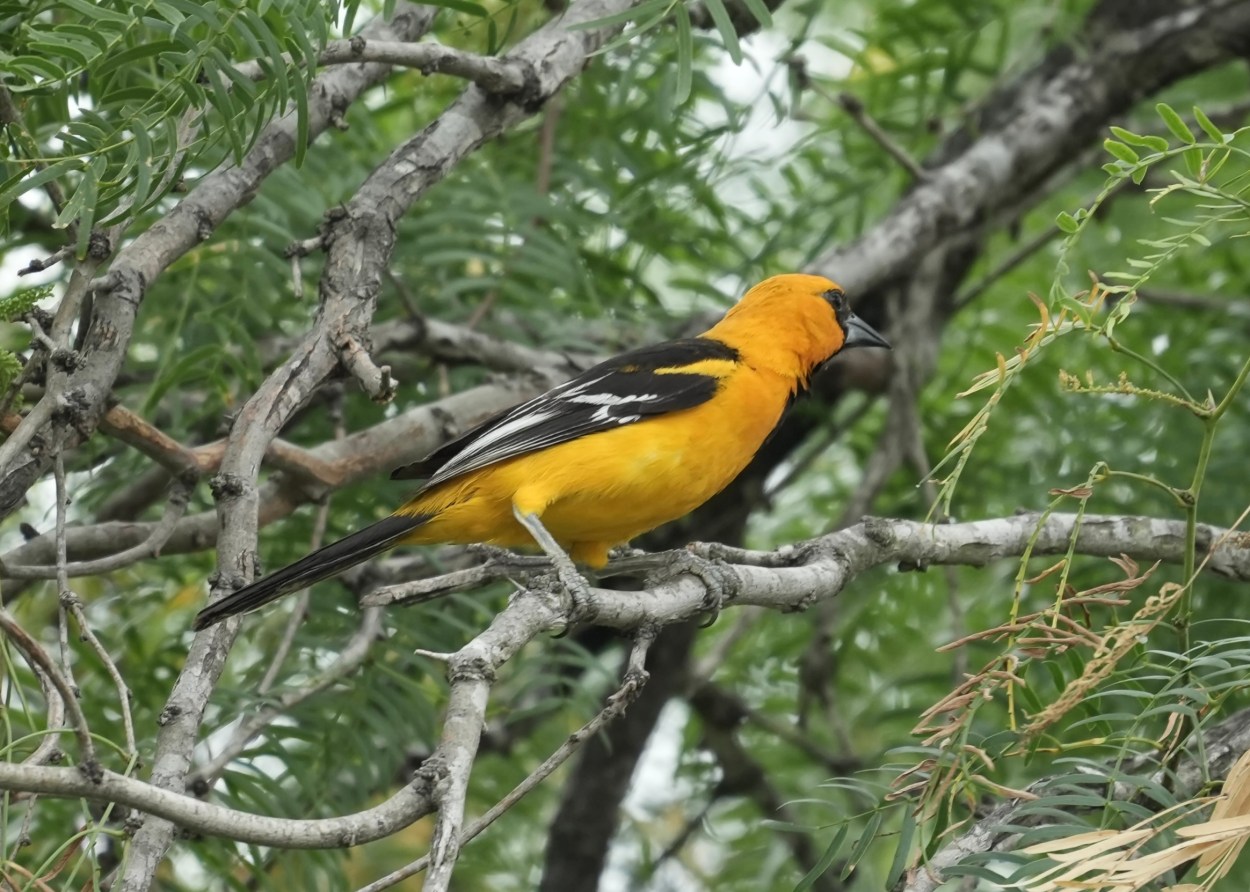
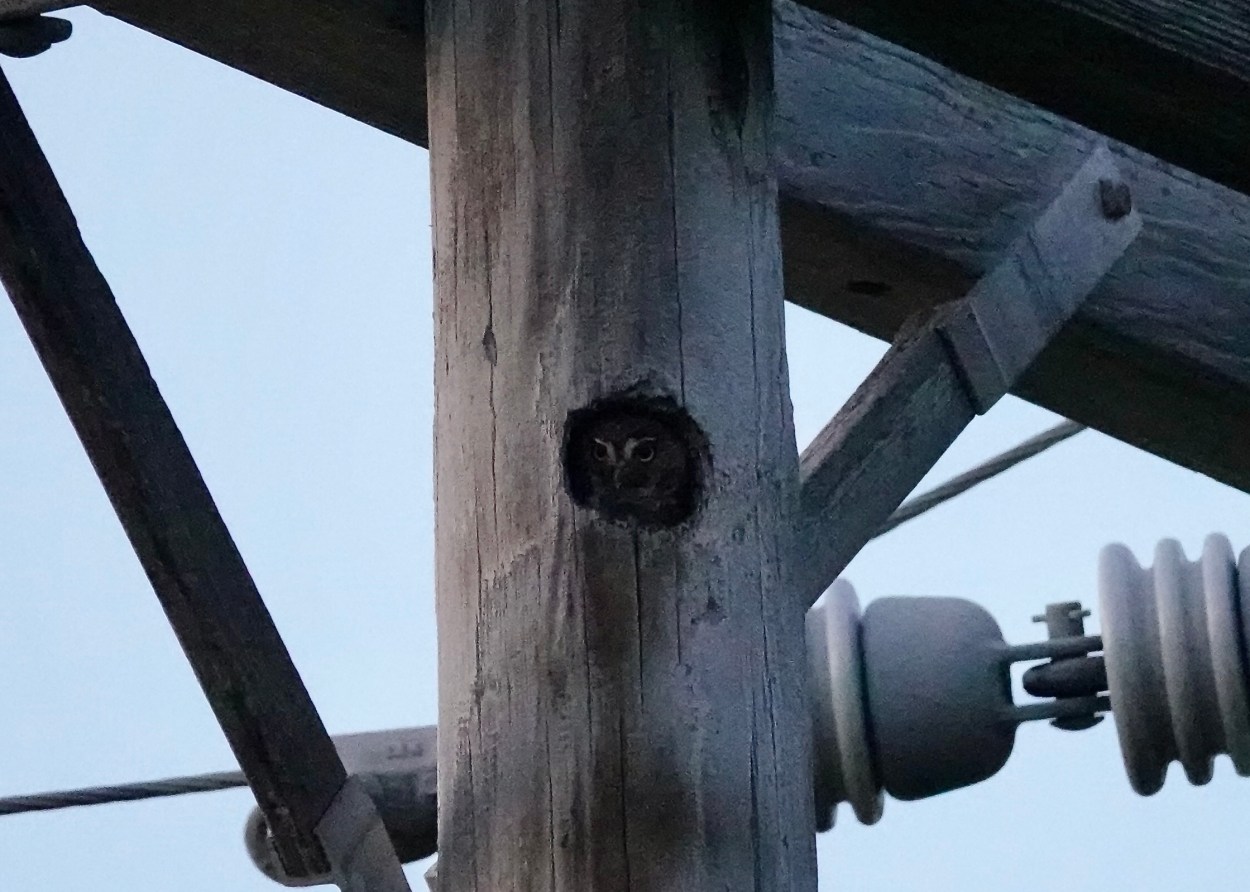
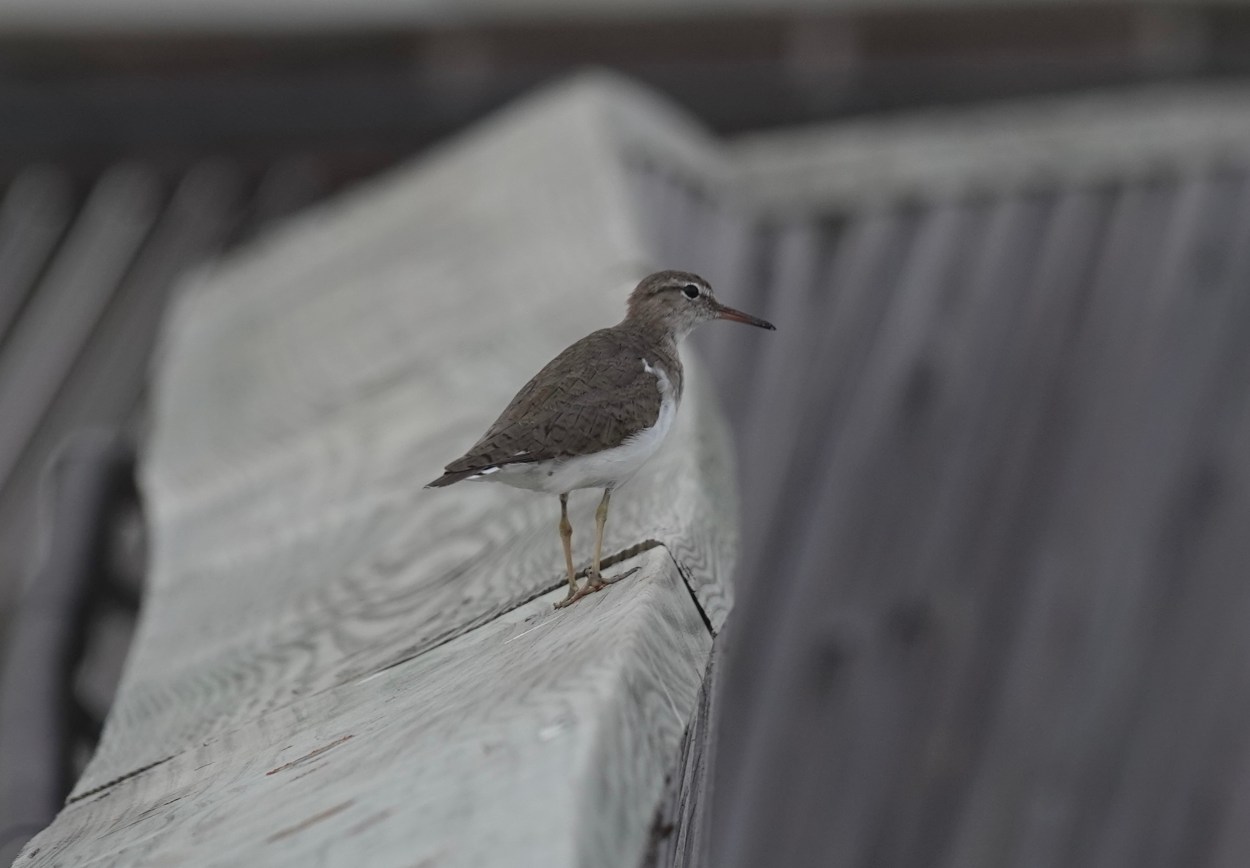
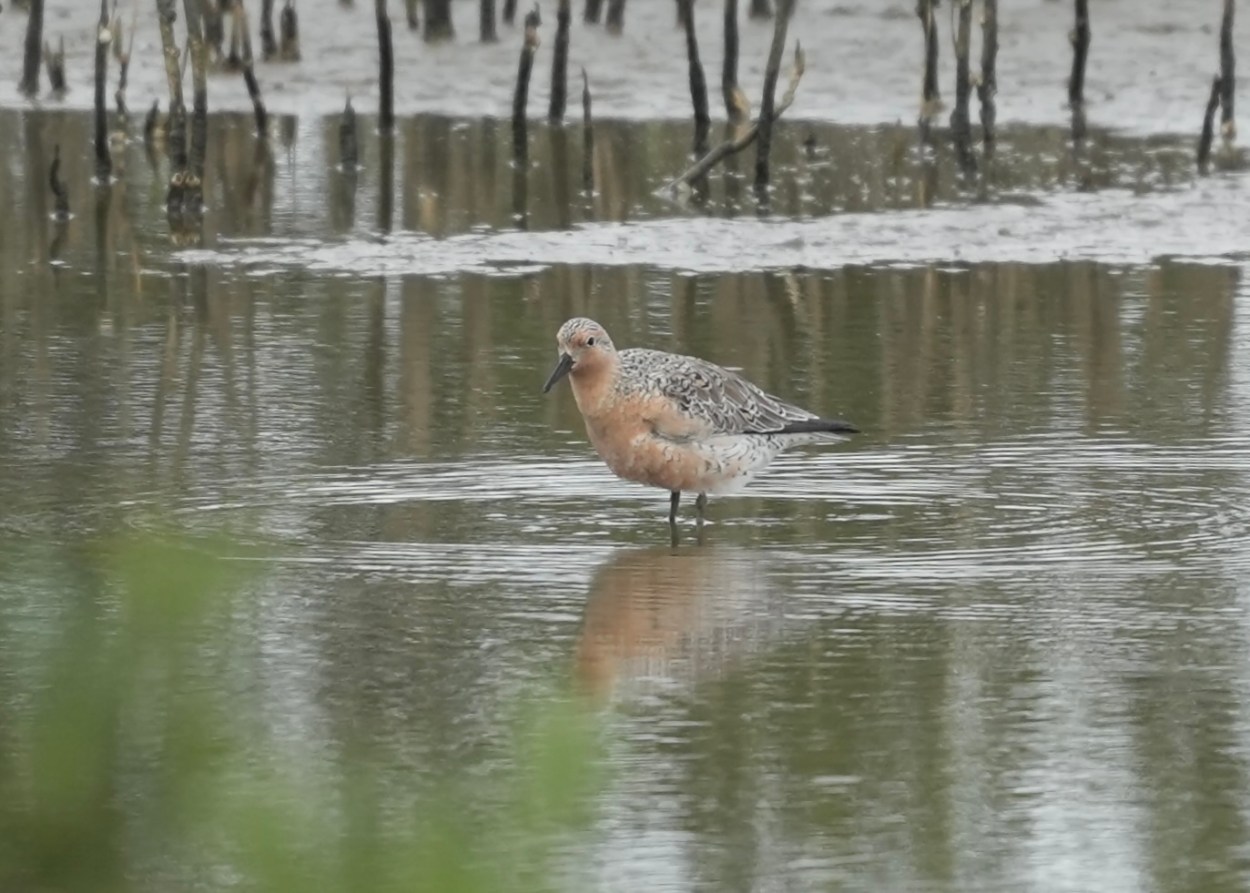
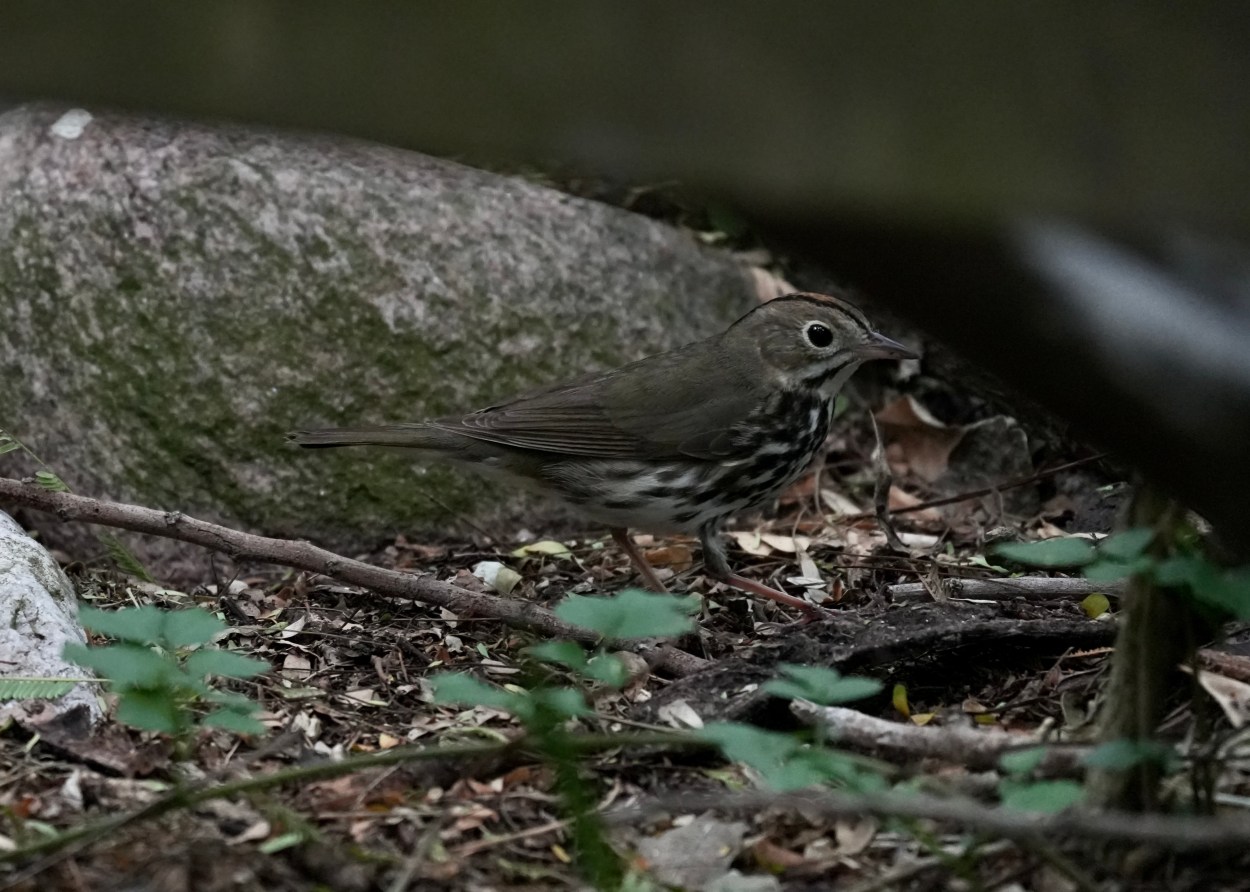
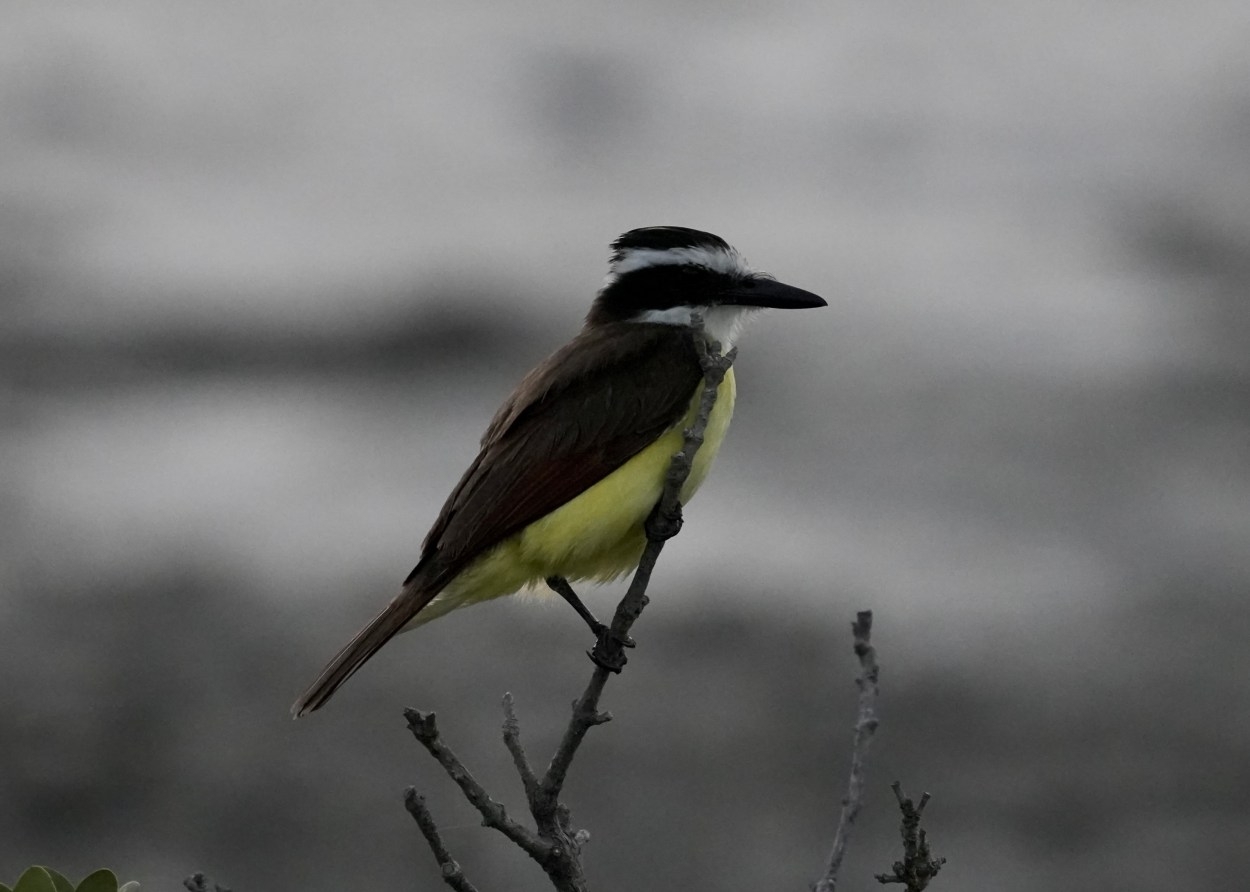
We spent the entire day, seven ’til seven, birding two locations on South Padre Island, just three miles apart – the Convention Centre and the lots on Sheepshead Street. Although the effects of the rain from the previous day had worn off and there were clearly few birds about, nevertheless, we were still entertained for twelve hours birding, with just a lunch break in the middle. We opened the account with a Veery at the Convention Centre drinking pool – well actually I missed it and only managed a ‘grip back’ late in the day – our third thrush species of the trip. Clapper Rail and Sora from the board-walk and several ‘bush birds’ around the Centre. It was then off to ‘the lots’, a series of connected undeveloped building lots which have been saved for nature amongst the urban sprawl. MacGillivary’s Warbler and Inca Dove were early additions along with a good spread of other migrants. We then shuttled between these sites until our final ‘sun-downer’ visit to the Centre for a fine display of nighthawks – difficult to be sure but we think both Common and Lesser were on show. A great day of leisurely birding with some nice birds and equally nice birders.

Early morning feed by this Clapper Rail – we had several more sightings through the day
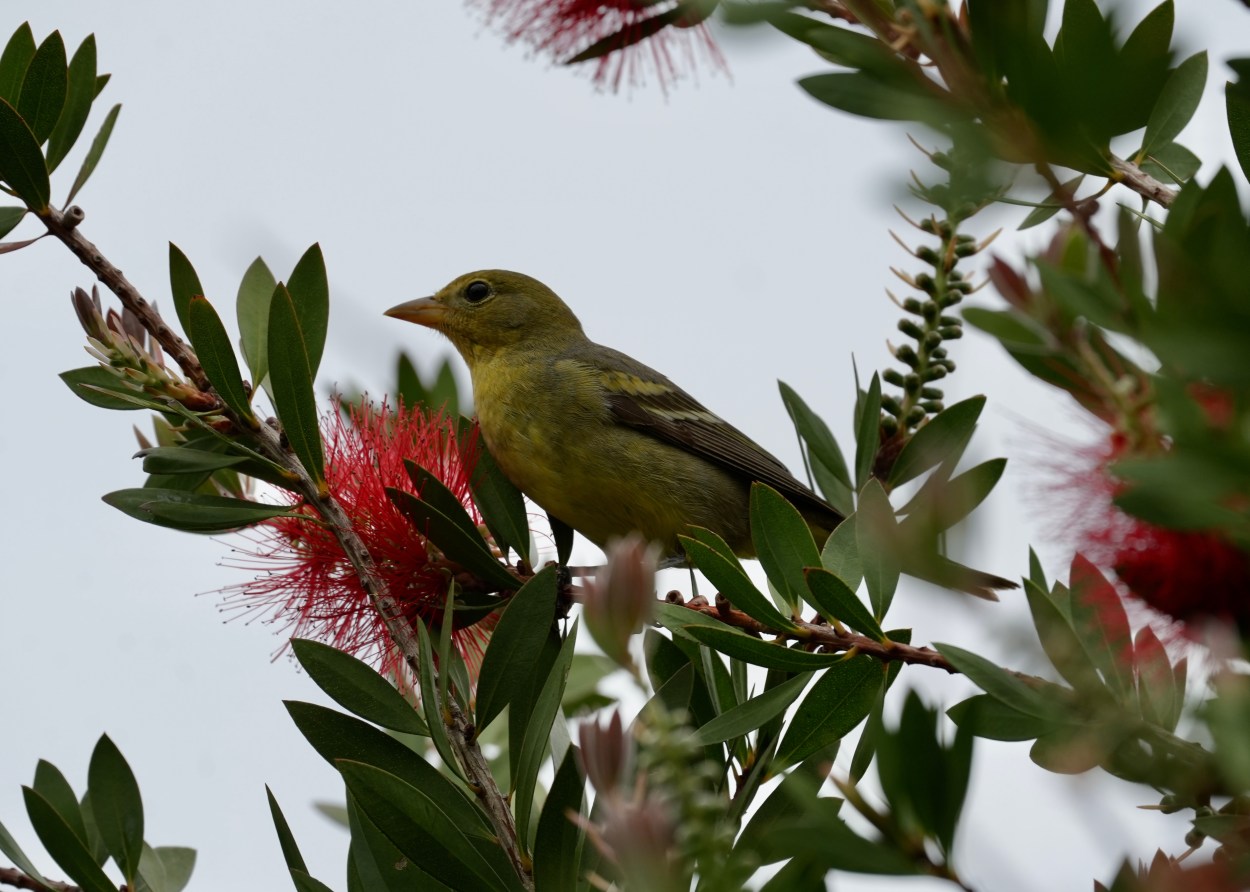
This Western Tanager was a nice turn-up at the Convention Centre
We’ve only connected with Ruby-throated Hummingbird so far – plenty more to come I’m sure
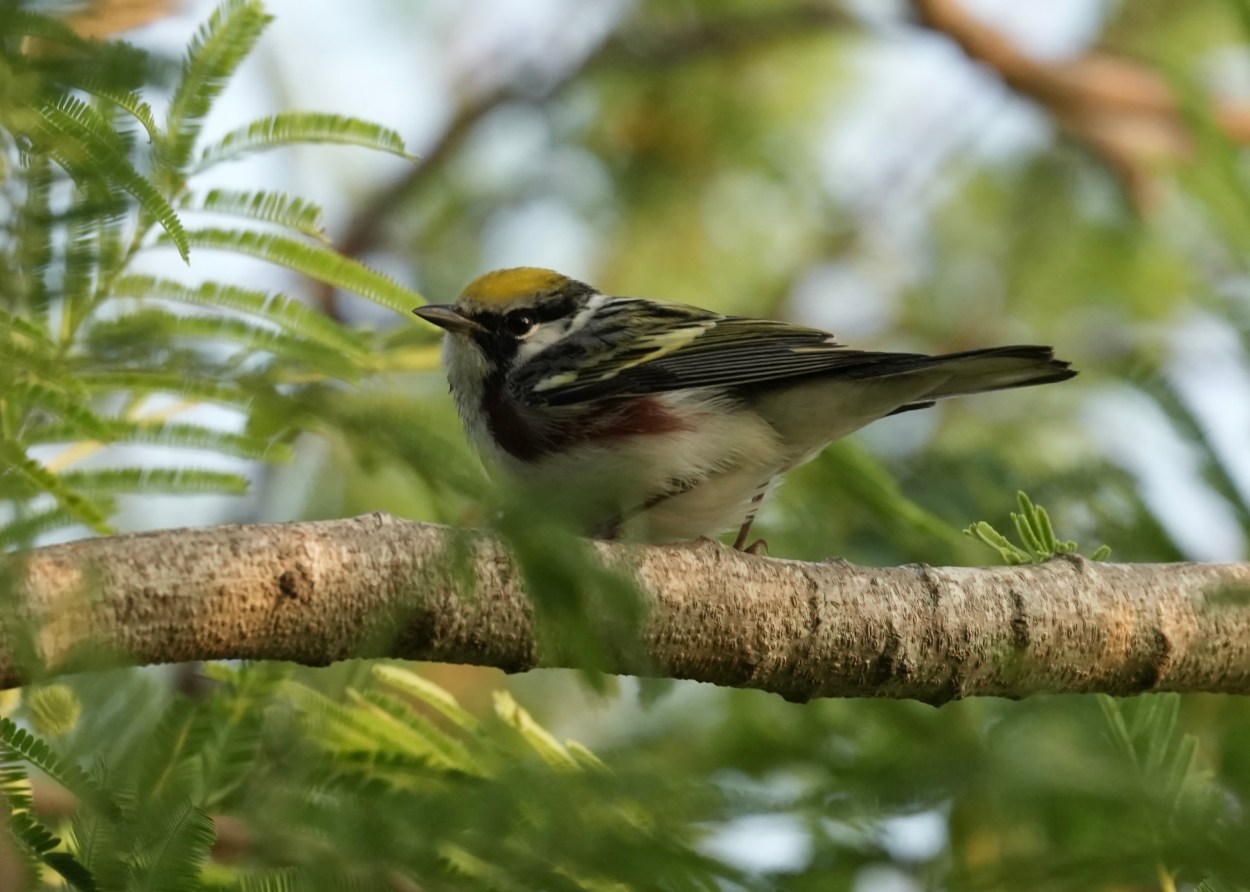
Chestnut-sided Warbler took some finding as it flitted through the canopy
Lesser Nighthawk put on quite a display at dusk
Veery – the start of a great days birding on South Padre Island – photo courtesy of Jane

Tex-Az – Day Three

Amur Stonechat at Anahuac NWR (Jocelyn Nungaray NWR) – a first for the Lower 48 States – incredible

Last chance saloon. On December 19th 2024 two birders doing the Christmas Count on Anahuac NWR (now Jocelyn Nungaray NWR) found a bird they couldn’t identify. After much investigation they concluded it was a stonechat. A Swedish expert finally nailing it as Amur. The first record in the lower 48 States. It took weeks for the Friends of Anahuac to negotiate access to this section of the reserve, mostly used for hunting. Jake spotted the news a few weeks ago and we began planning our itinerary around it. Trips to see the bird, running three times a week, were announced a few days before and were taken up quicker than a Taylor Swift concert. Just before we departed from Cromer I managed to get us booked on the last trip ever – but would the bird hang around? We arrived at the meeting point for a 10.00 start to be told that the 8.00 o’clock group had seen the bird but distantly. After an over-zealous safety briefing we walked the 1000 yds to the spot. The three volunteer observers on site said they’d last seen the bird fly off over the trees 15 minutes previous. We stood around enthusiastically scanning the fields for awhile. No sign. Energy levels began to dwindle and, as at all twitches, people began to chat. In the end far more chat that looking. We were due to leave the site, to be clear of the property, by 12.00 when ‘she’ obligingly flew in, and did what any self-respecting stonechat should do – sat atop the vegetation spotting prey. What a relief. An incredible bird and the first new addition to our USA list!

The rest of our day was spent doing the Shoveler Loop including the hot-spots of the Willows and Wood Lot trails. We amassed a good list of waders and wildfowl and a good variety of warblers – better than at High Island.

Prothonotary Warbler – in The Willows – one of about ten seen in the afternoon
Stilt Sandpiper around the Shoveler Loop
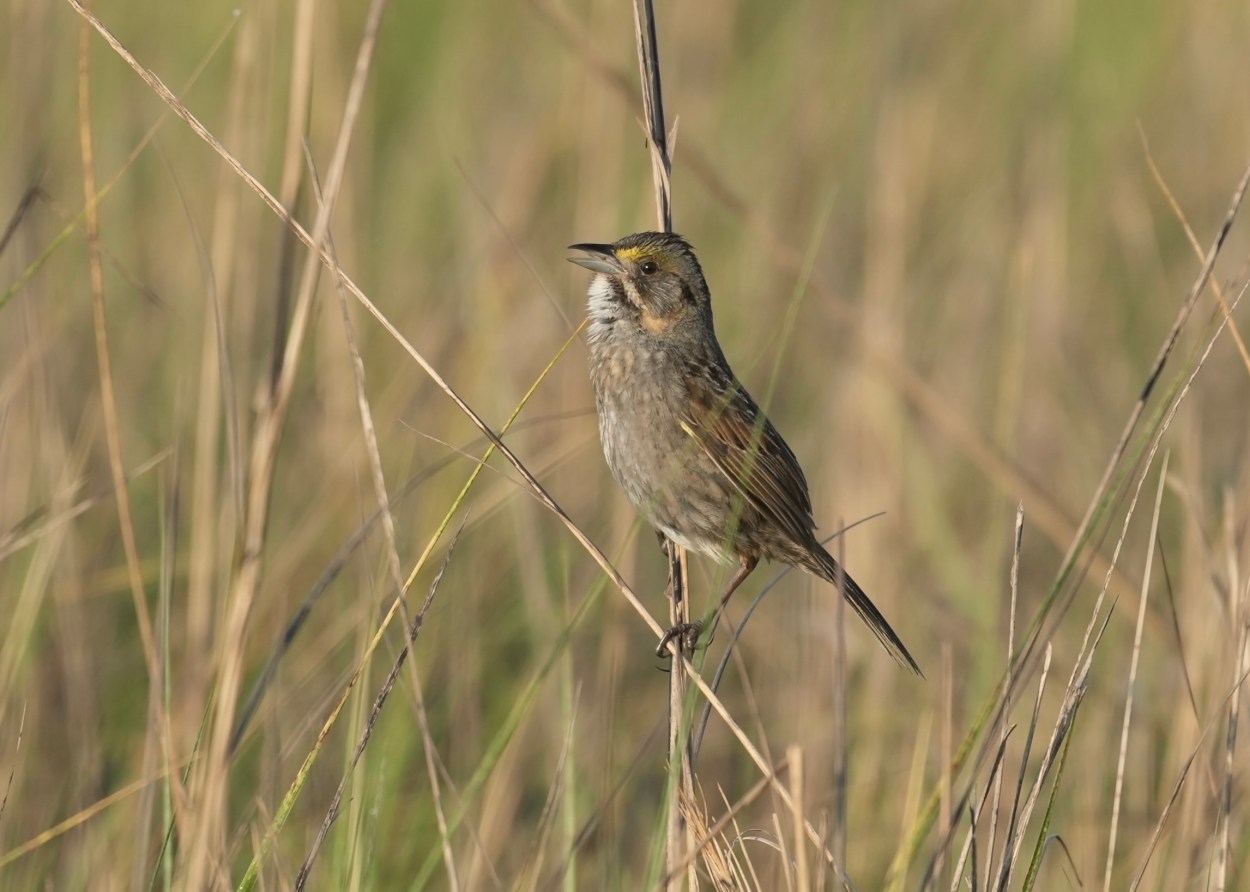
Our day started at Tuna Road – a well known stake-out for Sea-side Sparrow

Shetland scoter surprise

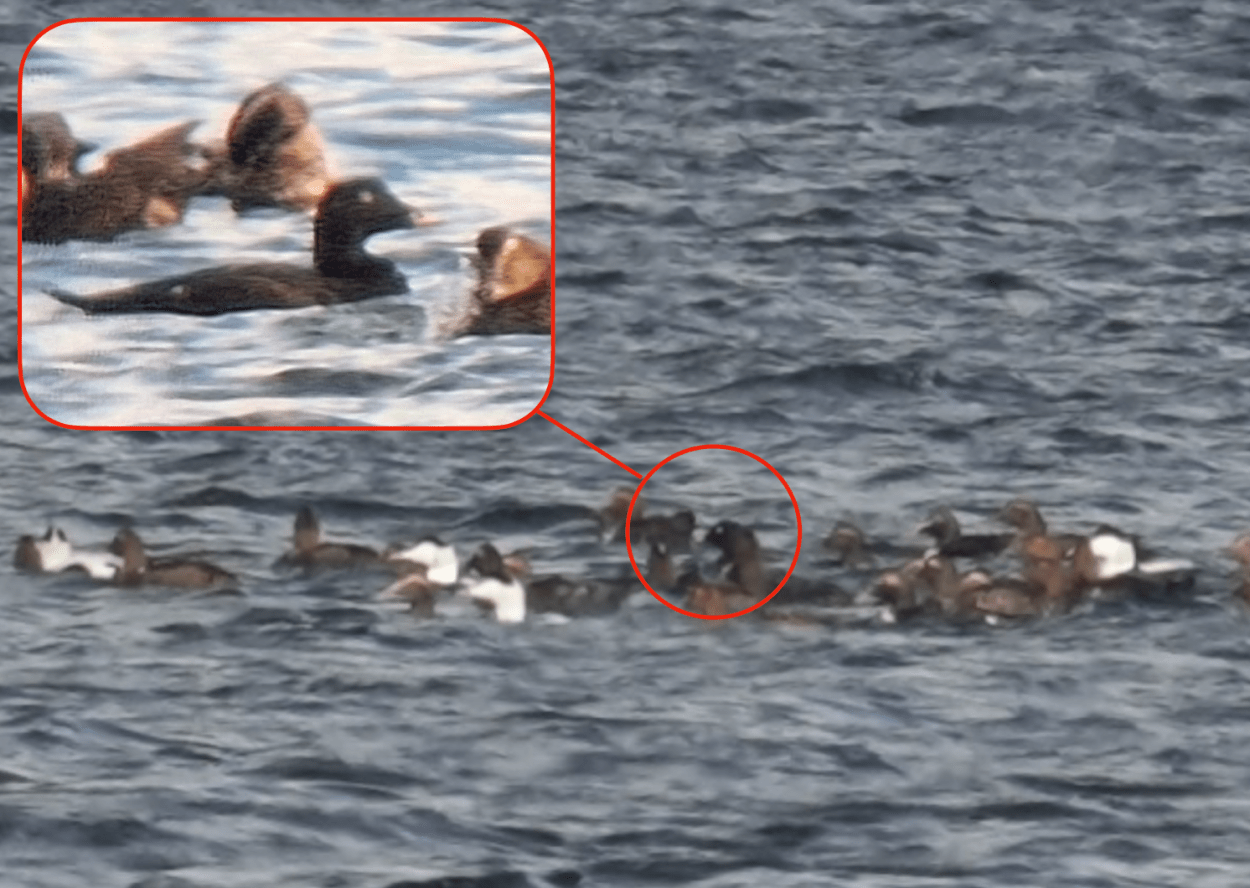
White-winged Scoter, Wadbister Voe – discovered hours before we were due to board the boat. Main photo is mine – inset courtesy of the finders

Our birding week on Shetland was gradually grinding to a halt by Friday – our last day on the islands before catching the overnight ferry to Aberdeen. The winds continued to come from the north and there were persistent pulses of heavy rain. We started the day back on Mossy Hill – no sign of the Lapland Bunting but we did find a few Snow Bunting. A tour of the western side of Mainland produced very little, except a nice coffee and cake stop at The Cornerstone cafe in Scalloway. We were heading towards Lerwick for an afternoon of sight-seeing when the mega alert sounded – ‘White-winged Scoter – Wadbister Voe’! We were only just down the road so it would have been rude not to go for it. We pulled up on the quayside and started scanning the Eider flock. A solitary scoter was occasionally visible as it worked its way through the ribbon of birds. This was the bird – apparently present for the past two weeks, but (understandably) identified as a Velvet Scoter. It took closer views and a good deal of experience by AR & LMCJ to re-make it into the much rarer American version. We boarded the boat very happy birders, after a week of some excellent birds, a list of 120 species and a much hoped for ‘lifer’! We will be back.

Night bird mix up

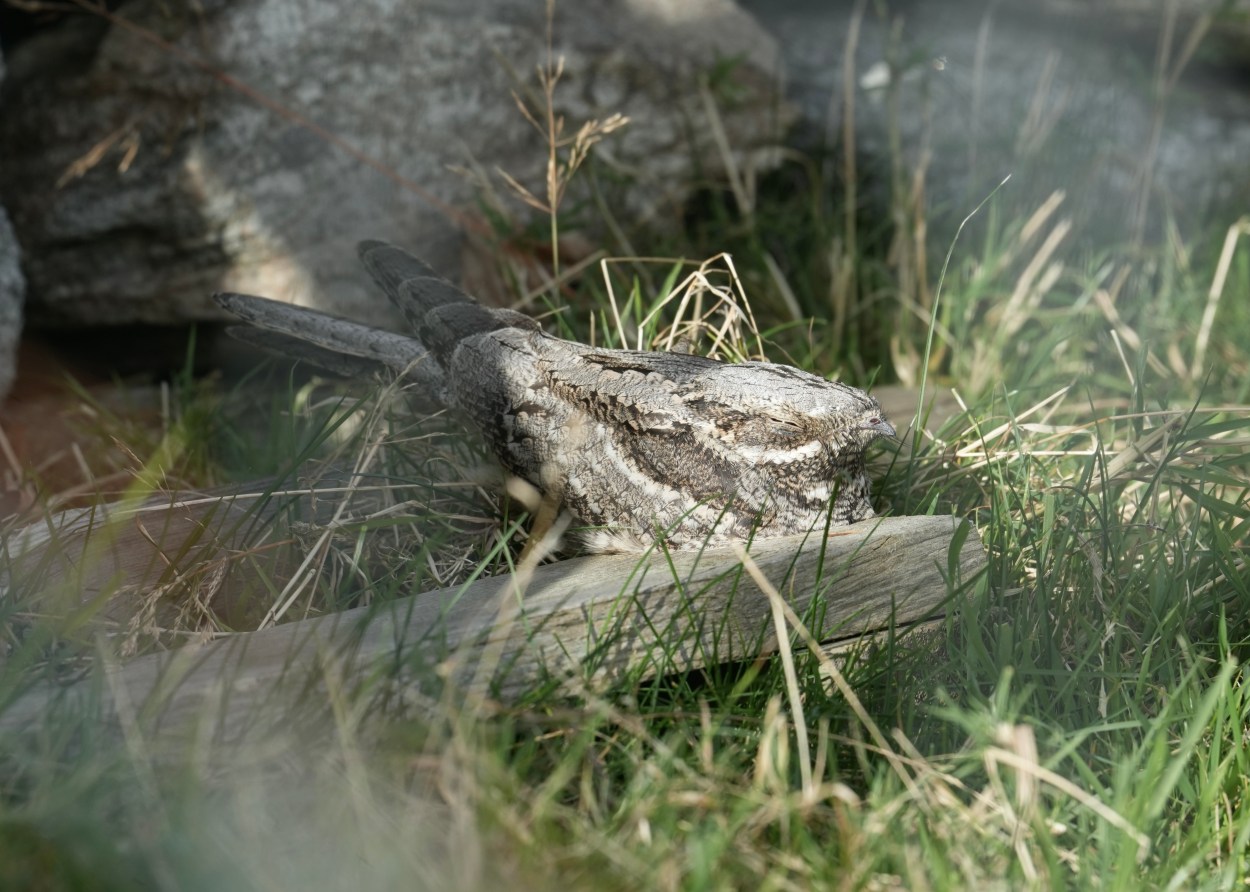
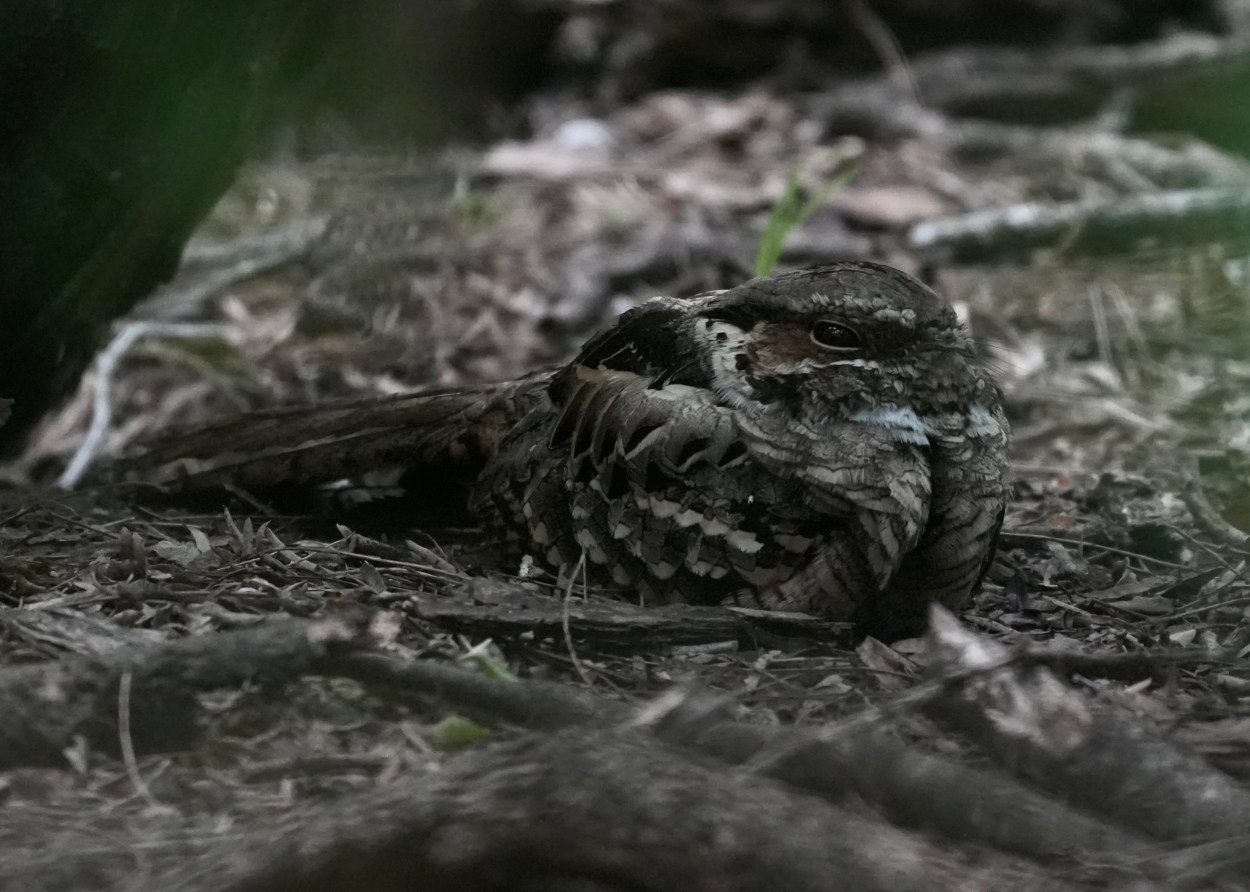
Nightjar at Burravoe – nice but not quite the bird we were hoping for

The weather’s been challenging over the past couple of days and, as a consequence, so has the birding. With winds from the north gusting at 50mph only the most sheltered spots have produced any birds. We managed to catch up with a few waders and wildfowl yesterday at various locations in the south of Mainland and finished the day, back on our ‘home patch’, with another Red-breasted Flycatcher. Today began with a fairly leisurely start until news broke of a Pallas’s Leaf Warbler at a remote location in the north of the island. We arrived, got out of the car, and spoke to one of the birders already on site. The bird was apparently on a bit of a circuit but hadn’t been seen for twenty minutes. Within a few minutes the ‘shout’ went up and the ‘seven striped sprite’ was seen feeding low down in a Hawthorn. We were just deciding where to go next when another message announced ‘Common Nighthawk flushed from the roadside’ in Burravoe on the next island of Yell – a mega. We headed to the ferry terminal but where frustrated by not being able to book a slot on the next boat, and apparently there were no places coming back at all! Our hopes seemed dashed until Neil managed to get through on the phone – ‘wait in the unbooked lane and you’ll get on’ said the helpful lady and she booked us back on the 4.55 boat. We were off. A short drive to the village followed by a scramble to park and we joined the fifty or so birders looking aimlessly around the surrounding fields. The bird had originally been flushed from the road, then lost to view over the nearby houses. Eventually, in response to another message, the crowd surged up the hill, only to be greeted by the news that the bird was in fact a European Nightjar! A nice bird but not quite the one we’d been hoping for.

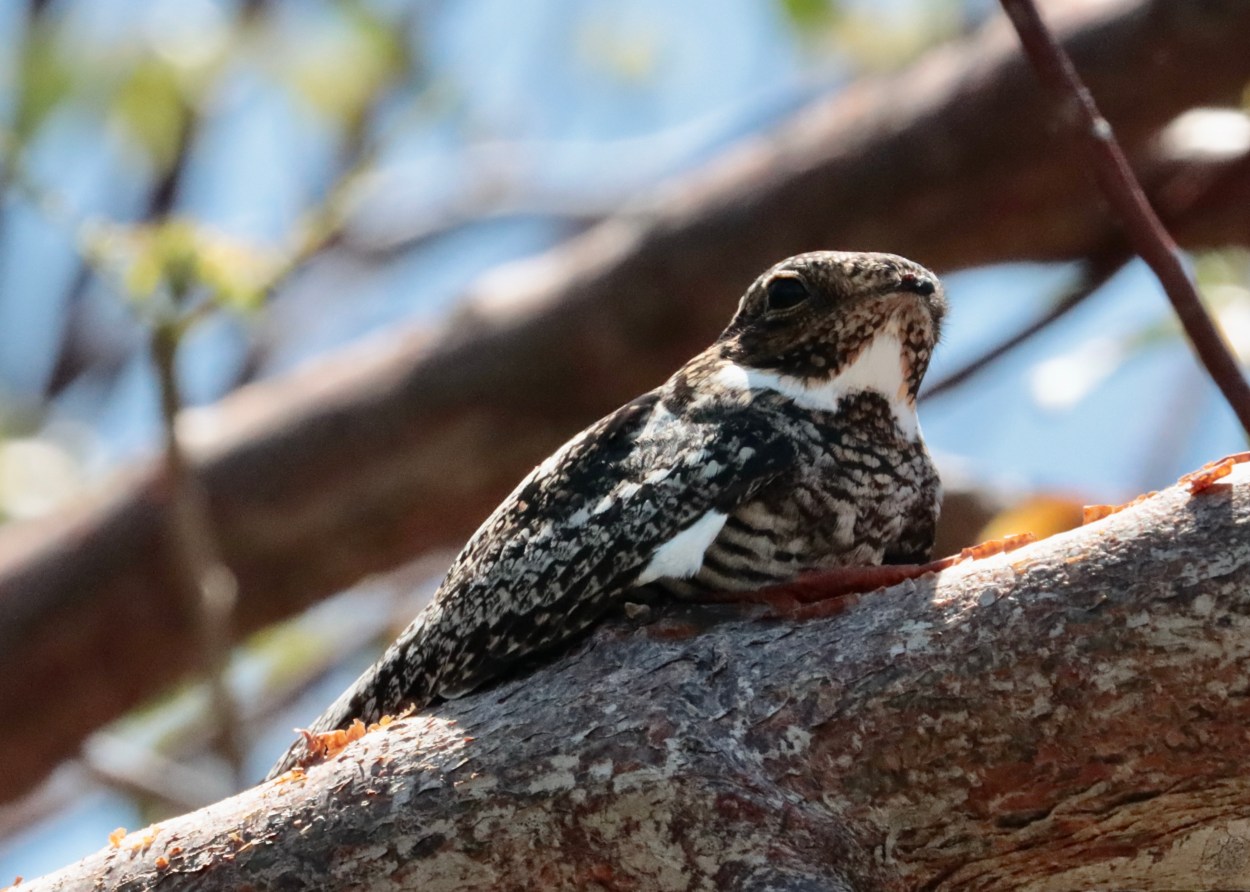
Common Nighthawk – Fort Jefferson, Dry Tortugas

Warbler fest

Arctic Warbler – last of a handful of scarce and rare warblers during the day

Weather over night wasn’t as bad as the forecast but still it was overcast and windy when we set off birding after breakfast. The willows in a Hoswick garden provide our first scarce warbler of the day – first picked up on call then later seen sheltering in a bush – Siberian Chiffchaff. We birded a couple of spots before our coffee stop in Lerwick. After, whilst watching the Olive-backed Pipit at Kergord Wood, a message came through of a Pallas’s Grasshopper Warbler (affectionately known to birders as ‘PG tips’) near Garth cemetery. A line of expectant birders were gathered along the edge of an iris bed when we arrived and it wasn’t long before the bird was flushed, doing several circuits in front of the admiring crowd before dropping back into cover. I managed a brief view of it on the deck followed by more fly-bys before we left it in peace. An hour of ‘R&R’ back at our accommodation and then we were out again, birding our local hot-spots around the village. The Snow Bunting performed well in the car-park of the Orca Inn, occasionally flying up into the trees – I’ve never seen them do that before. Whilst enjoying these antics I noticed a bird fly into the tops of a sycamore. It turned out to be the lovely Wood Warbler. Also in the nearby bushes at least one Yellow-browed Warbler. Then our final ‘twitch’ of the day – another message announcing an Arctic Warbler in the in copse at Burn of Njugalswater. A superb end to our warbler fest day.

Wood Warbler at Orca Inn – alas, not a bird we see in Norfolk anymore
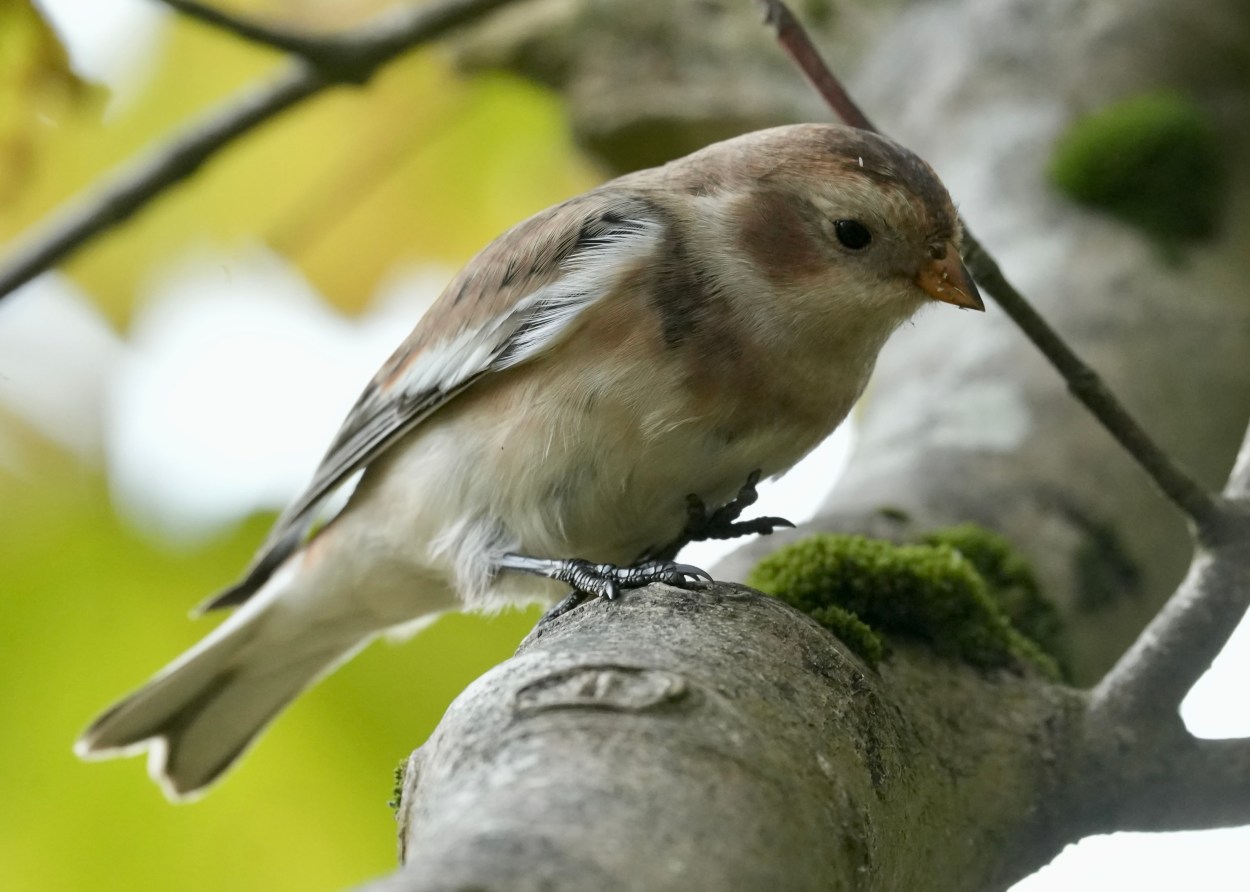
Not a warbler – but it certainly behaved like one! Snow Bunting feeding in a tree
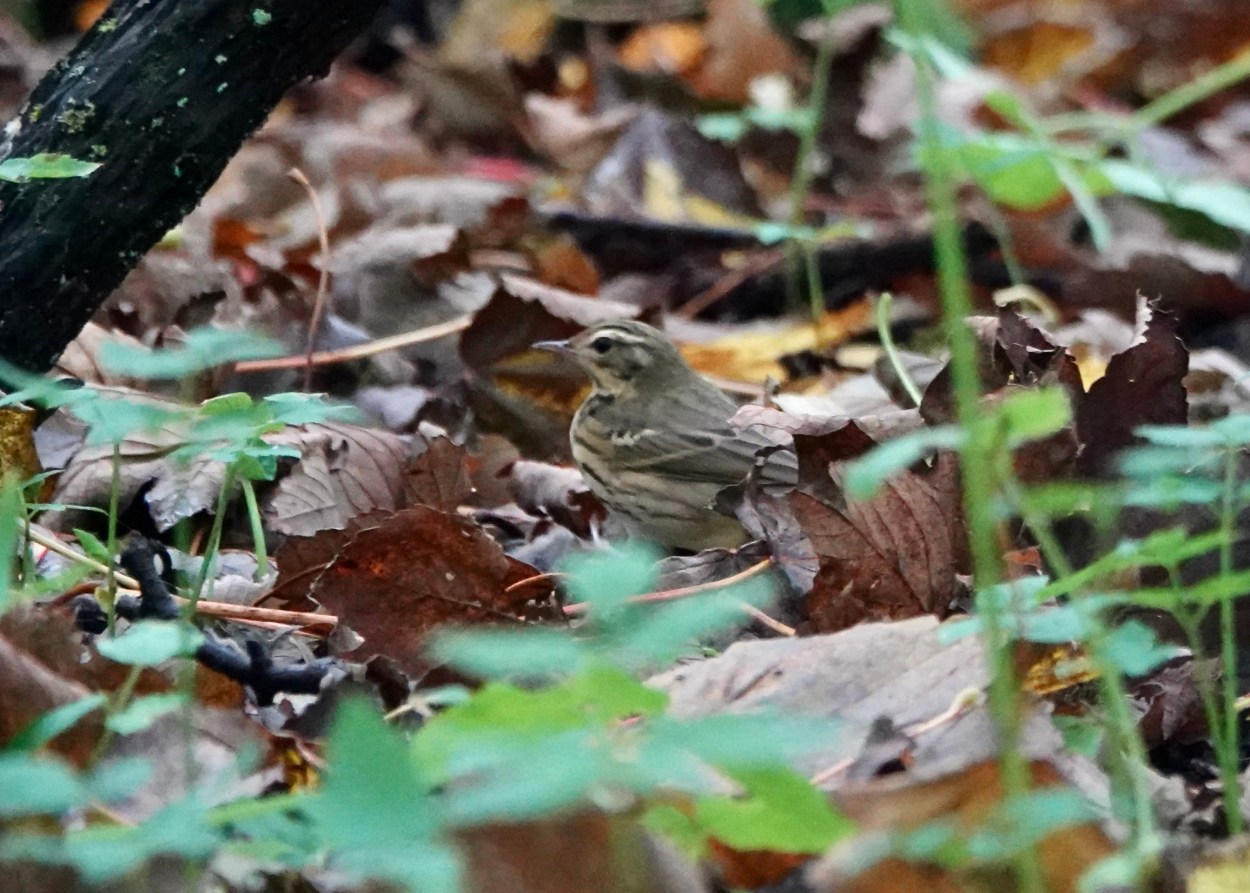
‘OBP’- Olive-backed Pipit in Kergord Wood – photo courtesy of Neil