Tex-Az – Day Ten

The ‘new’ reserve of Bahia Grande

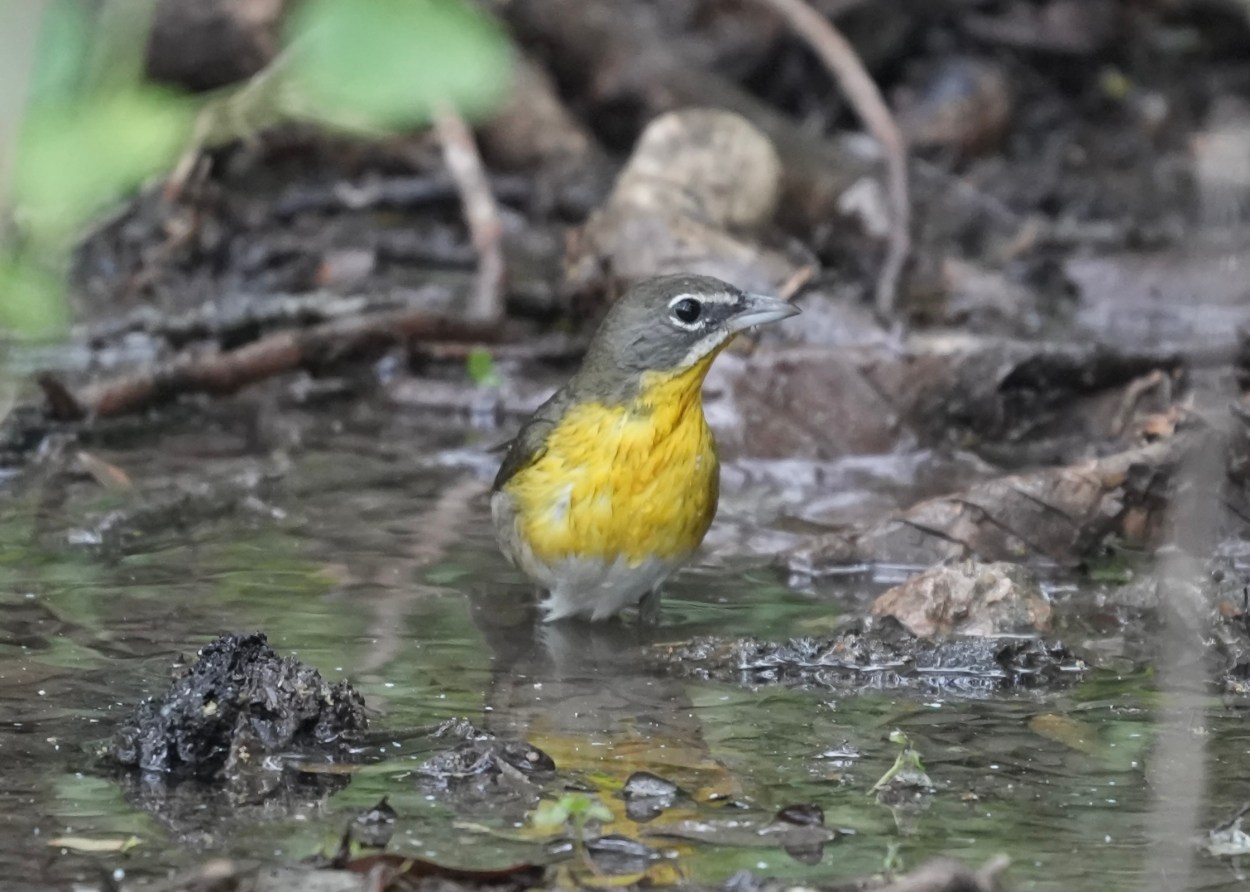
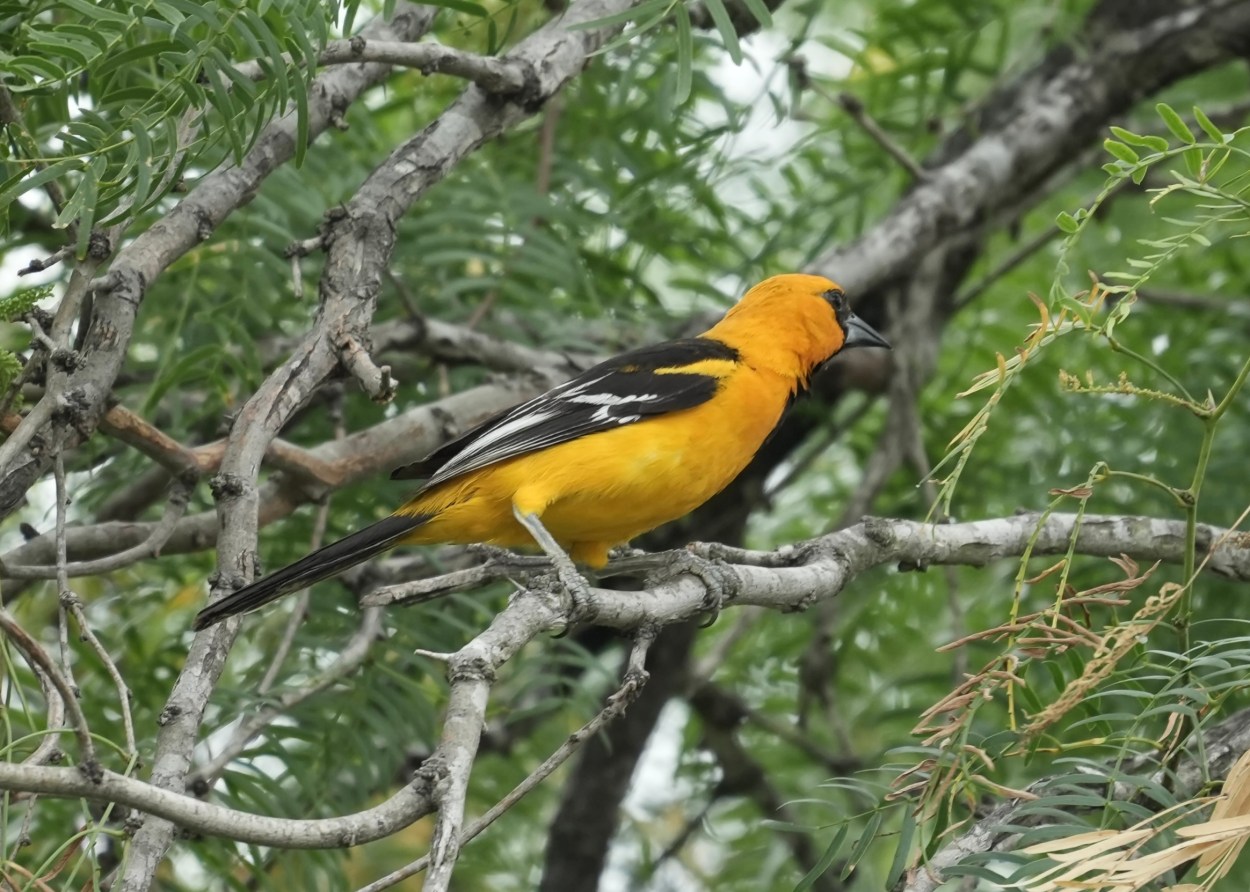
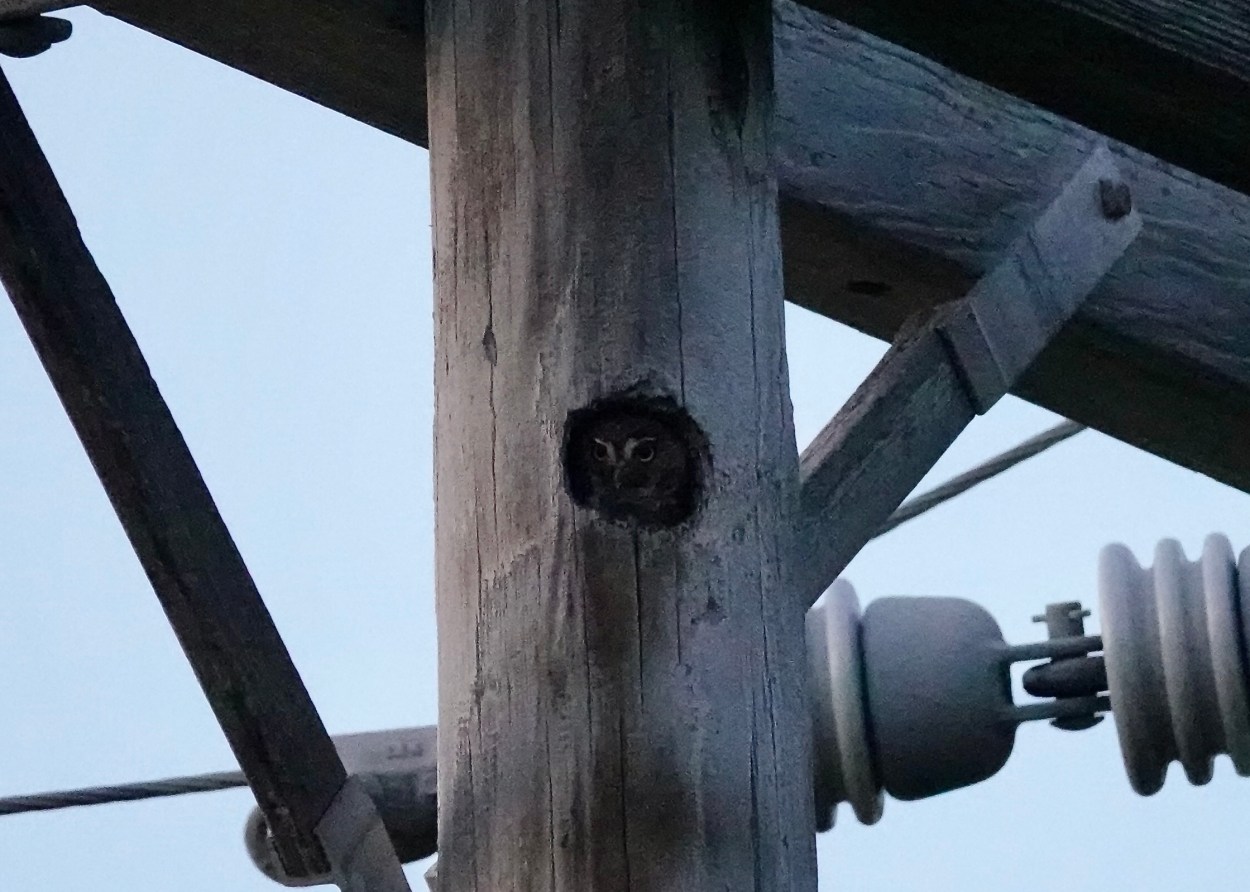
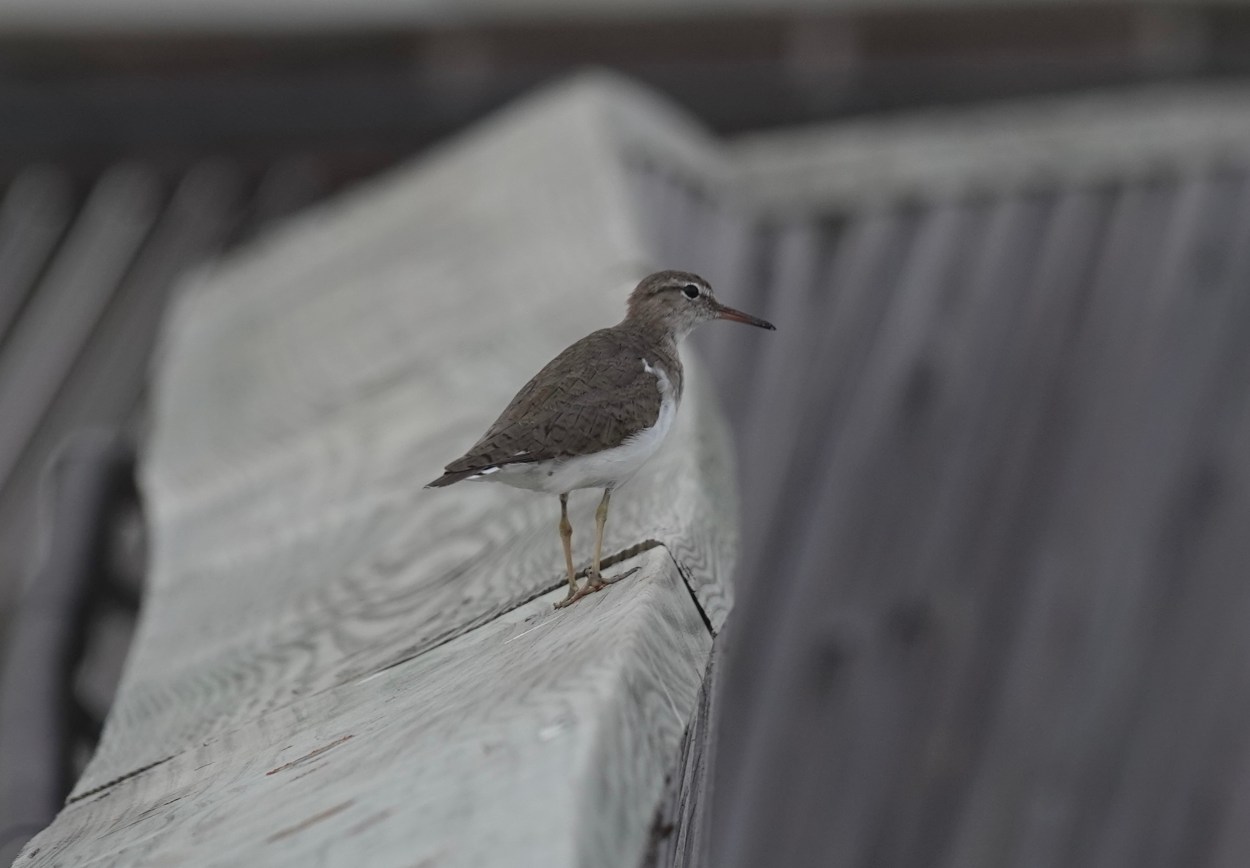
A tale of two sparrows. Today we left South Padre Island, our home for the previous three days, and headed south-west towards the Rio Grande. Our first unscheduled stop was at the recently created South Texas Ecotourism Centre – a huge restoration project of the Bahia Grande. Lots of good stuff including a slightly odd looking Spotted Sandpiper in winter plumage and a Common Yellowthroat. But perhaps the best wildlife action was the ‘rattler’ which Nicola came across in the car park! We then headed for Palo Alto where in 1846 a battle between the US and Mexico redefined the border between the two countries. In the leaflet describing the events it says ‘The US fought for the Rio Grande because of “manifest destiny” – the idea that the US had the right to expand its borders and spread democracy across North America. Northern Mexico was in the way…. Palo Alto serves as a reminder of the ongoing, complicated relationship between the two countries.’ Ring any bells? Anyway I digress. This unique landscape is also home to two range-restricted sparrows. Botteri’s, which only has a toe-hold in the Lower Rio Grande valley and south-east Arizona, and Cassin’s with a slightly bigger range, reaching into New Mexico, Colorado and Oklahoma. They look rather similar. We saw them both well, within ten minutes walk of the visitors centre. We spent the afternoon at Estro Llano State Park – looking for and finding Grove-billed Ani. We also came across five Wilson’s Phalarope in a melee of shorebirds. As we were leaving the reserve a superb male Blackburnian Warbler appeared in the trees above us. The major upset of the day, which I only discovered when I came to download my photos, was that the camera had been on the wrong setting all day and I had no recognisable images 😦 – fortunately Jane did, so these are all courtesy of her.
Wildlife high-light at South Texas Ecotourism Centre was this rattlesnake – found by Nicola
A rare sparrow indeed (and a US tick for me) – Botteri’s with a long bill and unmarked throat and breast
Cassin’s Sparrow – showing distinct black throat lines and clean white edges to tertials and coverts
A superb male Blackburnian Warbler outside Estro Llano SP
Spotted Sandpiper in winter plumage – doing a Common Sandpiper impersonation

Tex-Az – Day Nine

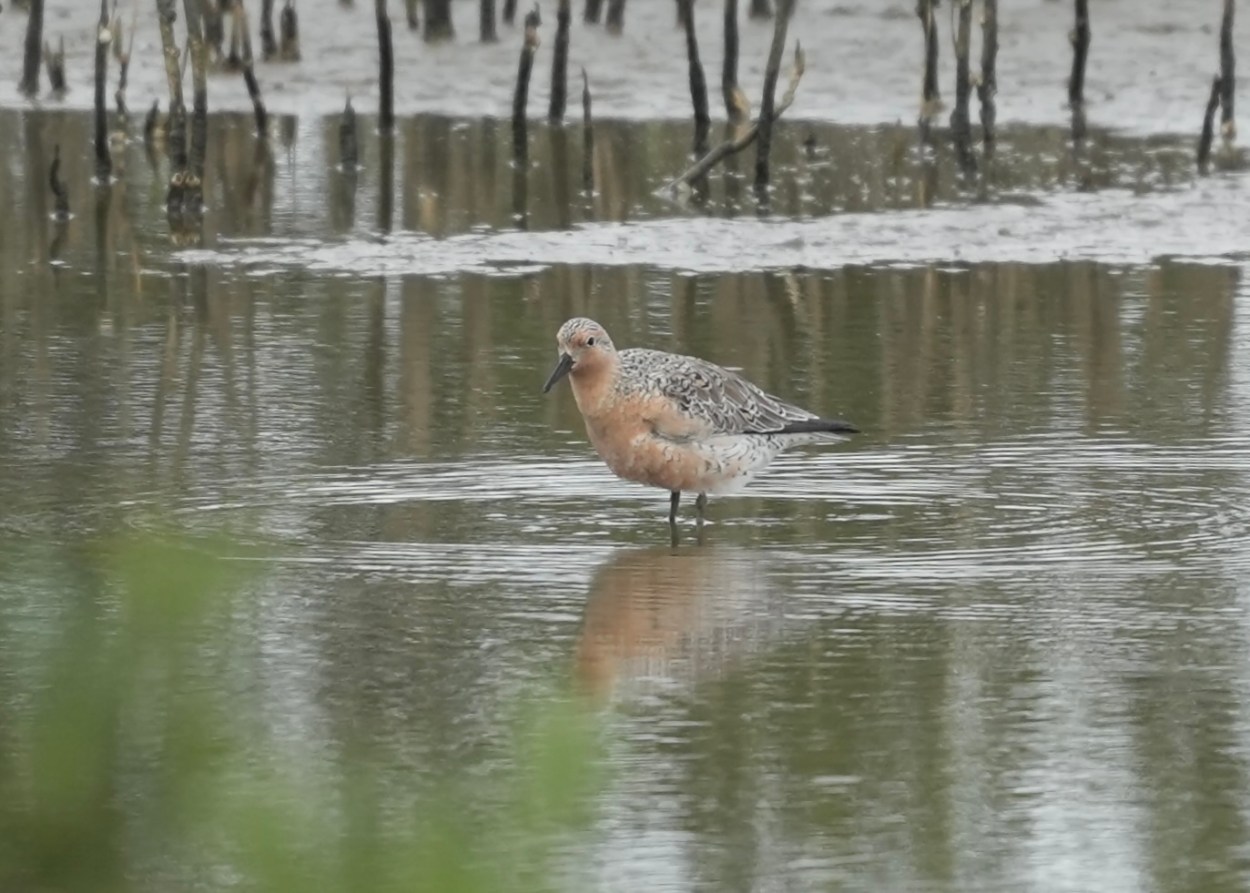
Red Knot prevents it being a ‘dot day’. Surprisingly this was also one of the very last ticks we got on our original GABRaT tripwe’ve never found them easy

Today it was a case of ‘rinse and repeat’, visiting the Convention Centre and the Sheepshead St lots in rotation, from dawn till dusk. After lunch we did venture down to a ‘park’ at the southern tip of the island but, despite being an ebirder hot-spot, it also turned out to be an RV park. We had to pay$12 for the privilege to park and we saw no birds of note! The weather has been hot with clear skies and a gentle south-easterly breeze – fabulous for the Easter weekend holiday makers but dire for bird migration. Every species has been hard won. We did find two trip ticks at the Convention Centre – Red Knot and Chipping Sparrow – which saved it being an early ‘dot day’ but otherwise it was tough going. This was really our last chance to catch up with small bird migration across the Gulf – we should see some raptor movement as we move further up the valley but otherwise we’re now mostly looking for scarce breeding species and southern over-shoots. Still we have managed to rack-up 23 warbler species and amassed a trip list of over 200 in just a week – so all is good. We move forward with optimism.

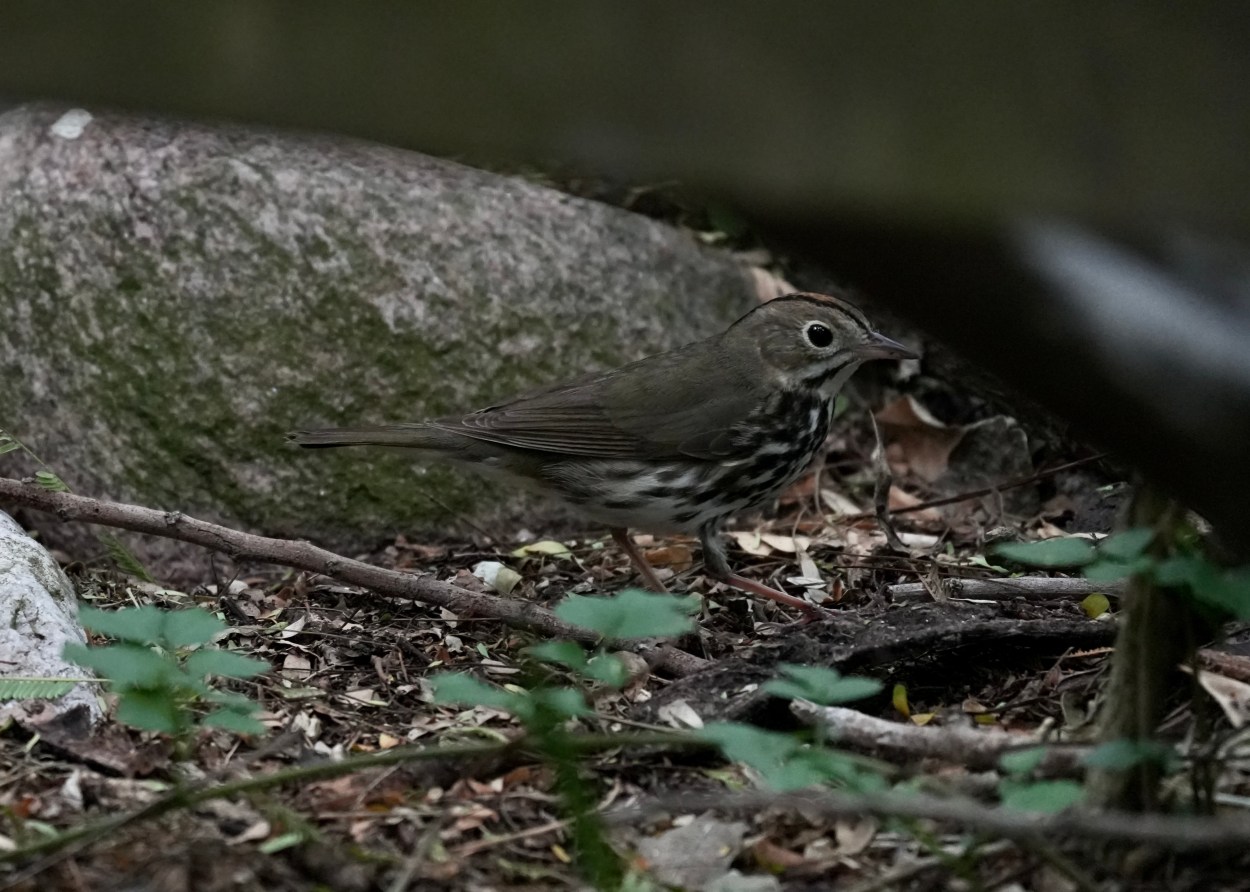
This Ovenbird showed briefly but well around the drip at the Convention Centre
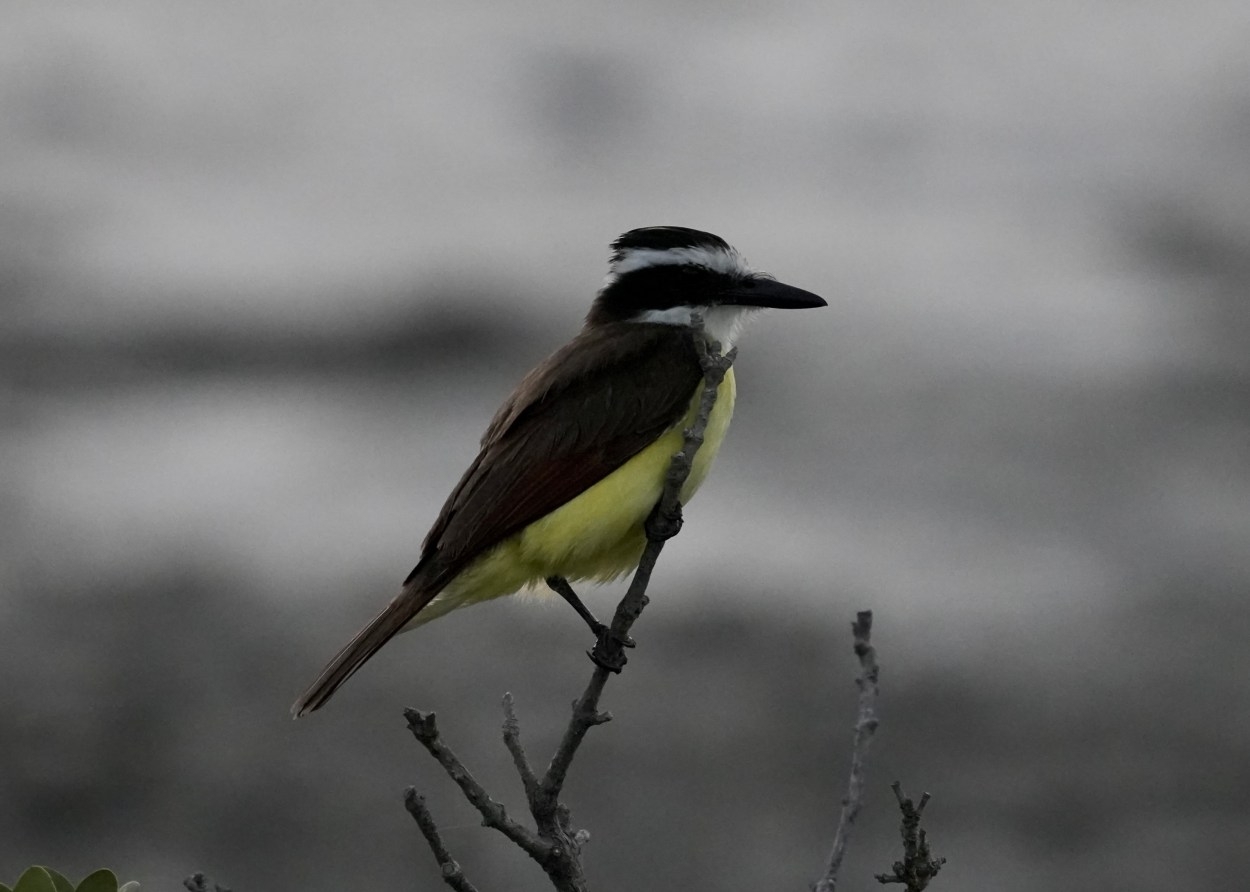
Kiskadee, again at the Convention Centre. I don’t remember seeing them on South Padre before

Perhaps the most interesting bird we found was what I take to be a non-breeding – 2CY – Least Tern amongst the flock of 30 or so migrating birds on the mudflats next to the Convention Centre (inset)

Tex-Az – Day Eight

Best of the warblers at Sheepshead Street was MacGillivary’s – a tricky bird to pin down

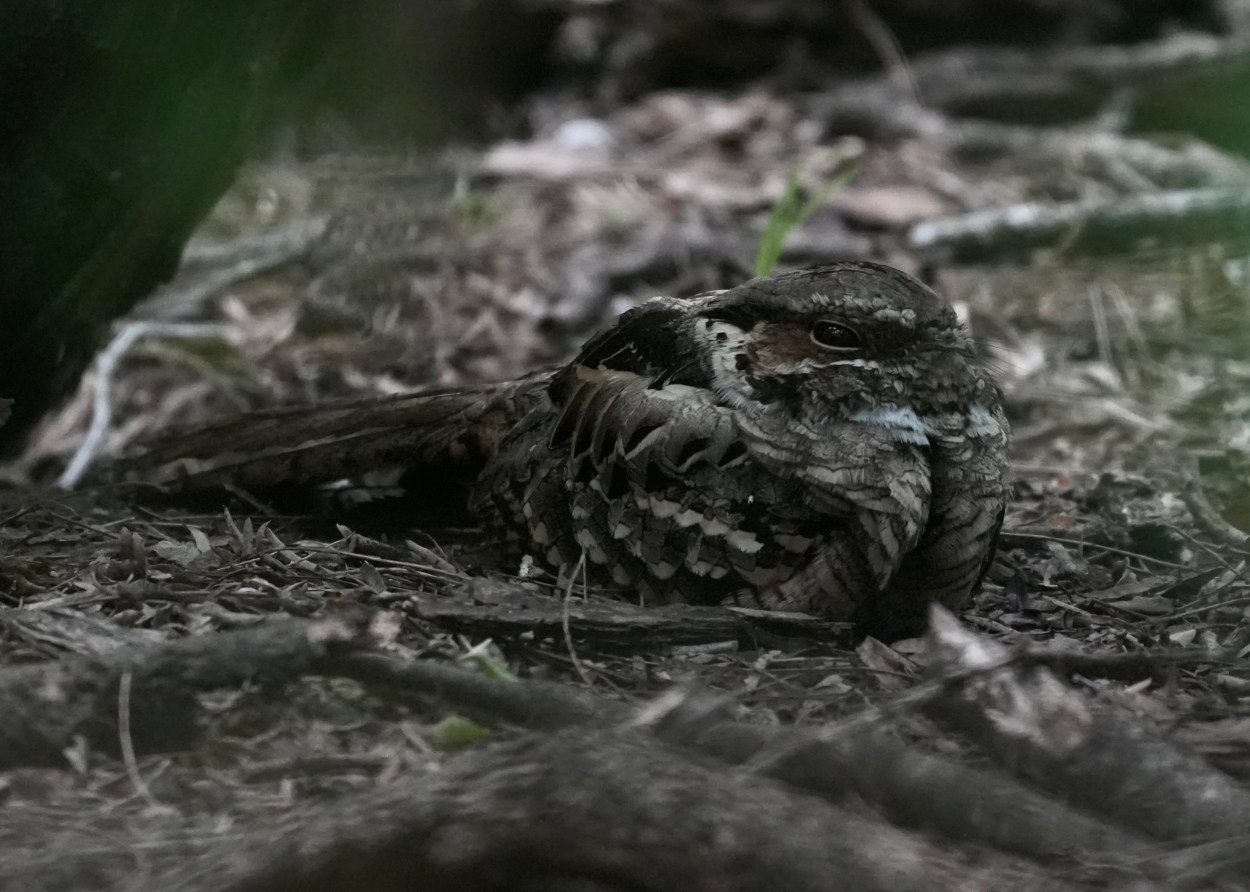
We spent the entire day, seven ’til seven, birding two locations on South Padre Island, just three miles apart – the Convention Centre and the lots on Sheepshead Street. Although the effects of the rain from the previous day had worn off and there were clearly few birds about, nevertheless, we were still entertained for twelve hours birding, with just a lunch break in the middle. We opened the account with a Veery at the Convention Centre drinking pool – well actually I missed it and only managed a ‘grip back’ late in the day – our third thrush species of the trip. Clapper Rail and Sora from the board-walk and several ‘bush birds’ around the Centre. It was then off to ‘the lots’, a series of connected undeveloped building lots which have been saved for nature amongst the urban sprawl. MacGillivary’s Warbler and Inca Dove were early additions along with a good spread of other migrants. We then shuttled between these sites until our final ‘sun-downer’ visit to the Centre for a fine display of nighthawks – difficult to be sure but we think both Common and Lesser were on show. A great day of leisurely birding with some nice birds and equally nice birders.

Early morning feed by this Clapper Rail – we had several more sightings through the day
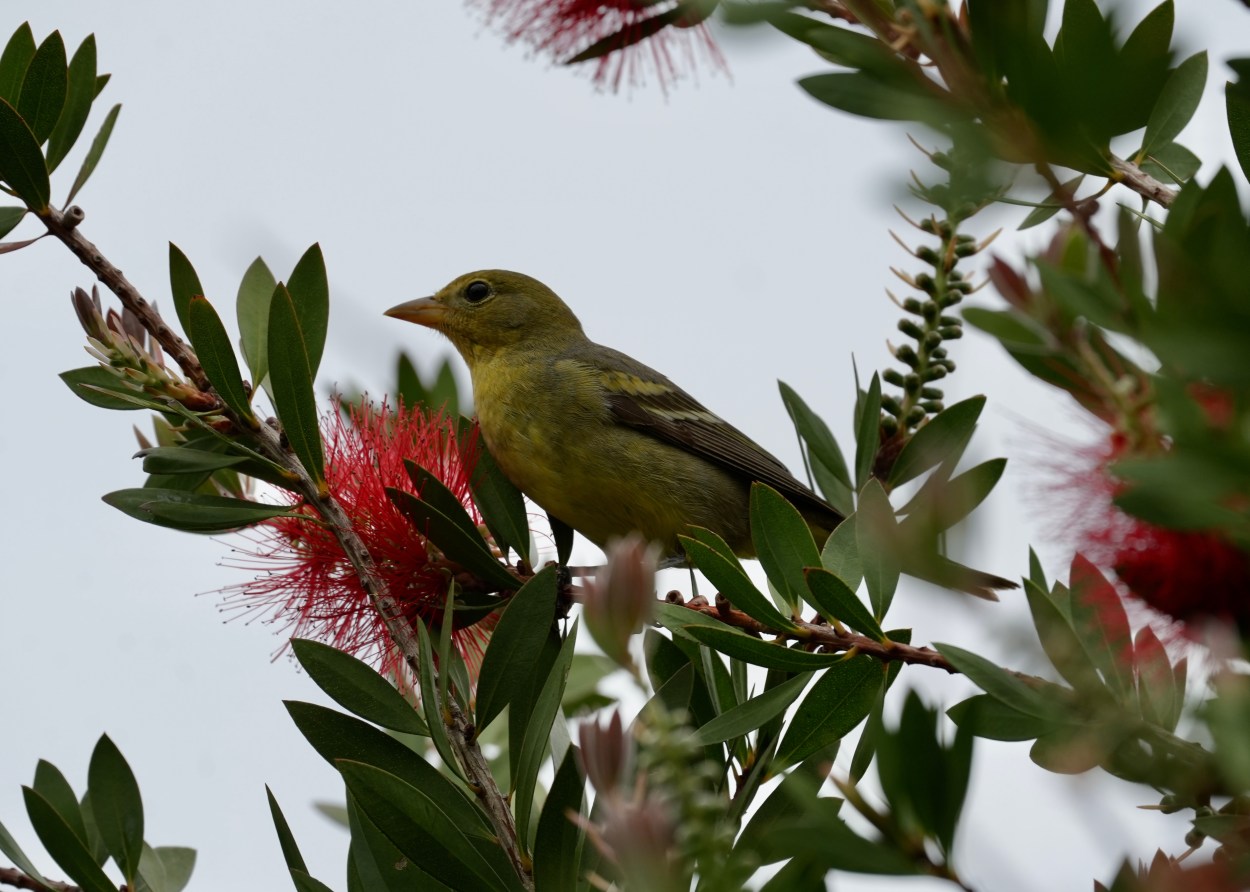
This Western Tanager was a nice turn-up at the Convention Centre
We’ve only connected with Ruby-throated Hummingbird so far – plenty more to come I’m sure
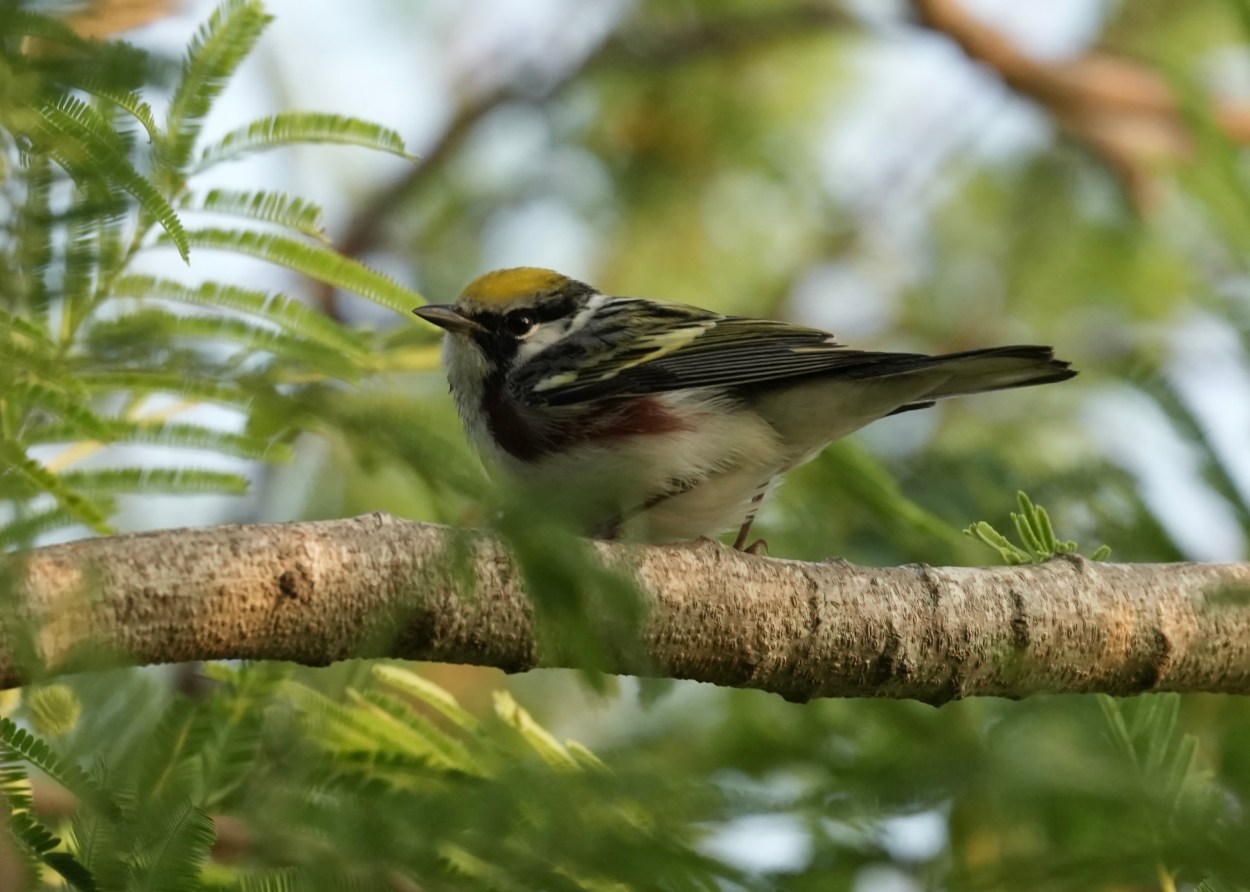
Chestnut-sided Warbler took some finding as it flitted through the canopy
Lesser Nighthawk put on quite a display at dusk
Veery – the start of a great days birding on South Padre Island – photo courtesy of Jane

Tex-Az – Day Three

Amur Stonechat at Anahuac NWR (Jocelyn Nungaray NWR) – a first for the Lower 48 States – incredible

Last chance saloon. On December 19th 2024 two birders doing the Christmas Count on Anahuac NWR (now Jocelyn Nungaray NWR) found a bird they couldn’t identify. After much investigation they concluded it was a stonechat. A Swedish expert finally nailing it as Amur. The first record in the lower 48 States. It took weeks for the Friends of Anahuac to negotiate access to this section of the reserve, mostly used for hunting. Jake spotted the news a few weeks ago and we began planning our itinerary around it. Trips to see the bird, running three times a week, were announced a few days before and were taken up quicker than a Taylor Swift concert. Just before we departed from Cromer I managed to get us booked on the last trip ever – but would the bird hang around? We arrived at the meeting point for a 10.00 start to be told that the 8.00 o’clock group had seen the bird but distantly. After an over-zealous safety briefing we walked the 1000 yds to the spot. The three volunteer observers on site said they’d last seen the bird fly off over the trees 15 minutes previous. We stood around enthusiastically scanning the fields for awhile. No sign. Energy levels began to dwindle and, as at all twitches, people began to chat. In the end far more chat that looking. We were due to leave the site, to be clear of the property, by 12.00 when ‘she’ obligingly flew in, and did what any self-respecting stonechat should do – sat atop the vegetation spotting prey. What a relief. An incredible bird and the first new addition to our USA list!

The rest of our day was spent doing the Shoveler Loop including the hot-spots of the Willows and Wood Lot trails. We amassed a good list of waders and wildfowl and a good variety of warblers – better than at High Island.

Prothonotary Warbler – in The Willows – one of about ten seen in the afternoon
Stilt Sandpiper around the Shoveler Loop
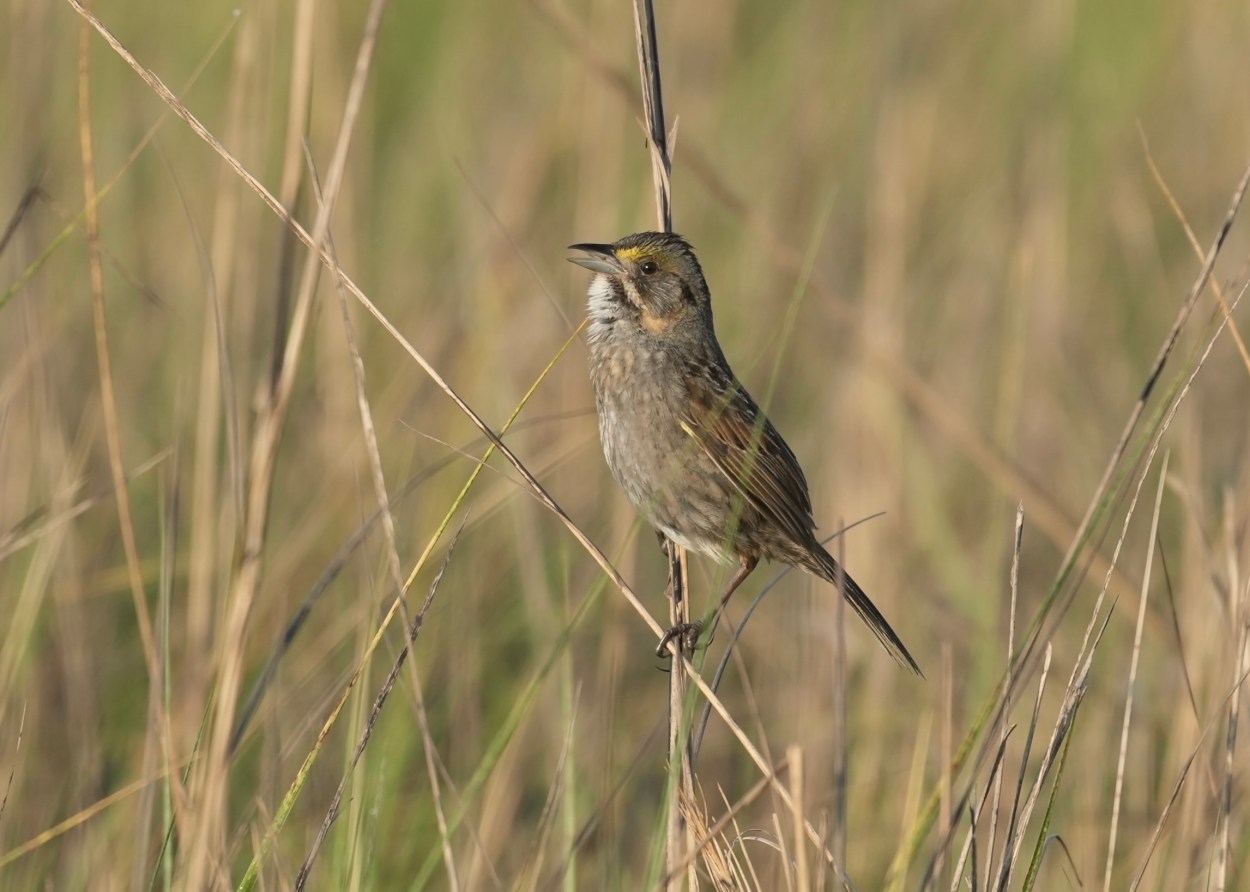
Our day started at Tuna Road – a well known stake-out for Sea-side Sparrow

Arran adventure

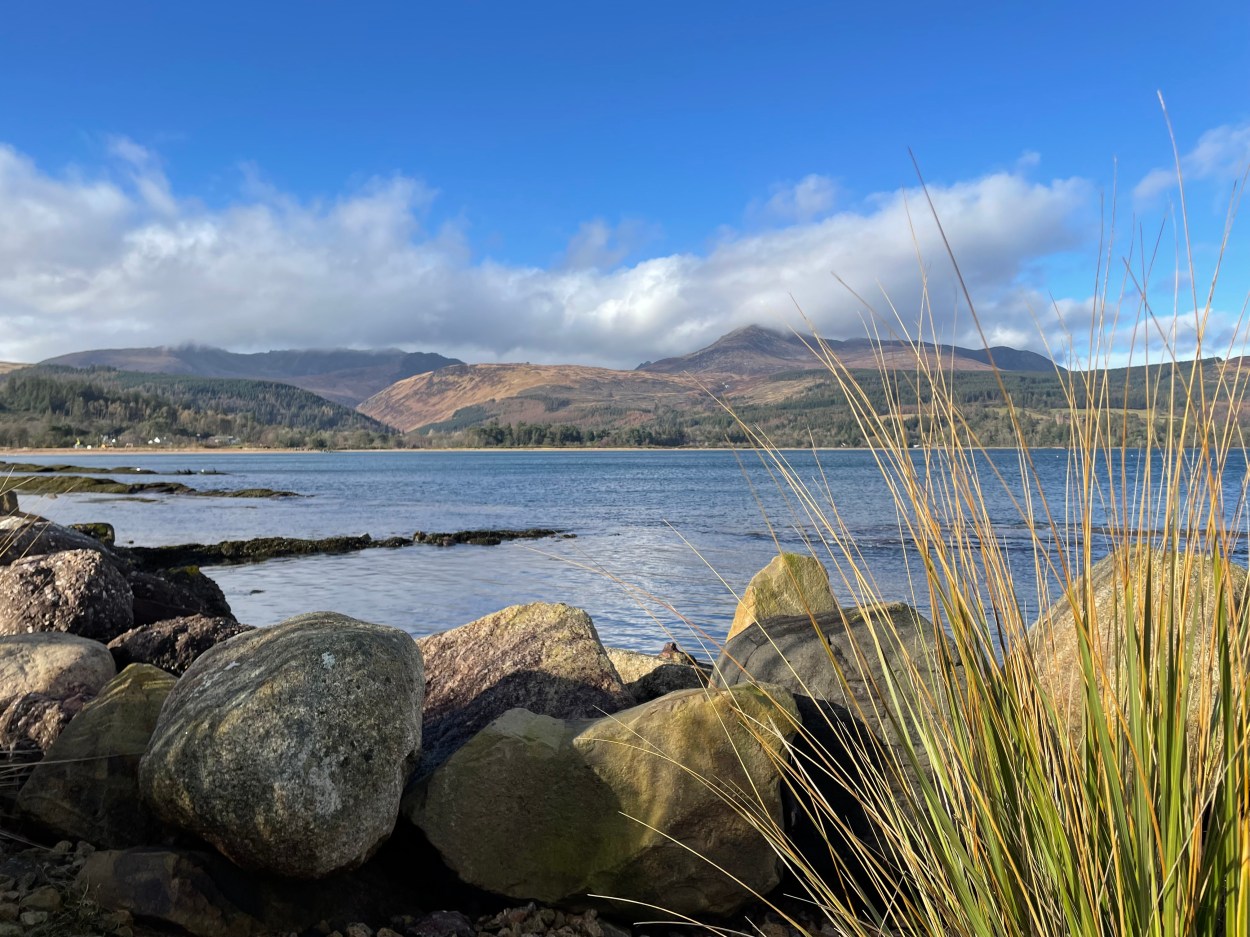
Looking across Brodick Bay to Goat Fell, Isle of Arran

We spent the half-term week with Josh, Al and the girls on the Isle of Arran – they’re planning to relocate to the island in the coming months. As you might expect for mid-February the weather was mixed, with mainly strong winds and heavy showers (a bit of snow on the tops) but we did get the odd sunny spell.

As a teenager and then later, when Mum and Dad lived on Benbecular, I’ve visited a good number of the Scottish islands but never Arran, which is often described as ‘Scotland in miniature’. The seventh largest of the Scottish islands, it cover 167 sq miles, has a perimeter road of approx 90k and reaches the highest point at Goat Fell of 2,867 feet. There are just under 5000 residents but being close to the Scottish mainland, with generally a good ferry service, receives over half a million visitors annually.

Before I went I checked out Arran Birding and made contact with local birder Jim, who was very welcoming and helpful. We spent the week sight-seeing, house hunting, entertaining our grand-daughters .. and birding! Over the five full days we were actually on the island we managed to find 70 species which, in Jim’s words, ‘.. you have done exceptionally well for a first visit in February.’  Here are a few of our highlights:

First morning exploring the beach in Lamlash – a surprise Whooper Swan
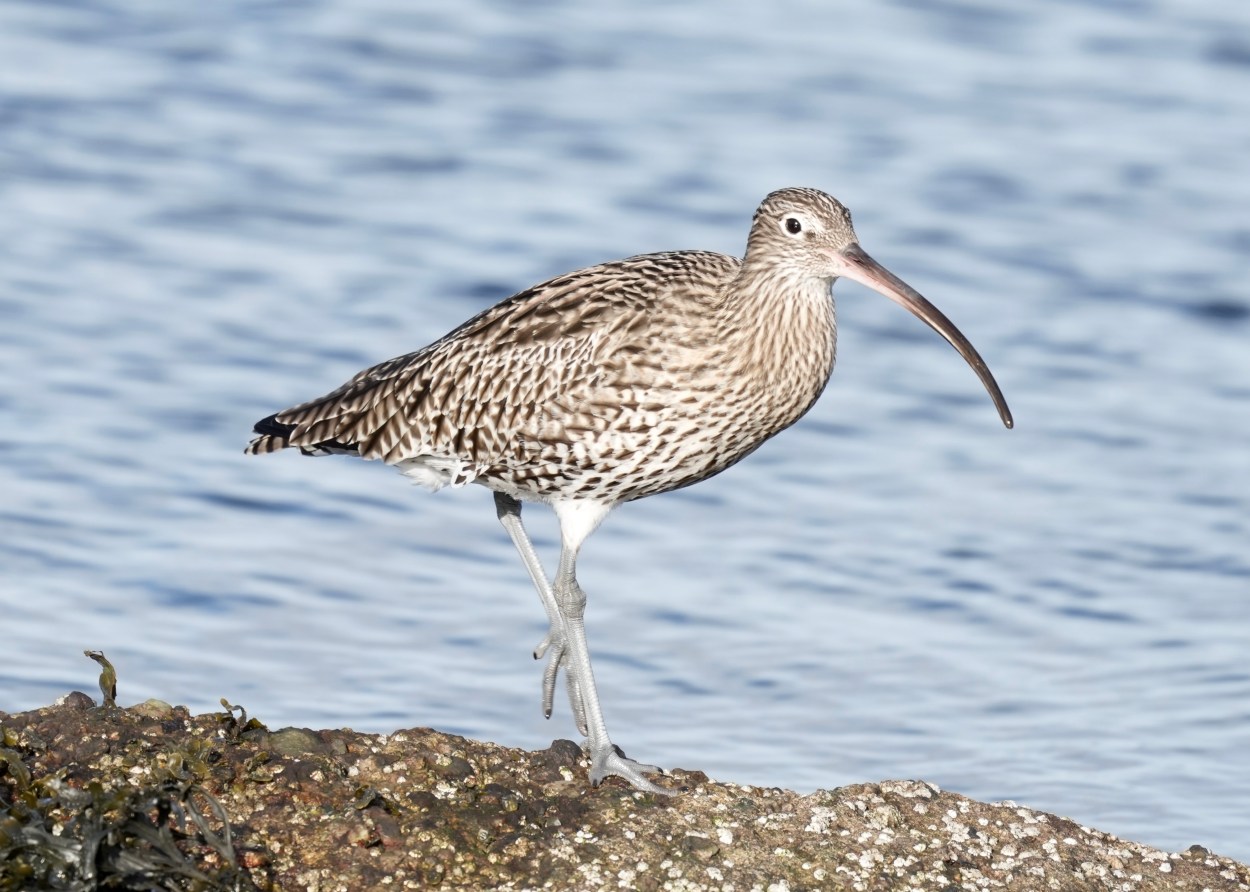
There was a reasonable assortment of shorebirds immediately opposite our Airbnb – including Curlew
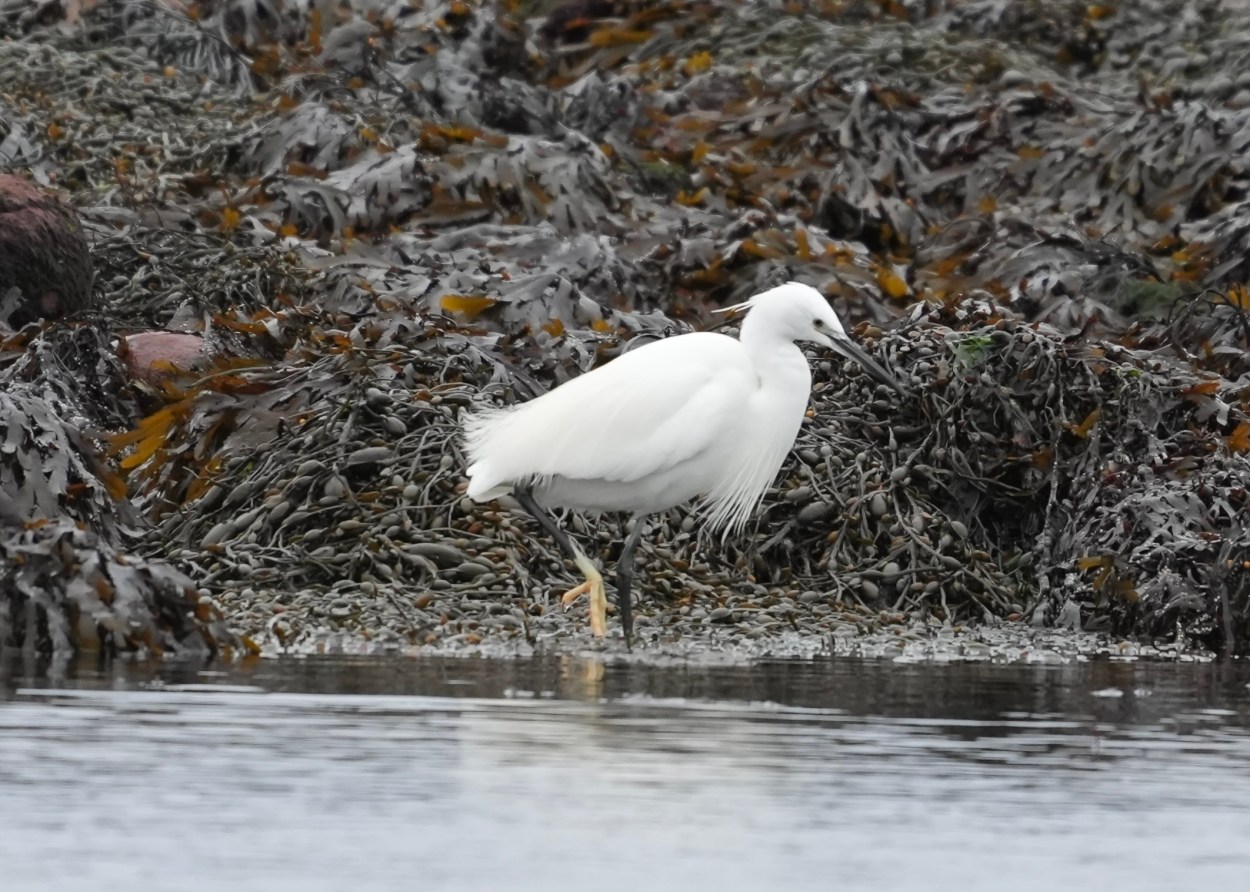
Another early surprise was Little Egret – which have arrived on Arran in recent years but spread quickly
We saw a good variety of ducks – Red-breasted Merganser being the most common
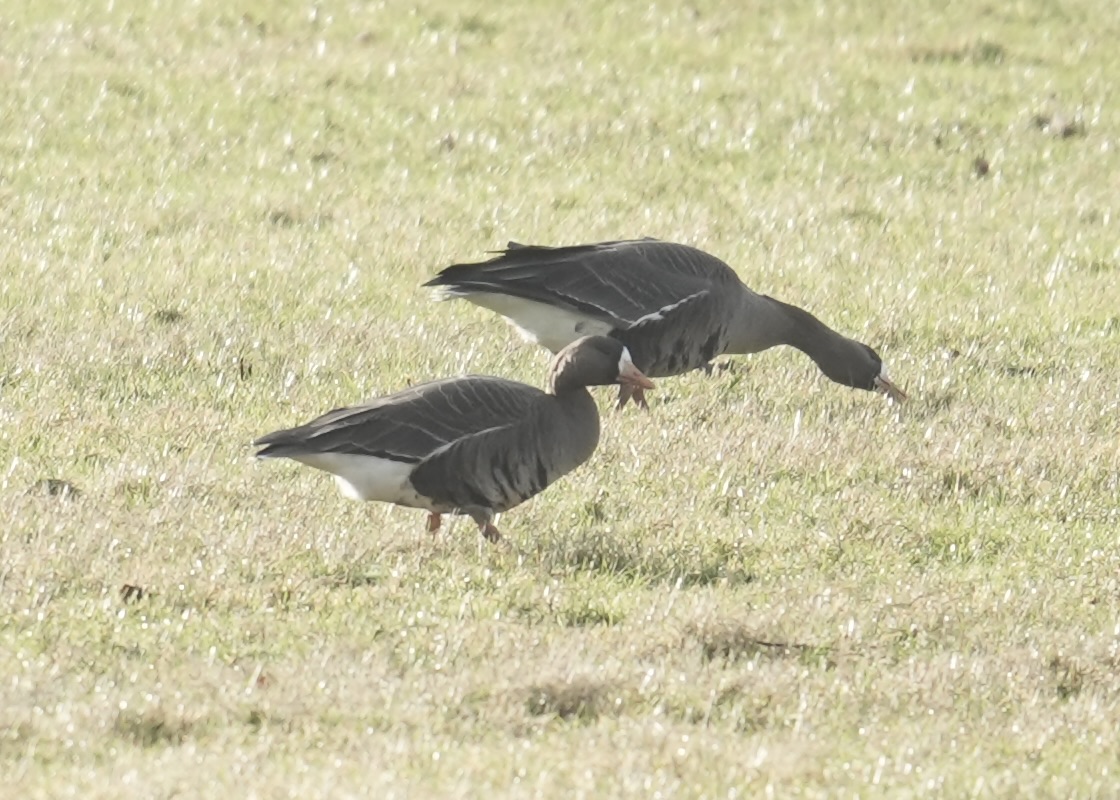
Best of the wildfowl were five Greenland White-fronts which we found at Shiskine
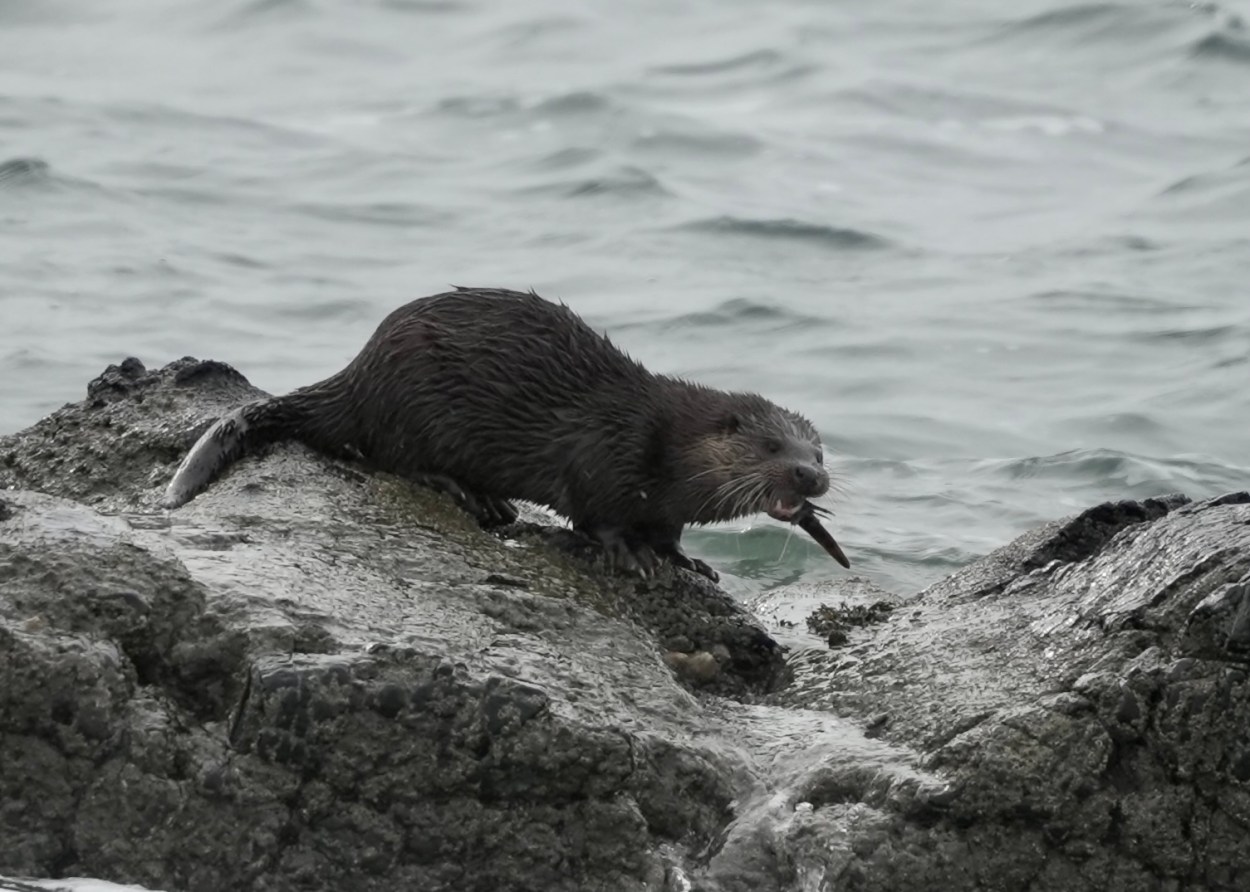
Other wildlife highlights included this Otter, watched whilst we ate our sandwiches in the golf club car park
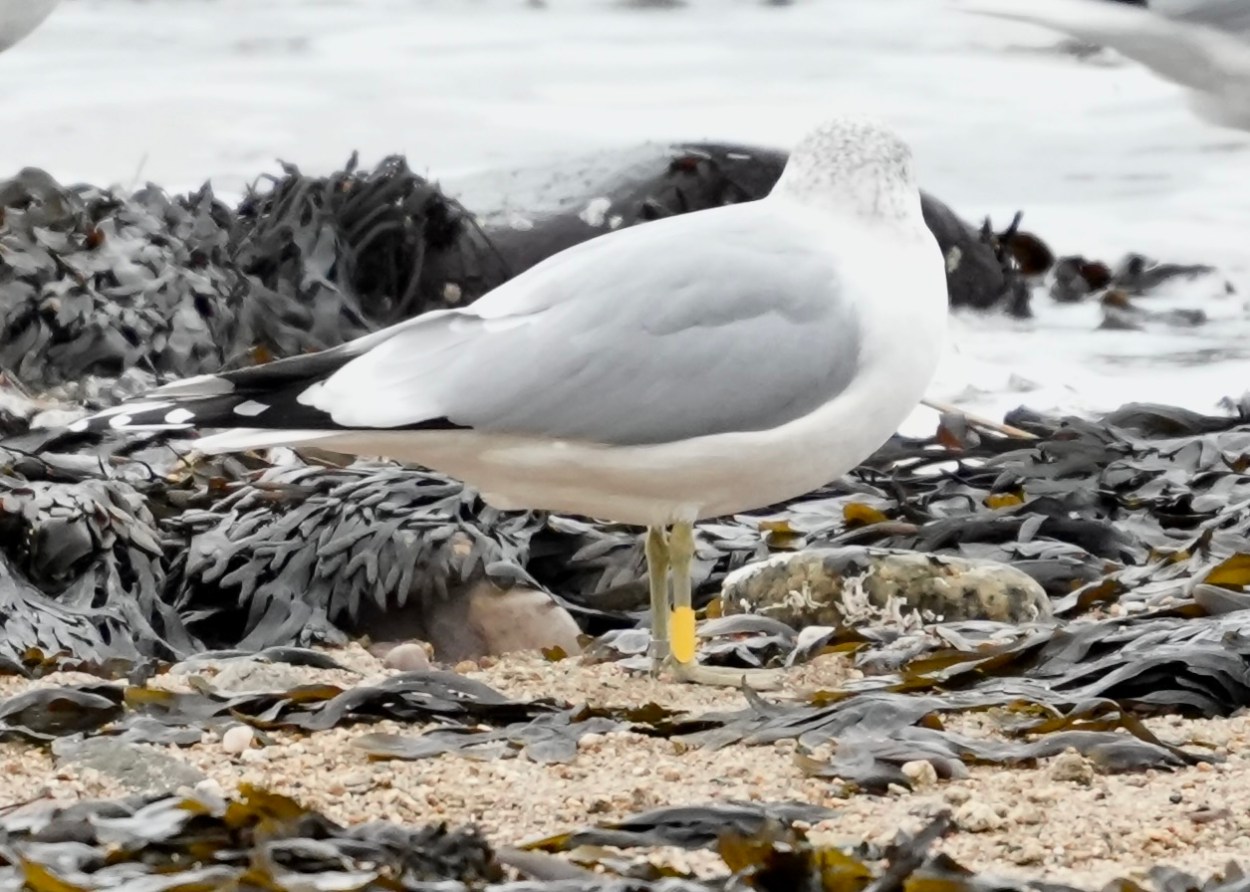
There were plenty of gulls to scrutinise – this Common Gull was wearing a non-standard colour-ring – Jim is helping to track it down
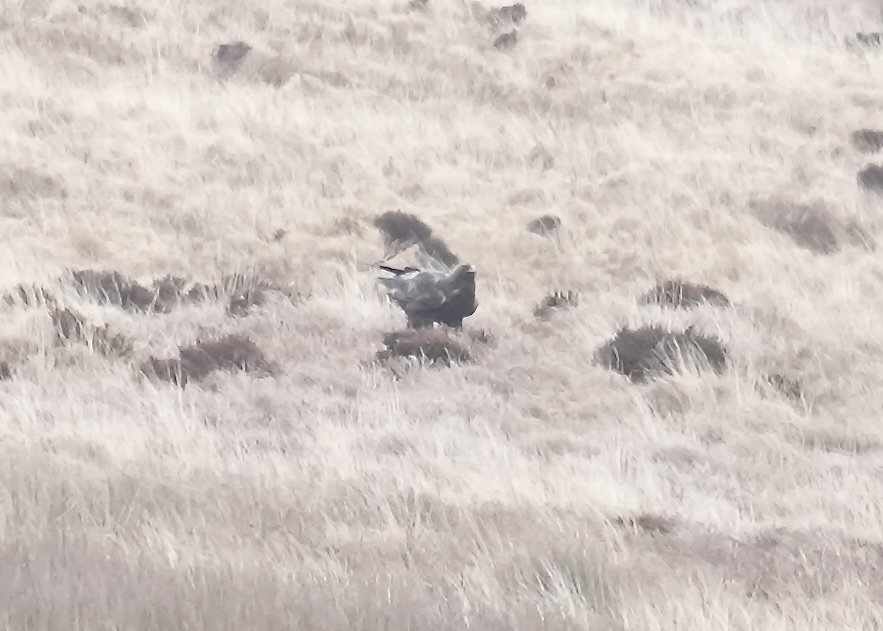
Arran is home to some very special birds – including Golden Eagle. We eventually found a pair in the northern ‘highlands’
Out with the family, including brother Bryan, on Sannox beach, with Goat Fell in the background

Assuming their house sale / purchase goes through OK, doubtless we’ll be spending more time on the lovely island of Arran in the future.

Shetland scoter surprise

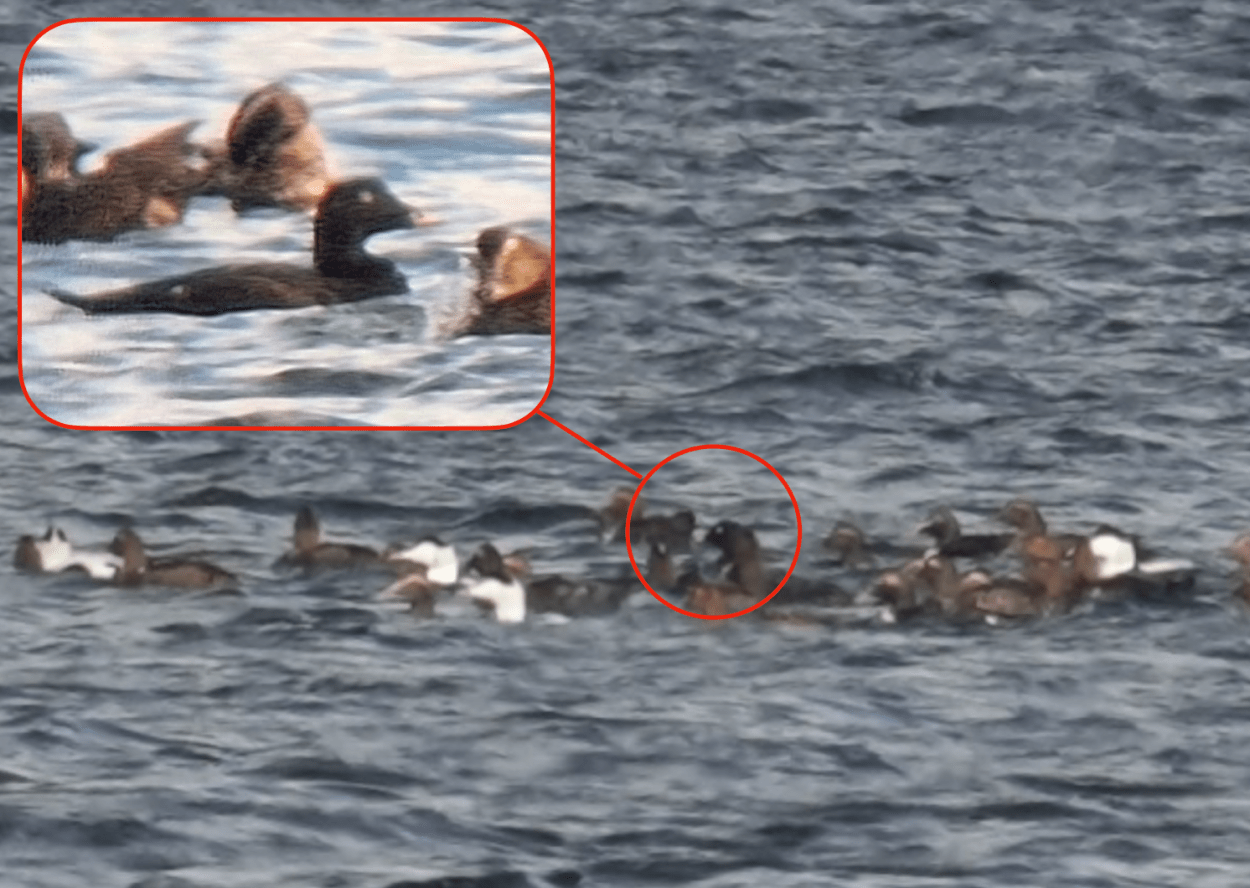
White-winged Scoter, Wadbister Voe – discovered hours before we were due to board the boat. Main photo is mine – inset courtesy of the finders

Our birding week on Shetland was gradually grinding to a halt by Friday – our last day on the islands before catching the overnight ferry to Aberdeen. The winds continued to come from the north and there were persistent pulses of heavy rain. We started the day back on Mossy Hill – no sign of the Lapland Bunting but we did find a few Snow Bunting. A tour of the western side of Mainland produced very little, except a nice coffee and cake stop at The Cornerstone cafe in Scalloway. We were heading towards Lerwick for an afternoon of sight-seeing when the mega alert sounded – ‘White-winged Scoter – Wadbister Voe’! We were only just down the road so it would have been rude not to go for it. We pulled up on the quayside and started scanning the Eider flock. A solitary scoter was occasionally visible as it worked its way through the ribbon of birds. This was the bird – apparently present for the past two weeks, but (understandably) identified as a Velvet Scoter. It took closer views and a good deal of experience by AR & LMCJ to re-make it into the much rarer American version. We boarded the boat very happy birders, after a week of some excellent birds, a list of 120 species and a much hoped for ‘lifer’! We will be back.

Night bird mix up

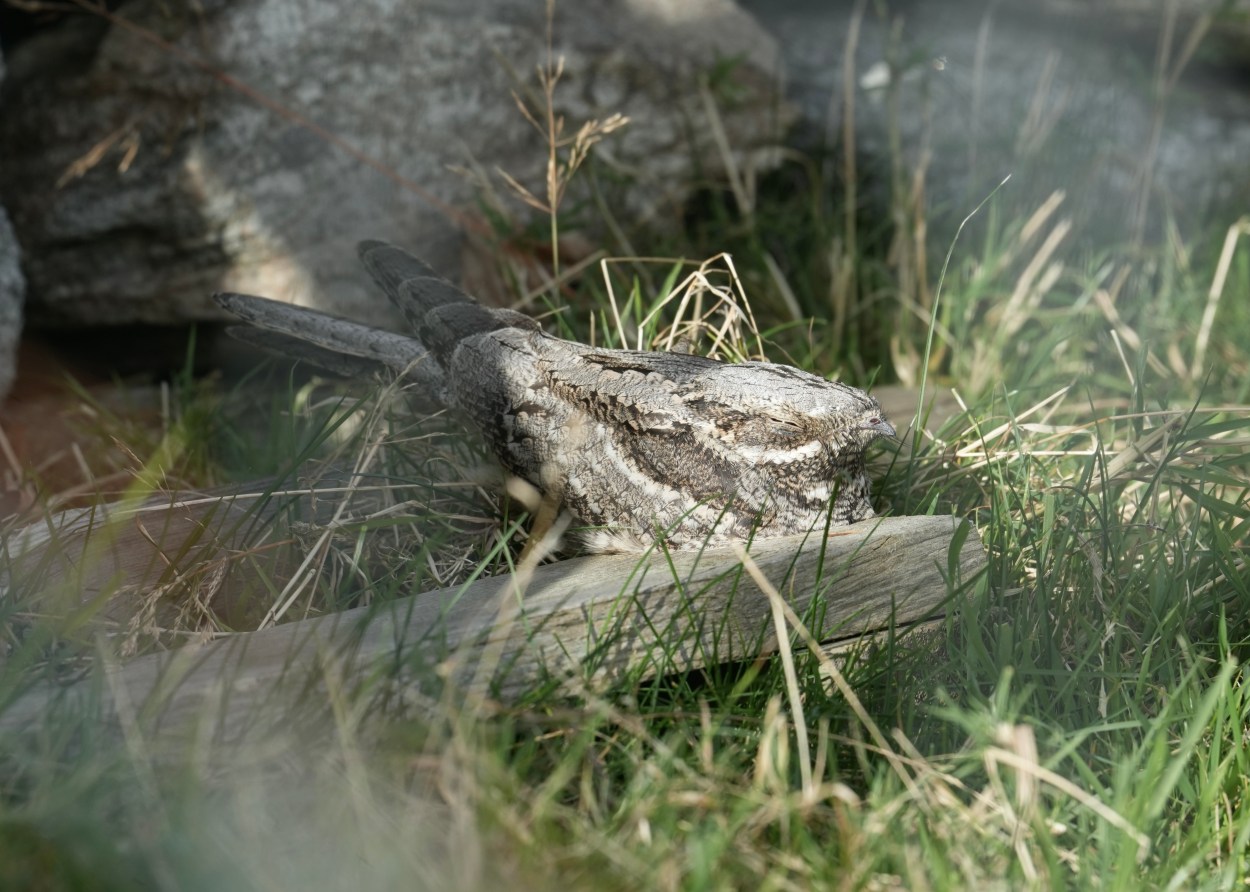
Nightjar at Burravoe – nice but not quite the bird we were hoping for

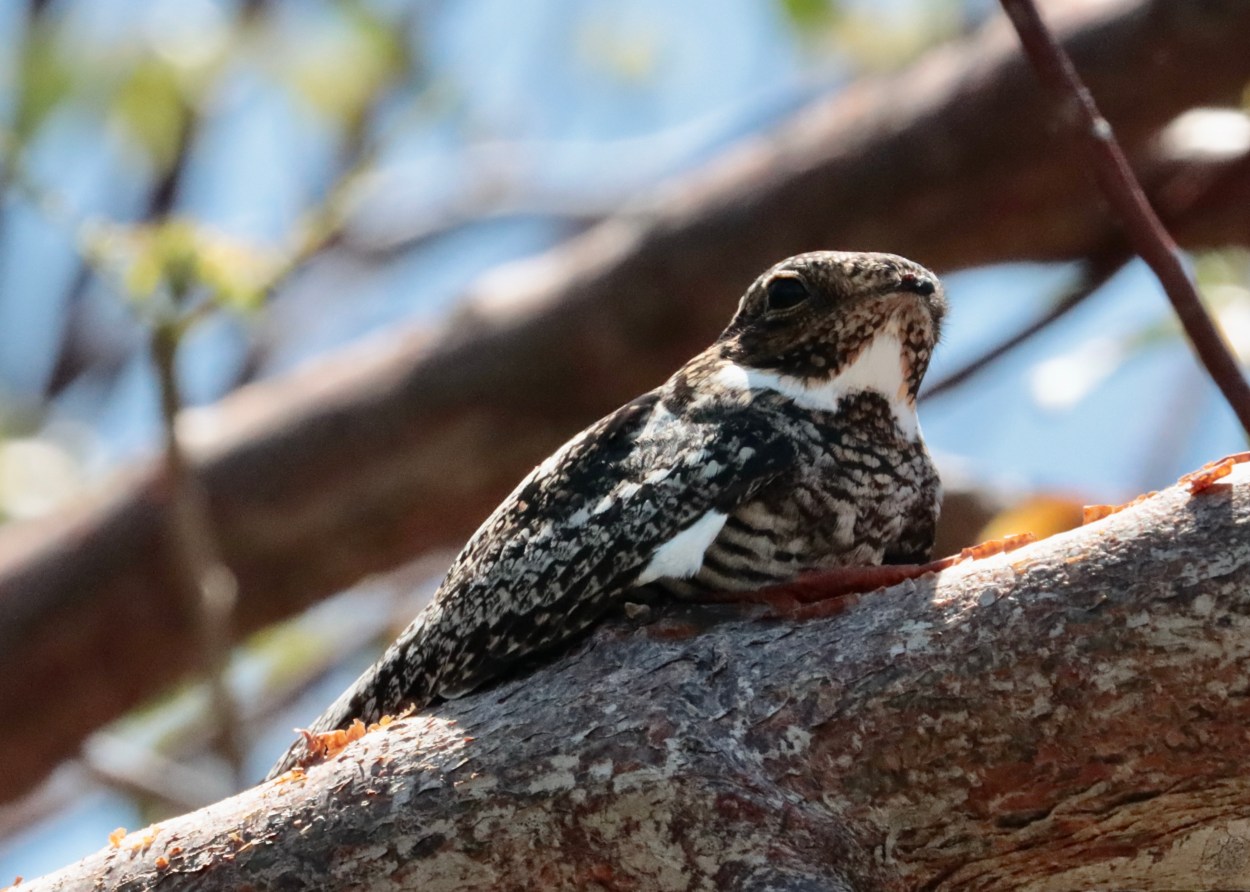
The weather’s been challenging over the past couple of days and, as a consequence, so has the birding. With winds from the north gusting at 50mph only the most sheltered spots have produced any birds. We managed to catch up with a few waders and wildfowl yesterday at various locations in the south of Mainland and finished the day, back on our ‘home patch’, with another Red-breasted Flycatcher. Today began with a fairly leisurely start until news broke of a Pallas’s Leaf Warbler at a remote location in the north of the island. We arrived, got out of the car, and spoke to one of the birders already on site. The bird was apparently on a bit of a circuit but hadn’t been seen for twenty minutes. Within a few minutes the ‘shout’ went up and the ‘seven striped sprite’ was seen feeding low down in a Hawthorn. We were just deciding where to go next when another message announced ‘Common Nighthawk flushed from the roadside’ in Burravoe on the next island of Yell – a mega. We headed to the ferry terminal but where frustrated by not being able to book a slot on the next boat, and apparently there were no places coming back at all! Our hopes seemed dashed until Neil managed to get through on the phone – ‘wait in the unbooked lane and you’ll get on’ said the helpful lady and she booked us back on the 4.55 boat. We were off. A short drive to the village followed by a scramble to park and we joined the fifty or so birders looking aimlessly around the surrounding fields. The bird had originally been flushed from the road, then lost to view over the nearby houses. Eventually, in response to another message, the crowd surged up the hill, only to be greeted by the news that the bird was in fact a European Nightjar! A nice bird but not quite the one we’d been hoping for.

Common Nighthawk – Fort Jefferson, Dry Tortugas

Warbler fest

Arctic Warbler – last of a handful of scarce and rare warblers during the day

Weather over night wasn’t as bad as the forecast but still it was overcast and windy when we set off birding after breakfast. The willows in a Hoswick garden provide our first scarce warbler of the day – first picked up on call then later seen sheltering in a bush – Siberian Chiffchaff. We birded a couple of spots before our coffee stop in Lerwick. After, whilst watching the Olive-backed Pipit at Kergord Wood, a message came through of a Pallas’s Grasshopper Warbler (affectionately known to birders as ‘PG tips’) near Garth cemetery. A line of expectant birders were gathered along the edge of an iris bed when we arrived and it wasn’t long before the bird was flushed, doing several circuits in front of the admiring crowd before dropping back into cover. I managed a brief view of it on the deck followed by more fly-bys before we left it in peace. An hour of ‘R&R’ back at our accommodation and then we were out again, birding our local hot-spots around the village. The Snow Bunting performed well in the car-park of the Orca Inn, occasionally flying up into the trees – I’ve never seen them do that before. Whilst enjoying these antics I noticed a bird fly into the tops of a sycamore. It turned out to be the lovely Wood Warbler. Also in the nearby bushes at least one Yellow-browed Warbler. Then our final ‘twitch’ of the day – another message announcing an Arctic Warbler in the in copse at Burn of Njugalswater. A superb end to our warbler fest day.

Wood Warbler at Orca Inn – alas, not a bird we see in Norfolk anymore
Not a warbler – but it certainly behaved like one! Snow Bunting feeding in a tree
‘OBP’- Olive-backed Pipit in Kergord Wood – photo courtesy of Neil

Barred beginnings

An obliging Barred Warbler on our autumn trip to Shetland – back after a 50 year interval

As an alternative to our usual autumn trip to Cornwall, looking for migrants, we’ve come to Shetland. It’s been over 50 years since I was last here, on a teenage camping holiday. The birding highlight of that trip were the Snowy Owl on Fetlar* – the last year they bred successfully I think. We drove up to Newcastle on Thursday to stay with Neil and Nicola before heading off to Aberdeen with them to catch the overnight ferry to Lerwick. Birding on the way, we’d amassed a list of 65 before nightfall – including another Eastern (Siberian) Stonechat at Amble and a heap of interesting sea duck in Gosford Bay. There was no birding from the ferry – it was dark when we set sail and still dark when we docked – so our first taste of Shetland birding was a dawn stroll along the shore of Clickimin Loch, with it’s iconic broch. One of the first birds we saw was an obliging Barred Warbler. This would have been a Kernow highlight but here they are a little more regular. Let’s hope it’s not the only highlight.

* Rob if you are reading this perhaps you could post a copy of your original pics?