A day at the poo ponds

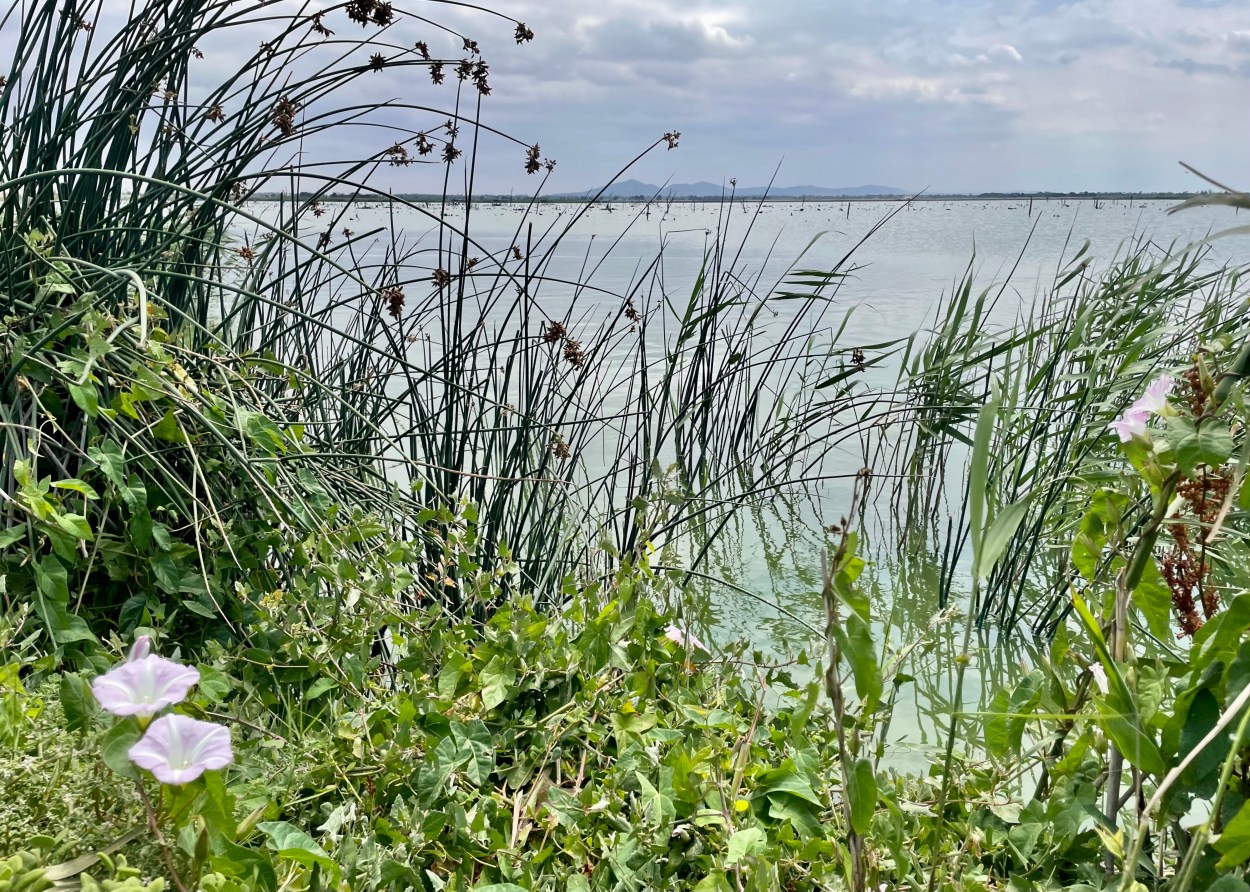
View of one of the countless settling lagoons at Werribee with the You Yang range in the distance

Yesterday, our last in Victoria before we fly to Newcastle later today, was spent at Werribee – possibly one of the best birding spots in the State, if not the whole of Australia. The Western Treatment Plant (or ‘poo ponds’) – the largest sewage treatment works in the country – covers approx 11,000 hectares and provides a haven for tens of thousands of birds, thanks to ample water and a variety of habitats and plants. The actual treatment facilities cover only a fraction of the site, surrounded by vast settling lagoons, home to nearly 300 bird species. Werribee is recognised as a wetland of international importance under the RAMSAR Convention. Unfortunately it’s the opposite side of the bay from Edithvale, where we are staying, and you have to drive through the centre of Melbourne to get to it – a round trip of three hours. But still well worth the effort. We were there from the earliest time we could collect the key from the Open Range Zoo till it closed at 4.00. We saw some great birds – both in terms of number and variety – and added 25 to our trip list. It’s impossible to do the site justice in a single visit but even with limited time available it never fails to impress. On this occasion the highlights included Brolga, ten species of duck, ten species of wader, seabirds and raptors. The story is better told in pictures.

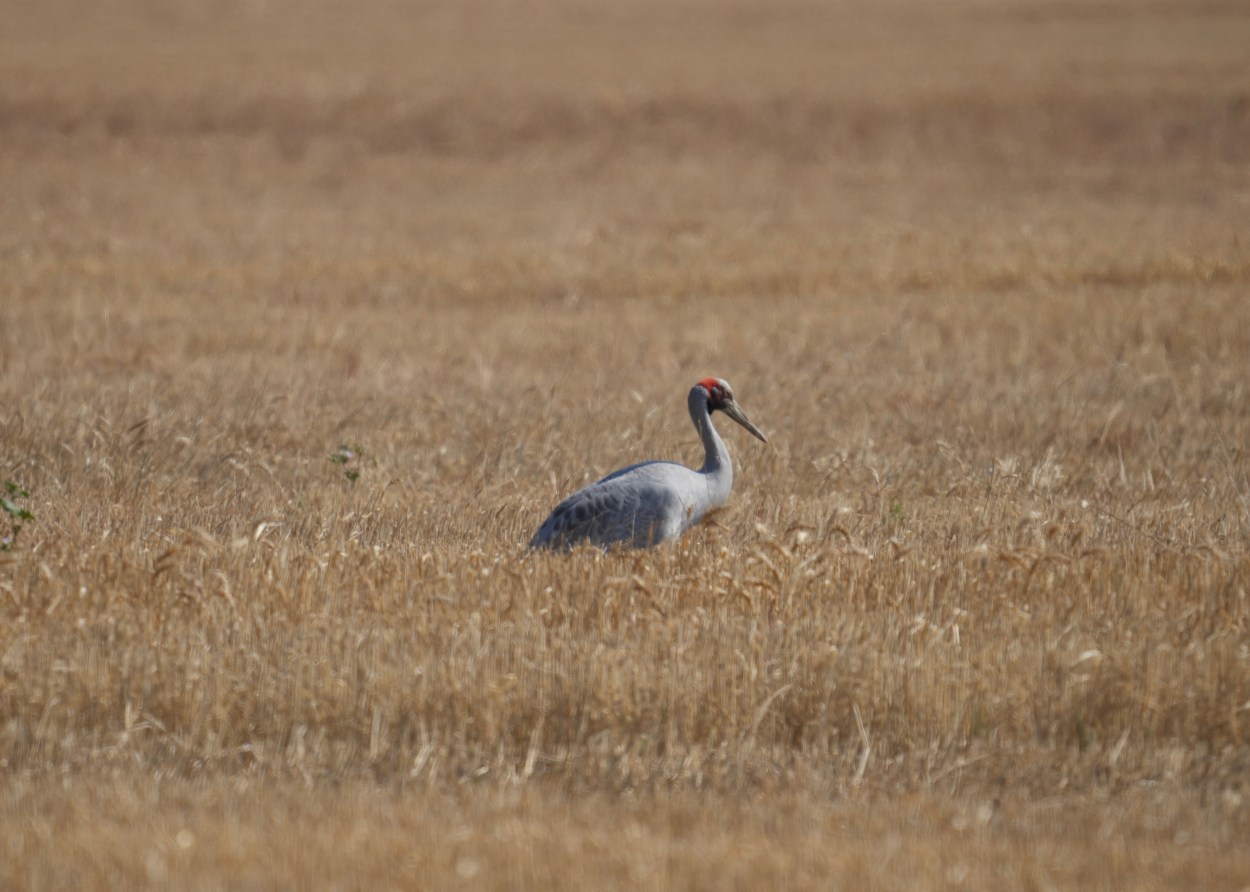
Brolga feeding on the vast grasslands of Werribee – a spectacular crane up to four and a half feet tall
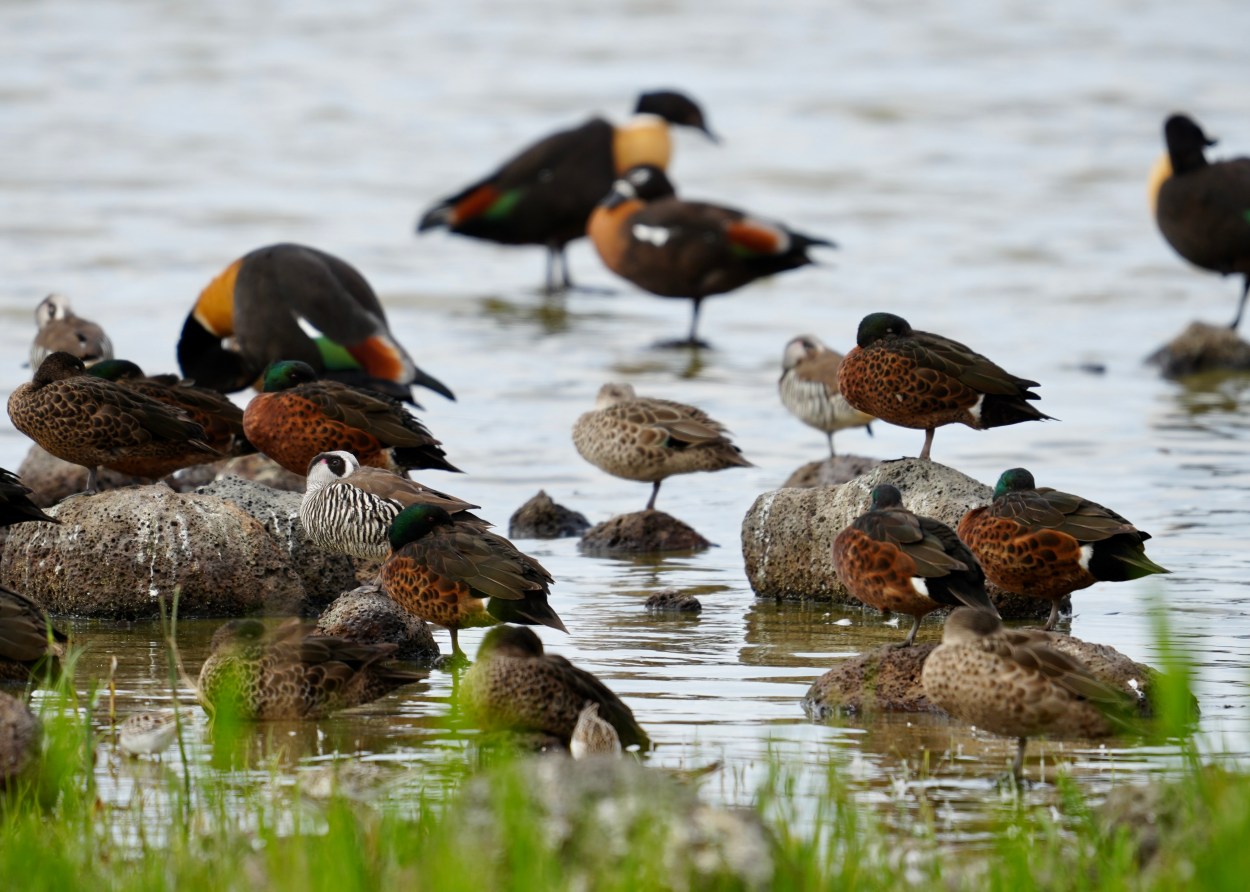
A colourful mix of ducks including Pink-eared, Chestnut and Grey Teal and Australian Shelduck
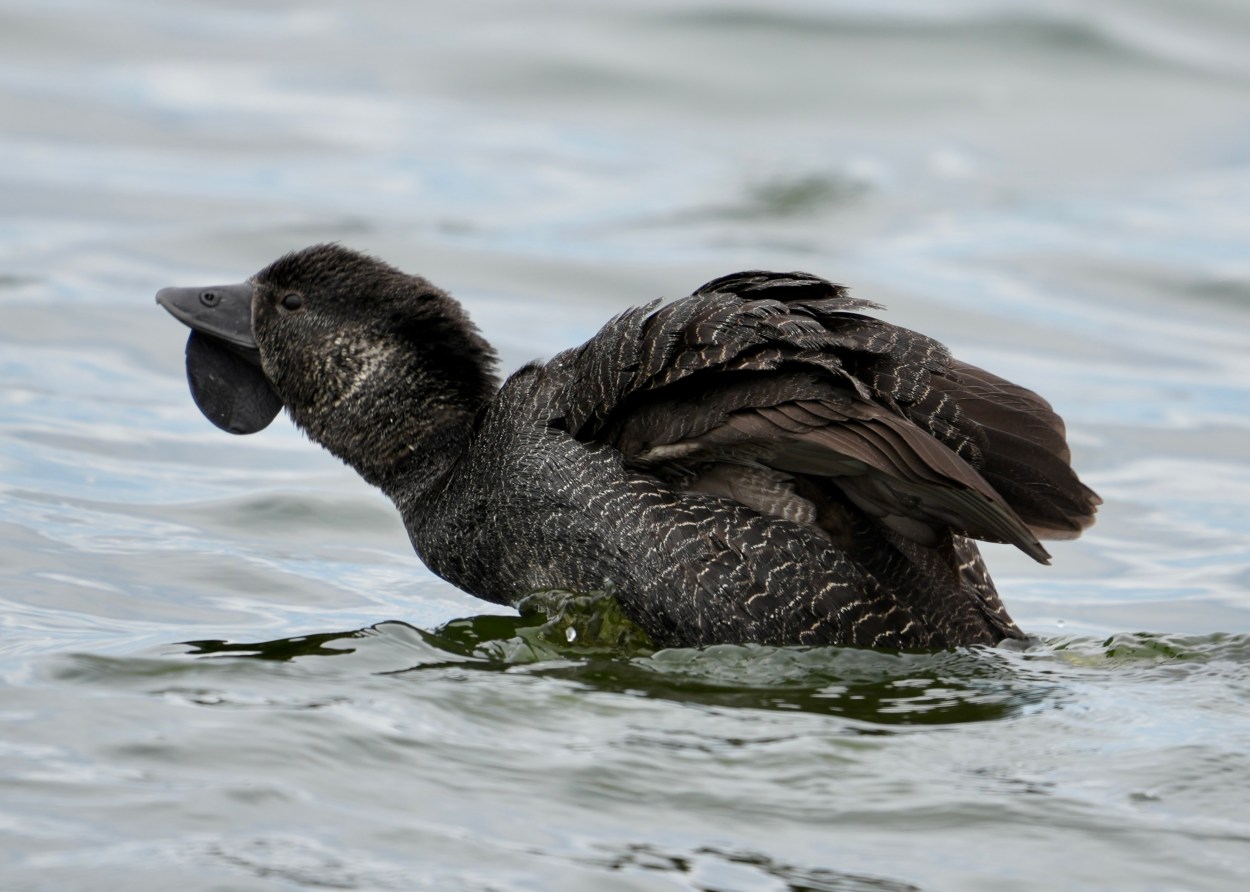
.. but none so strange as Musk Duck
Sharp-tailed Sandpiper was the default shore bird
Red-kneed Dotterel take some beating though
This Australian Pelican was pretending to be a ‘bush bird
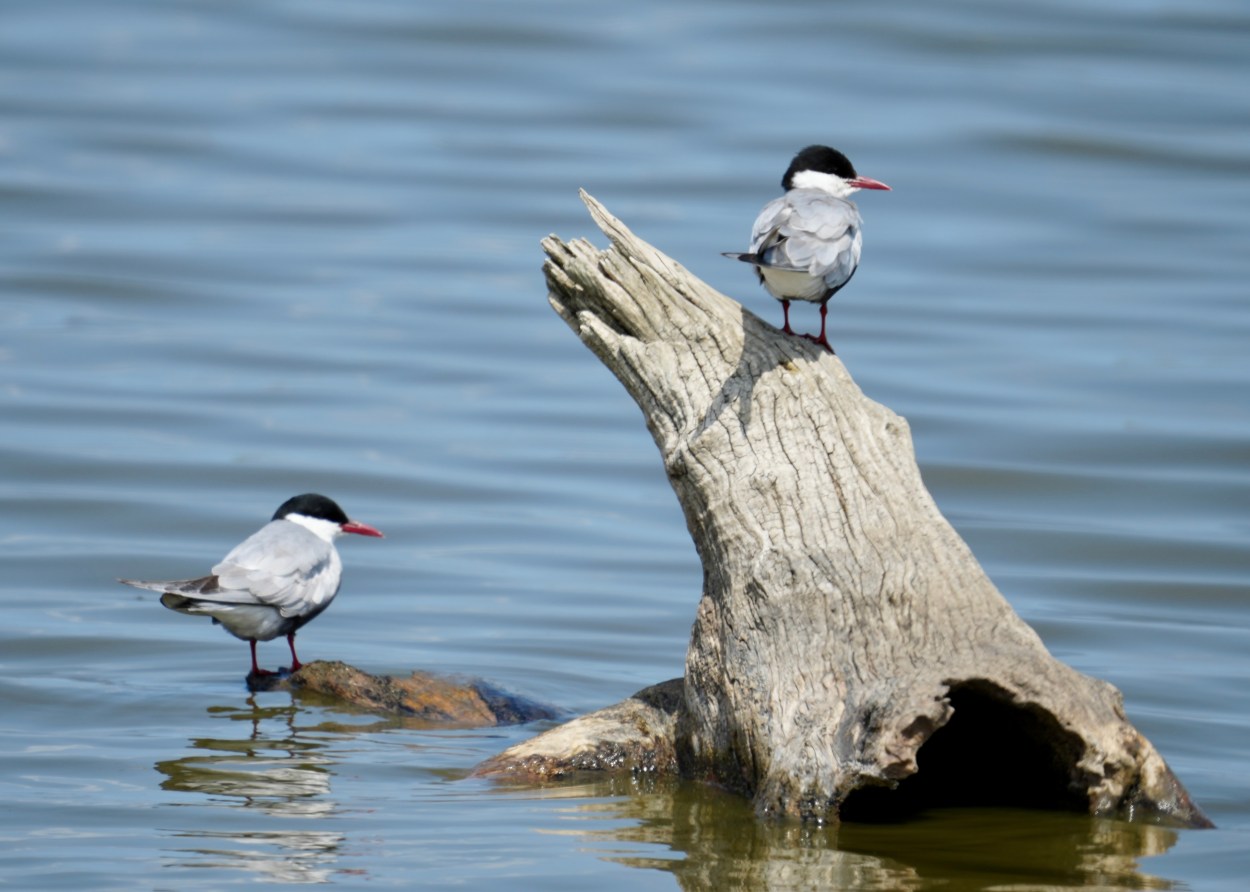
Whiskered Tern were plentiful – though we did find a Common Tern contender (awaiting adjudication)
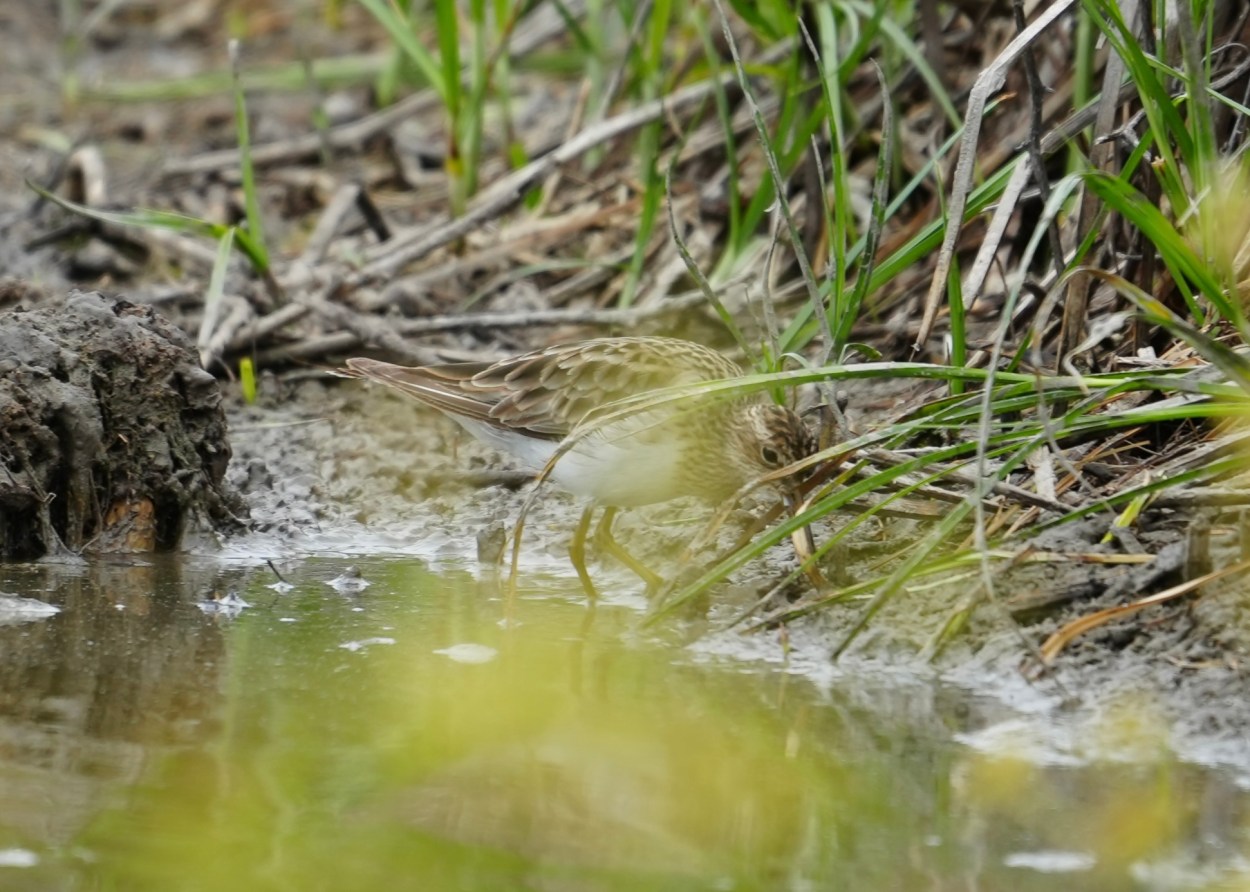
Star bird was this Pectoral Sandpiper which we relocated on Borrow Pit in the afternoon

What a way to end our week in Victoria with Rob & Gi – great hosts, great food and lovely birds. Thank you…

Tex-Az – Day Twenty Seven

Better views of yesterdays addition to our US list – White-rumped Sandpiper at the Junction poo ponds

It was Global Birding Big Day today so we had a tricky balance to strike between sites visited and time spent on the road, travelling another 250 miles east towards Houston. We started at South Llano at dawn seeing most of the stuff we’d seen the previous afternoon, but we did managed to see our two target birds – Black-capped Vireo (again) and Golden-cheeked Warbler, a specialist Edwards Plateau breeder. The latter a list addition – yet again preventing a ‘dot day’. It was then back to our motel to pack up before heading west, via the Junction poo ponds. A nice selection of waders there but fewer ducks and no Black Tern from the previous day. We broke our journey at an urban park in San Antonio – Crescent Bend Nature Park – where we had a reasonable selection of birds despite the time of day. We hadn’t reckoned on an hours delay to check in to our hotel at Sealy – some dispute between them and Booking.com – so by the time we got out again we could only managed a couple of hours at our final spot of the day, the Attwater Prairie Chicken National Wildlife Refuge. A few additions to the Global Birding day list – total over 80 species – but alas no chickens. Not that we were really expecting to see these super rare birds at this time of the year – but you’ve got to try! It was dark when we finally got back to the hotel.
Grab shot of the aptly named Golden-cheeked Warbler in South Llano
The ethics committee is still out on Muscovy Duck, seen at Crescent Bend – it looked pretty wild to me
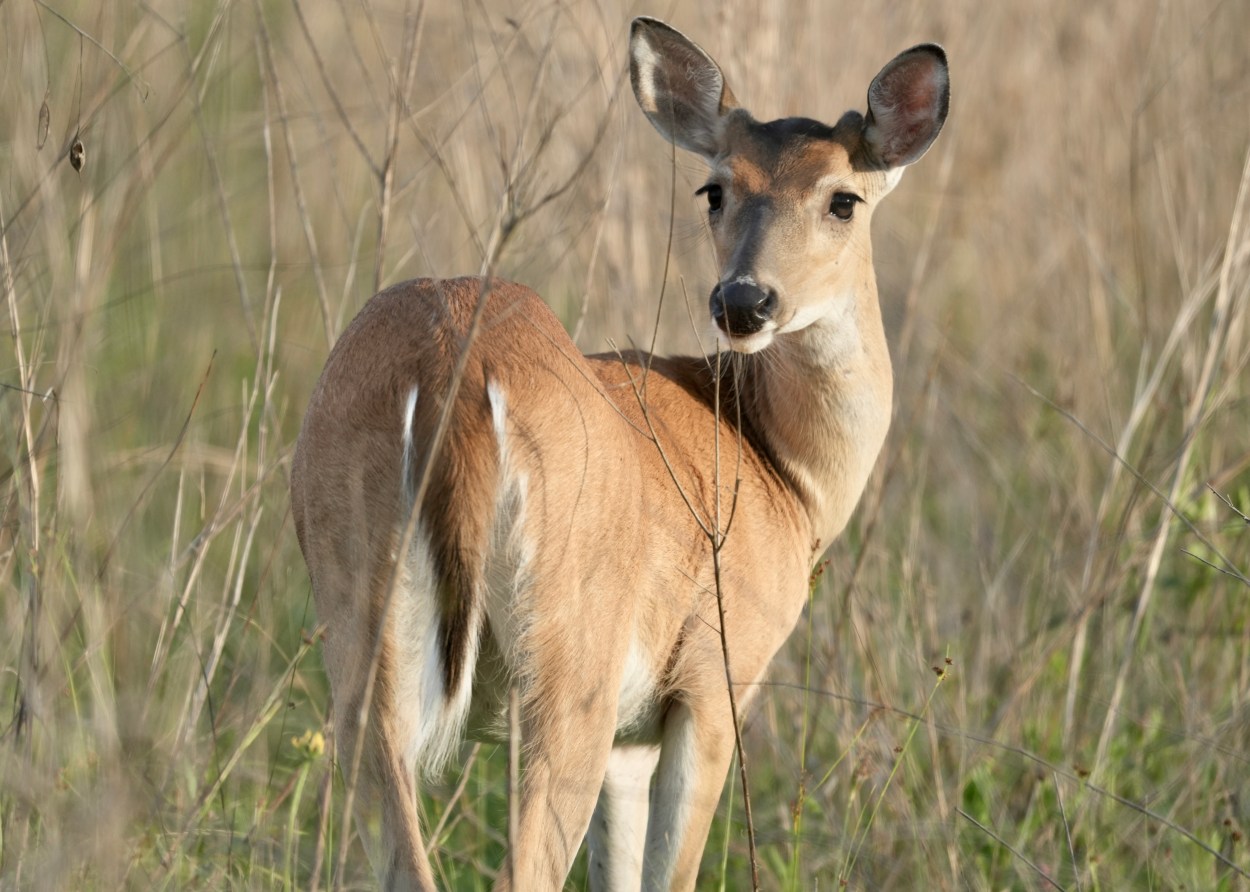
Some sort of deer – seen at Attwater at dusk – bringing our Global Birding Big Day to a close

Tex-Az – Day Twenty Three

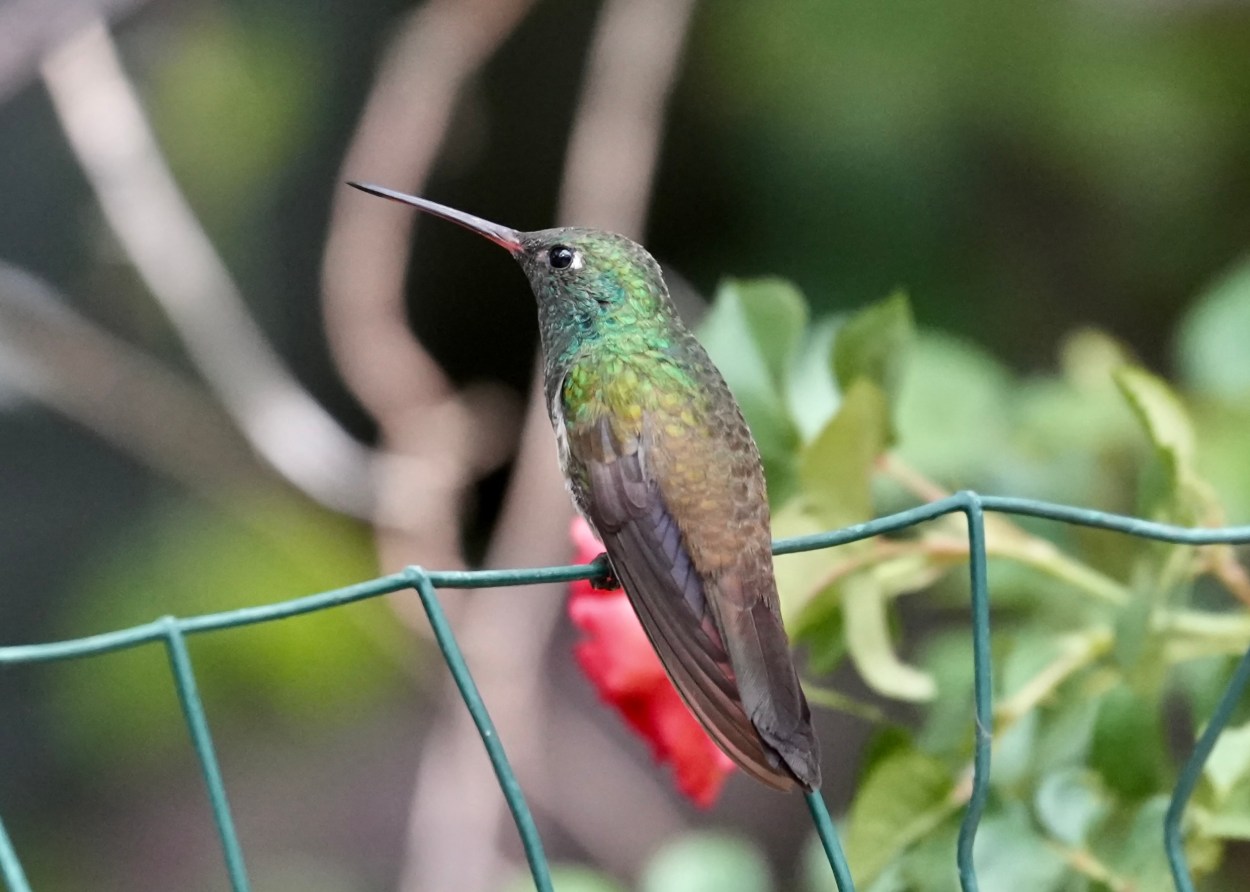
Berylline Hummingbird – a rare visitor from West Mexico – and a US tick

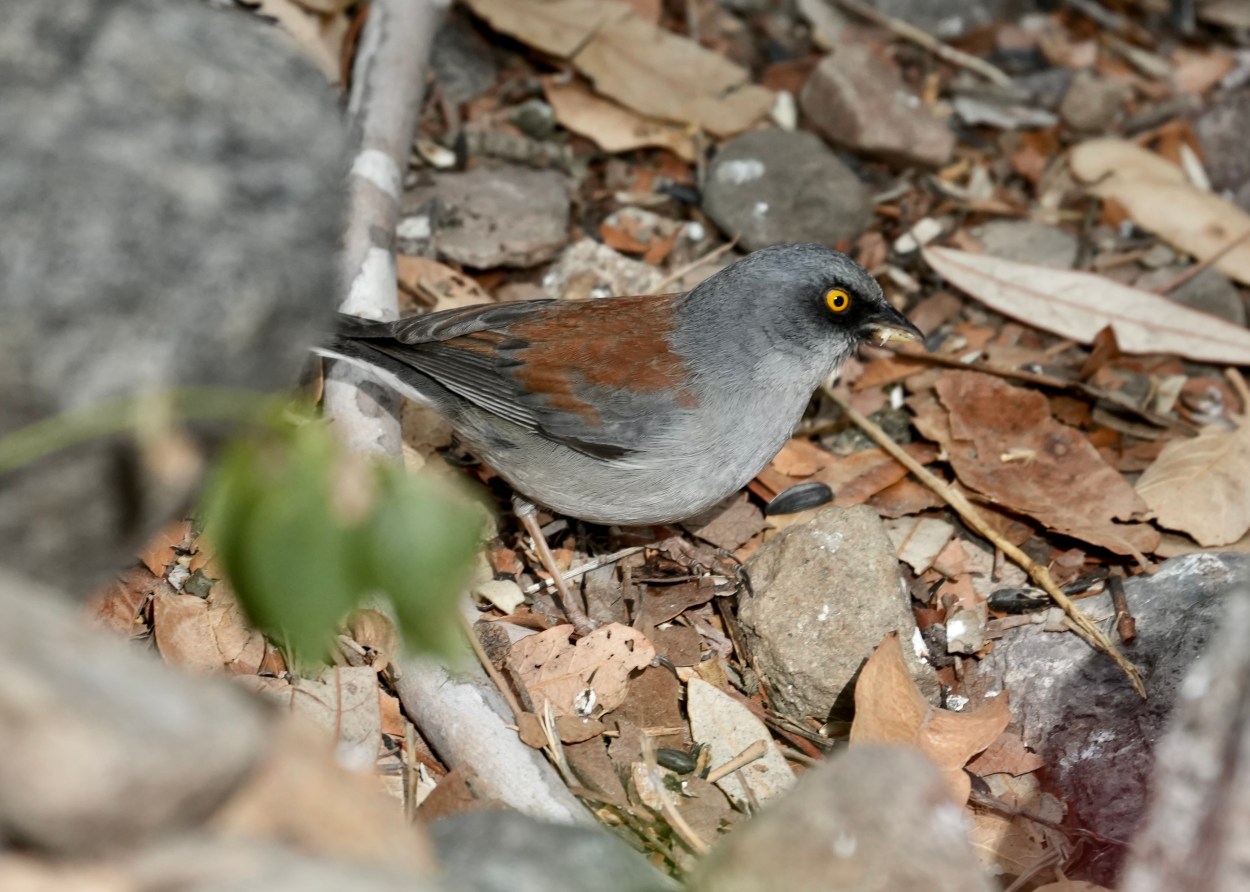
After more than three weeks of travelling we’ve reached the most westerly point on our Tex-Az birding trip itinerary. Green Valley is a convenient location for accessing the western canyons of Madera, Montosa and Box. Our day started at Paton – nothing new but some nice early morning birding anyway. We then drove through the outskirts of the border town of Nogales to reach a stretch of the Juan Bautista De Anza trail which, in the past, has provided some special birds – but not on this occasion. It wasn’t until Amado water treatment plant that we added our first tick of the day – a lone Ring-billed Duck, amidst the flock of Black-bellied whistlers. After a brief recce of Montosa Canyon – a new location for us, we had lunch and checked in at the Comfort Inn, our base for the next couple of nights. We then headed out to Madera Canyon for an afternoon and evening birding session. One of our target birds was Berylline Hummingbird, which had been reported from Madera Kubo B&B. We arrived just as the bird was spotted visiting the feeders. It obligingly hung about for us to obtain photos. A US tick for us. We also added Yellow-eyed Junco as a trip tick. We did a bit more general birding – killing time before dusk. At the top carpark we heard Whiskered Screech Owl calling and saw our first Lesser Nighthawk emerging. Later, at the Amphitheatre, we added Western Screech Owl and Northern Pygmy Owl. Our total for the trip is now around 340 – just ten more species to reach our ambitious trip target.

Yellow-eyed Junco another trip tick at Madera Kubo B&B
Our day-time birding was book-ended by the delightful Hermit Warbler – seen at Paton and Madera

Tex -Az – Day Seventeen

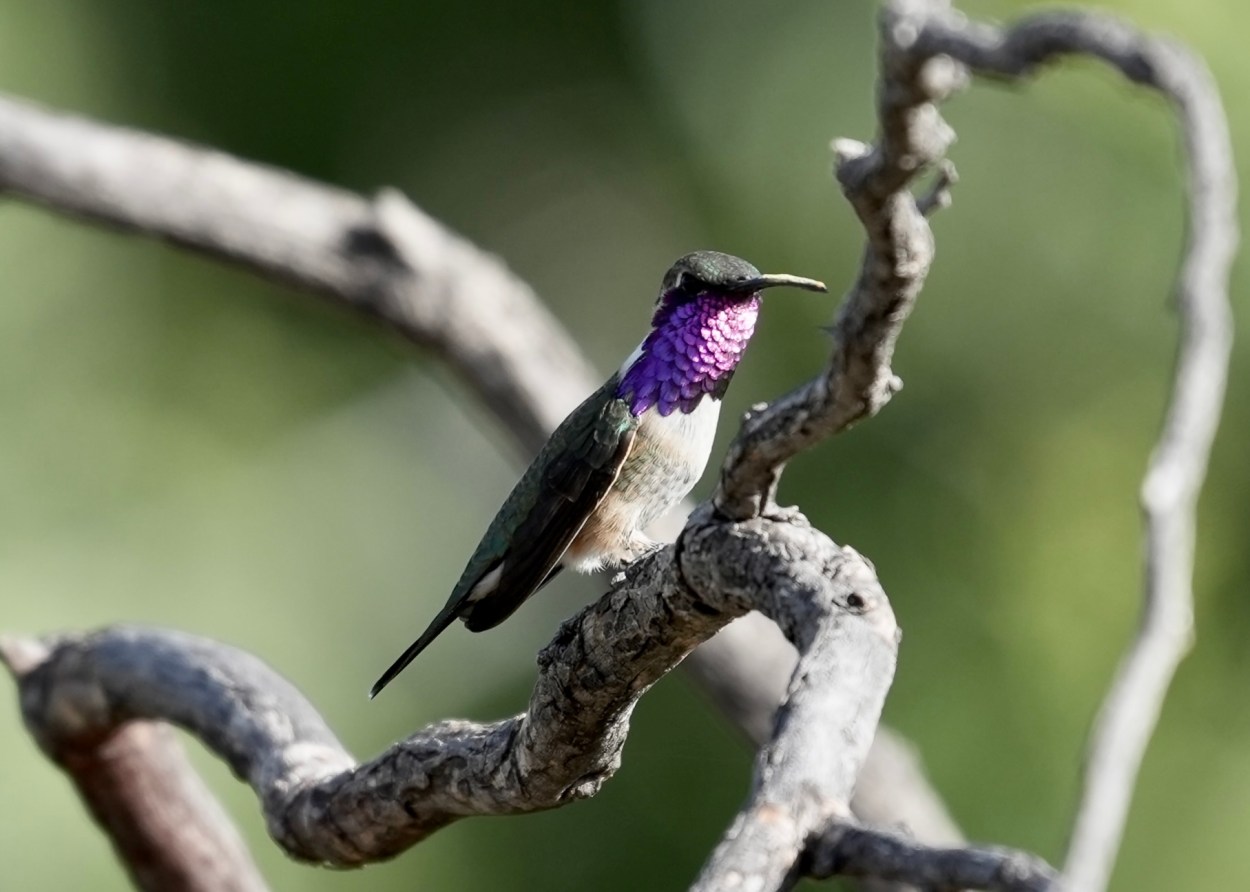
Our target bird at Christmas Mountain – Lucifer Sheartail

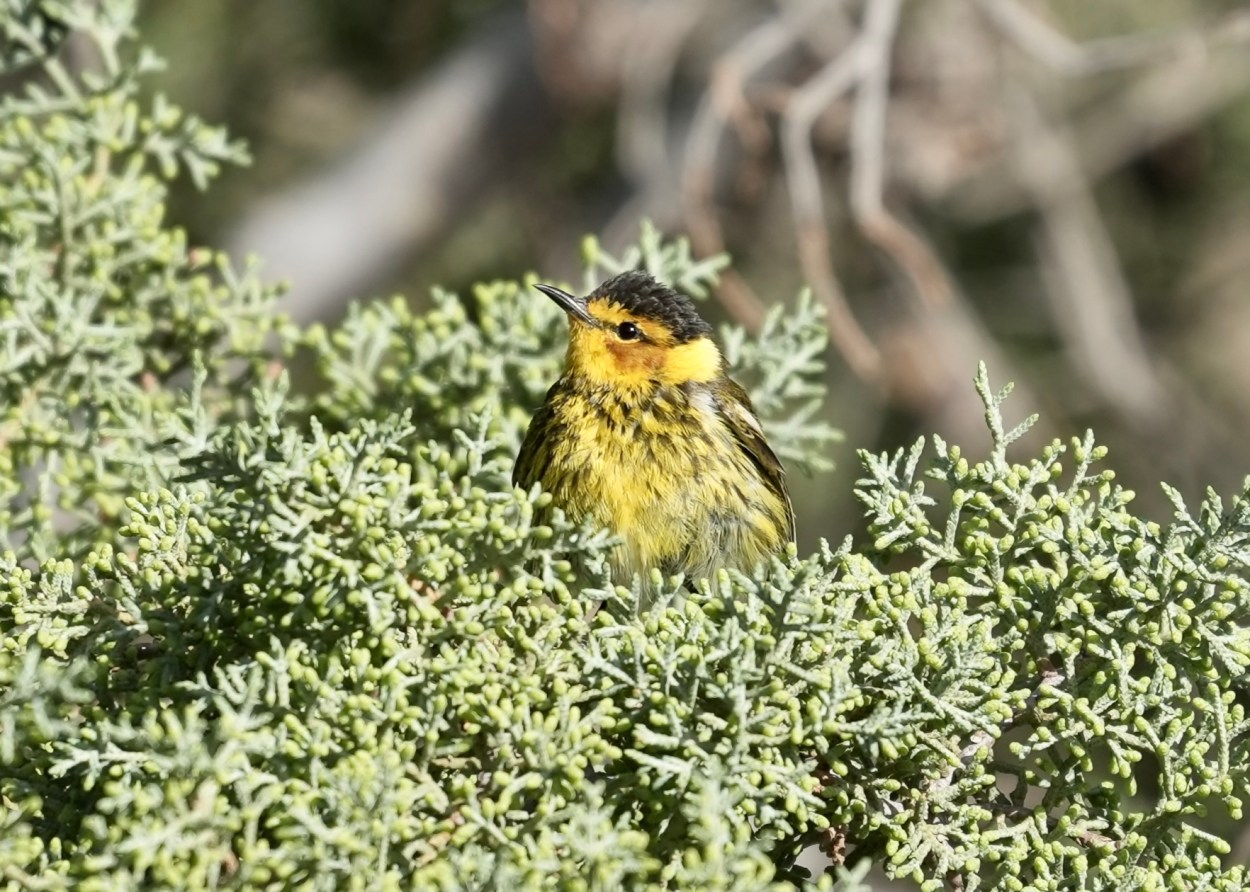
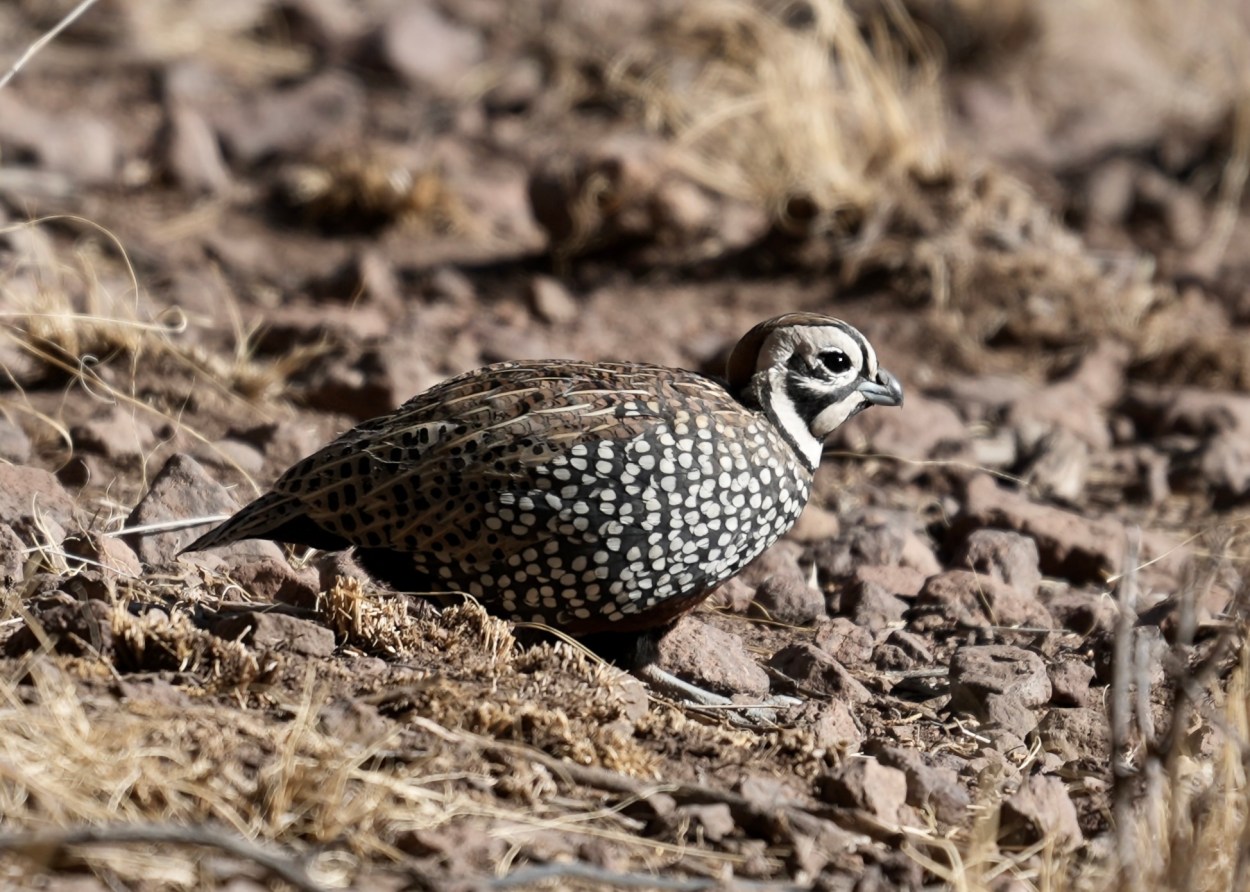
There are good days and bad in birding. Yesterday was bad – well in terms of seeing our target birds that is. Today was good. We continue to steadily make our way west towards Arizona. We left our overnight accommodation at Study Butte after a makeshift breakfast and arrived at Carolyn Olh-Johnson’s oasis reserve at just after eight. It’s a small property, lost in the Christmas Mountains, where she started creating her fabulous sanctuary in 1996. Access is by invitation and is located at the end of a rough track ten miles from the highway. It’s perhaps the most reliable spot in America to see Lucifer Sheartail – or hummingbird as it was formally known. We spent three hours there watching a constantly changing cast of species. We saw over 40 including our target bird and two warblers that were rare for the site. Cape May – only seen once before – and Black-throated Grey, with less than a handful of records. An extraordinary experience. We then headed for Alpine where lunch at MacDonalds was accompanied by an overhead Zone-tailed Hawk chased by an American Kestrel. Johnsons Pools (no relation as far as I’m aware) is another birding oasis only this time in the suburbs. Still, some excellent birding including Northern Waterthrush – our first since we left the Gulf – and Western Tanager. A brief stop at the lakeside pull-off north of the town produced Green Kingfisher, Mexican Duck and Gadwall before we arrived at our overnight stop of Fort Davis. A quick visit to the Davis Mountains State Park interpretation centre produce good intel on our next target and a second shot at Elf Owl. The Montezuma Quail duly obliged at the look-out blind before supper as did the Elf Owl after. A captivating display of nighthawk on the road home rounded off a very productive and satisfying day. The rollercoaster that is birding – I love it!
The redoubtable Carolyn Ohl-Johnson with the gang
Cape May Warbler – only the second record since 1996 at Christmas Mountain
Montezuma Quail – our target bird in the Davis Mountain – only previously heard

Tex-Az – Day Eight

Best of the warblers at Sheepshead Street was MacGillivary’s – a tricky bird to pin down

We spent the entire day, seven ’til seven, birding two locations on South Padre Island, just three miles apart – the Convention Centre and the lots on Sheepshead Street. Although the effects of the rain from the previous day had worn off and there were clearly few birds about, nevertheless, we were still entertained for twelve hours birding, with just a lunch break in the middle. We opened the account with a Veery at the Convention Centre drinking pool – well actually I missed it and only managed a ‘grip back’ late in the day – our third thrush species of the trip. Clapper Rail and Sora from the board-walk and several ‘bush birds’ around the Centre. It was then off to ‘the lots’, a series of connected undeveloped building lots which have been saved for nature amongst the urban sprawl. MacGillivary’s Warbler and Inca Dove were early additions along with a good spread of other migrants. We then shuttled between these sites until our final ‘sun-downer’ visit to the Centre for a fine display of nighthawks – difficult to be sure but we think both Common and Lesser were on show. A great day of leisurely birding with some nice birds and equally nice birders.

Early morning feed by this Clapper Rail – we had several more sightings through the day
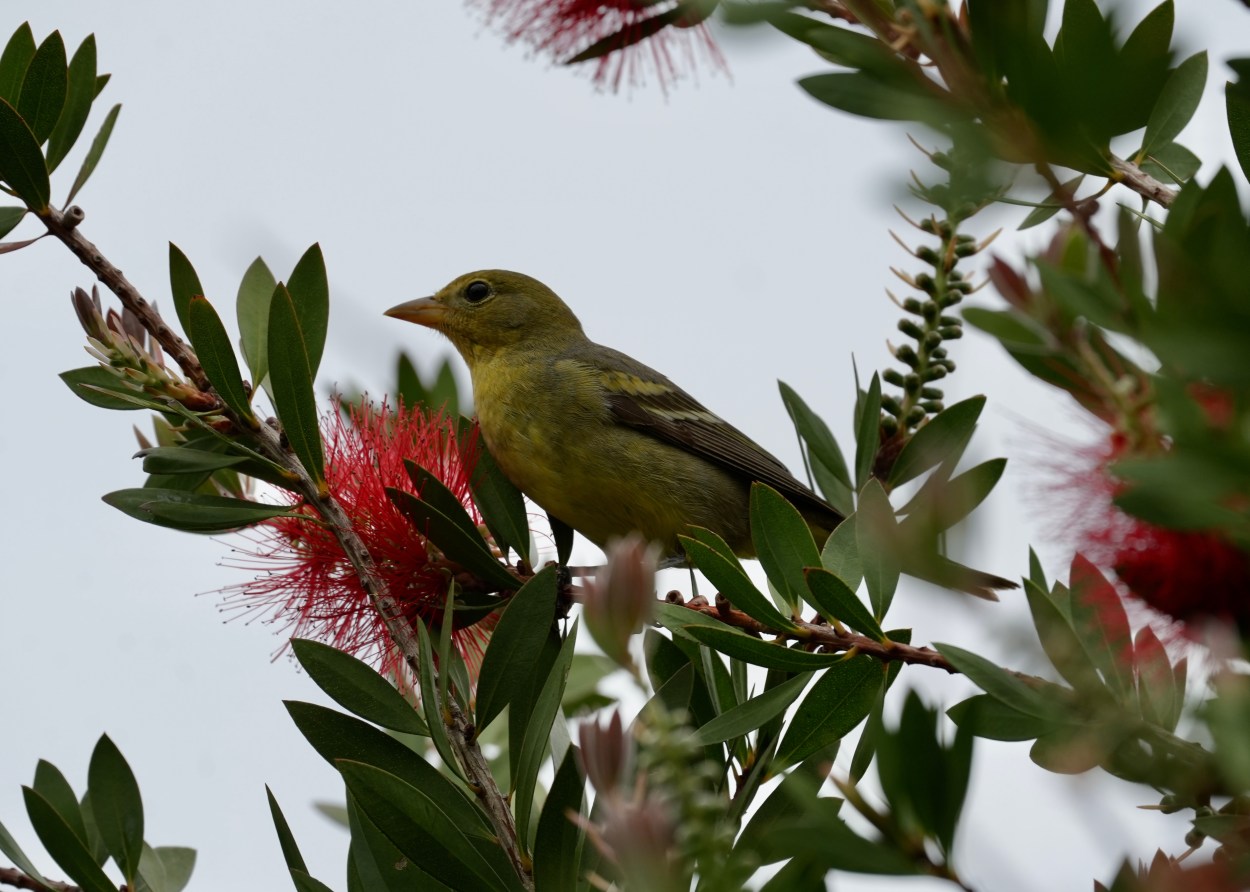
This Western Tanager was a nice turn-up at the Convention Centre
We’ve only connected with Ruby-throated Hummingbird so far – plenty more to come I’m sure
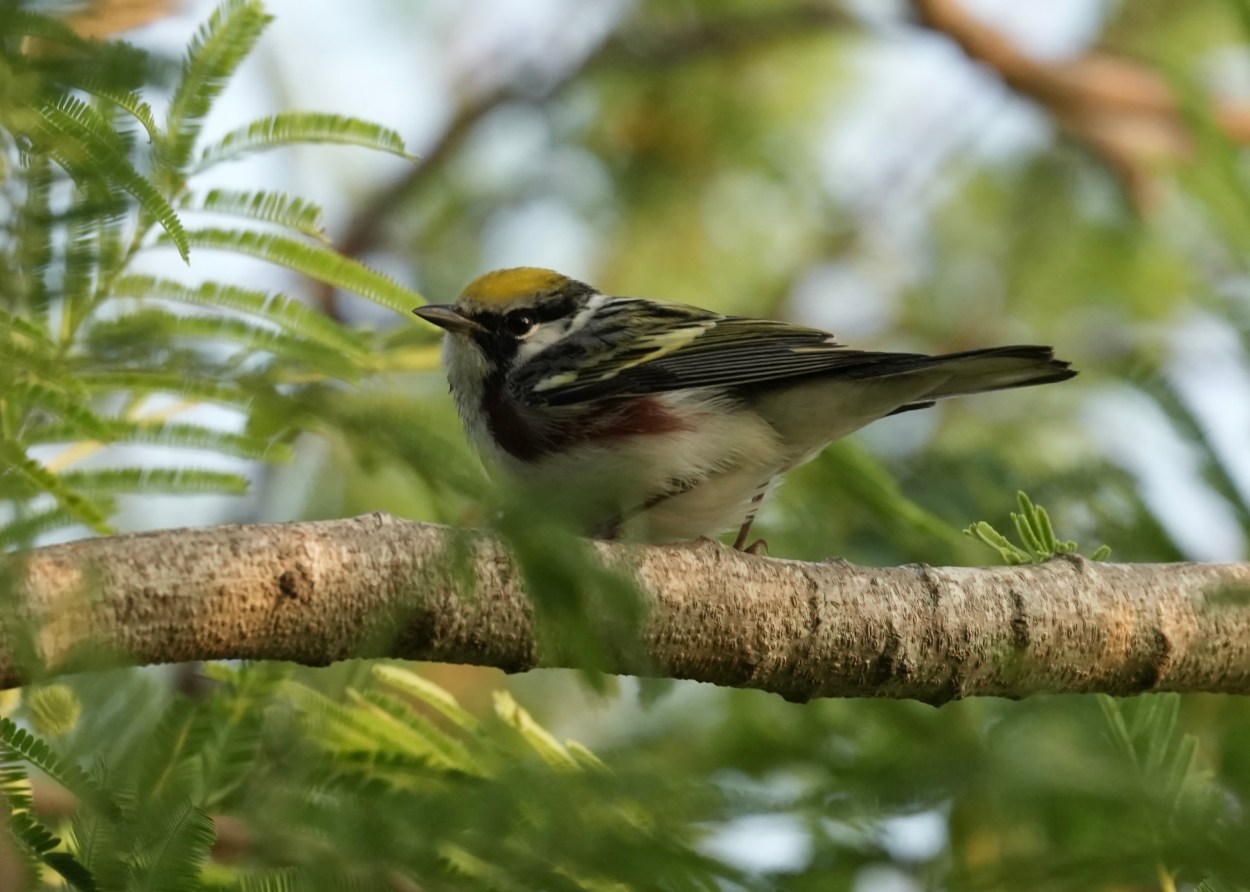
Chestnut-sided Warbler took some finding as it flitted through the canopy
Lesser Nighthawk put on quite a display at dusk
Veery – the start of a great days birding on South Padre Island – photo courtesy of Jane

Arran adventure

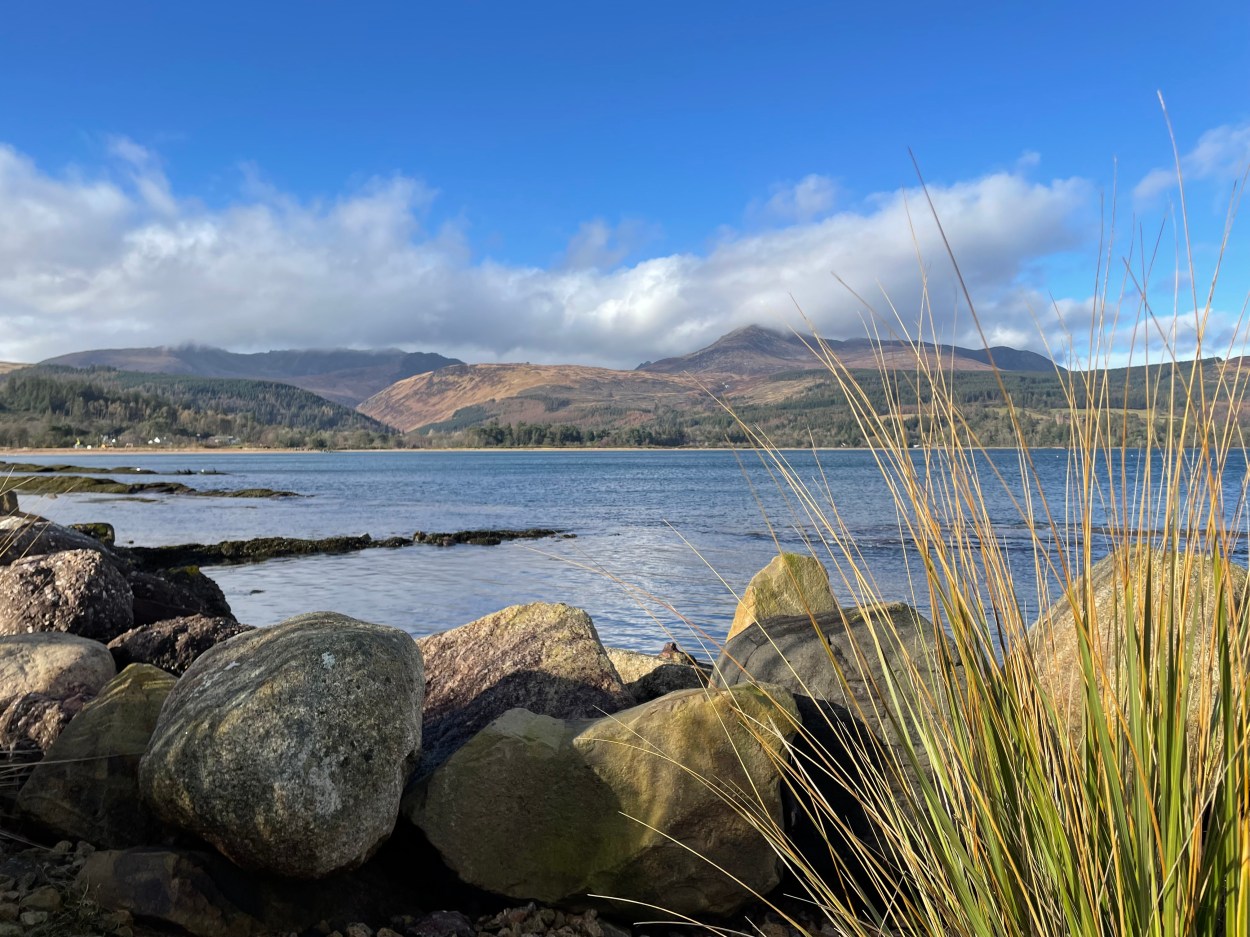
Looking across Brodick Bay to Goat Fell, Isle of Arran

We spent the half-term week with Josh, Al and the girls on the Isle of Arran – they’re planning to relocate to the island in the coming months. As you might expect for mid-February the weather was mixed, with mainly strong winds and heavy showers (a bit of snow on the tops) but we did get the odd sunny spell.

As a teenager and then later, when Mum and Dad lived on Benbecular, I’ve visited a good number of the Scottish islands but never Arran, which is often described as ‘Scotland in miniature’. The seventh largest of the Scottish islands, it cover 167 sq miles, has a perimeter road of approx 90k and reaches the highest point at Goat Fell of 2,867 feet. There are just under 5000 residents but being close to the Scottish mainland, with generally a good ferry service, receives over half a million visitors annually.

Before I went I checked out Arran Birding and made contact with local birder Jim, who was very welcoming and helpful. We spent the week sight-seeing, house hunting, entertaining our grand-daughters .. and birding! Over the five full days we were actually on the island we managed to find 70 species which, in Jim’s words, ‘.. you have done exceptionally well for a first visit in February.’  Here are a few of our highlights:

First morning exploring the beach in Lamlash – a surprise Whooper Swan
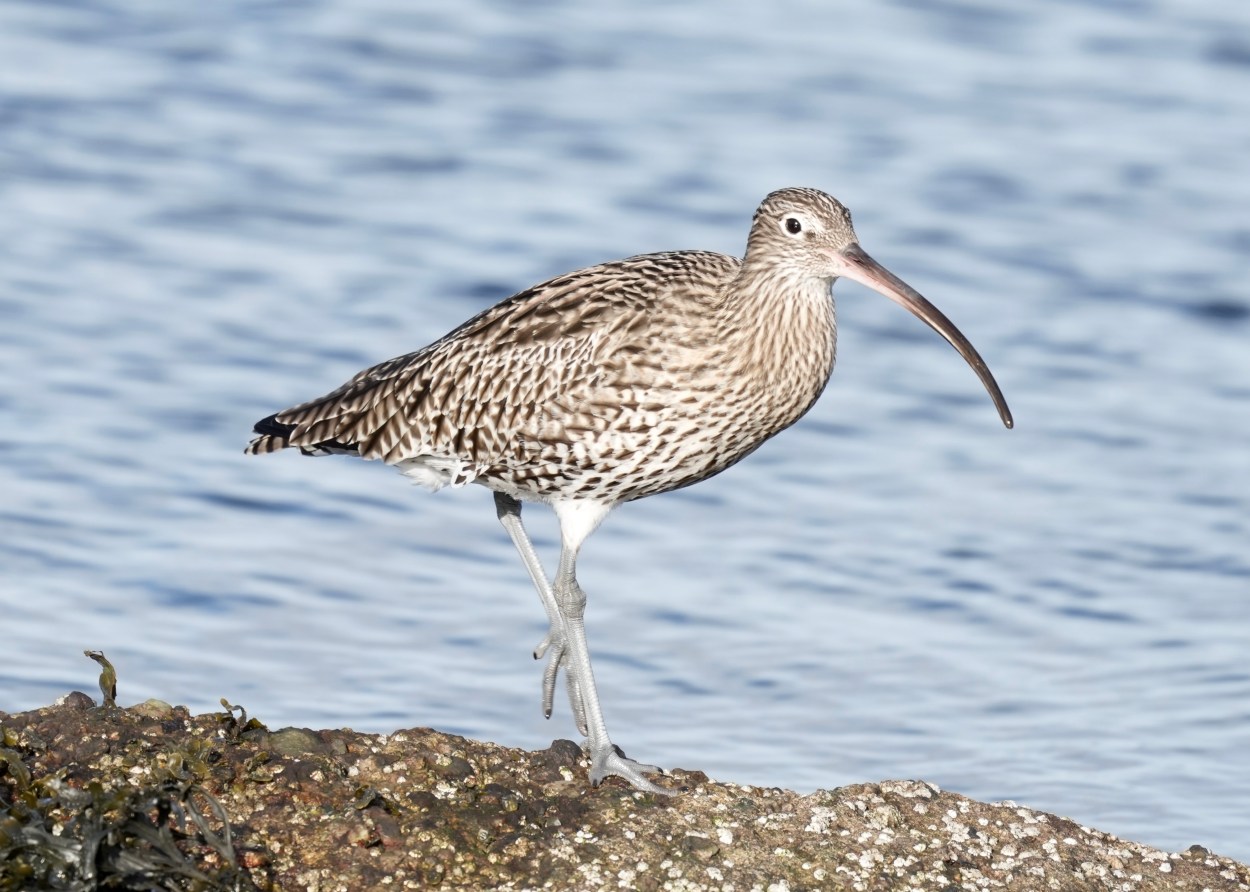
There was a reasonable assortment of shorebirds immediately opposite our Airbnb – including Curlew
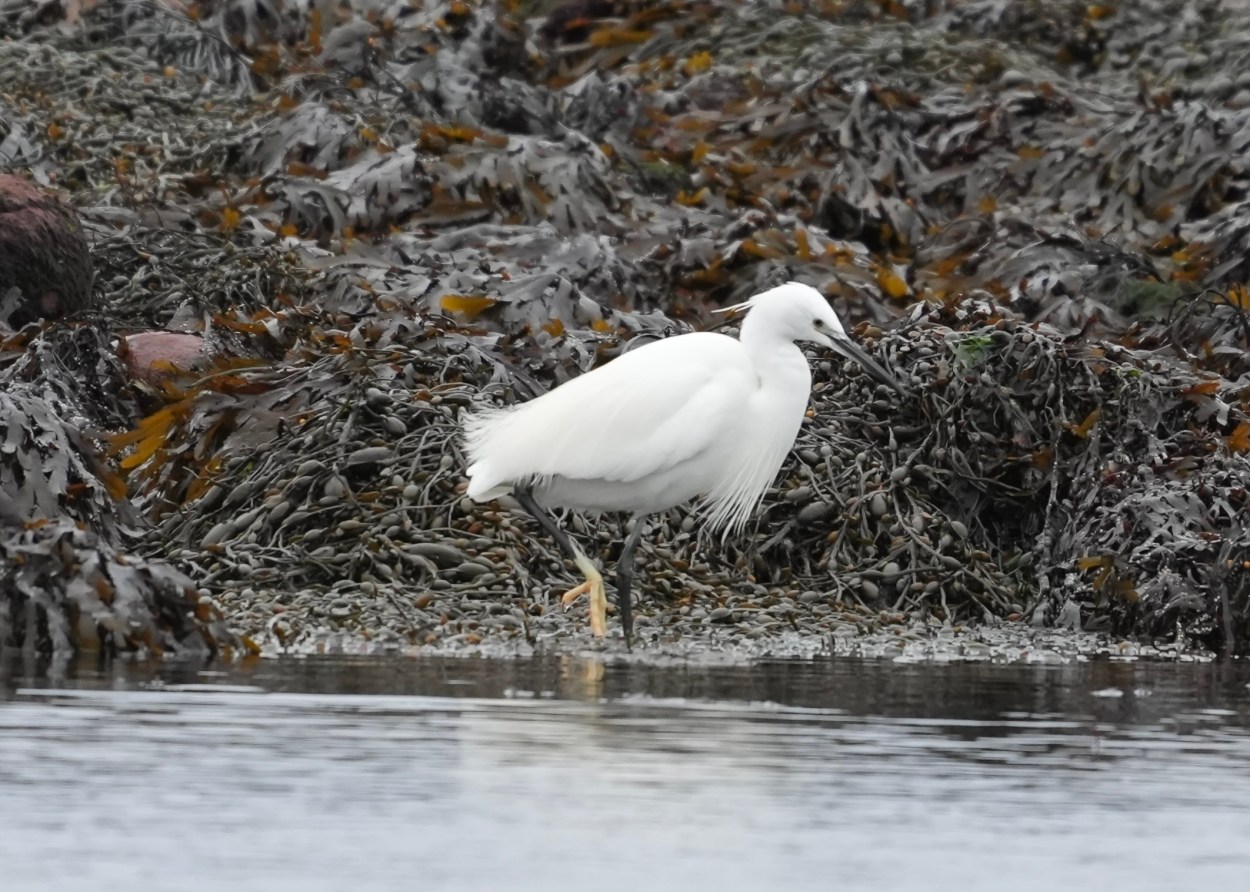
Another early surprise was Little Egret – which have arrived on Arran in recent years but spread quickly
We saw a good variety of ducks – Red-breasted Merganser being the most common
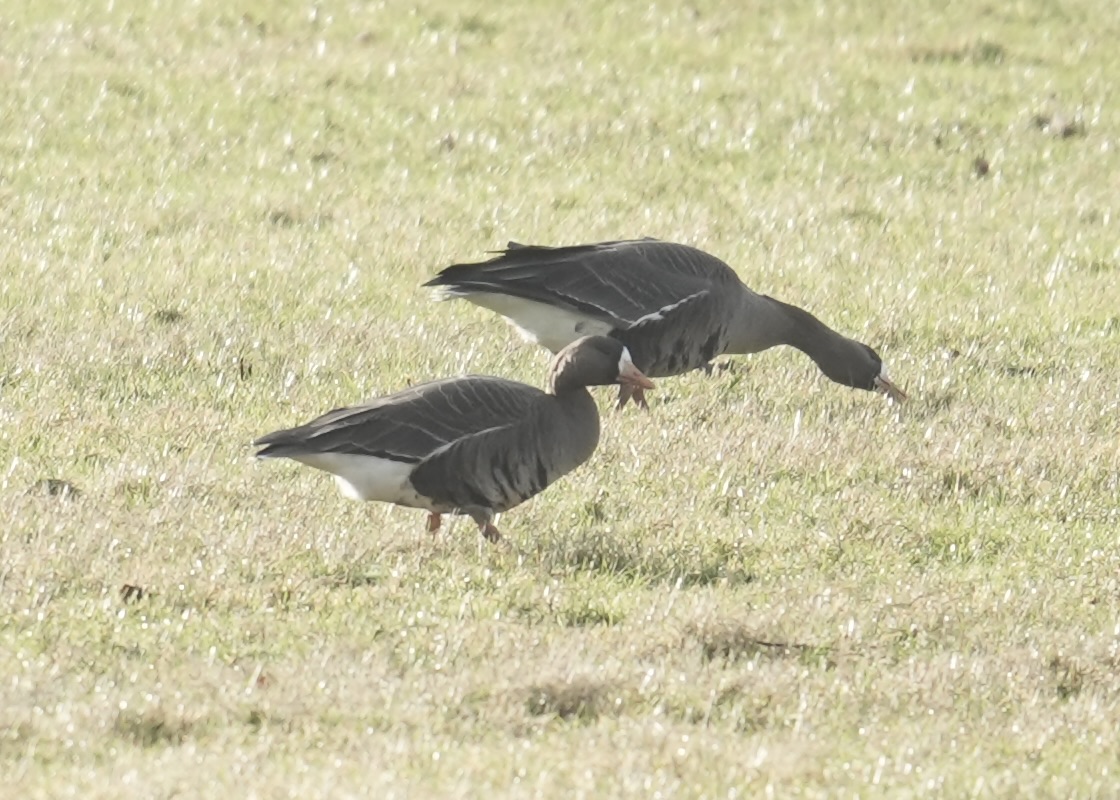
Best of the wildfowl were five Greenland White-fronts which we found at Shiskine
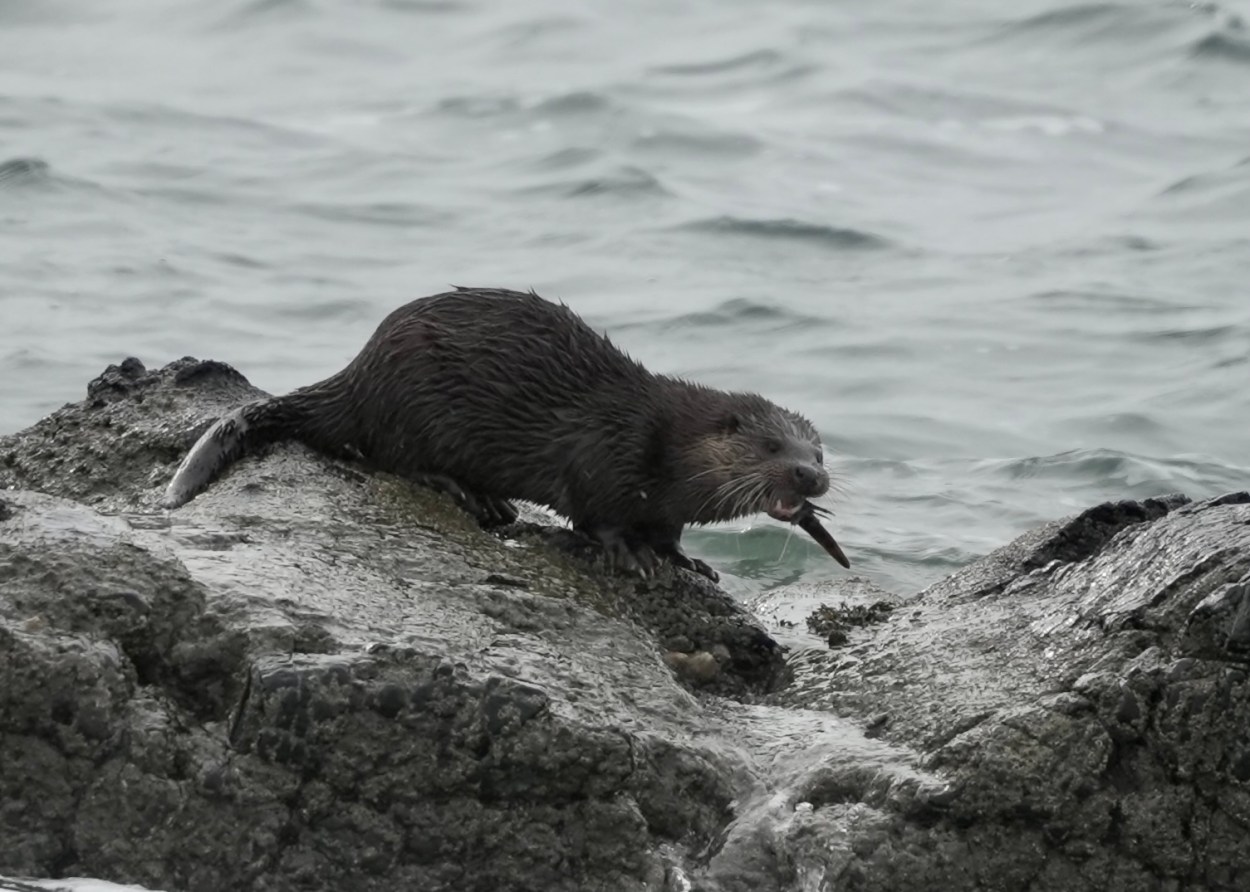
Other wildlife highlights included this Otter, watched whilst we ate our sandwiches in the golf club car park
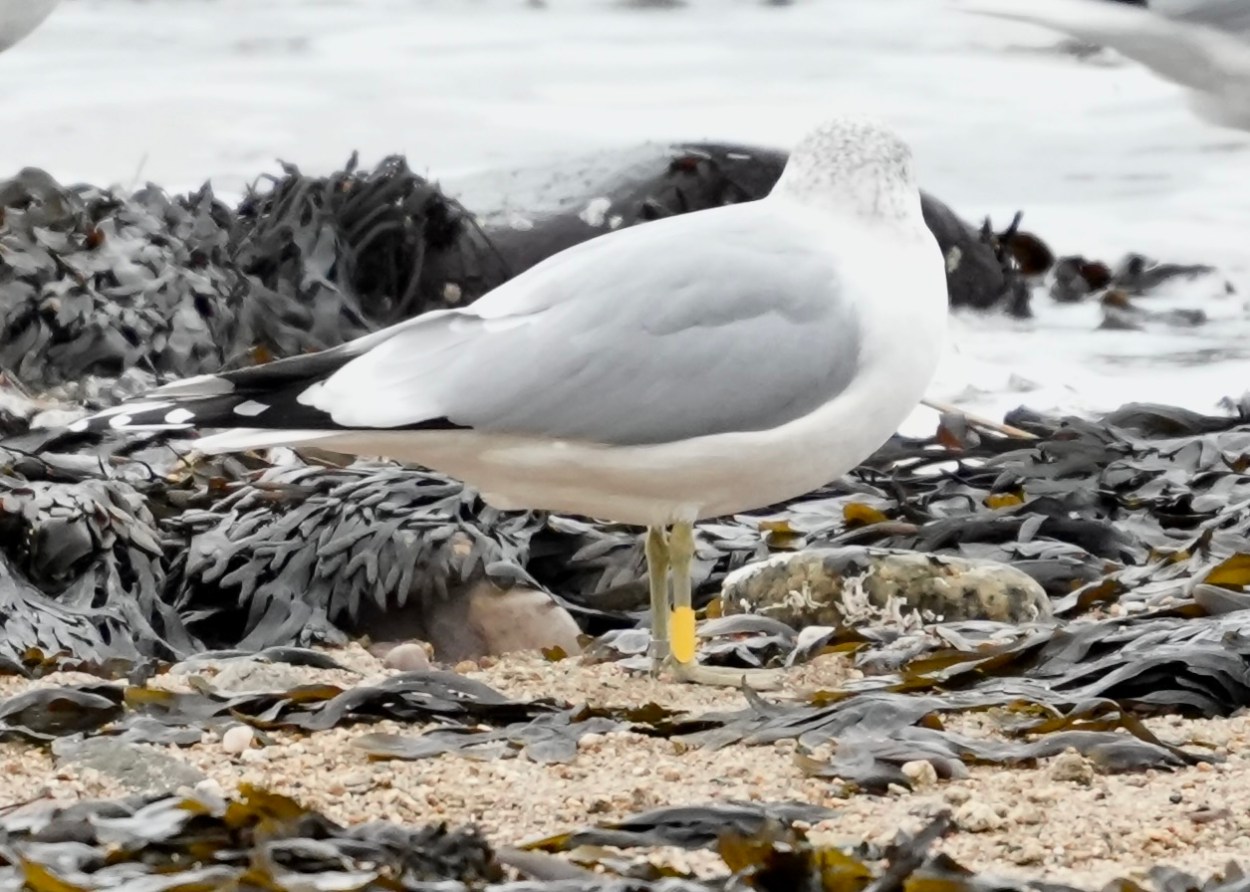
There were plenty of gulls to scrutinise – this Common Gull was wearing a non-standard colour-ring – Jim is helping to track it down
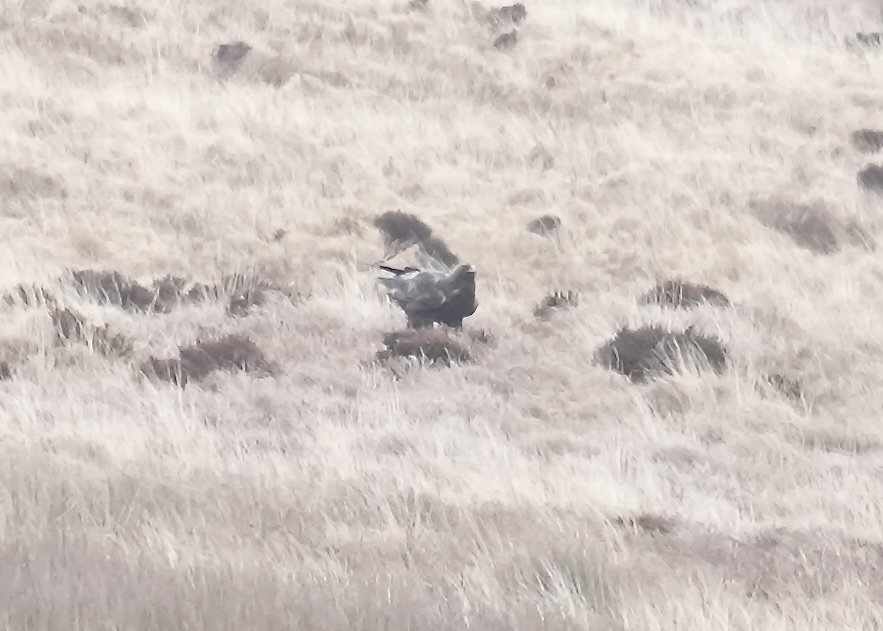
Arran is home to some very special birds – including Golden Eagle. We eventually found a pair in the northern ‘highlands’
Out with the family, including brother Bryan, on Sannox beach, with Goat Fell in the background

Assuming their house sale / purchase goes through OK, doubtless we’ll be spending more time on the lovely island of Arran in the future.