This was us at 05.45 trying to find the right trail in the gloom
I’m late writing this post because we’re still recovering from our marathon hike around Big Bend, looking for some very tricky species. In the end we were on the trail, from first light, for eight hours, walked a dozen miles or more and climbed and descended several thousand feet. Thankfully the temperature wasn’t quite as hot as the previous day but it was in the 90’s by the time we finished. When we’d finally recovered enough to go for supper the temperature at our motel was 109 degrees. So what did this herculean effort produce? Well a good list of interesting birds but alas not our target Colima Warbler, nor our back-up bird of Blue-throated Hummingbird. Both specialist Big Bend species – the warbler was obviously having a day off and, according to local birders, the hummer has yet to arrive. It certainly wasn’t a lack of effort which failed to add these special birds to our list – more likely the topsy-turvy world of global migration.
Mexican Jay – accompanied us on our 12 mile hikeSpotted Towhee – one of the ‘minor league’ additions to our list
We hit the trail today – heading west and then south to Big Bend NP. Here is the Gage Hotel in Marathon
Today was a transition day – starting in Del Rio and ending in Study Butte, on the western edge of Big Bend National Park. Our coffee stop was in Marathon where we spent a couple of hours in the very birdy ‘oasis’ Gage Gardens. We had several warblers, including MacGillivray’s, Townsend’s, Wilson’s and Audubon’s, a probable Hammond’s Flycatcher (id still under consideration) tanagers, thrashers and 15 American Pipit. We then drove the remaining 80 miles to the park HQ and signed in before birding Sam Nail Ranch trail. We checked in to our motel, had supper at the Mexican food cart and turned in, ready for big day in the mountains tomorrow. A ten mile hike, 7000 feet of climbing in exhausting heat (it reached 103 deg today) and all in pursuit of one bird – America’s rarest breeding warbler!
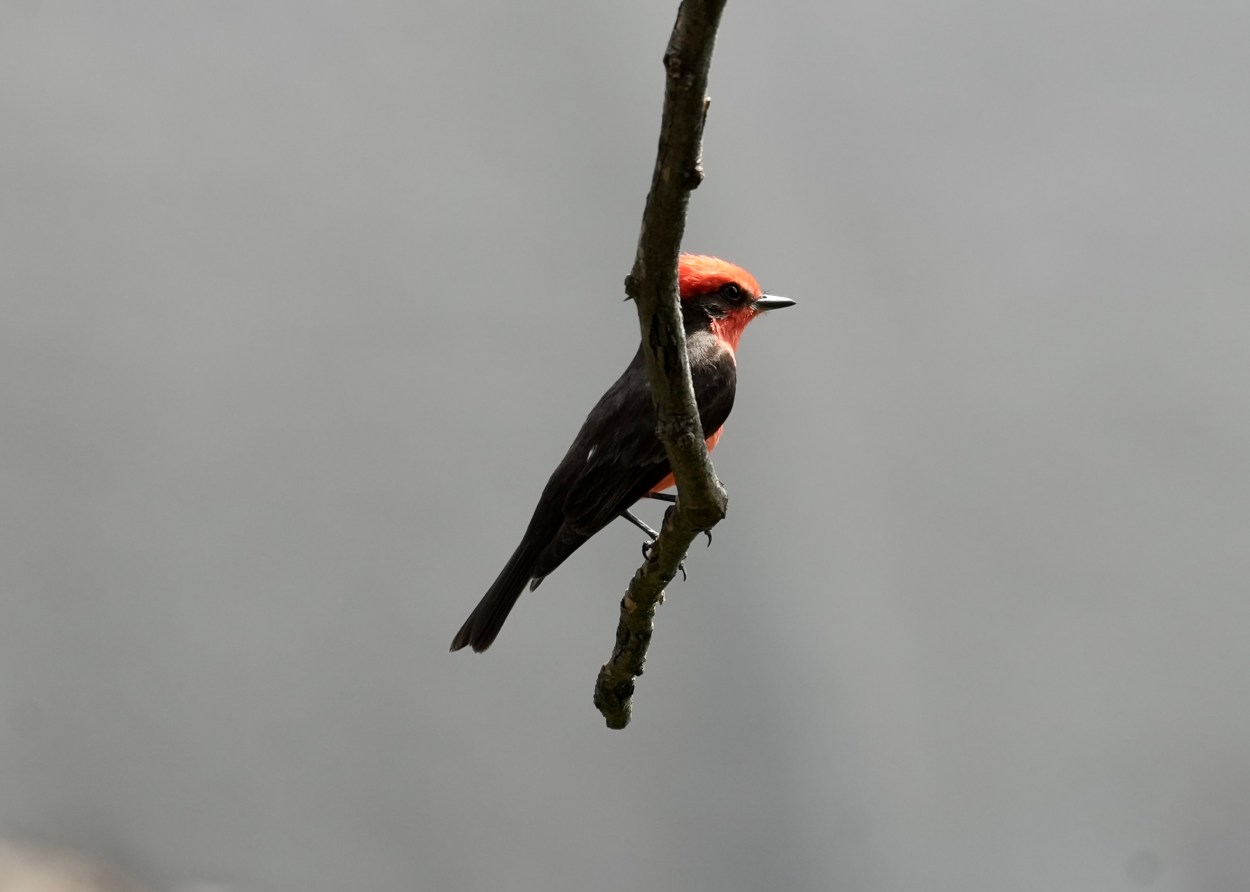
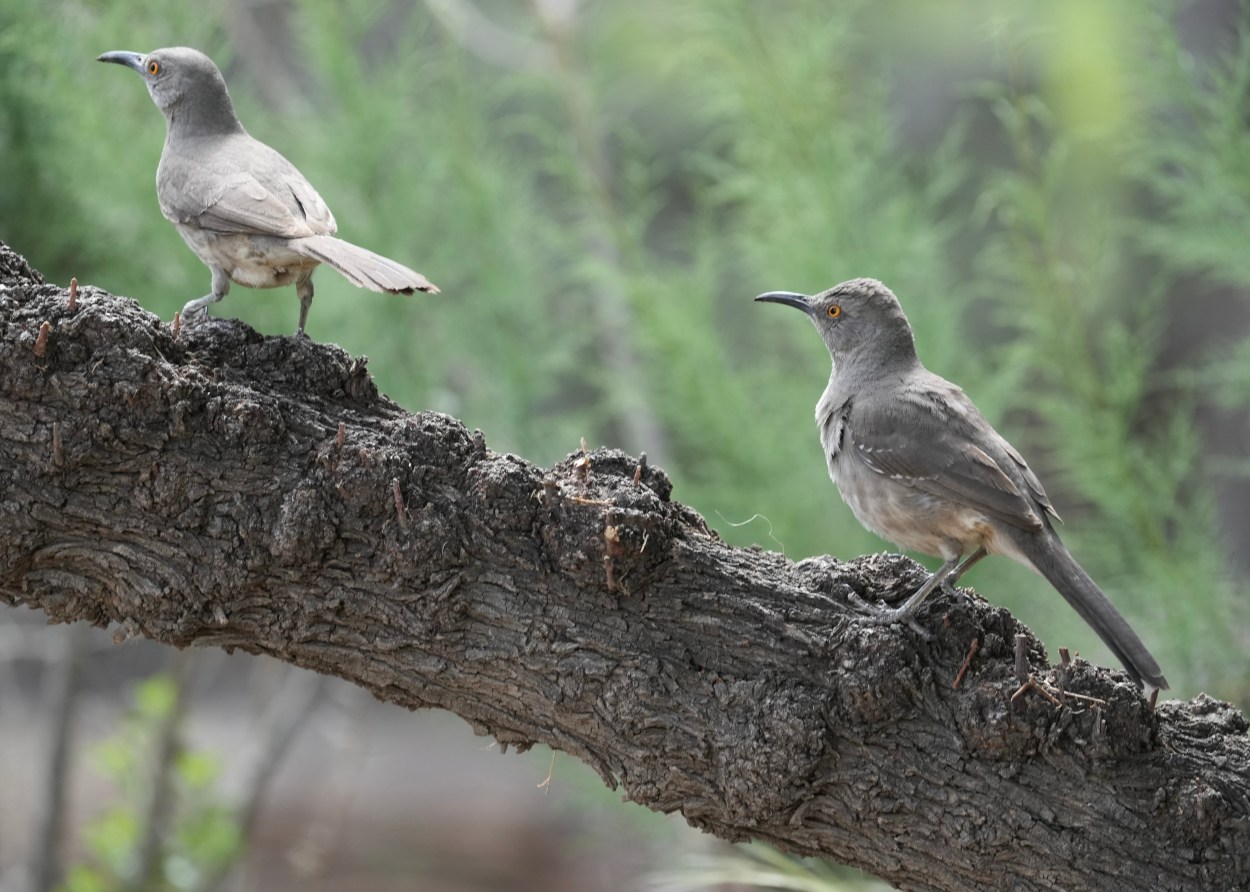
Despite this being a travelling day we did manage some birding – this is Hammond’s Flycatcher at GageOver the past couple of days we’ve started seeing Vermilion FlycatcherCurve-billed Thrasher at Gage GardensThis Ring-billed Gull on an abandoned lot in Marathon was a surprise find– a rare bird in inlandTexas
Early morning birding around Zapata town park produce several warblers including this fine Magnolia
We’re heading for Big Bend, which involves a lot of driving. Today we departed our overnight stop of Zapata after an early morning bird of the town park. Morelet’s Seedeater was a ‘no show’ but we did catch up with a nice flock of warblers which included: Nashville, Yellow, Magnolia and Black & White. Next stop was one of our favourite Rio Grande location – San Ignacio. Unfortunately it failed to deliver any of the target birds 😦 Next stop was the Las Palmas river trail in Laredo. This did us proud with Black Phoebe, Green Kingfisher and Mexican Duck. Not bad for a lunchtime stop-over. We arrived at our overnight accommodation in Del Rio, dropped our bags and headed out birding. This time a drive along Vega Verde Road, produced some unexpected duck species, including Lesser Scaup, Bufflehead and Gadwall, a couple of sparrow sp. and Bell’s Vireo. Tomorrow we have another long drive to reach Big Bend State Park.
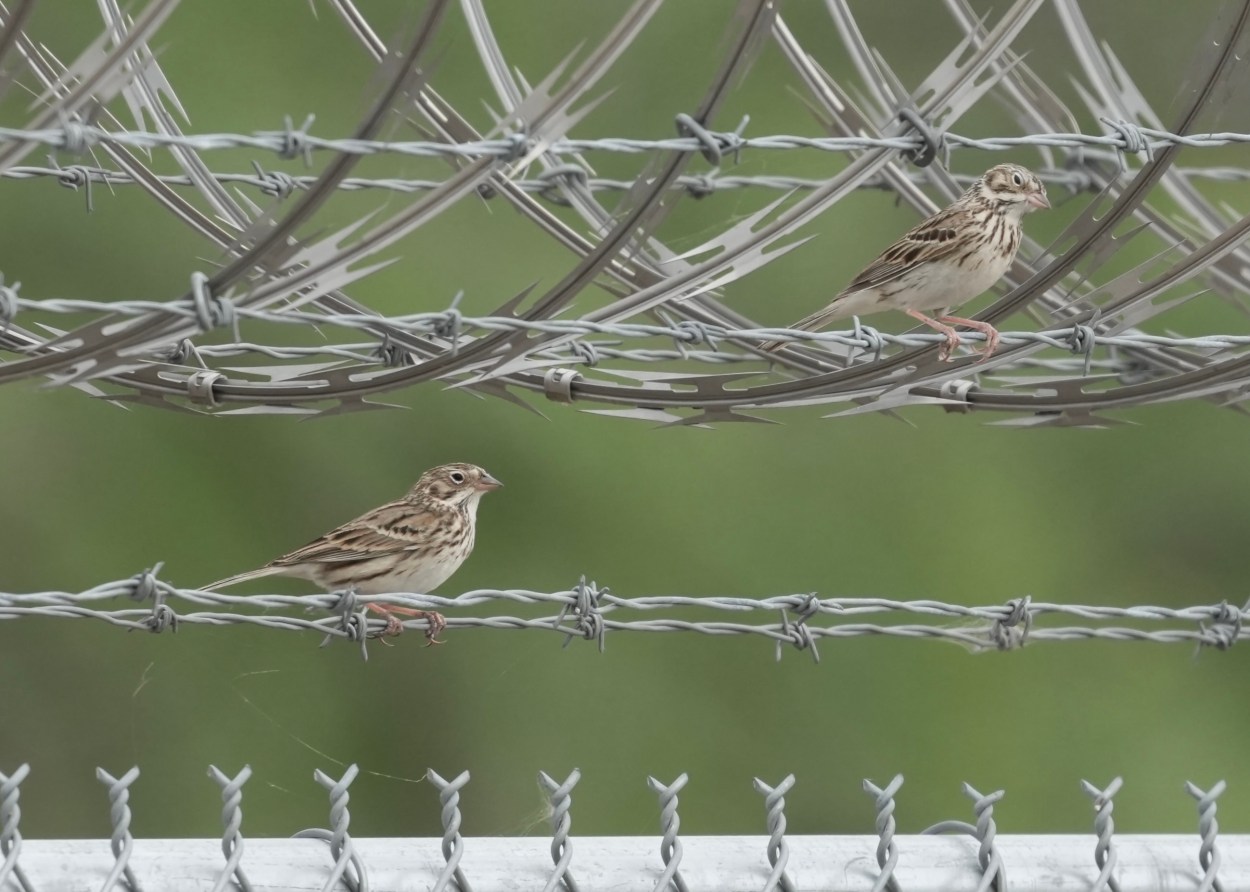
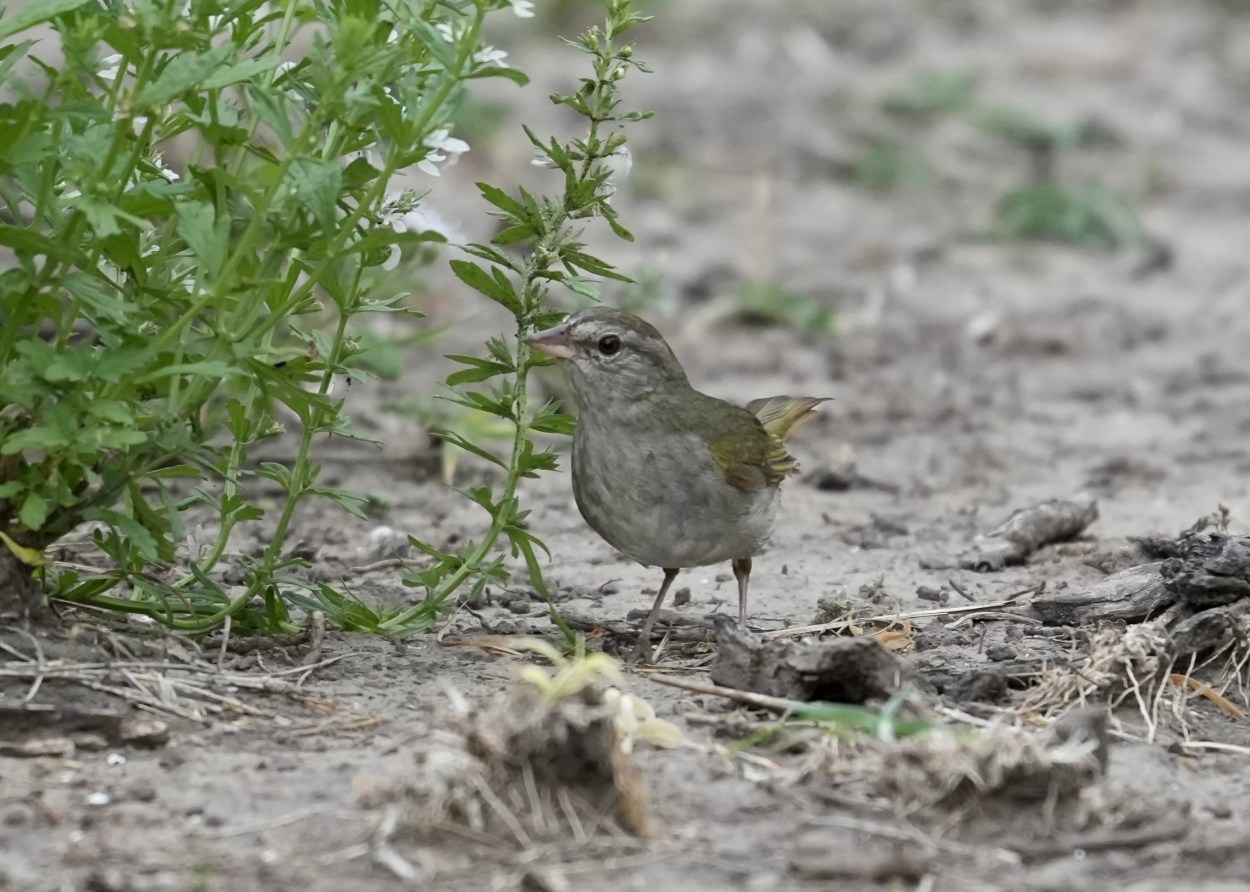
Olive Sparrow was the only Lower Rio Grande speciality seen at San IgnacioThese Clay-coloured Sparrows adorning the old border fence along the Rio Grande at LaredoLesser Scaup was a surprising addition to our list – along with Bufflehead and Gadwall Final new trip tick for the day, Bell’s Vireo – at the end of a long day travelling
Pyrrhuloxia was an early tick along ‘Sparrow Road’
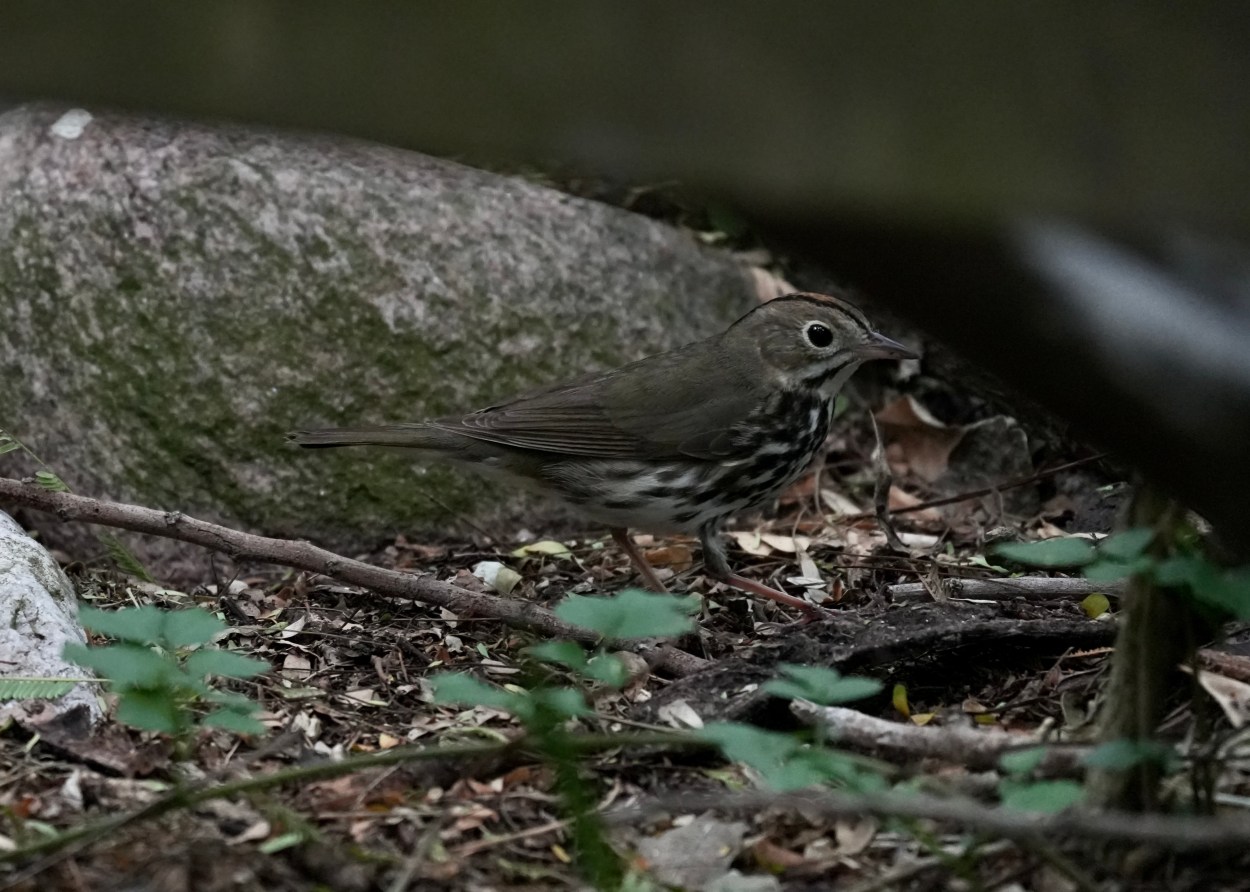
Today we left the Lower Rio Grande valley behind us as we travelled west up river to Zapata. Our first stop was at ‘Sparrow Road’ north of La Joya. A dusty track with few pull-offs but we did manage to find a couple of things including Scaled Quail and Pyrrhuloxia. Roma Bluff, our next stop, was less productive. This over-look above the Rio Grande has been good in the past but only produced Blue-headed Vireo as an addition to our trip list on this occasion. On to Salineno next where the sports ground added Vermilion Flycatcher, Cactus Wren and Eastern Phoebe, but alas no river bird action. Falcon State Park added Ash-throated Flycatcher and Black-throated Sparrow. We arrived at our hotel in Zapata in time for a late lunch and siesta before heading out to do the local hot-spots. The town park produced an early nighthawk, Ovenbird, Northern Waterthrush and Lincoln’s Sparrow, whilst the road to Los Palmas held plenty of Common Ground Dove. After supper we did more night birding from the hotel, with five probable Lesser Nighthawk.
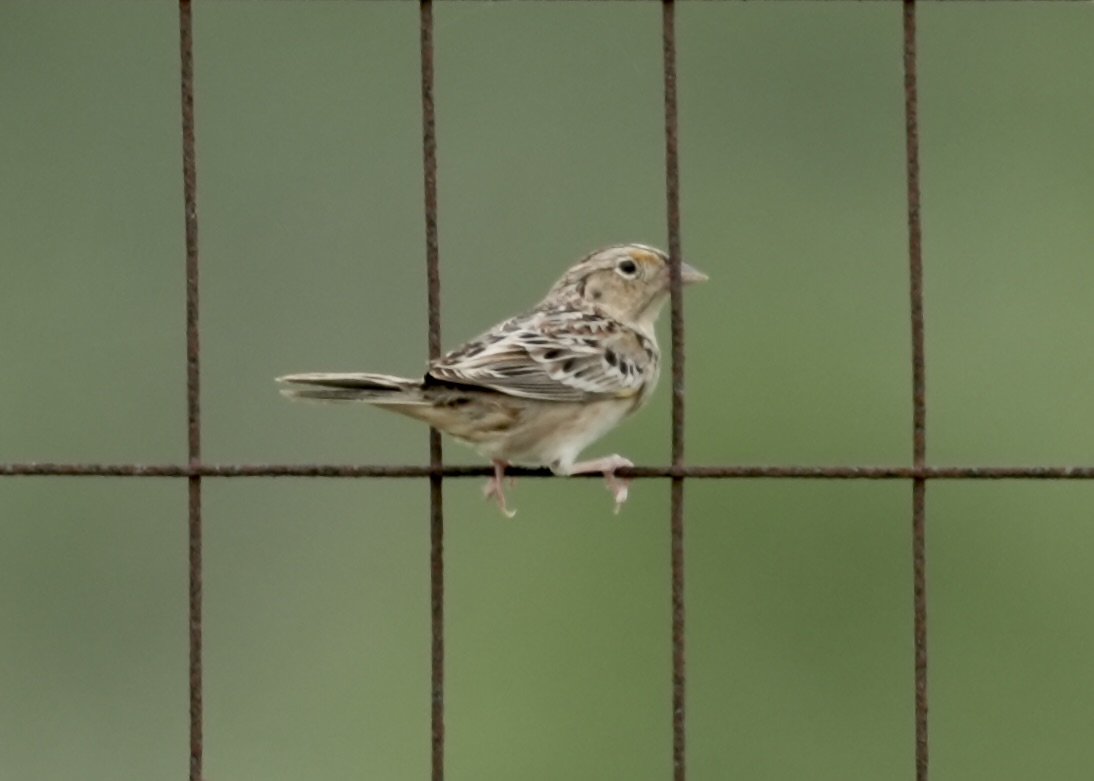
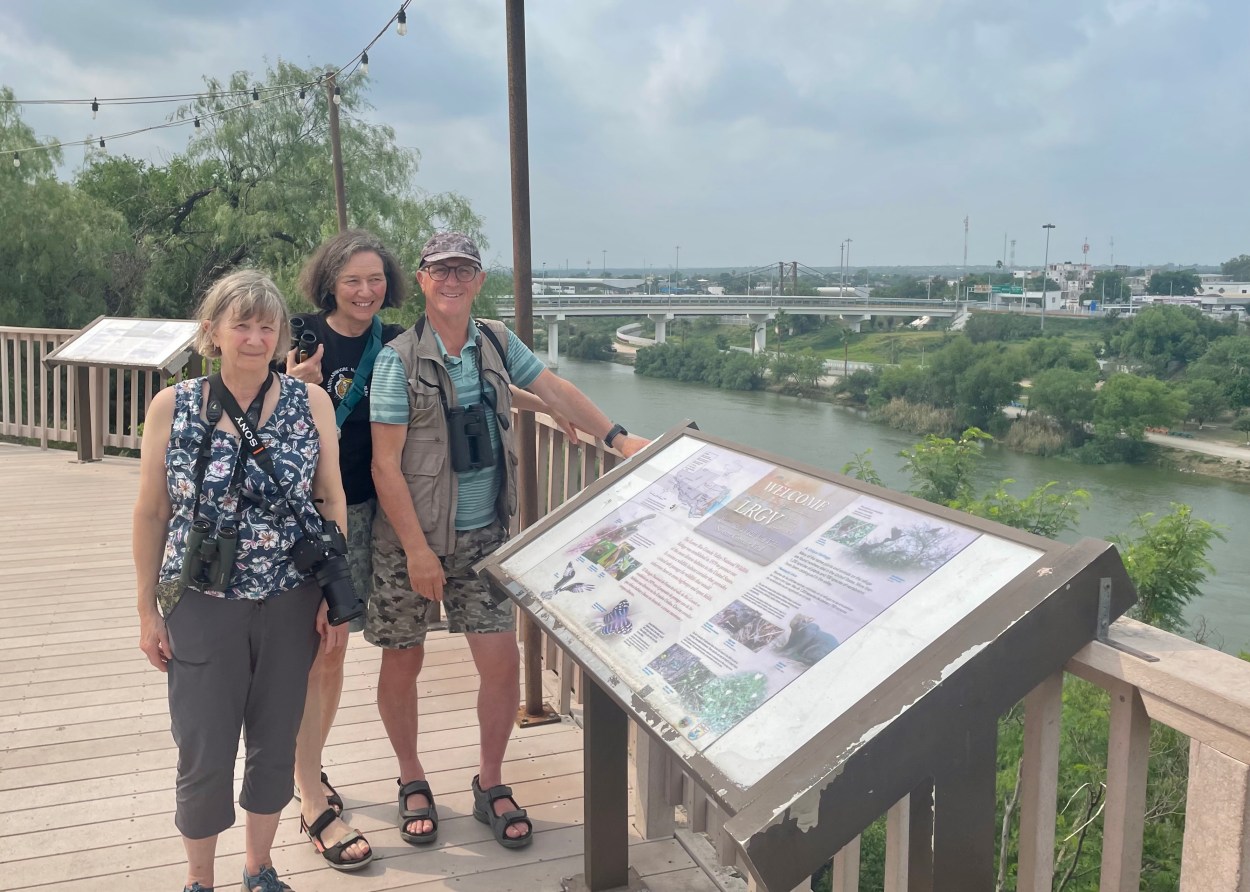
Blue-headed Vireo was the best bird at the Rio over-look of Roma BluffBrown-crested Flycatcher has been the default species in this groupRecord shot of Grasshopper Sparrow at Falcon Dam SPThe gang at Roma Bluff over-look with the Rio Grande and International Bridge in the background. Click here for a similar view only this time with Jane & Jake taken in 2018
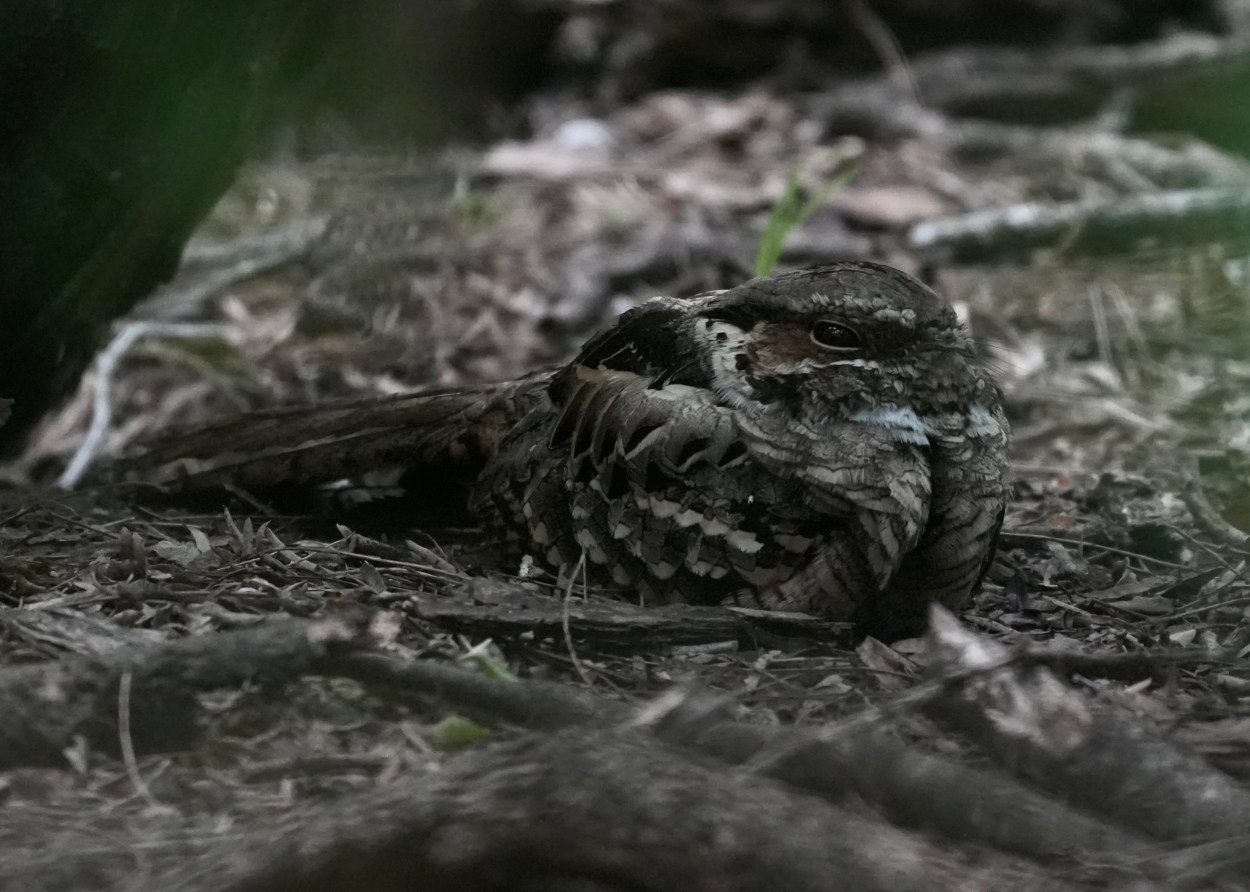
One of three roosting Pauraque found at Estro Llano SP
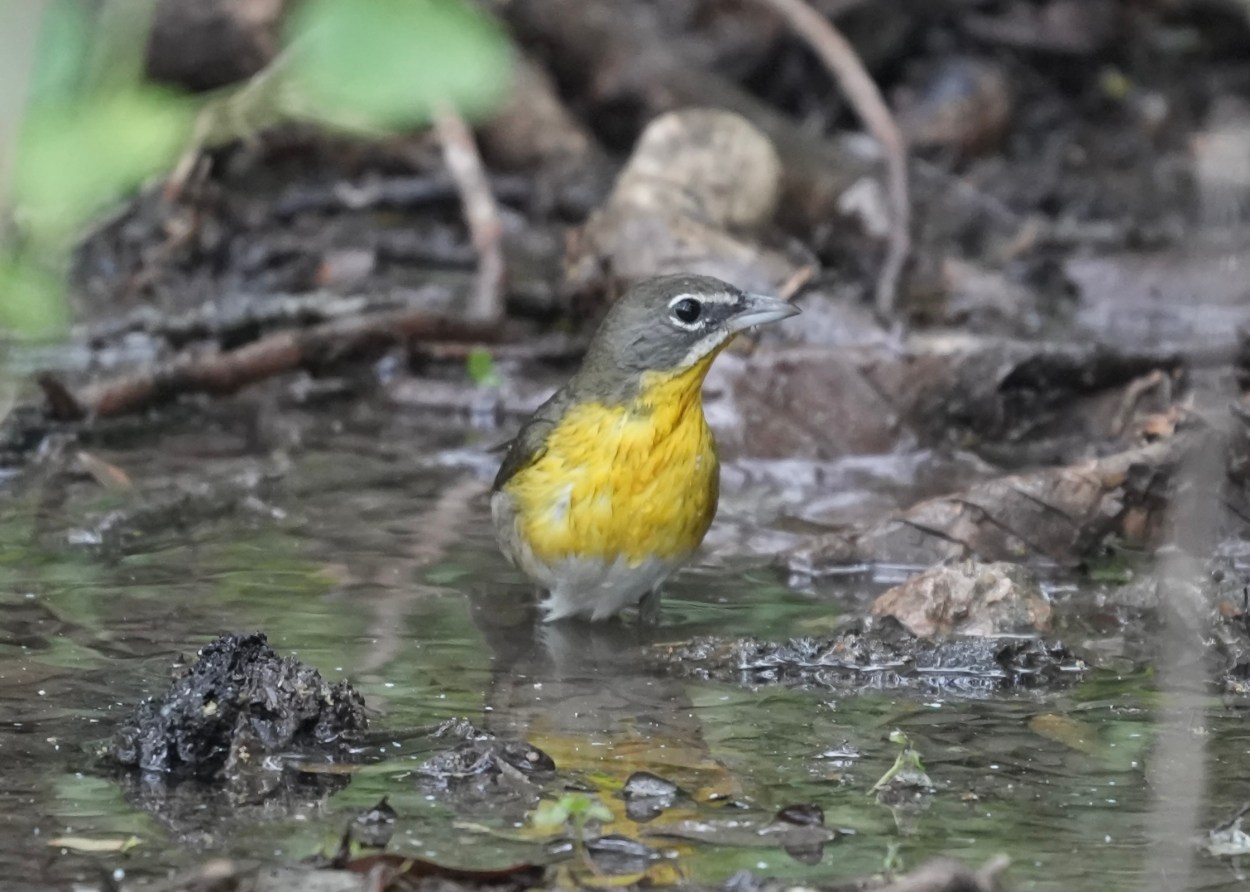
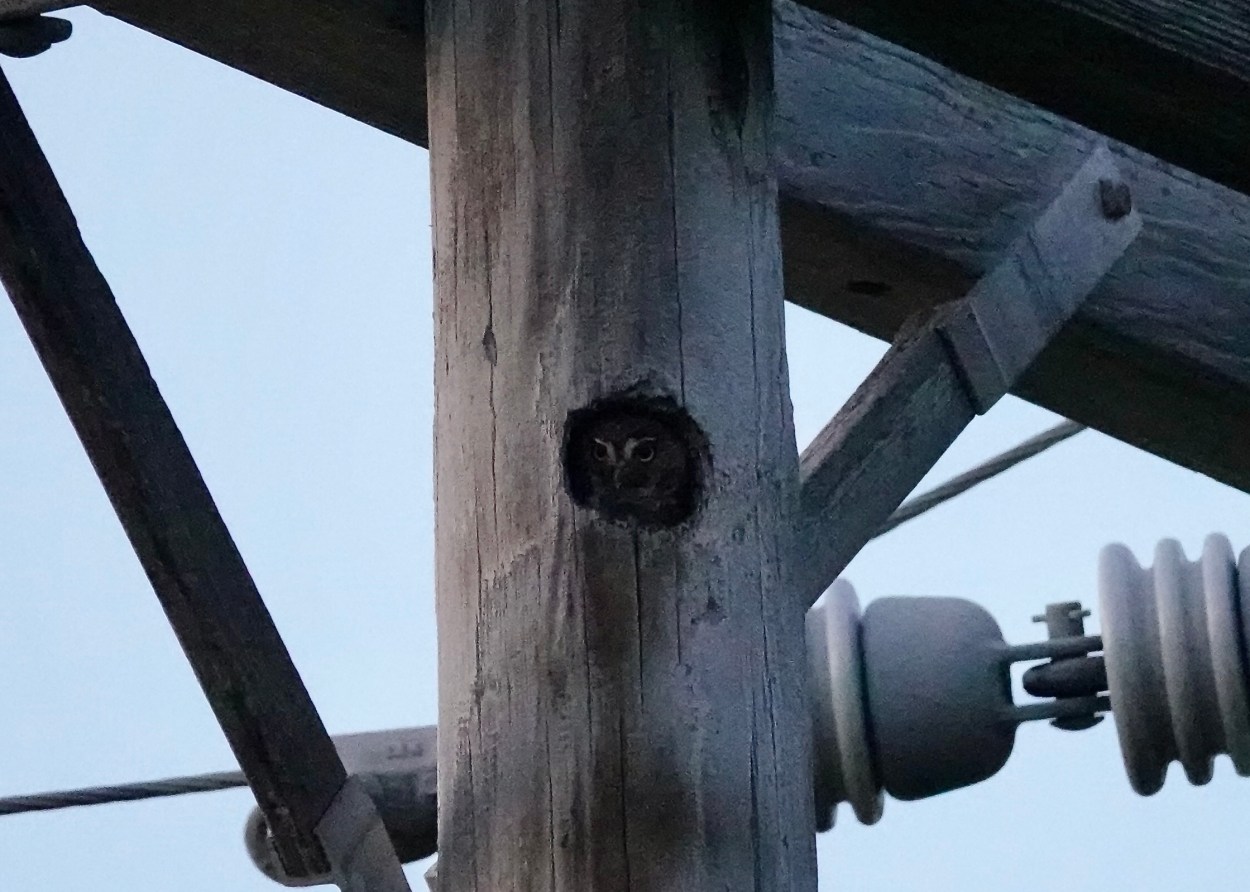
Our day began and ended with nightbirds. After breakfast we headed back to Estro Llano after a tip-off about roosting Pauraque. We did the ‘tropical area’ outside the gate first, looking for warblers and checking out a couple of possible nest sites for owls – nothing doing. Once inside we headed for Alligator Lake where, after a bit of searching, Neil found first one and then another roosting bird. The Yellow-breasted Chat bathing at the water drip was a bonus. Another abortive visit to another turf farm for a dip on Buff-breasted Sandpiper – rapidly becoming my bogey bird for America – was followed by a brief visit to Anzalduas Park, another of those public parks along the Rio which is beyond the wall. Here a lone Frankin’s Gull was a welcome addition to the list. The rest of the afternoon was spent at Bentsen State Park which, although rather quiet, produced a ‘grip back’ of displaying Turkey and better views of Buff-bellied Hummingbird. We headed back to our hotel for a bit of R&R and supper before venturing out again for the Elf Owl stake-out at the entrance to Bentsen SP. Amazingly it’s the same hole in an electricity pole (the one with the transformer attached) where we saw Elf Owl in 2018. We arrived in good time – the mosquitos weren’t too bad – before the bird popped up at the appointed time of ten past eight. It bobbed back down again, putting in one more final appearance before flying off into the night sky. Two great night birds book-ending our day.
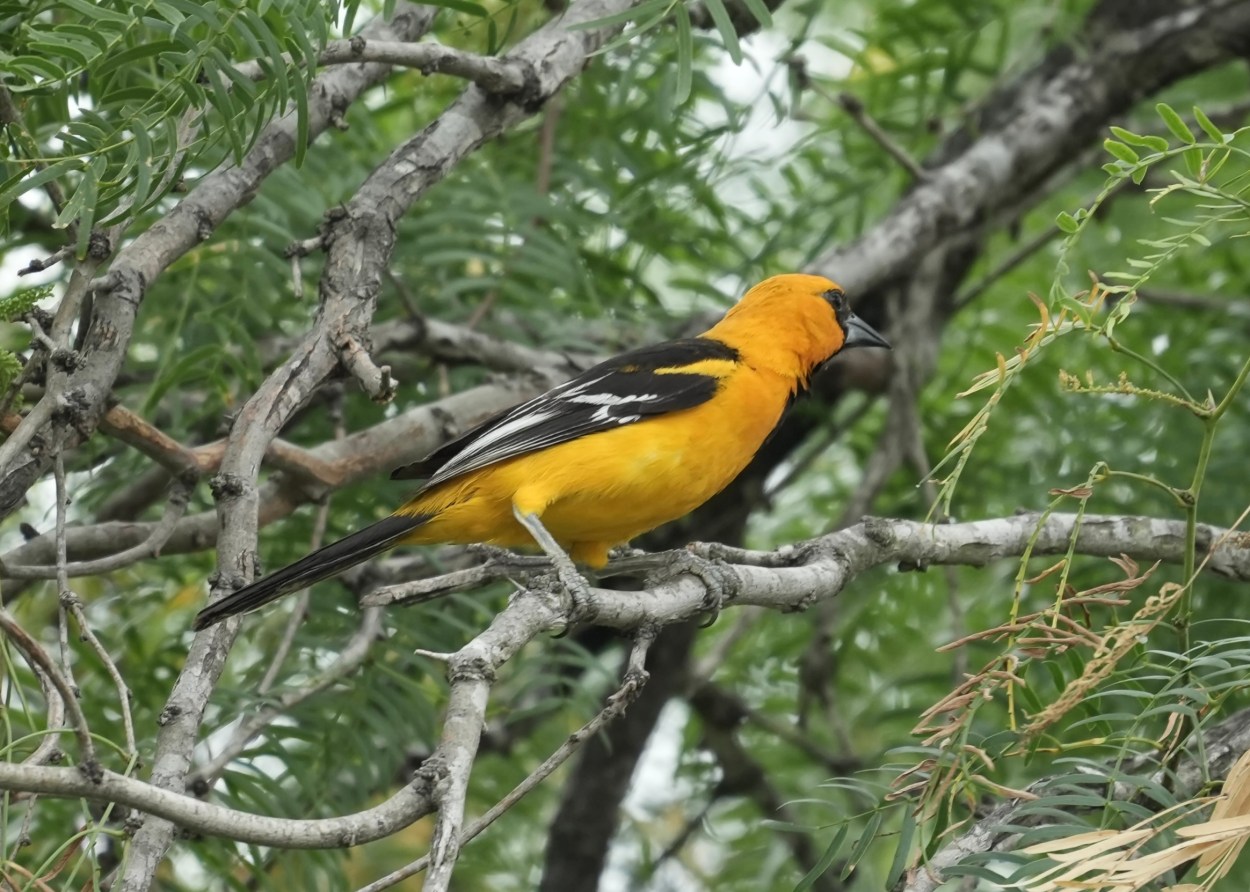
Yellow-breasted Chat takes a bath at the Estro Llano dripDisplaying Wild Turkey – Bentsen SPAltimira Oriole – Bentsen SPBuff-bellied Hummingbird at the feeders in Bentsen SP
Last bird of the day – the adorable Elf Owl at the entrance to Bentsen SP– photo courtesy of Jane
Gray Hawk, which has it’s strong-hold in the Lower Rio Grande valley – this one is ringed
The general theme of ‘tough going’ continues in the Lower Rio Grande valley – requiring time and effort to find new birds. We started off at Santa Ana NWR – one of those excellent reserves which is now situated beyond the fence. Things were made more difficult here because the driving loop is closed for maintenance, meaning you have to walk the trails – including to get to the raptor-watching tower. Following up on a tip from some Portsmouth birders we sought out the turf fields at South Donna. It took us two attempts to find the site and when we did we dipped on the Buff-breasted Sandpiper which had been there earlier. We spent lunchtime at The Audubon Thicket reserve and the afternoon at Edinburg Scenic Wetlands. We ended the day at a site on the flight-line for the parrot roost. Luckily we’d seen the two target species, Red-crowned Amazon and Green Parakeet, earlier in the day. The bonus bird was a Grey Hawk, which when I looked at the photos turned out to be colour-ringed. By the end of the day we’d managed to add another nine trip ticks.
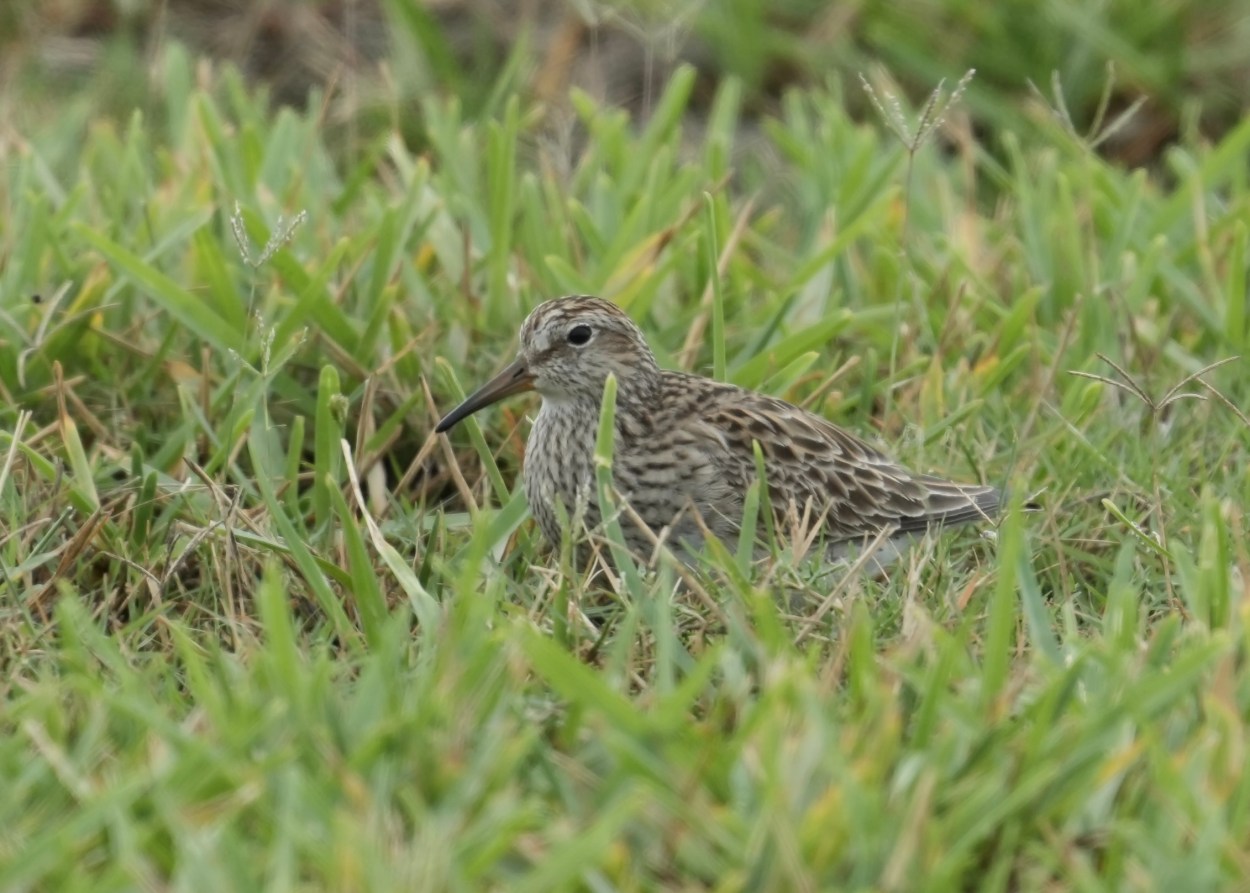
Broad-winged Hawk were the main species at the raptor tower but we did see Mississippi Kite as wellVerdin – seen on the walking trails at Santa Ana NWRLong-billed Thrasher at Edinburg Scenic Wetlands Pectoral Sandpiper – but alas no Buff-breasted at South Donna turf fields
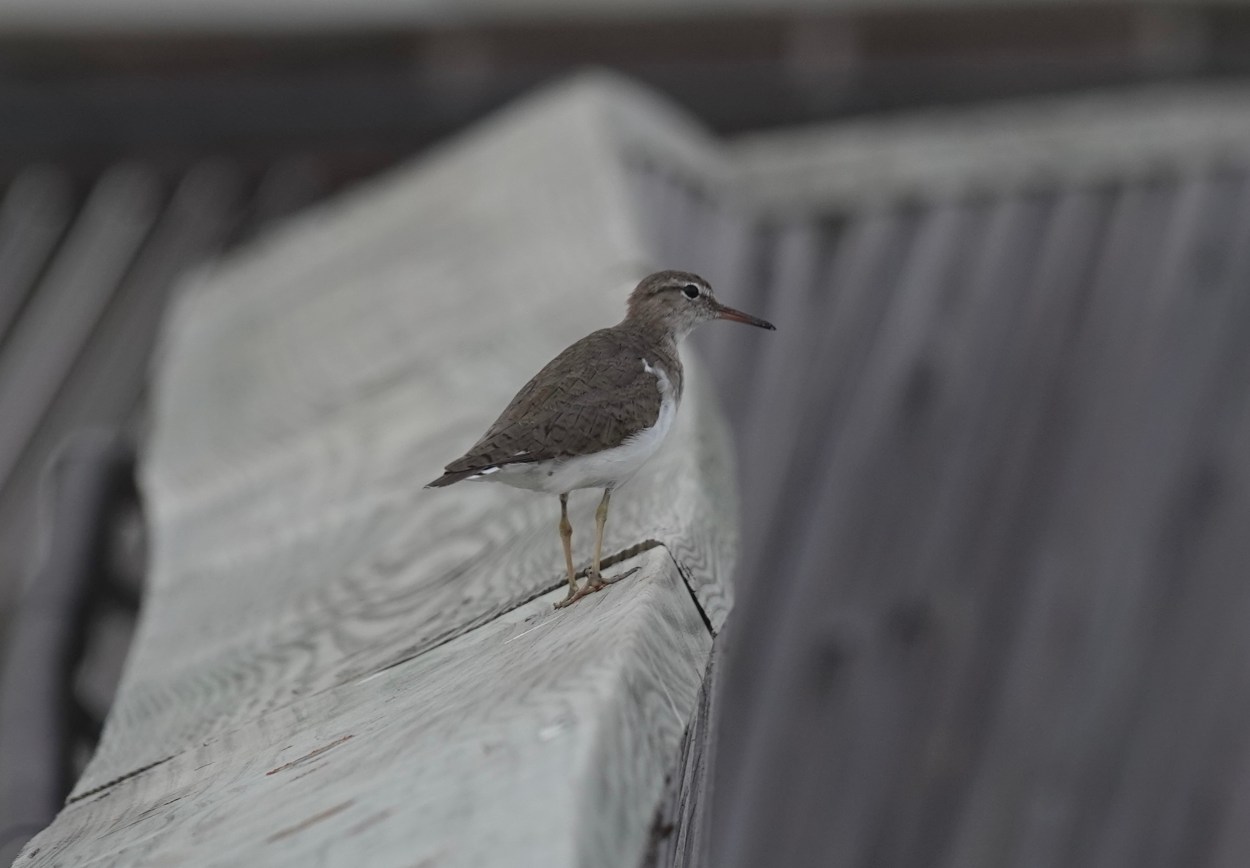
A tale of two sparrows. Today we left South Padre Island, our home for the previous three days, and headed south-west towards the Rio Grande. Our first unscheduled stop was at the recently created South Texas Ecotourism Centre – a huge restoration project of the Bahia Grande. Lots of good stuff including a slightly odd looking Spotted Sandpiper in winter plumage and a Common Yellowthroat. But perhaps the best wildlife action was the ‘rattler’ which Nicola came across in the car park! We then headed for Palo Alto where in 1846 a battle between the US and Mexico redefined the border between the two countries. In the leaflet describing the events it says ‘The US fought for the Rio Grande because of “manifest destiny” – the idea that the US had the right to expand its borders and spread democracy across North America. Northern Mexico was in the way…. Palo Alto serves as a reminder of the ongoing, complicated relationship between the two countries.’ Ring any bells? Anyway I digress. This unique landscape is also home to two range-restricted sparrows. Botteri’s, which only has a toe-hold in the Lower Rio Grande valley and south-east Arizona, and Cassin’s with a slightly bigger range, reaching into New Mexico, Colorado and Oklahoma. They look rather similar. We saw them both well, within ten minutes walk of the visitors centre. We spent the afternoon at Estro Llano State Park – looking for and finding Grove-billed Ani. We also came across five Wilson’s Phalarope in a melee of shorebirds. As we were leaving the reserve a superb male Blackburnian Warbler appeared in the trees above us. The major upset of the day, which I only discovered when I came to download my photos, was that the camera had been on the wrong setting all day and I had no recognisable images 😦 – fortunately Jane did, so these are all courtesy of her.
Wildlife high-light at South Texas Ecotourism Centre was this rattlesnake – found by NicolaA rare sparrow indeed (and a US tick for me) – Botteri’swith a long bill and unmarked throat and breastCassin’s Sparrow – showing distinct black throat lines and clean white edges to tertials and covertsA superb male Blackburnian Warbler outside Estro Llano SPSpotted Sandpiper in winter plumage – doing a Common Sandpiper impersonation
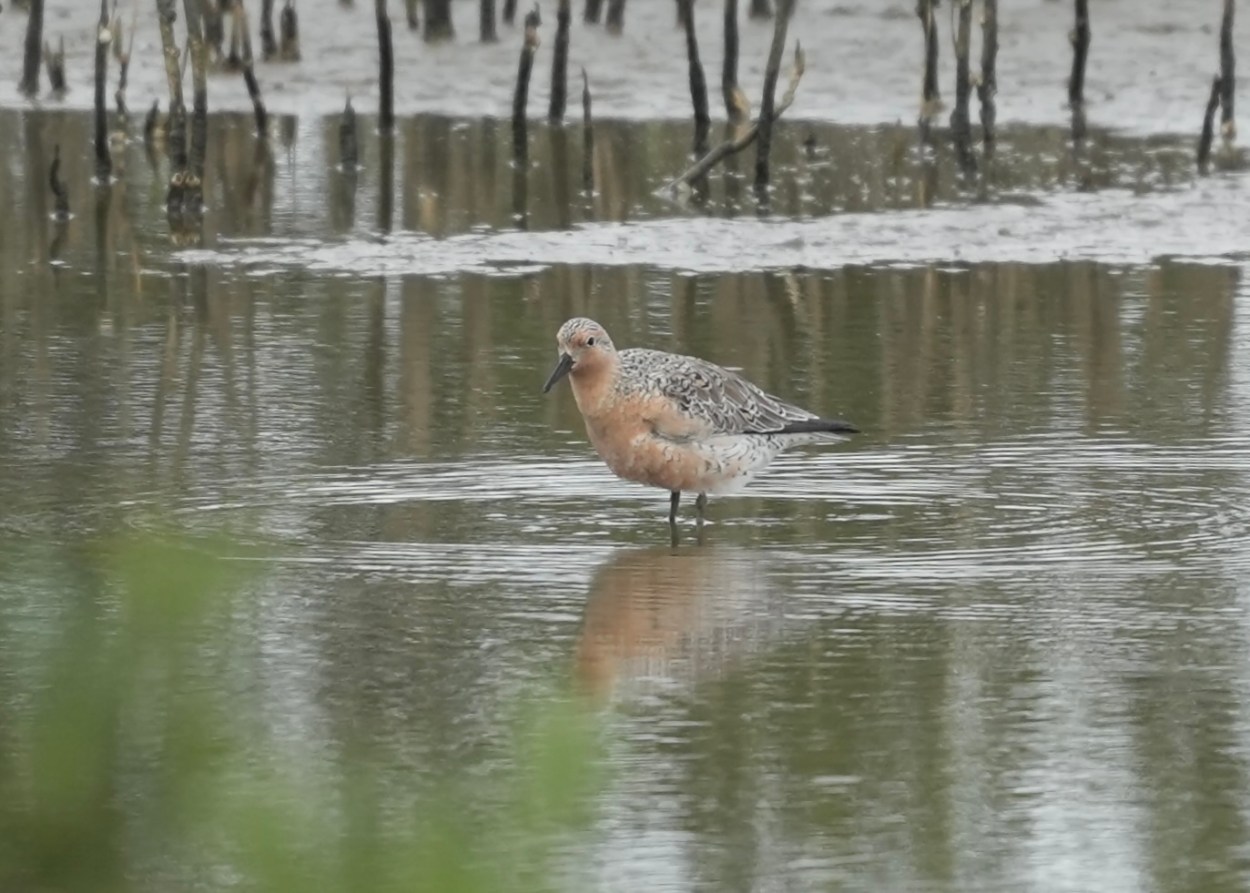
Red Knot prevents it being a ‘dot day’. Surprisingly this was also one of the very last ticks we got on our original GABRaT trip – we’ve never found them easy
Today it was a case of ‘rinse and repeat’, visiting the Convention Centre and the Sheepshead St lots in rotation, from dawn till dusk. After lunch we did venture down to a ‘park’ at the southern tip of the island but, despite being an ebirder hot-spot, it also turned out to be an RV park. We had to pay$12 for the privilege to park and we saw no birds of note! The weather has been hot with clear skies and a gentle south-easterly breeze – fabulous for the Easter weekend holiday makers but dire for bird migration. Every species has been hard won. We did find two trip ticks at the Convention Centre – Red Knot and Chipping Sparrow – which saved it being an early ‘dot day’ but otherwise it was tough going. This was really our last chance to catch up with small bird migration across the Gulf – we should see some raptor movement as we move further up the valley but otherwise we’re now mostly looking for scarce breeding species and southern over-shoots. Still we have managed to rack-up 23 warbler species and amassed a trip list of over 200 in just a week – so all is good. We move forward with optimism.
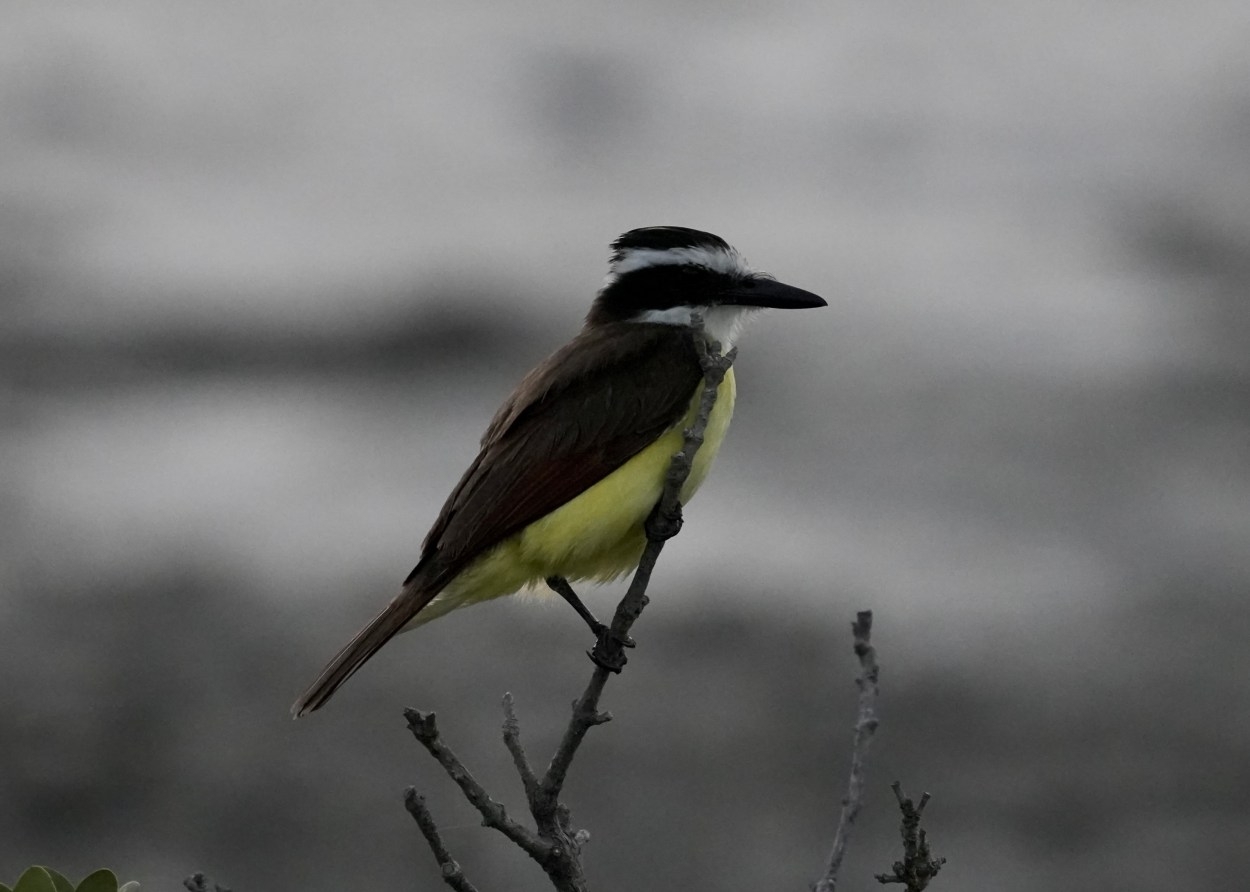
This Ovenbird showed briefly but well around the drip at the Convention CentreKiskadee, again at the Convention Centre. I don’t remember seeing them on South Padre before
Perhaps the most interesting bird we found was what I take to be a non-breeding – 2CY – Least Tern amongst the flock of 30 or so migrating birds on the mudflats next to the Convention Centre(inset)
Best of the warblers at Sheepshead Street was MacGillivary’s – a tricky bird to pin down
We spent the entire day, seven ’til seven, birding two locations on South Padre Island, just three miles apart – the Convention Centre and the lots on Sheepshead Street. Although the effects of the rain from the previous day had worn off and there were clearly few birds about, nevertheless, we were still entertained for twelve hours birding, with just a lunch break in the middle. We opened the account with a Veery at the Convention Centre drinking pool – well actually I missed it and only managed a ‘grip back’ late in the day – our third thrush species of the trip. Clapper Rail and Sora from the board-walk and several ‘bush birds’ around the Centre. It was then off to ‘the lots’, a series of connected undeveloped building lots which have been saved for nature amongst the urban sprawl. MacGillivary’s Warbler and Inca Dove were early additions along with a good spread of other migrants. We then shuttled between these sites until our final ‘sun-downer’ visit to the Centre for a fine display of nighthawks – difficult to be sure but we think both Common and Lesser were on show. A great day of leisurely birding with some nice birds and equally nice birders.
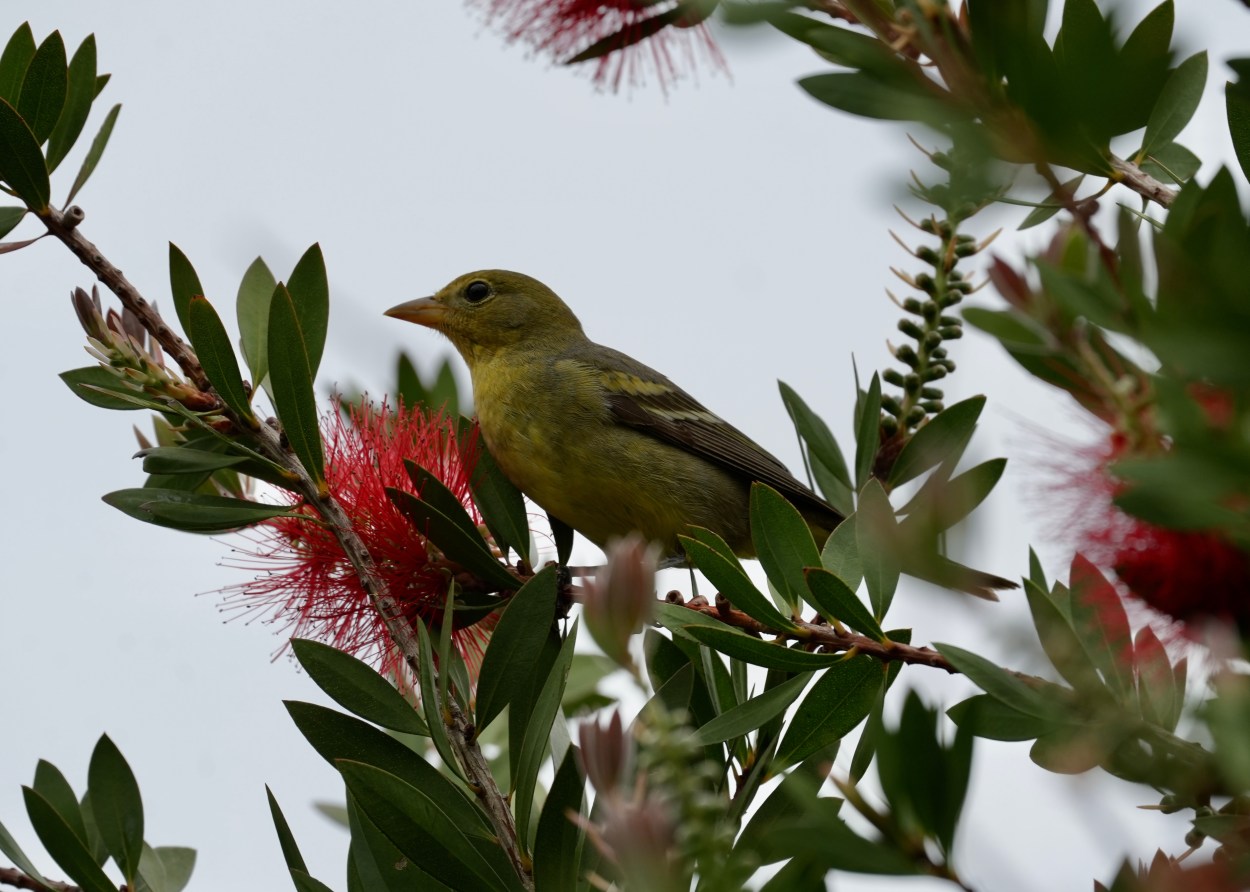
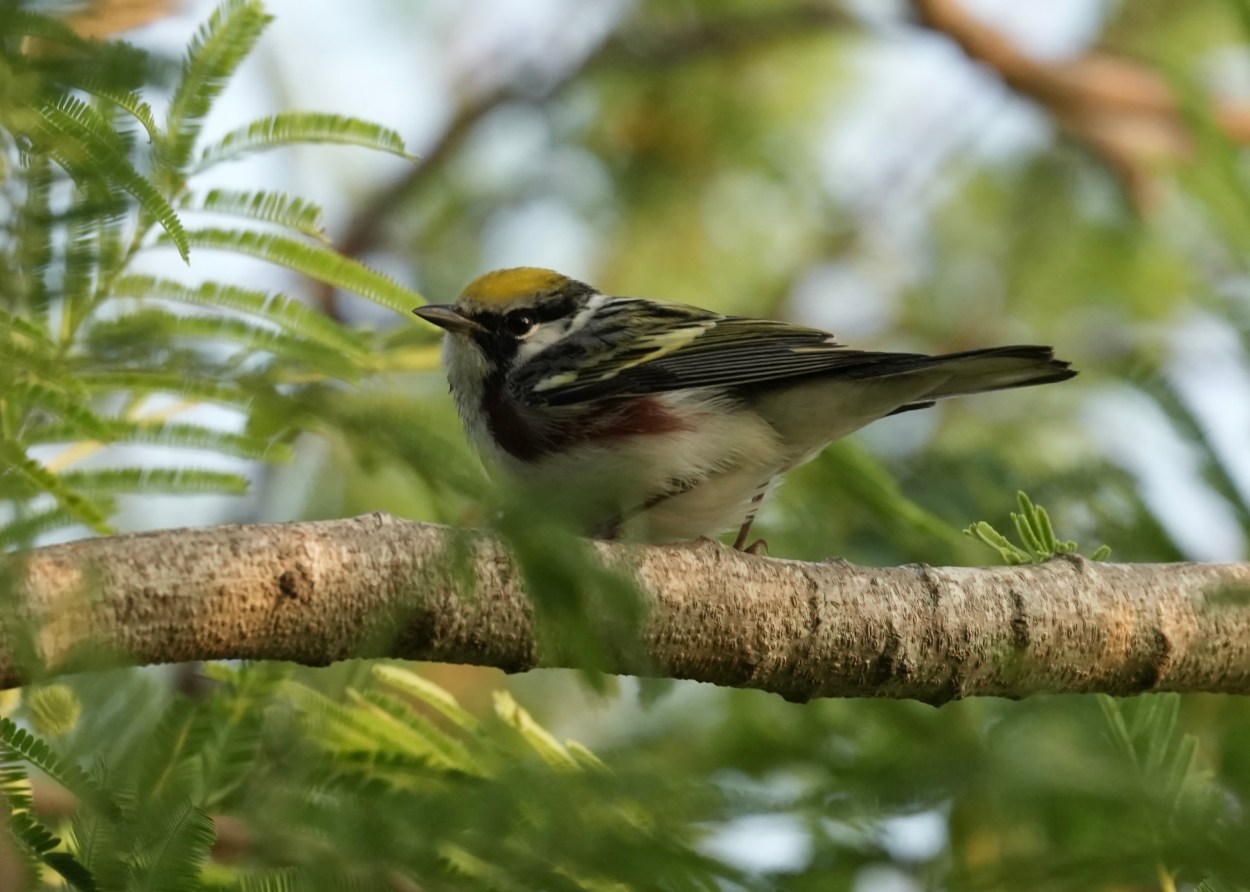
Early morning feed by this Clapper Rail – we had several more sightings through the day This Western Tanager was a nice turn-up at the Convention CentreWe’ve only connected with Ruby-throated Hummingbird so far – plenty more to come I’m sureChestnut-sided Warbler took some finding as it flitted through the canopyLesser Nighthawk put on quite a display at duskVeery – the start of a great days birding on South Padre Island – photo courtesy of Jane
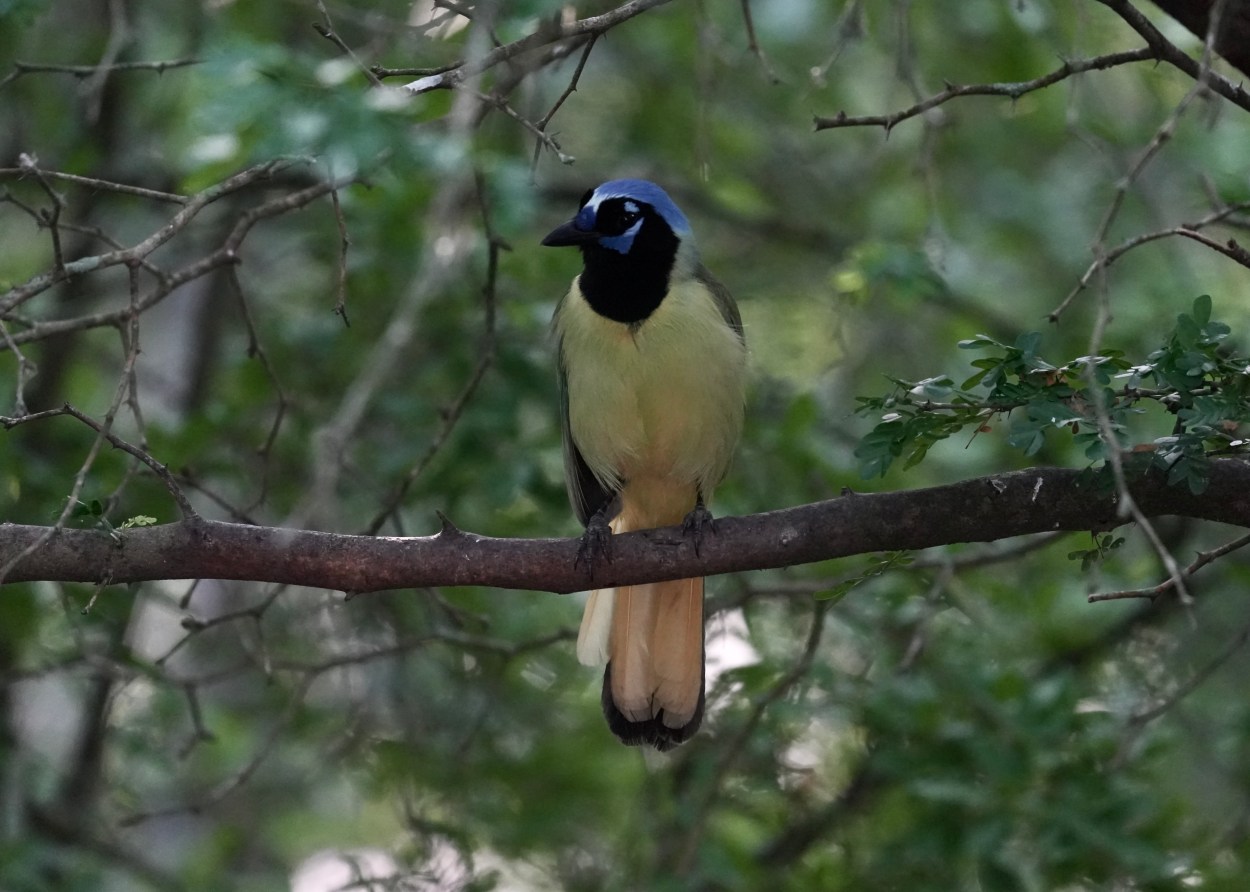
Green Jay at Atascosa signalled our arrival in the Lower Rio Grande valley
Today we arrived in the Lower Rio Grande valley via the excellent reserve of Laguna Atascosa. We started seeing new species on the approach track to the reserve, including Lark Sparrow, Golden-fronted Woodpecker and Roadrunner. The trails around the centre provided our first encounter with some of the LRG specialities – Olive Sparrow, Kiskadee, White-tipped Dove and Green Jay. Atacosa is also home to the highly endangered Ocelot which, although we didn’t see, we did find some foot prints of. We arrived at South Padre Island by lunch-time and then headed to the Convention Centre. The bushes around the main buildings and the board-walk out to the coast have long been a birding hot spot and we weren’t to be disappointed. It was immediately apparent that there’d been a minor ‘fall’ during the recent rain and we quickly started seeing warblers, vireos, orioles, flycatchers and tanagers – several of them new for the trip. We left to get to our AirBnB, had a brief session of R&R, and then returned for a final session before dusk. A week after the start of this adventure it really feels like we’re getting somewhere.
Greater Roadrunner – the cartoon inspiring species of open grassland… and roads, which is where we saw this oneOlive Sparrow – another ‘hall-mark’ species of the LRGIt was a minor warbler fest at the Convention Centre – South Padre Island. This is Cape May There was plenty of action from the boardwalk – this Osprey returning to it’s favoured feeding postOcelot footprints – the nearest we came to this endangered species – photo courtesy of Jane




















 Trevor On Tour