Historic Churches of Norfolk – route 9

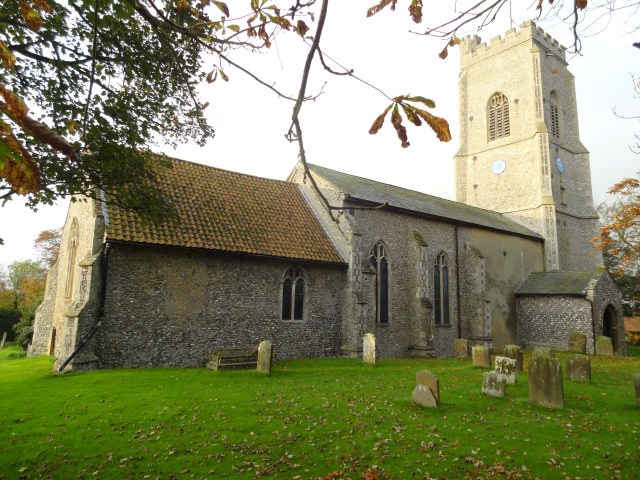
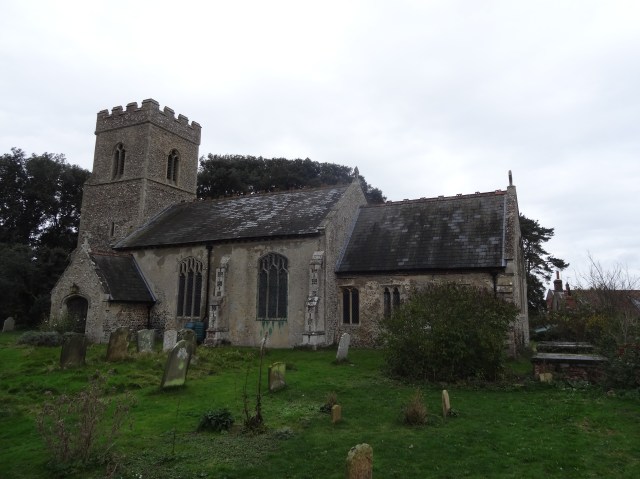
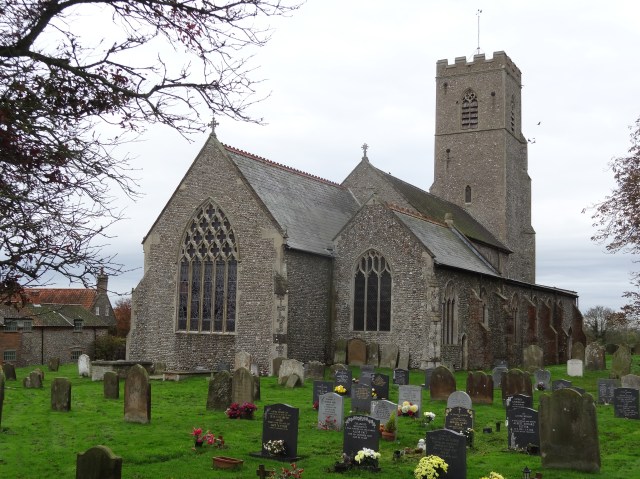
Taking advantage of the recent unseasonably warm weather, spent the weekend catching up on a few more historic churches. On Saturday brother Bryan – veteran of the memorable ‘Four Countries End to End’ ride in 2012 and I did a nice circular route, starting and finishing at Morston. We cycled just over 60 km and took in 22 parish churches plus a host of other ‘religious establishments’ which cluster around the Walsinghams.

The Route

Historic_Churches_of_Norfolk_-_Route_9_cycle_route_no_3959485_-_Mapometer_com_UK

The Churches

All Saints Morston, St Andrew & St Mary Langham, St Margaret Saxlingham, St Andrew Field Dalling, All Saints Bale, St Martin Hindringham, St Andrew Thursford, All Saints Kettlestone, St Andrew Little Snoring, St Mary Great Snoring, All Saints East Barsham, Assumption West Barsham, All Saints North Barsham, St Giles Houghton St Giles, St Mary Little Walsingham, St Peter Great Walsingham, All Saints Wighton, All Saints & St Mary Magdalene Warham, St Mary Binham, All Saints Cockthorpe and St John the Baptist Stiffkey. In addition we visited the ‘Slipper Chapel’ & Chapel of the Holy Spirit Houghton St Giles, the old Friary, Anglican Shrine, Chapel of the Annunciation, Holy Souls, St Seraphim (orthodox) Little Walsingham and Holy Annunciation (orthodox) Great Walsingham – quite a day!

The Photos

All Saints, Morston – early morning

DSC09394

St Andrew & St Mary, Langham

DSC09397

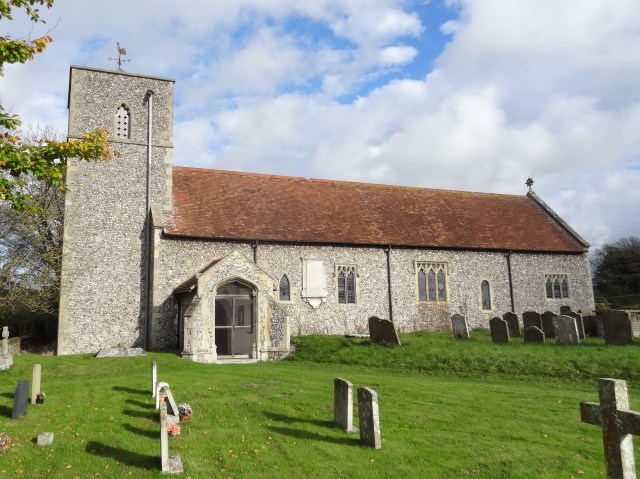
St Margaret, Saxlingham

Saxlingham St Margaret

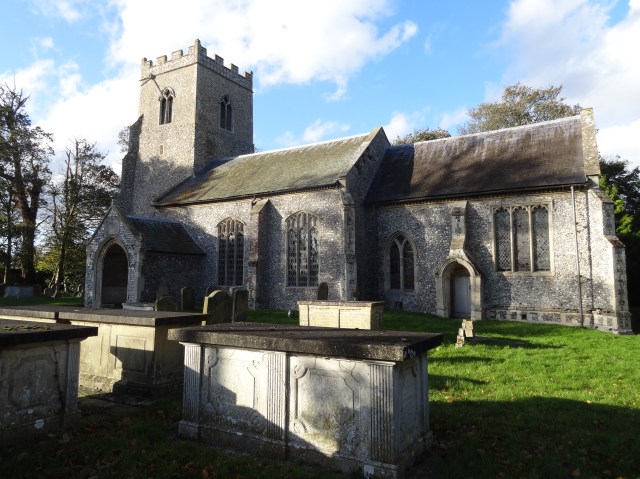
St Andrew, Field Dalling

Field Dalling St Andrew

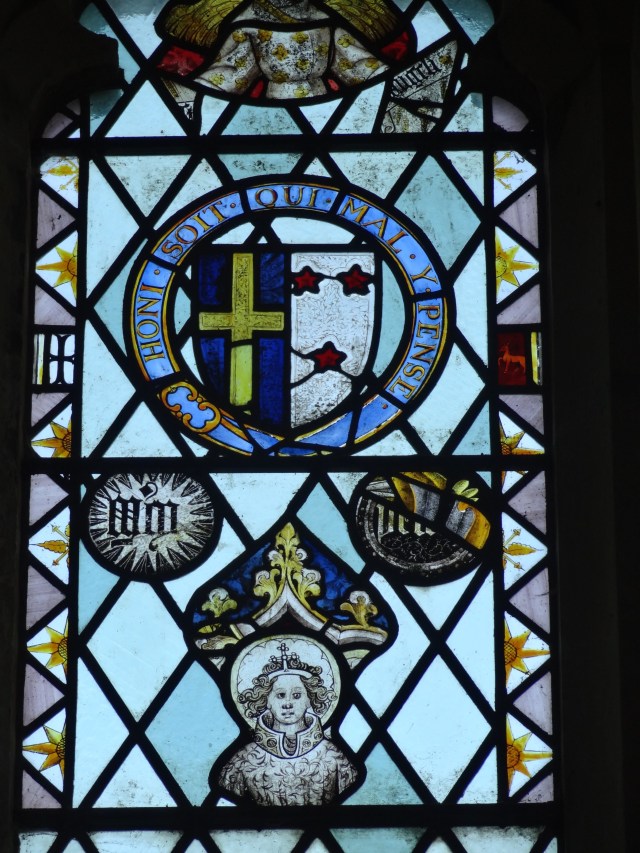
Interior window detail

DSC09410

All Saints, Bale

Bale All Saints

St Martin, Hindringham

Bale All Saints 2

Interior, showing the off-set ‘weeping’ chancel
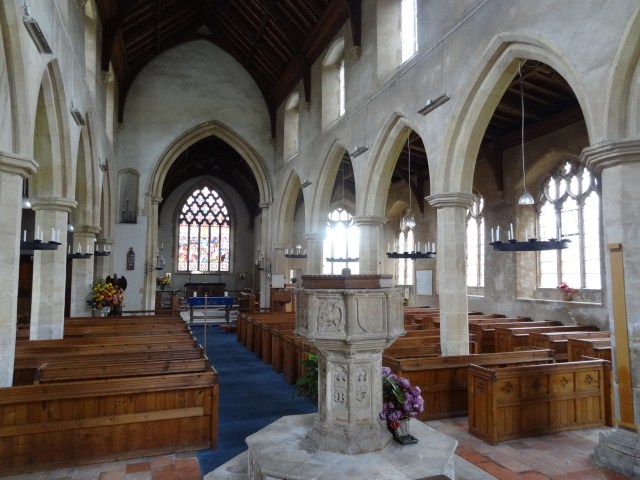
DSC09426

Window detail

Hindringham St Martin

All Saints, Thursford – more an estate than parish church, with Victorian ‘gothic’ much in evidence

DSC09431

All Saints, Kettlestone (Ketestuna in the Doomsday book) – with a fine octagonal tower

Kettlestone All Saints

An interesting plaque

Kettlestone All Saints 2

St Andrew, Little Snoring – with unusual detached round tower with tiled roof

Little Snoring St Andrew

Royal Arms of James II

Little Snoring St Andrew 2

St Mary, Great Snoring

Great Snoring St Mary

Inside – detail of the ornate but slightly dilapidated sedilia
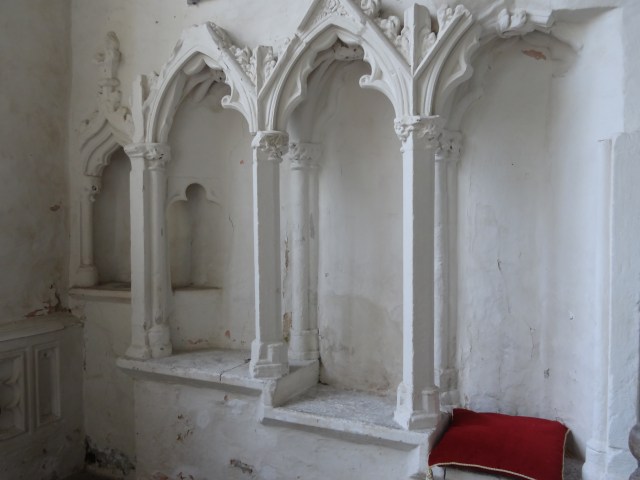
DSC09460

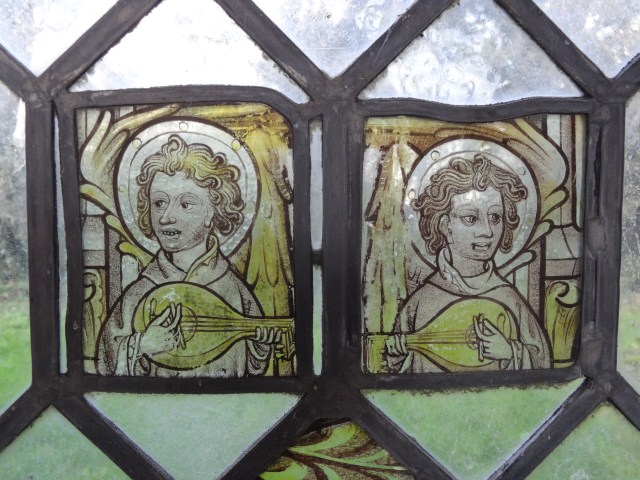
Lovely stained glass

DSC09461

A cluster of three small churches in the Barshams

St Giles, Houghton St Giles

Houghton St Giles St Giles

Superb 15th century rood screen

DSC09484

St Mary, Little Walsham – almost completely rebuilt after a devastating fire in 1961

Little Walsingham St Mary

The light & airy interior

DSC09496

St Peter, Great Walsingham

Great Walsingham St Peter

The lovely interior with a feast of 15th century pews – complete with tracery, poppy heads and carved figures

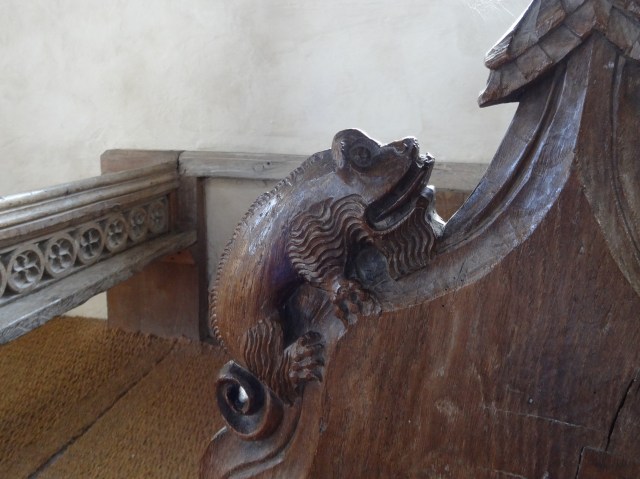
DSC09502 Great Walsingham St Peter 2

and some interesting stained glass

DSC09516

All Saints, Wighton – the tower collapsed in a winter storm in 1965 and was rebuilt with the help of a Canadian benefactor
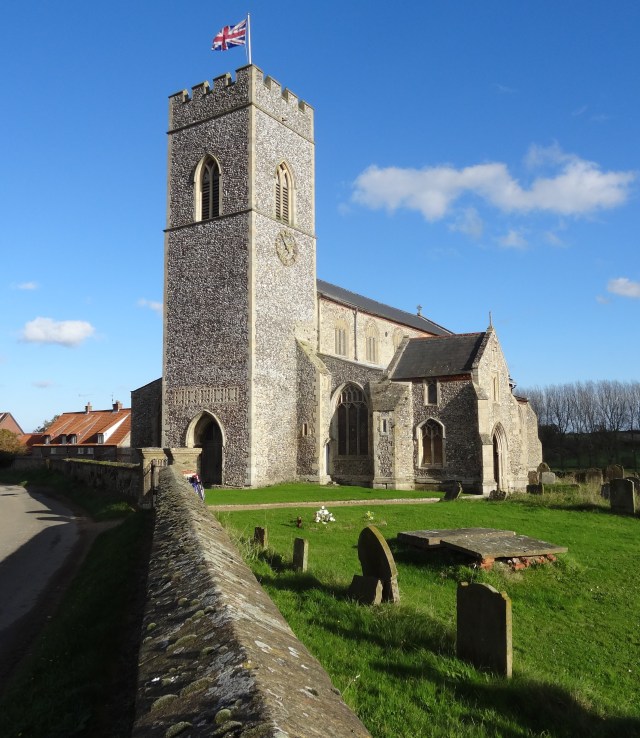
Wighton All Saints

Another light, bright interior with an unusual high-level east window

DSC09525

Detail of a Victorian stained glass window – one in a series depicting various saints

DSC09528

The two parish churches of Warham – All Saints and St Mary Magdalene, just half a mile apart

Warham All Saints Warham St Magdalene

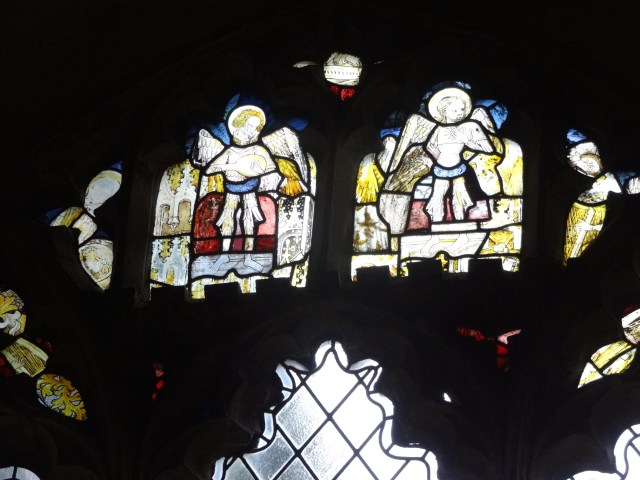
More exquisite medieval glass

DSC09547 Warham St Magdalene 2

The priory church of St Mary, Binham

Binham St Mary

All Saints, Cockthorpe – unfortunately undergoing major repairs and covered, in parts, with scaffolding

DSC09559

Last church of a long but fascinating day in the company of some fine historic architecture – oh and my brother of course!

St John the Baptist, Stiffkey

Stiffkey St John the Baptist

Details of the rood screen

Morston All Saints

Last word, on our final church, must go to Simon Knott whose commentary on Stiffkey contains the following:

‘Stiffkey is most famous, of course, for Harold Davidson, the Rector of Stiffkey from 1906 to 1932, who was defrocked by the Bishop of Norwich on account of the rather glamorous low-life company he kept. Nicknamed ‘Little Jimmy’ as he was only five feet tall, he became a national celebrity. He moved on from wandering in ‘a confused state’ around the back streets of Soho, and exhibited himself in a barrel in Blackpool, before an ill-judged career move into lion-taming resulted in him having his head bitten off. In Skegness, of all places’. 

Surf – aced

Lately I’ve been having a pretty good run of ‘Norfolk ticks’ – yesterday it was the turn of Surf Scoter to get added. As has been the way of things recently I was out of the county when it first showed up but fortunately it decided to stick around, with a couple of Velvet Scoter, off-shore in Holkham bay. My timing wasn’t great, arriving three hours after the morning high tide, so the bird was very distant but, on the plus side, it was bright sunshine which meant that it’s distinctive black and white headed pattern and garish beak stood out well against the dark sea. No photo opportunities I’m afraid, unlike last years bird in Yorkshire, which was by comparison close.

It’s out there somewhere – honest!

IMG_8575

Last year’s bird at Filey, on the Big Year – see Rarity Round-up, June 2013, for more

DSC03274

Also saw my first Snow Bunting of the autumn, by way of a bonus.

Same old, same old..

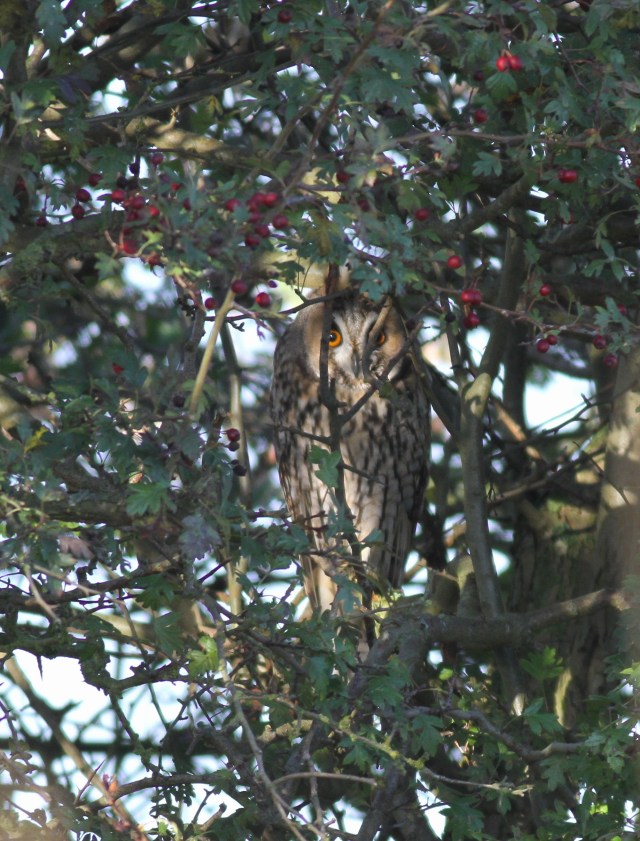
I went out this morning to look for the Pallas’s Warbler at Snipes Marsh Cley NWT. It was seen first thing and again, fleetingly, mid-morning but hadn’t showed itself by the time I gave up and went for lunch. Another day, another dip – same old, same old.. There was a nice Long-eared Owl and a Yellow-browed Warbler in near-by Walsey Hills though and the Grey Phalarope was on the pool at Eye Field – but skulking in the reeds when I went to see it.

First, a terrible digipic of probably the same Grey Phalarope, when it first appeared last Monday at Cley NWT, on Simmond’s Scrape, in the middle of a deluge

DSC09234

and now, todays offering, Yellow-browed Warbler and Long-eared Owl, both in Walsey Hills

IMG_8530

IMG_8567

Same old, same old they maybe but – ‘you gotta luv em!’

Shrikey

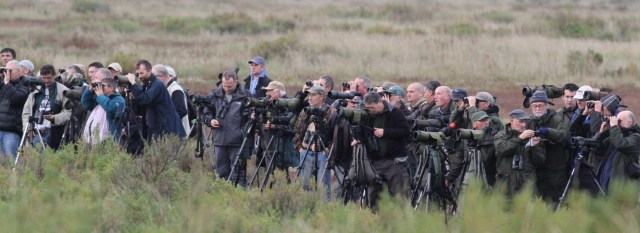
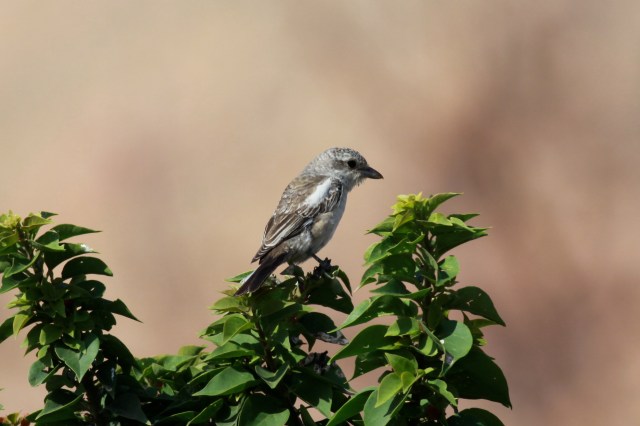
After another frustrating afternoon in Wells Woods dipping on OBP and Pallas’s Warbler I responded, with little hesitation, to a pager message announcing the presence of an Isabelline Shrike, just up the road at Warham Greens. For once I was at the front of  ‘the pack’, parked up at Stiffkey and headed west along the track towards the ‘whirligig’. There were a couple of dozen birders looking randomly in the hedgerows where the bird was last reported but no one was on the bird. More birders were arriving by the minute but, with ‘no further sighting’, this was beginning to have a bad feeling to it. As the light was starting to fade I looked back to see a small crowd looking intently in our direction from across the marsh. As we started nonchalantly walking in their direction (there’d already been a few false ‘gallops’) the pager announced that the bird was showing. The pace quickened considerably until the growing crowd was lined up peering intently into a hawthorn bush, where it had just been seen. A brief view of the bird as it flew to a nearby bare Elder bush, followed by a couple of partially obscured views of it apparently eating a blackberry and that was it – show over! Still, another much needed Norfolk ‘tick’, third or fourth Shrike species (depending on whose list you use) in as many days and a satisfying end to an otherwise ‘damp squib’ of a day. Alas, no photo of the bird, but here is the obligatory crowd scene – spot the ‘celebrity’ birders!
IMG_8450


Plugging a gap

IMG_8389

Radde’s Warbler, Wells Woods, 14th October 2014

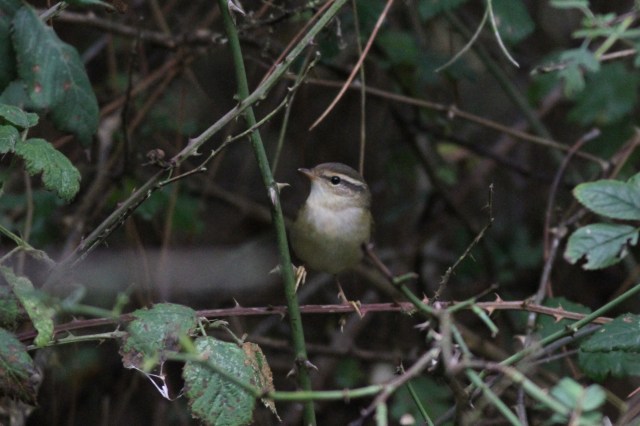
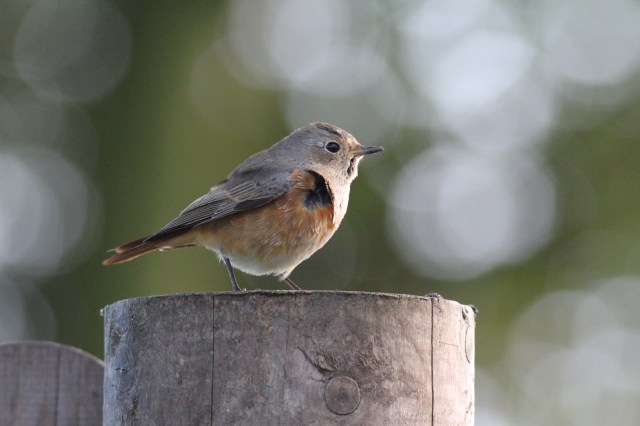
Yesterday’s weather brought some good stuff to the Norfolk coast, including several Radde’s Warblers – a glaring omission from my county list! So when there’d been a couple of confirmatory messages about a bird in Wells Woods we set off in pursuit of this rare Siberian species, which should be on the way to it’s wintering quarters in South East Asia. For a generally skulking species, this particular individual showed pretty well. Unfortunately the same could not be said for the Olive-backed Pipit or Red-flanked Bluetail, which we tried for but dipped. We did see Long-eared Owl, Great Grey Shrike, plenty of Redstart and Brambling by way of consolation however.

A couple more photos of the ‘main attraction’

This is the usual view of Radde’s, skulking in the undergrowth

IMG_8364

And the more unusual sight of Radde’s in the open

IMG_8394

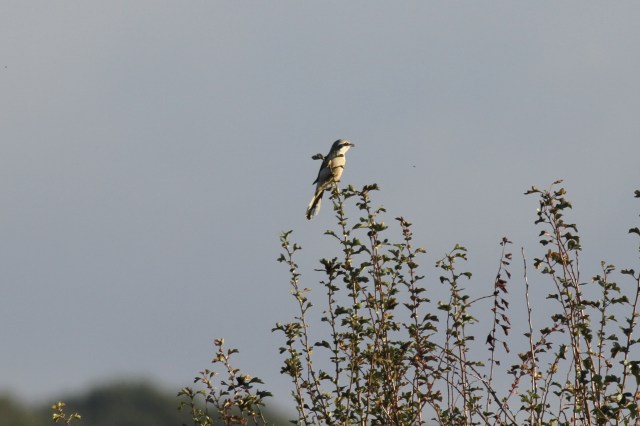
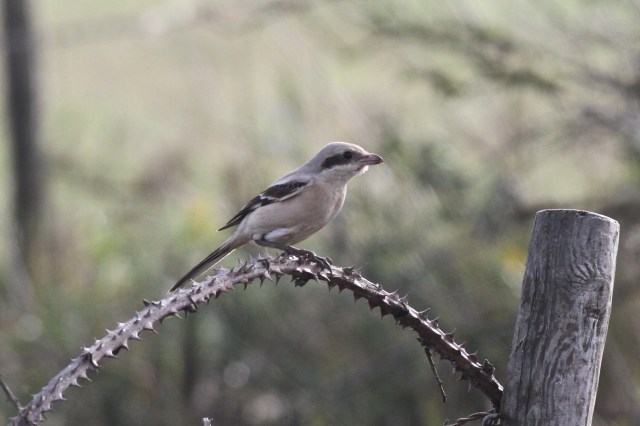
The supporting cast included this Great Grey Shrike, one of a few on the Norfolk coast over the last week

IMG_8416

Long-eared Owl, another Norfolk ‘year tick’

IMG_8403

and Redstart, which were in good numbers at several locations

IMG_8432

Another Holiday Hangover

DSC09131

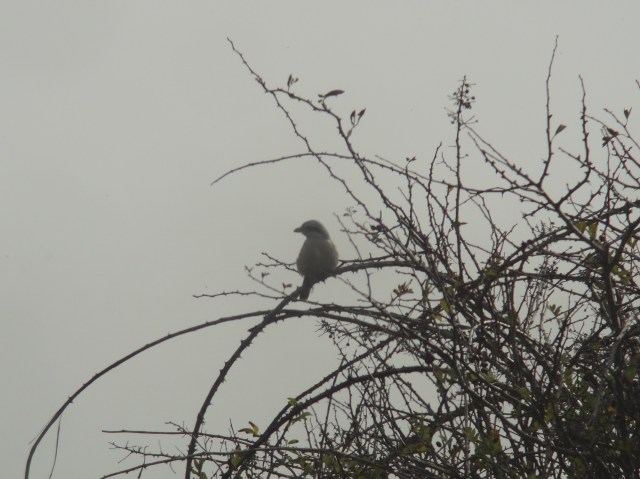
Steppe Grey Shrike, in the mist – Burnham Norton, 12 October 2014

Each time we’ve been away this year, something exciting has turned up in Norfolk. Having just returned from a week’s family holiday on Tenerife, I wasn’t at all sure about our chances of catching up with the Steppe Grey Shrike, which first appeared in Norfolk over a week ago. Then, to add to the general anxiety, there was an early morning ‘negative news’ message before we set off today. Our next obstacle, once we got to Burnham Norton, was the fog – however, we did manage to see the bird, but for the best part of an hour it remained a small, static silhouette in a hawthorn bush! Eventually it did come closer and the sun did manage to break through at about the same time. Good views finally of this ‘first for Norfolk’ and our second rare shrike of the autumn.

The views did improve a little..

DSC09132

Until finally we were close enough to enjoy the finer details of this ‘first for Norfolk’

IMG_8265

IMG_8317

IMG_8295

I understand that the bird has been fed continuously on a diet of meal worms, by the eager photographers. Not quiet the luxurious gastronomic inducement as smoked salmon, offered to the Ivory Gull in Humberside last year (see my post Arctic ‘pigeon’ 29th Dec 2013) but obviously sufficiently enticing to get it to stick around. I guess I should be grateful..

Time Out on Tenerife

IMG_8133

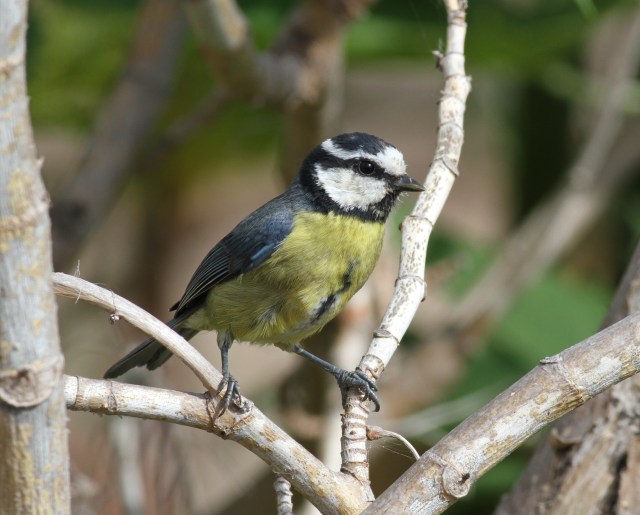
Blue Tit, of the distinctive endemic sub-species Parus caeruleus teneriffae

We’ve just had a weeks family holiday on Tenerife with two of our kids, their partners and two of our grandsons – consequently, opportunities for birding have been limited. In fact most of the birds seen have been from or around our villa at Callao Salvaje. We did manage a trip up to El Teide, including calling in at the play park/picnic site at Las Lajas and a quick excursion to the pools Erjos.

In the brancos, by the side of the villa there was a small irrigation dam, surprisingly with some water still left in it. This proved to be a good area for the regular species like Canary Island Chiffchaff, Blackcap, Blackbird, Spectacled Warbler, Canary, Blue Tit, Berthelot’s Pipit and Common Kestrel but it also attracted Grey Heron, Night Heron – up to four, Little Egret and Grey Wagtail. On the surrounding hillside we saw Peregrine, Southern Grey Shrike and Barbary Partridge. From the pool we had views of the sea and La Gomera. Yellow-legged Gull were the only regular day-time species but we did see Cory’s Shearwater flying over-head at night, an Osprey one evening and Plain Swift, which were a nightly occurrence, with up to 150 seen. We even had a whale species ‘spouting’ off-shore. On our two excursions we managed to add Blue Chaffinch, Great Spotted Woodpecker, Buzzard, Raven, Robin, Mallard, Coot, Moorhen and at the nearby golf course a couple of Greenshank and a Common Sandpiper.

A selection of birds from the local brancos,  female Sardinian Warbler

IMG_7885

Canary Island Chiffchaff, easy to locate, less so to photograph

IMG_8212

Spectacled Warbler,  female

IMG_7962

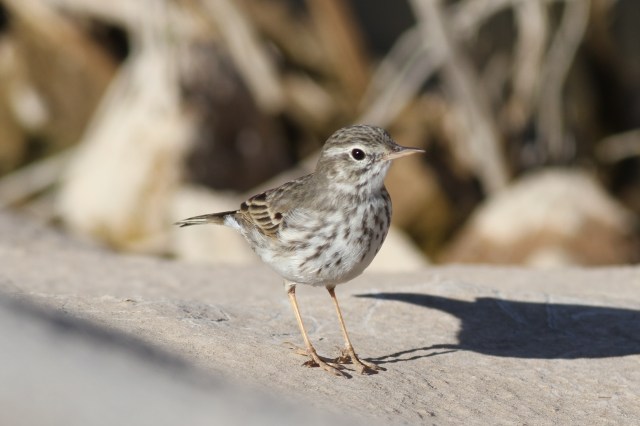
Berthelot’s Pipit

IMG_8202

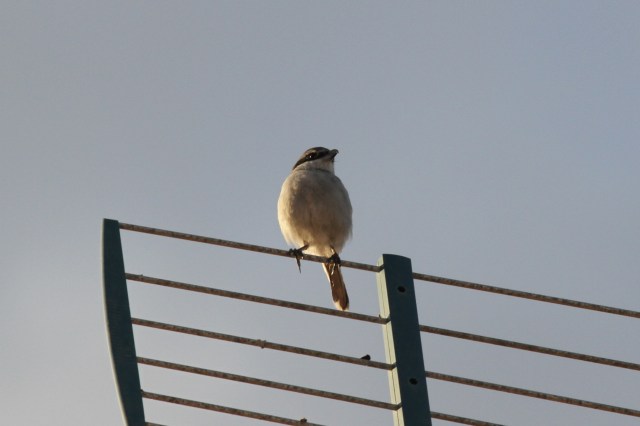
Southern Grey Shrike, of the race koenigi 

IMG_7942

Peregrine Falcon, madens 

IMG_7872


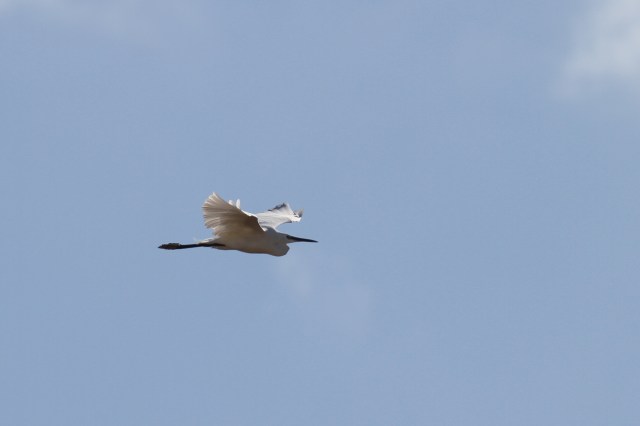
Little Egret

IMG_8158

Black-crowned Night Heron – up to four came into roost each evening

IMG_7823

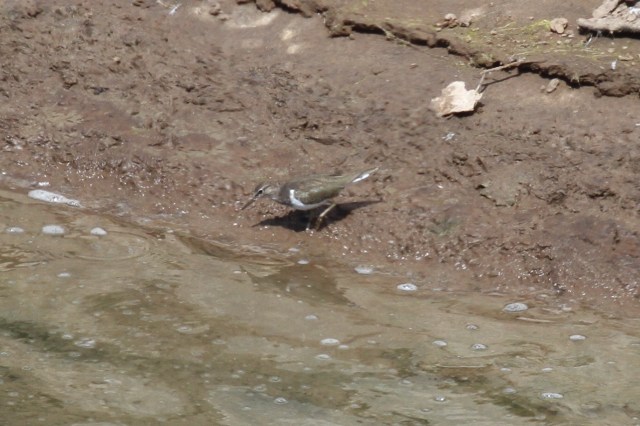
On the nearby golf course reservoir, two Greenshank and a Common Sandpiper

IMG_8086 IMG_8084

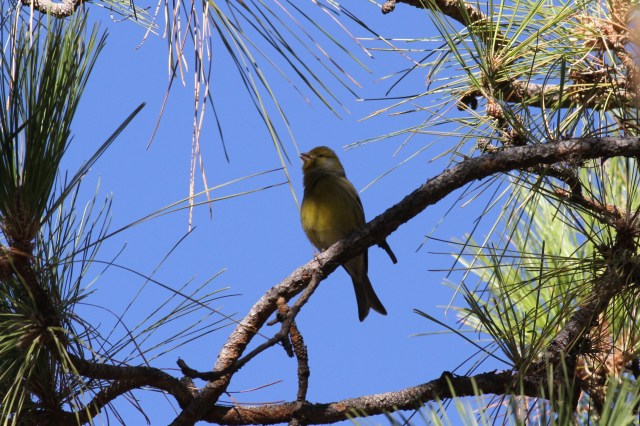
At Erjos pools there were plenty of birds but nothing out of the ordinary. Chaffinch, of one of the island races

IMG_8091

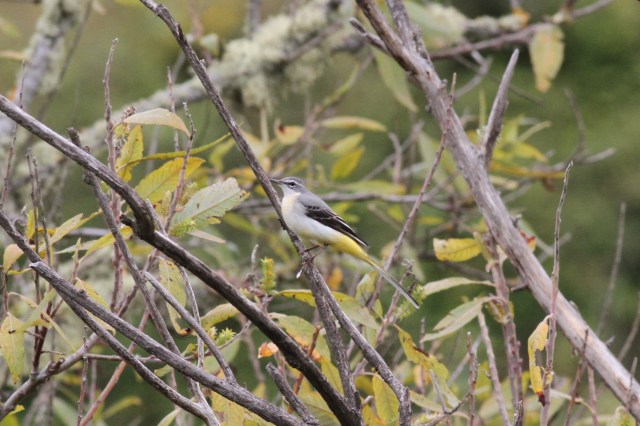
Grey Wagtail – probably canariensis

IMG_8114

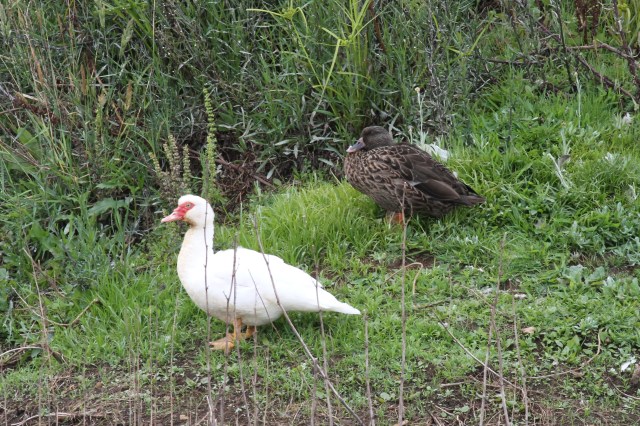
The local wildfowl collection – Mallard, of questionable parentage and a Muscovy

IMG_8095

Robin, of the race superbus – note the ring

IMG_8088

At the popular picnic spot at Las Lajas, plenty of Canary

IMG_8053

Great Spotted Woodpecker of the distinctive canariensis race

IMG_8024

Finally, the only really different species – Blue Chaffinch

IMG_8045

All in all, not a bad selection for a non-birding, family holiday on an island, not renown for it’s abundant bird life.

Late Run un-Masked Lifer

DSC09084

1st winter Masked Shrike, Kilnsea, 2nd October 2014

Nearly two weeks ago Britain’s third Masked Shrike (there are a couple of additional records pending), a species of restricted distribution in the eastern Mediterranean, turned up on Spurn. First identified as a Woodchat, it’s true identity was quickly established and it rapidly became one of this autumn’s big twitches – the two previous birds having been in Fife, Scotland a decade ago and a ‘one day wonder’ on Scilly. Unfortunately for us we’d just embarked on a week’s holiday in Dorset and on our return, last weekend, we were busy doing stuff in Norfolk. Today then was our first opportunity to go for the bird and I was extremely relieved when part-way into our four and a half hour drive, the bird was reported as still present in it’s usual hedge!

We parked up and joined a couple of birders in the field from where the Shrike could be observed distantly in the hedge. Over the next hour and a half it did creep nearer but was never close. Great ‘scope views of this first winter bird but no real opportunity to photograph it properly – however that didn’t detract from a cute little bird which was virtually in constant view. A UK ‘lifer’ for me, which repaid the long and anxious wait.

A couple more shots showing the extensive white wing panels/tail sides and the emerging apricot coloured flanks

IMG_7797

IMG_7767

Finally a photo of a similar looking bird, taken in Eygpt, a couple of years ago

IMG_7794


Postcript  The Masked Shrike wasn’t seen again after mid-afternoon and appears now to have gone – how lucky was that!

The birth of AND

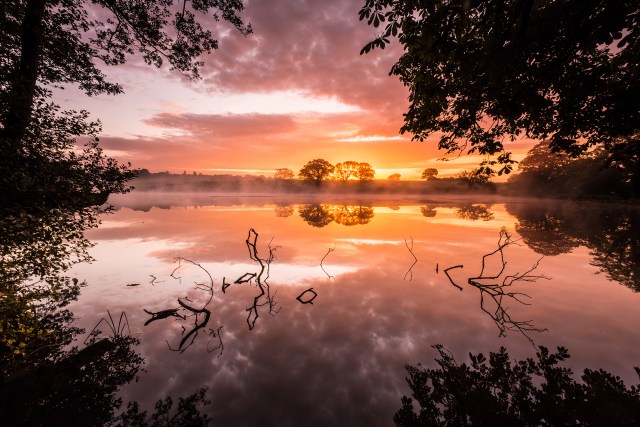
Fellbrigg Lake Dawn 2_Small

Felbrigg Lake at dawn – courtesy of Robin Williams

For anyone remotely interested, I’ve recently started another blog, the Aylmerton Nature Diary or AND for short, which is intended to do ‘what it says on the can’ that is, to cover the wildlife events in and around the small parish of Aylmerton, here in the north east corner of the delightful, bird-rich county of Norfolk. A sort of internet, fun-sized, version of the Natural History of Selbourne, if you will – only lacking the observation, insight and literary style of Gilbert White! As you’ll see from the blog, a good proportion of the Felbrigg estate is conveniently situated within the parish. Felbrigg has a notable place in the ornithological history of Norfolk, being the first place that Honey Buzzard and the only place that Pied Flycatcher have successfully nested. It remains the county stronghold for Mandarin Duck. There are other important birding sites within the parish too, including the ancient wooded Cromer ridge, a known fly-way for migrating raptors and breeding stronghold of Firecrest.

You can get to my Aylmerton Nature Diary by clicking this link

IMG_9090

Mandarin Duck – a rare breeder in Norfolk

Thomas Hardy Trail, part 2 – Behind the Scenes

We’re just back from Dorset, where we stayed at Lower Bockhampton and travelled around much of Hardy’s Wessex searching out the sites believed to have been the inspiration behind many of the locations used by him in his popular novels and poems. Here is a selection of some of the fabulous and fascinating places we visited.

Under the Greenwood Tree

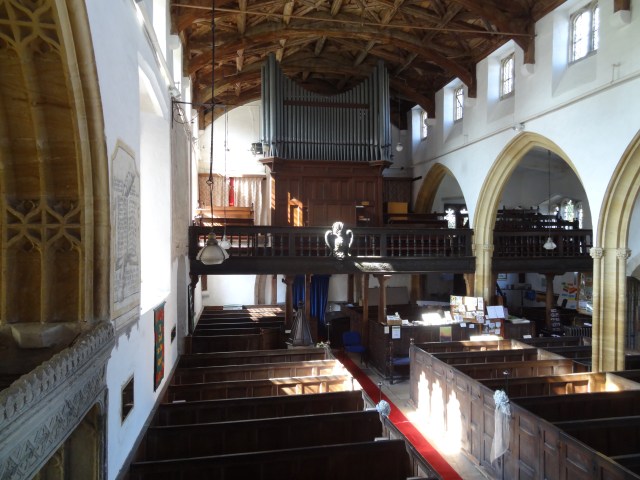
The replacement of the church choir by an organ is a prominent theme in the novel. Although the setting was the church at Stinsford, where Hardy’s father was a musician in the choir, the gallery was subsequently removed. TH took guests to see one of the few remaining galleries in Dorset, at nearby Puddletown

DSC08692

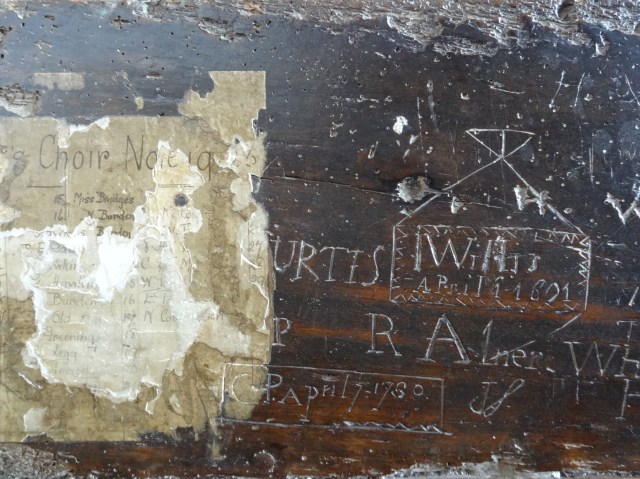
17th century graffiti on the musicians gallery

DSC08696

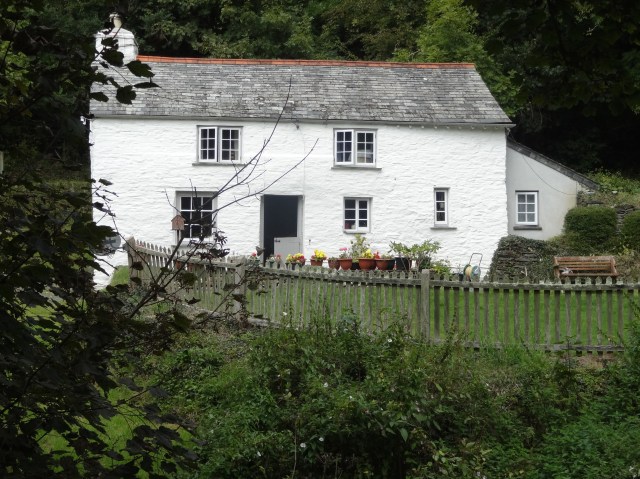
Keeper Day’s cottage, in Yalbury Wood – based on this remote cottage in Yellowham Wood

DSC08789

Pair of Blue Eyes

The Smith’s cottage in the Valency valley – where, in the book, the young architects parents reside

DSC08787

Widow Jethway’s cottage  – based on another cottage in the same remote Cornish valley

DSC08784

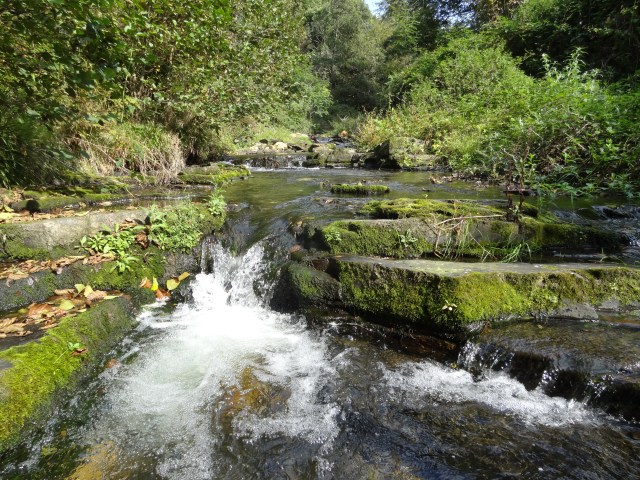
In real life, Hardy’s takes Emma down to the stream in the Vallency valley for a picnic and, in a famous event, she loses a glass in the water. Hardy captures the moment in a sketch and later a poem – Under the Water Fall

DSC08767

Paddle steamers feature in several of Hardy’s novels, in this particular one there is only a brief reference.  The Waverley, here pictured moored at Swanage, is the only working ocean-going vessel of her kind left in the world

DSC08936

Far from the Madding Crowd

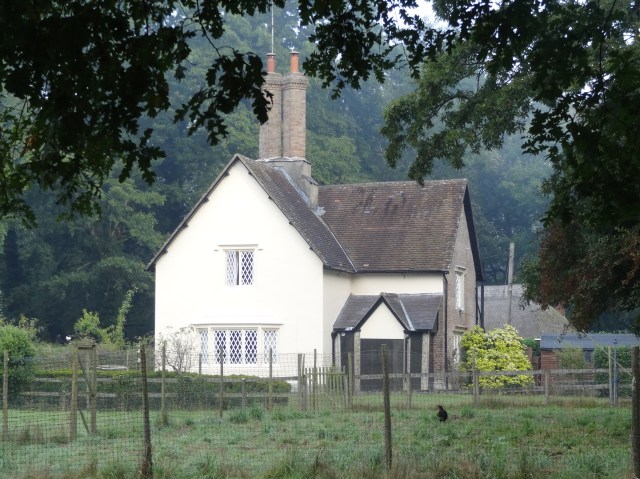
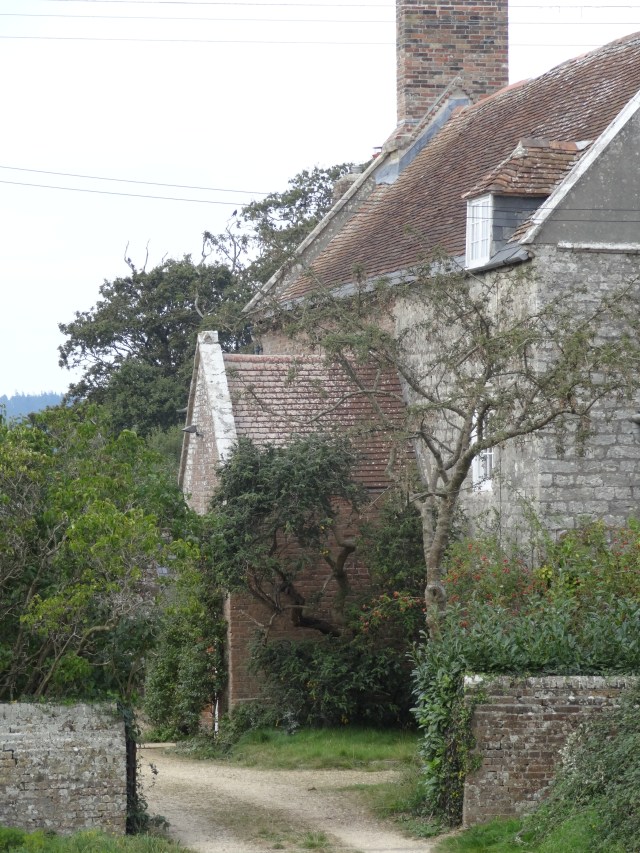
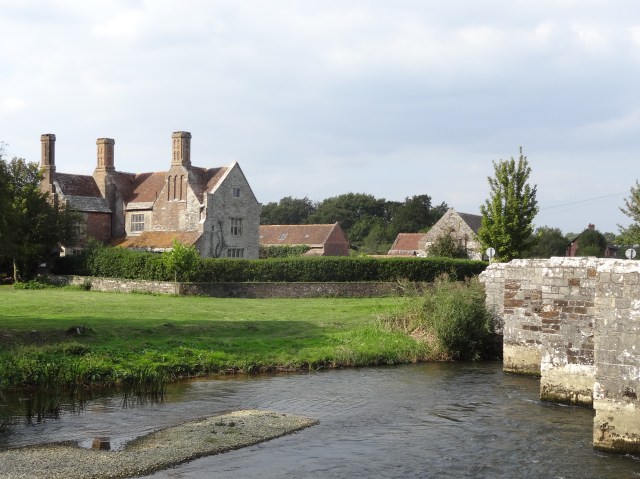
This grand property was the model for Upper Farm, which Bathsheba inherits from her uncle (photo courtesy of RW)

_DSC0788

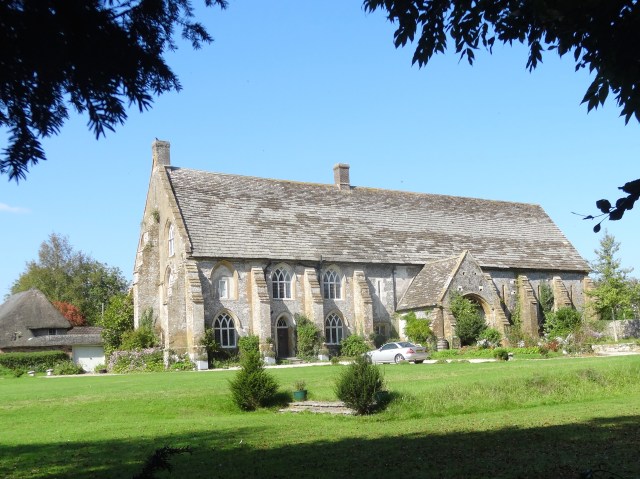
This, now converted tithe barn at Cerne Abbas, is thought to be the inspiration for the wedding celebration barn in the novel

DSC08689

Lulworth Cove, the scene of Sergeant Troy’s thwarted attempt to drown himself

DSC08950

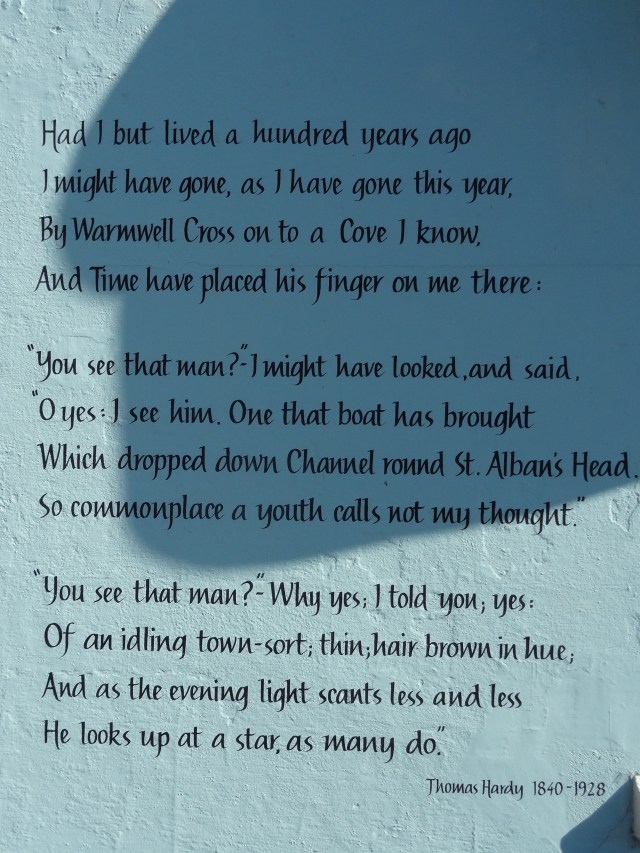
TH’s poem,  At Lulworth Cove a Centuary Back 

DSC08948

The Hand of Ethelberta

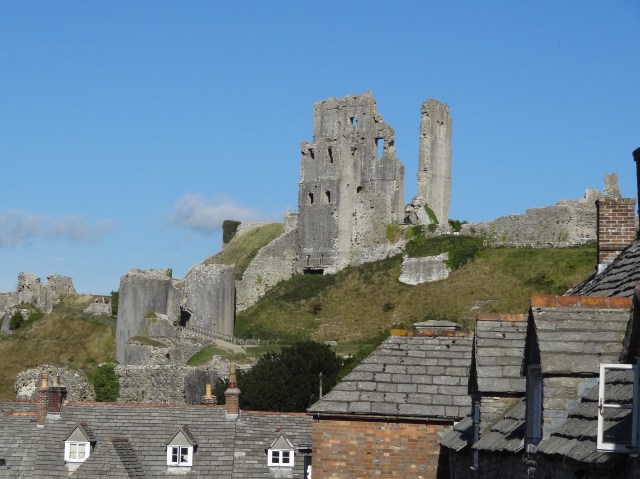
In the novel, Ethelberta rides to Corvesgate (Corfe Castle) on a donkey

DSC08947

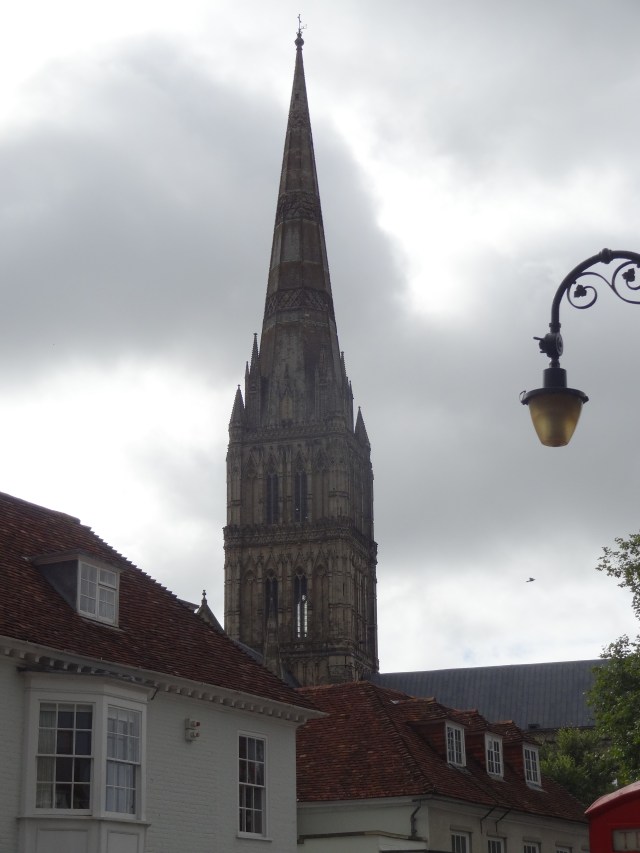
Christopher Julian, one of Ethelberta’s suitors, plays the organ in Melchester cathedral – Salisbury, in real life

DSC08994

The Trumpet-Major

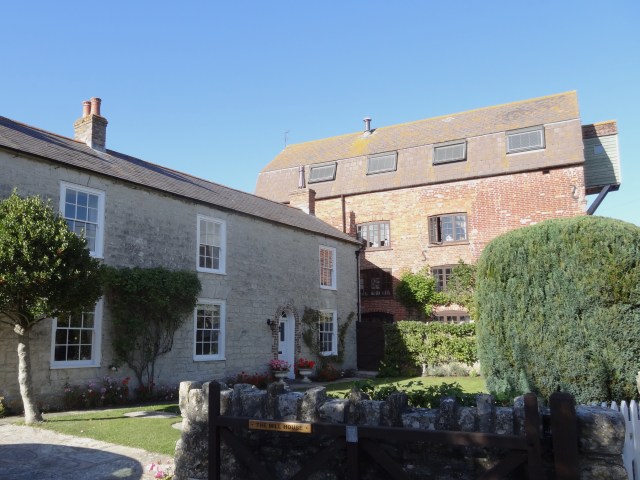
The lower mill at Sutton Poyntz is believed to be Hardy’s inspiration for Overcombe Mill, where the heroine lodges and from where she can observe the regimental goings-on in their camp, on the hill behind

DSC08928

Anne, the heroine, watches the Fleet departing for Spain from Pulpit Rock, close by this lighthouse on Portland Beal

DSC08958

Figure of King George III, carved in this Dorset chalk escarpment, to honour a visit by the royal

DSC08935

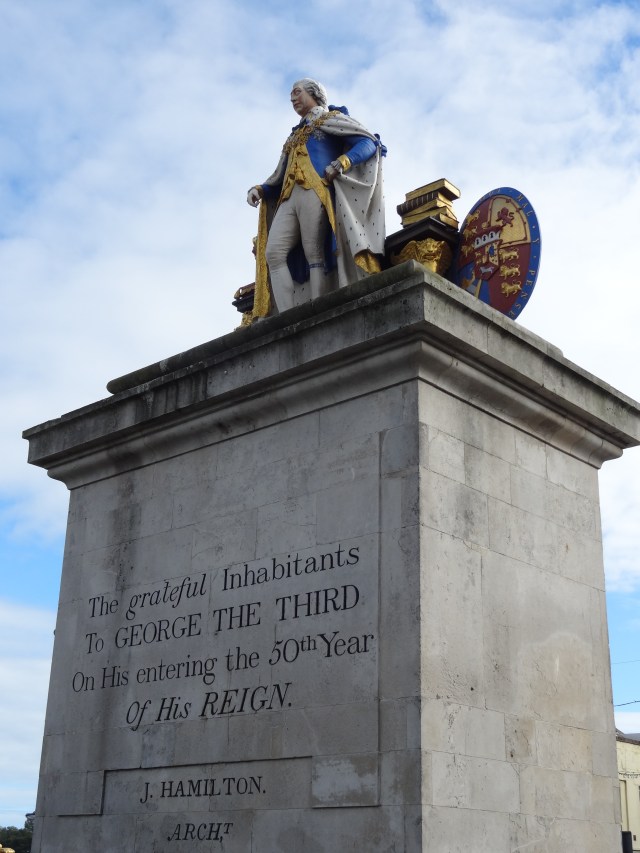
King George is also commemorated in this recently restored statue on Weymouth seafront

DSC08966

Major of Casterbridge

Some of the remaining booths at Weyhill Fair, where the drunken Michael Henchard sold his wife, Susan, to a passing sailor!

DSC09020

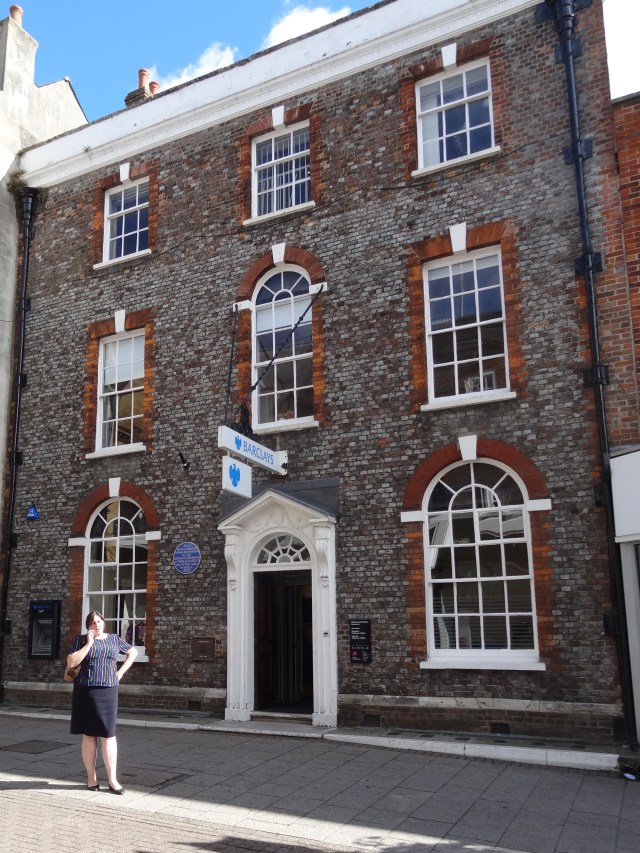
Henchard’s Casterbridge house after he’s made his fortune and became mayor of the town

DSC08898

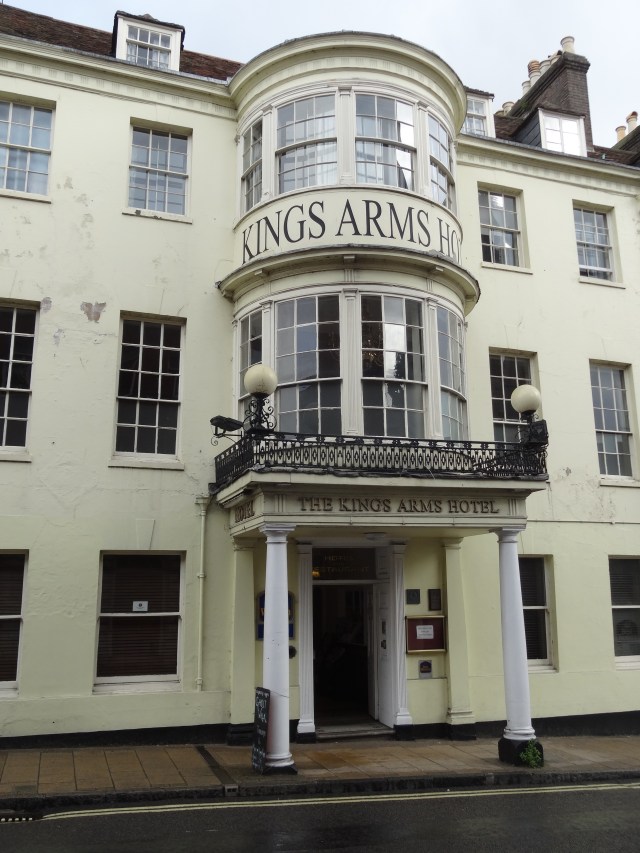
Susan spies Michael Henchard at a meeting in a first floor room of the King’s Arms Hotel, years after their estrangement

DSC08891

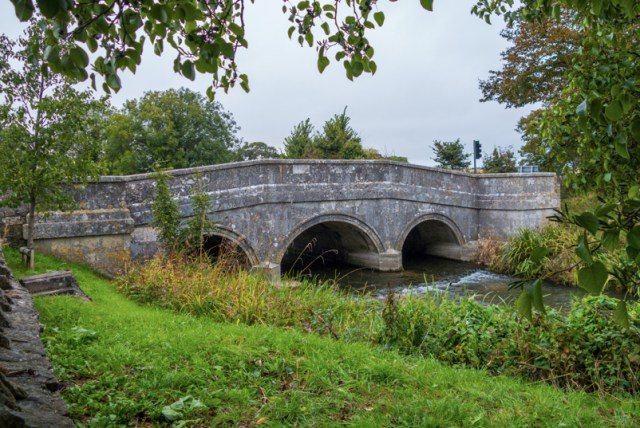
Gray’s Bridge – frequently visited by Henchard in his more melancholy moods (photo courtesy RW)

Inbox_—_Google__272_messages_

Through an unfortunate chain of events Henchard is financially ruined, but is then given, by the townsmen of Casterbridge, a seed merchant’s shop to manage, overlooking the church yard

DSC08889

Tess of the d’Urbervilles

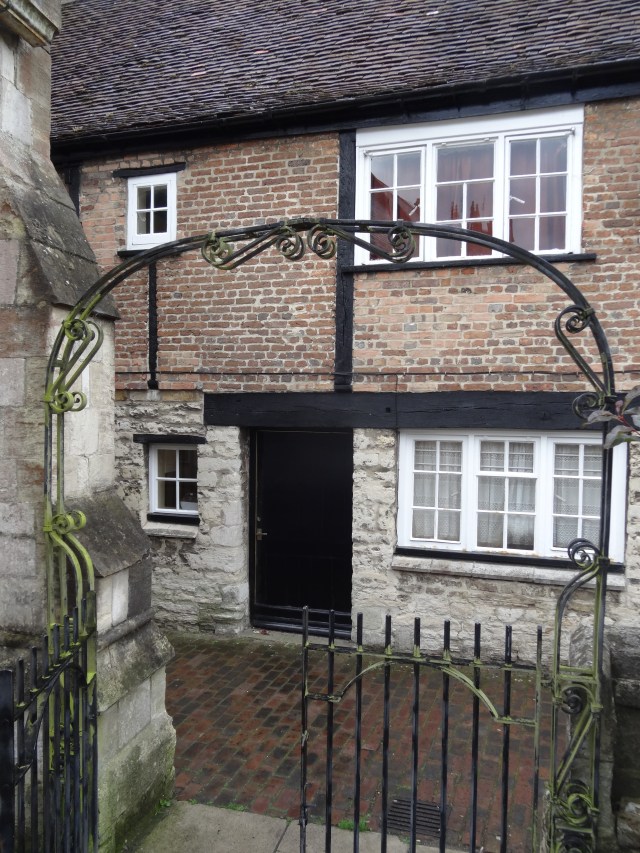
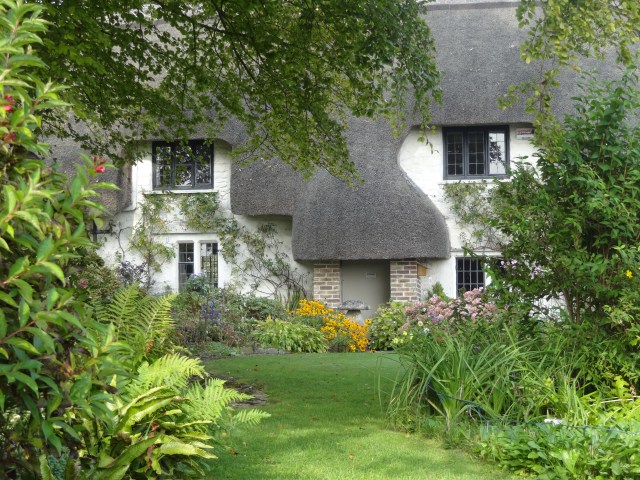
The model for Tess’s family home, before the death of her father and their subsequent eviction

DSC08828

Tess goes to work as a milk-maid on Talbothays Farm, before her marriage to Angel. The dormer window is said to be the bedroom where Tess prepared for her wedding

DSC08739

West Stafford church, used by Hardy as the location for Tess & Angel’s wedding

DSC08745

Wellbridge manor where Tess & Angel spend their honeymoon

DSC08717

The fatherless family camp in the churchyard, under the d’Urberville window at Bere Regis church, seeking recognition of their rightful inheritance

DSC08707

The Cross in Hand, hidden in a Dorset hedgerow – omen of mis-fortune for Tess

DSC08687

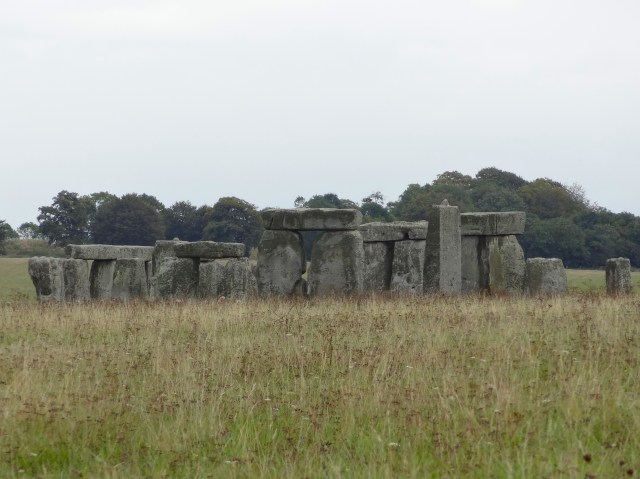
After Tess murders Alec, she and Angel run away. They take shelter at Stonehenge, where she is arrested and subsequently tried and hanged

DSC09018

Jude the Obscure

Jude finds employment as a stonemason, working on Melchester cathedral (Salisbury)

DSC09006

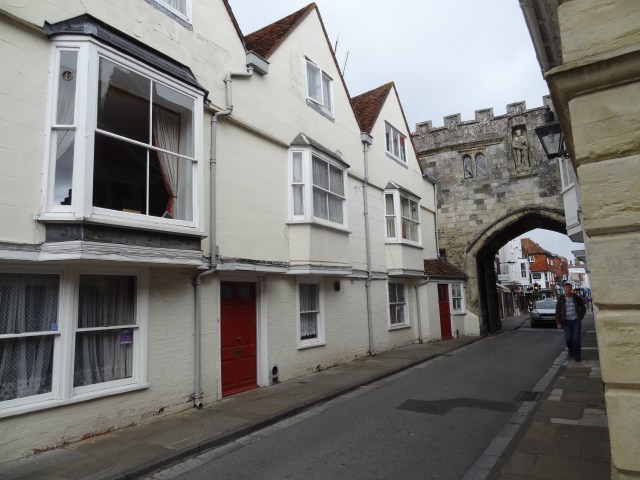
Jude is believed to have resided in accommodation close to Town Gate

DSC09007

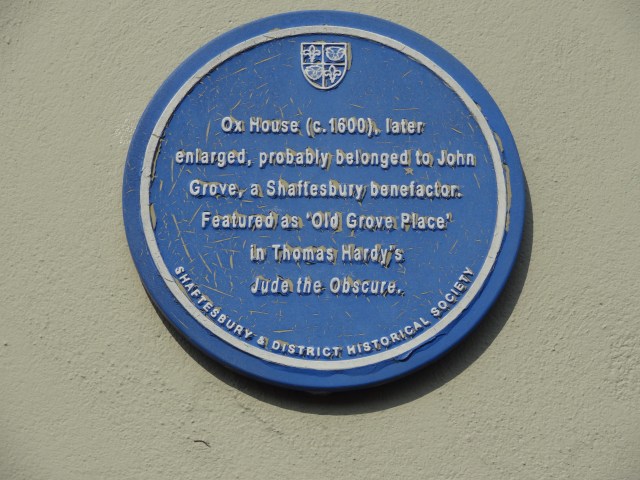
Sue, Jude’s cousin, lives in Shaston (Shaftesbury)

DSC08831

DSC08836

DSC08837

The Well-beloved

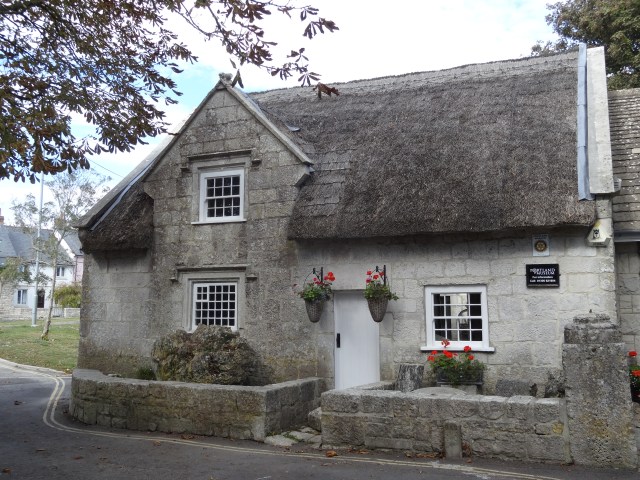
Thought to be the model for Avice’s cottage, now the Portland Museum

DSC08956

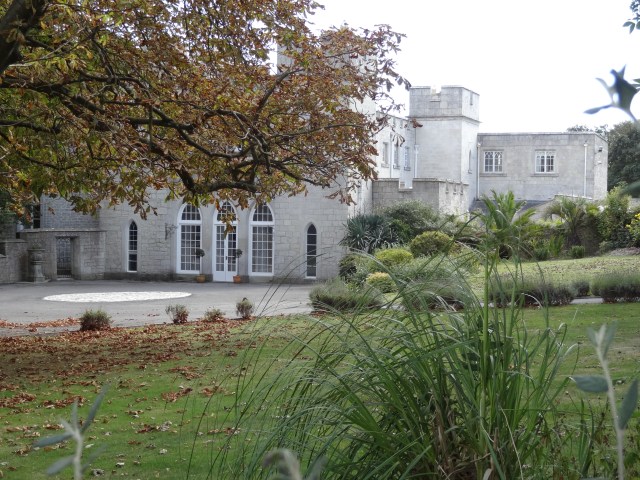
Pierston rents Sylvania Castle in his pursuit of Avice

DSC08957

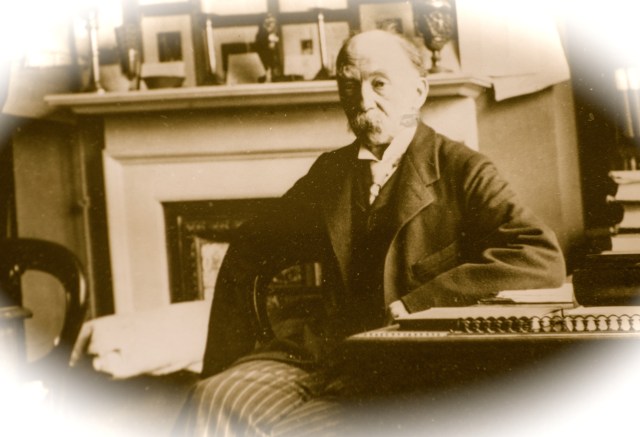
Photograph of Thomas Hardy, taken in his study at Max Gate, shortly before his death in 1928. From humble beginnings he became one of the most prodigious 19th century British authors, with more than ten popular novels and nearly a thousand poems to his name. He lived the majority of his life in Dorset and created a virtual landscape – Wessex, through which he captured, described and preserved many of the customs, traditions and hard-ships of a by-gone era.

_DSC1104


For more photographs, covering the whole Thomas Hardy Trail week, visit http://www.robinwilliamsphotography.com/thomashardy