We’re out in Australia, visiting our son Dan, Morgan and the kids. A couple of days ago we stopped off on our way to Melbourne to see my brother and his family at Sovereign Hill, to look up an ancient branch of the Williams clan!

We’re out in Australia, visiting our son Dan, Morgan and the kids. A couple of days ago we stopped off on our way to Melbourne to see my brother and his family at Sovereign Hill, to look up an ancient branch of the Williams clan!

Jane and I, at Aylmerton, NSW
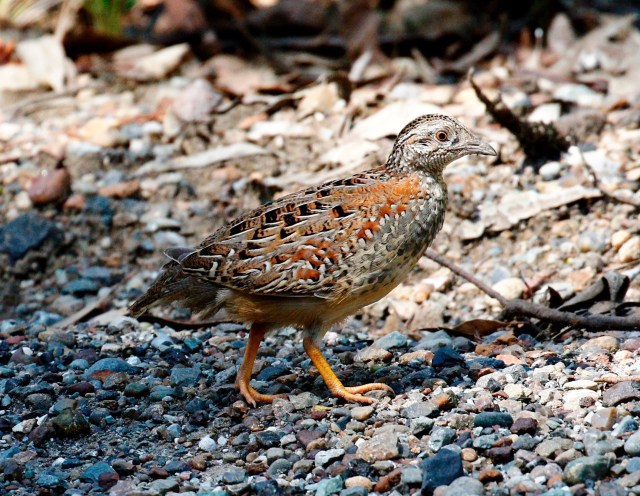
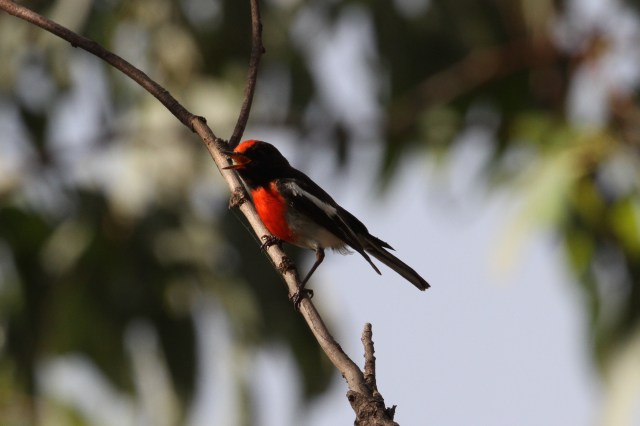
We’re now in Ned Kelly country, having left Dan & Morgan’s, heading south towards Melbourne. After our trip up the NSW coast and Sunday’s pelagic, we spent a couple of days in the Hunter trying to boost my list – interspersed with a bit of DIY, installing a ceiling and electrics in Dan & Morgan’s ‘garden room’! With the help of Mick Roderick, Dan’s birding friend and top ‘Hunter 400’ man, we managed to track down the elusive Spotted Quail-thrush and Painted Button-quail in HEZ. On an extended tour of the Upper Hunter we added Pink-eared Duck and Red-capped Robin – bringing my Hunter list to 291. We spent several nights in a desperate attempt to find some owls but, as usual, failed miserably. It’ll take another winter trip to get me over the ‘novice’ bar of 300 – oh well, so be it!
The 750k drive down yesterday was interesting, the first stop being at the small settlement of Aylmerton – NSW, not Norfolk! At one point on the journey the temperature reached an uncomfortable 43 degrees, immediately followed by a heavy thunder-storm, which caused the temperature to tumble by 20 degrees.
Here are a few more Hunter highlights before we reach Melbourne, our jumping-off point for a weeks holiday on Tasmania:
Painted Button-quail – found and photographed by Mick
Yellow-billed Spoonbill – arrived in the Hunter after the rains

Red-capped Robin
White-browed Woodswallow

Horsfield’s Bushlark. Never easy to see – this one gave exceptional views


Kermadec Petrel – a Lifer, from New Zealand
It’s Sunday morning and we’re up early for the drive to Port Stephen to join the monthly pelagic – a nine hour boat trip out to the shelf and back, to look for deep ocean birds. The sea was incredibly calm, with only a slight swell but we still managed to see: three species of petrel – Great-winged, Kermadec, & Gould’s; six species of shearwater – Wedge-tailed, Sooty, Short-tailed, Flesh-footed, Fluttering & Hutton’s; White-faced Storm-Petrel, Australasian Gannet, Pomarine Jaeger and Crested Tern. Two were ‘life ticks’ and one was a Hunter ‘tick’.
Some photos:
Flesh-footed Shearwater – a Hunter ‘tick’

This one has sadly been snagged with a fish-hook in it’s left wing

Gould’sPetrel, another Lifer – breed on nearby Cabbage Tree Island
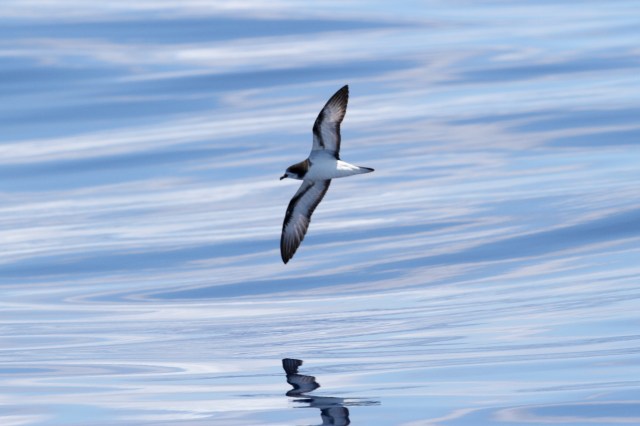
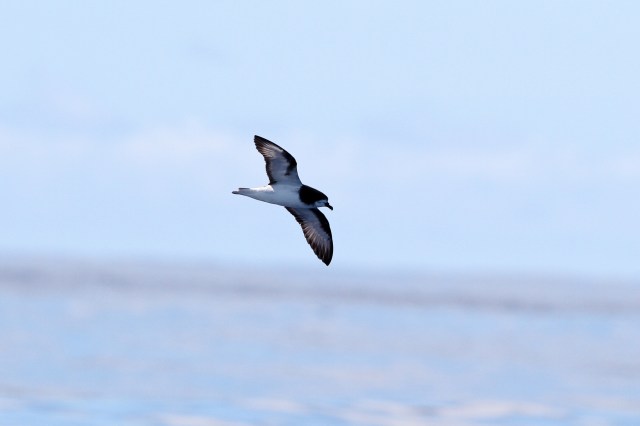
Fluttering Shearwater

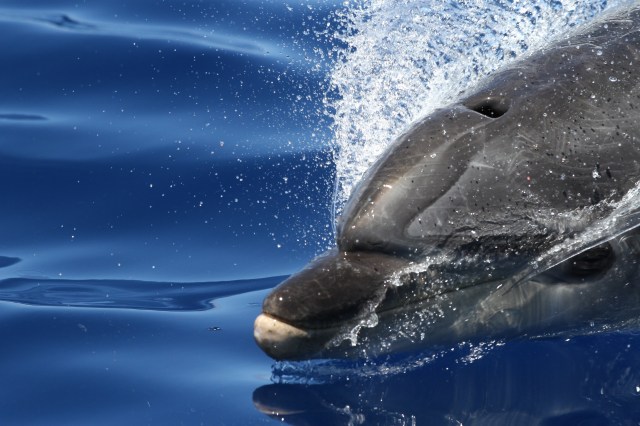
Off-shore Bottlenose Dolphin – bow-waving
Since our New Year’s Day ‘Big Sit’ the weather has deteriorated dramatically, with strong winds and heavy, occasionally torrential, rain. Apparently we’re heading for a 1 in 50 year/24 hour event! – it’s just like being at home! As a consequence, our birding activities have been severely curtailed. We have managed to visit a few good sites in the Lower Hunter, pushing our trip total to 170 and nudging my Hunter list up to 280, but that’s about it. Yesterday we even went to the cinema to watch a Disney film with the grandkids..! Today, flooding permitting, we leave Newcastle for a short trip up the NSW coastal belt, as far as Port Macquarie – hoping to meet up with some friends and do a bit of birding on the way but, as the rain continues to lash down, the latter looks increasingly unlikely.
Here are a few randomly chosen photos of some of the local birds we’ve come across so far:
Little Black Cormorant – with it’s amazing ‘cork-screw’ neck

Black-fronted Dotterel

Grey-crowned Babbler

The always delightful male Zebra Finch

A small selection of waterbirds at Stockton sand-spit, including Royal Spoonbill, Black-winged Stilt & Gull-billed Tern. We saw 15 species of wader and five Terns..

White-plumed Honeyeater

Rufous Songlark

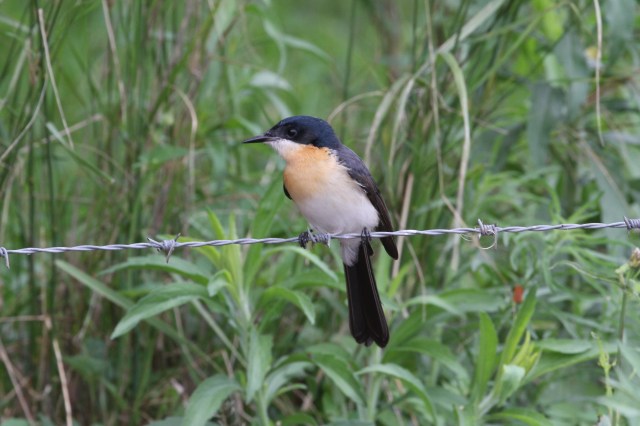
Restless Flycatcher
That’s all for now, we’ll be ‘off-line’ for a few days but more blogging at the weekend – prior to what I hope will be a memorable pelagic on Sunday!

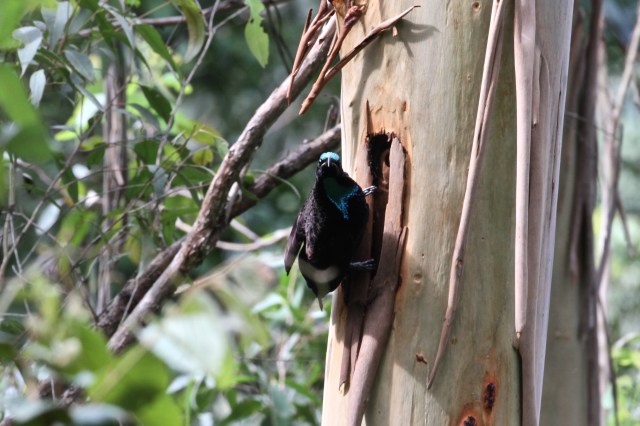
Paradise Riflebird – first Aussie tick in two years!
We arrived in Australia on New Year’s Eve, which happens to be Dan’s birthday, spent New Year’s Day doing a ‘Big Sit’ in his garden – seeing around 65 species and, during the course of which, bringing up his 100th ‘Yard tick’. Yesterday we had our first proper birding excursion to the Barrington Tops – high elevation rain forest, which hold a number of birds at the southern limit of their range. Two in particular being much needed Australian ticks for me – Paradise Riflebird and Rufous Scrub-bird. The first was relatively straightforward but the second required a little more effort, being described in the field guide as ‘extremely elusive’. Given that we had our two young grandsons in tow, sitting quietly in the dense undergrowth waiting for the bird to hop up off the forest floor on to a log, proved to be a test of everyone’s ‘field craft’ but eventually our patience paid off and up it popped!
Two excellent additions to the list, bringing up 490 & 491 respectively! Only another nine to go…

Iceland Gull at King’s Lynn – getting the birding week off to a good start
I’ve only been Norfolk Year Listing since we moved over here permanently a couple of years ago. Last year I set the ‘bench-mark’ of 225 and I was hoping, with a bit more effort this year, to do better. With only a couple of weeks left of 2015 I started the week off on 245, with an ambition to reach 250 before Christmas. On Tuesday we did the long trek out to Snittisham RSPB to look for the Pallid Harrier. It’d been seen earlier that morning but had been missing for an hour or so when we got there. Almost immediately, as we climbed the bank, we saw a distant ‘ring-tail’ across the fields. Although it never came close we did get enough on it to clinch the identification. Later that day we went to Titchwell in the hope of some much-needed sea birds. The sea was a long way out and there were very few birds on view but we did find a few Goldeneye, Great-crested Grebe, three Scoter which turned out to be Velvet, several Red-breasted Merganser and, just as we were leaving, two fabulous male Long-tailed Duck, close inshore . It was Wednesday morning and I was leading the NENBC Felbrigg mid-week walk when the news came through of a Grey Phalarope at Cley – a hastily concluded walk and we were off in pursuit. We parked at Walsey Hills and headed down East Bank, only to be greeted by the news that it had been flushed seconds earlier by a Peregrine! I eventually relocated it on Pope’s pool – 248, just two to go. We did go over to Sea Palling to have a look at the now ‘resident’ Cattle Egret – my guess is that it’s the same bird as the one we found a couple of weeks ago at Aylmerton. This morning, whilst waiting for Jane to finish up at the hairdressers, I popped along to Weybourne in the hope of finding Great Northern Diver on the sea. No luck but I did see the mixed finch flock as I drove down Beach Lane. I stopped off on my way back and was delighted to find at least 80 Lesser Redpoll and a Brambling amongst the commoner stuff. More careful scrutiny of the flock produce a couple of Mealy Redpoll, leaving me with just one for my target 250. There’d been a brief sighting yesterday of an unseasonaly late Red-rumped Swallow at Cley, fortunately it reappeared today and we eventually ran it to ground at Blakeney, hawking over the fresh marsh – bingo! I realise that 250 is a relatively modest achievement for possibly the UK’s premier birding county but it’s raised the bar for me and will provide a suitable challenge for years to come. As always, with any bird list, there are a few embarrassing omissions including Turtle Dove, Arctic Tern and Corn Bunting – oh well, there’s always next year.
The ‘resident’ Cattle Egret at Sea Palling – possibly the same bird that was at Aylmerton

Brambling and Lesser Redpoll in the mixed finch flock at Weybourne

Mealy Redpoll amongst c 80 Lesser Redpoll

and Red-rumped Swallow brings up the 250!
It was the NENBC field trip to Holkham today. The morning was spent in the park looking for woodland species – more looking than finding I’m afraid! The afternoon was spent on a slow walk to Washington hide and return. The highlight of the afternoon, apart from a reasonable selection of wildfowl including a couple of White-fronted Geese, was a particularly pale Buzzard. Seen from the hide, the bird was sat in a tree close to the A149 but even at that distance the striking overall pale plumage could clearly be seen. It put me in mind of the bird I saw last April in the Brecks.

A ‘bonus bird, was this Red-necked Grebe at Brancaster harbour seen, late afternoon
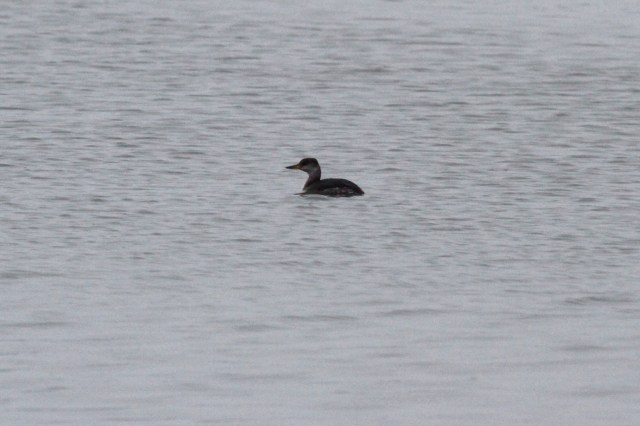

Star bird was this juvenile Spanish Imperial Eagle, found by Nigel, flying through a roadside wood!
Courtesy of Phil & Carolyn, in whose house we stayed, and our friends Sue and Nigel, who were the inspiration behind the trip, we’ve just experienced our first birding adventure to Portugal’s Algarve region. We flew from Luton to Faro and spent a few days exploring the various wetlands of the area, as well as venturing a little further afield to the mountains of Monchique and the steppe grassland around Sagres and Castro Verde. We used Dave Gosney’s reliable guide for the main sites, supplemented with a bit of local gen from Phil. We didn’t expect great things in mid-December but we did see around 120 species and got good views of some superb birds including, Iberian Shrike, Great Bustard, Spanish Imperial Eagle, Penduline Tit, Purple Swamphen, Iberian Green Woodpecker, Caspian Tern, Bluethroat, Western Subalpine Warbler, Rock Bunting and more.
The shine was taken off the trip a little when our car was broken into at the Salgados beach car park and some of our possessions stolen. The worst aspects of the incident only becoming apparent the following day when I realised that my camera battery charger was in the stolen bag, along with my spare batteries – resulting in no functioning camera for our last day. But it didn’t matter too much because by the time we’d finished at the Police Station it was lunchtime anyway and our trip to Sagres failed to produce the goods in the form of Little Bustard, so nothing to photograph anyway! Still, we didn’t lose anything that can’t be replaced and everyone was very helpful – gives us a reason to return!
A few photos from our brief trip:
Iberian Shrike were reasonably common in the more arid areas, but rather unapproachable

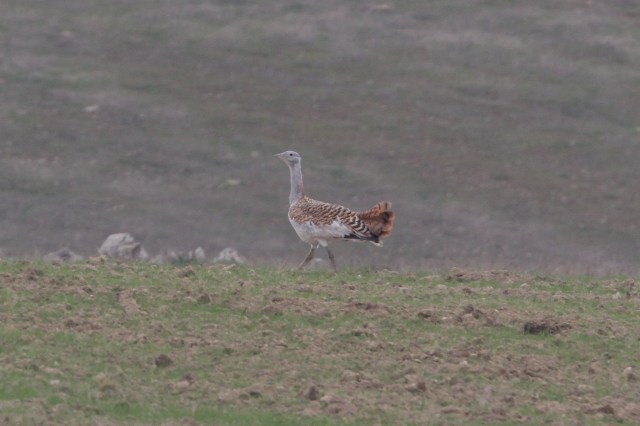
Great Bustard took a bit of finding but we did see more than a dozen in a couple of places
Purple Swamphen aren’t usually difficult to find in the right habitat but we did get particularly good views

Red Kite in Iberia are always a delight

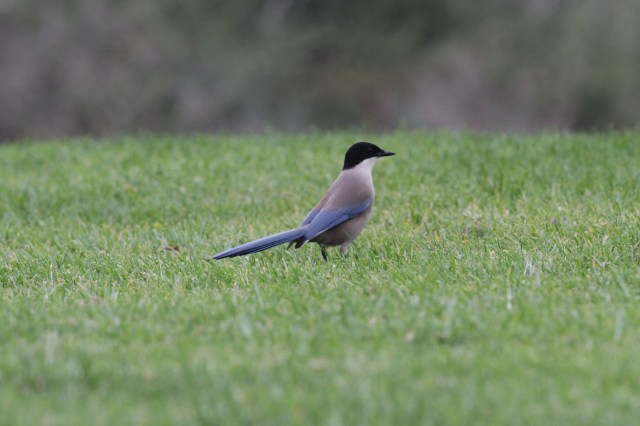
Azure-winged Magpie – much easier to see in Portugal than across the border!
Bluthroat winter along the Algarve coast in small numbers

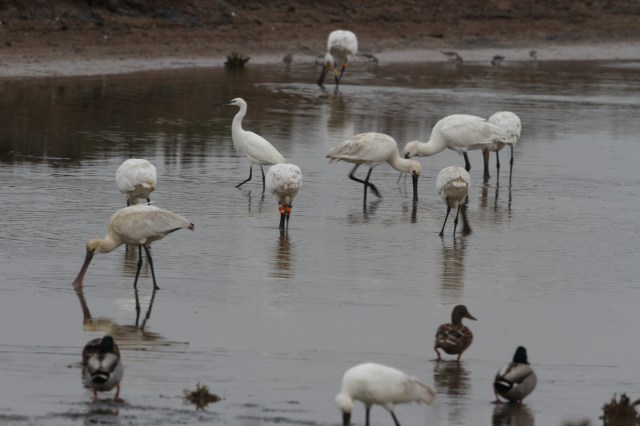
A flock of Spoonbill, some wearing bird ‘bling’
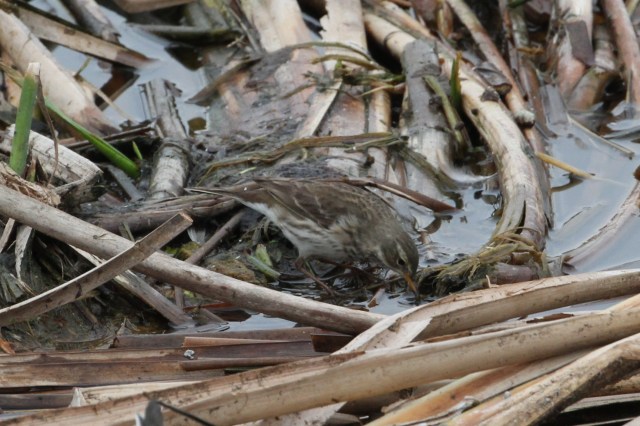
Water Pipit – makes me think I’m back at Cley NWT
Cetti’s Warbler – another Cley species but easier to see in the Algarve

Caspian Tern, seen in small numbers along the coast

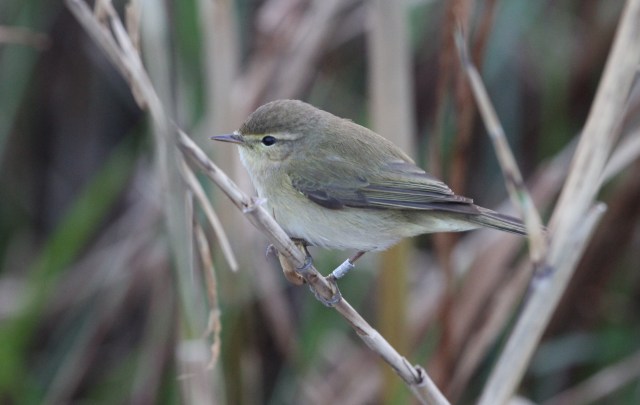
Taken moments before we discovered that the car had been trashed – Chiffchaff with ‘bling’
Finally, my only Western Palearctic ‘tick’ – Black-headed Weaver, a rapidly colonising escape, which breeds in several spots along the coast

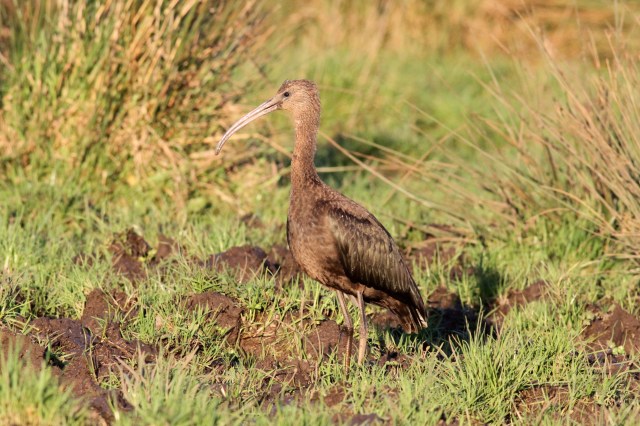
The juvenile Glossy Ibis at Felbrigg this morning was a star find by Simon C. A Felbrigg ‘first’ and hot on the heels of the morning’s other ‘first’ – a much anticipated Water Pipit. For the full story go to: Aylmerton Nature Diary.
Now for a few photos of this very obliging individual:




All three Golden Plover sp. – European, Pacific & American on the Norfolk Year List! By the time we’d got back from Norwich this morning, the identity of the ‘Golden Plover’ at Breydon had been firmed up as American. A hasty lunch and we were off. To our amazement there was no-one actually watching the bird by the time we arrived at the site. If it hadn’t been for the guy in the car park, who told us it was with the Lapwing flock, we may never have found it, as it departed fifteen minutes after we got back to the car. The bird was reasonably close (well, by Breydon Water standards that is!) and, in the constant drizzle, gave prolonged views. Good enough at least to see the overall structure – long primary projection, and plumage detail – bold/broad ‘super’, dark cap & ear coverts, pale nape patch and greyish mantle.

American Golden Plover, juvenile – Breydon Water
Regular blog posts about wildlife & conservation in and around Cromer
Discover the birds of Hampton, Peterborough
Documenting the bird life in Hethersett (Norfolk UK)
...an eclectic mix of travel photos with a birding theme, home and away.
...an eclectic mix of travel photos with a birding theme, home and away.
...an eclectic mix of travel photos with a birding theme, home and away.
...an eclectic mix of travel photos with a birding theme, home and away.
 Trevor On Tour