Birder’s paradise

We departed on our Big World Birding Adventure (BWBA) from Heathrow on Saturday. Three flights and twenty four hours later and we’re in the fabulous reserve of Guapi Assu Bird Lodge , Brazil. Our first flight was delayed by over an hour, which meant we had less than an hour to make the change at Madrid – which we managed with just a few minutes to spare. The long night flight to Sao Paulo was relatively comfortable and uneventful, with ample time to make the early morning connection to Rio de Janeiro . The short flight meant we were all set to make the Lodge by lunch time. We landed at Rio city ‘domestic’ airport, having enjoyed an ariel circular tour of this fantastic city, were quickly through arrivals and could see our driver waiting to whisk us away, when disaster struck! The small luggage conveyor belt leapt into action – one, two,three bags…but where was the fourth? No bag for Jane! We finally took delivery of it 30 anxious hours later – having contemplated what it would have meant to do the three month trip with no luggage. Anyway all’s well that ends well, with the only other mishap being me managing to break my Kindle!

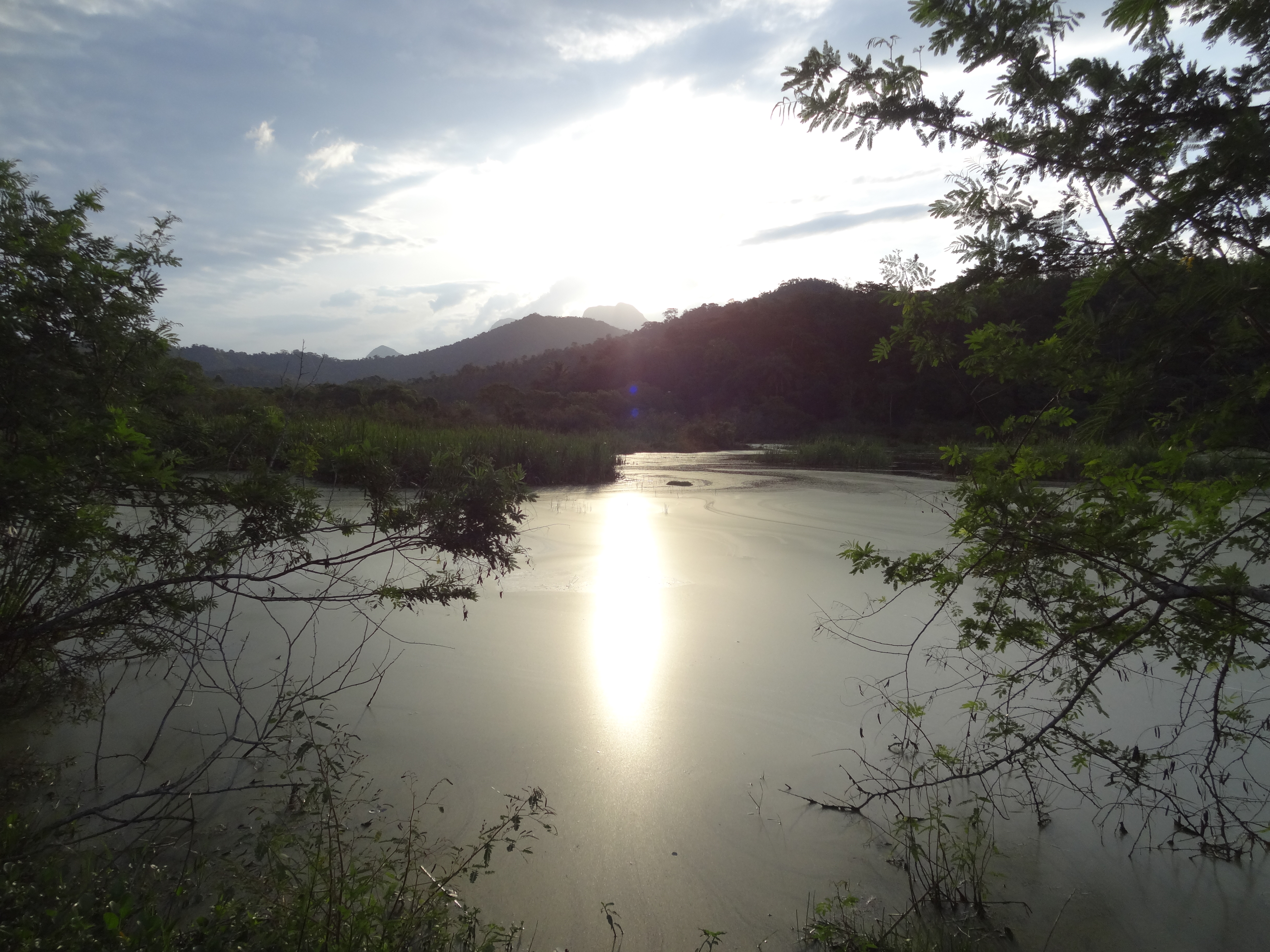
Twenty four hours  later and we’ve manage to clock up 104 species, most of which have been ‘self-found’. The grounds of the Lodge are a haven for wildlife, with half a dozen species of Hummingbird in the garden and the adjacent wetlands supporting a bewildering variety of species. Some scenes along the way..

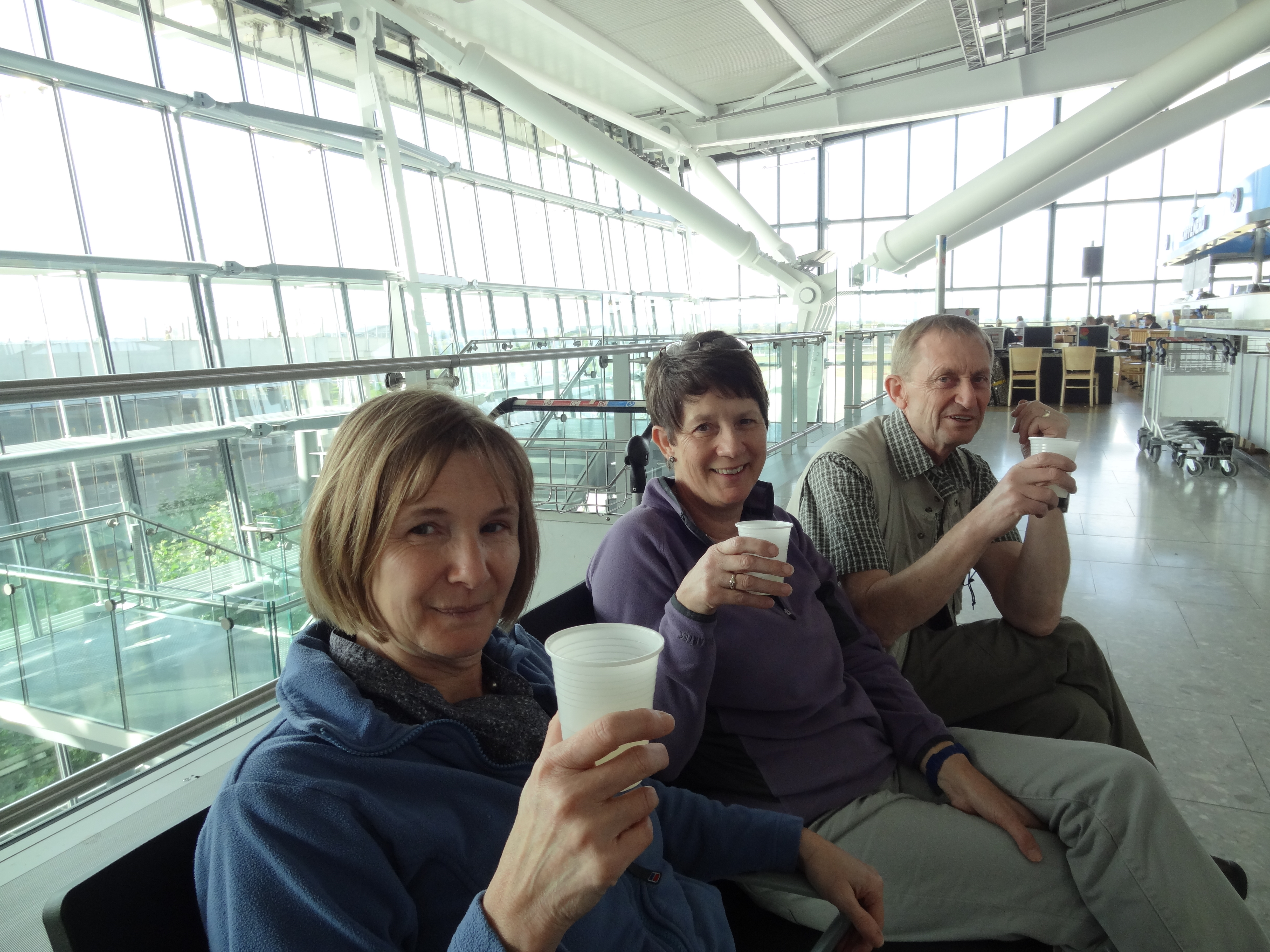
Three of the four intrepid travellers toasting our departure at Heathrow with Champagne out of plastic cups!

Is it a bird or is it a stick? – one of the very first ‘life ticks’ seen soon after arriving at The Lodge. A Common Potoo.


Rufous-tailed Jacamar, another ‘tick’,  and sunset on our first day at Guapi Assu.

Sorry there’s no more pictures but the WiFi is beginning to struggle!

After a rather anxious start we’re steadily  getting into our stride. Off up the hills today to get some more ‘hummers”

Bye for now.

Flight checks complete, baggage stowed, we’re ready for lift-off….

Well we’ve made it…got all our luggage in the bags and came in under the weight limit! But not before another three rounds of the various outdoor shops however, to acquire yet more missing ‘essential’ items of expedition kit. Just watch the share price of Rohan, Mountain Warehouse, Blacks, Field&Trek and Millets tumble when we’ve gone!

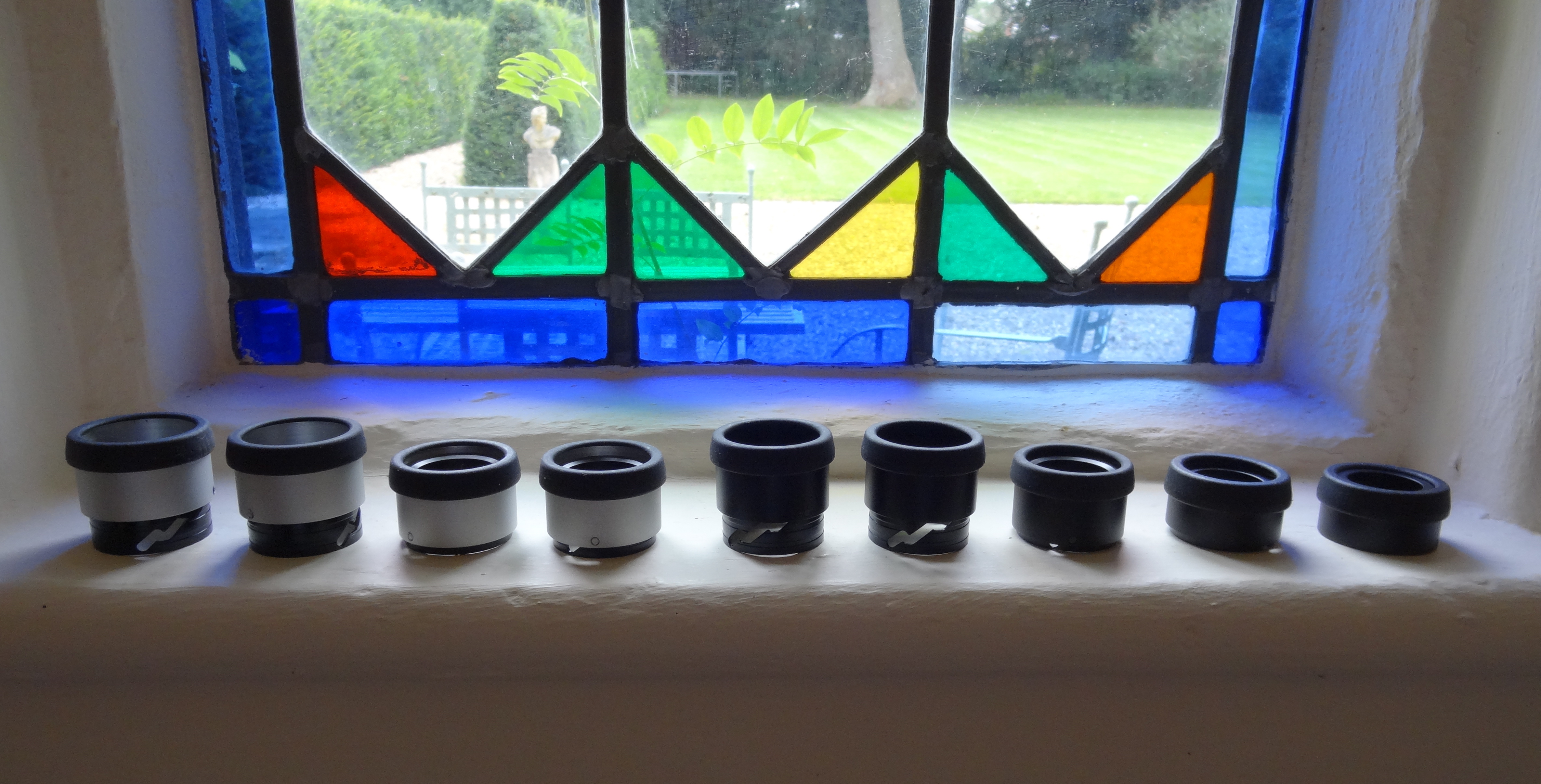
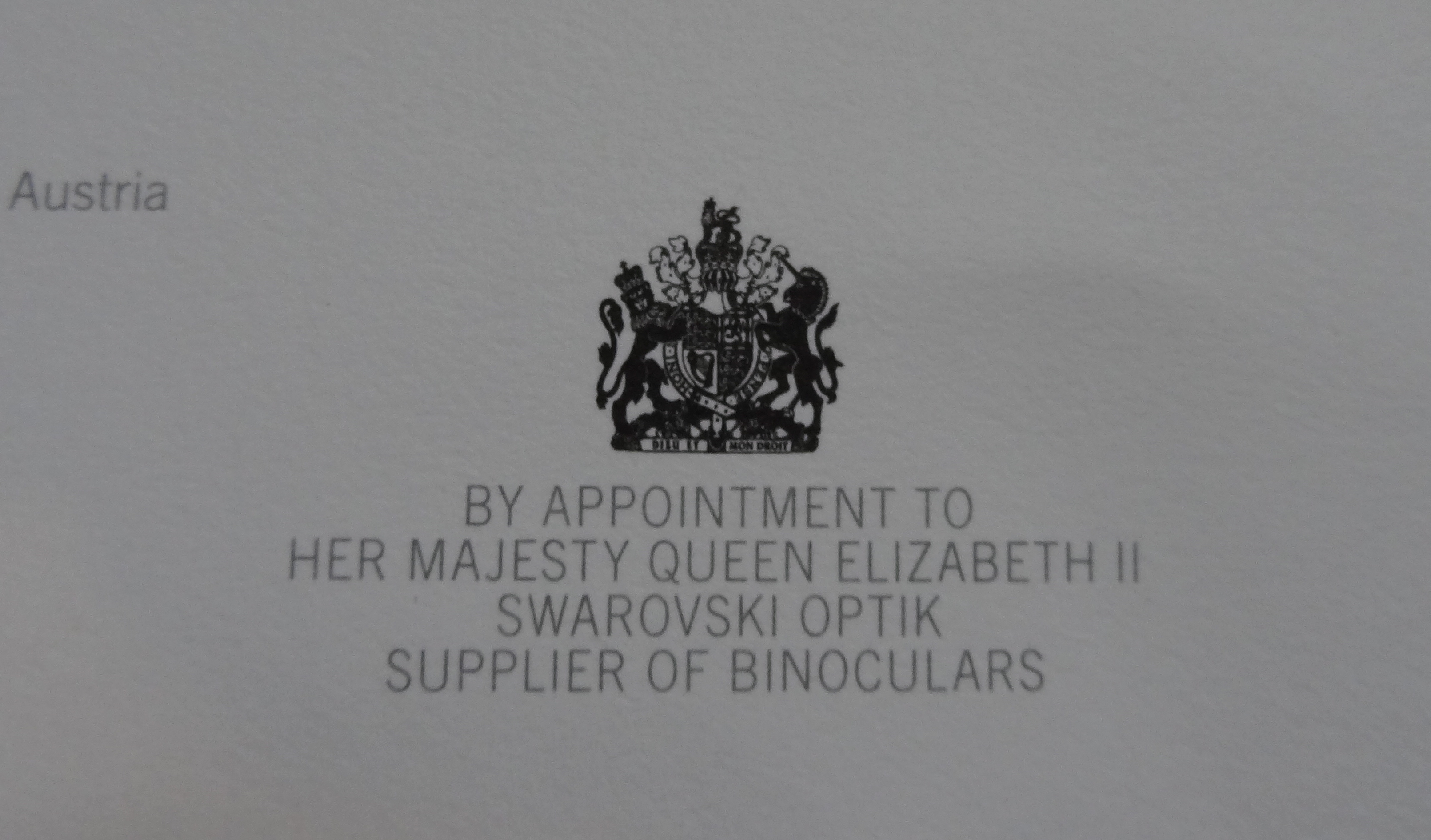
Another on-going retail saga has been the case of the missing eye-cups. At this year’s Bird Fair in August (you really should go if you have an interest in any aspect of birds) I decided to shed a few pounds (£’s & lb’s) by replacing my old binoculars with the new super-doopa Swarovski EL 8×32 – ultra light-weight and near optical perfection. For a change I thought I’d buy the ones in ‘sand’ rather than the usual green colour, but then noticed that they had silver eye-cups. Now, as any self-respecting birder knows, that’s a bad idea – because it allows light to bounce about inside the eye piece and distract your attention from what you’re looking at. ‘No problem’ said the very helpful Richard on the Swarovski stand, ‘you buy the bins and I’ll send you a replacement pair of black eye-cups’. We shook hands on the deal and I parted with a not inconsiderable sum of money. The binoculars duly arrived from Austria (but not before Prince Charles had given back-word on them, or so the story goes – I guess the colour clashed with Camilla’s Barbour!), complete with silver eye-cups. A single black eye-cup arrived in the post a couple of days later and I texted Richard to express my concern. To cut a very long story short, three weeks and nine eye-cups of differing shapes and sizes later, I finally get my black ones! They fit a treat and no hint of light ‘spillage’. Thanks Richard for the excellent after sales service, I hope I haven’t undermined Swarovski’s marketing strategy, put  the ‘Royals’ noses out of joint or exhausted the stock of spare eye-cups! Mind, if you do run short, you know where to find some!

…but not on this occasion!

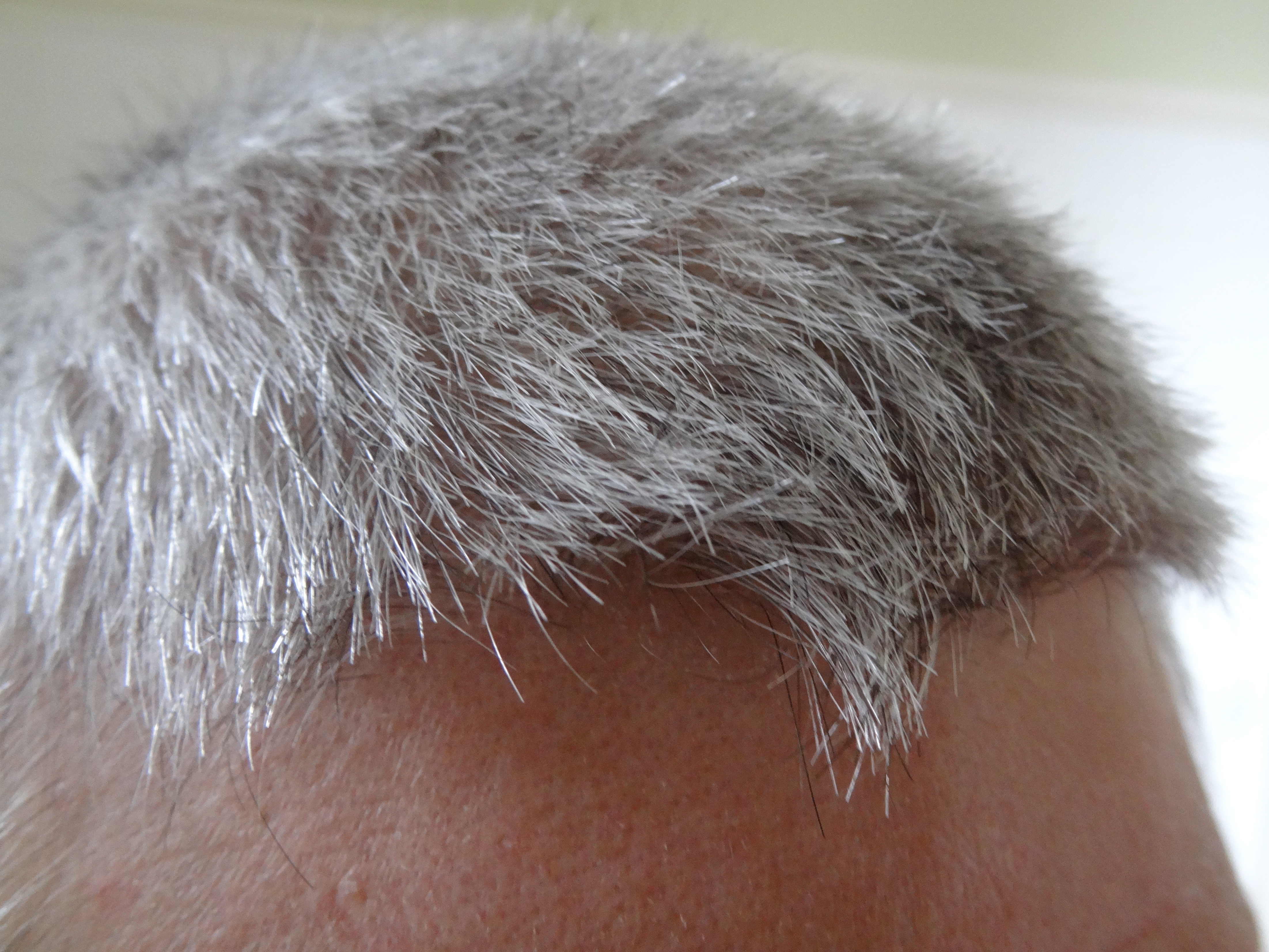
Anyway I digress…back to the story. The other highlight of the week has been a trip to Dick my barber. Eighty something, still cycles to work and opens for his regulars at ten t’seven of a morning – now that’s service! I take my seat and he commences with ‘my usual’, meanwhile I tell him about our upcoming trip. He then says, in that case he’ll take a bit more off the top. In a scene reminiscent to the ‘Father Ted’ episode where he’s knocking dents out of his new car, Dick continues to take a bit more off the top…., the sides and the back! The result, well judge for yourselves…

…. Oh well, I’m sure it will grow back for the wedding!

We had our last ‘walk through’ with our travelling companions Bob and Sue, on Wednesday night and apart from some very minor tweaks, we’re ready to go! All that remained was to tell the banks and credit card companies of our plans….easier said than done! One of them said that there wasn’t much point in telling them, it made very little difference, but ‘helpfully’ provided an emergency number for use when they put a block on the card….thanks a lot NatWest!

We have a ‘farewell dinner’ with the kids tonight and the taxi arrives at lunch tomorrow to take us to the airport. If all goes well we’ll be back in ‘dear old blighty’ for Christmas. Apologies in advance if you don’t get a card – blame it on the Peruvian postal system!

Bye for now.

Only a week to go…!

Yes it’s true, with just under a week to go before the start of the BWBA (Big World Birding Adventure) life is rather hectic around here. Jane’s still putting the finishing touches to the itinerary (and the airlines still keep changing their schedules!), we are doing near daily trips to the outdoor shops – it’s amazing how many essential items of everyday clothing and equipment you didn’t know you needed and the pressure to nail the birding sites, particularly in Argentina and Chile, where we are completely acting on our own initiative, is beginning to tell!

We’ve spent the last few evenings using a prototype internet bird listing app., which Matthew is developing, to try to establish exactly what my world bird list currently is, before attempting to add a shed load more to it. It’s surprising to a taxonomy ‘newbie’ like me just how many different names, both common and scientific, a single bird can have! Anyway, we’re getting there and thanks Matt for a cracking piece of kit. It should make the ritual of the ‘daily log &  list’ slightly easier than our last mini world trip, where Jane and Bob seemed to spend longer and longer trying to make our daily sightings tally with the trip list!

On another front, I’ve finally taken the plunge and retired my old Lumix compact camera, which I used for ‘digi-scoping’, and bought a new Sony Cyber Shot – early results appear promising but it’s a complicated bit of kit to master! With this new addition and the necessary supplementaries it means I’ve just got room for a spare shirt and a pair  of undies in my baggage allowance!

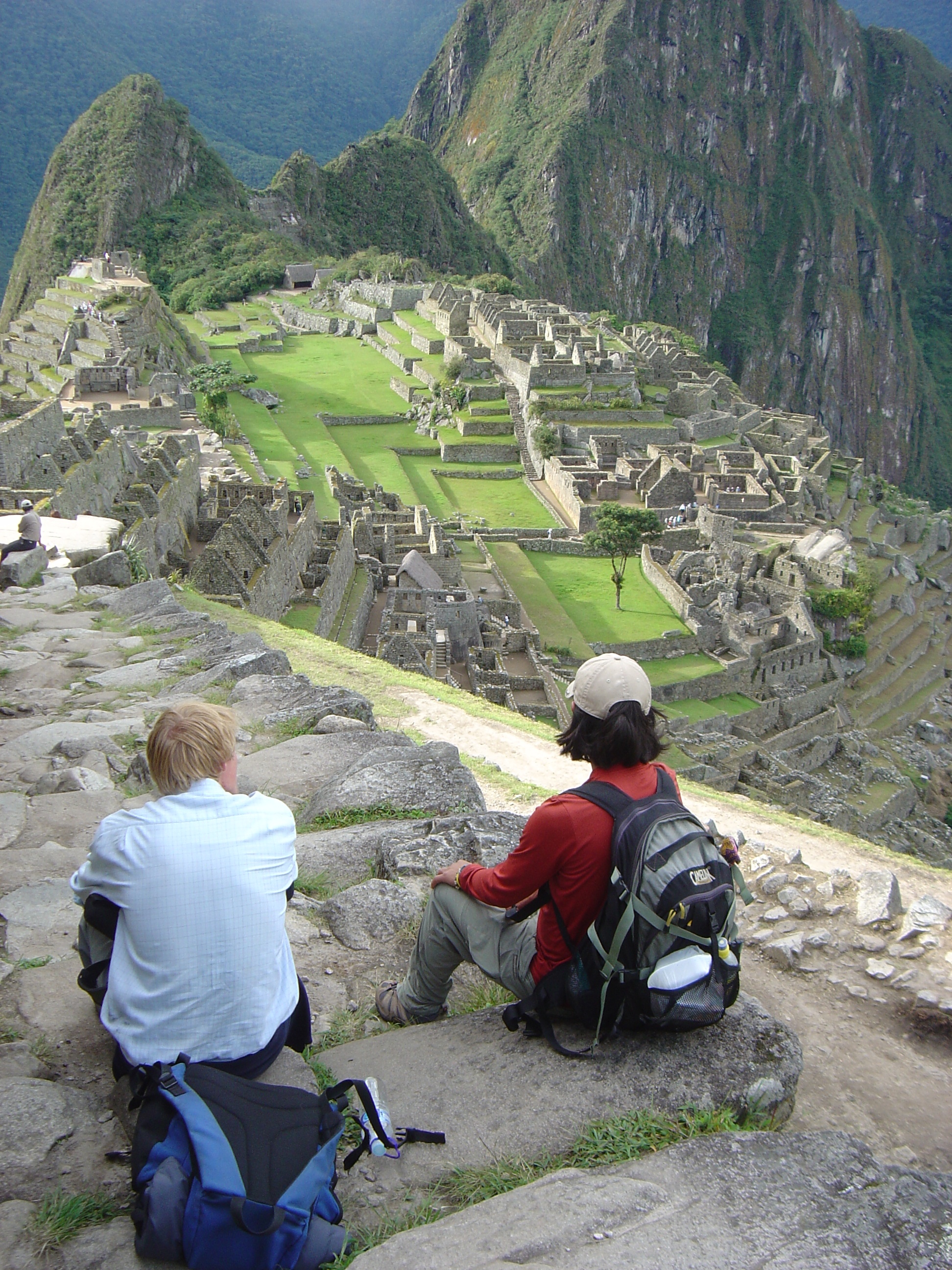
Just in case you thought this trip was all about birds and my vain attempts to photograph them, you’d be wrong – and to prove it I thought I’d include a couple of shots of Macchu Picchu, taken on our last trip, to give you a flavour of the touristy things we’ll be doing along the way.

A view of Winay Wayna ( the King’s summer residence, if I remember my MP history correctly) taken on the two day trail.

Joseph ( the one that’s getting married to Gabi this time) and our guide, Juan, admiring the view from the Sun Gate.

The ‘Swiss family Williams’ in front of Huayna Picchu.

…and finally, for the birders amongst you, a pair of magnificent Torrent Duck on the river Urubamba.

My last blog, prior to the ‘grande departure’, will be on Friday, depending how the packing goes. Stay tuned for the blogging adventure of a life time…well a few interesting holiday snaps and some ‘potted prose’ from yours truly anyway!

Around the world in eighty days…

Well it’s 84 days actually and in exactly one month’s time we’ll be stepping off the plane in Rio, on our way to Guapiassu bird lodge in the Brazilian atlantic rain forest – the first stop on our big world birding adventure! Absolutely no cycling and very few medieval churches involved either!

Our trip, which has been built on a ’round the world’ air ticket with a number of supplementary internal flights, takes us from Brazil to Argentina, Peru, Ecuador and Chile – for the wedding of our son Joe, and then on to Australia and finally Thailand. Most of the itinerary is ‘self-guided’, with a little help in the three tropical destinations in South America, son Dan in NSW and the assistance of our good friends, Neil & Eunice, in Thailand. I’m not really sure what to expect in terms of birding totals – could perhaps be up to 1200 in all, but having been to a few of these countries before, I guess that the number of new species might be in the region of 450? I’m taking plenty of photographic equipment so hope to come back with a good record of our adventures and provide some interesting images to illustrate this blog along the way.

In planning and preparation terms we’re 95% there – just a few more transport details to attend to and then the meticulous packing process. Twelve weeks away without some ‘essential item’ doesn’t bear thinking about! Mind you, my packing list doesn’t look any different than when we go away for a fortnight – am I missing something?

Must go now – trying to get my existing world ‘life list’ into shape before the ‘tsunami of ticks’ descends! I’ll let you know how the preparations are going before our grand departure – after that it’ll be down to the vagaries of the world wide web…!

A taste of things to come……

Scarlet Macaw

Bare-throated Tiger-Heron

Violet Sabrewing

Collard Aracari

Magellanic Penguin

Superb Fairy-Wren

Terrific Tarifa

This is my last birding blog before the ‘Big Ride’ and is another extract from my back catalogue. This time some pictures from a couple of recent GPOG long weekends to Tarifa, at the extreme southern tip of Spain. Any time between late August and early October can be good for migration but if you are going to ‘max out’ on the raptors you need a period of rain or over-cast weather, followed by fine conditions and light southerlies. We’ve been lucky enough to encounter such conditions on a couple of occasions over the last few autumns.

Getting there is easy – we fly to Jerez from Stansted, hire a car/bus and stay at one of a number of good hotel/hostels in the town of Tarifa – it’s a journey of about one and a half hours. The ‘old town’ is excellent for eating out with plenty of cafes and restaurants in the many side streets and picturesque squares.  On the days when there’s no serious raptor passage you can amuse yourself by visiting a number of excellent birding sites within a 100k radius. Here is a taste of what the region has to offer.

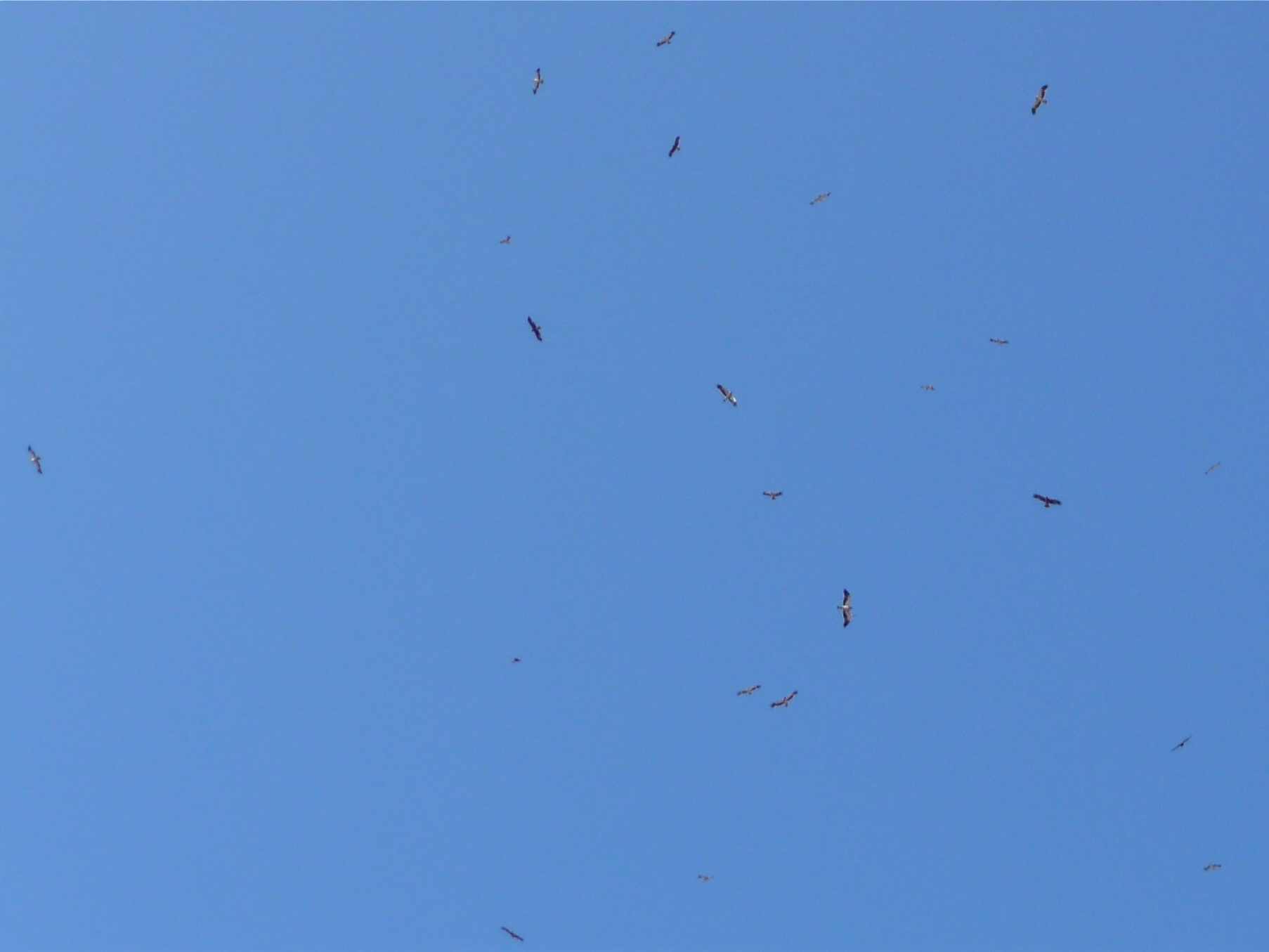
A typical ‘cloud’ of raptors over one of the watch-points north of the town. Mostly Booted Eagle with a few Honey Buzzard, Sparrow Hawk and Black Kite mixed in.

Booted Eagle, three pale and one dark phase

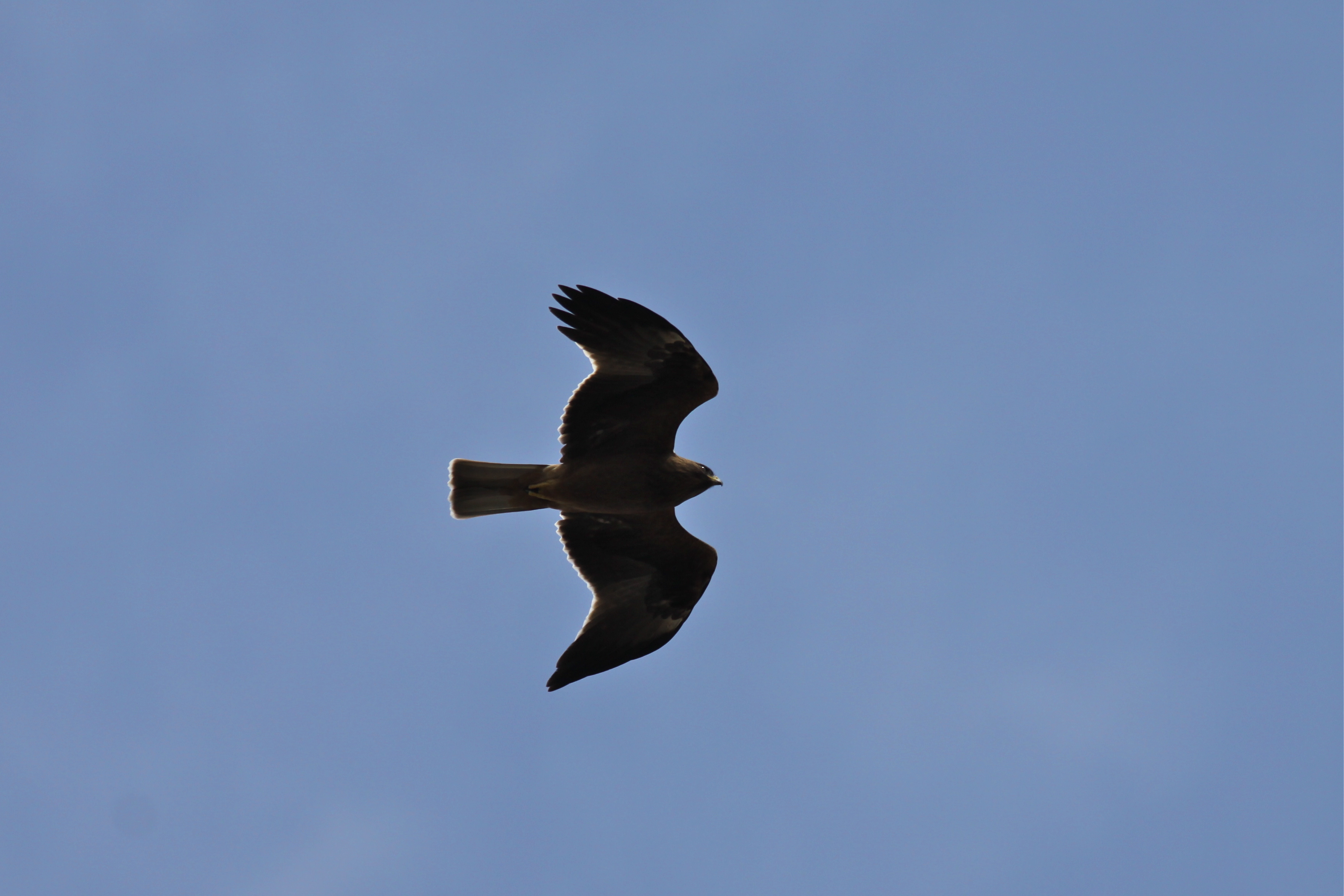
Booted Eagle, dark phase

Sparrowhawk

Honey Buzzard

Red Kite with Booted Eagle, pale phase

a low ‘pass’ by an adult Short-toed Eagle

Amongst the commoner species there is the occasional surprise

This Bonelli’s Eagle was a welcome addition to the ‘trip list’ in 2011.

But the real prize at Tarifa, over the past decade, has been the appearance of Ruppell’s (Griffon) Vulture – a sub-Saharan species which occurs in one’s and two’s amongst Griffon Vulture flocks from August through the autumn

Ruppell’s Vulture are never easy to pick out amongst the large numbers (<500) of Griffon Vultures which can gather along the coast at this time, but their overall size – about 20% smaller, chocolate brown colouration, with a prominent white bar along the leading edge of the under wing and seven visible primaries means that the identification can, eventually, be confirmed with confidence!

A few of the lads enjoying a ‘lifer’ moment!

The nearby wetlands of La Handa can also produce some excellent birding, both migrants and post-breeders

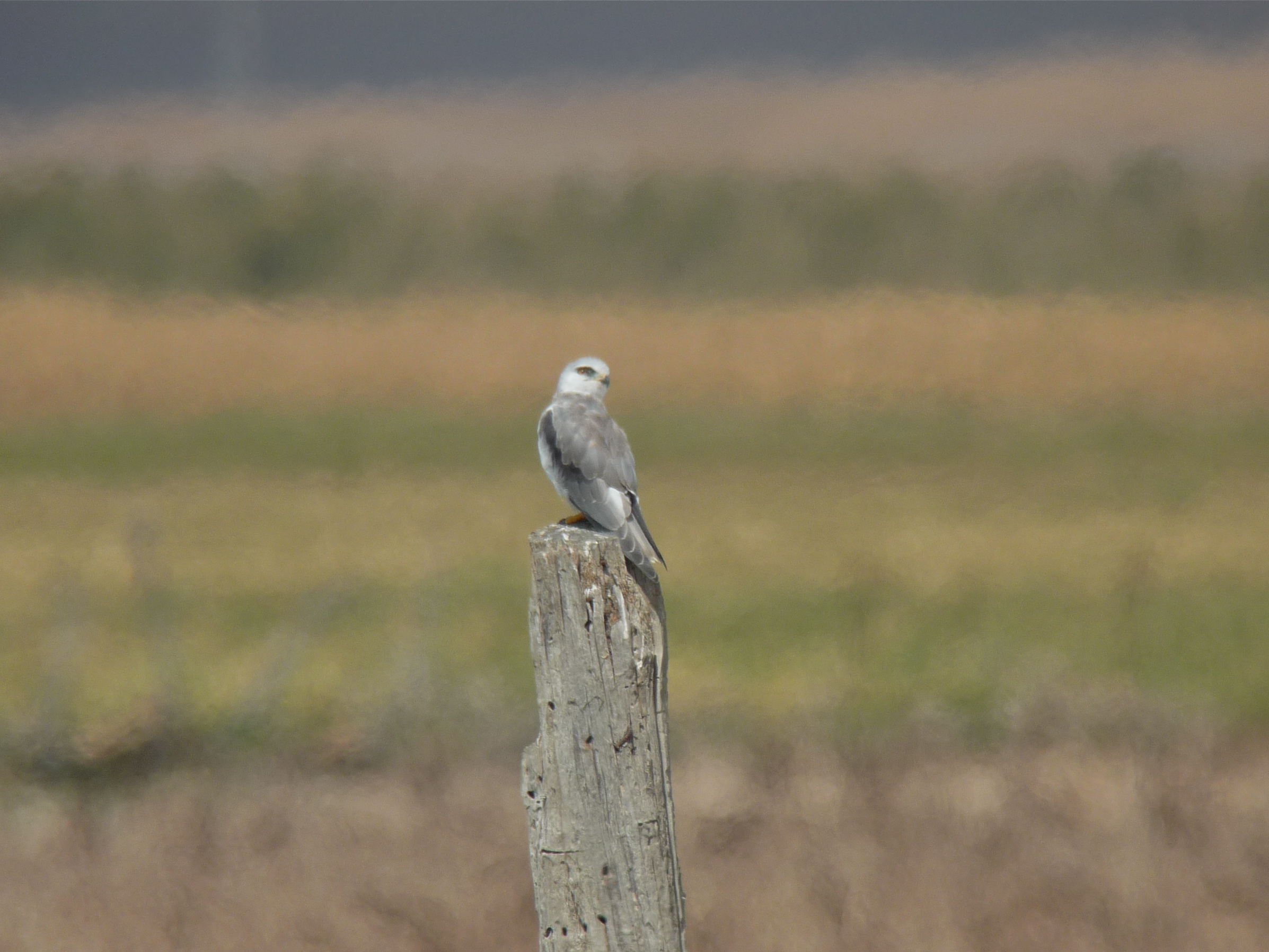
Black-shouldered Kite, breed in small numbers in the area

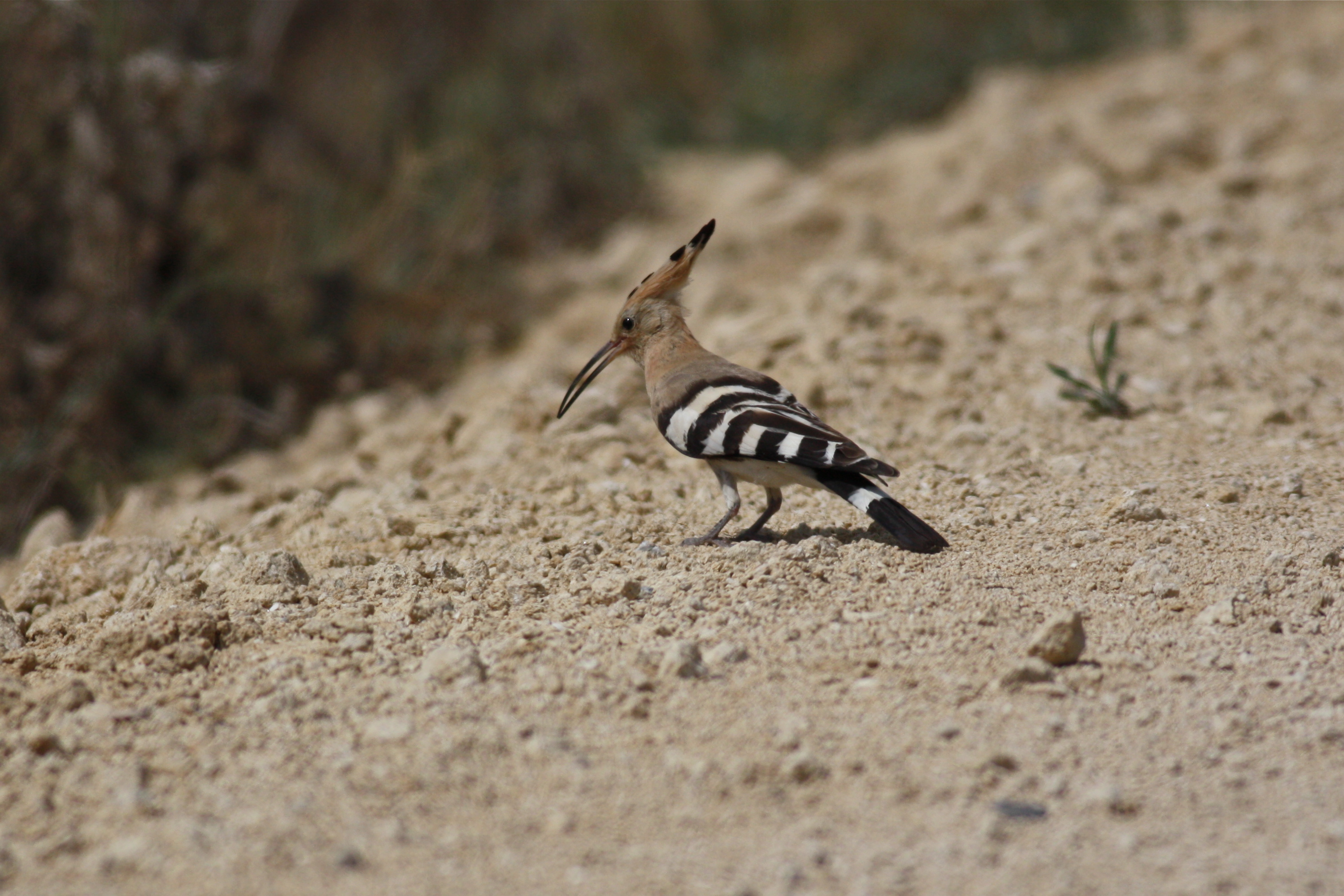
Hoopoe

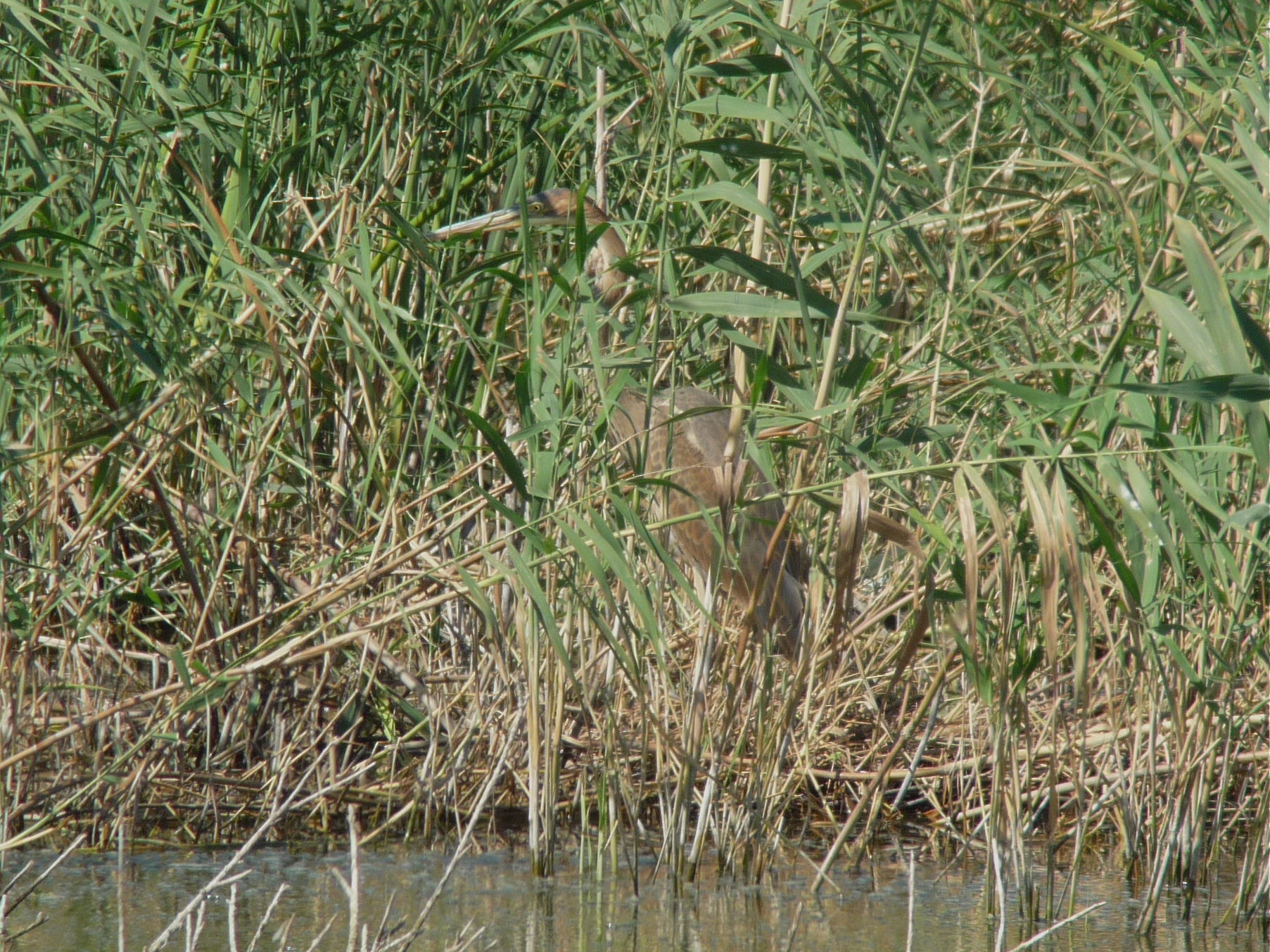
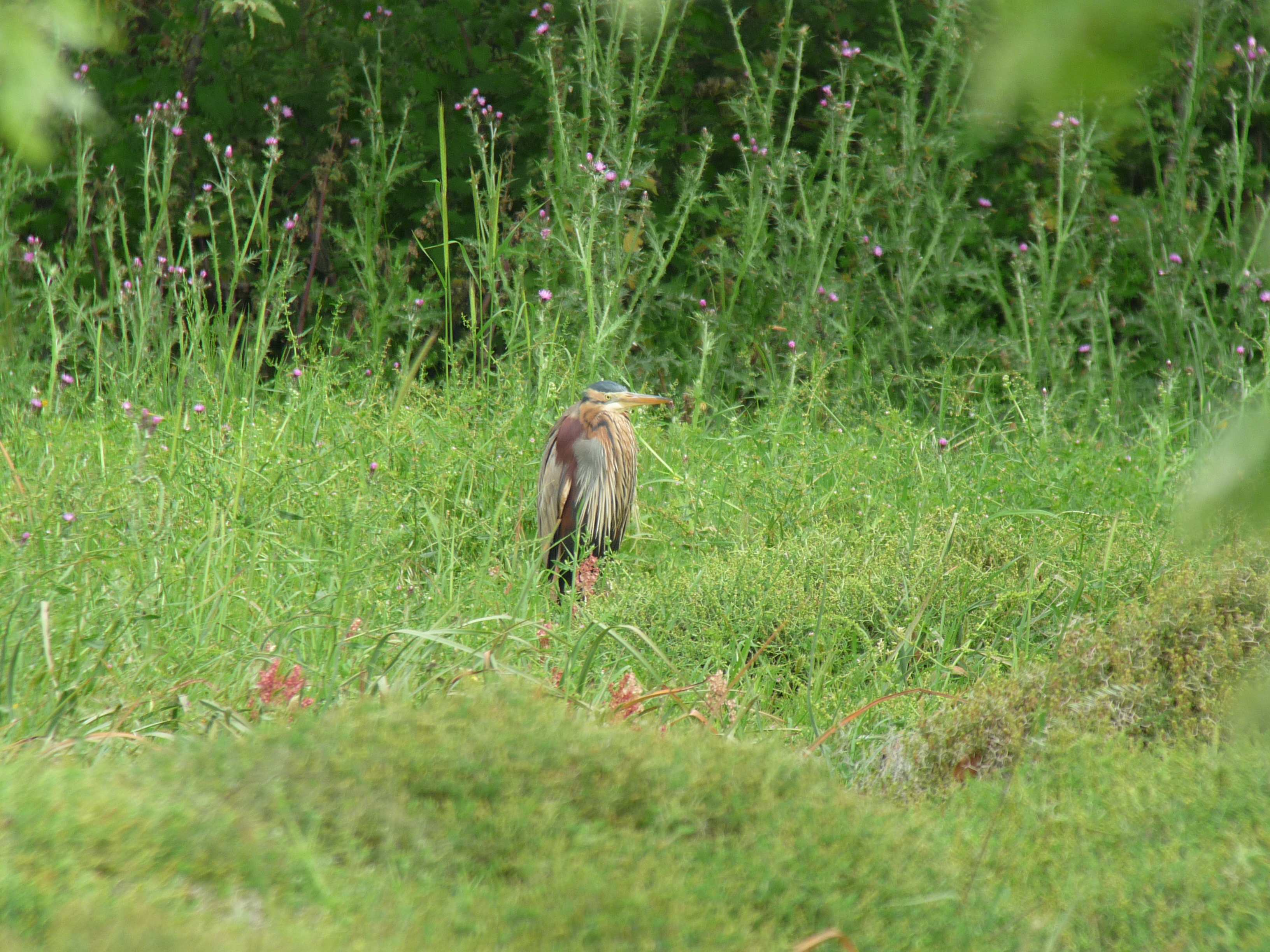
Purple Heron

Glossy Ibis, and

European Bee-Eater.

Along the coast, towards Cadiz there are a number of sites for two rare Swifts – Little and White-rumped

This Little Swift was one of a small number breeding in the fishing resort of Chipiona. Meanwhile there is always plenty of local interest on the reserve at Tarifa beach

This flock of Calandra Lark appear to be a regular autumn feature

Kingfisher are regular along the coast in autumn and winter

and small flocks of Audouin’s Gull are guaranteed.

Depending on the timing of your return flight, you can explore the lower reaches of the Guadalquivir – head for the village of Bonanza, the salt works, woods and river levees all provide excellent birding with White-headed and Marbled Duck, Azure-winged Magpie and Red-necked Nightjar being the target species along with a whole host of waders. Or alternatively you can try the reserve at Laguna Medina for marsh terns, Purple Swamphen, the aforementioned ducks and just possibly Red-knobbed Coot. Here are a few pictures taken at these sites over recent years.

Greater Flamingo, regular at Medina and in large numbers at Bonanza. We have had a Lesser Flamingo at the latter site on one occasion.

Purple Swampen – look in the reeds in front of the hide or from the approach track, Penduline Tits also breed in this locality.

Whiskered Tern. All three marsh terns occur on passage at Medina.

White-headed Duck – can be seen at Medina or the small lagoon at the entrance to the woods at Bonanza, but numbers vary significantly.

To conclude, a nice shot of Black-tailed Godwits at the salt pans. A little reminder of home (Nene Washes) and abroad!

I hope you’ve enjoyed this brief resume of the delights of a Tarifa autumn.

Please do visit our e-giving web site and show support for our upcoming ‘Big Ride’

Egyptian extravaganza!

More from my ‘back catalogue’ – this time a self-organised trip to Sharm El Sheikh over the autumn half-term 2011, with ‘birding buddies’ Bob and Sue. We’d been to Sharm previously so knew the sites and the preferred hotel location, which for us is as far north  (and away from Sharm centre!) as you can get. We stayed at the Albatros Moderna on an all inclusive basis – good value and as much flexibility as you need  for this ‘resort-centred’ destination. There are three main birding sites around Sharm itself; the ‘new’ sewage works just off the by-pass – on the right, a few kilometres south of the junction with the Dahab road and the two national parks, Ras Mohammed – at the dividing point of the Gulf’s of Suez and Aqaba, and Nabq, at the extreme north of the resort – literally where the road runs out. All three sites can be done by taxi. The final ‘must do’ site is St. Catherine’s monastery, which is over 200k from Sharm, and requires a coach trip (some with the option of an over night stay) or car hire – the later not being as easy as you might think. Sharm is the only major holiday airport in my experience which has no car hire companies on site. A couple of companies work out of the resort itself and deliver cars to the airport,  if you are lucky that is – we’ve experienced difficulties on each occasion we’ve done it. If you do manage to hire a car, the driving is manic in the resort itself but very quiet elsewhere, you have to be prepared for numerous police and military check-points and there are often fuel shortages! But the flexibility of your own transport means that you can visit the main sites on a frequent basis and explore other potential locations, if the mood takes you, and the birding definitely makes up for the hassle!

Anyway a few selected shots of the sort of stuff you can easily catch up with on a week’s package holiday.
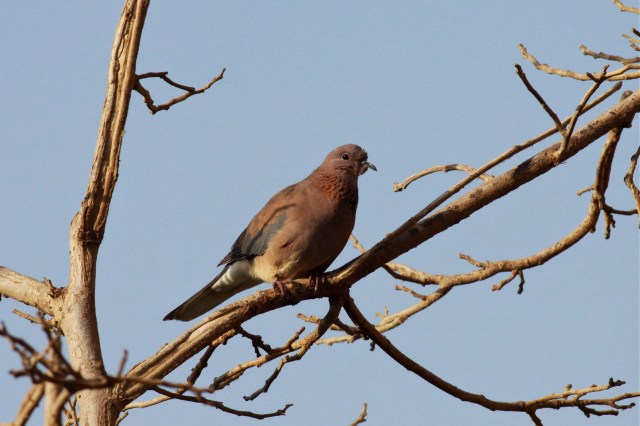
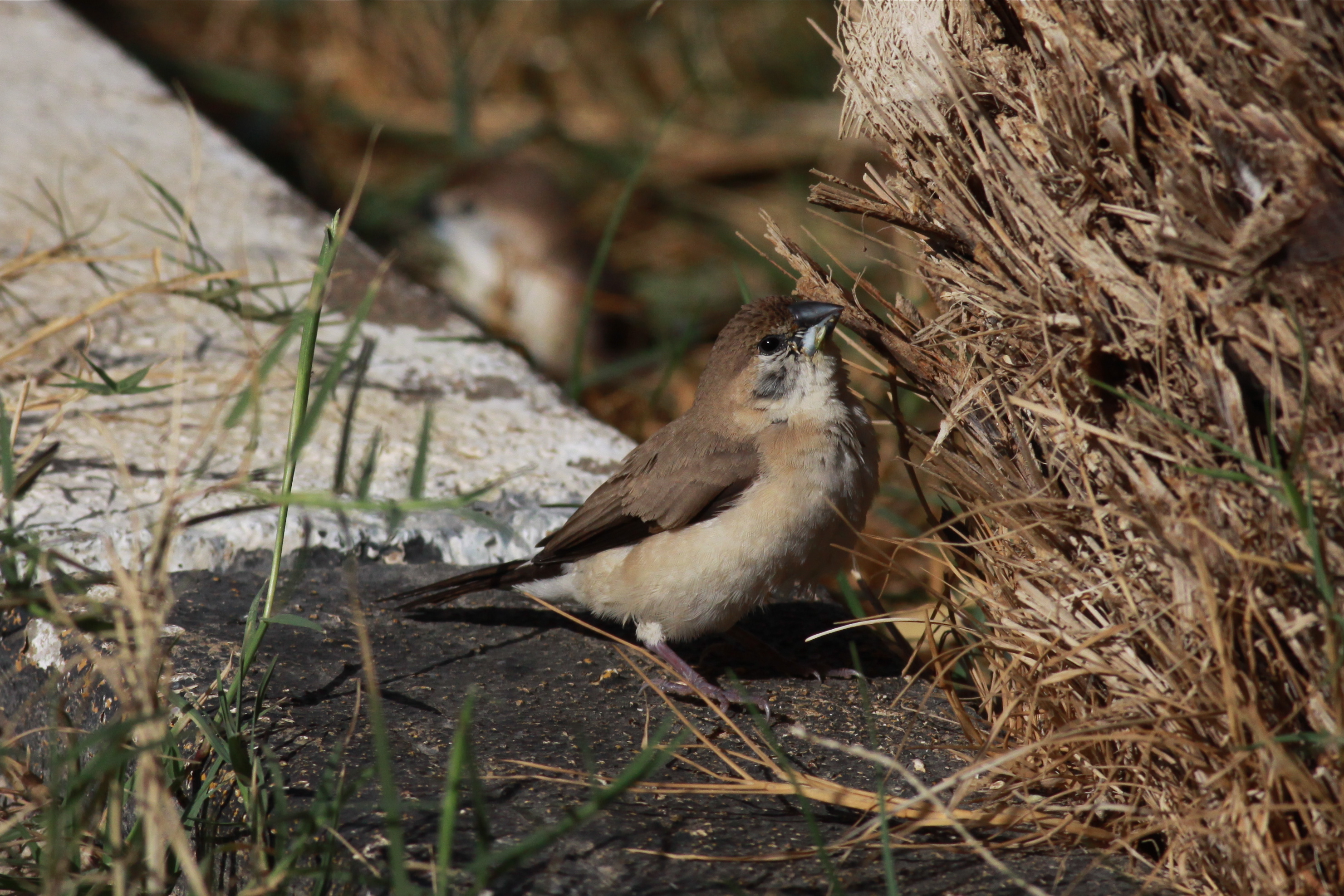
Laughing Dove, regular in the hotel gardens. As are these Indian Silverbills…

There were a few Bluethroats, of both races and numerous Chiffchaff. In the grounds of an adjacent hotel, closed for refurbishment we found …
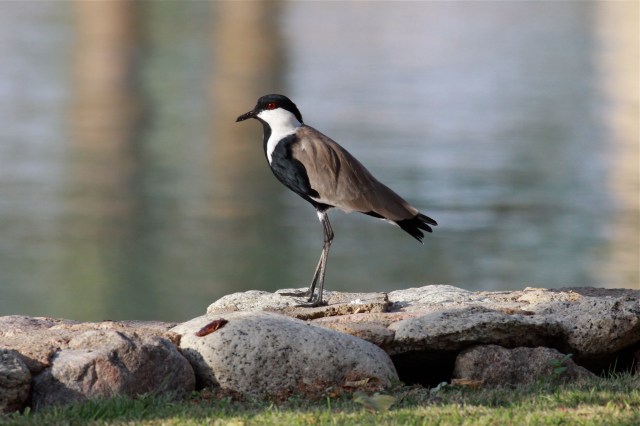
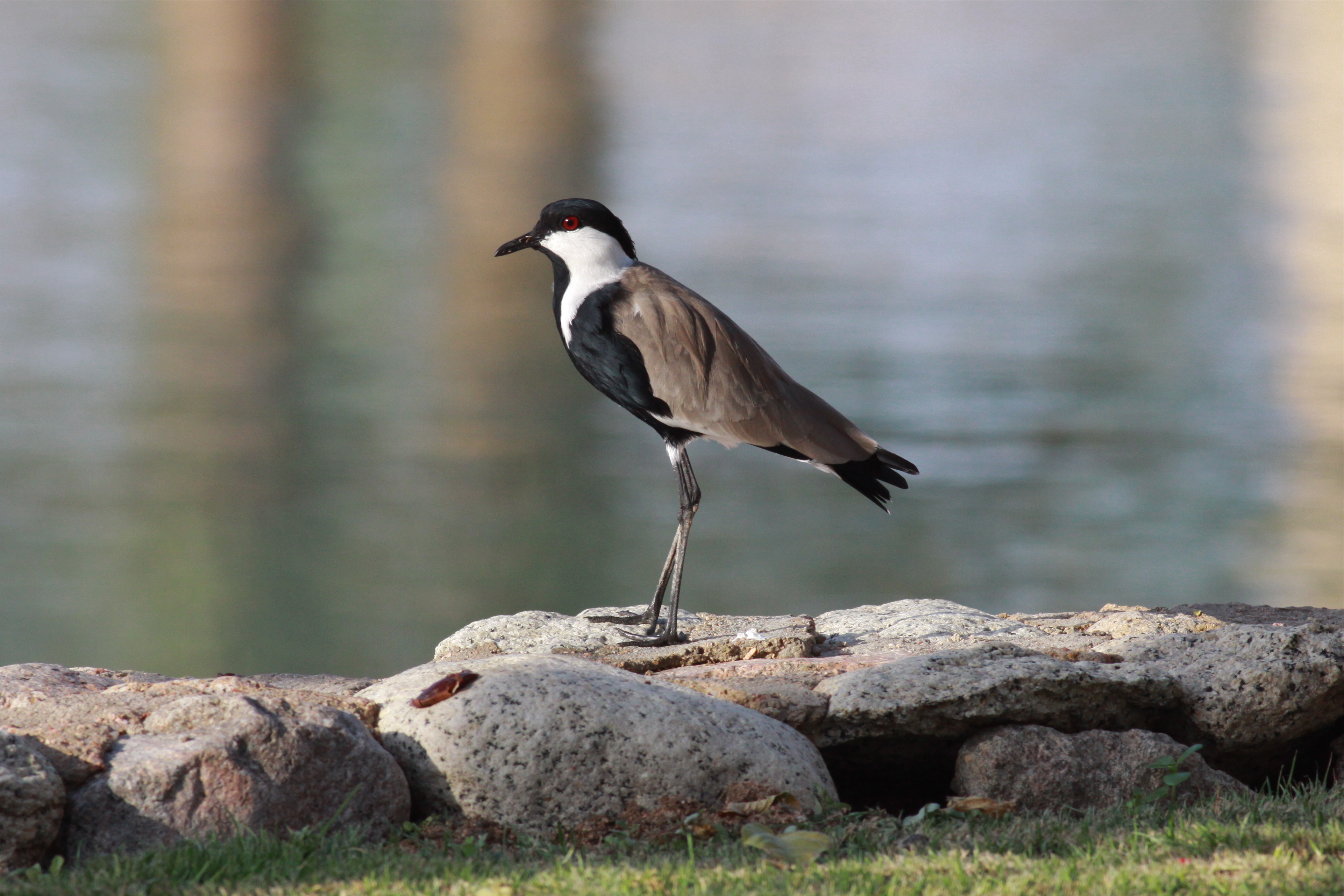
Spur-winged Plover (or should I say Lapwing!)
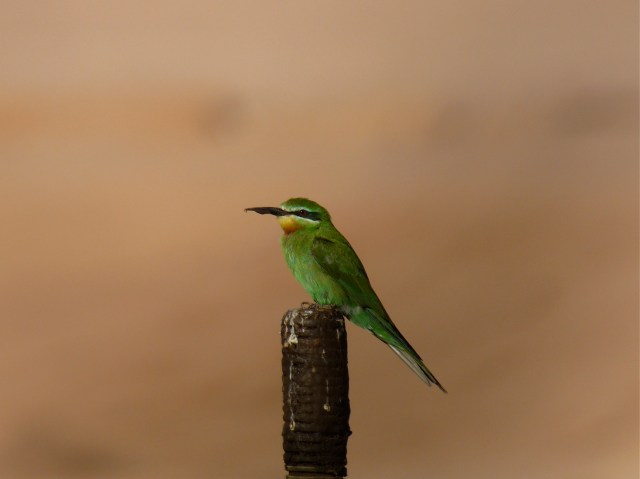
This was one of the first birds we saw on arrival at the sewage works…Blue-cheeked Bee-eater!

Other good stuff included..

Crane amongst these White Stork…

Crowned Sandgrouse – one of a regular flock which came in to drink at about 09.00. We also saw Lichtenstein’s, but they are much more difficult. You have to be lucky enough to be standing in the right spot just after it gets dark!

…and this nice 1st year White-crowned Wheatear,  without it’s white crown – can be confusing!
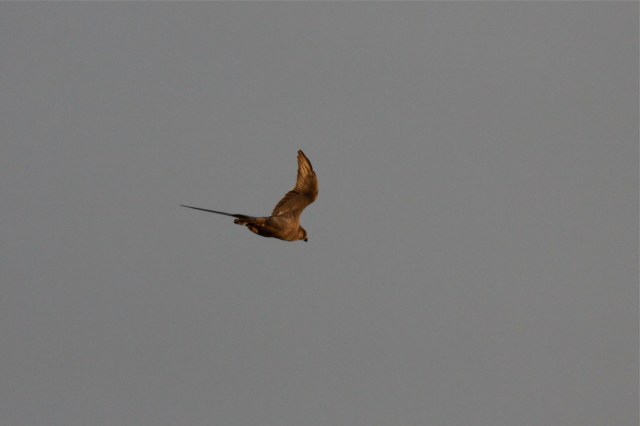
To close, this brief ‘taster’ of the delights of the sewage works – a hunting Barbary Falcon at dusk.

Sunset over the sewage works – aahhh!

On a couple of trips down to the Ras Mohammed national park we caught up with a few local specialities..

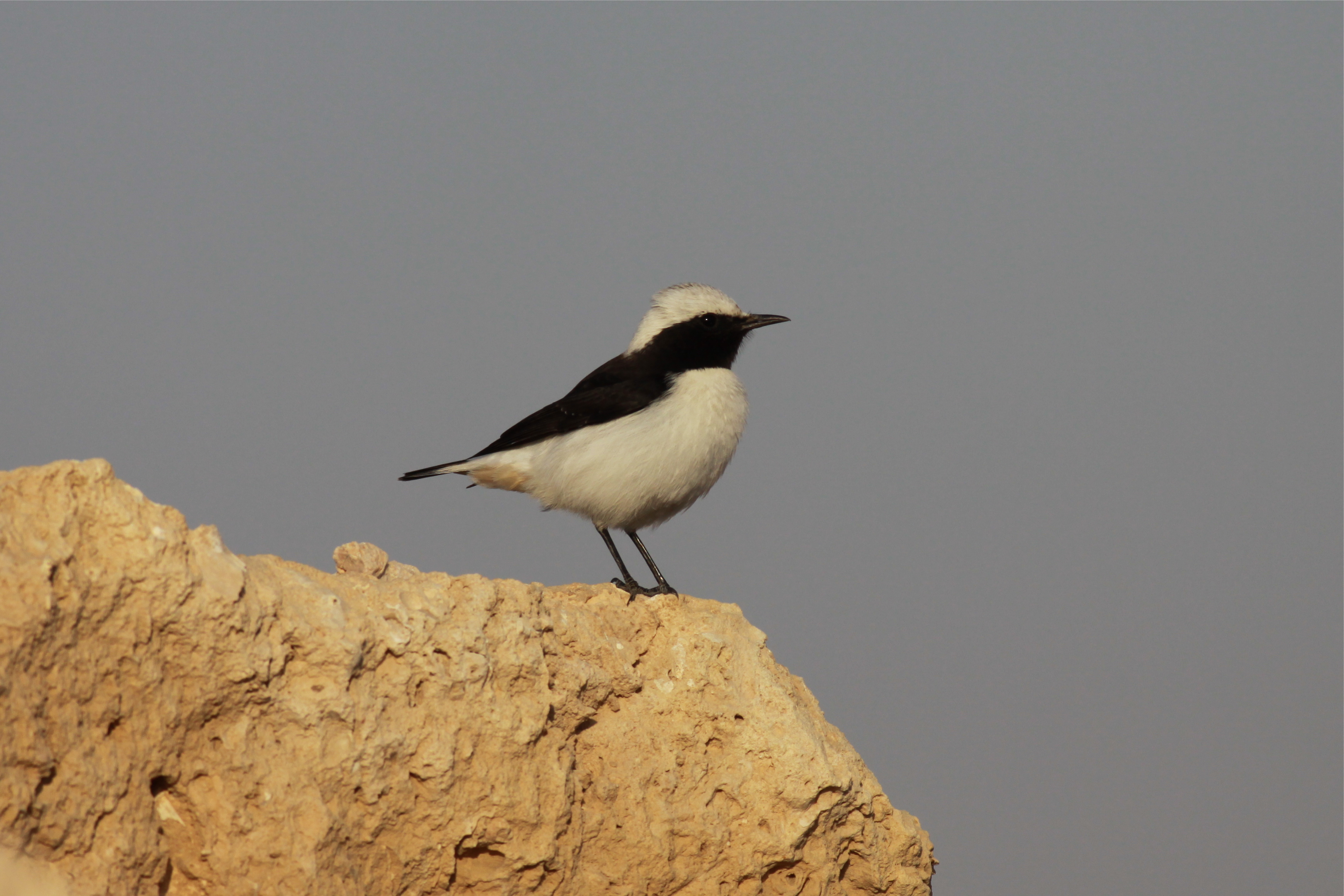
This superb Mourning Wheatear – note the buff under-tail, which separates it from the western Maghreb Wheatear.
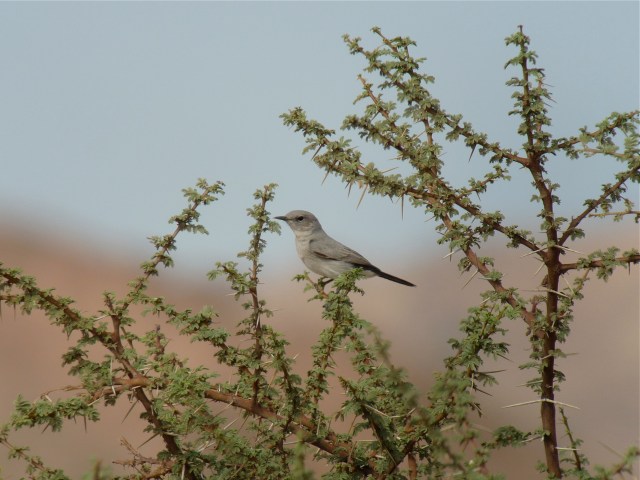
Blackstart

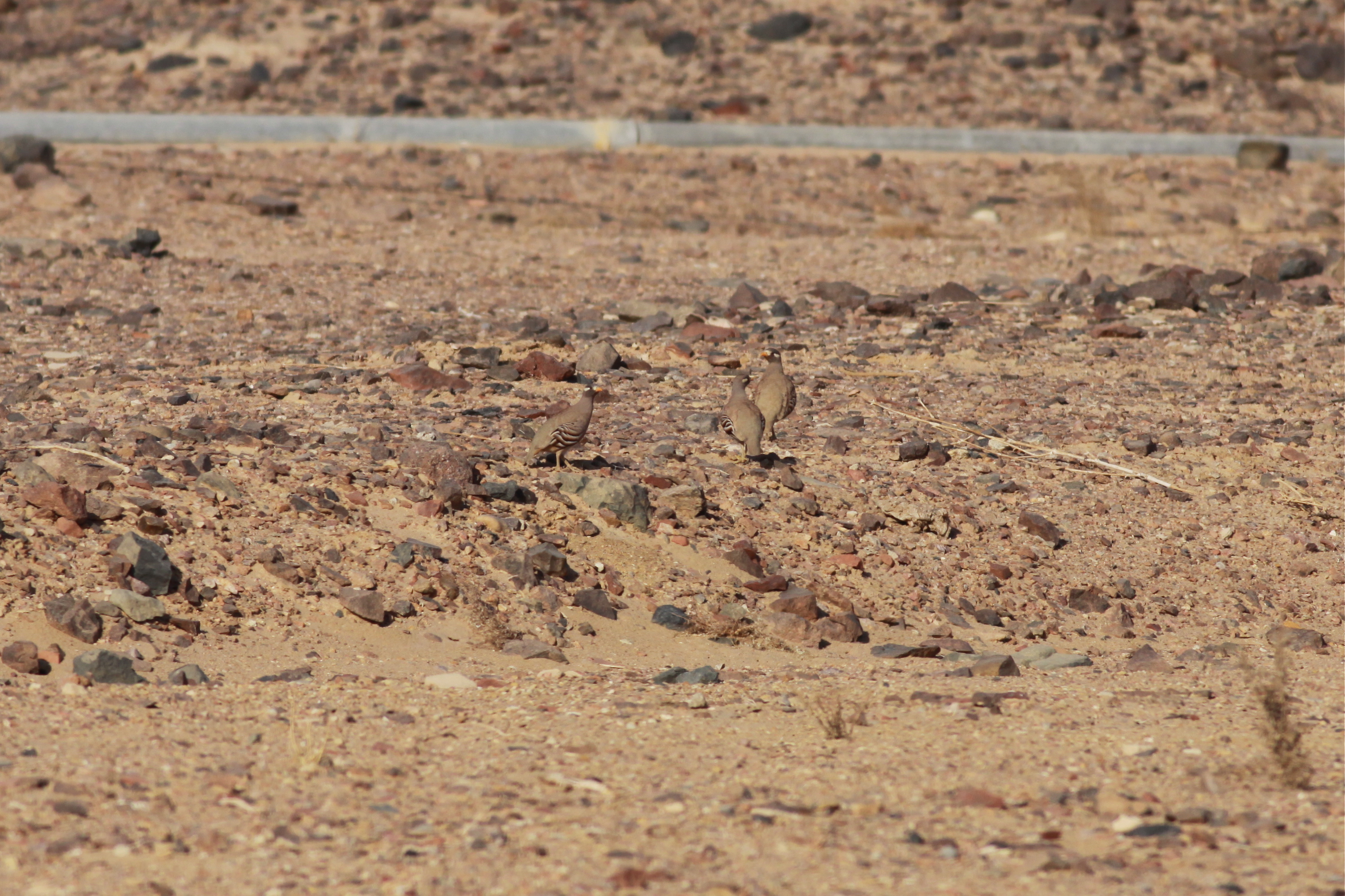
Sand Partridge
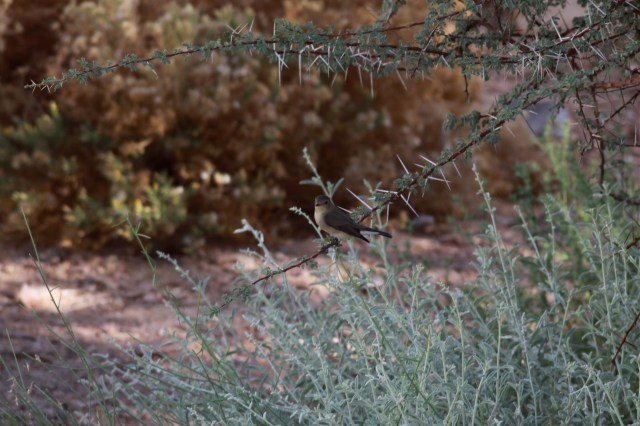
and Red-breasted Flycatcher. Found at the oasis on the road to the point, along with Great Grey Shrike, Eastern Bonelli’s Warbler, Redstart and other late migrants. However our visit was brought to an abrupt end by seven armed ‘tourist’ police who took exception to us being there and moved us on!

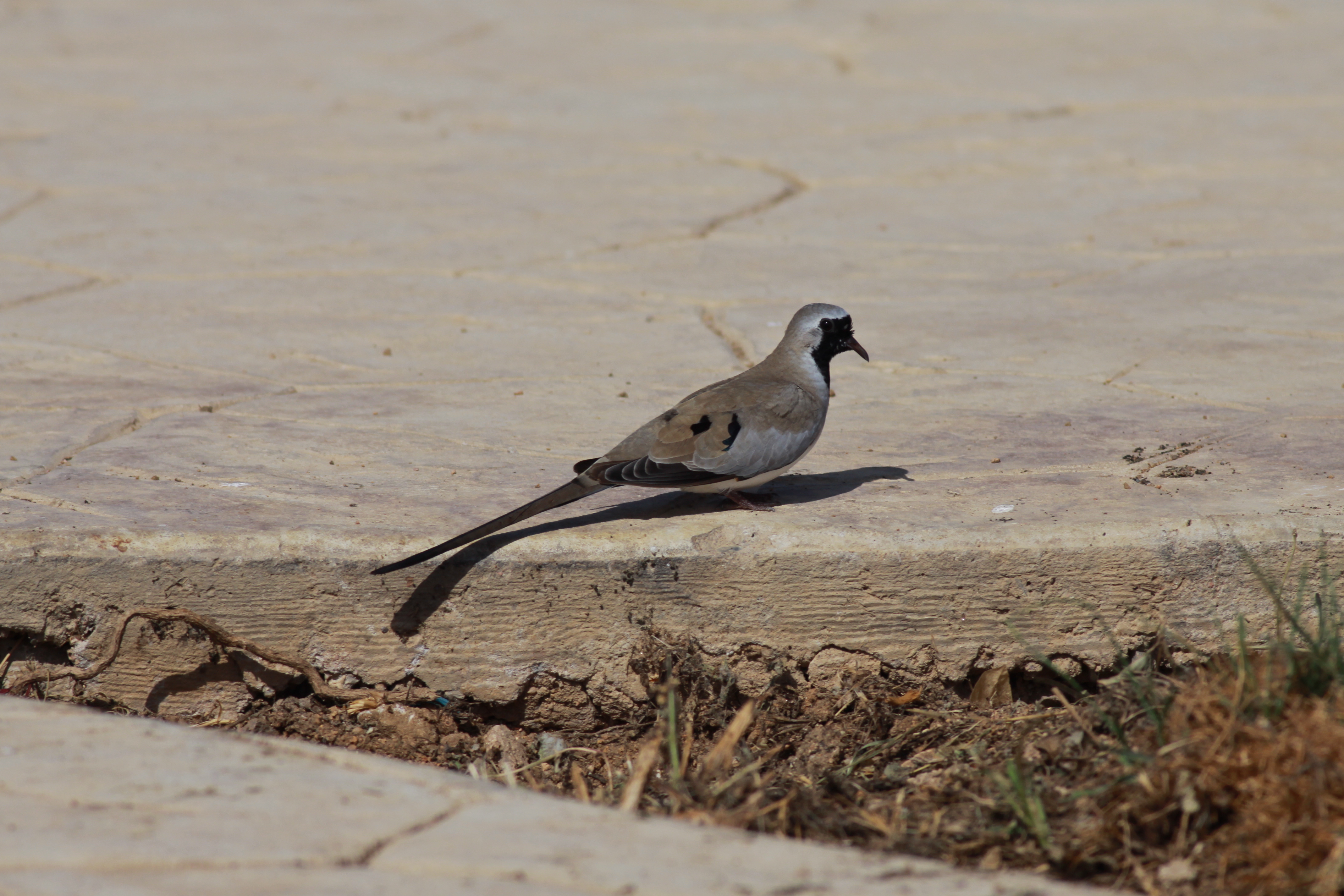
In the Botanic gardens, a pair of tiny Namaqua Doves

..and this Stonechat, possibly North Caspian, hemprichii

As the Nabq National Park was on the doorstep of our hotel, we visited frequently. Birds of interest in the ‘park’ included…

…this Sand Plover, which on balance, we concluded was Greater because of it’s overall size, bill structure and leg/joint colour – but I’d be very pleased to hear from anyone who thinks differently!

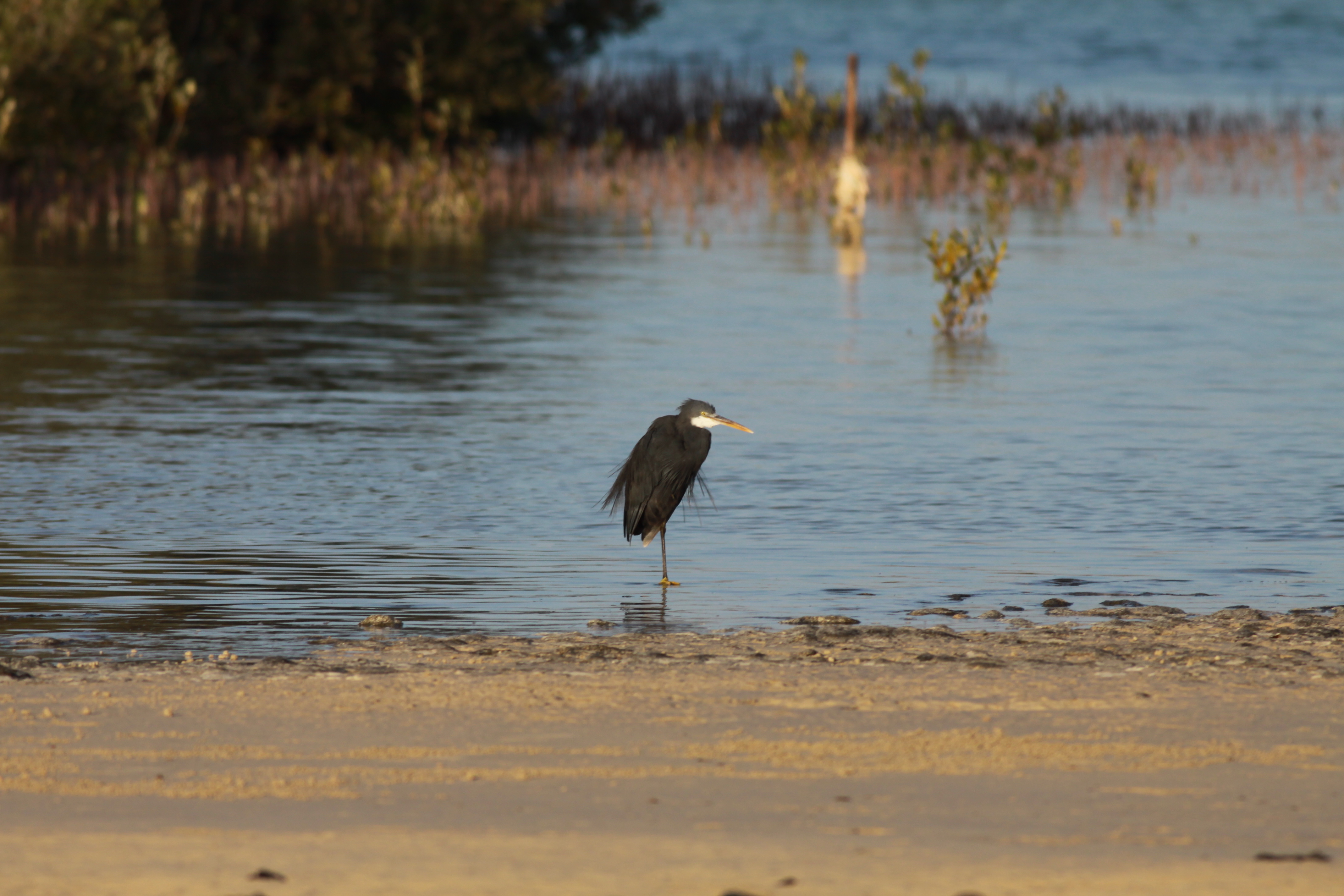
Western Reef Heron, dark morph,…. and this very welcome Western Palearctic tick…

..a rather poor picture of a juvenile Striated Heron – which are only found in the remnant mangroves along the South Sinai coast of the Red Sea.

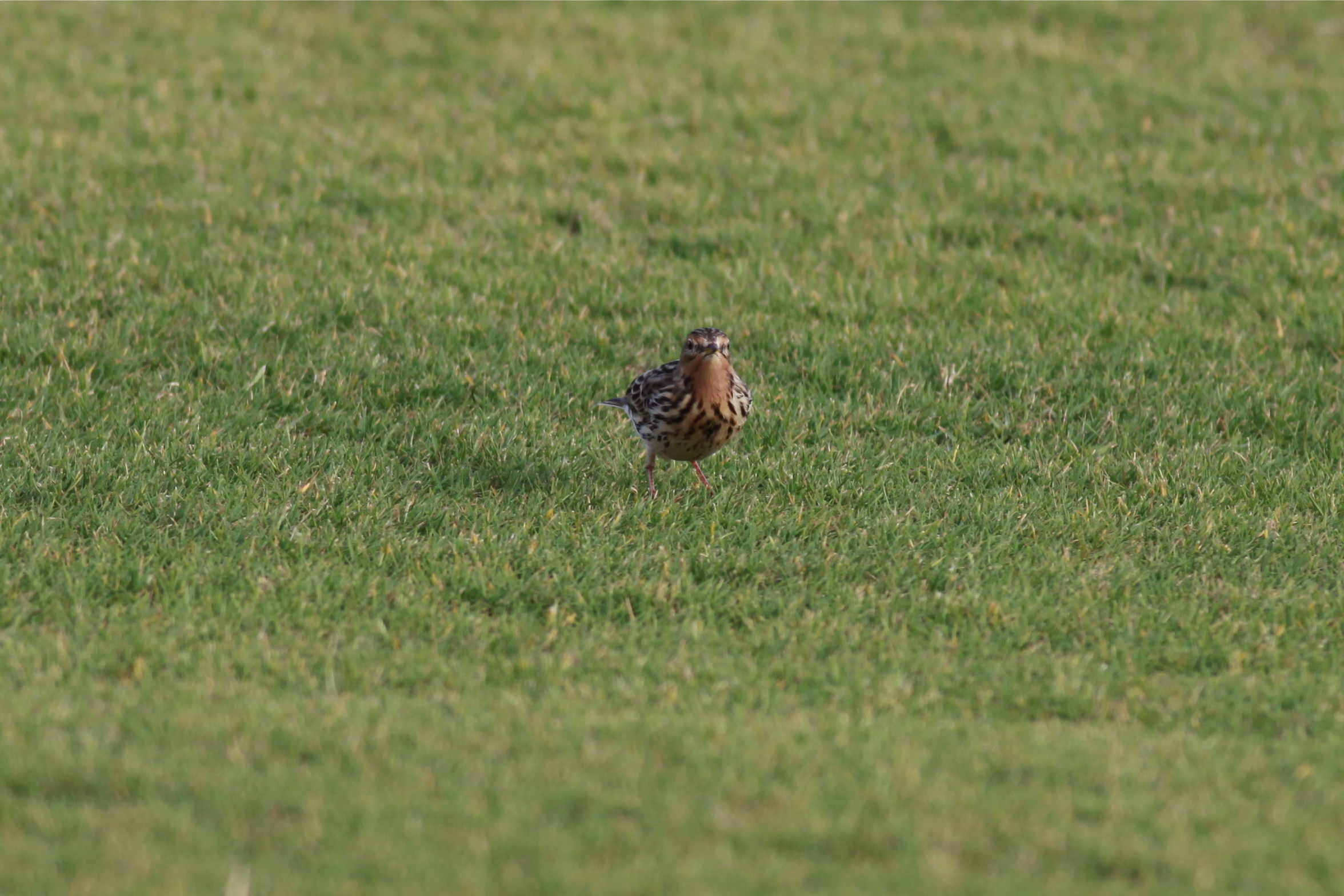
A short walk from the hotel there is a new golf course, still under construction, but viewable in several places from the road. There was always plenty of interest, with feeding flocks of wagtails and pipits – three species, including Water, Richards and Red-throated, Stonechat, and waders.

This Ruff was obviously feeding on the ‘greens’ in the day and roosting up the coast at night.
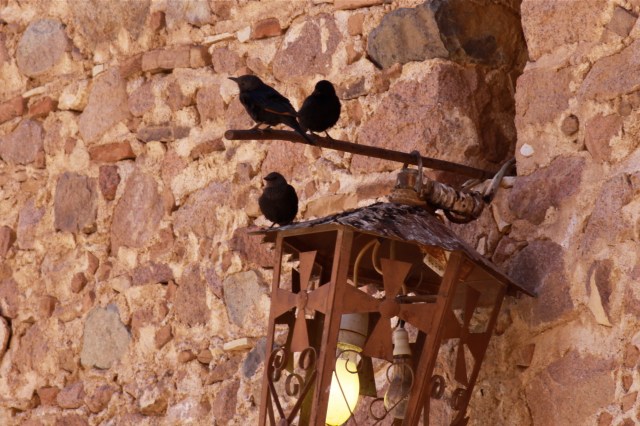
The monastery at St. Catherine’s, at the base of Mount Sinai, is a great days birding and cultural excursion. The monastery gardens often hold interesting migrants, whilst the local residents are equally appealing – Tristram’s Starling

Scrub Warbler
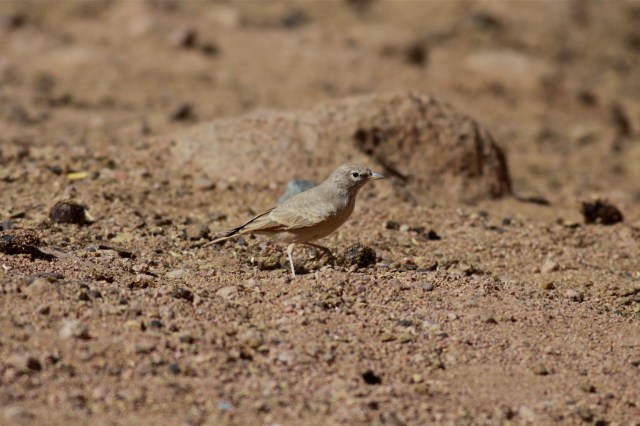
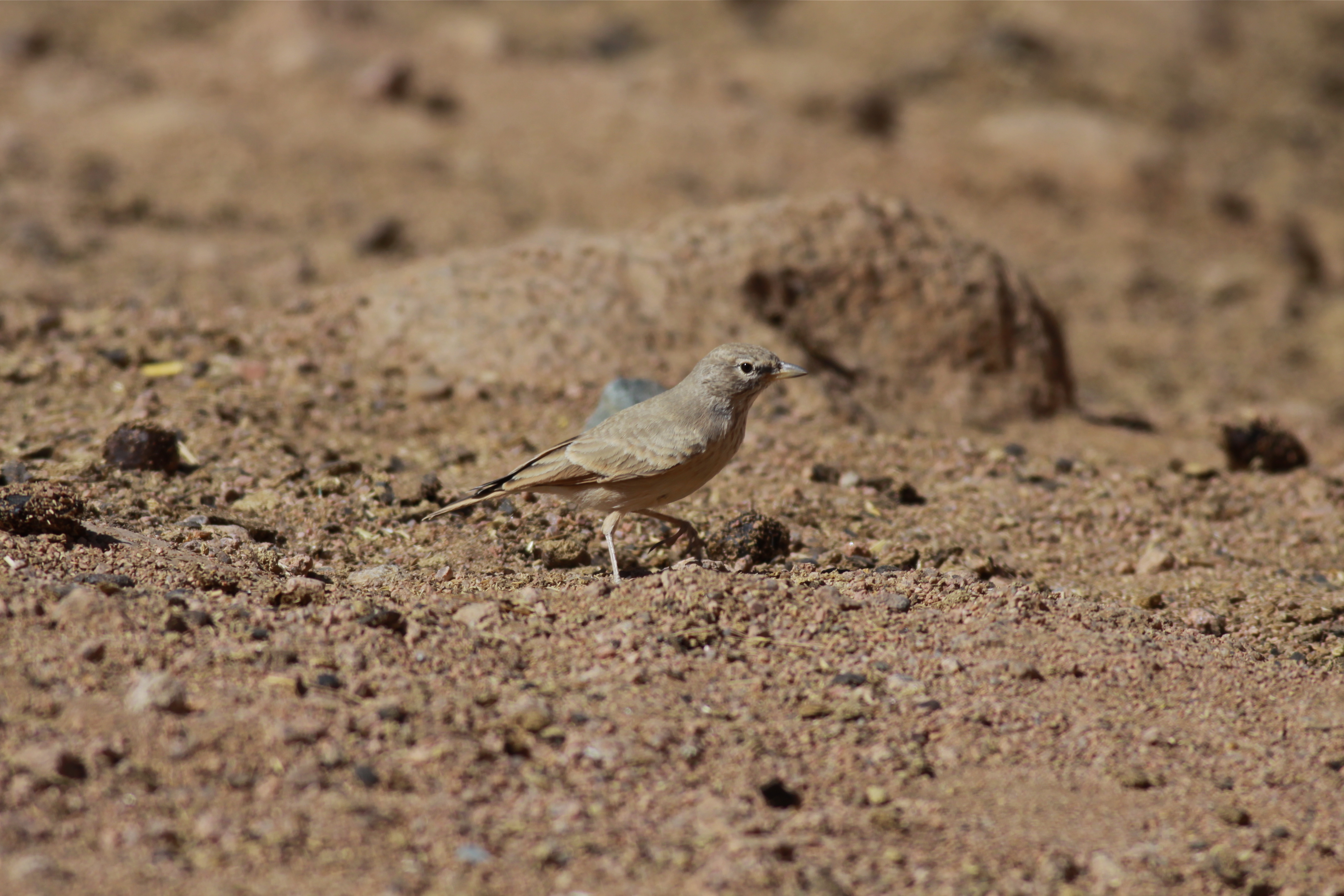
Desert Lark… and the ‘purple’ prize….

Sinai Rosefinch – seen around the car park and the camel feeding areas at the rear of the monastery.

Meanwhile back in the stony desert areas close to the airport there is plenty of local interest.
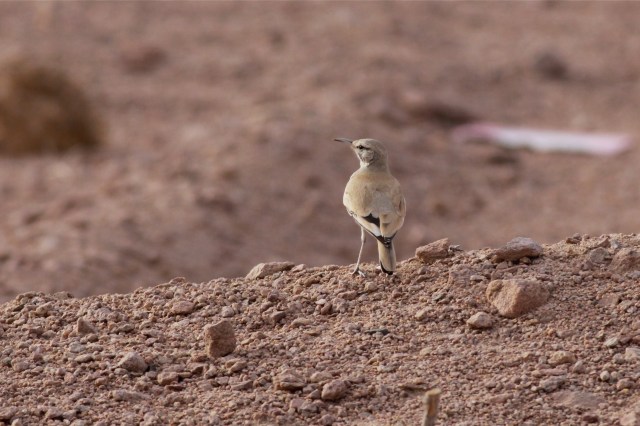
Hoopoe Lark
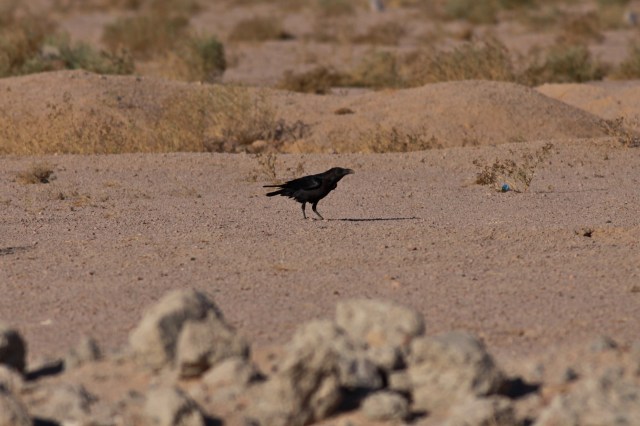
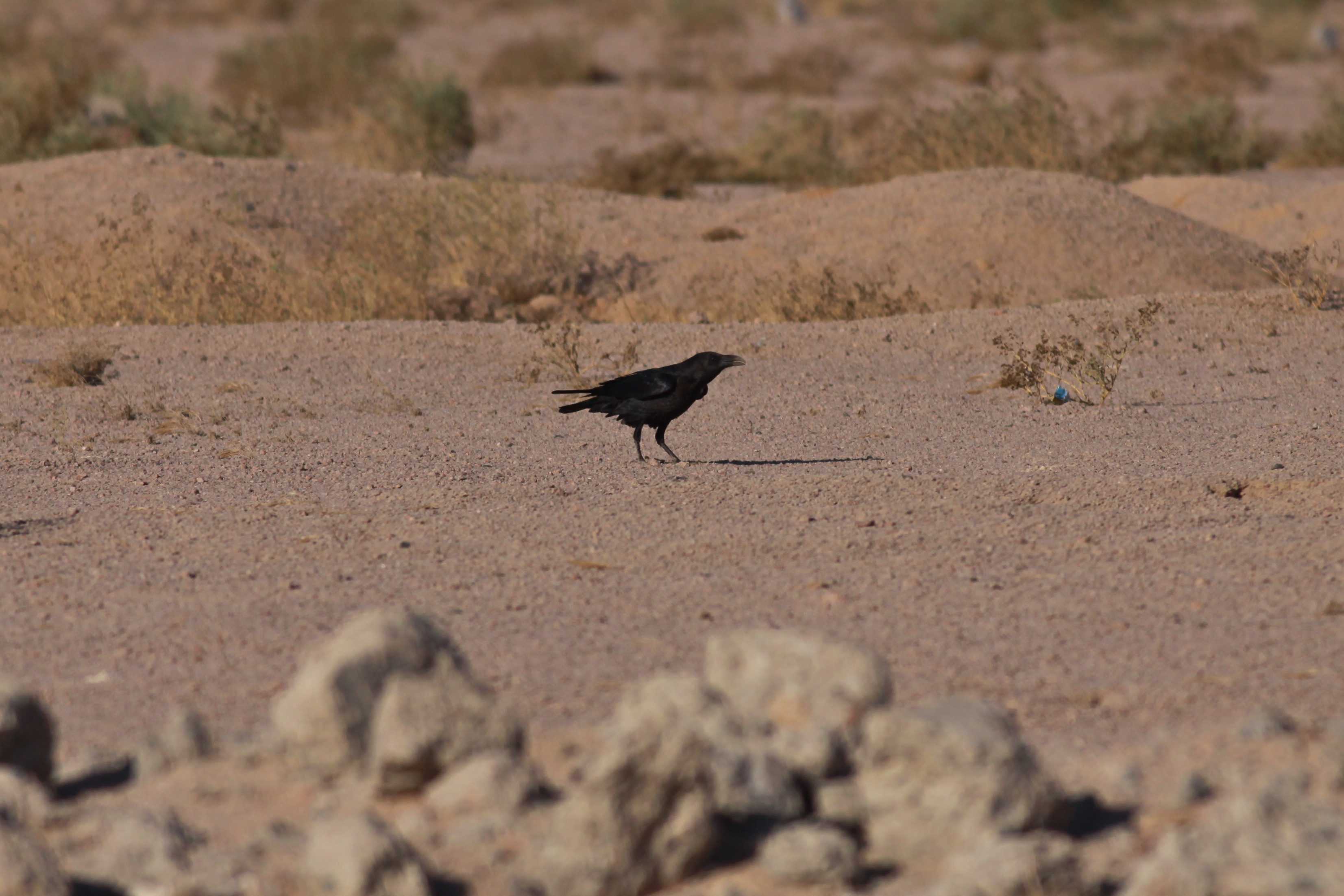
Brown-necked Raven

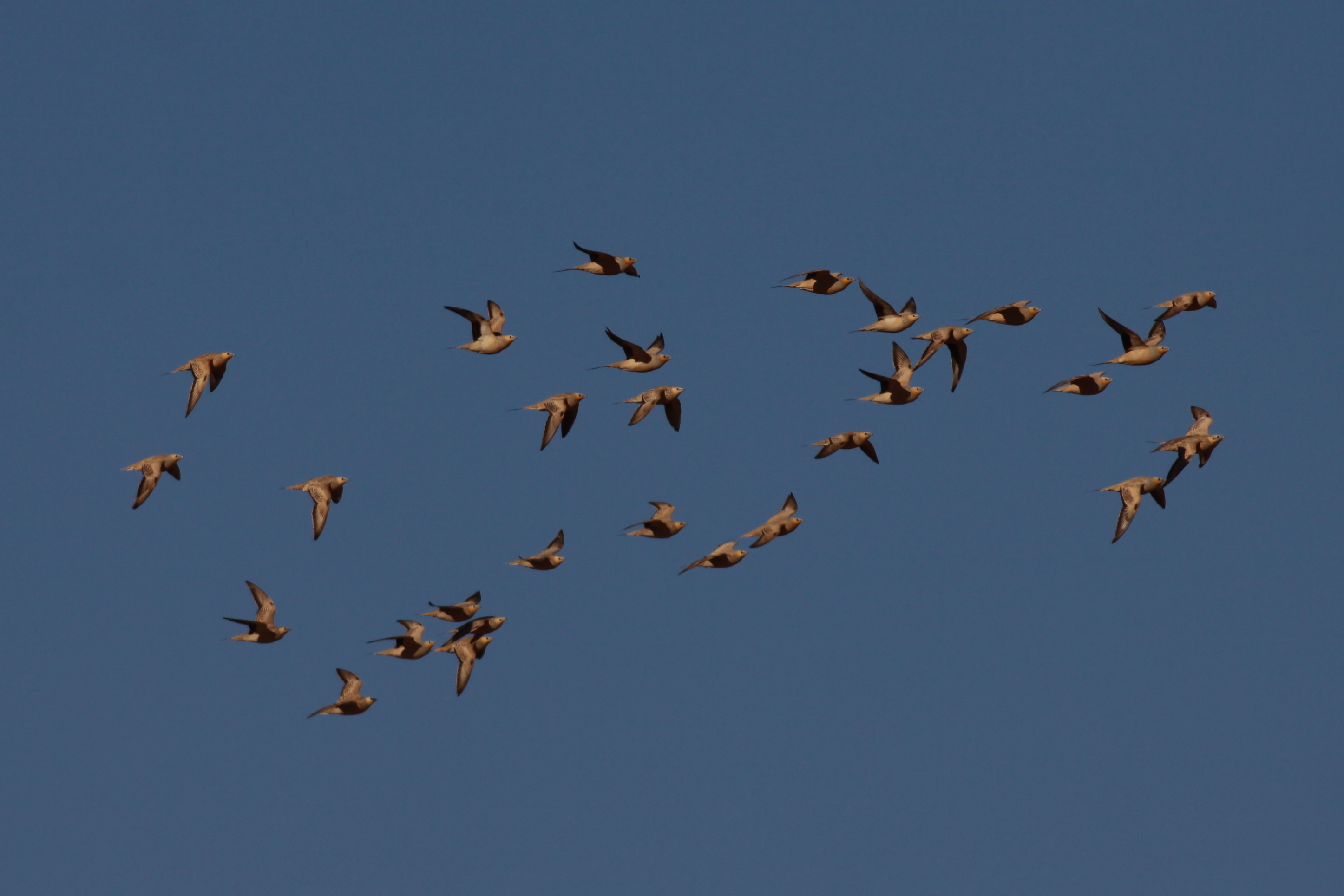
…and flocks of thirsty Sandgrouse, coming to drink at any available watering hole. These are Spotted Sandgrouse.

Sharm El Sheikh is definitely not as birding ‘hard core’ as Eilat, but it is accessible, reasonably priced and there is plenty to do within easy reach of the main resort. A car improves your prospects significantly but is by no means essential and if you are looking for a winter break or beach holiday with some birding interest thrown in then Sharm is a serious contender. We’ll certainly be back!
Last year in Lesvos

Just catching up on some of my ‘back catalogue’. Here are a few pictures from last years spring trip to the lovely Greek island of Lesvos. We booked a standard week’s package holiday , staying in the northern resort of Petra. Most birders try to stay in or around Skala Kalloni, to be close to the salt pans (and other birders!) but Petra, which is in the north and only forty minutes from Kalloni,  is a very acceptable alternative. The weather in April is usually warm but there can be a cool north wind and the nights are very cold. In our experience few hotels make proper provision for their early season birding guests. We went with our ‘birding buddies’ Bob and Sue – this being their first trip ensured that there was plenty of action for all. We were lucky enough to coincide our trip with a huge fall of  ‘black and white’ flycatchers – providing me with a chance to get a Western Palearctic ‘tick’ in the shape of Semi-collard – in fact we connected with three! As I’d broken my 400mm telephoto on a previous trip to Costa Rica, these images are taken on my ‘back up’ 70-200mm, and it shows. Anyway enjoy…..

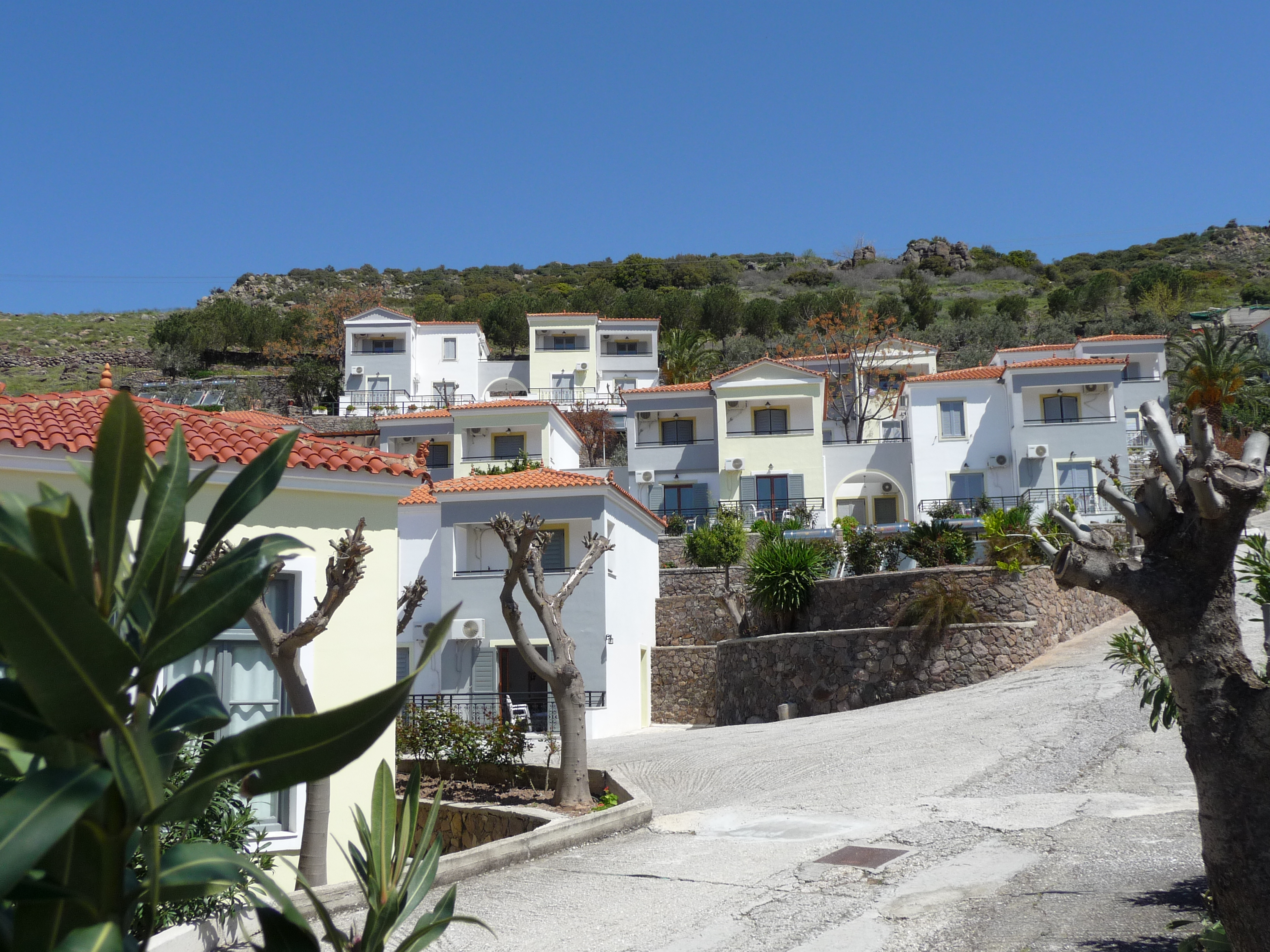
The hotel, on the northern outskirts of Petra –

…close to the Ruppell’s site and some good early morning walks. We had Collard Flycatcher in the gardens!
Black-eared Wheatear, on the hill-side behind the hotel.

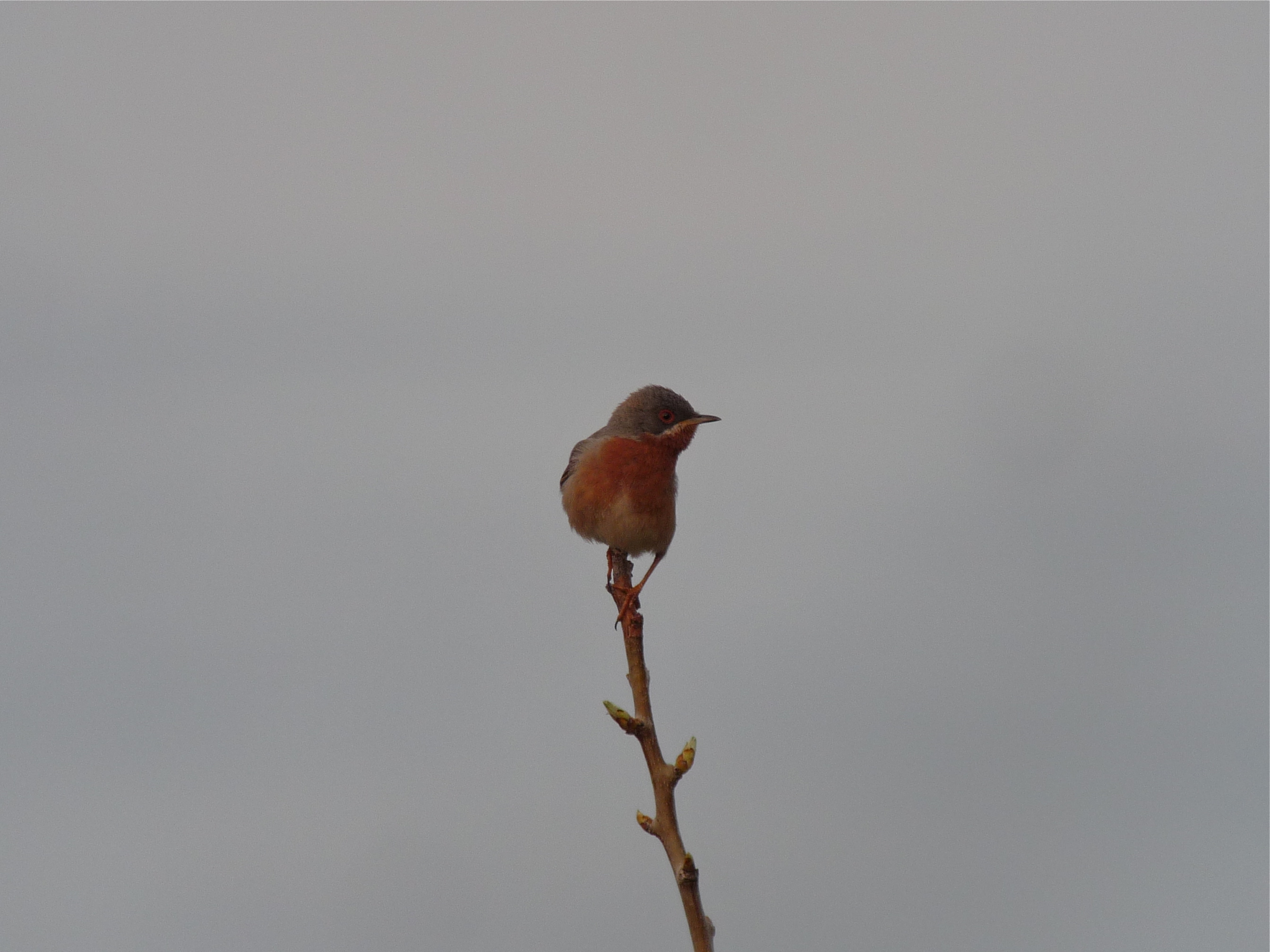
Subalpine Warbler of the eastern albistriata race.

A superb singing Ruppell’s Warbler, at the last accessible breeding site along the cliffs between Petra and Molivos

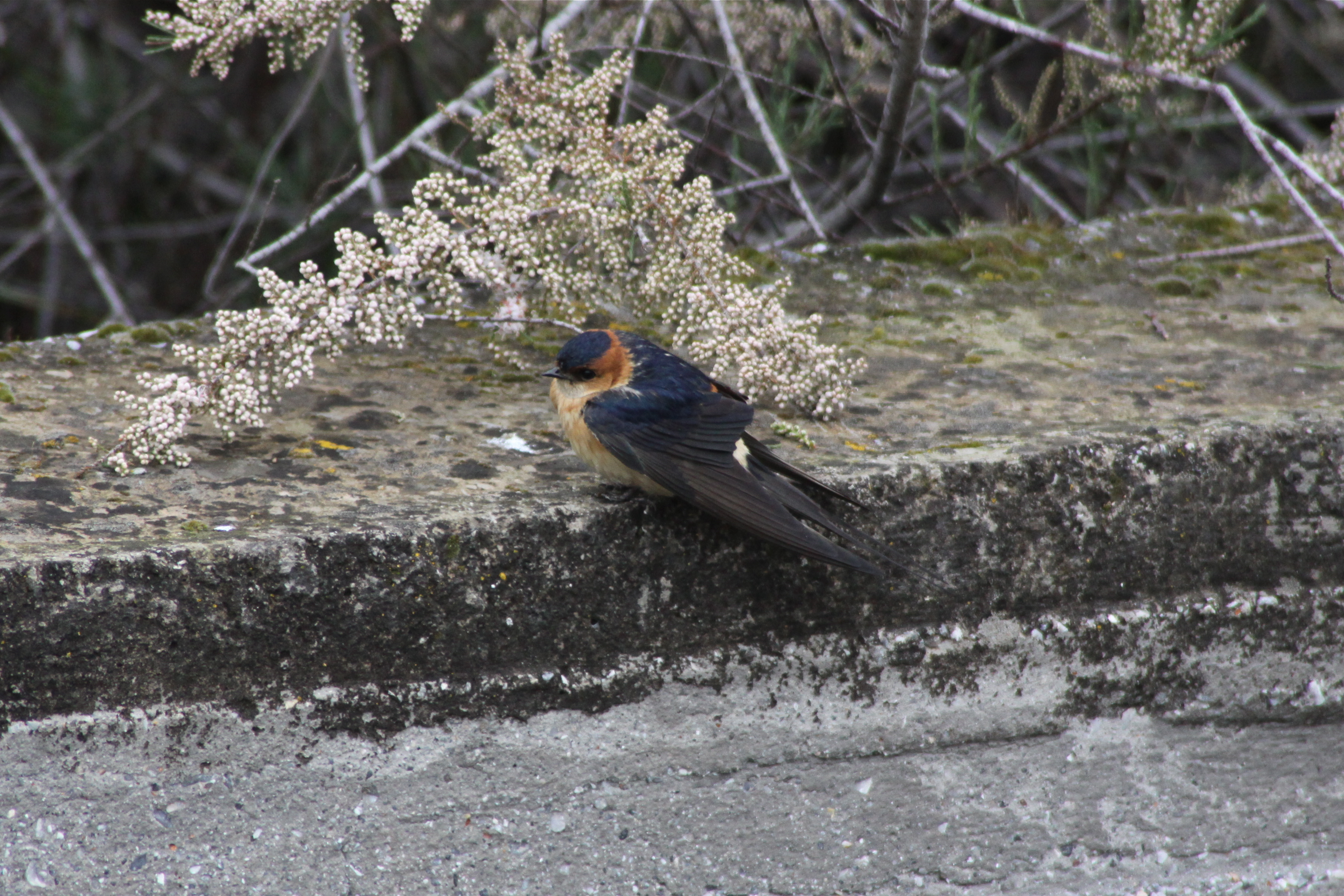
There was a very large roost of hirundine on the cliffs at the back of the hotel, including a few Red-rumped Swallow

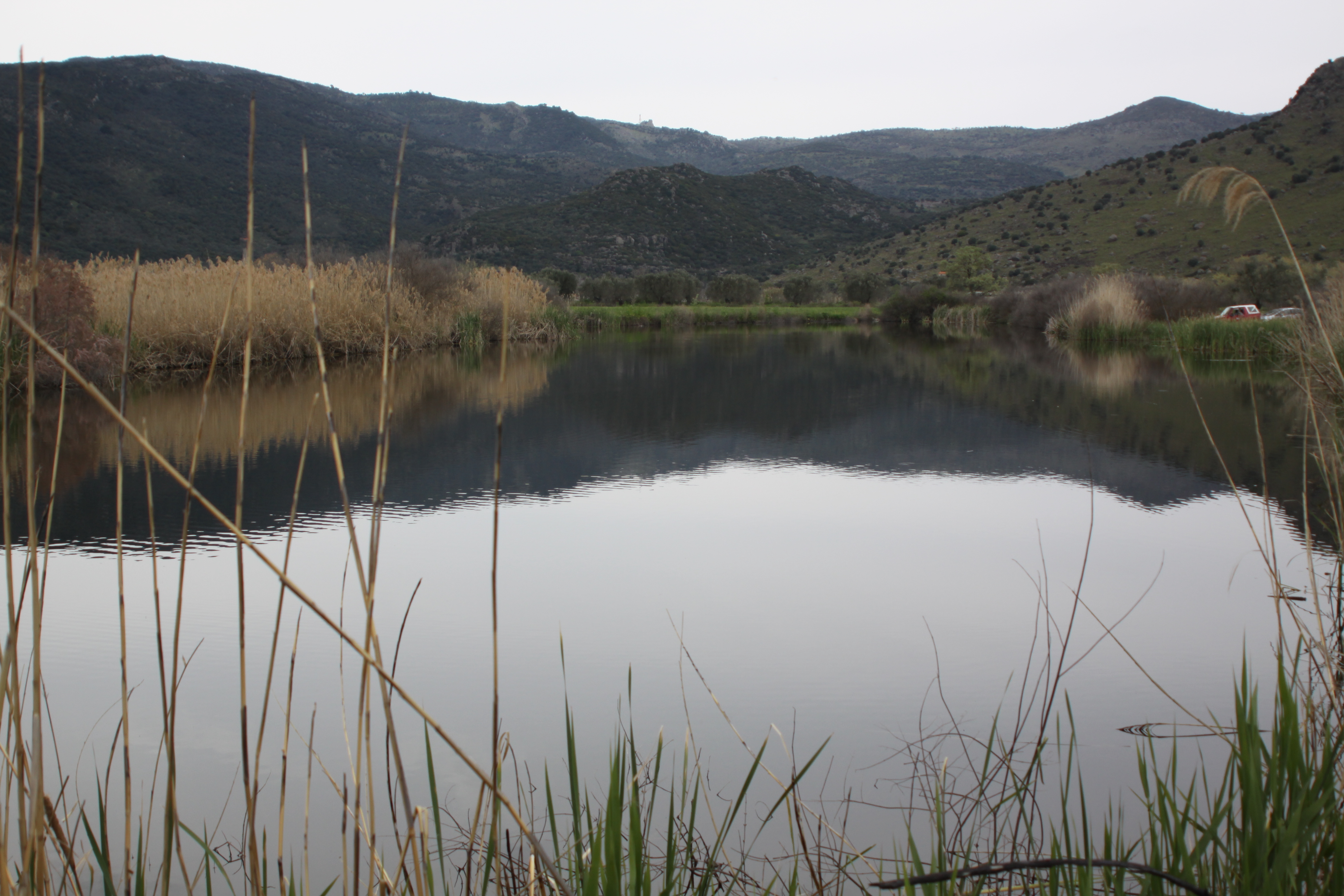
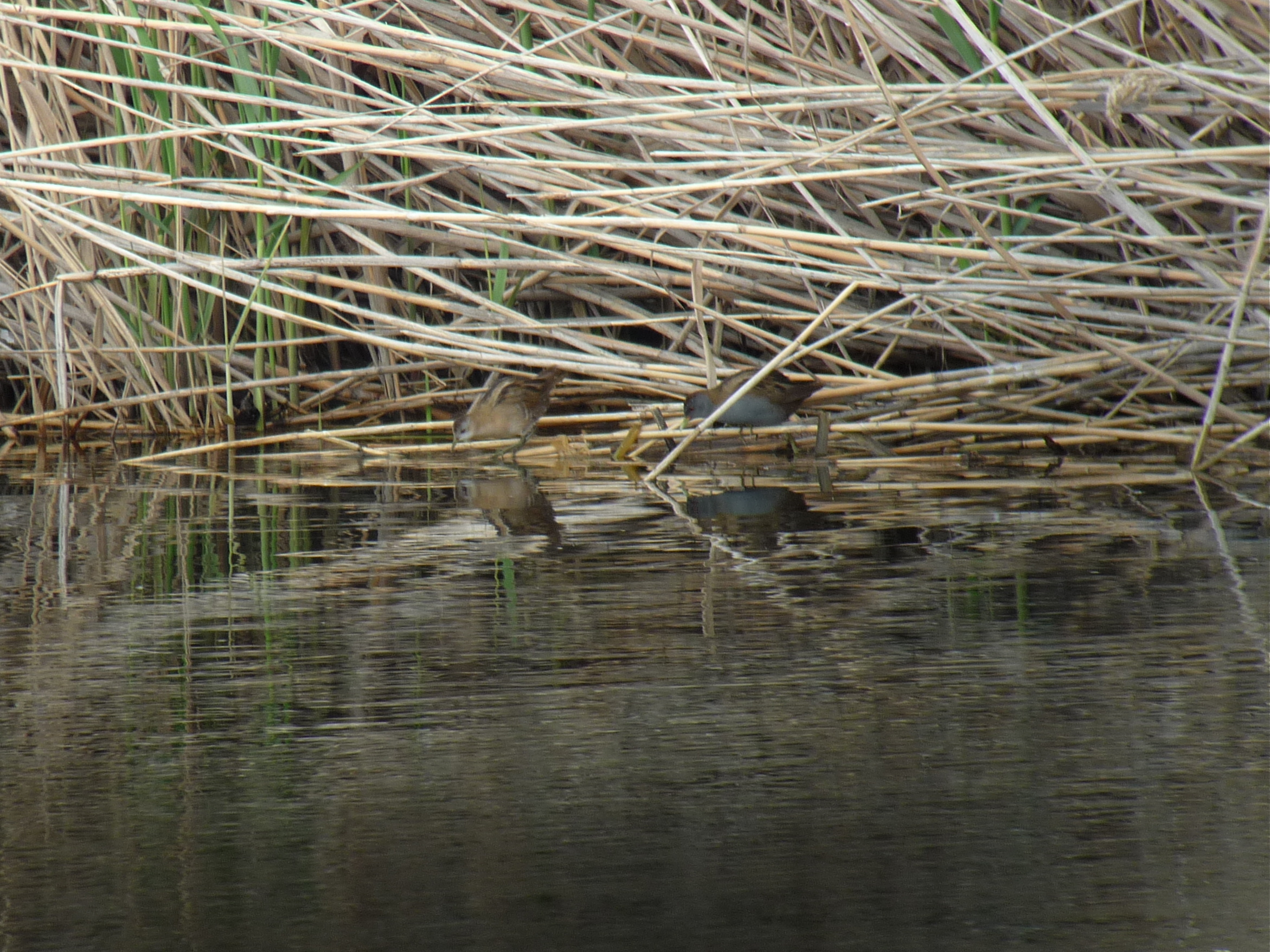
View of Inland Lake, in the lower Potamia valley. The birding was excellent here with good numbers of Little Crake, Spotted Crake and Water Rail, Penduline Tit and Little Bittern.

Male and female Little Crake

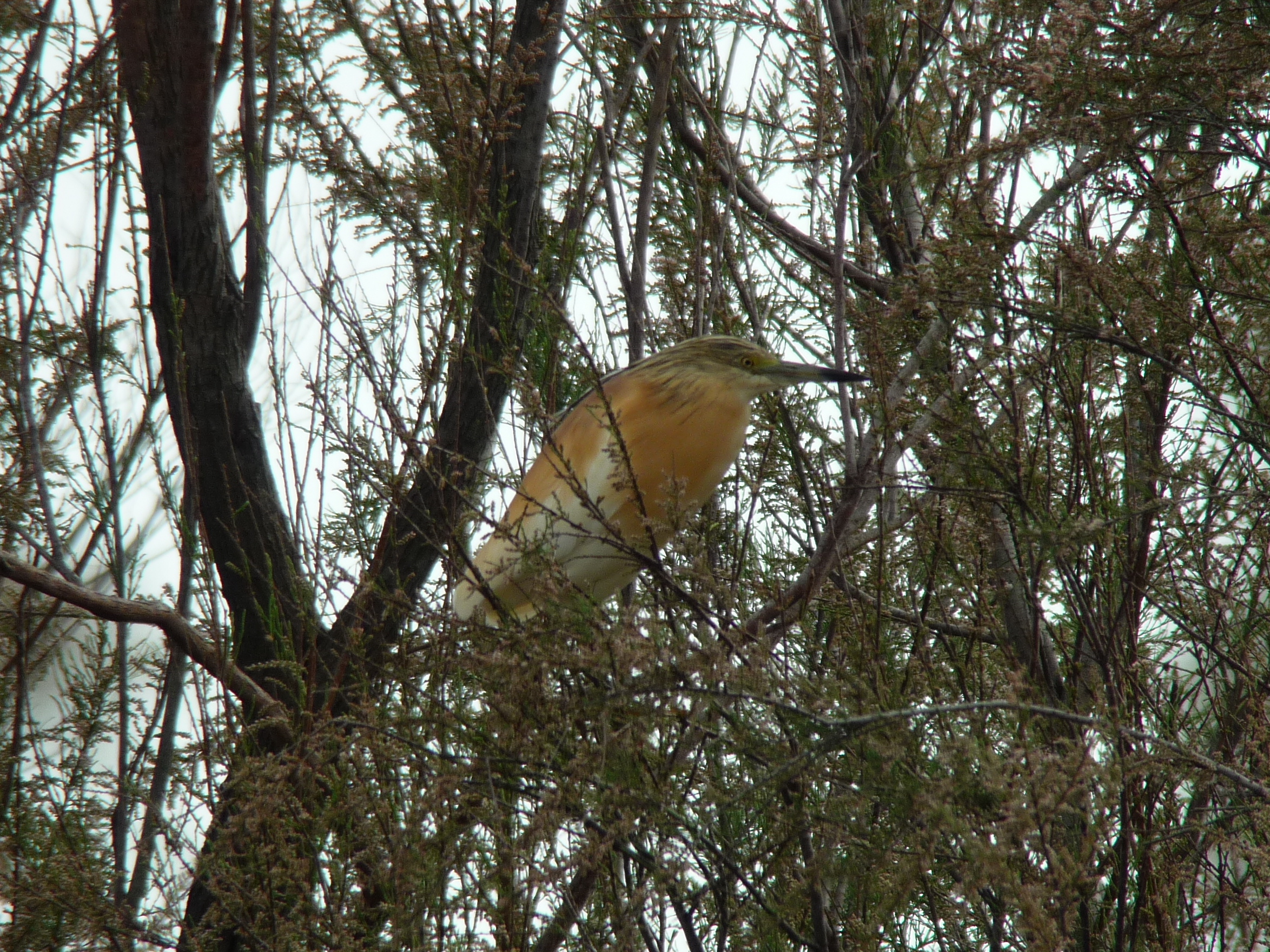
Squacco Heron.

Upper Napi valley – always good for raptor passage, although on this occasion we were a little early for the main movement.

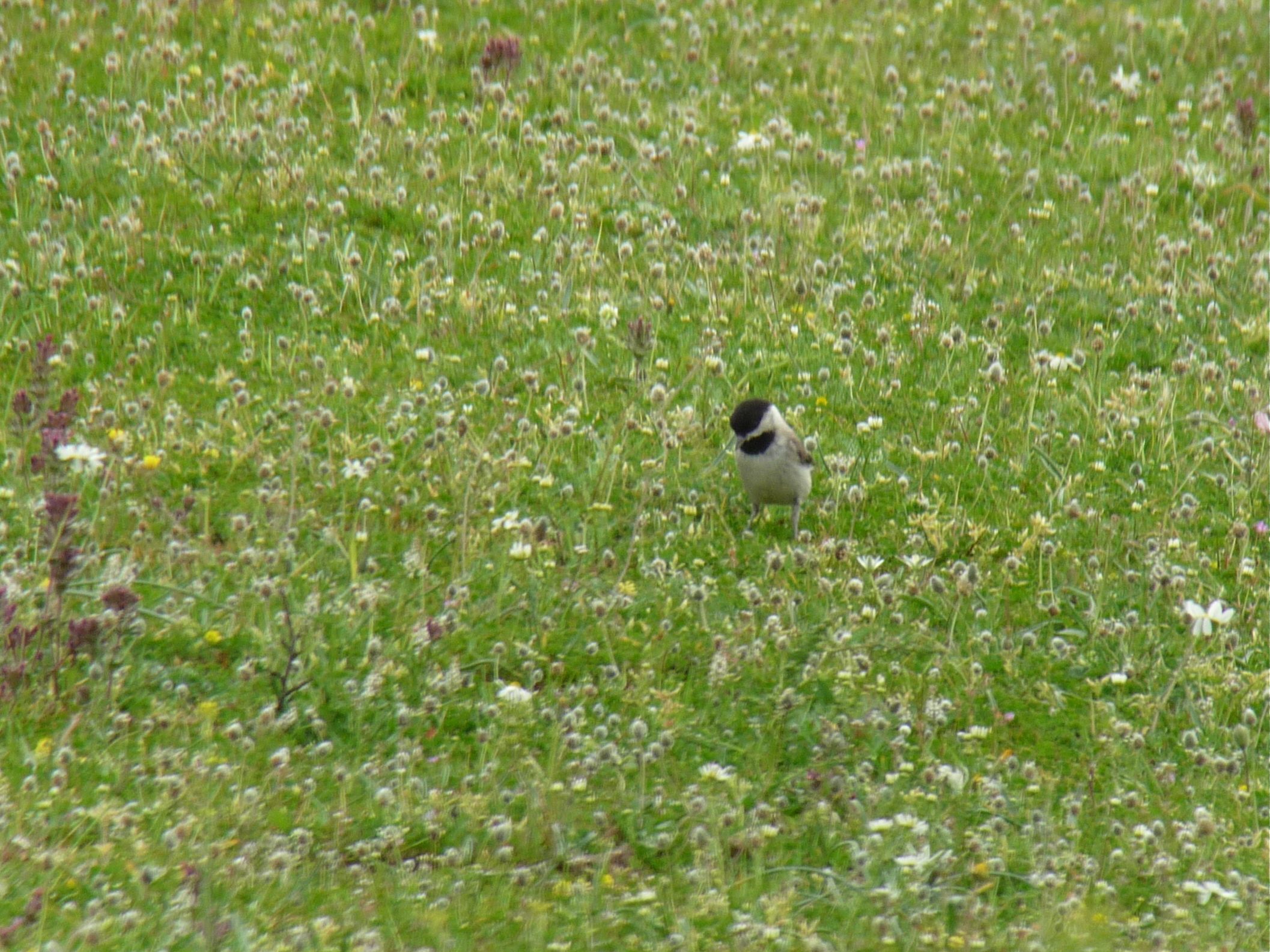
Sombre Tit – a Levos speciality.

Meanwhile East River and the salt-pans had plenty of action, with Red-throated and Tawny Pipit, Glossy Ibis, Collard Pratincole, Red-footed Falcon, Pallid Harrier and much more.

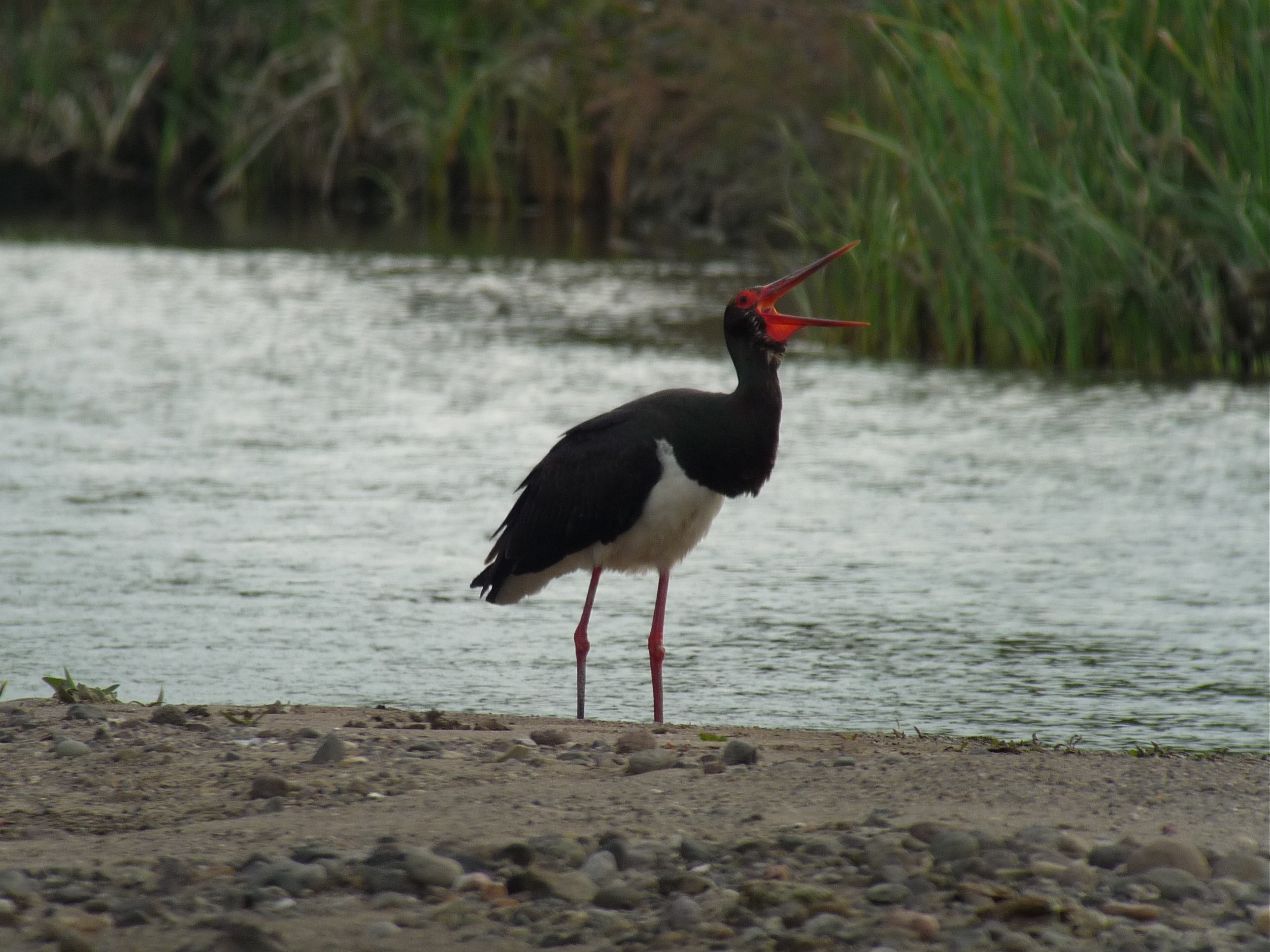
….including this beauty…a Black Stork, which spent a couple of days on the river recuperating, before flying north,

..and this Little Bittern, only a few yards up stream.

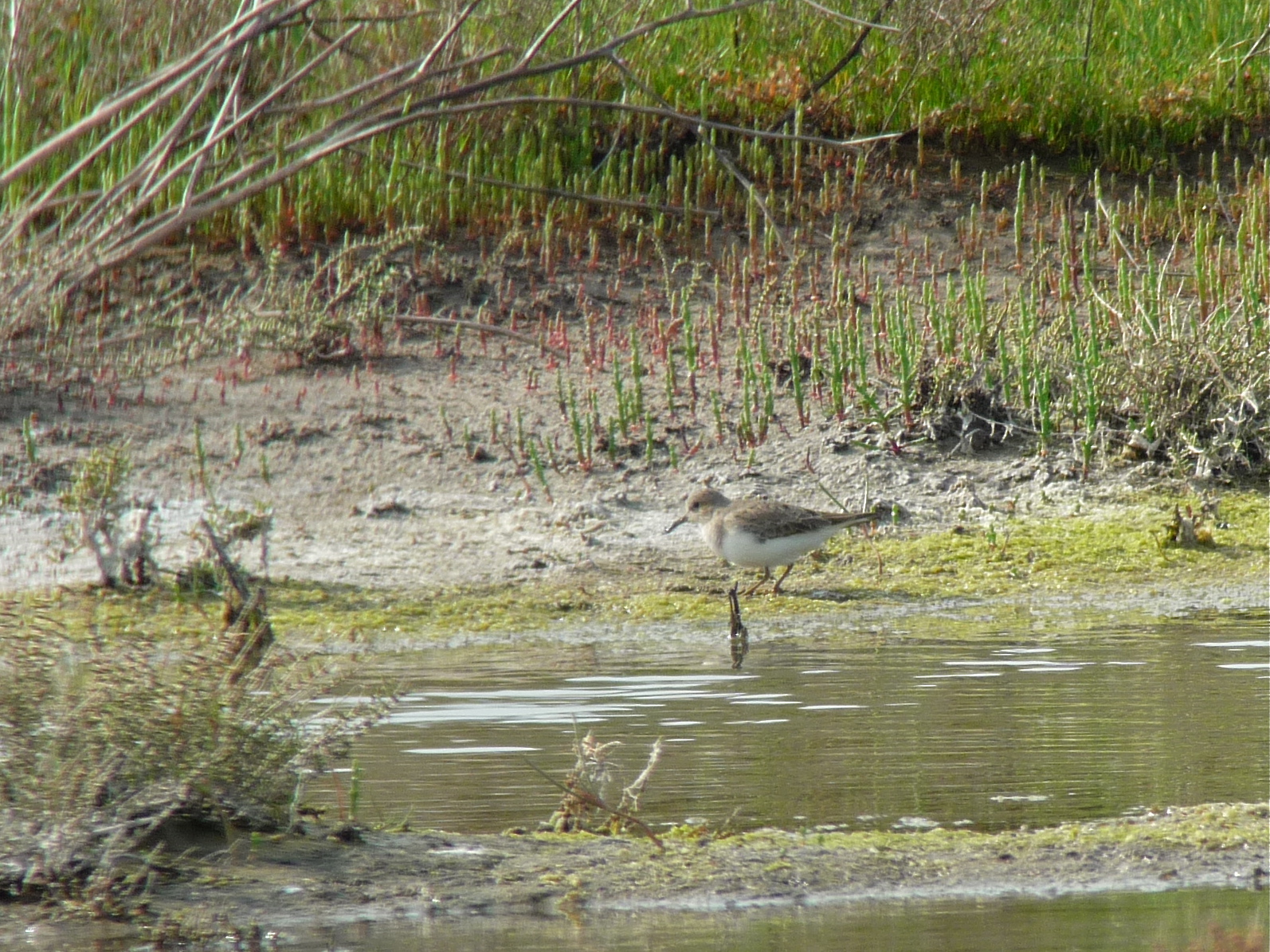
There was plenty of wader interest, including Marsh Sandpiper and Temminck’s Stint.

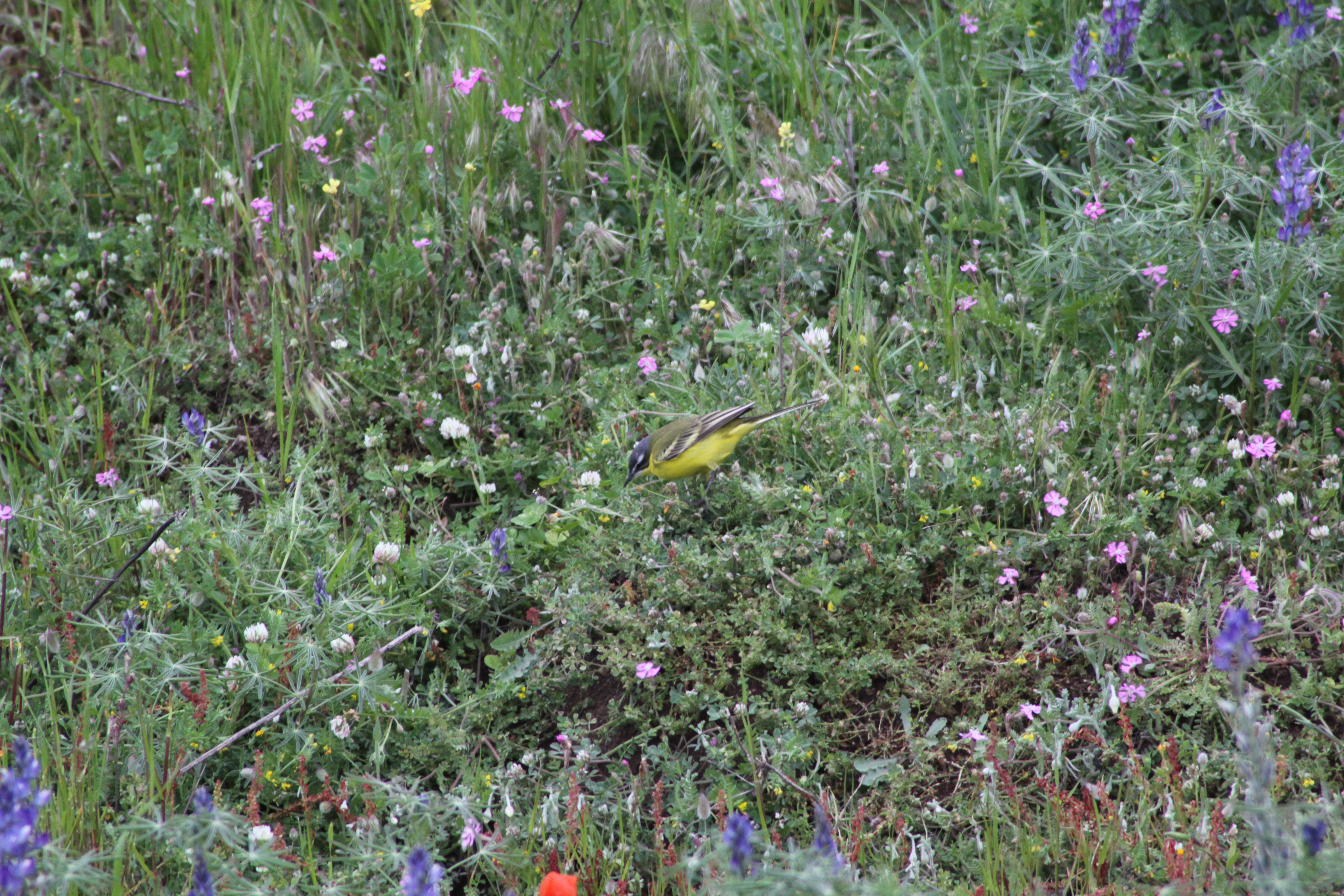
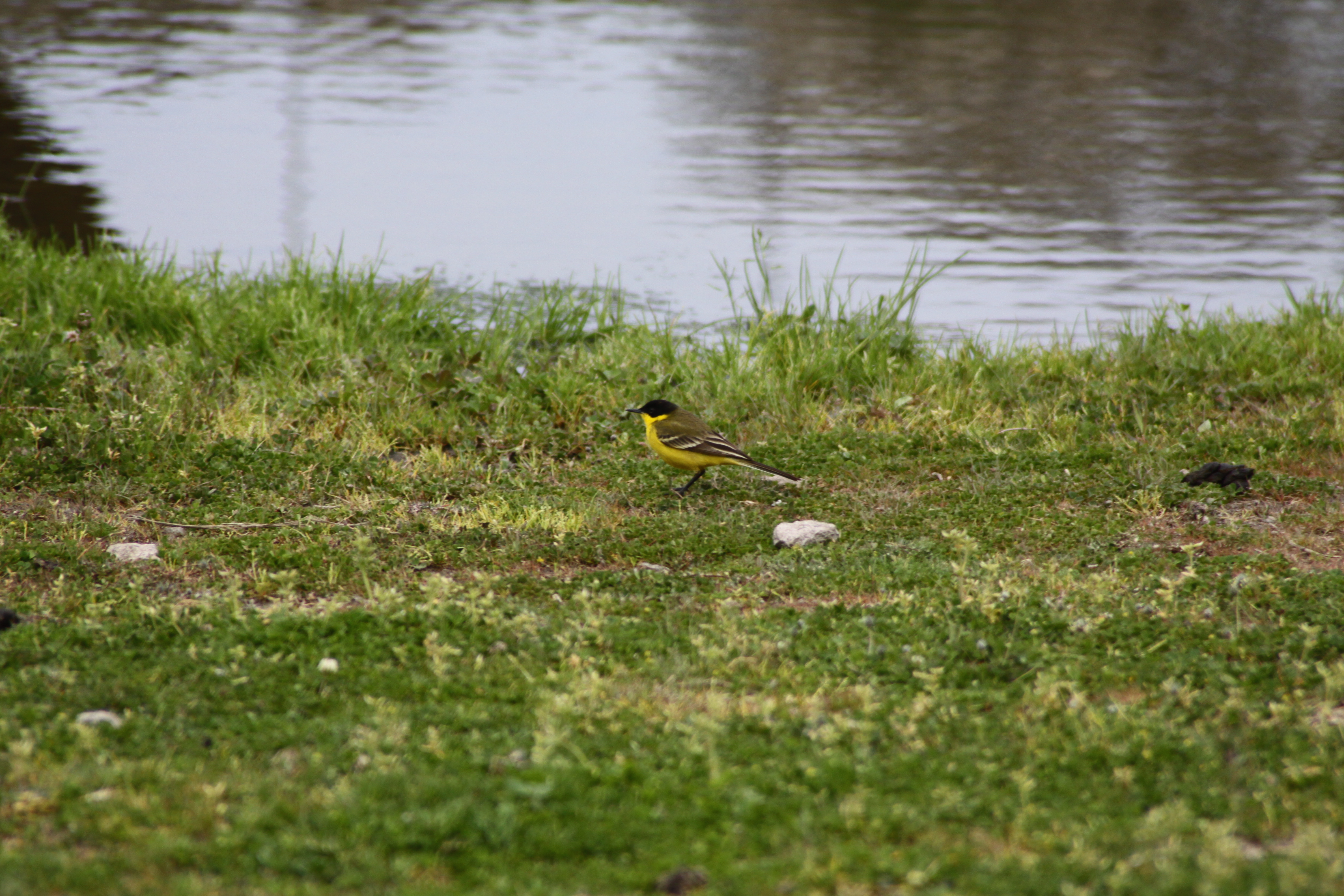
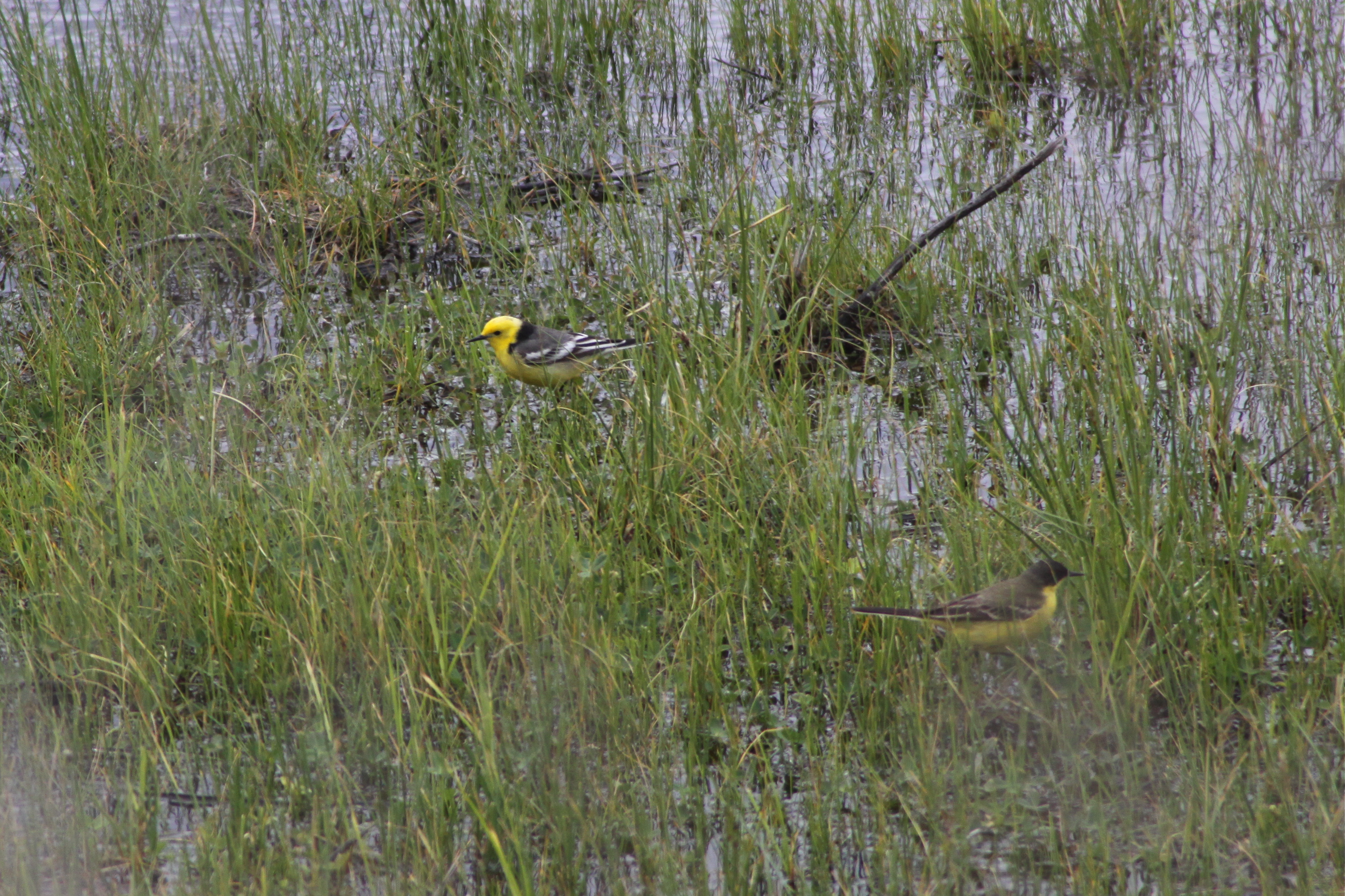
The area around Sigri, in the far west, is always interesting and 2011 was no  exception, with plenty of wagtails, including three Citrine, Golden Oriole, Cretzschmar’s and Ortolan Bunting, Wryneck and Spur-winged Lapwing.

‘Blue and Black headed races and a stunning male Citrine.

This Purple Heron was just stood in a field, being admired by the passing birders.

There were a handful of these gorgeous male Golden Oriole in fig trees on the track to the ford.

Spur-winged Lapwing…sort of speaks for itself really!

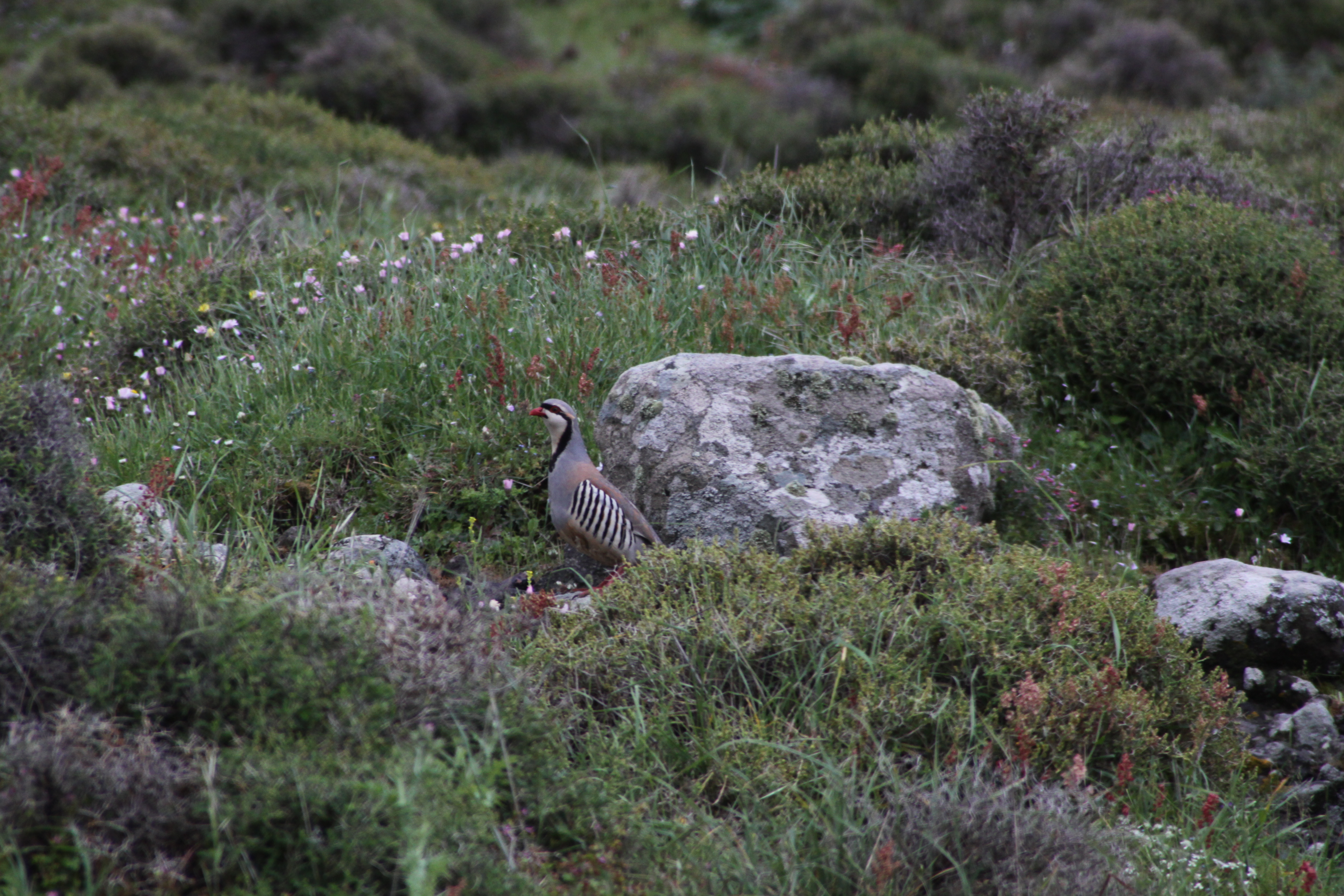
On the drive back from Sigri, via Eresos, we saw Chukar…

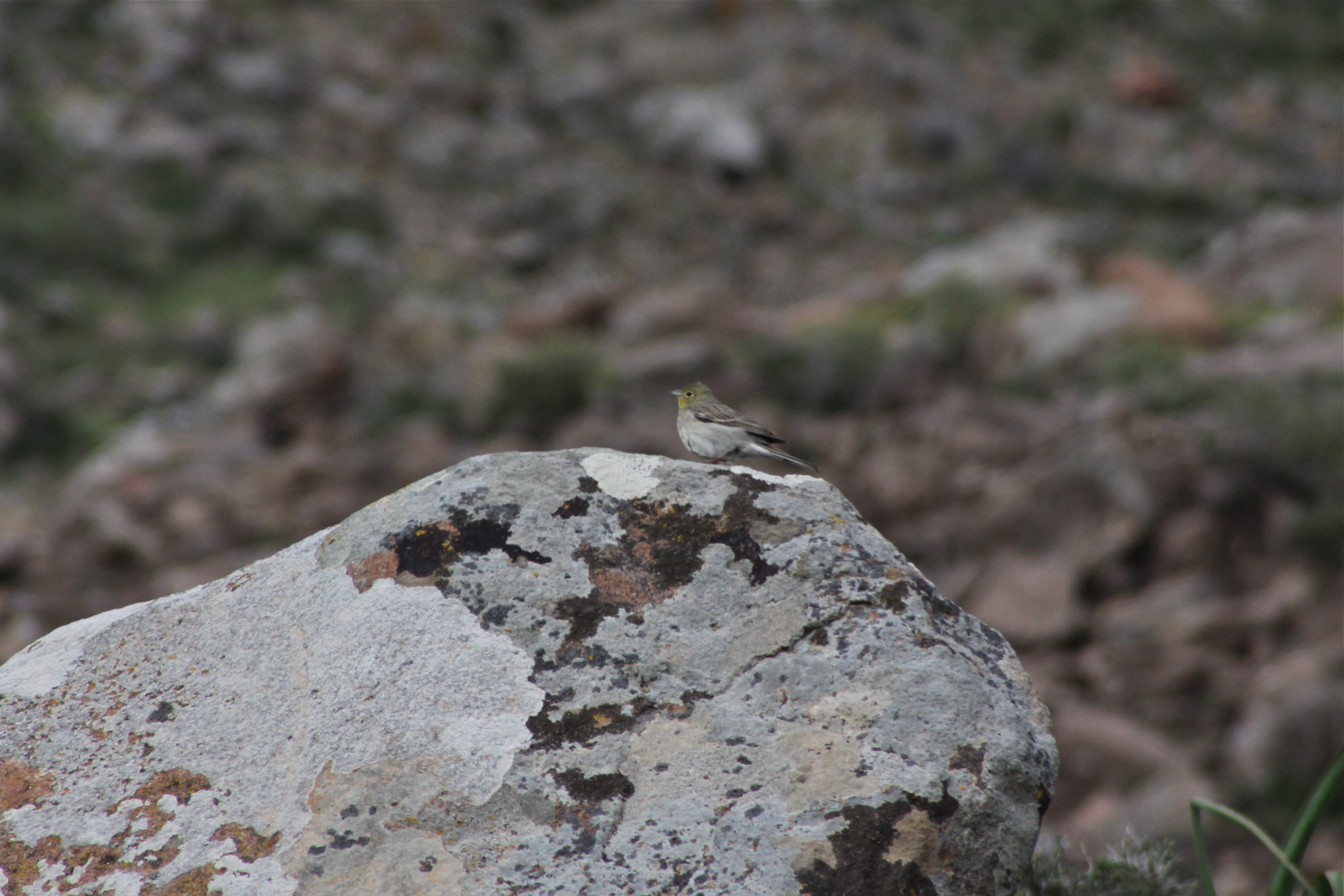
and this other recently returning Lesvos speciality – Cinereous Bunting.

And to finish with, a shot of poppies,  just some of the stunning botanical interest on this lovely island.

For further information on birding in Lesvos go to local Peterborough birder Steve Dudley’s excellent website.

Felbrigg ‘first’

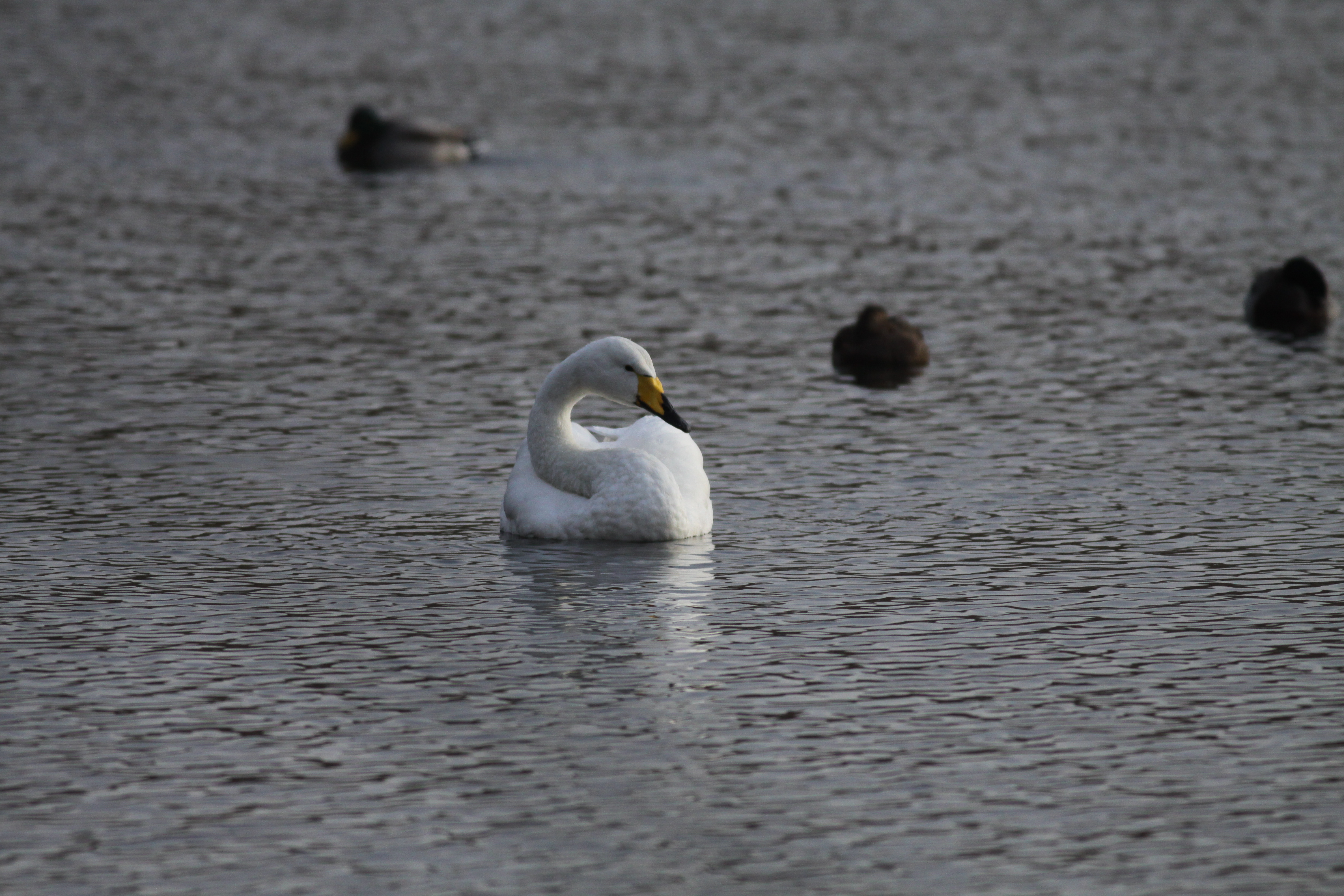
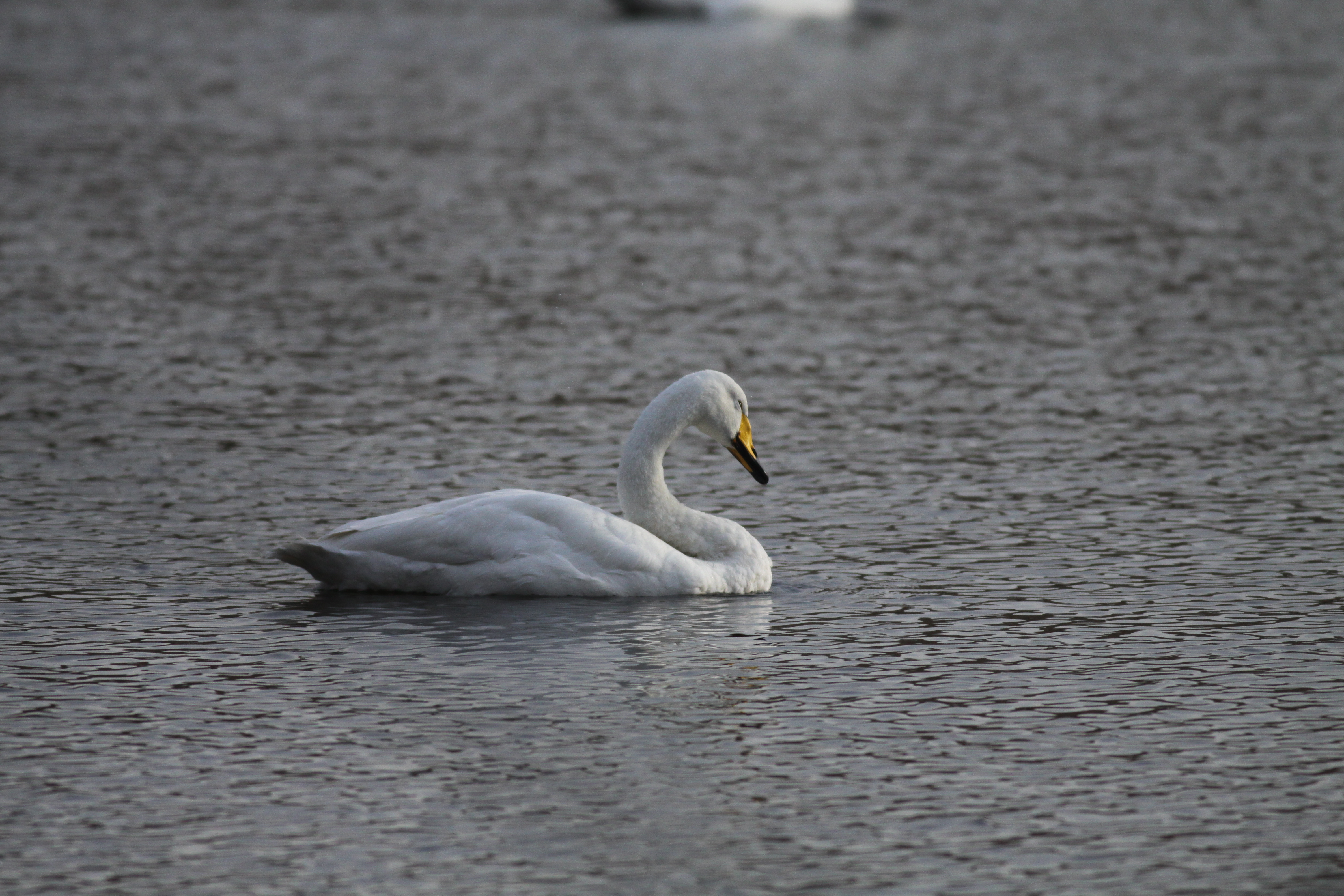
An early morning walk around Felbrigg Hall produced a few nice birds, including seven Woodcock, three Mandarin Duck – two superb males hauled up on the Alder tree stumps, and a ‘first’ for me at Felbrigg , an adult Whooper swan on the lake! A couple of snaps of the beauty:

Incidentally, for those who know this lovely place, the National Trust have just about finished doing a major piece of environmental engineering – re-routing the course of the stream, which flows into the lake, to reinstate a former wetland and water meadow. Looks very promising and a significant improvement – well done the NT!

Post Script. In an idle moment my mind turned briefly to the idea of cycling to all of the historic churches in Norfolk – it turns out that there are about 800 of them. Think I’d better get fit doing the End2End first, before I think of tackling that!

Owl Fest – Deeping High Bank

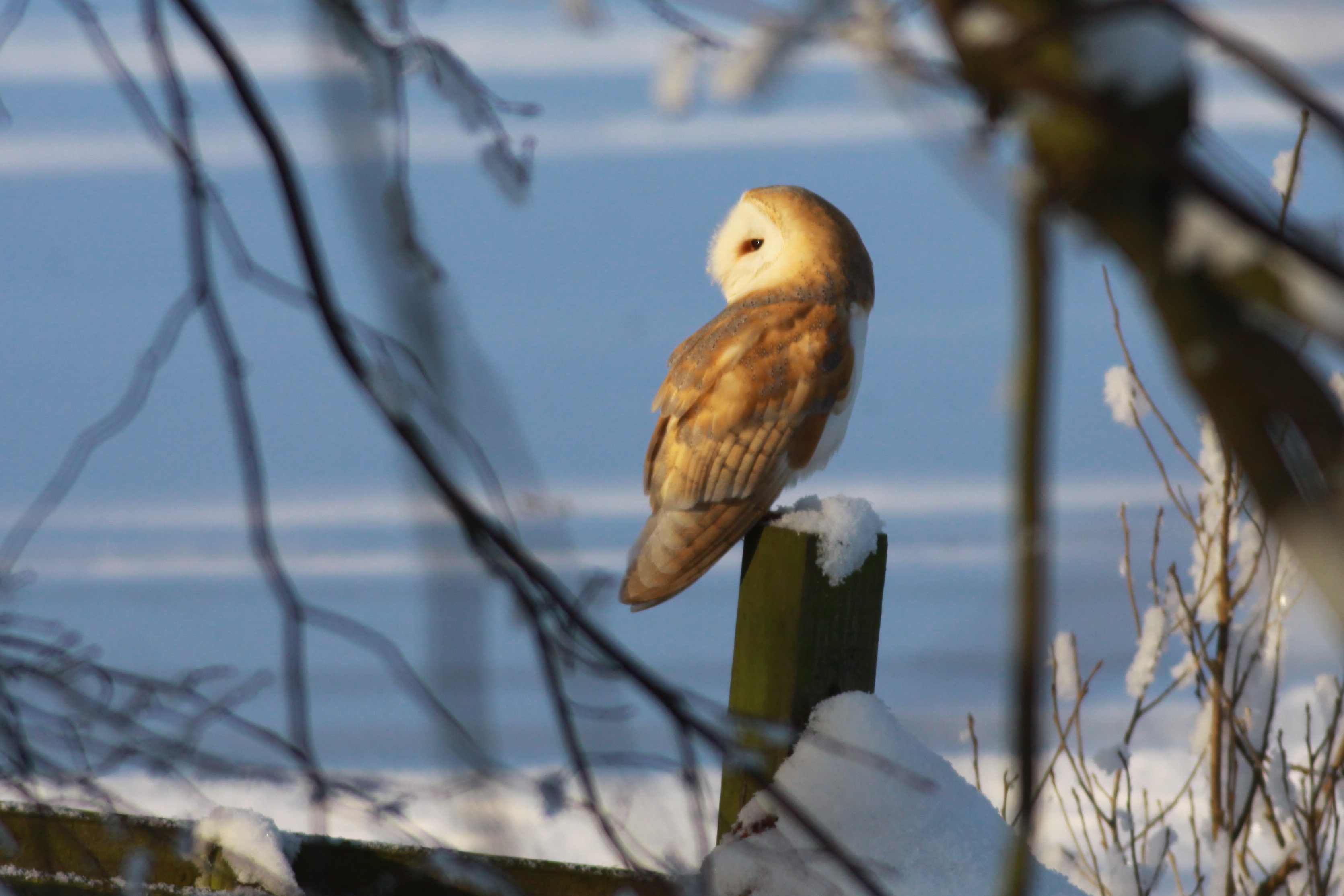
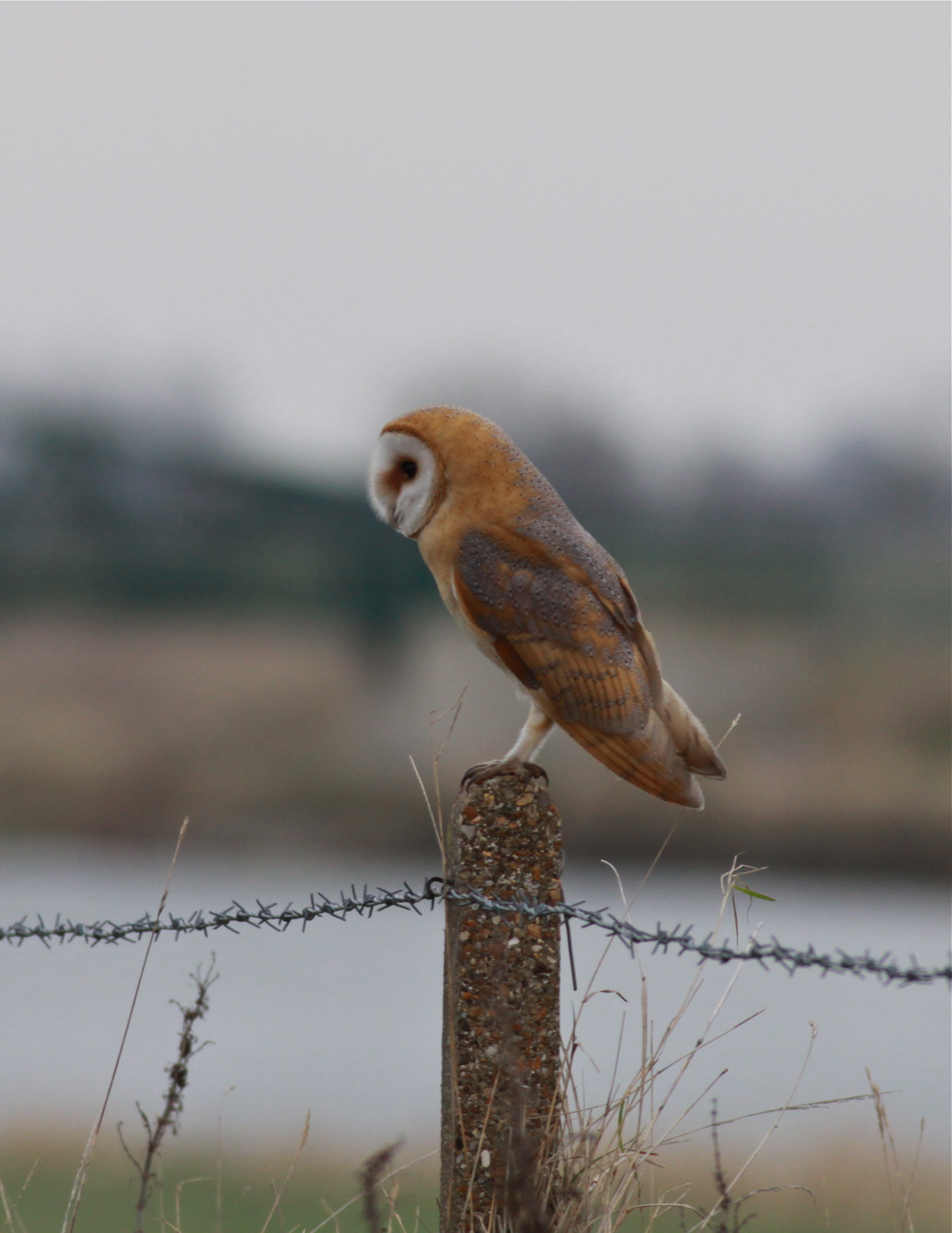
Deeping High Bank is always good for winter owls and this year has been no exception. Although numbers have been down, there’s still been plenty of interest. Barn Owls have been most evident, with up to six different birds, including these two on the set-aside field near Four Mile Bar:

… this particularly dark breasted bird, most observers agree, was a good candidate for a continental visitor of the race ‘guttata’

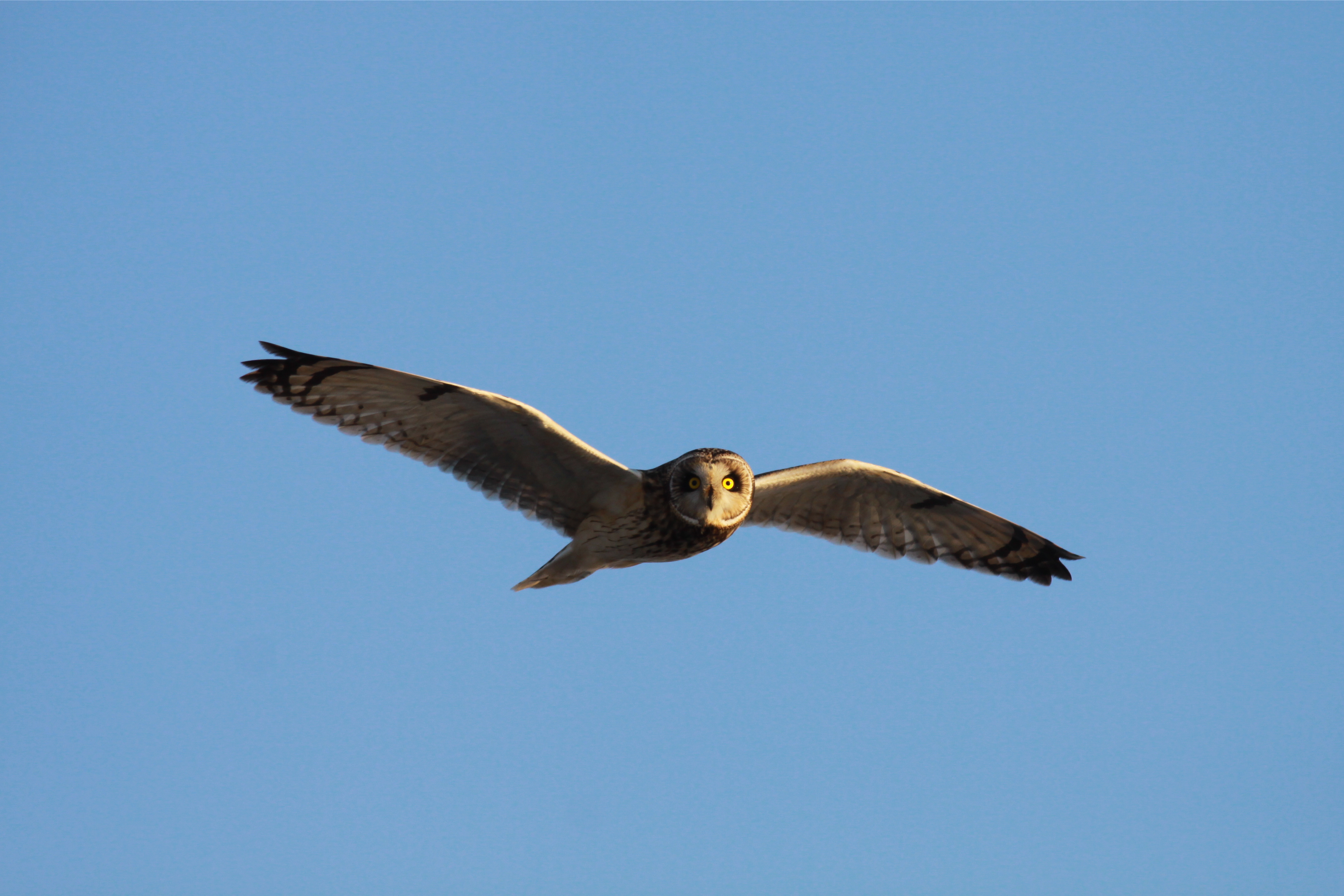
Further along the bank, towards Deeping Lakes, up to three Short-eared Owls have been seen.

These two birds were observed food-passing:

…and this one which came too close for comfort (or at least to focus!)

Enjoy…!

Morocco February 2012

This report, of the recent GPOG trip to the coast, southern desert and High Atlas mountains of Morocco, is intended to compliment that of fellow travellers who have already posted some of our highlights, including Peter Beesley  – check out his fabulous photos, and the more comprehensive trip report, currently under construction.

Twelve GPOG (Greater Peterborough Ornithology Group) members, aged 17 to 70+, departed Luton at  lunchtime on Sunday 12th Feb., returning on the evening of Friday 17th. Our trip took us west from Marrakech to Agadir, south to Guelmim, north east to the High Atlas and back to Marrakech, to complete the round trip of 1500 kilometers. In Agadir we stayed three nights at the Iberostar, Founty Beach – good quality and very good value, exploring the coast from Tamri in the north, south to Oued Massa. On Wednesday we travelled south to Guelmim, exploring the desert sites to the south and east of the town. We stayed at the new HAM, Hotel Adil Moussafir, on the northern edge of town – good standard (but alcohol free). The following day we had an extremely long transfer to the ski resort of Oukaimeden via the Sous valley and the never ending winding mountain road through Tagoundaft and Asni. We stayed at the excellent Hotel Le Courchevel – a really friendly staff, superb food and ‘on your doorstep’ alpine birding – highly recommended. Our last day was spent birding the High Atlas mountains and a gentle run down to the airport.

We saw a total of 140+ species, with something new for everyone – most of the ‘expected’ species with one or two surprises thrown in. Here is my selection:

Bald Ibis – rare, strange and accessible – what a great start to our trip!

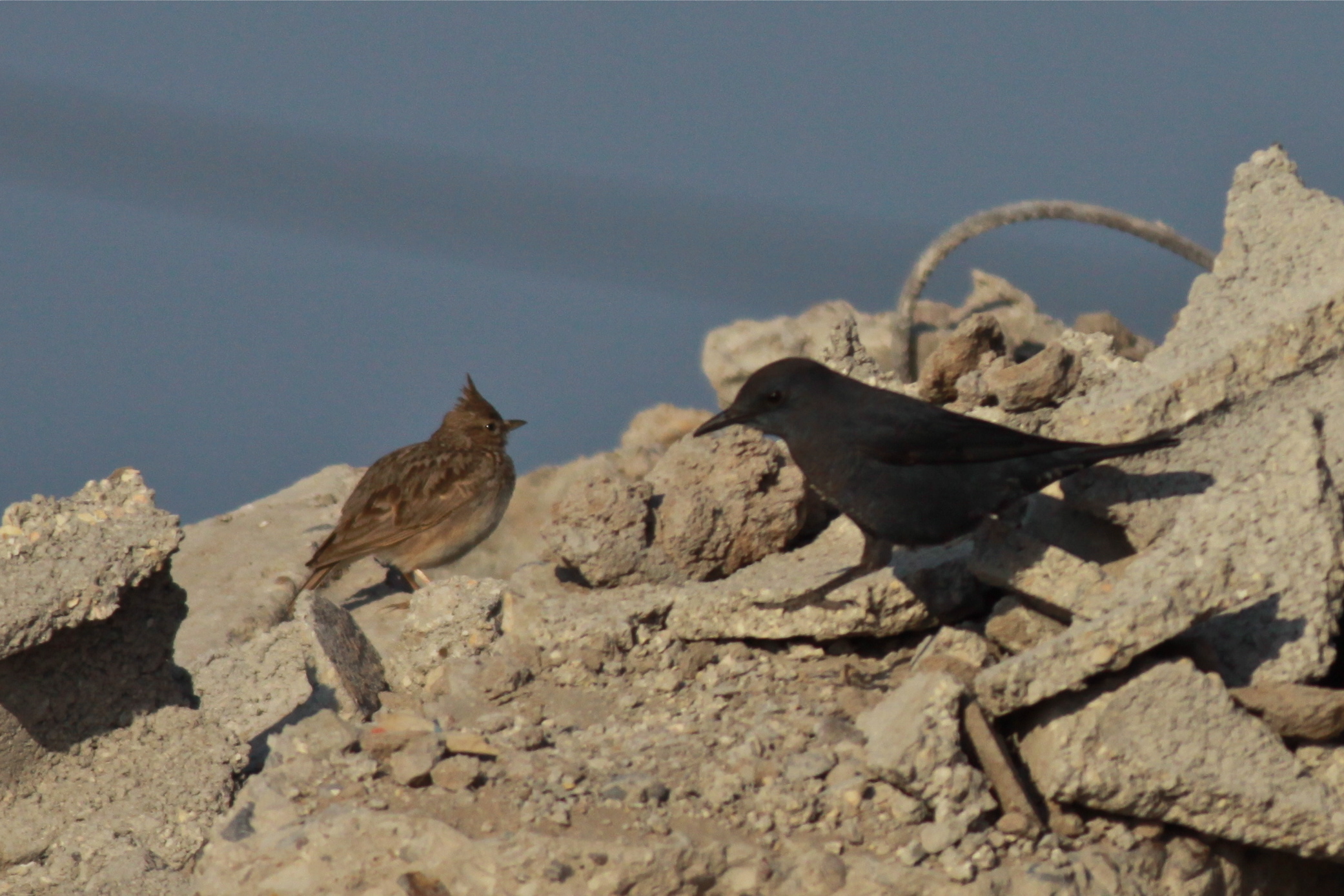
Blue Rock Thrush with Thekla Lark

White Wagtail of the distinctive Moroccan sub-species – the only one we saw.

One of a pair of Bonelli’s Eagle, seen in Paradise Valley

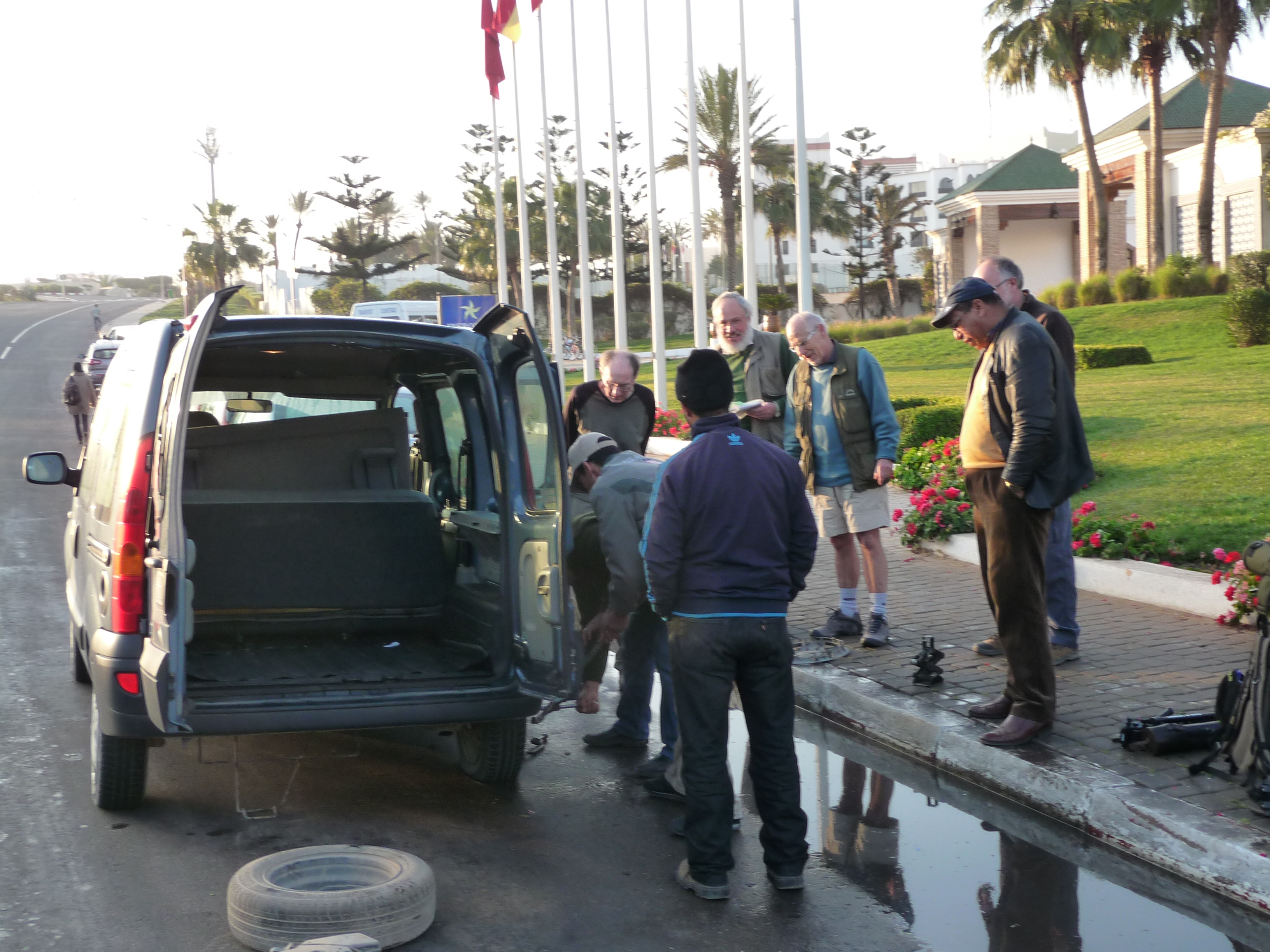
How many GPOG members does it take to change a wheel? Answer, none – the friendly taxi drivers did it!

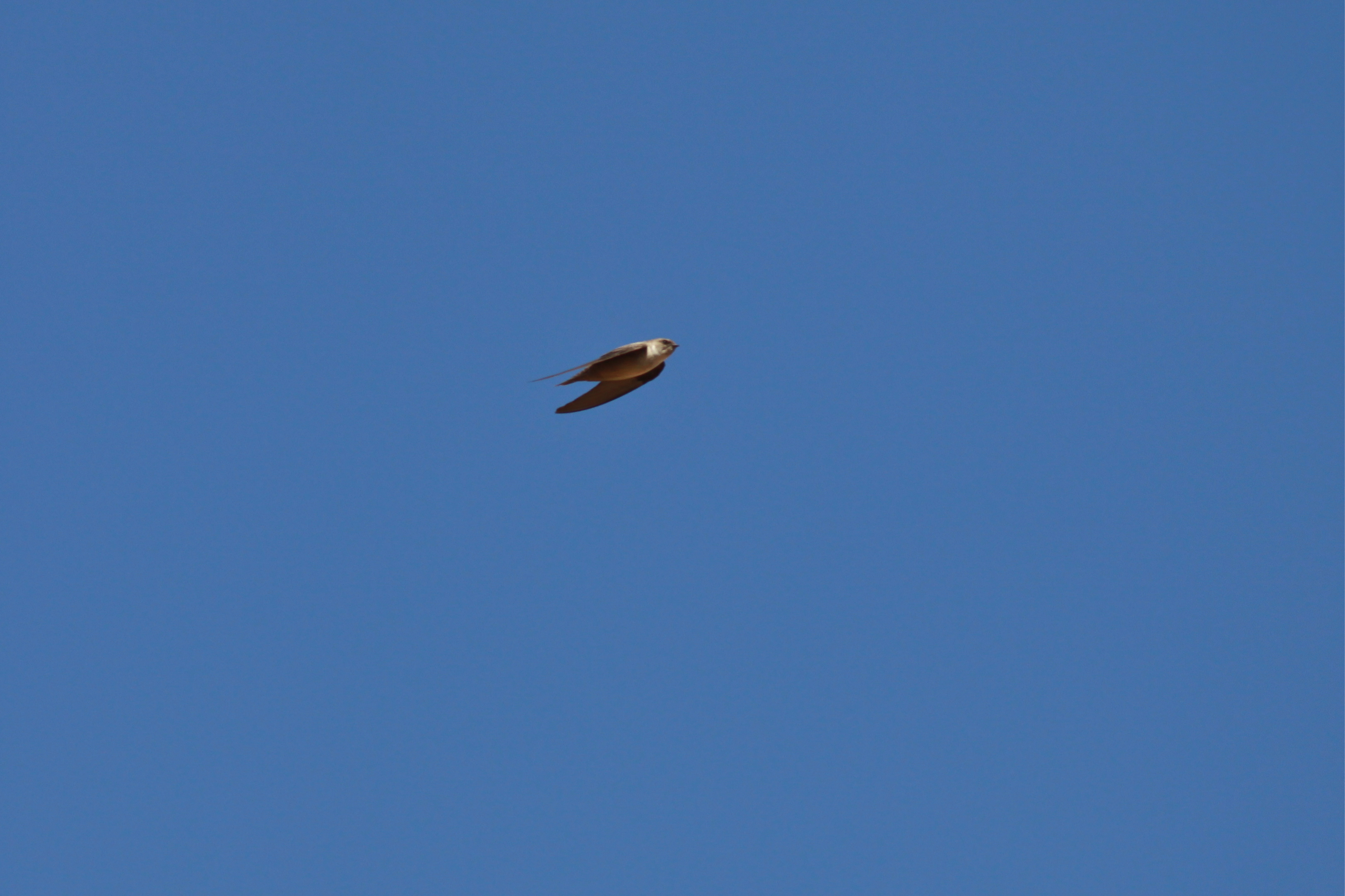
Brown-throated Martin, found accidentally at a crossing of the upper Massa river, whilst trying to locate the ‘proper site’ in Dave Gosney’s Guide to Morocco, coast and mountains

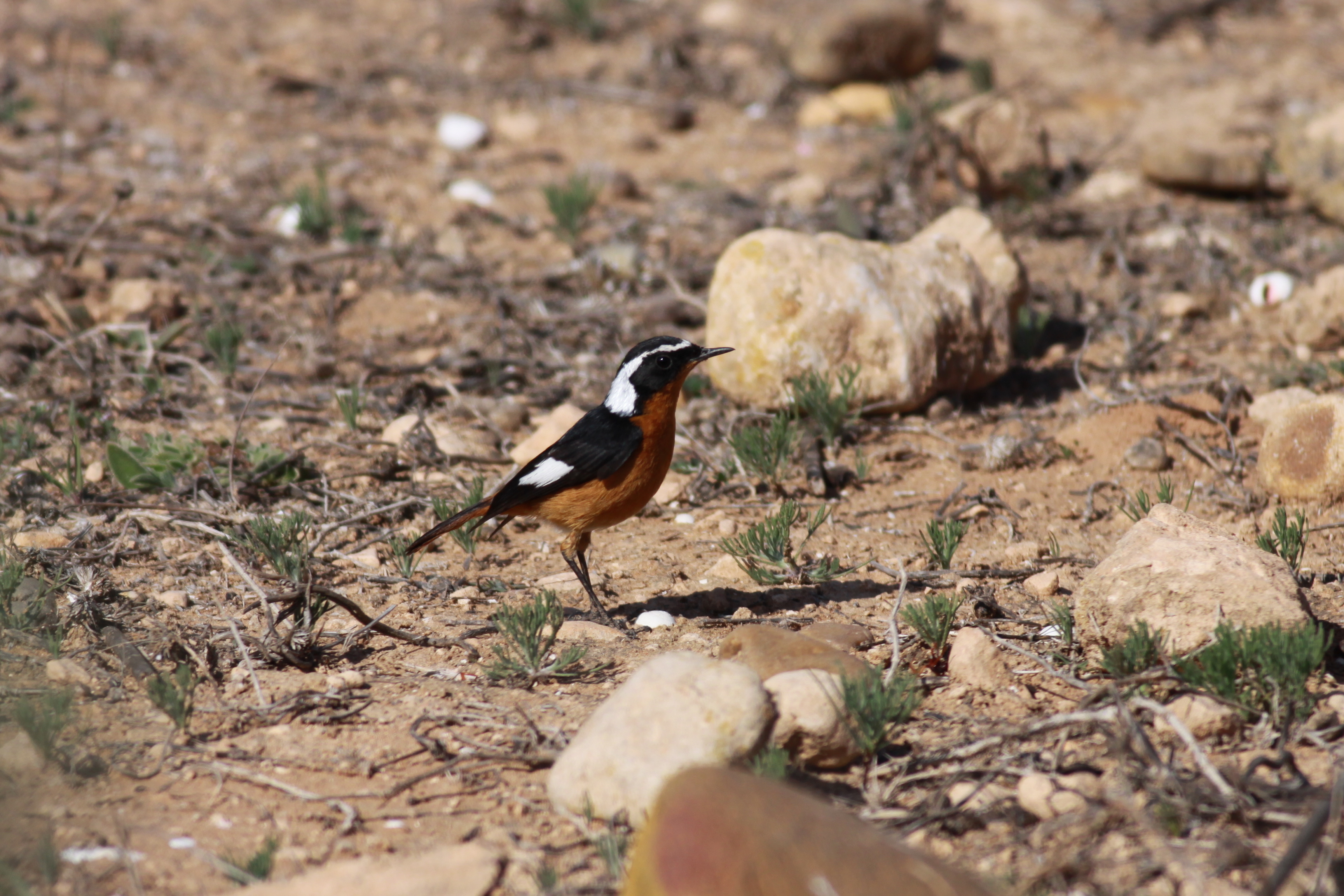
Moussier’s Redstart – when you get tired of looking at these ‘beauties’ it’s time to hang your bins up!

Black-shouldered Kite – too close to focus!

First of the days interesting species, Long-legged Buzzard

Red-rumped Wheatear – one of the more easily photographed desert species

House Bunting in the evening sunshine

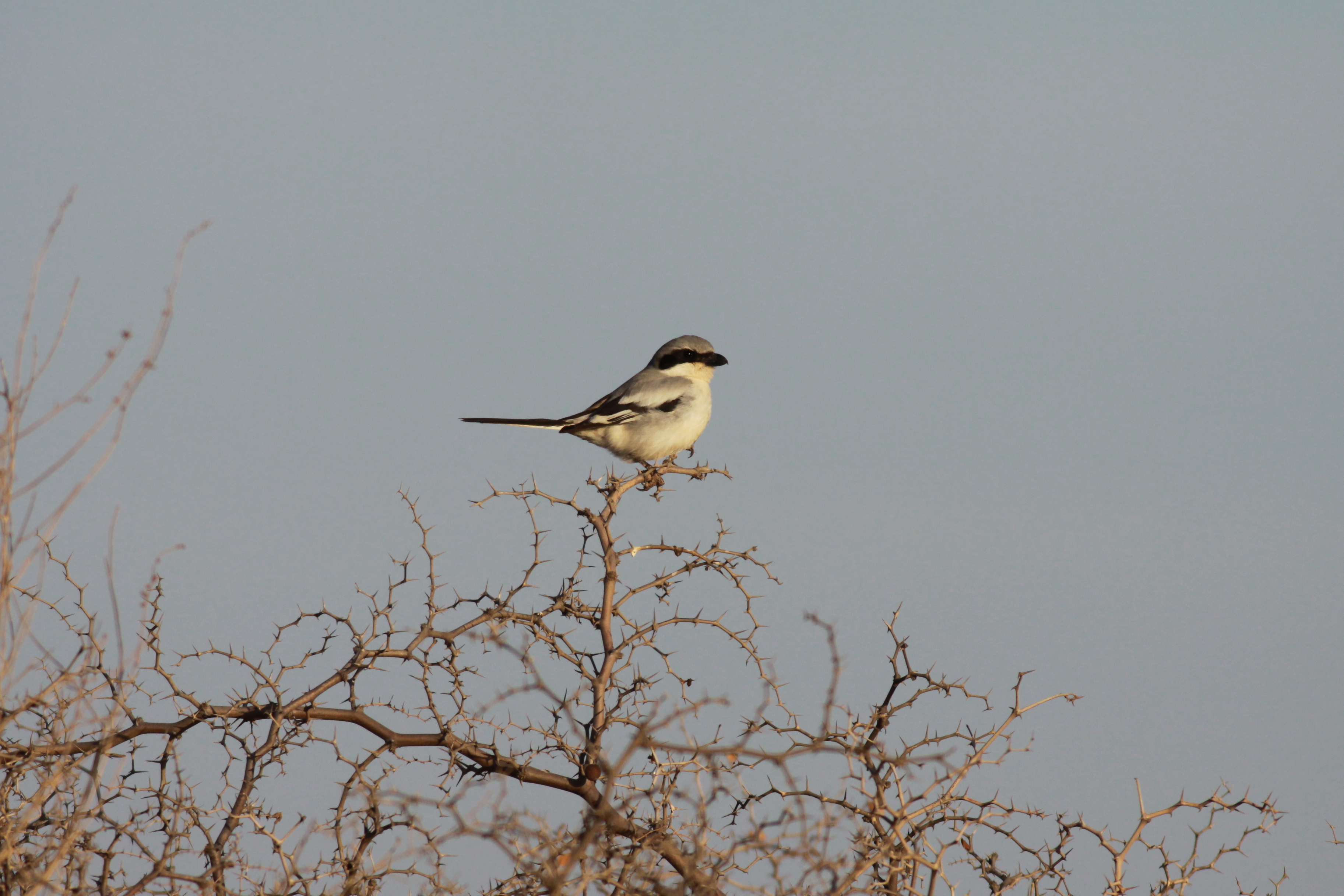
Great Grey Shrike of the ‘elegans’ race

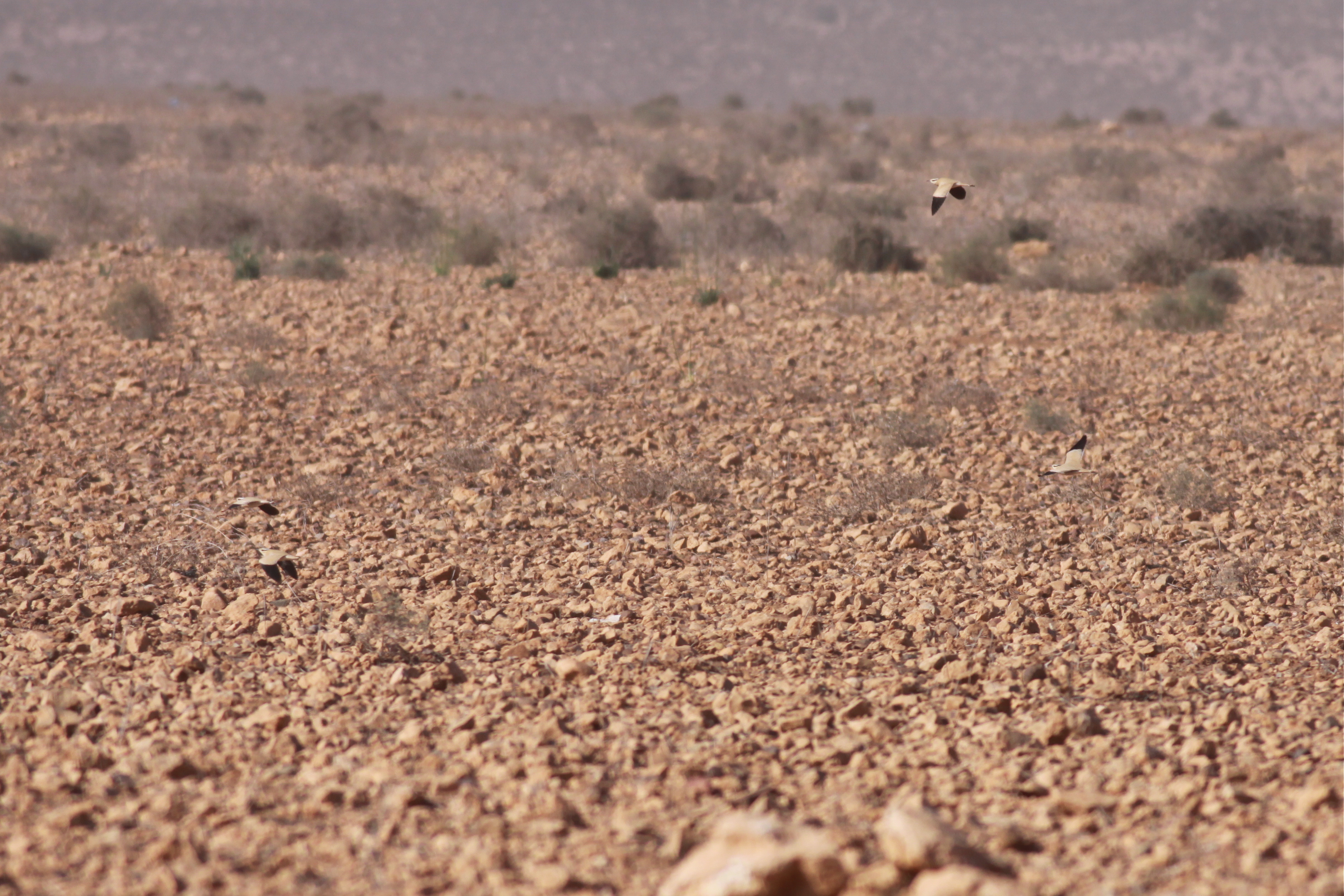
Seen in a half-hour ‘purple patch’ on the stoney plains, north of Tiznit – four Cream-coloured Coursers (birder’s equivalent to ‘Where’s Wally?’), and three species of Sandgrouse

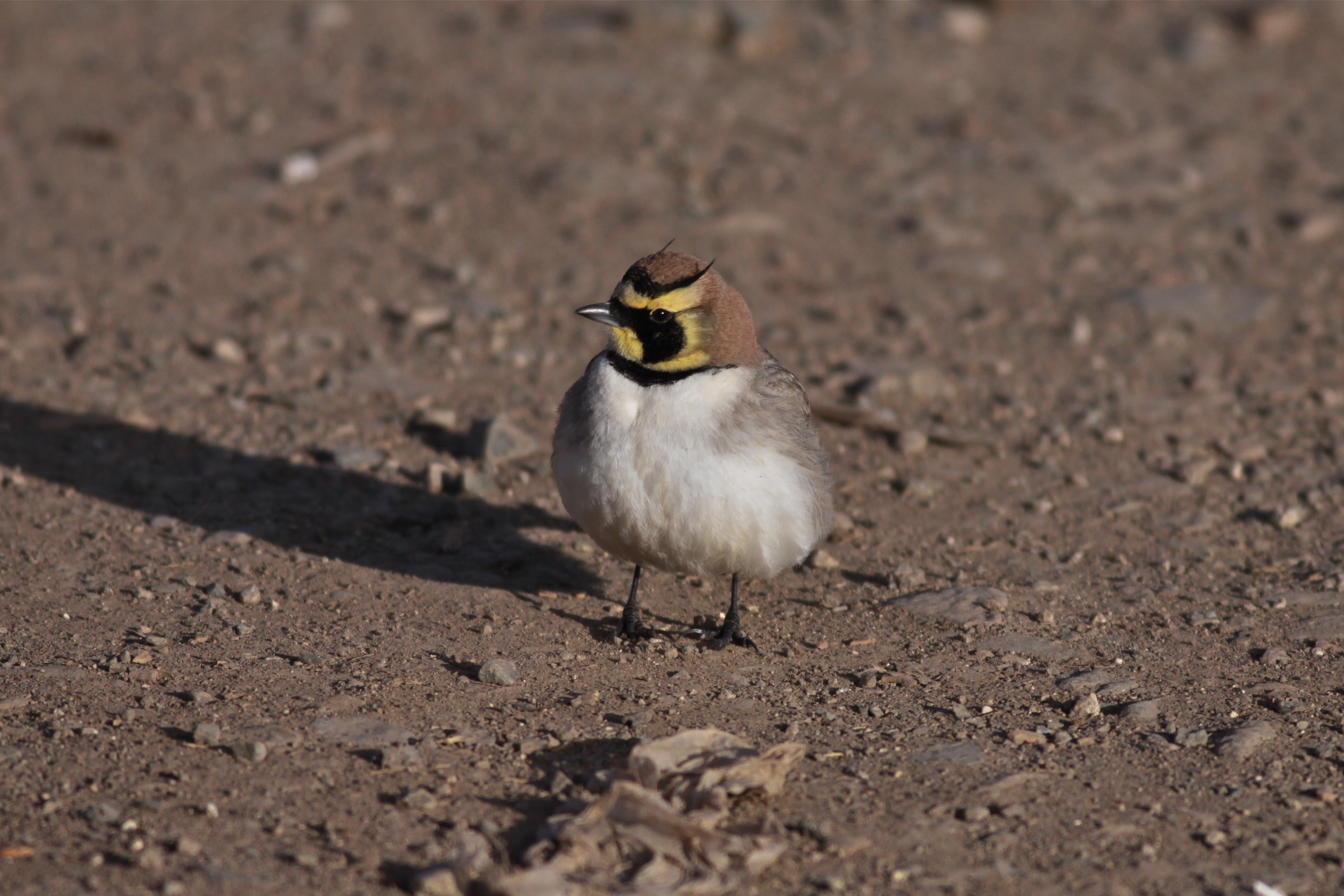
Together with Crimson-winged Finch, these Horned Lark were truely the highlights of a fantastic early morning bird watch around the ski resort of Oukaimeden

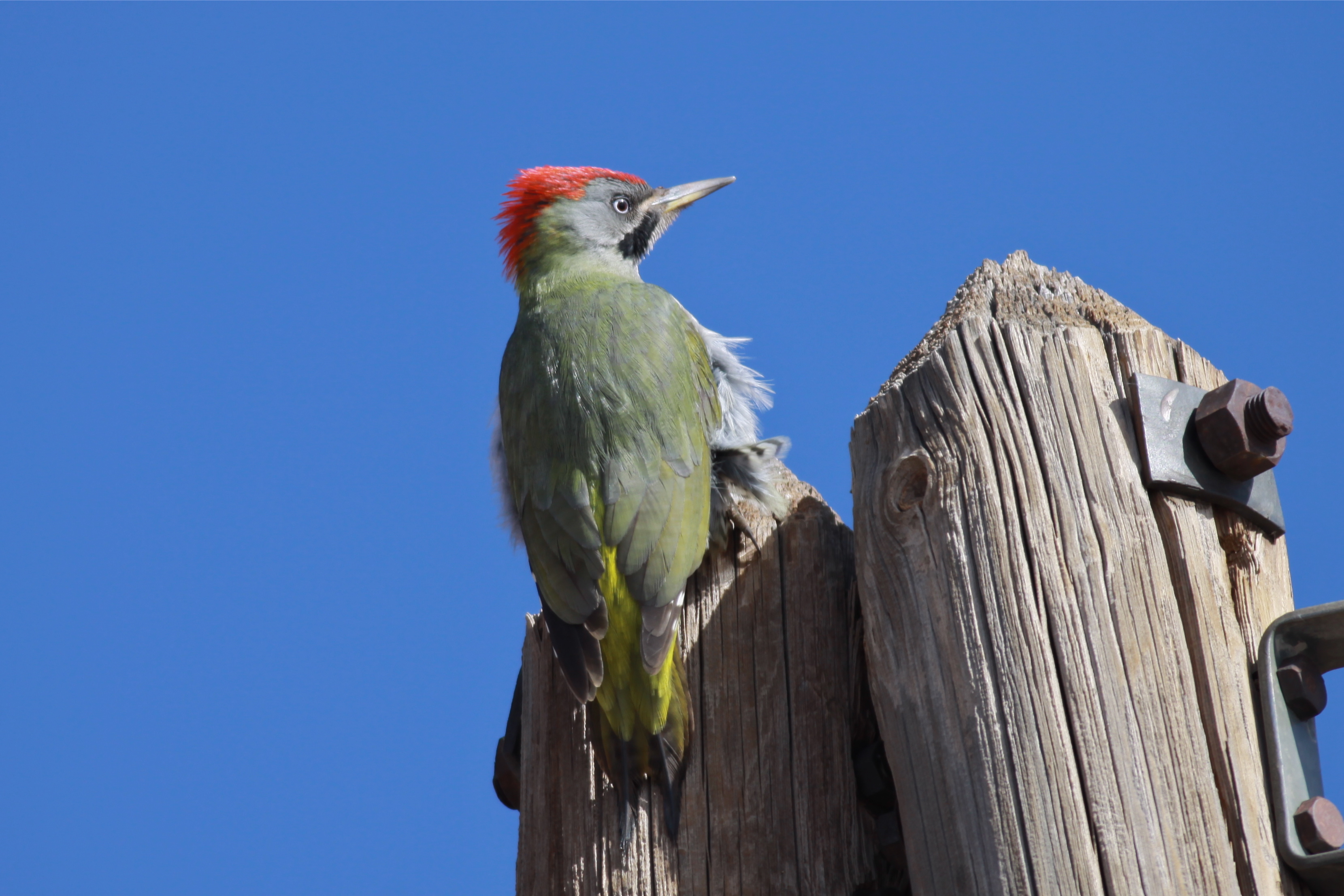
…apart from this little beauty that is – Levaillant’s Green Woodpecker!

Generally agreed to be amongst the best of the many GPOG trips, Morocco lived up to it’s promise and I’m pretty sure we’ll be back!