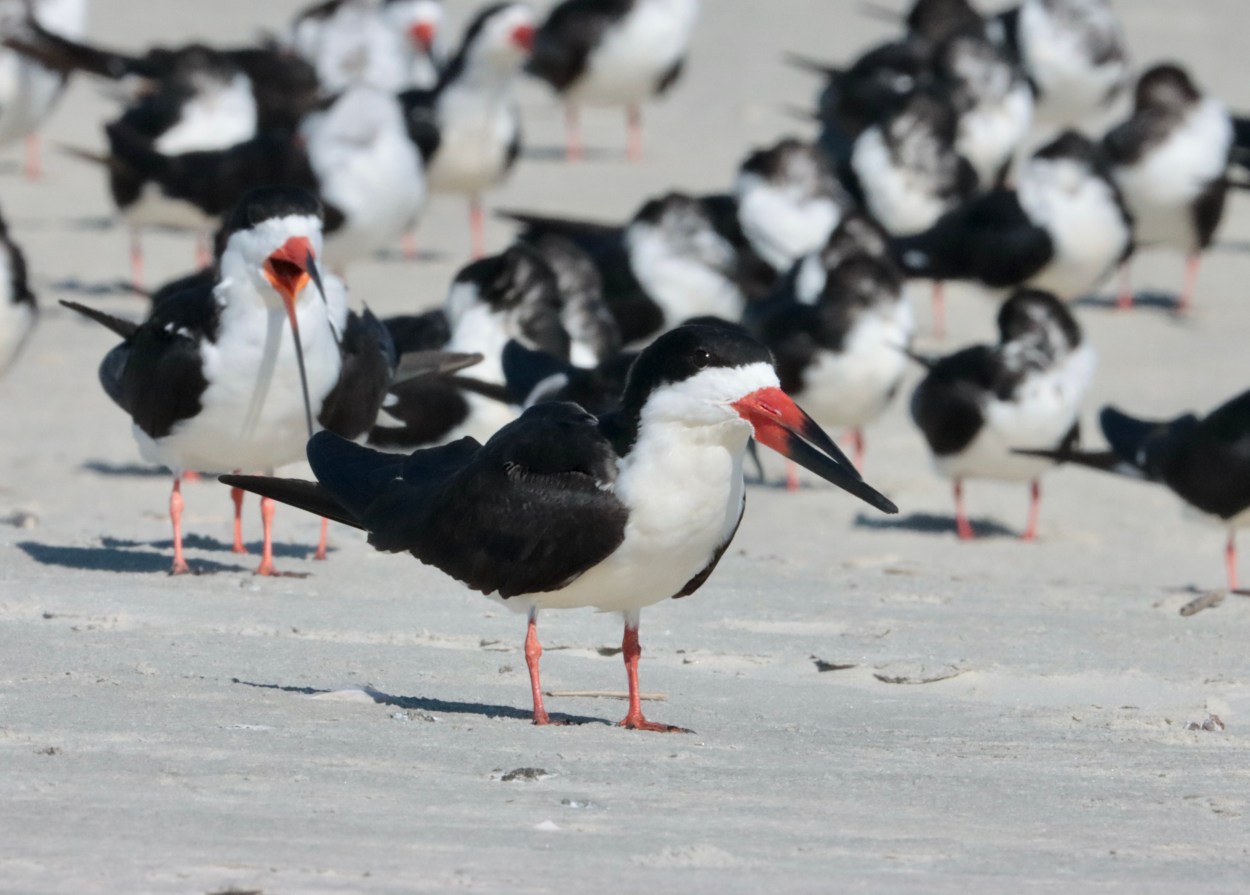
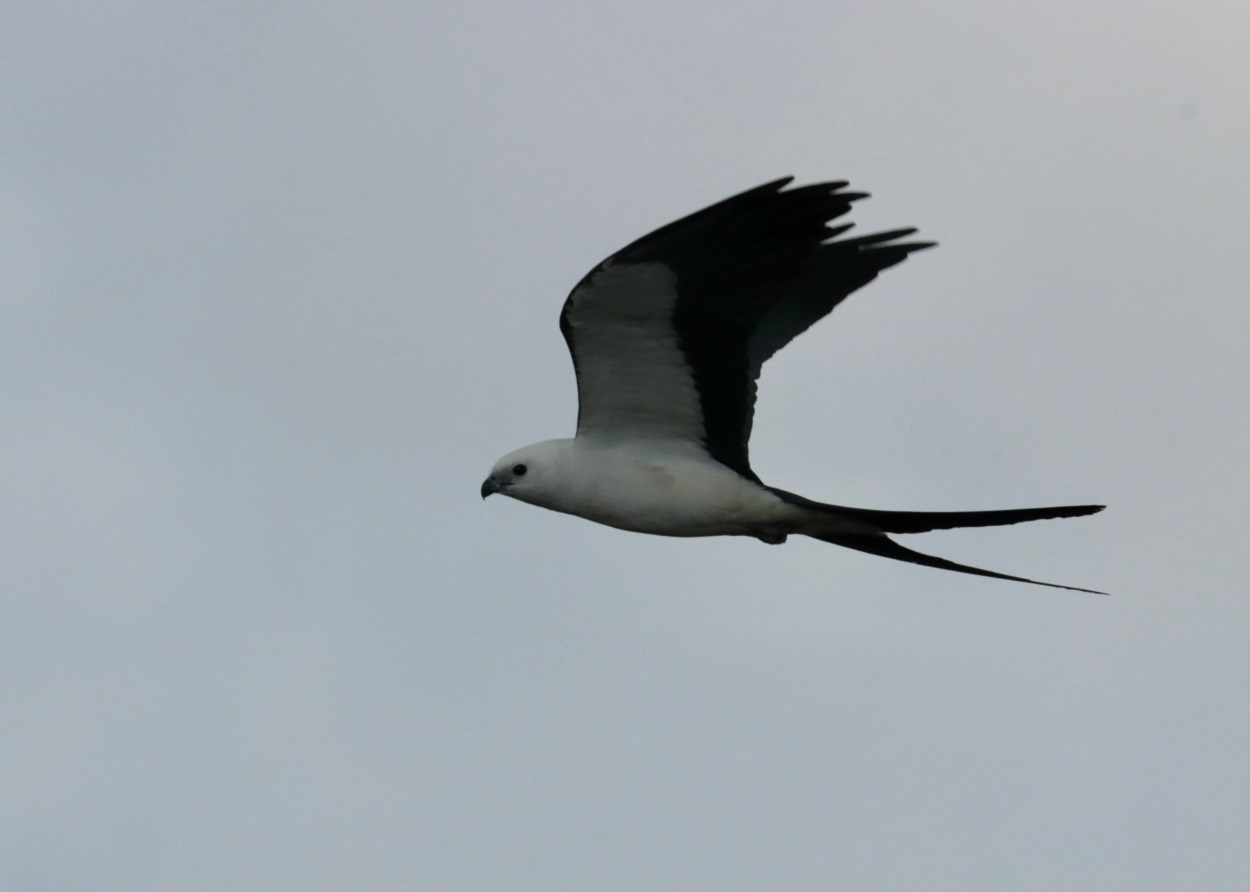
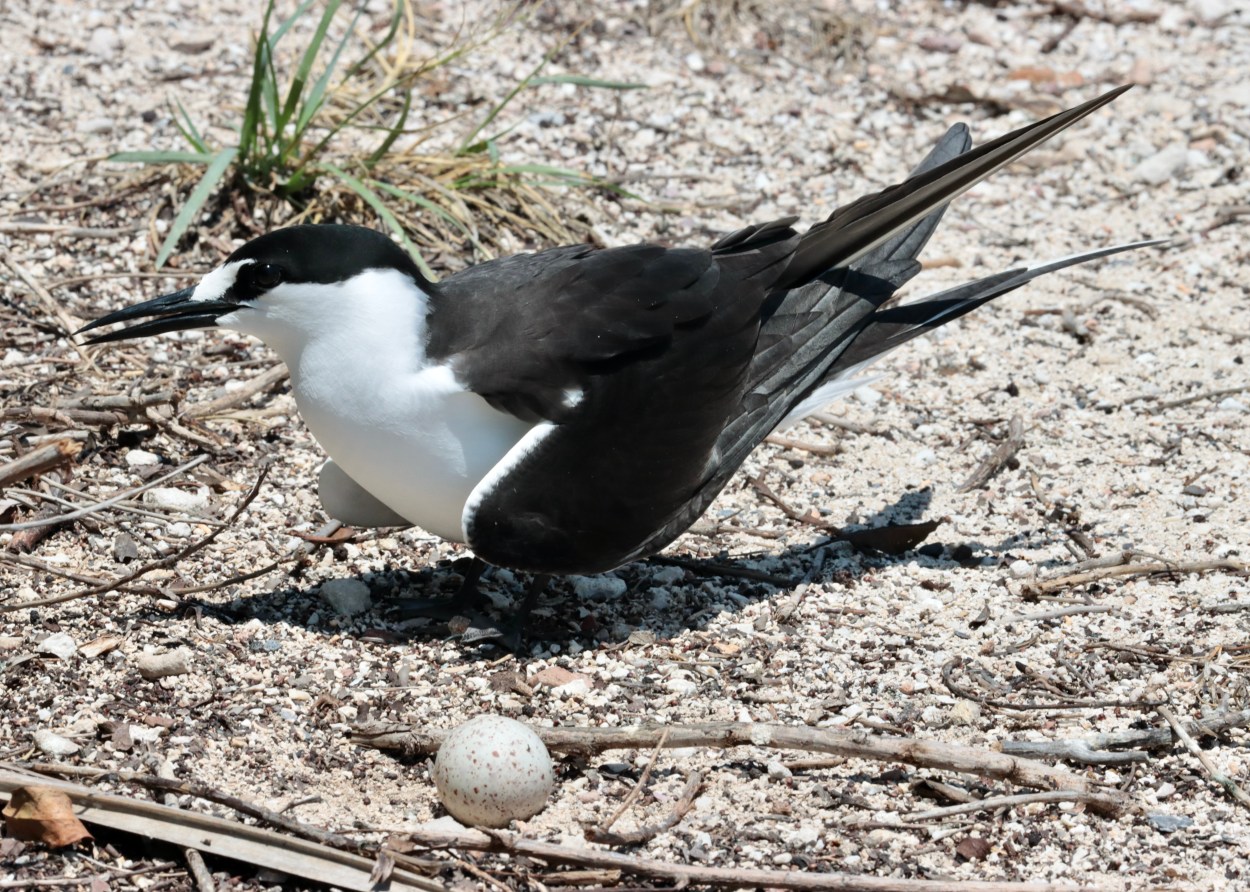
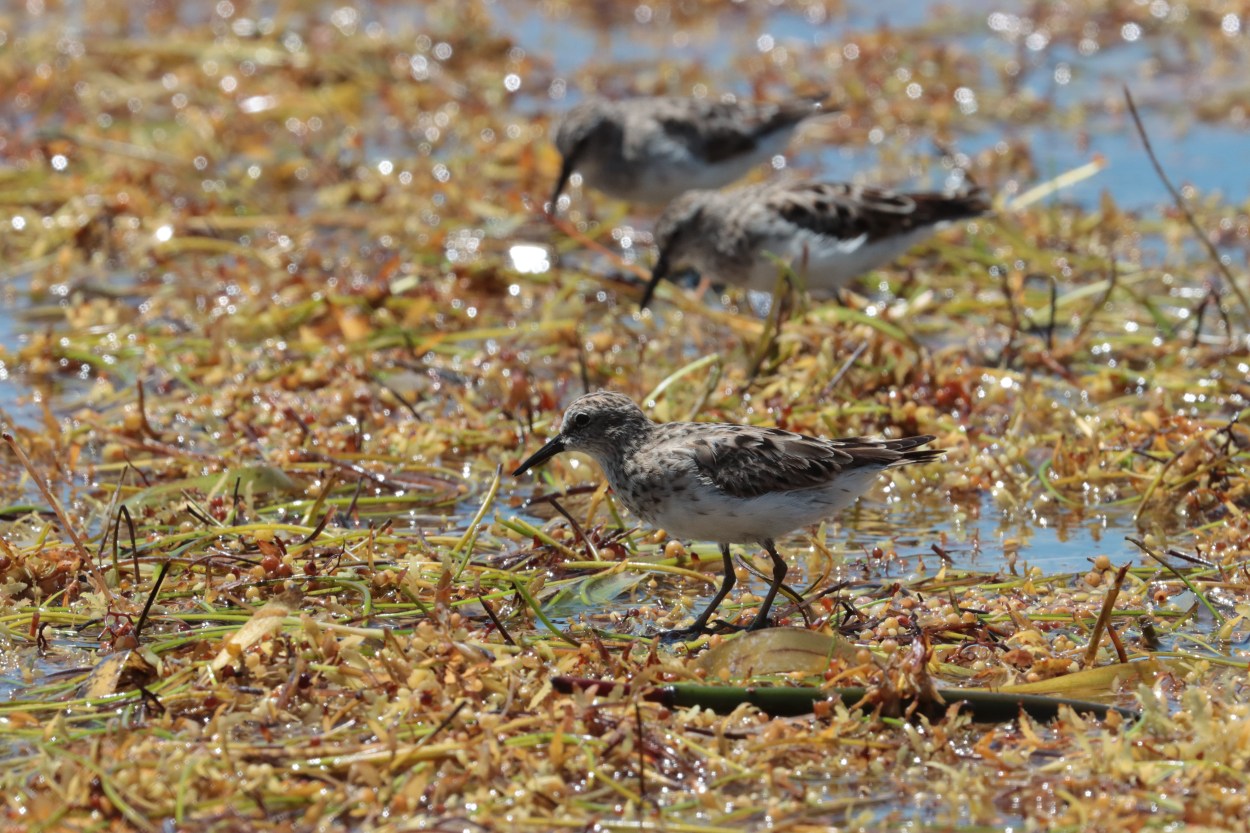
Our journey to Agra took us via the River Chambal, near the city of Dholpur. One of our main targets on the cruise – I say cruise but in truth it was more a ‘high-end’ rowing boat with an outboard – was Indian Skimmer, a threatened species with a fragmented population across northern India, Pakistan and adjacent countries. The only known breeding colonies are on sandbanks along the Chambal river. Unfortunately, with water-levels still high after the monsoon season, there were no exposed sand spits available for them to breed and, sadly, they were a ‘no show’. We did however see some nice stuff, including Gharial crocodiles, with their distinctive long thin snouts. The best birds were undoubtably Black-bellied Tern and River Plover.
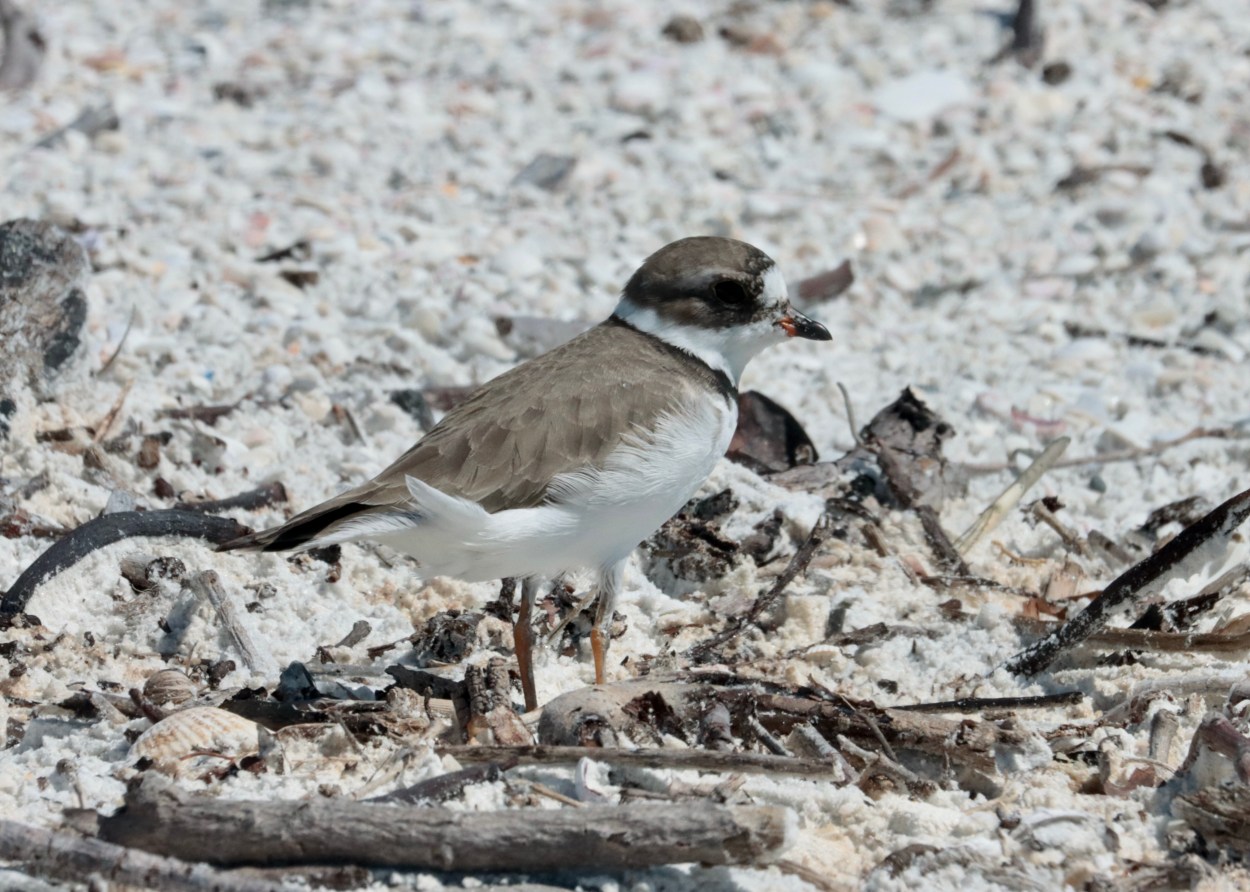
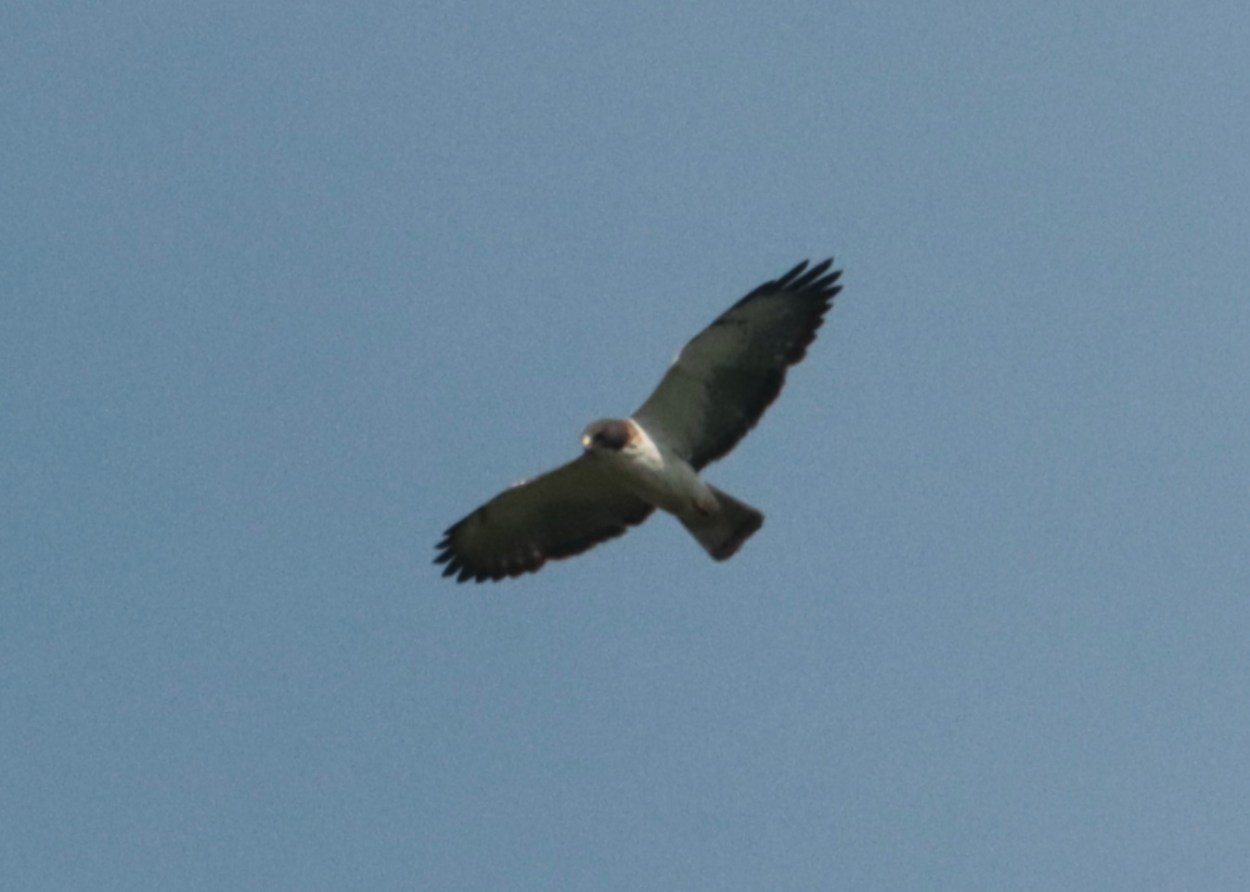
The Visitors Centre at the government run cruise centre on the Chambal River River Plover were an early target – seen on the shore around the ‘visitors centre’ and throughout the cruise in small numbersThere are eight species of turtle living in the Chambal River – several of them endangered. This one though is the common SoftshellAlong the sand cliffs of the river we saw our first Blue Rockthrush.. and Desert Wheatear – this one is practicing its levitation skillsThis Egyptian Vulture, taking a bath, was a bit of a surprise..as was this raptor seen overhead. Initially identified as Osprey, on closer views it turned into a splendid Bonelli’s EagleWe were familiar with Mugger Crocodile, having seen them earlier on the trip in the national parks and, previously, in Sri LankaWhat was new were the intriguing, fish-eating, Gharial Crocodile – with their distinctive long thin snoutsKentish Plover were another addition to our bird list..and then there were these – absolutely stunning Black-bellied Tern, which flew up and down the Chambal RiverOne of them was wearing a leg-flag ‘Y63’. If anyone knows how to get in touch with the ringer please do let me knowThey’ve built a new bridge over the Chambal River at Dholpur – seen here in the background. That’s because the old one, in the foreground, gets flooded during the monsoon! You can see the debris on the old bridge, caught on the pillars under the carriageway! I estimate that must be 6-8 metres above the level of the river. That’s a lot of water!
With the monsoon season in India being late this year there were still plenty of wetlands around Delhi for us to bird – including in the national parks of Ranthambhore, Bharatpur and Sultanpur. But we found herons, storks and cranes in other areas as well. Here is just a selection.
Painted Stork were a feature of the trip – seen at most sites and in the skies above us as we travelled – spectacular birdsPurple Heron were relatively common in the wetter areas – I counted 19 at one stop in BharatpurAs were Cattle Egret – here’s one making friends with a NilgaiOther stork species included Woolly-necked – seen in one’s and two’s at a number of locationsAlong with Asian Open-billsAnd perhaps my favourite – Black-necked Stork. Actually green and purple in the right light!Intermediate Egret can take some sorting out....but when seen with GreatEgret the size difference is readily apparent – as in this record shotBlack-crown Night Heron are generally crepuscular but this adult was out in the mid-day sun – like us Britishers!Grey Heron remained a note-worthy species on our trip. Here seen with Great Thick-kneeon the Chambal River – featured in a future blog!
But the winner in this category has to go to Sarus Crane. Seen first, with tantalising views, from the train, then breeding in Bharatpur (3 pairs) and finally in open agricultural country from the canal bank. Stunning birds..
On our recent trip to Bharatpur we came across some interesting numbers.
In this fist table you can trace the growth of the eco tourist trade, its economic value (peaking at over £200k pa) and, in recent times, the devastating impact of covid. I love that it is still filled in by hand – no electronic display boards here!
This second table, ‘stitched’ back together from eight separate photos, tells a more grizzily tale from the times when Bharatpur was a shooting preserve of the raj. Highlighted are a couple of notable participants, the maximum number of guns and the highest recorded bag.
With a maximum count of over 4000 ducks shot in one session this monument does represent a shameful bygone age, which only came to an end in 1964.
The focus of our birding was obviously in the national parks which formed the centrepiece of our recent trip to India – Ranthambhore, Bharatpur and Sultanpur. But in our ‘down-time’ we were able to bird a number of locations near our hotels or on route. As always we found interesting birds in the most inauspicious places. In the rubbish-filled ditches, down builders tracks, from railway carriages, in lay-bys near busy road junctions, on ‘cricket pitches’ and in any neglected places – there were birds to be seen and additions for our trip list!
Our second hotel at Bharatpur was ideally situated to take in the local wildlifeDown a near-by builders track a wealth of birds awaited discovery– including this Yellow-eyed BabblerThis elegant Tawny Pipitthe more familiar WryneckChestnut-shouldered Petronia. Previously called Yellow-throated Sparrow – a field-mark just visible in this shot..and several Green Bee-eaterIn the hotel grounds our only sunbird – this is Purple ..and Brahminy StarlingOn scrubby ground in front of our Ranthambhore hotel we found Indian Bushlarkand the not dissimilar Paddyfield Pipit In near-by undergrowth, Black Redstart – the red-bellied eastern raceOne of our best excursions was along a canal bank – great for a range of farmland and wetland species – and providing interest for the local labourersBank Myna, mixed in profusion with weavers, wagtails and babblersStriated Babbler – a reed-bed specialistThis site produced our only Grey-headed Lapwing – record shotClose-ups of Purple Swamphen (Asian)and stunning views of Ruddy-breasted CrakeAt a busy road junction we attracted quite a crowd – here Mohan our guide shares his binoculars with the localsMeanwhile the rest of the group are enjoying good views of waders, waterbirds and wagtails – this is Citrine WagtailIn the palace gardens at our Chambal River cruise lunch-time stop we had a good selection of birds – including Eastern Orphean Warbler..and, of course, the default phyllos species – Greenish Warbler
Our lunch-time stop in a very birdy spot – what’s not to like about birding in India!
Talk to any birder about India and they say ‘you’ll love Bharatpur’ – and so we did. This premier site – proper name Keoladeo Ghana National Park (named after a Shiva temple within its boundaries) – is a man-made and man-managed wetland, spreading over 29 square kilometres. Designated as a national park in 1982, a World Heritage Site, this special place plays host to more than 350 bird species. Unfortunately this year the exceptionally wet monsoon season had delayed the arrival of many species and the high water-levels meant that the birds which were there were well spread out – compounded by much of the park being off limits to regular visitors. The public areas of the park are only accessible on foot or by pedal-power, which does mean there are large areas which remain relatively undisturbed – unsurprisingly these proved the best for birding. The dominant feature are the wetlands – vast shallow lagoons which dry out completely in the hot months – but there are also areas of rough grazing, scrub and riparian woodland, holding a rich diversity of species. Here is a sample of what we enjoyed during our five day stay.
But first we had to get there – a four hour train ride away from Ranthambhore..and then there was the ceremonial welcome at our hotel, Surya Vilas PalaceOnce inside the park we were transported on a ‘fleet’ of sedate rick-shaws – a marked contrast to our earlier jeep safaris! So what about the birds? A network of tracks between numerous lagoons afford great views of the water birds – here the aptly named Bronze-winged JacanaWith luck and persistence you might strike it lucky with this prize skulker – Black Bittern. We found two – neither easy!In the surrounding trees the default hornbill – Indian Greyand at one stop the brightly coloured Indian Golden OrioleMore subtle in appearance but equally as engaging, Pied Bushchat – this is the maleBluethroat is a regular winter visitor – this individual was more colourful than mostWhite-eared Bulbul (why not yellow-vented I’ve no idea!) is restricted in range but common at BharatpurThe drier scrubby areas had obvious shrike-appeal – this was the only Bay-backed we got good views ofRaptors were ever-present with a good number of the larger eagles sat up on prominent perches – but this Imperial Eagle was our first and onlyClose-by was this, our only Pallid HarrierBut perhaps one of the ‘best’, certainly most intriguing, was this bird – shape, structure and behaviour of a Moorhen but looking more like a Spotted Crake!Any comments welcome…
A fabulous place and my kind of birding – wander about and find your own. Bharatpur certainly didn’t give up all it’s secrets this time, leaving a return match a real possibility – but they’ll certainly have to sort out the visa situation before that happens!
During the course of our recent two week trip to India we came across a few night birds – all of them roosting-up during daylight hours. Most were known ‘stake-outs’ and I’m sure, with a bit more pre-planning, we could have added to the list – but what we did see gave that tingling feeling that only this group of birds can give when seen in favourable conditions.
Spotted Owlet were common – we managed to see them in multiple locations, including in front of our hotel in BharatpurWe stumbled into this Brown Fish Owl close to our tiger siteEventually confirmed as Grey Nightjar, this was a complete jam-in on our way out of Ranthambhore NP at closing timeThe rick-shaw ‘boys’ passed this Collared Scops Owl roost, close to the main path, several times a dayDespite their size – over half a metre tall – these Dusky Eagle Owl were difficult to locate in their shady roosting sitesLast of our night-time species – this Indian Nightjar sat obligingly on a tree close to the main path in Bharatpur
To give ourselves the best chance of seeing Bengal Tiger we had dedicated four days to visiting Ranthambhore National Park, staying at the Kothi Hotel, ten minutes from the main gate. In the event we struck gold on our first game drive – enjoying close and prolonged views of a young pregnant female – see Tiger Tales for the full story. With six more game drives booked and the group split over three vehicles this left us in a tricky situation. It also rapidly became clear that very few of the park rangers – in charge of each vehicle – had more than the most basic knowledge of the birdlife and, with pre-booked routes for each drive, this generally resulted in ‘hit and miss’ encounters with suitable habitat, vantage points and hence birds! Pre-programmed for tracking down the ‘striped beast’ it was also difficult to get the guide & driver to drive slowly, stop for a ‘little brown job’ or manoeuvre vehicles to get the best photos. Despite these obvious drawbacks we did get to see some great birds which, in the end, most of the group managed to catch up with. Here is the evidence..
Grey Francolin had been encountered earlier in the trip but gave themselves up easily in RanthambhoreIn contrast, these Painted Spurfowl were rarely seen other than darting across the road in front of the jeepsIt was easier to get the guide & driver to stop for large road-side raptors like this Crested Serpent Eagle..or this ShikraOne pull-off, overlooking a lake, consistently produced the goods including close views of Great Thick-knee..and these superb River TernA regular ‘car-park’ bird was a group of Ashy-crowned Sparrow Lark, this is the striking maleOn the lake itself more wildfowl interest – the only whistling-duck species we encountered – these are Lesser and Ruddy ShelduckAlong the various watercourses connecting the lakes we found White-browed Wagtail – Pied Wagtail on steroids! Initially we had difficulty separating young waterhen from Brown Crake – the key was the dark under-tail covertsof the crakeNo identification issues however with this diminutive heron – this is Striated Bush birds were seldom evident – this rare ‘mixed flock’ contained several Common WoodshrikeCommon Iora..and the ubiquitous Indian RobinSometimes we just let the birds come to us – see the Jungle Babbler on the drivers seat!.. and sometimes they were too busy to notice us at all! – Alexandrine Parakeet
You’d think sitting in the back of a jeep all day was a relatively relaxing affair but nothing could be further from the truth. The relentless bouncing and bumping, the dust, and constant attention demanded to see birds whizzing by at 40kph left us at the end of the day wrung-out – but generally content. As the sun goes down over Ranthambhore and the Bengal Tigers commence their twilight pursuit of ‘tiger chocolate’ – as the guides nonchalantly referred to the Spotted Deer fawns as – it’s back to the hotel for a swim and a welcome beer!
Andy and Jane at the entrance to Sultanpur National Park – an internationally recognised RAMSAR site
Our first full days birding was an excursion to Sultanpur National Park – now a RAMSAR wetland, situated 50k from Delhi, on the outskirts of the adjacent city of Gurugram. The area was previously associated with salt extraction until the beginning of 20th century and later a popular hunting ground for colonial and military personnel from Delhi. Sultanpur is situated along the Central Asian fly-way and plays host to around 250 bird species – 70 are resident, while others come from distant regions including Siberia, Afghanistan and Europe. The designation of Sultanpur as a nature reserve is largely credited to British ornithologist, Peter Michael Jackson, former honorary secretary of the Delhi Birdwatching Society. It was his letter in 1970 to the then Prime Minister of India, Indira Gandhi, which led to the recognition of the site, first as a bird sanctuary then later a national park – with subsequent designation as an internationally important RAMSAR site. Sultanpur covers approx 150 hectares, with water levels in the main lake maintained by a pipeline connected to the Yamuna River. With its close proximity to urban centres it is a popular destination for school parties and general visitors – even so it remains a great location for birding.
White-breasted Kingfisher are not restricted to wetlands – we saw them pretty much everywhere – but this one came closer than most!Along the trails were plenty of migrant ‘bush birds’ including this colourful Red-breasted Flycatcher
..and this Common Hawk Cuckoo, which remained stubbornly hidden in the bushes
Unsurprisingly, water birds are a main attraction with plenty of ducks, geese and herons to look at – these were our first Comb or Knob-billed Duck
Cotton Pygmy-goose – with the emphasis on ‘pygmy’ – are smaller than Common Teal!These were a particular target for me – Spot-billed Duck (Indian)Our first encounter with the default shrike species – Long-tailedOther ‘bush birds’ included these arboreal Olive-backed Pipits – showing the distinctive white eye spotthe more familiar Eurasian Hoopoeand pretty Small MinivetBack at the lake a Nilgai grazes along with Cattle Egret and, in the background, Pintail, Shoveler, Teal & PochardWith so much potential prey around the presence of raptors is inevitable – these were our first Indian Spotted and Booted Eagle
But soon it was time to go and we joined the increasingly busy commuter traffic heading for Delhi. This is not a carpark as you might at first think but the queue to get through the motorway toll-booth! Welcome to India!
Our recent India birding adventure began in Delhi. We had a comfortable flight on Emirates, via Dubai, landing in Delhi late morning. Glad to have left the traumatic experience of visa applications and immigration control behind us, we were met by UK tour manager Andy and Ved, our ground agent. A short coach ride took us to The Grand Hotel – our base for the first couple of nights. After a relaxed lunch we birded until dusk in Lodhi Gardens, a nearby city park – getting our India birding eye in.
Jane and Nicola at Delhi airport – met by Ved, our ground agent
Wildlife in our Delhi hotel garden included Red-wattled Lapwing around the pool
The historic palace in Lodhi Gardens – popular place with Delhi residents after work – formed a spectacular birding backdrop
Any urban birding is going to include crows – here the two common species, House (Jackdaw-like) and Large-billed
High on Neil’s ‘must see’ list was Yellow-footed Green Pigeon – superb things. In the end we saw thousands!
How many times did we hear this creature and go looking for an exotic bird! – Five-stripped Squirrel
Treepie were generally inconspicuous in Thailand – here Rufous Treepie were cocky, ‘pick-pocket’ birds
No birding trip is complete without a woodpecker – the default species around Delhi was Black-rumped Flameback
Even the starlings in India were interesting – these are Asian Pied
We saw several babbler species during the trip – these Jungle Babbler, with their squeaky toy call, were the commonest
But the biggest surprise in this inner-city garden was this regal Black Ibis, with it’s crimson crown – feeding on the irrigated lawns
After a hard afternoons birding, it’s good to get back to your B&B and put your feet up
The following day was an excursion to Sultanpur National Park, an up and coming birding hotspot on the outskirts of the city.
We’ve just returned from a two week – two centre trip – to India. After a couple of nights in Delhi acclimatising to our new surroundings, the weather and wildlife we travelled by train to Ranthambhore national park, with the primary objective of seeing Bengal Tiger. We were lucky enough to see a young pregnant female on our first safari – not so lucky for the remaining six safaris, when we only saw fresh tracks and heard alarm calls! Still, we did see a good variety of other animals – including Sloth Bear – snakes, and plenty of birds. Here is a taste of things to come!
Are you sure we’ve got all the cases? – our first experience of Indian railways!
In search of Bengal Tiger
Only 20% of the park is open to visitors. The public section is divided up into ten separate game drives – each drive is around 12k – 17k long. There are thought to be 80 tigers in total in the whole park – that’s less than two per safari. The odds of seeing one are pretty low!
Post Script: We subsequently learned that our tigeress had produced two healthy cubs!