I’ve just updated my 2nd June post about the Spectacled Warbler at Gun Hill with some better photos.
Weird or what
A month ago, having got back from our birding trip to Lesbos, practically the first birds I saw on my next ‘duty day’ at Cley NWT were Temminck’s Stints – a scarce species in Britain, but one we’d seen well in Greece only days earlier. Today I arrive at Cley, having just returned from Iceland, only to discover that a Red-necked Phalarope was on the reserve – last week we were seeing hundreds! How weird is that? Heaven knows what might turn up when we get back from Goa!
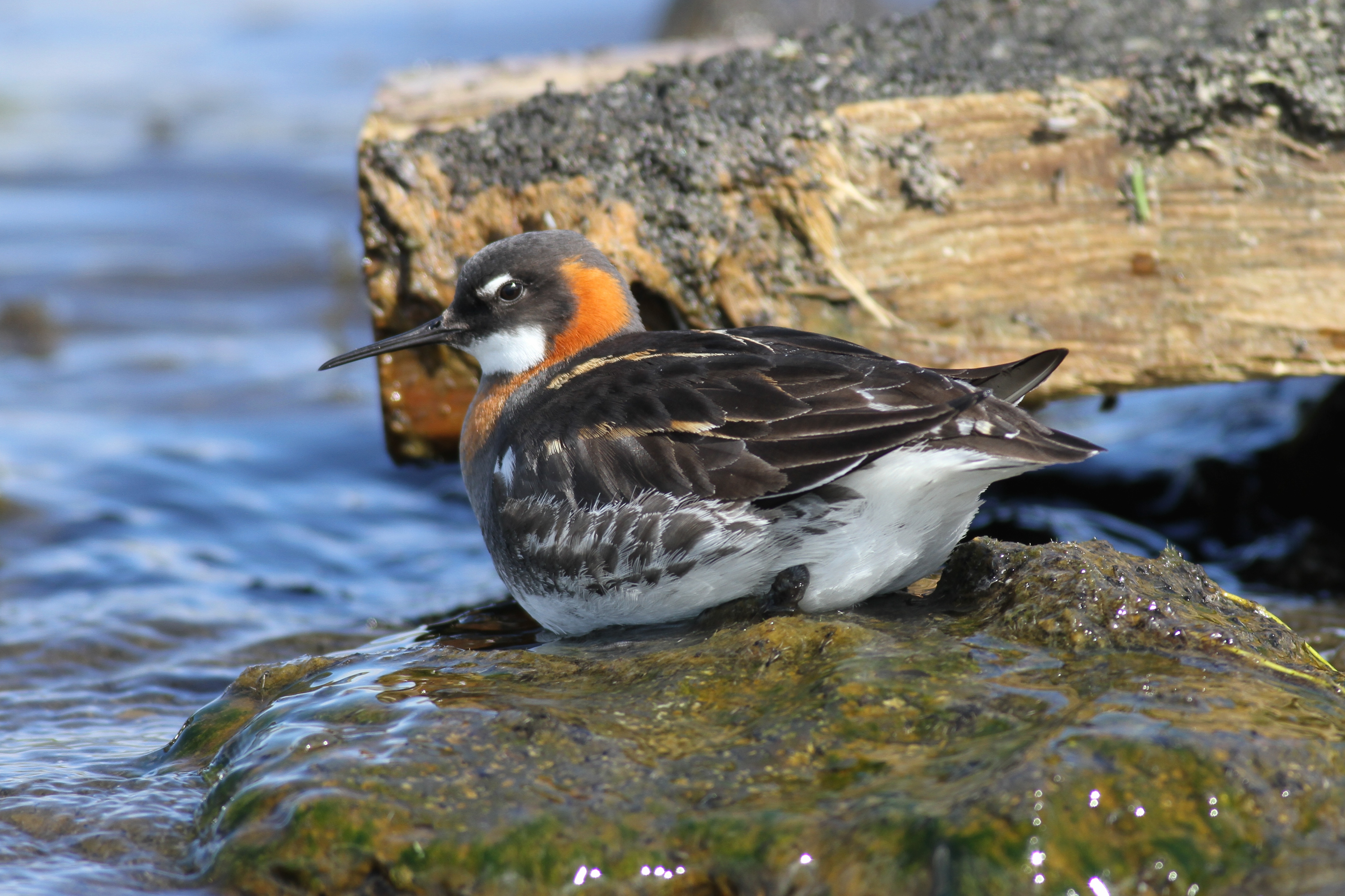
Although rather distant, todays adult female in full summer dress (a plumage we rarely see in Britain) was a real ‘spanker’. This digiscoped grab shot doesn’t do it justice:

However, it does give me an excuse to ‘show-case’ a few more RNP shots from Iceland!

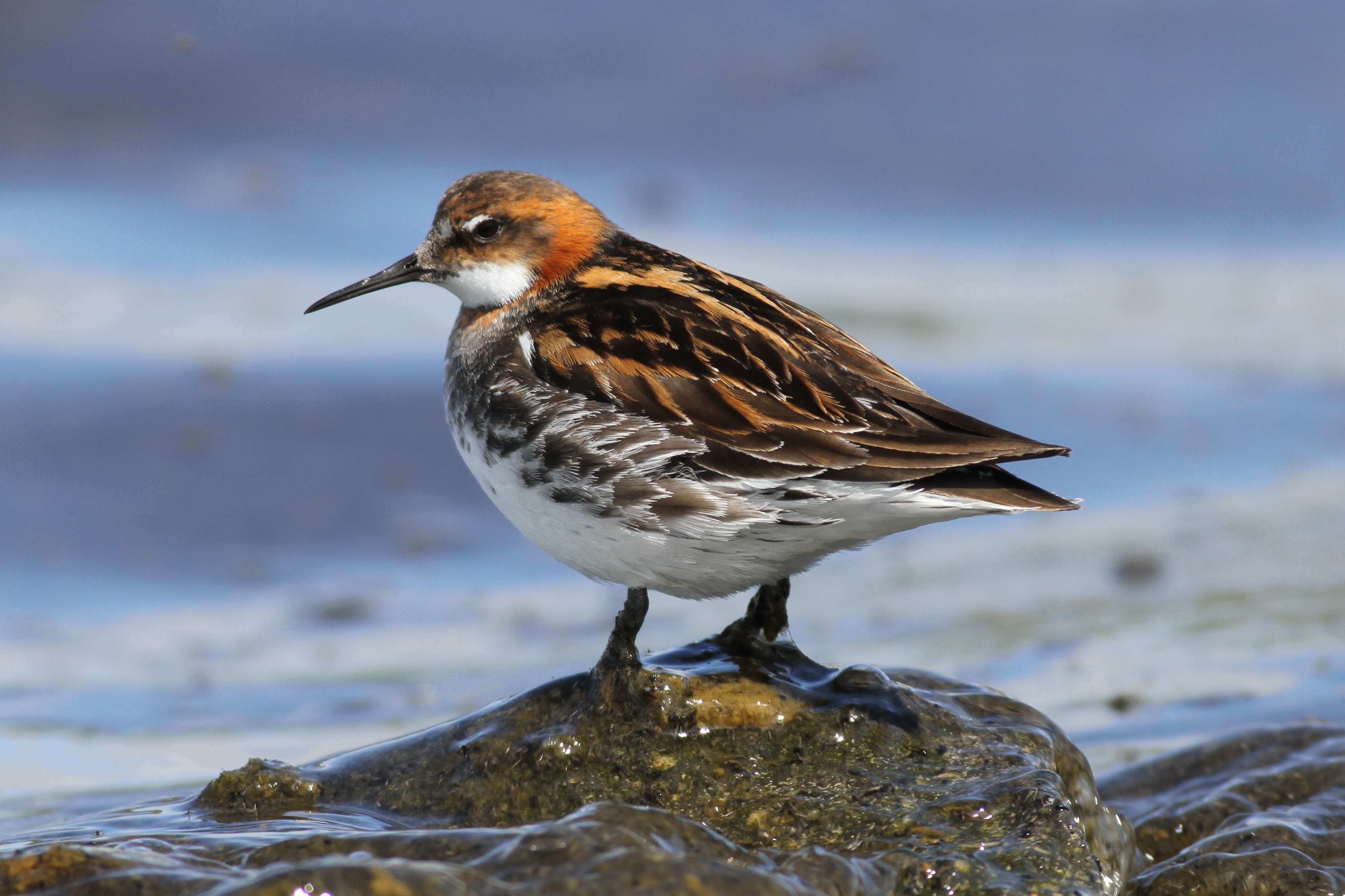
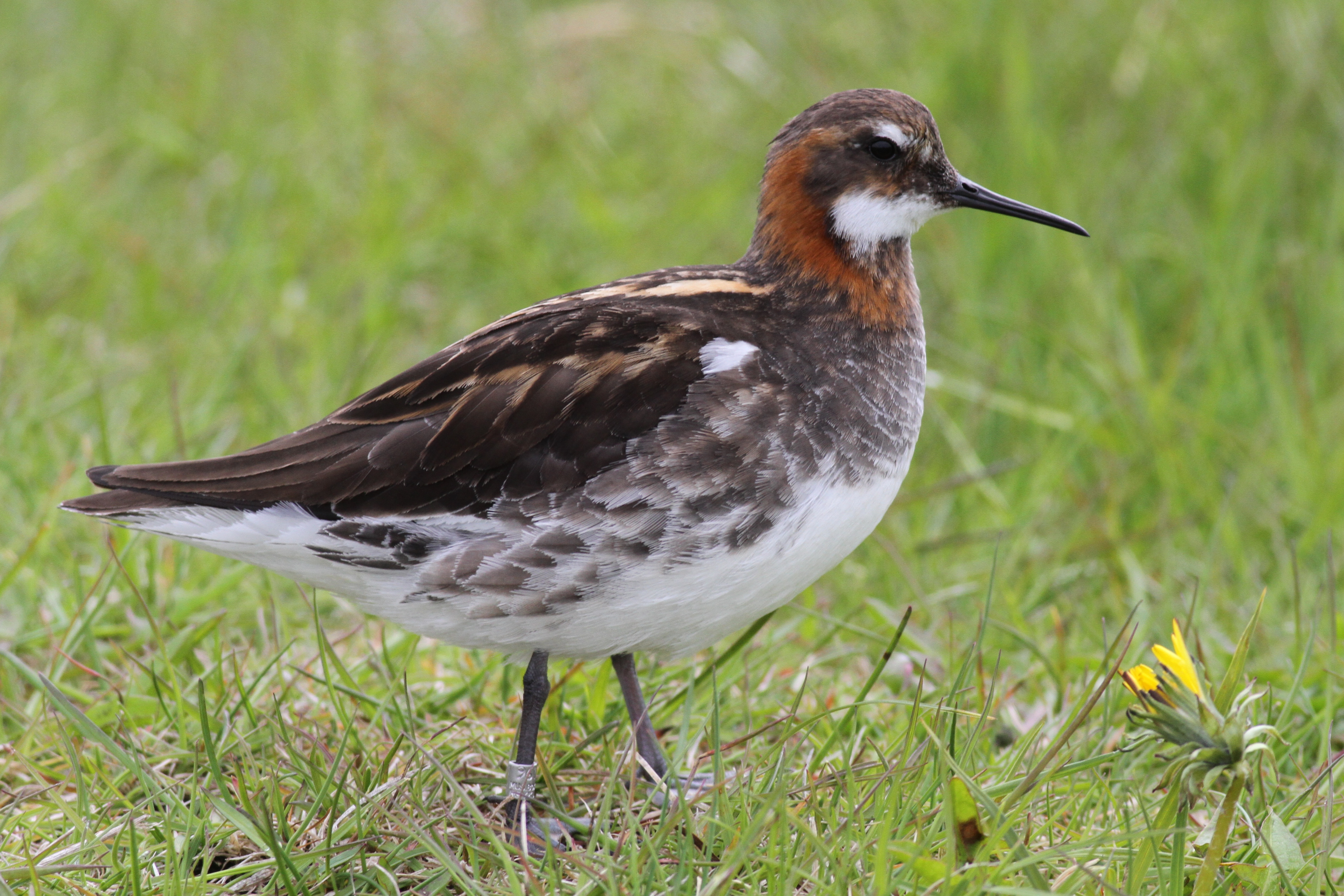
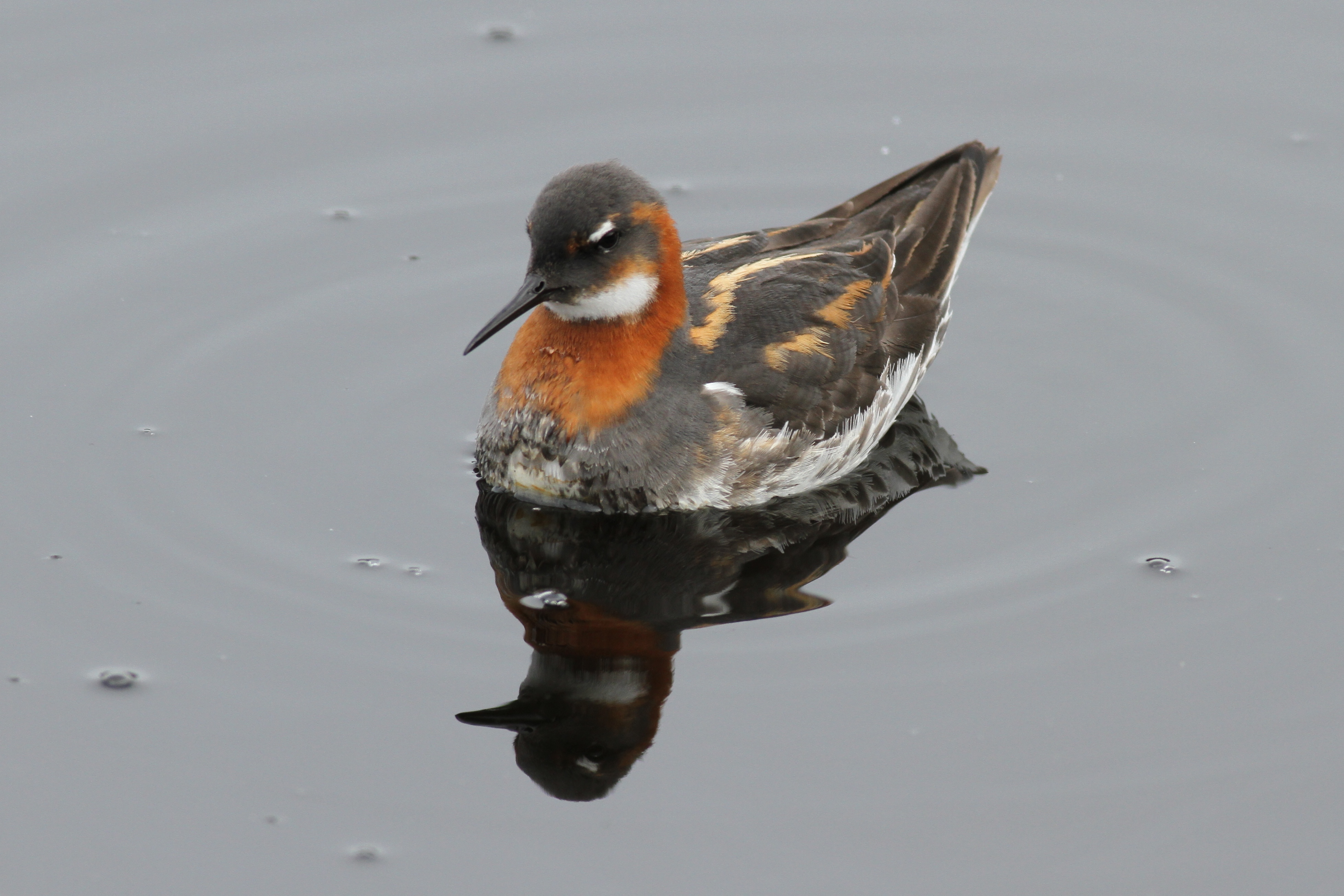
Aren’t they gorgeous..
Land of Ice and Fire

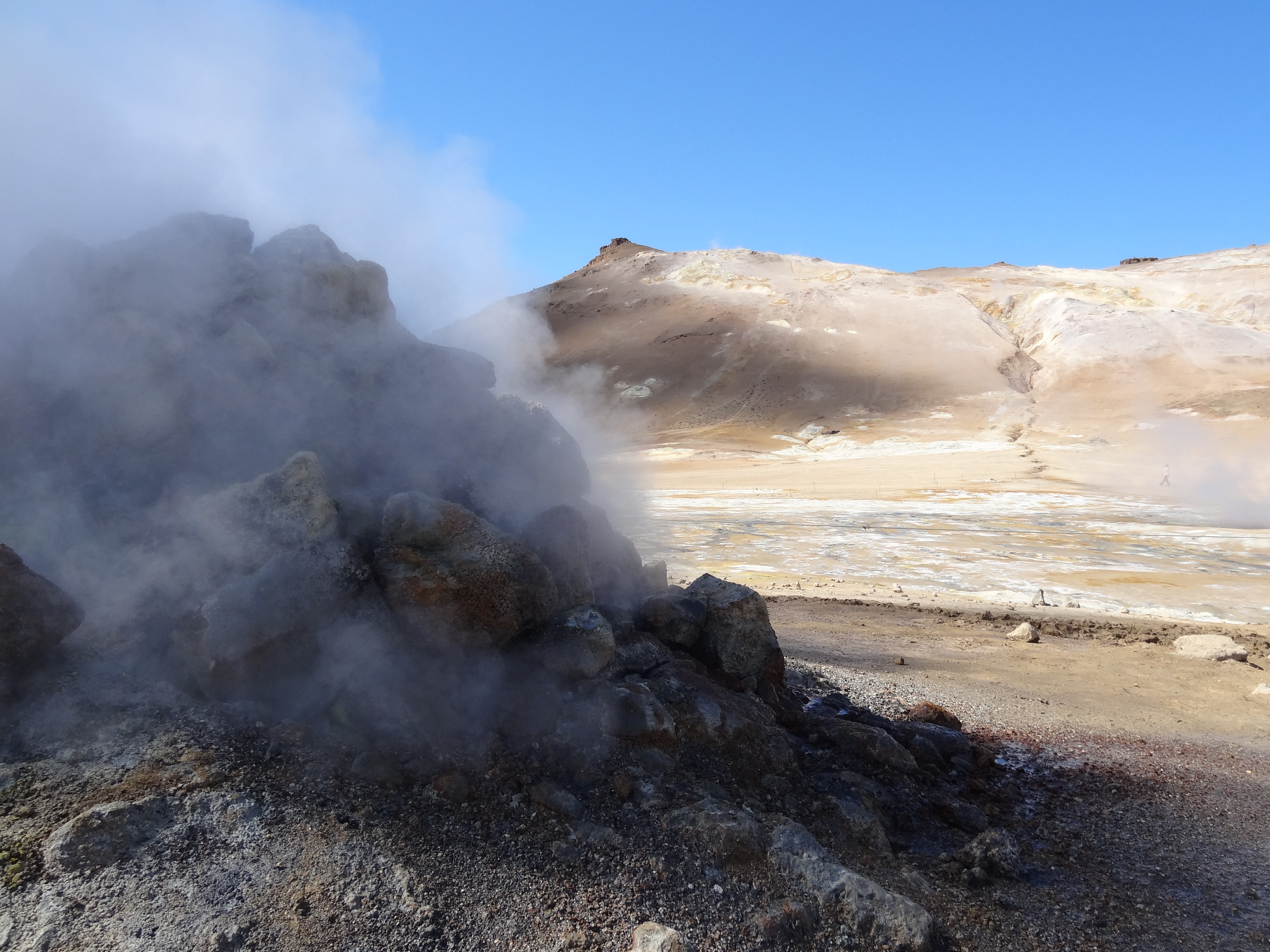
Last week we spent a few days in Iceland with brother Rob and his wife Gi from Australia and Bob and Sue, our long time birding buddies. We flew easyJet from Luton and stayed in two places – the excellent guesthouse and cafe of Vogafjos, on the shores of Lake Myvatn (Lake of the midges!) and the hotel at Stykkisholmur – location for some of the filming of the recently released Secret Life of Walter Mitty. Iceland has a pretty limited resident bird population, which is augmented by a range of summer migrants. Our ‘not to be missed’ list included the ‘big three’ Harlequin Duck, Barrow’s Goldeneye and Brunnich’s Guillemot – which mostly have their only European breeding presence in Iceland. We did see sixty or so species in the five days we were there but missed out on Gyr Falcon and Red (Grey) Phalarope – oh well, gives us a reason to return. By way of compensation though was the spectacular scenery – volcanos, waterfalls and fumerals.
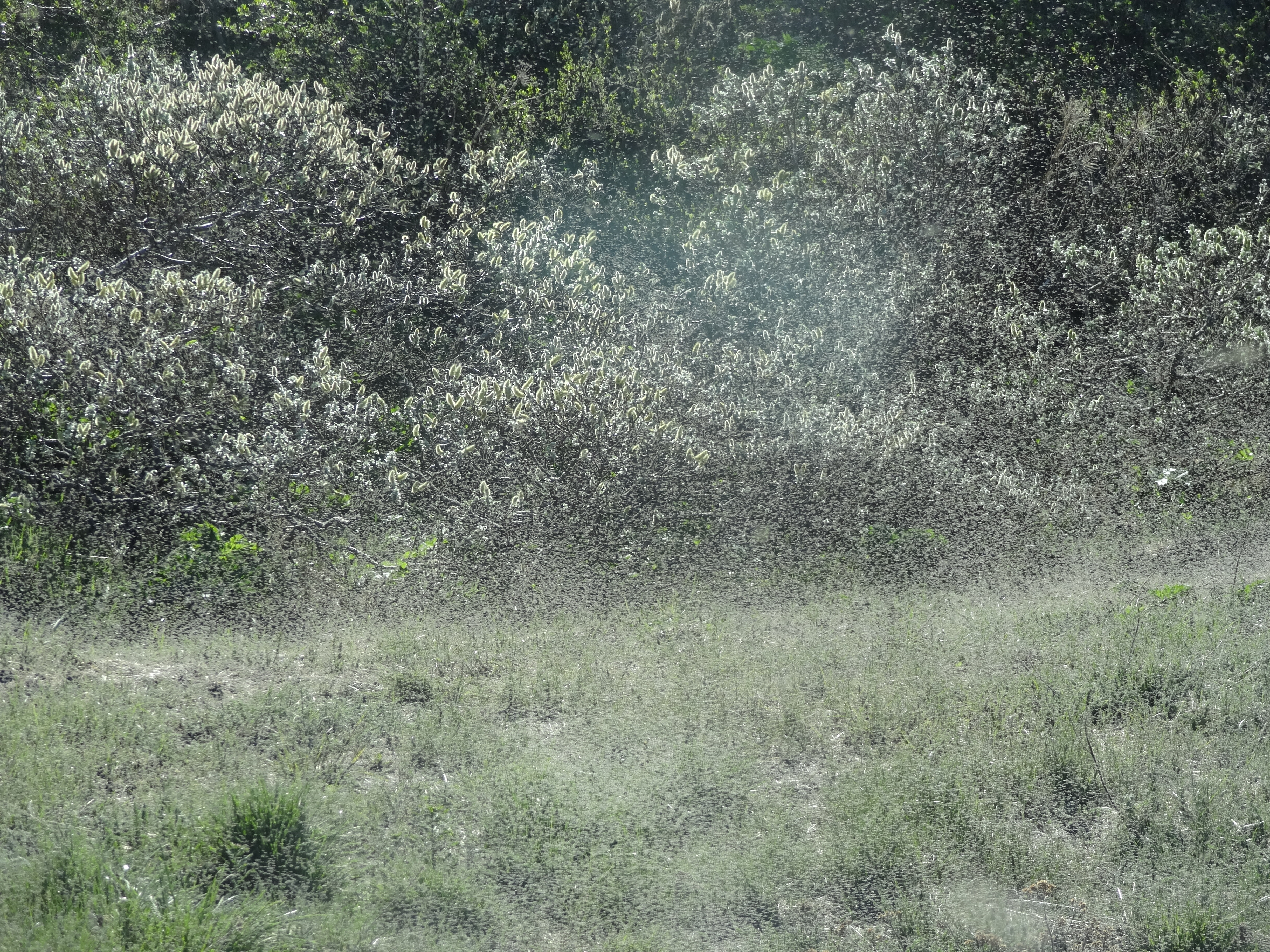
First though the birds, starting naturally with the water birds. Fourteen species of duck breed on Lake Myvatn, the main reason being the abundant food supply, as can be seen in this photo of a male Wigeon..

.. and from this shot. They aren’t the biting kind of midge, like you get in Scotland, but boy there are a lot of them and they get everywhere – making birding impossible at times!
Long-tailed Duck are present in small numbers – males in breeding plumage are difficult to beat

First of the ‘big three’ Barrow’s Goldeneye – two males with three females. Myvatn is the principal location for this rarest of breeding nearctic ducks in Europe

Slavonian Grebe is the only member of this genus which breeds in Iceland – just gorgeous

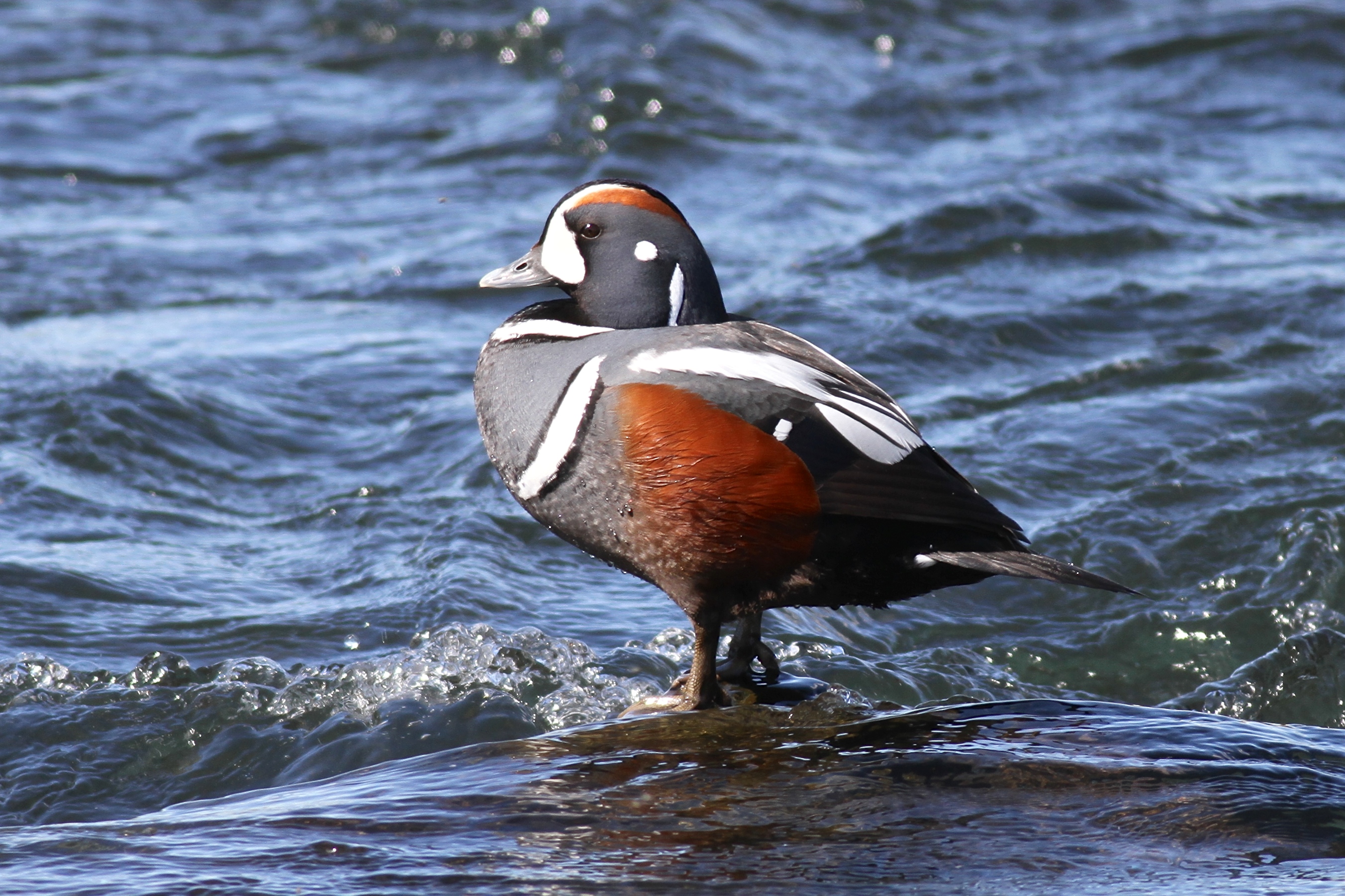
Second of the ‘big three’ is the stupendous Harlequin Duck, which move from the icy, fast flowing streams to the flood plains of the Laxa river for just two months of the year to breed
Red-necked Phalarope are just about everywhere in Iceland!
A couple of other species which are surprisingly common, Snow Bunting and Redwing (of the Icelandic race)


Now for the sea birds, first Arctic Skua..

.. which prey on the abundant Arctic Tern

Glaucous Gull, rather than Iceland Gull, are surprisingly the only breeding ‘white wingers’ on Iceland

Last of the ‘big three’ – Brunnich’s Guillemot, a rare Arctic breeder – last seen at Portland Dorset in December 2013!

and Black Guillemot or ‘Tystie’, as it’s known in Scotland

An added bonus at these seabird cliffs was the small group of Orca – Killer Whale, hunting off-shore

Now some of that spectacular scenery I was telling you about



Finally, the iconic church at Stykkisholmur – watch out for it in the movie!

What a Spectacle (updated 18/6)
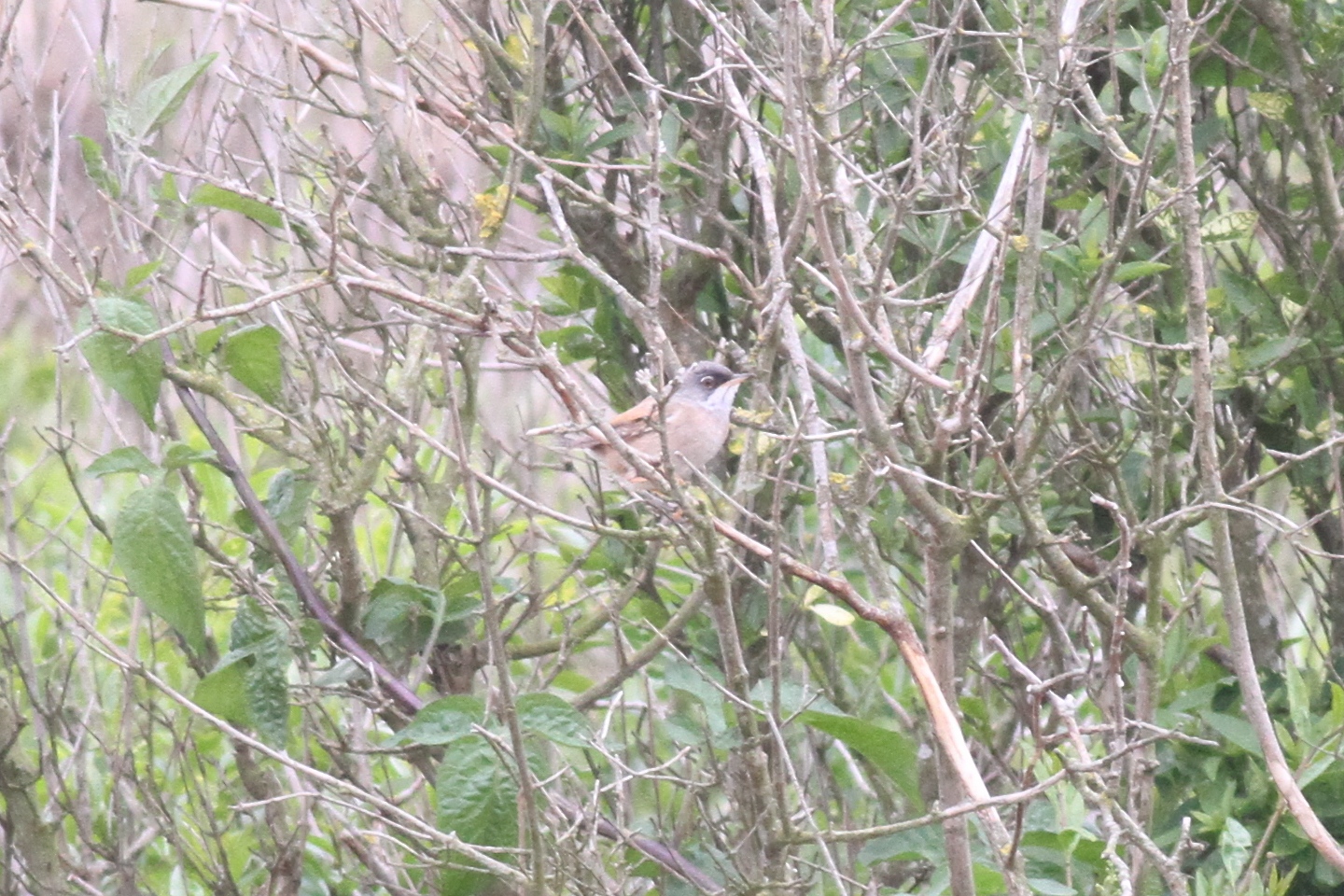
Spectacled Warbler, Gun Hill, 2nd June 2014
I was at ‘work’ all day today at Cley NWT so when the news broke at lunch time of a singing male Spectacled Warbler, up the road at Gun Hill – it was a tense afternoon! I finally got away at four and headed straight for the site. Parking was easier than I’d anticipated and then the long yomp down to the sea wall, along the board-walk and 300m beyond to where the bird was showing reasonably well to the assembled crowd. I managed a few acceptable grab shots before heading back home.
Spectacled Warbler is a mega rarity – this being only the second confirmed record for Norfolk. It was a ‘British lifer’ for me – my first for 2014, a Norfolk ‘tick’ obviously and went some way to making up for missing the Black-headed Bunting, which appeared virtually on my doorstep, whilst we were away in Northumberland.
Update
Today, 18th June, we paid a return visit to Gun Hill in the hope that Jane would finally connect. Although the weather was rather unpromising, the bird did eventually start singing and showed occasionally. A couple of better shots showing the distinctive features of smokey grey head contrasting with white throat and pink breast, rufous wing panels, broken white eye-ring and strongly coloured pinkish yellow legs

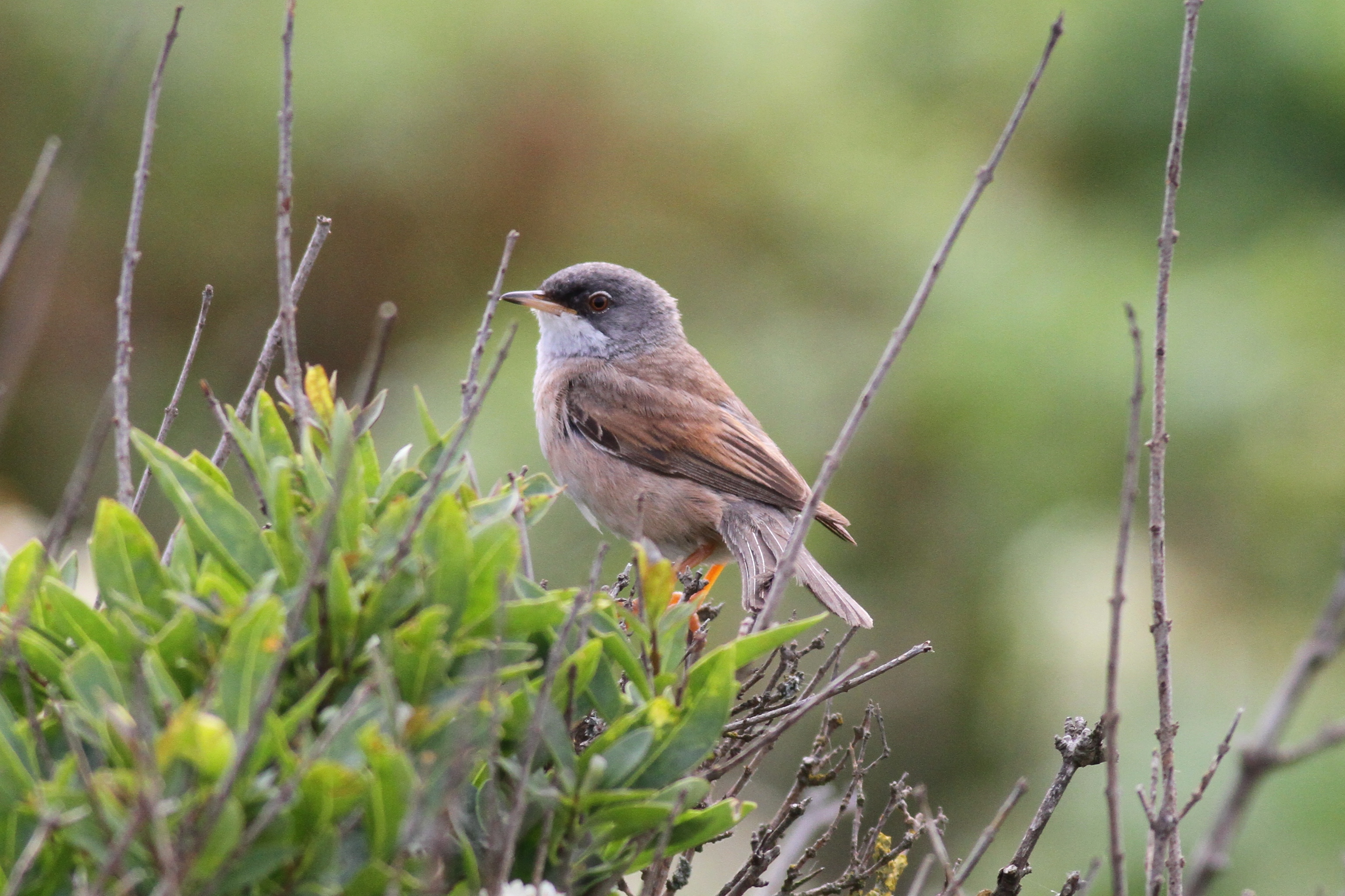

For interesting comparison, here is a shot taken a few years ago in the Canary Islands
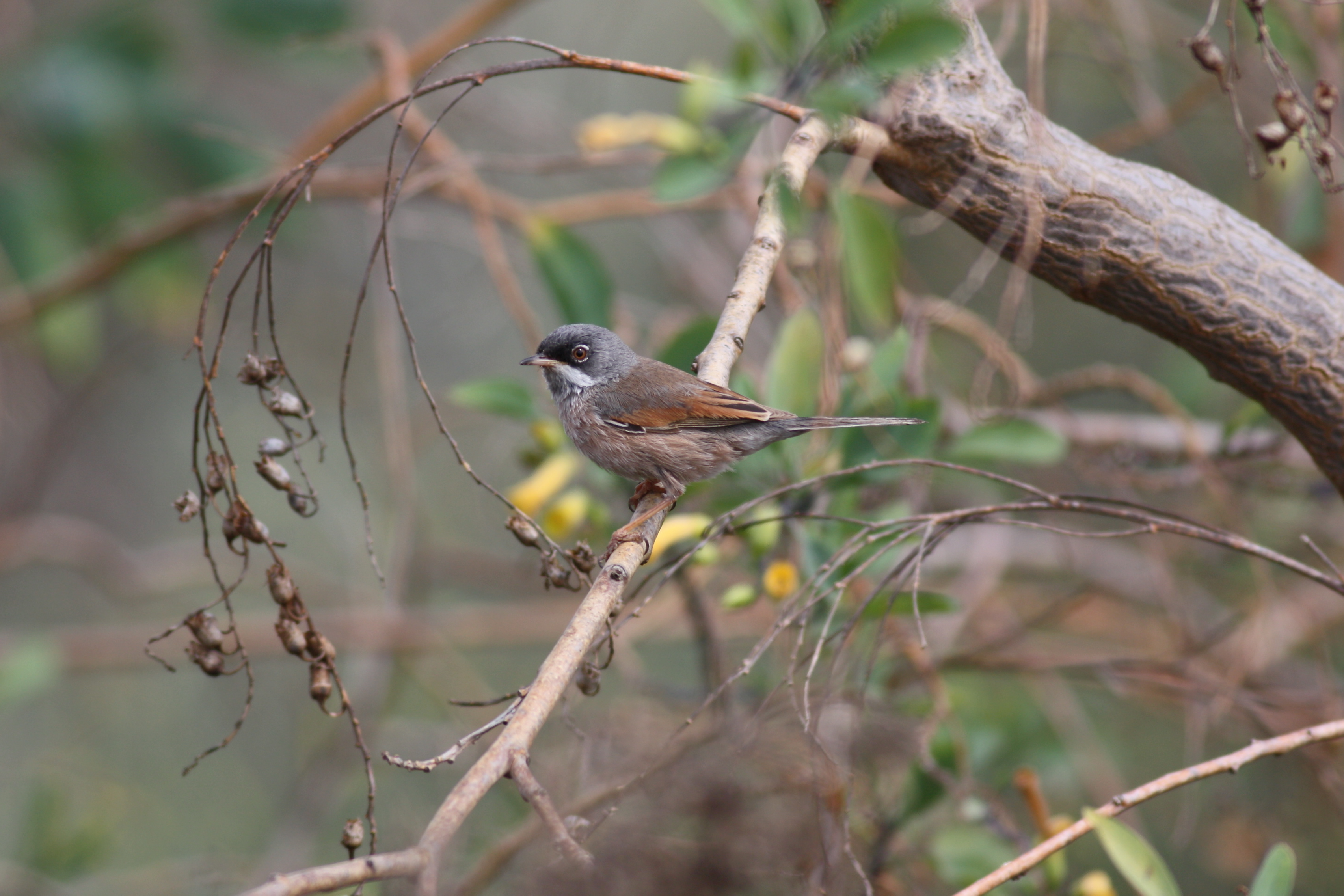
Northumberland gallery
Brother Rob and his wife Gi are over from Australia, stopping with us for a few days prior to their trip to Iceland (the country not the frozen food store!) – we’re joining them for a few days at the end. We’ve come up to Northumberland to meet up with other brother Bryan and his wife Anne, from Scotland – we’re staying at the quirky but charming country house B&B at Budle Hall. On the way up we drove through Teesdale and yesterday we did the castles – Alnwick, Warkworth, the iconic Dunstanburgh and Bamburgh. Today, weather permitting, we’re going over to Lindesfarne. As the primary purpose of the trip is a family re-union, there’s only been limited scope for birding but we have managed to see a few bits and bobs:
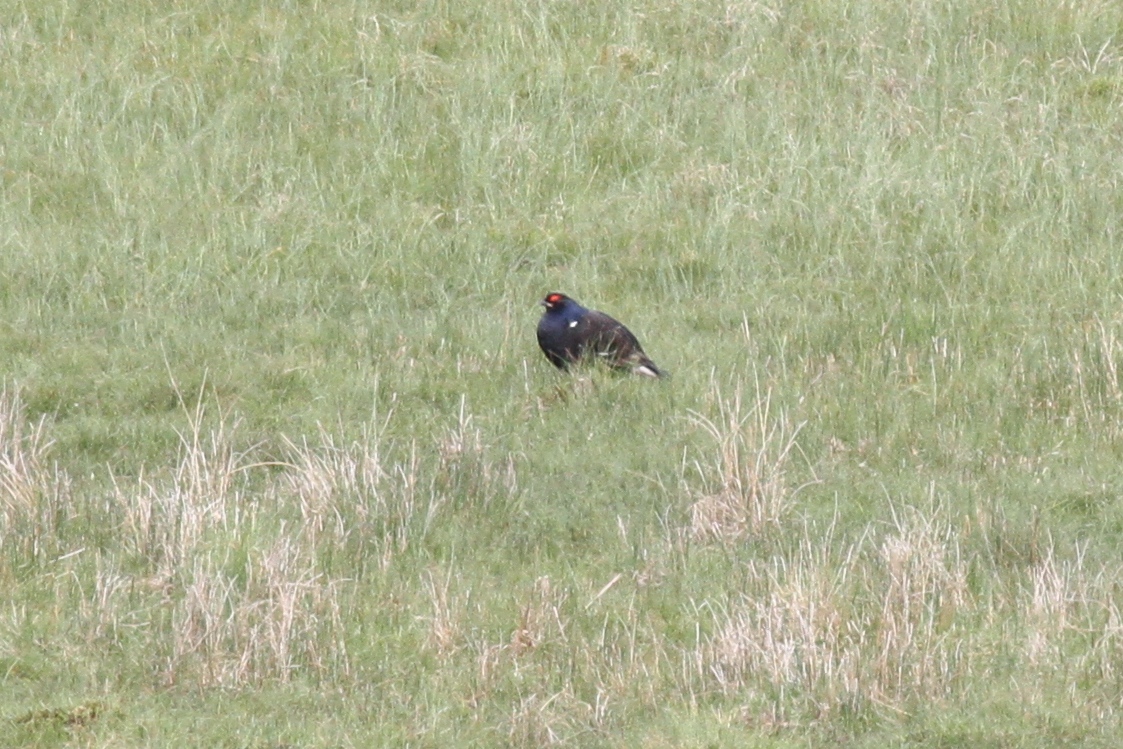
Black Grouse, at the same spot in upper Teesdale as last year, but only two and distant
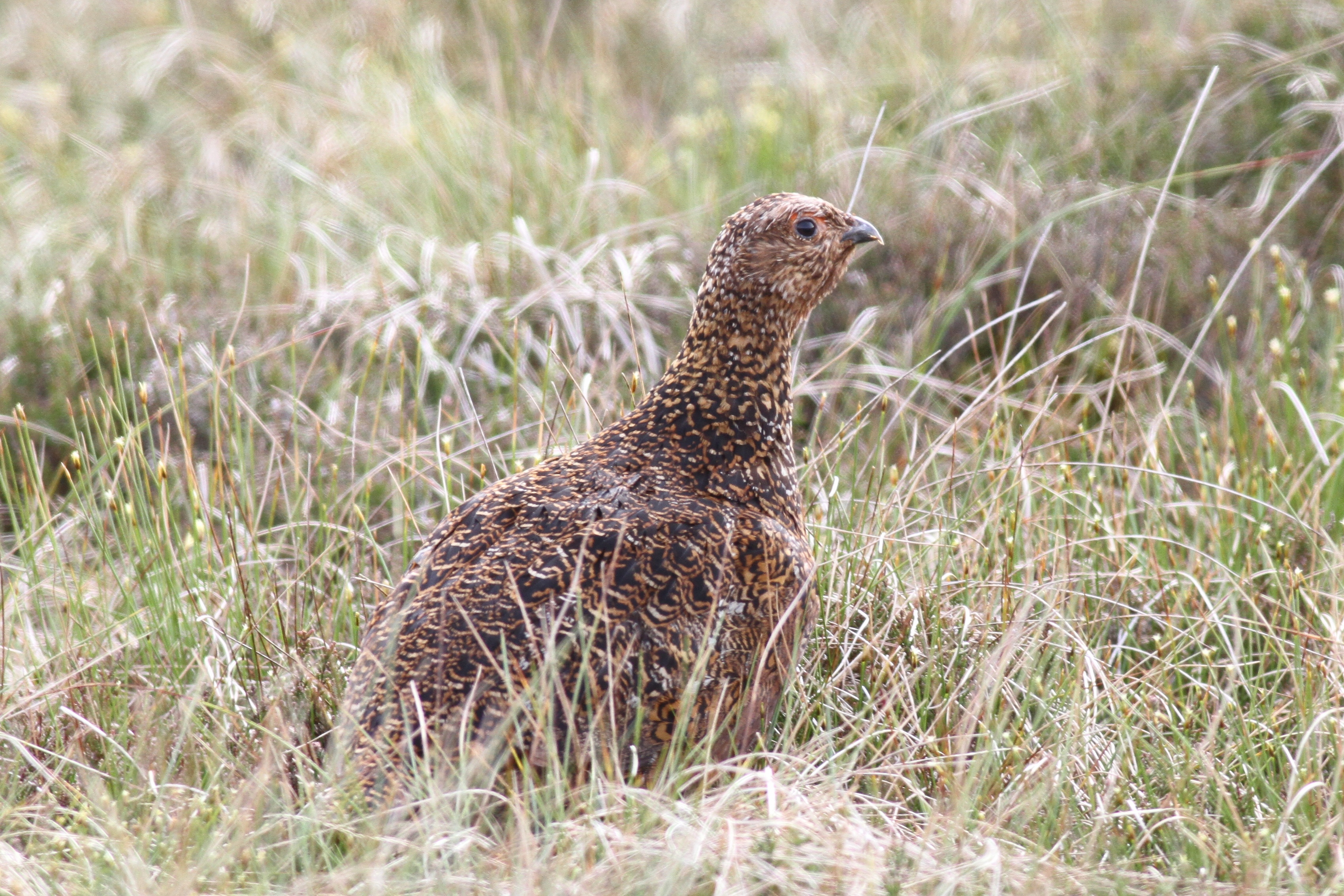
Red Grouse, easier to see, but still nice
On the cliffs at Dunstanburgh, Rock Dove

Kittiwake, in the rain

Razorbill

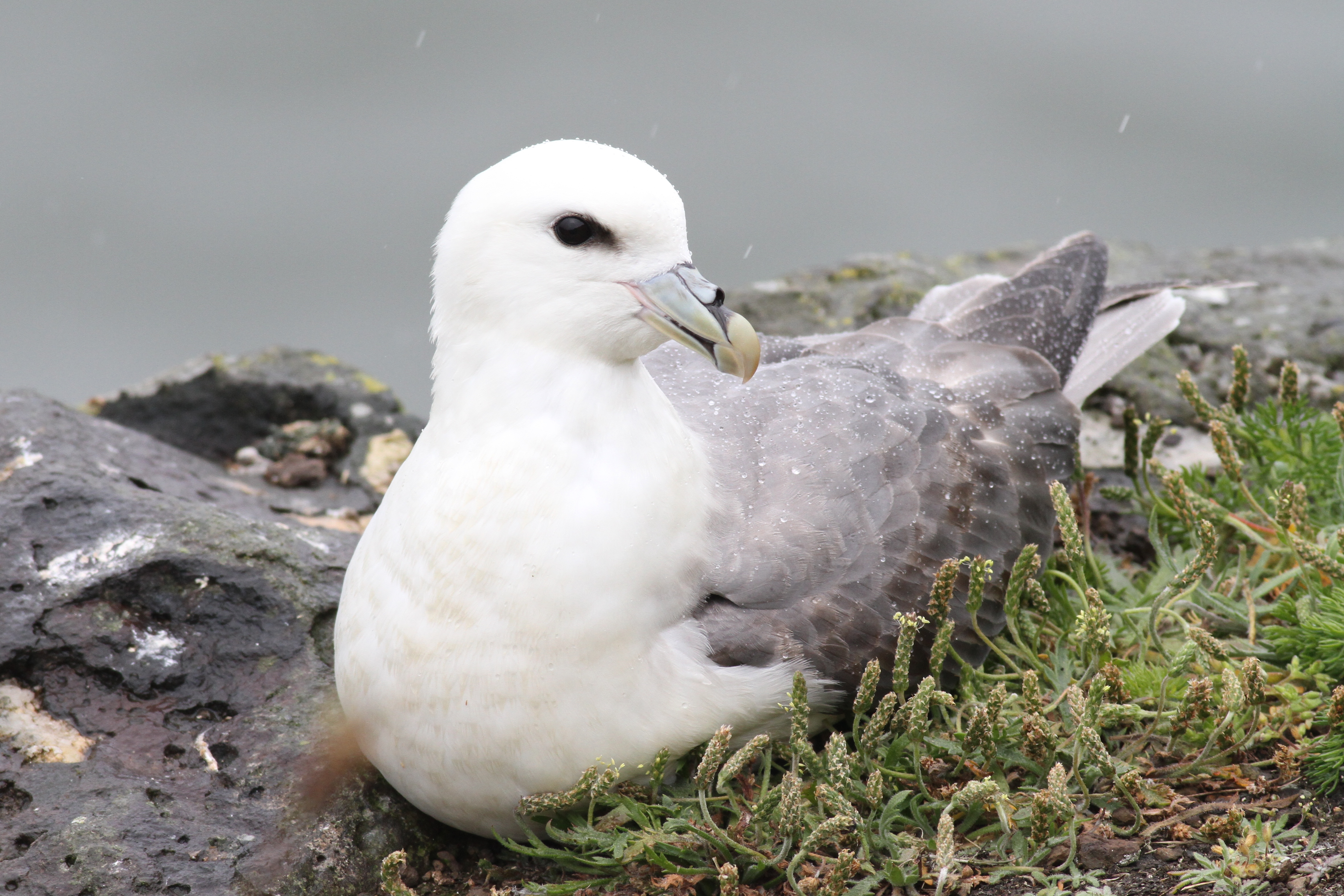
and Fulmar
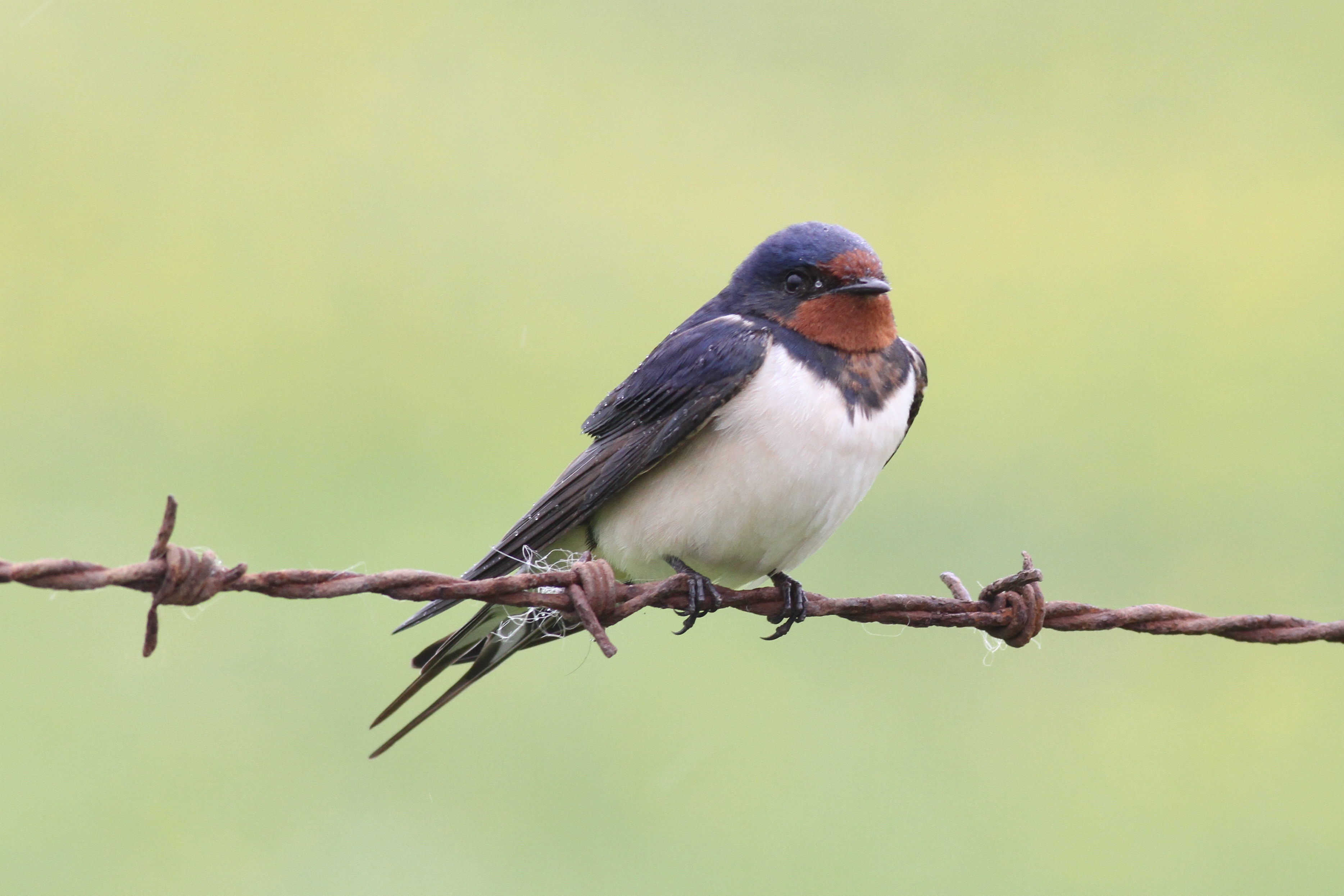
Finally a rather chilly Barn Swallow, probably wishing it had waited a while longer before migrating
We’re hoping for much better views and photos of sea birds and ducks when we get to Iceland in just over a weeks time
Temminck’s Times Two
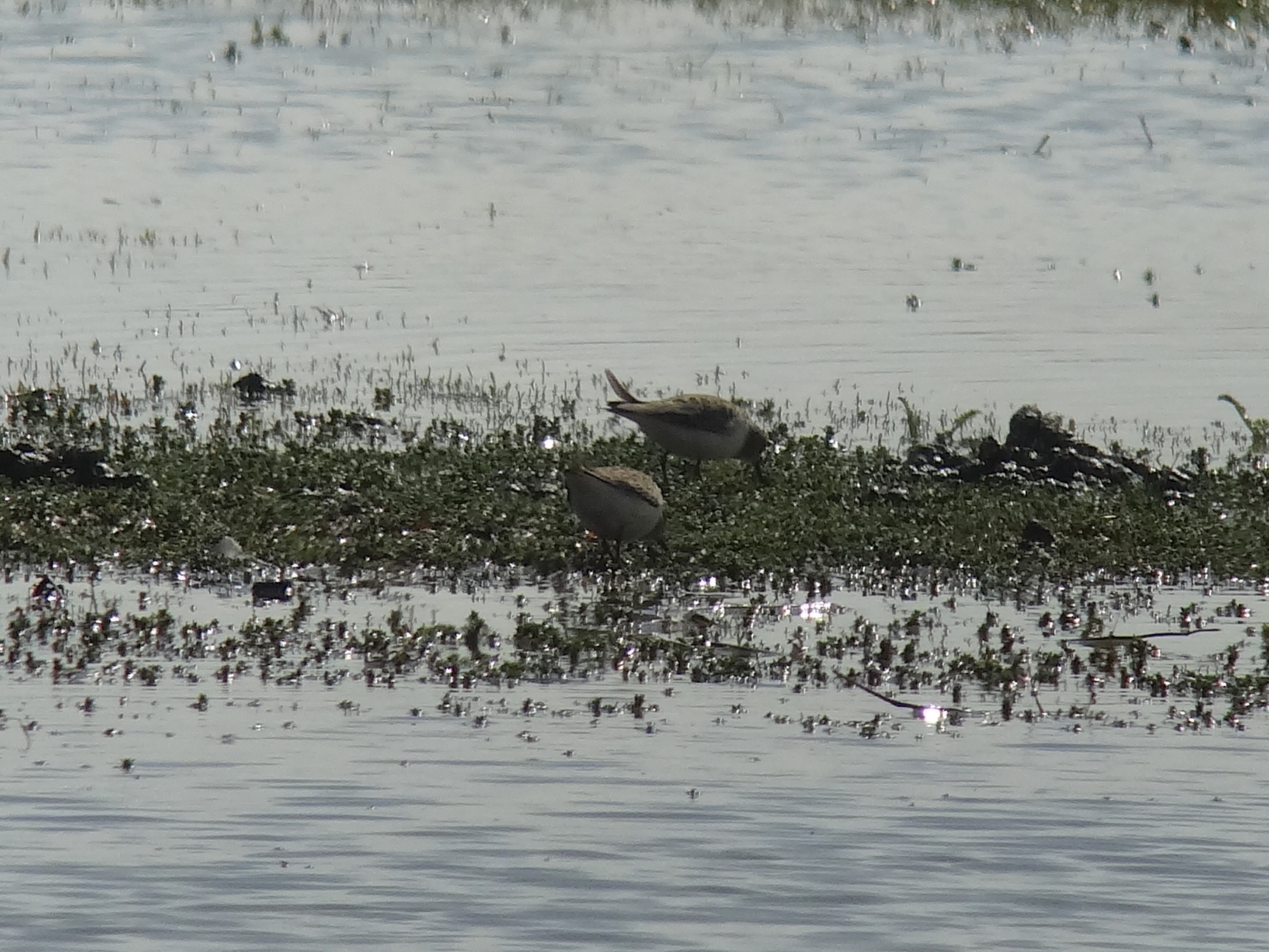
Two Temminck’s Stint, Cley NWT, May 2014
Yesterday was my first ‘duty day’ at Cley NWT since returning from our GPOG holiday on Lesbos. I was relieved to discover that, whilst we were away, the weather had been pretty foul and that I’d not missed any really good birds, except perhaps Temminck’s Stint. However I was delighted to find that the two birds were still present, on Pat’s Pool , when I started my morning rounds. Temminck’s Stint is a scarce passage migrant in England with occasional breeding, away from their regular summer haunts in the Scandinavian tundra, in Scotland. Longer and squatter than the more common Little Stint, summer birds show a distinct pectoral band, blotchy black scapulars and yellowish coloured legs – they have a preference for feeding on drier, grassy ground. It seemed slightly strange that only a couple of days before we’d been watching another pair of these birds on the beach pool at Faneromeni!
The bird in the centre, flanked by two Little Stint for useful comparison, was a very dark looking thing – possibly due to oiling

The second bird was a much more typical example, showing the longer ‘rear end’, distinct pectoral band, black scapular feathers and ochre legs

Late Spring in Lesbos
We’ve just got back from a weeks holiday in Petra, Lesbos, with GPOG (Greater Peterborough Ornithological Group – a rather grand title for a bunch of birding/drinking mates!). We stayed at the excellent Niki Michael Studios booked as a package with Thomas Cook, used vehicles from Costa rentals and based our itinerary on Steve Dudley’s excellent book and our accumulated knowledge from previous trips. We deliberately chose a May week to catch the later arriving migrants and resident breeding species. We managed to notch up nearly 150 species during the week and several members of the party got a ‘life tick’ or two!
Some of the birds we saw:
Subalpine Warbler, male

Black Stork, this one in the centre of Kalloni!

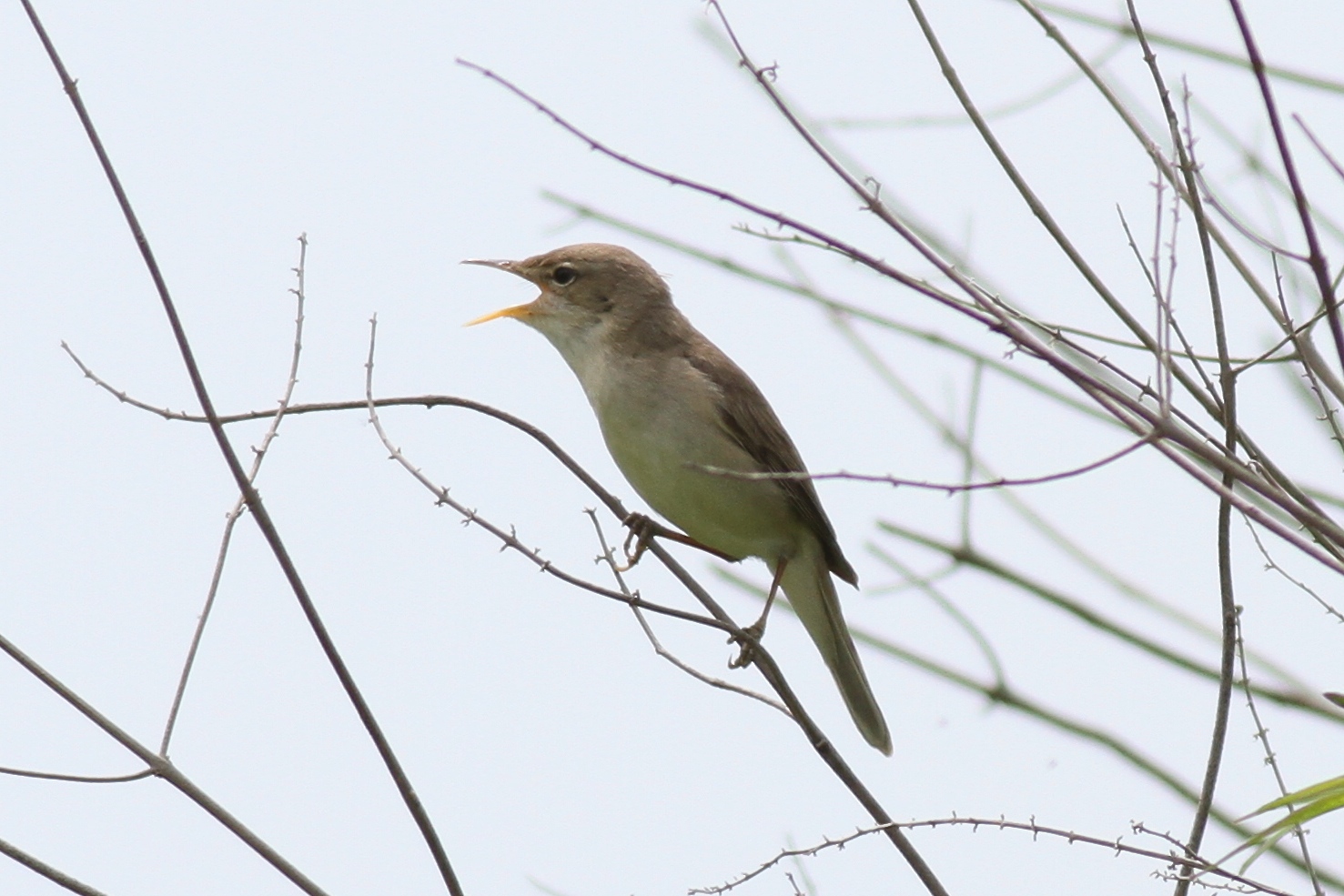
An obliging Eastern Olivaceous Warbler
Cirl Bunting

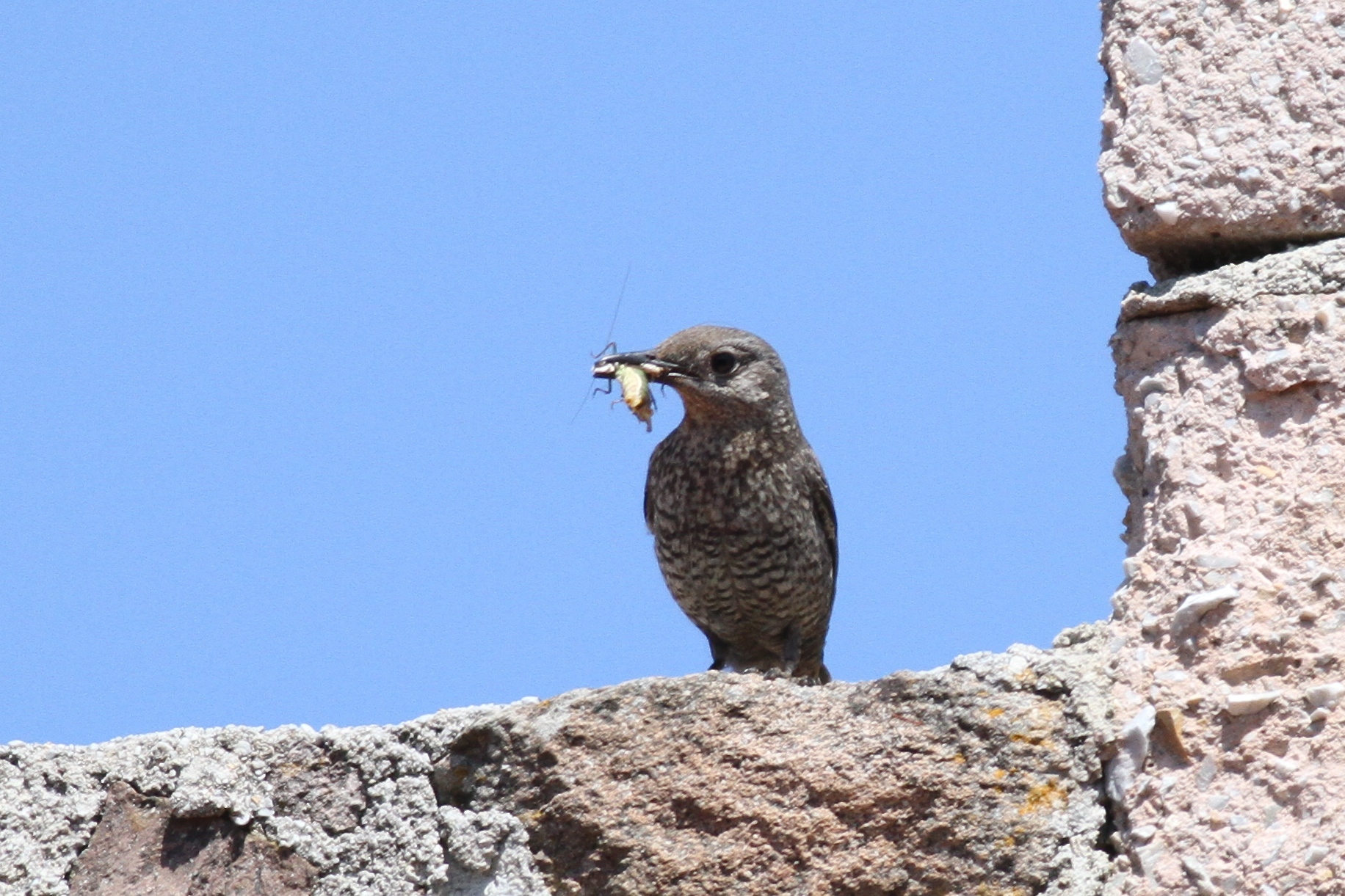
A female Blue Rock Thrush, feeding young at Ipsilou monastery
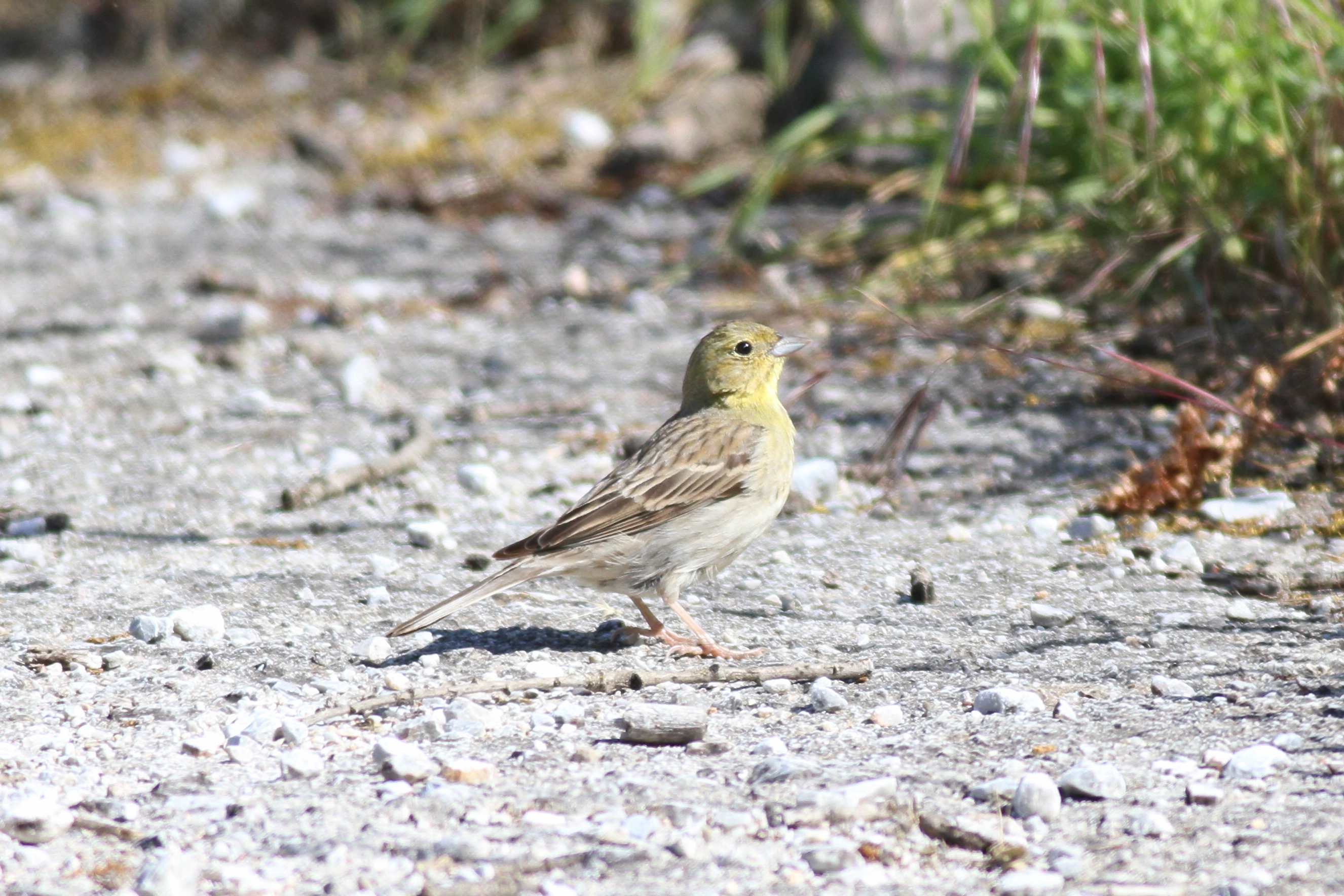
Lesbos speciality, Cinereous Bunting
Another Lesbos speciality – Isabelline Wheatear, one of a couple of pairs seen

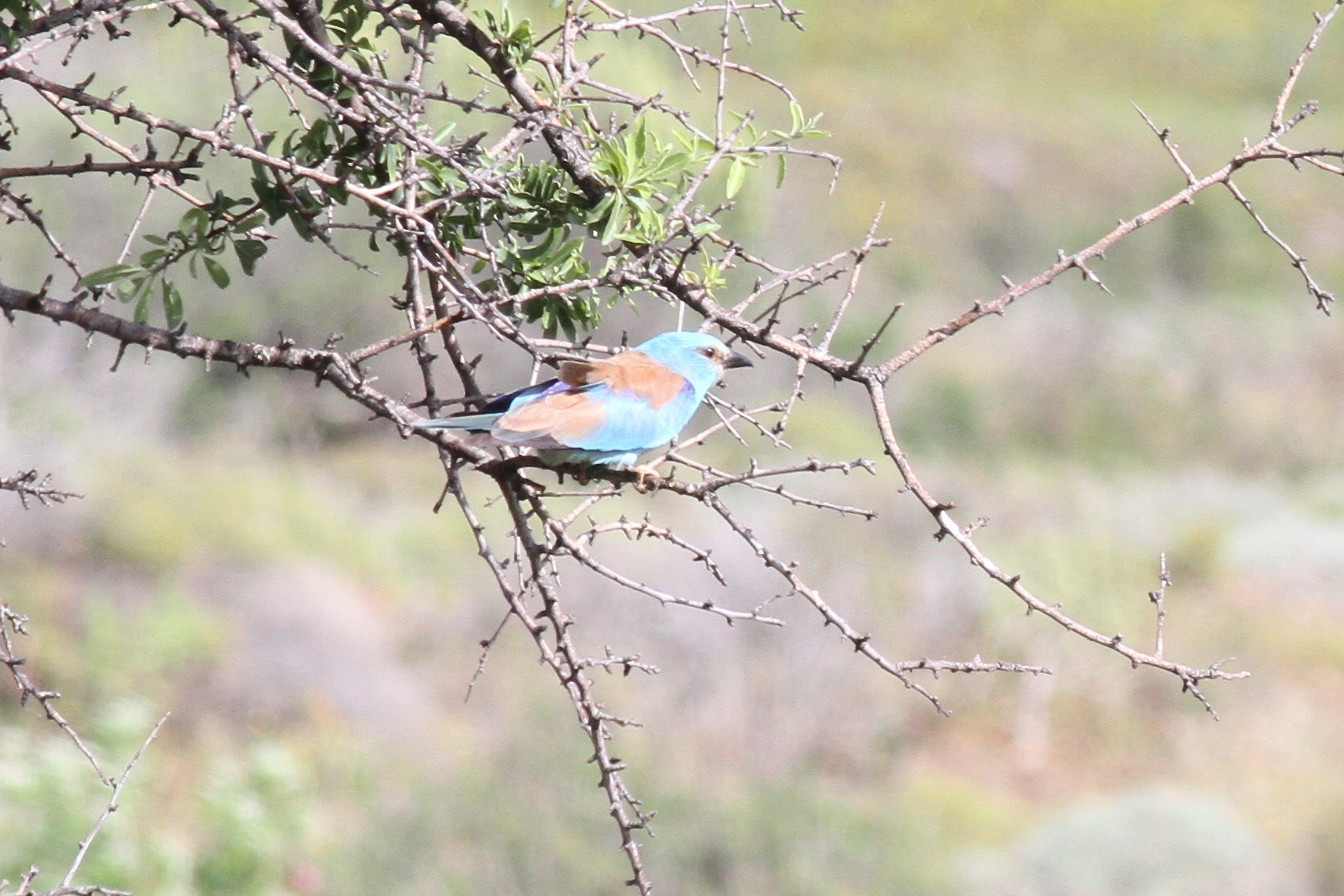
Roller, one of a small influx on our last day – we saw four birds, there were probably more
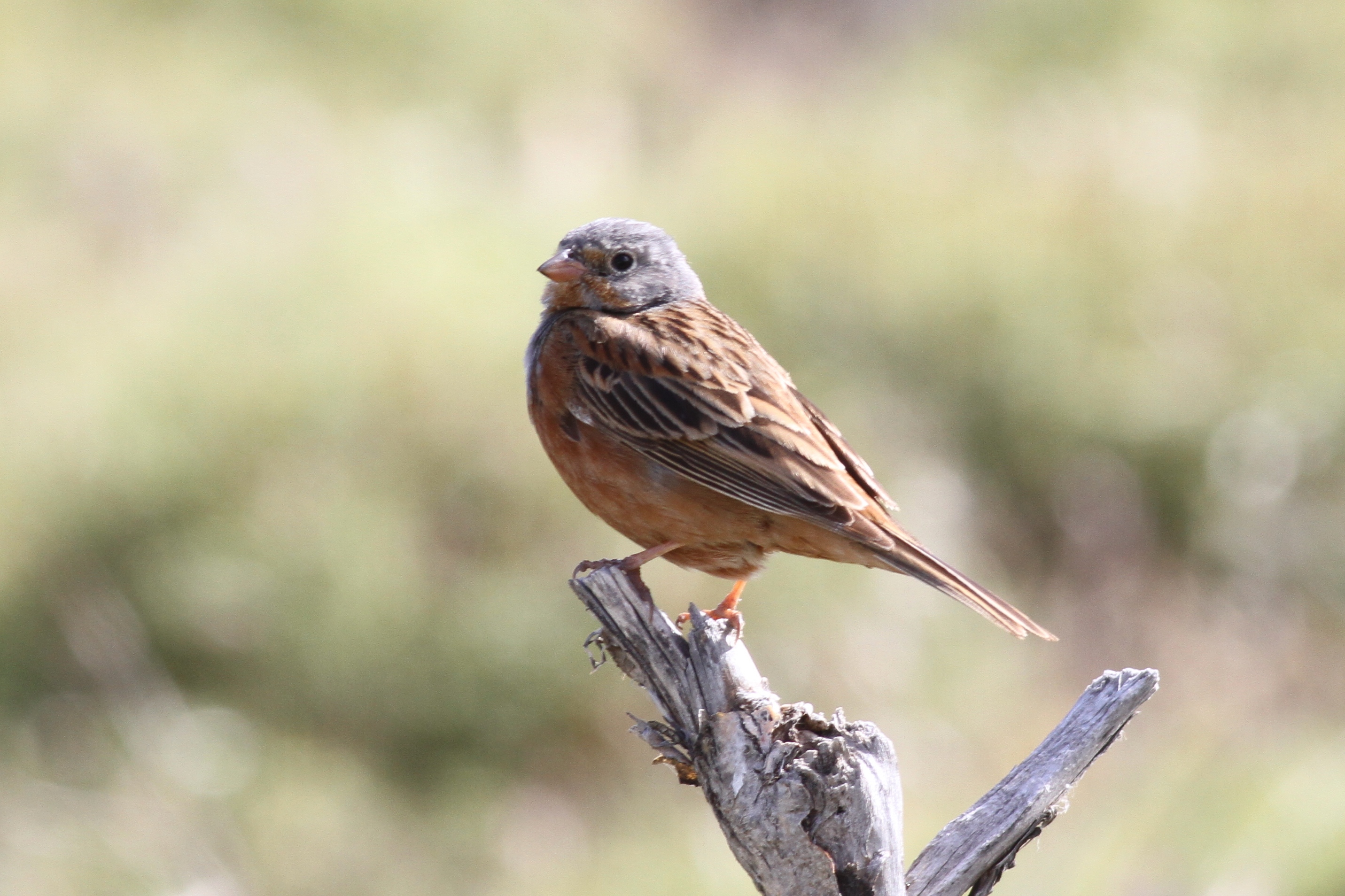
Another special Lesbos bunting – this one is Cretzchmar’s
Olive-tree Warbler, difficult to see and near impossible to photograph!
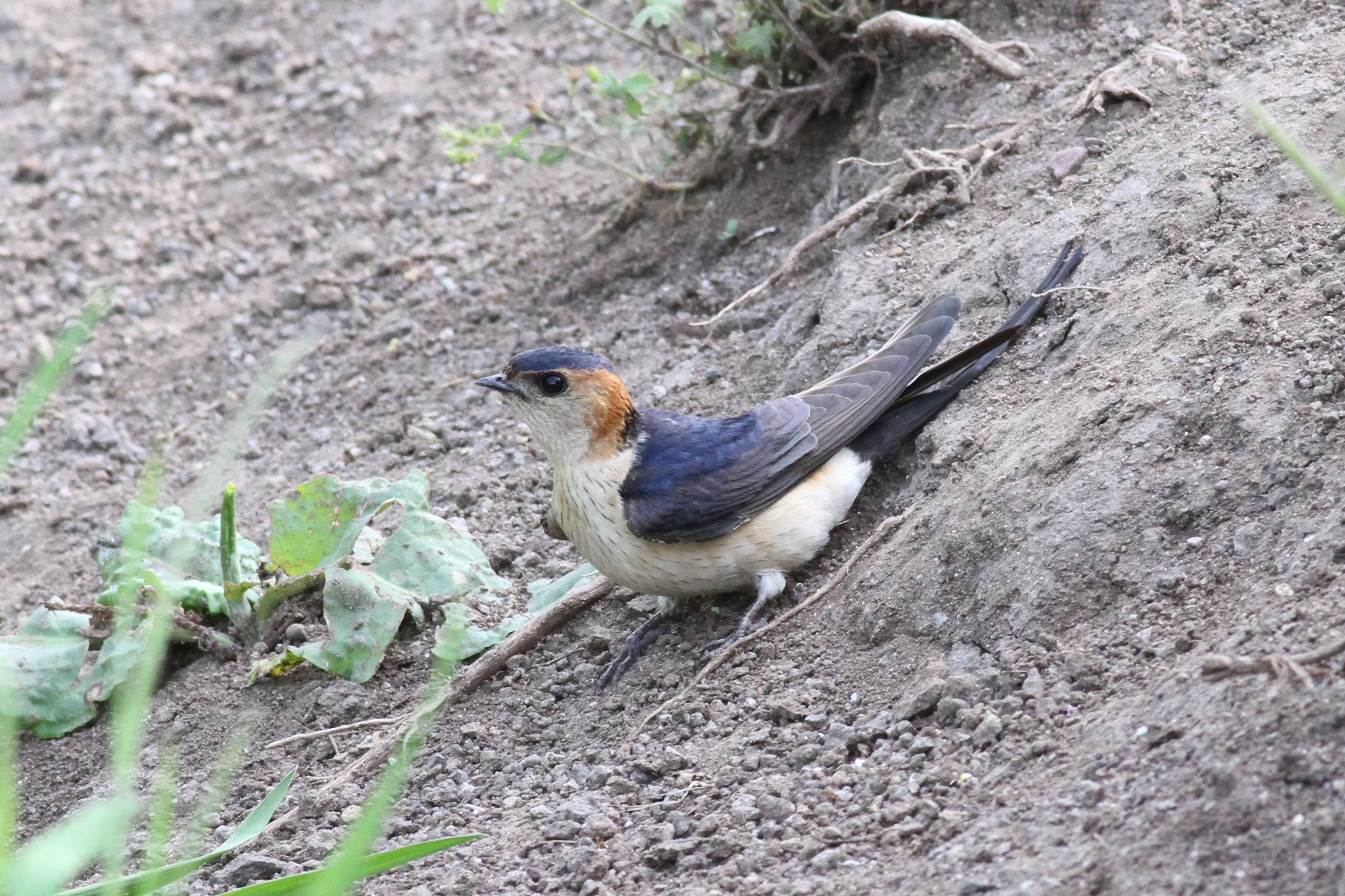
Red-rumped Swallow collecting mud for nest-building
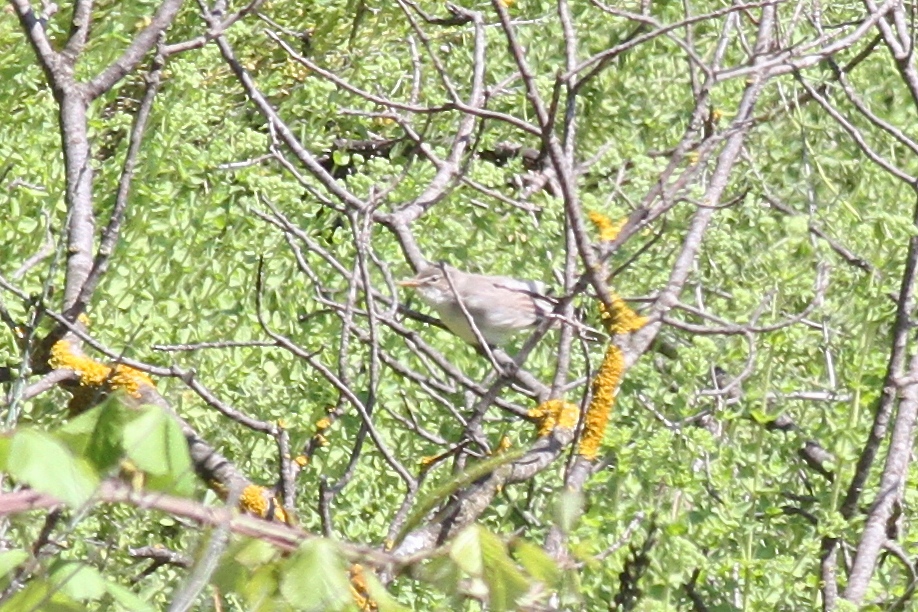
Rufous Bush Robin, also nest building.

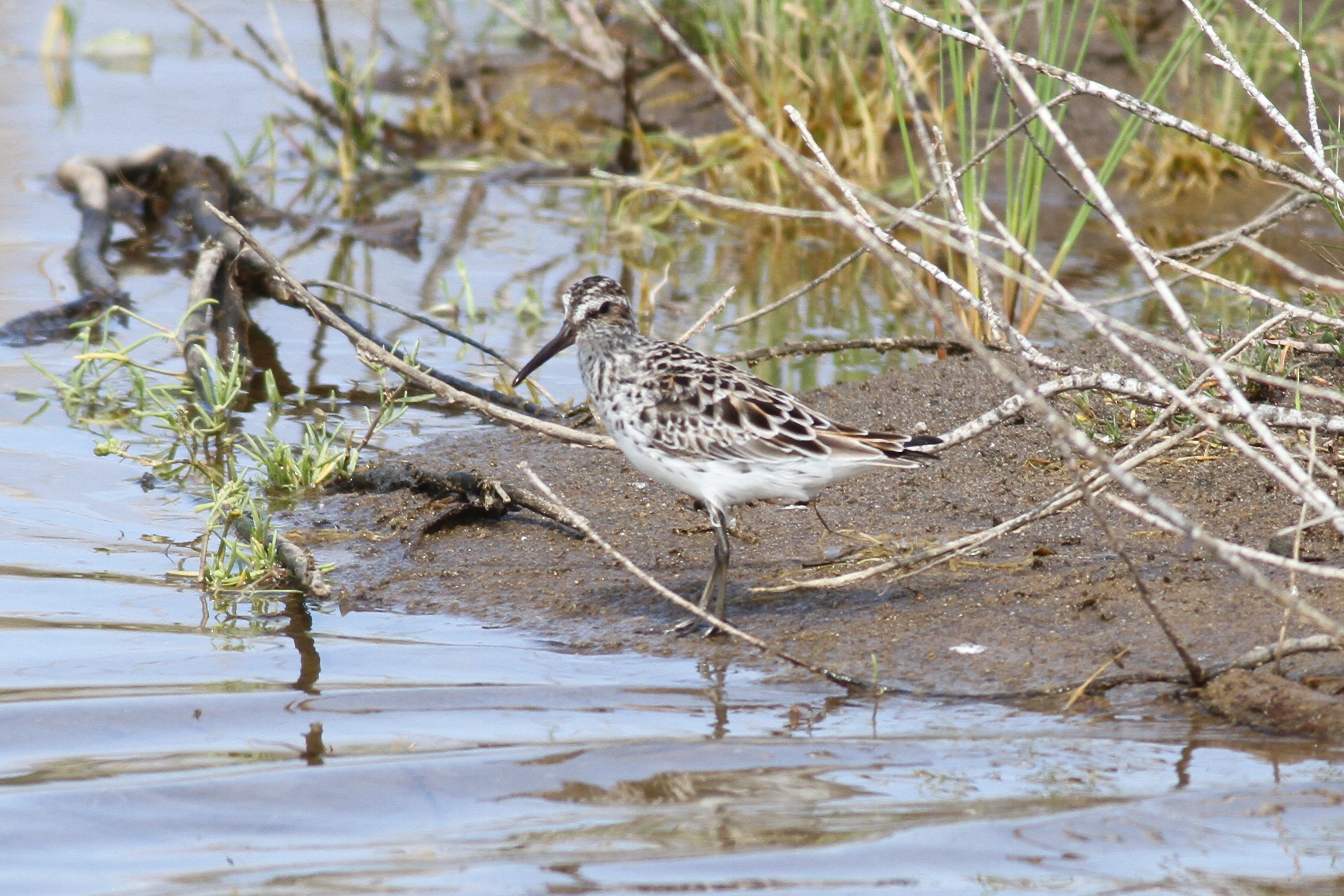
Broad-billed Sandpiper, one of three seen. This cooperative individual was at Faneromeni Beach pool
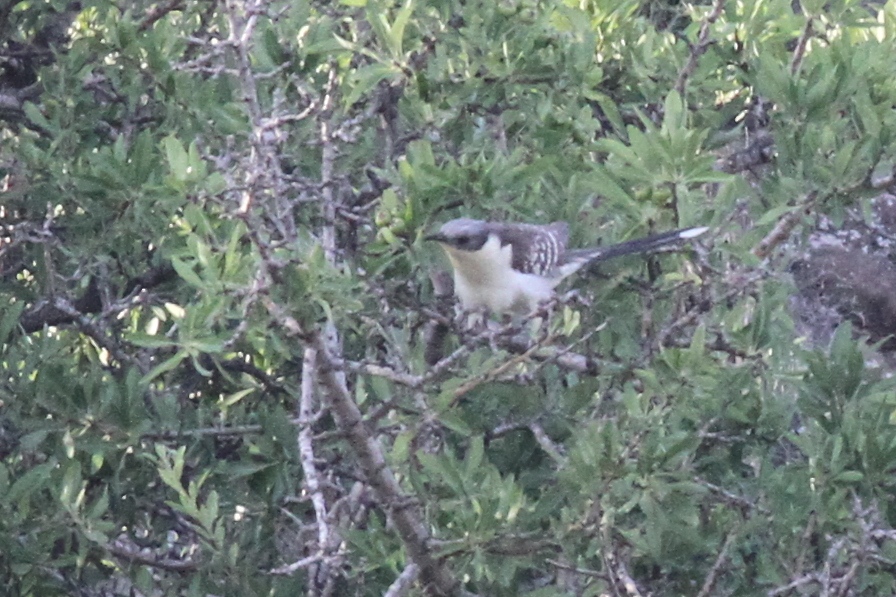
Great Spotted Cuckoo – a poor picture of a great bird, well actually one of a breeding pair
One of this year’s target species, a superb male Black-headed Bunting

Red-breasted Flycatcher, this one was in a roadside ravine on the old Sigri to Erossos road

Another Lesbos speciality – Kruper’s Nuthatch
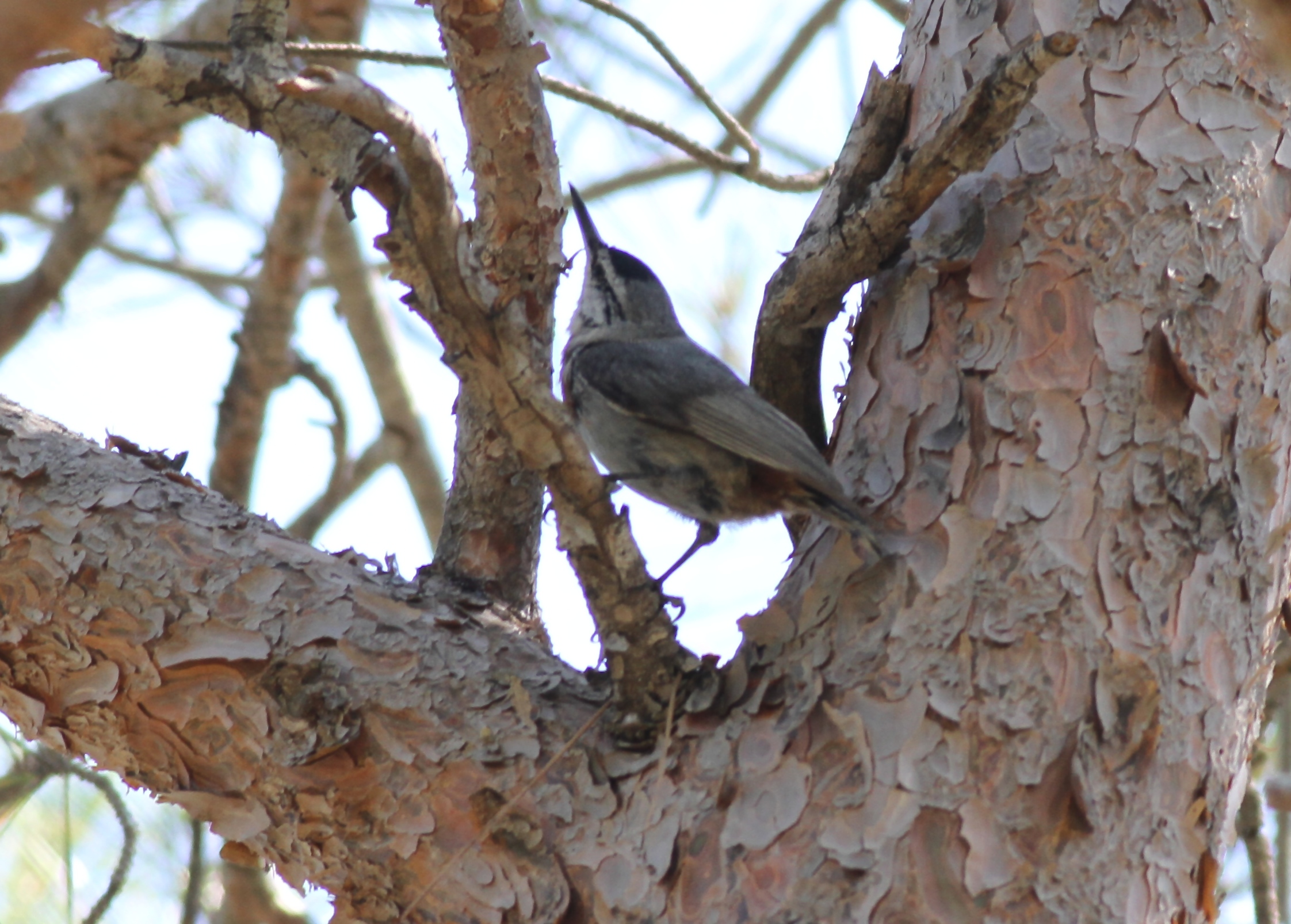
Alpine Swift, odd birds seen on several days – this one was over West river
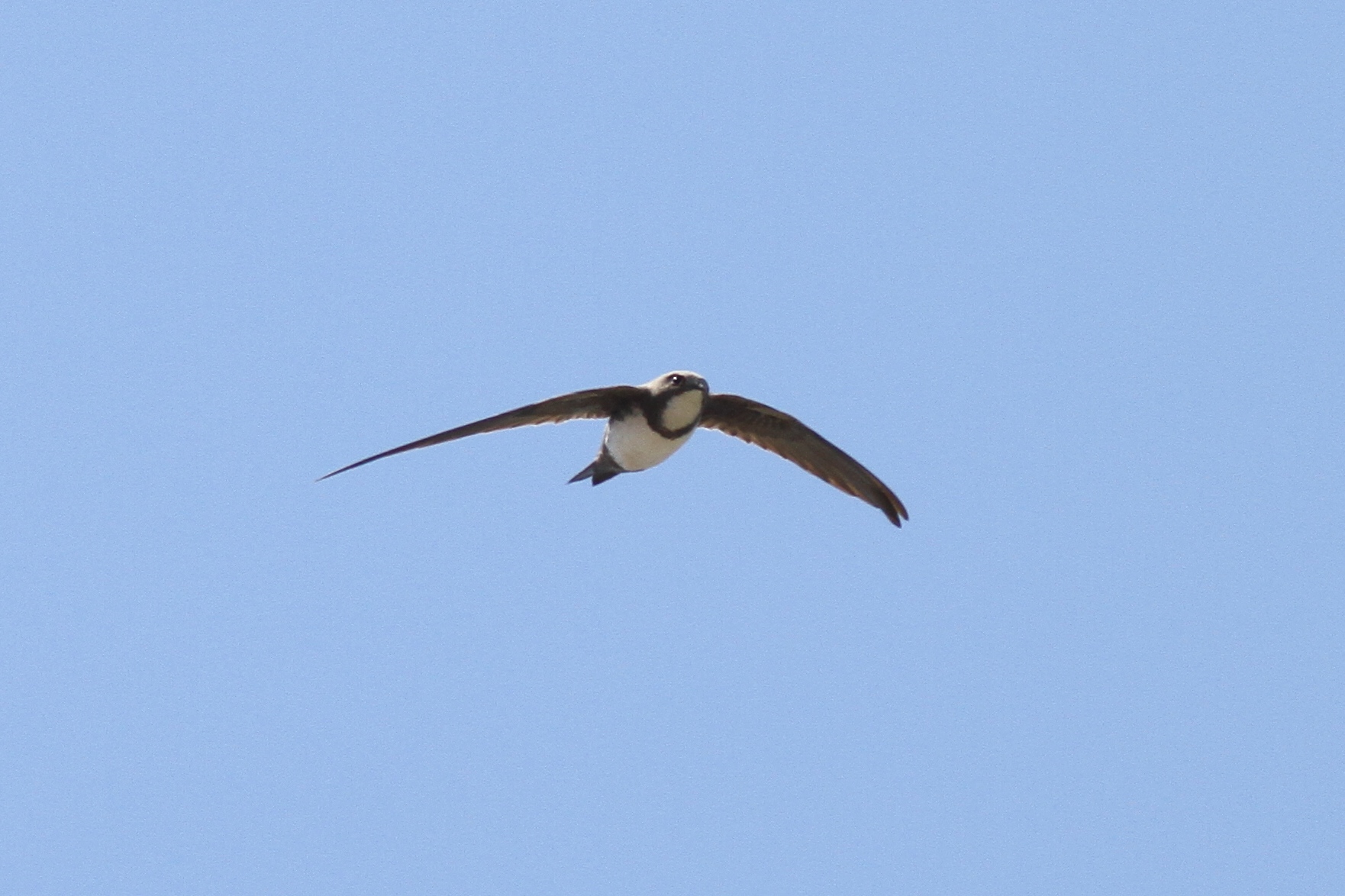
Red-backed Shrike – there was a large influx towards the end of the week, mostly males
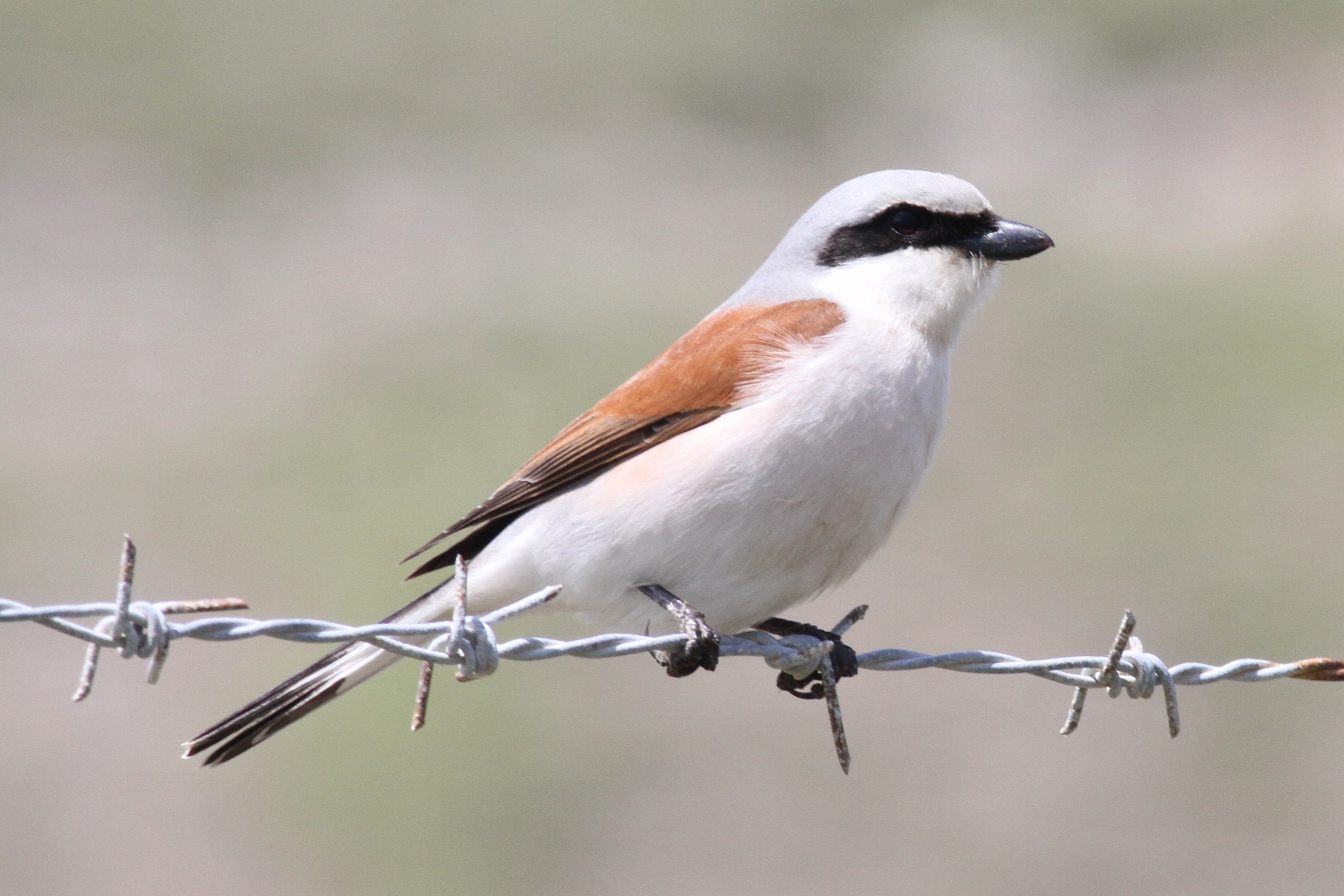
Little Bittern at the lower ford, Faneromeni
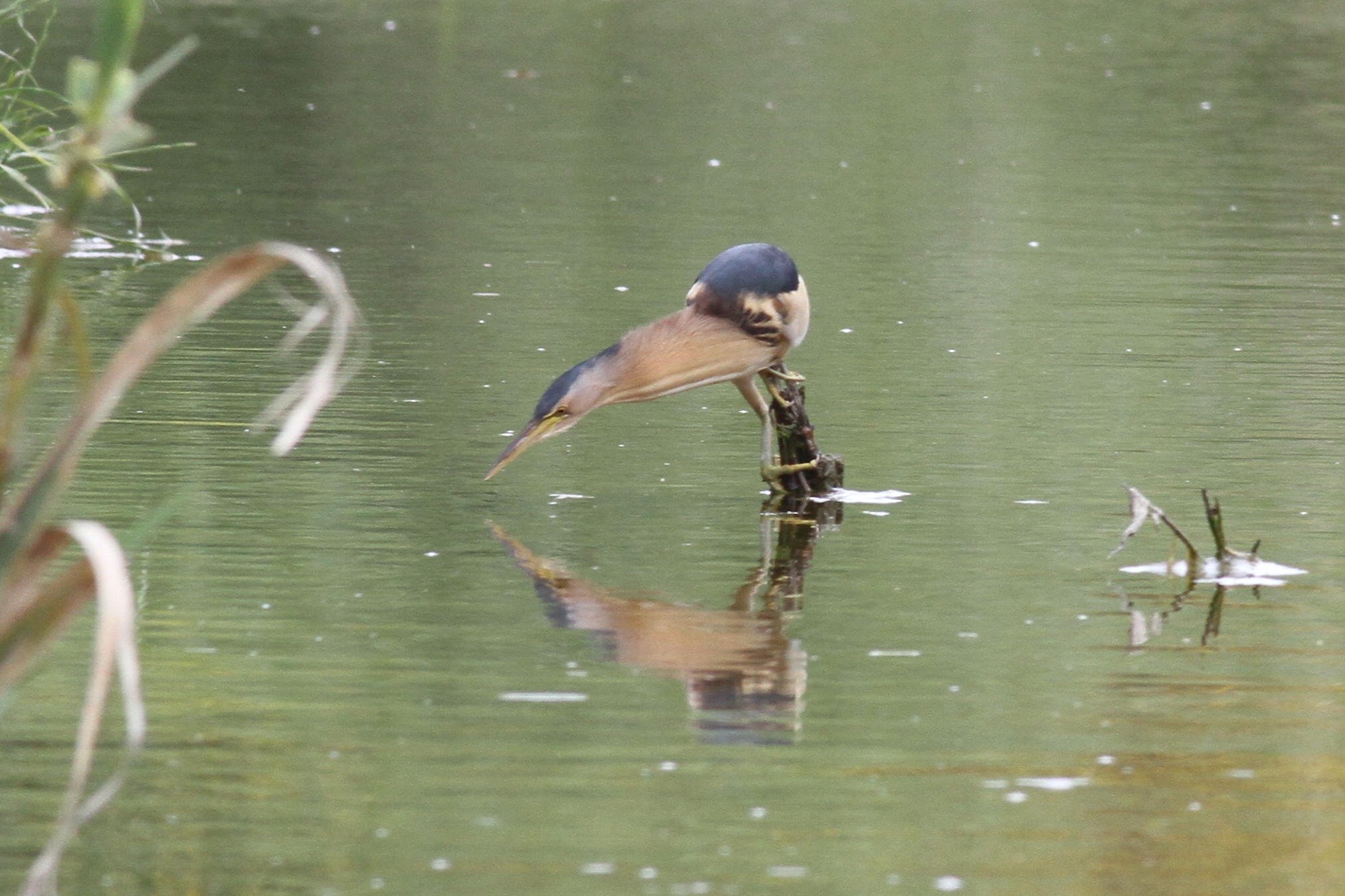
Rock Nuthatch – reasonably common and widespread in sparsely vegetated areas
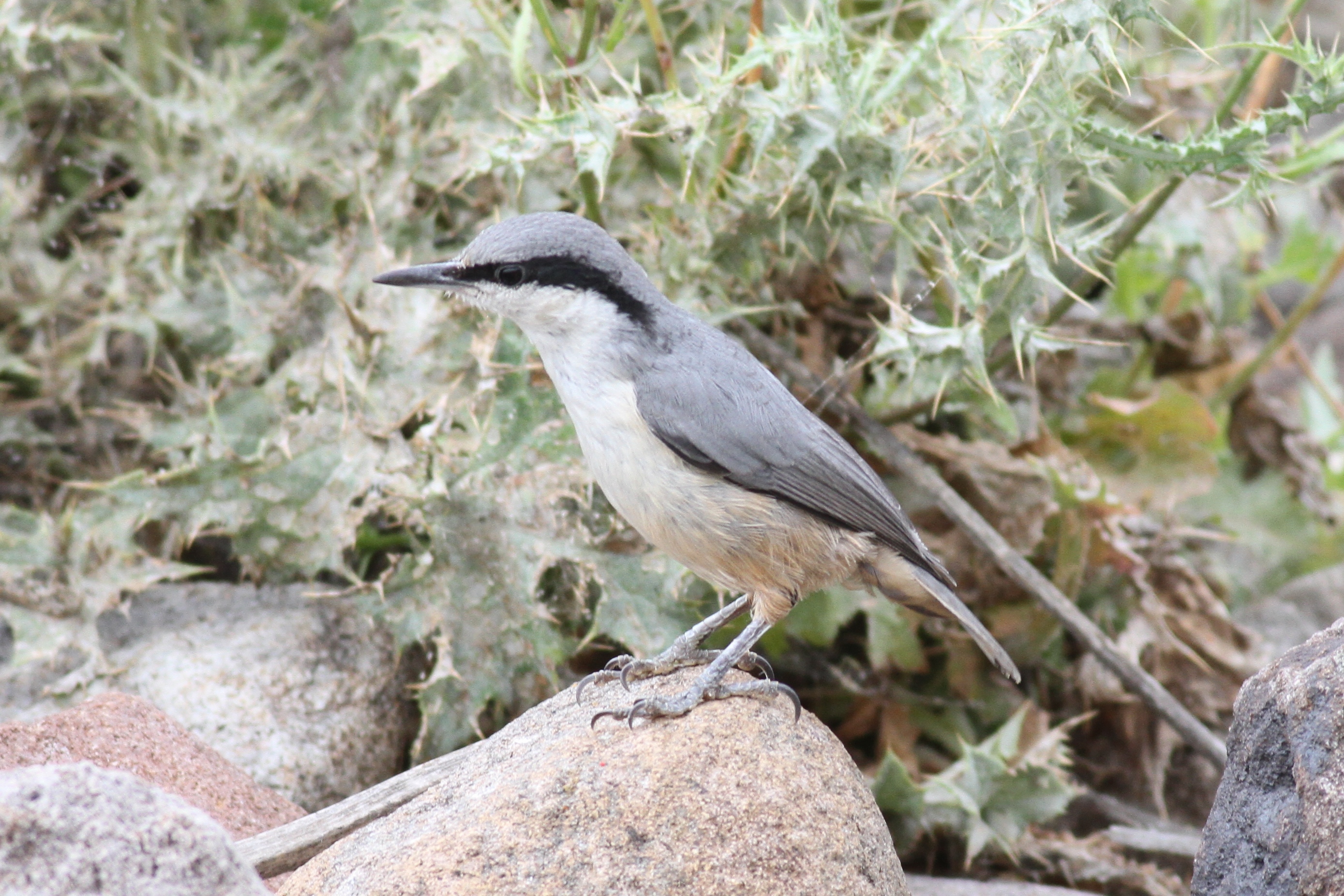
and lastly, Spanish Sparrow – near the old Sanatorium

A great weeks birding with lots to find and some really superb ‘celebrity’ species.
We’ll be publishing a complete annotated & illustrated trip report shortly.. watch this blog for details.
The Early Bird gets the.. grainy photo!

Nightingale, Salthouse Heath, 1st May 2014
Having woken early – at 4.50am to be precise, I thought I’d make the best of it by going to Salthouse to see if I could hear Nightingale – a difficult species to pin down in Norfolk. I arrived on the heath soon after it got light and as I pulled the car off the road I immediately heard a Nightingale blasting it out! Hampered by the early morning mist and the fact that these birds like to sing from deep cover, I set about trying to see it. Eventually it showed briefly in the more open canopy of a birch tree and I managed to get a couple of record shots – taken at 6400 iso and 30th sec!
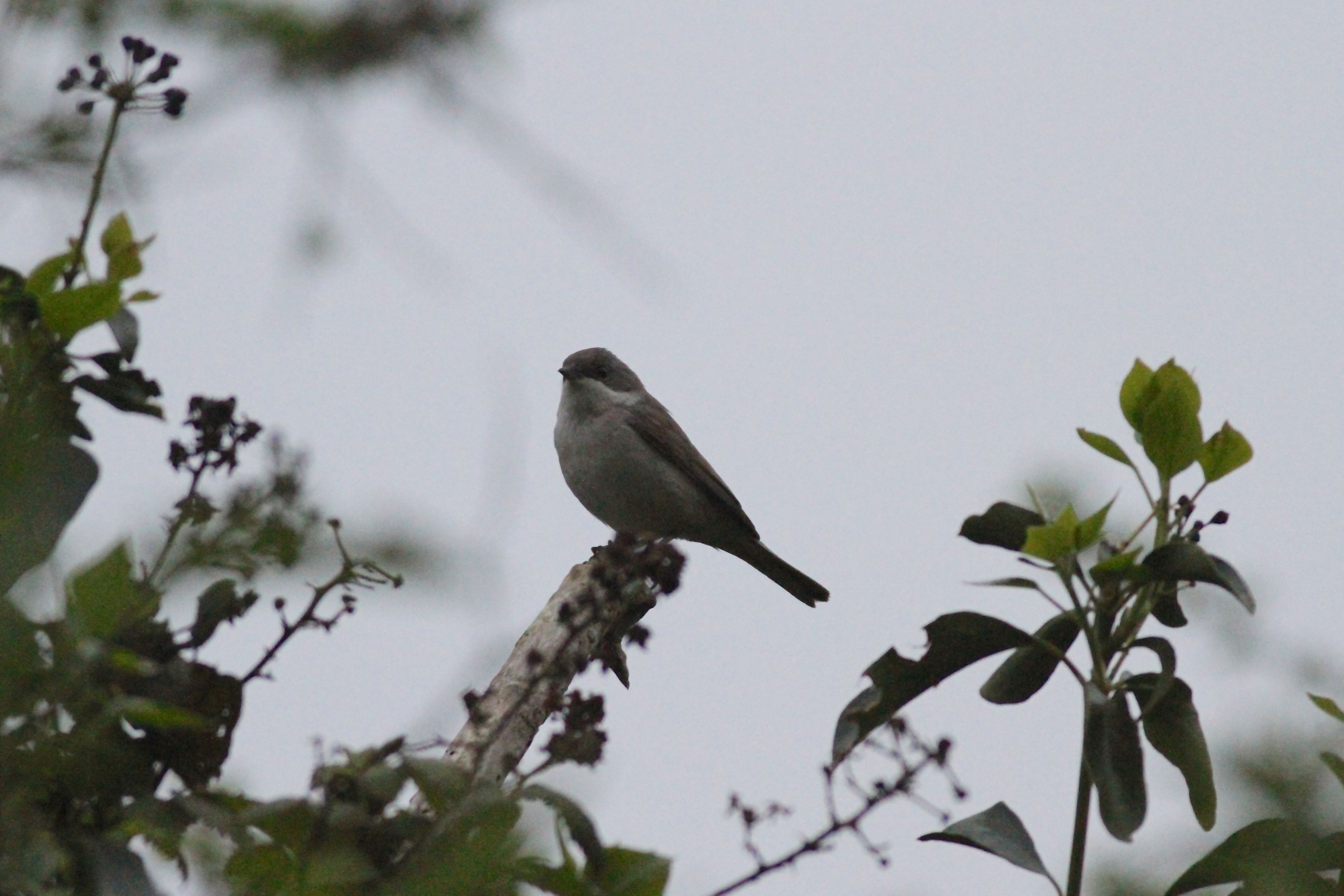
Nearby another Norfolk ‘year tick’ – Lesser Whitethroat
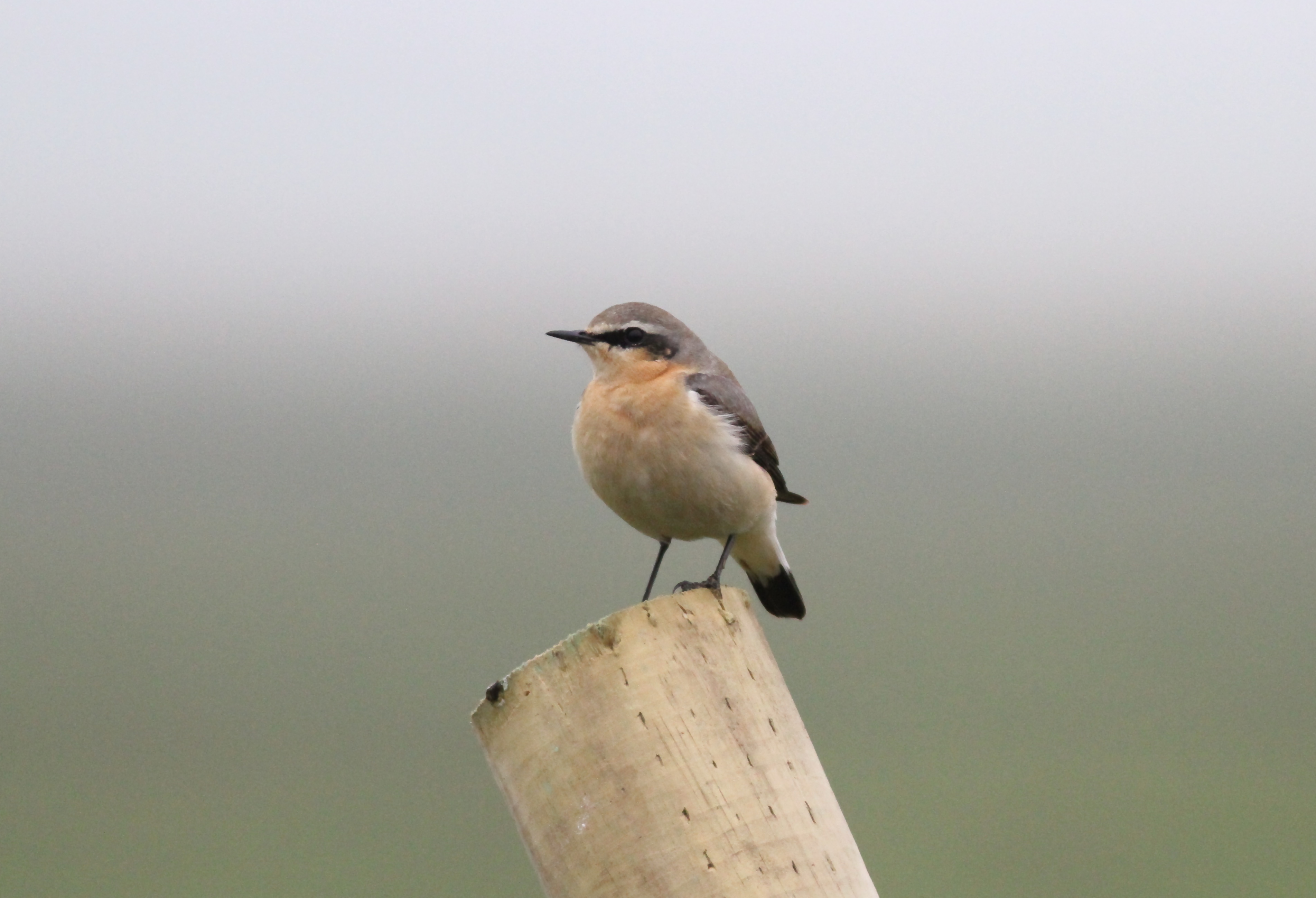
and down on the coast, a fine male Wheatear
Three Nice Birds
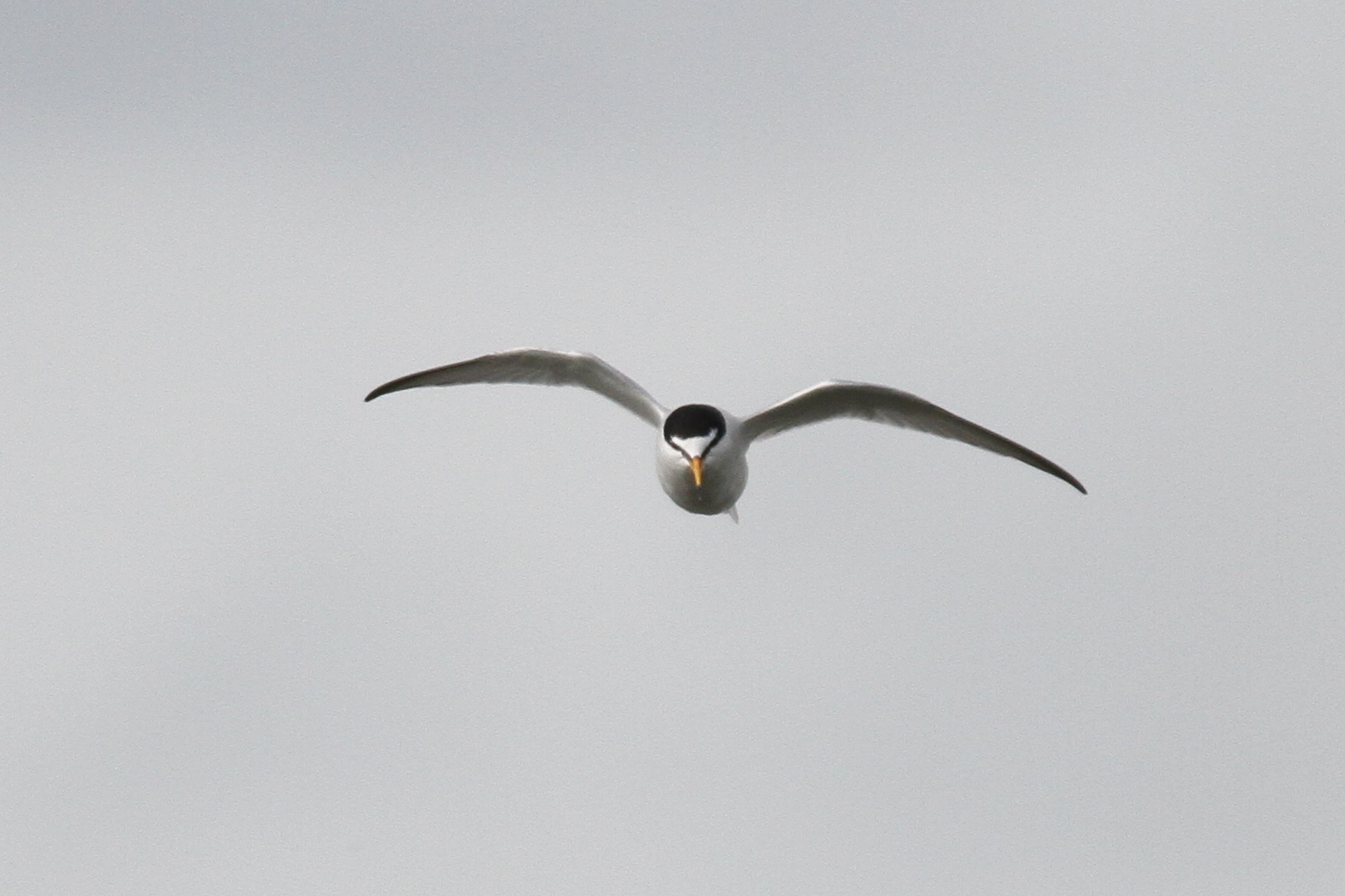
Little Tern, Ferry Meadows CP, 26th April 2014
On Friday the weather forecast for yesterday was pretty poor, with the threat of almost continuous drizzle, so I rushed round like a mad thing and mowed the lawns – this resulted in a rare thing nowadays, a Saturday afternoon ‘off’ in the Peterborough area. As it turned out the weather was much better than predicted, so I decided to go and have a look at a small ‘trip’ of Dotterel that had been reported at a traditional ‘stop-over’ spot, just south of the city. When I arrived at Black Bush Fen there where a few folk looking over a vast freshly planted peat field. The Dotterel, two females and a male, were hunkered down in the furrows at the far end, making for acceptable telescope views but rendering photography of any form virtually pointless – still nice birds to see, particularly as we missed them on last years ‘Big Year’.
With time on my hands I decided to continue on to Ferry Meadows in search of the reported Black and Little Terns – the latter surprisingly being a Peterborough Bird Club (PBC) recording area tick for me. I took the back way into the country park and approached Gunwade Lake from the ‘wrong side’ – but still I managed to pick out, first the summer plumage Black Tern and then, fishing in front of the swanky new cafe, the Little Tern. I walked round to the boat club side and, in the company of a couple of other Peterborough birders, spent a happy hour watching the birds and catching up with events on my former ‘patch’. I did manage a few acceptable record shots.
First the adult summer Black Tern


This particular bird showed a striking ‘two-tone’ dark throat and belly – not something I’ve previously been aware of. I assume it’s to do with the stage of transition into summer plumage – or perhaps it’s that I’ve just not looked closely enough in the past!

I told you that photography was pointless – but just for the record, Dot.. terel, two females (unusually they are the brighter ones of the species) and a male

Last word (photo actually) goes to the Little Tern, a PBC ‘tick’
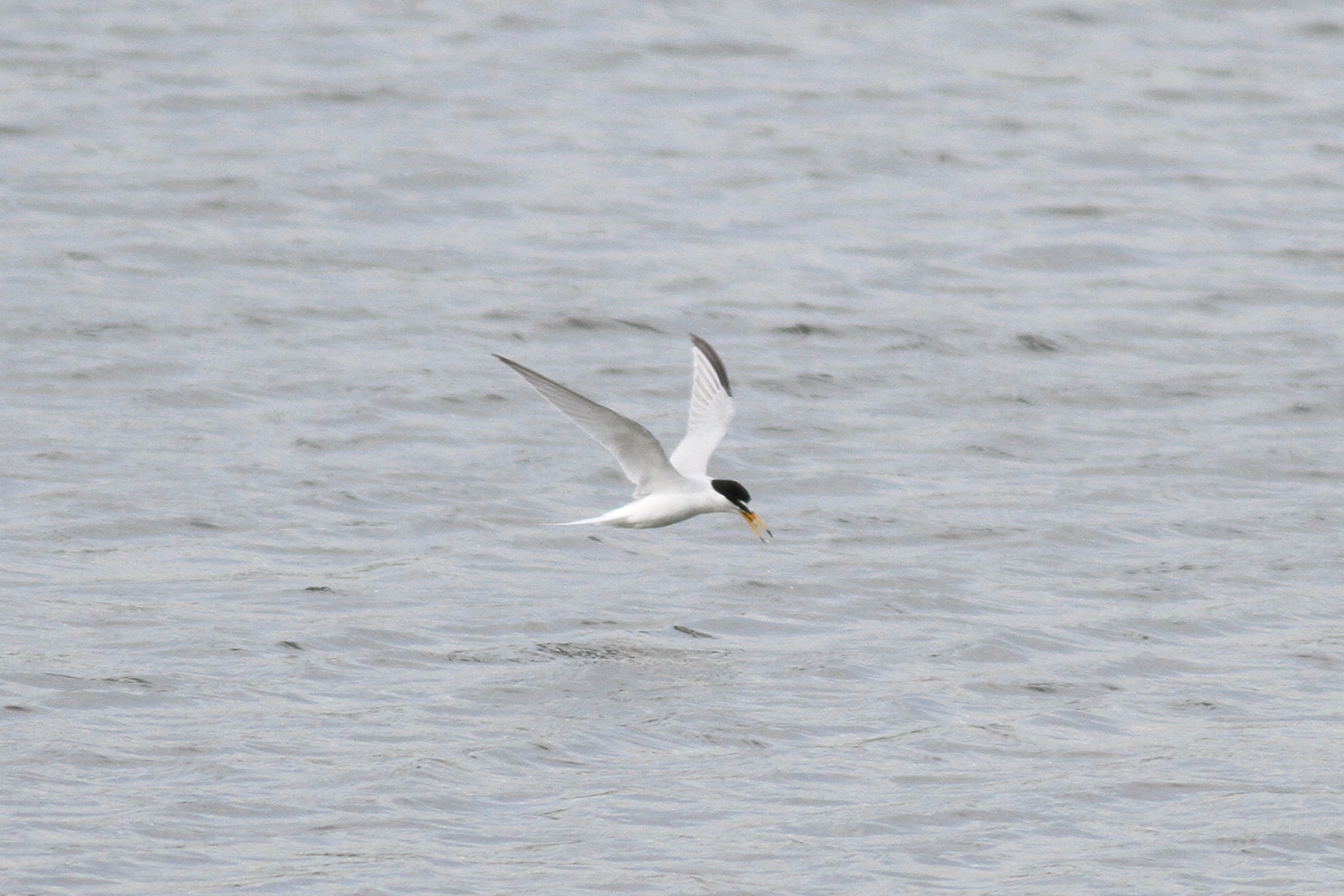
An excellent afternoon out on the ‘old patch’ and three nice birds into the bargain.
More Historic Norfolk Churches
I’d been thinking for some time that I must get back on my bike and do a few more Norfolk churches, when I bumped into a guy birdwatching at Cley, who coincidentally shared an interest in historic churches. He told me about a recent visit to Salle church, near Reapham – ‘the cathedral of the fields’ as he described it. That was more than enough of an incentive, so I set to and planned a route, taking in about twenty churches – only problem was that when I added up the distances, it was over fifty miles – um! Having not been on the bike a great deal since the near-fatal ‘falling off a ladder’ incident last summer, I wasn’t too confident I could make it. I decided on a compromise, I’d cadge a lift with Jane to Holt, and get her to give me a lift back once I’d finished! Wednesday was my best ‘weather window’, so by 10.00 I was peddling my way to the first church on my itinerary of 19 churches and two ruins, located roughly in the triangle between the A148 and the B1149, south west of Holt. As usual with these excursions there was rather a ‘mixed bag’ of ecclesiastical offerings – but I did find some real hidden gems and the ‘cathedral of the fields’ was truly awesome!
The Route:
 The Churches: St Lawrence Hunworth, St Mary Stody, All Saints Thornage, St Mary Sharrington, St Andrew Brinton, St Maurice Briningham, St Mary Burgh Parva, St Edmund Swanton Novers, St Mary Gunthorpe, St Mary Barney, Christ Church and St Mary Fulmodeston, St George (old and new) Hindolveston, St Peter Melton Constable, All Saints Briston, St Andrew Thurning, St Peter & chapel Guestwick, St Andrew Wood Dalling, St Peter & St Paul Salle and lastly, St Peter & St Paul Heydon.
The photos:
First of the churches, St Lawrence, Hunworth  A long shot of St Mary, Stody
  Detail of the ‘clean’ roof timbers of St Mary, Stody
  Exterior of All Saints, Thornage
 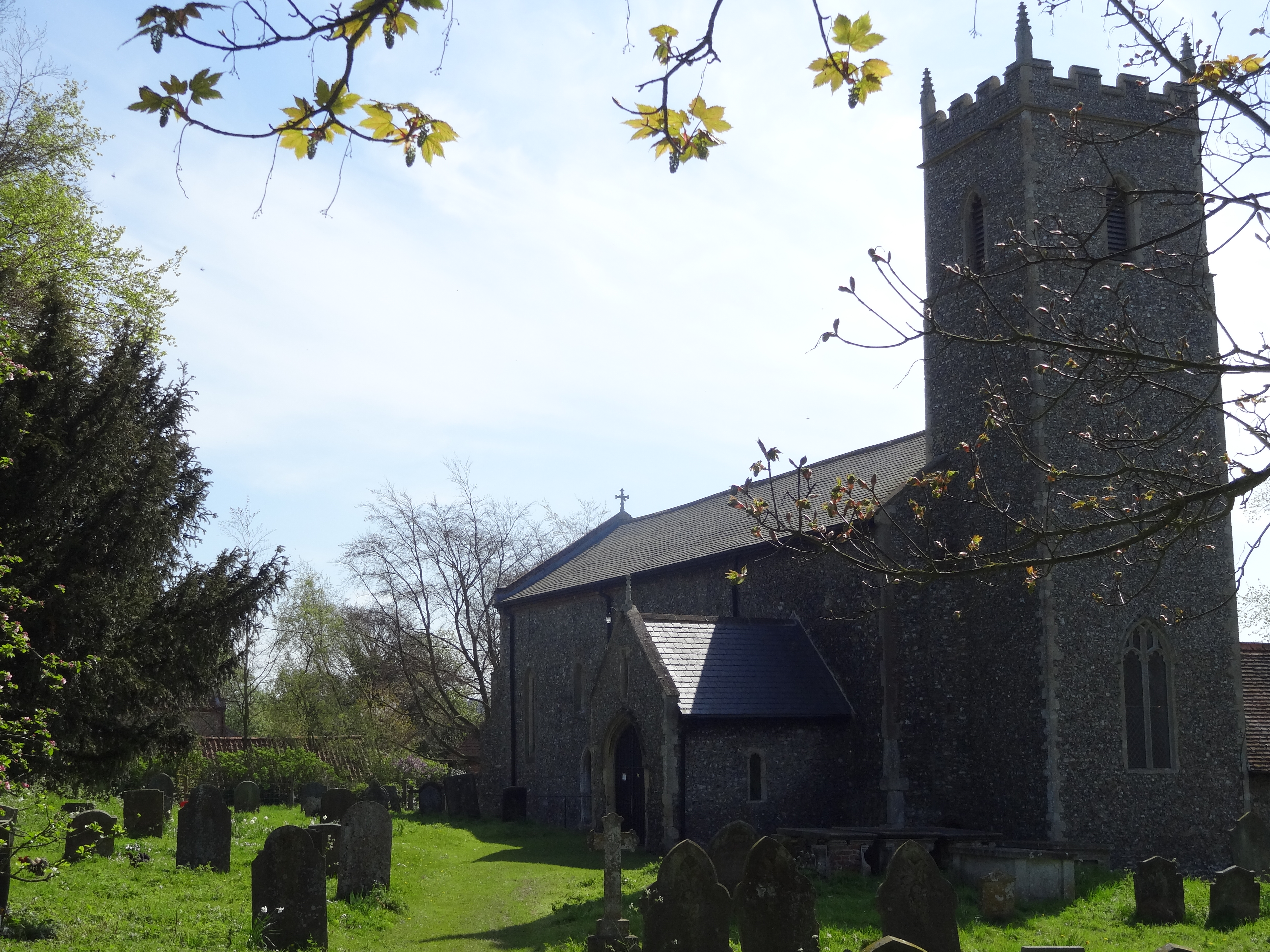 Stained glass window detail, All Saints, Thornage
 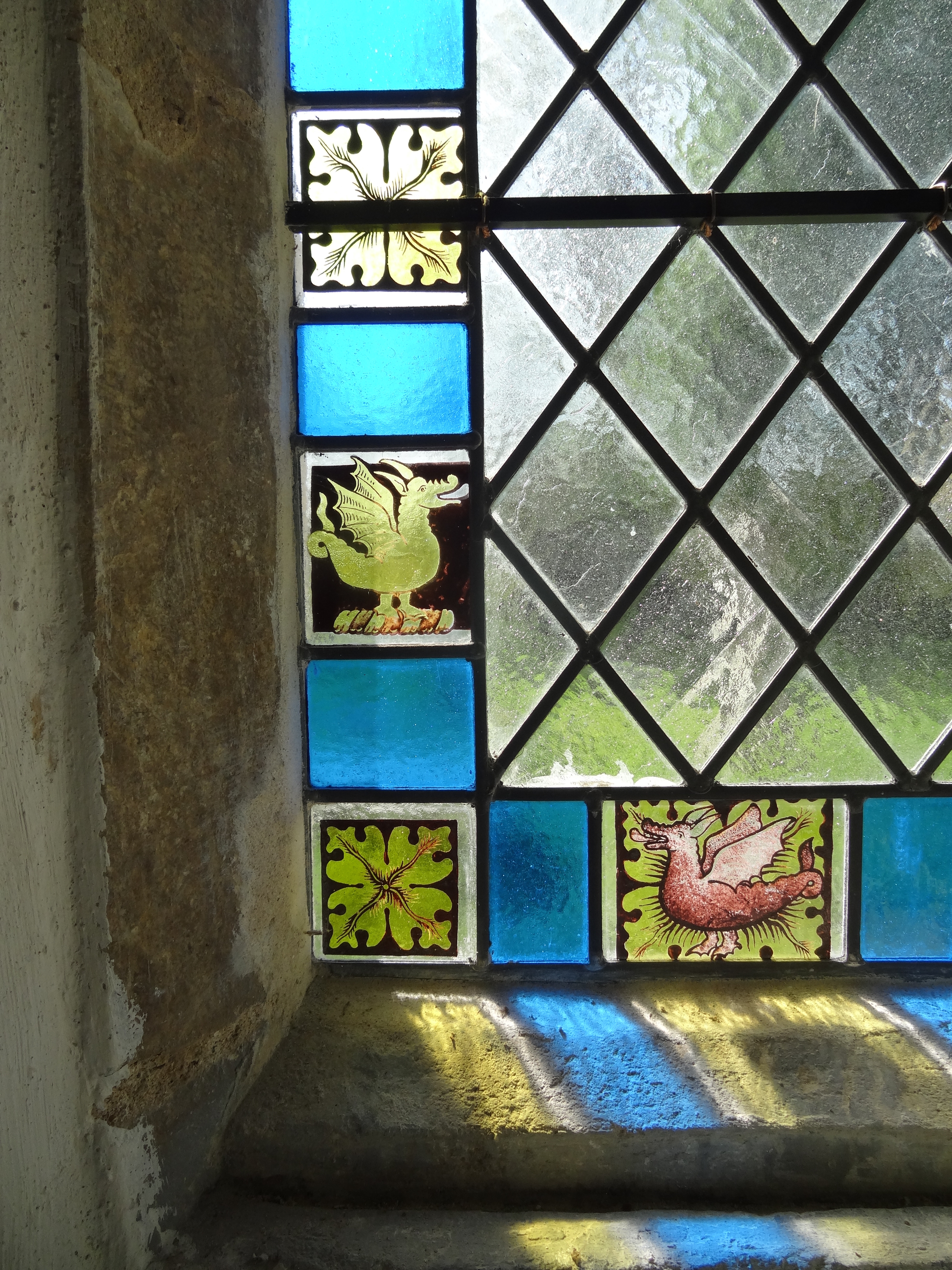 St Mary, Sharrington
  Close-up of a carved stone corbel – widely acknowledged to be amongst the best preserved in England
  St Andrew – centre of the attractive Georgian village of Brinton
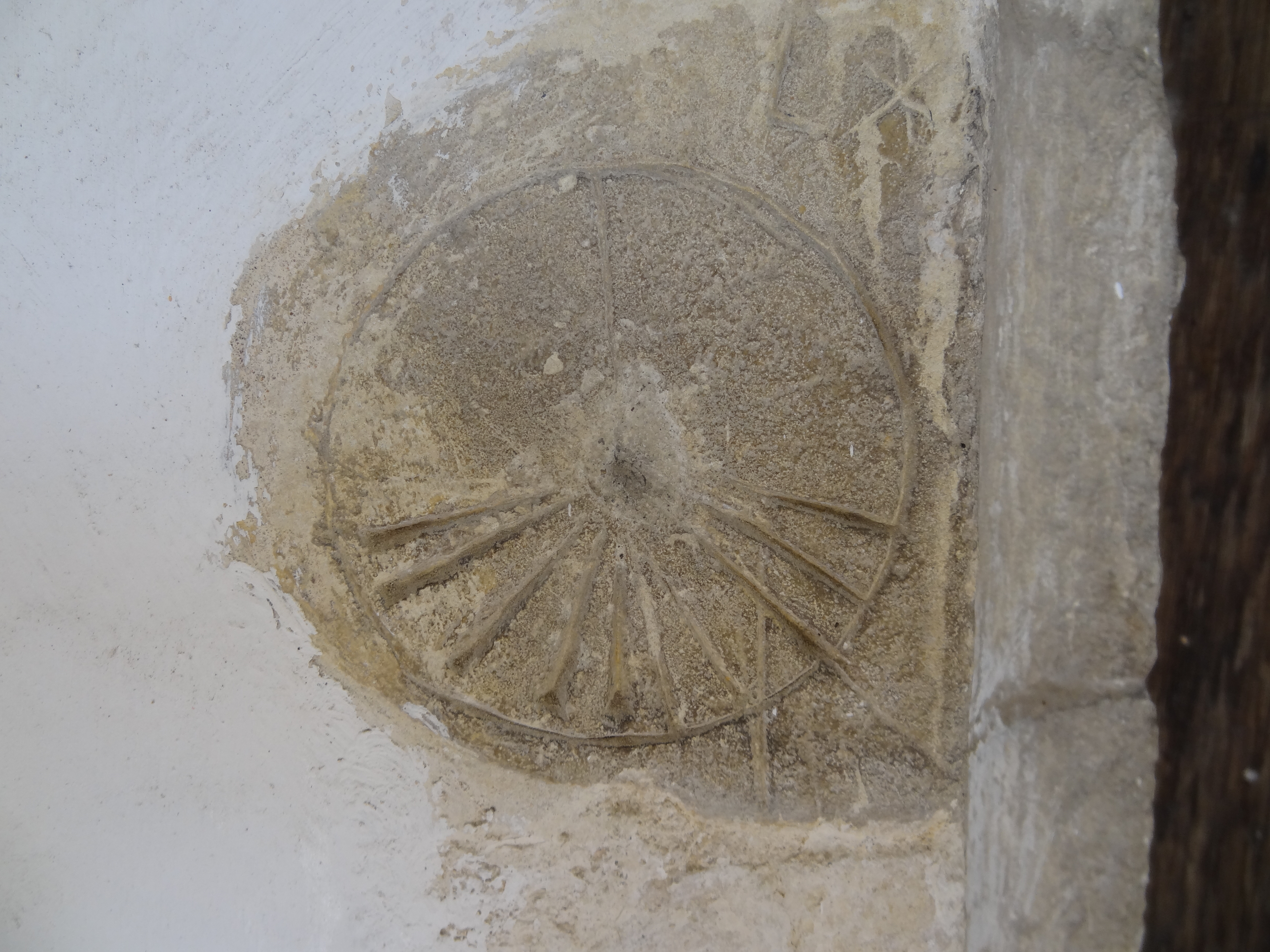
  The fine entrance door with a rustic sundial which pre-dates the porch
  Close-up of the sundial
  An example of some of the fine 16th century wood carving
  The entrance gate and Old Rectory garden approach to St Maurice, Briningham
  St Maurice, Briningham
  Window detail with Easter flowers
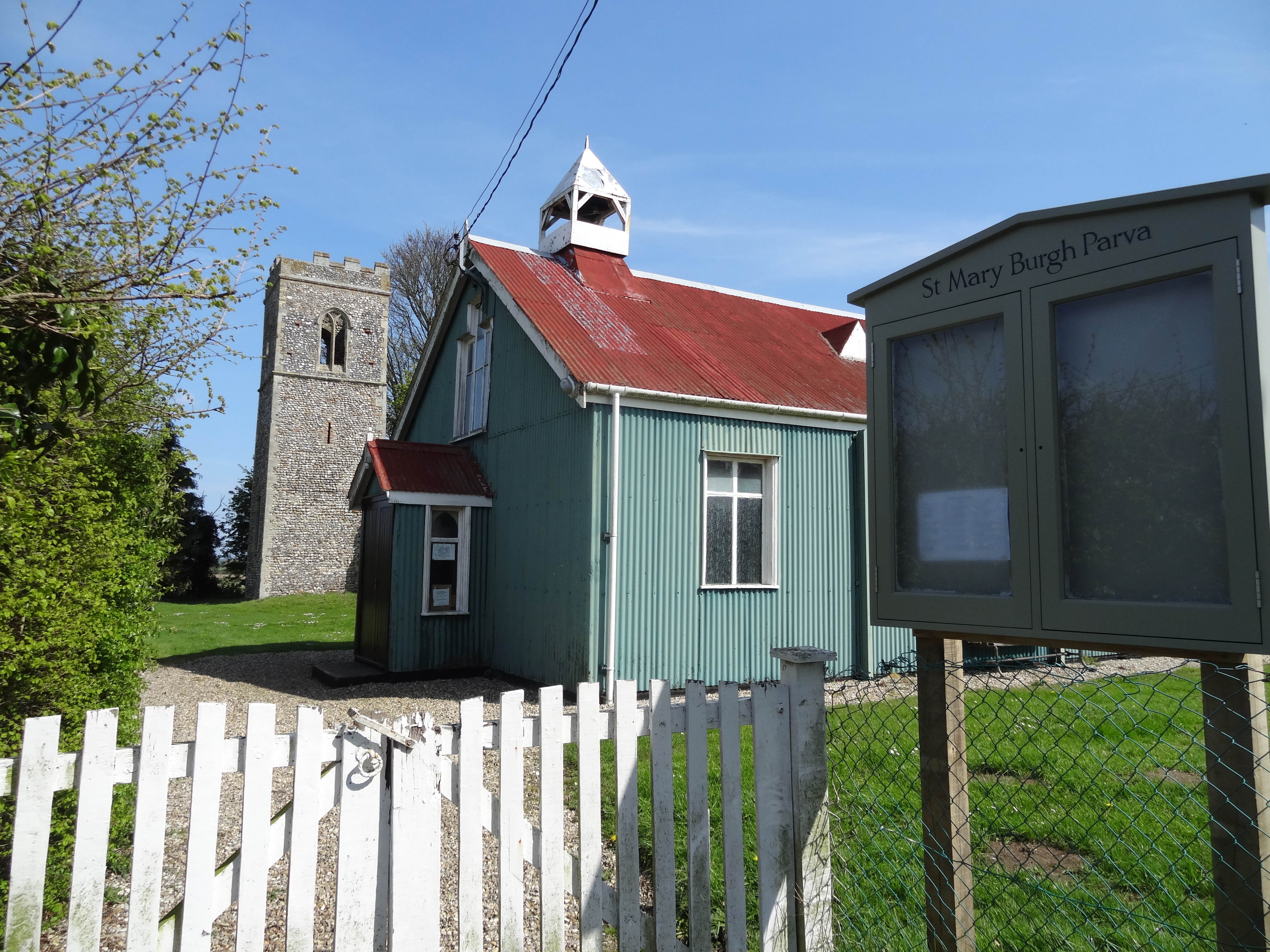
  Ancient and modern – St Mary, Burgh Parva. The ‘tin’ church was erected as a temporary measure to accommodate the growing population of Melton Constable, following the arrival of the railway around 1903
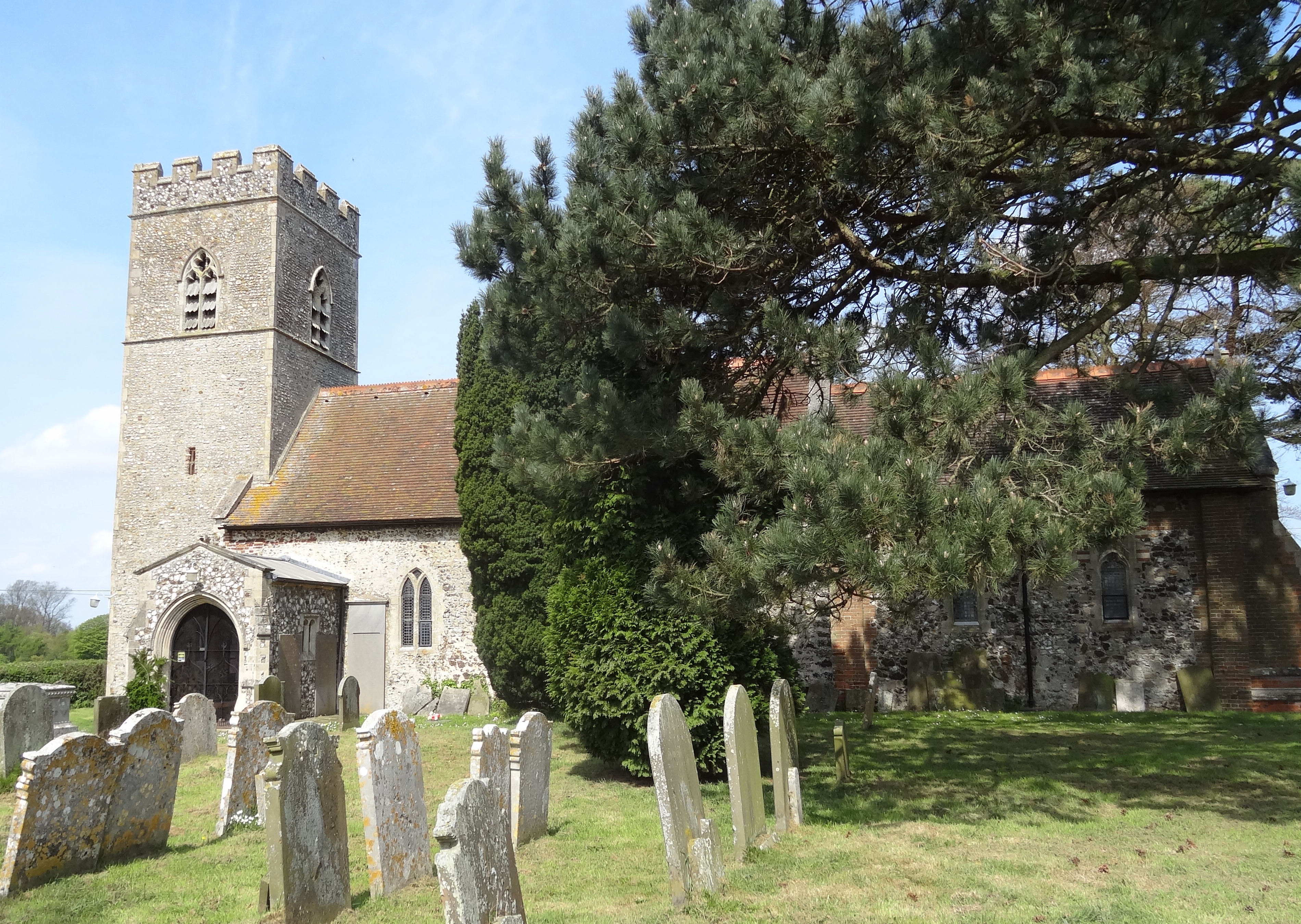
  Tucked away from the village, on this ancient site, St Edmund, Swanton Novers
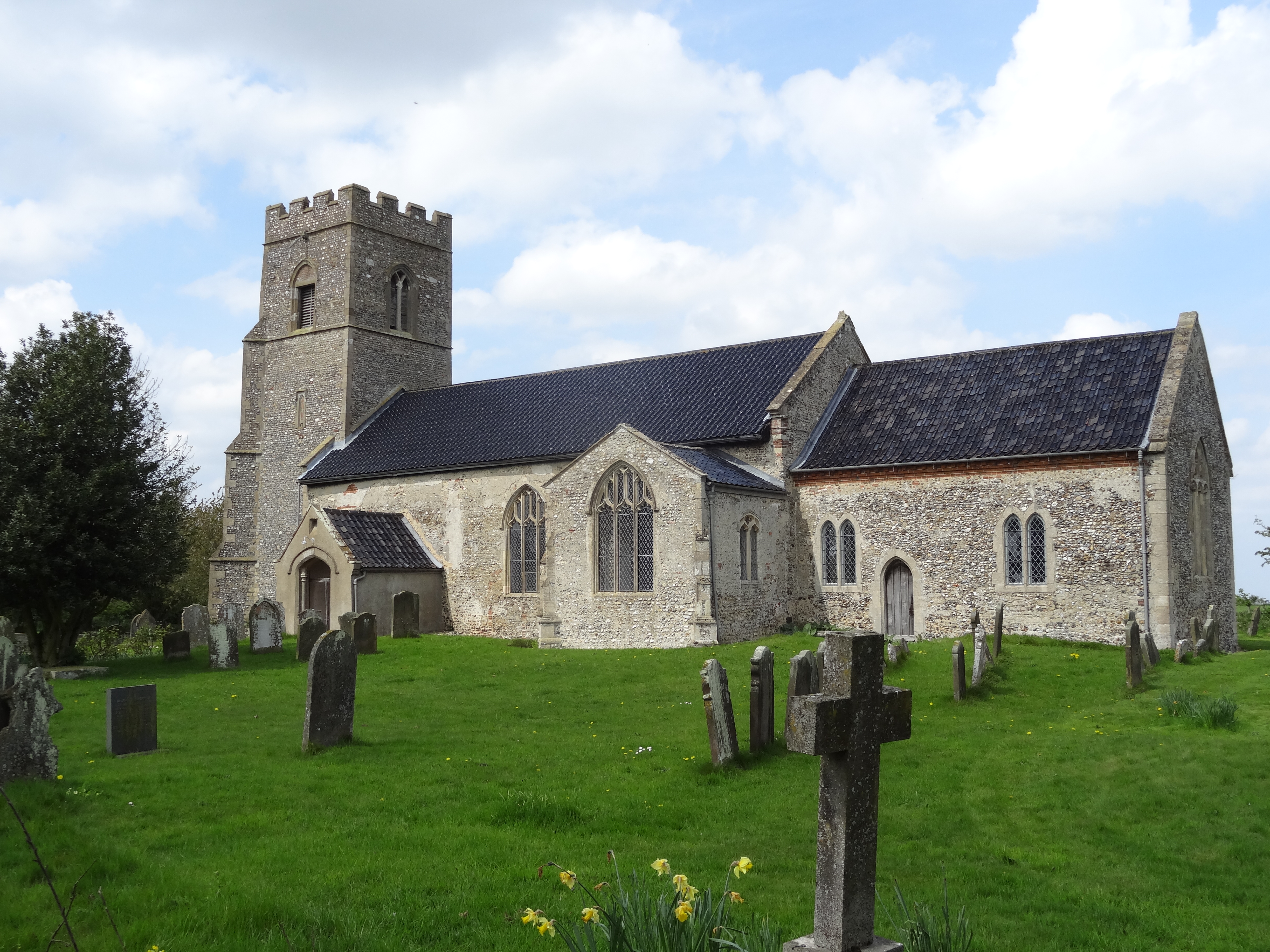
  St Mary, Gunthorpe
  The parish church of Barney – St Mary
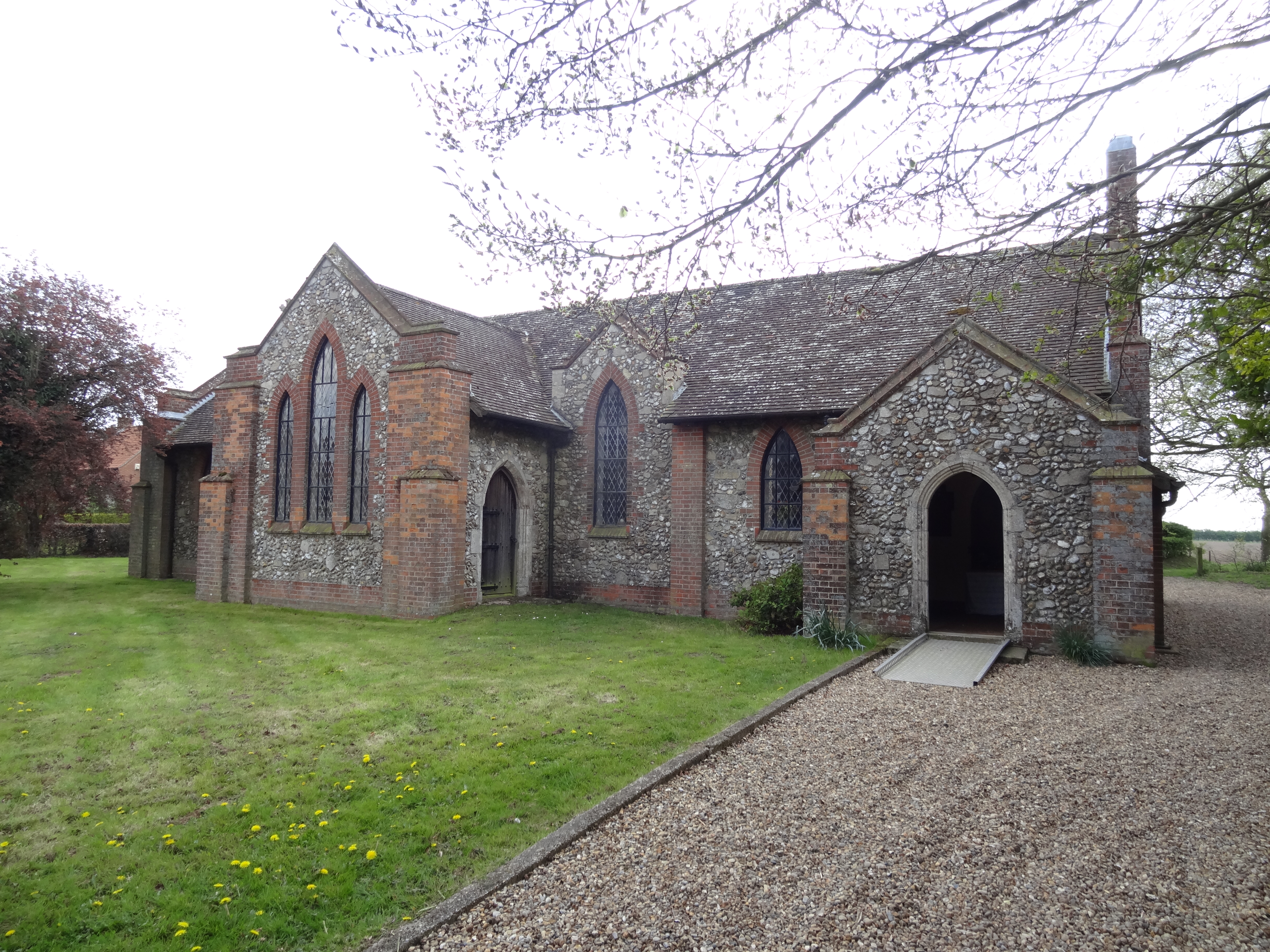
  The ‘not so ancient’ Christ Church, Fulmodeston which replaced the derelict St Mary’s
 Another ‘modern’ replacement church at Hindolveston – both churches dedicated to St George
  St Peter, the estate church of Melton Hall
  Interior detail of All Saints, Briston – note that the Chancel is at a noticeable angle to the Nave
  A three hundred year old metal cello, built by the local blacksmith, and played regularly for Sunday services
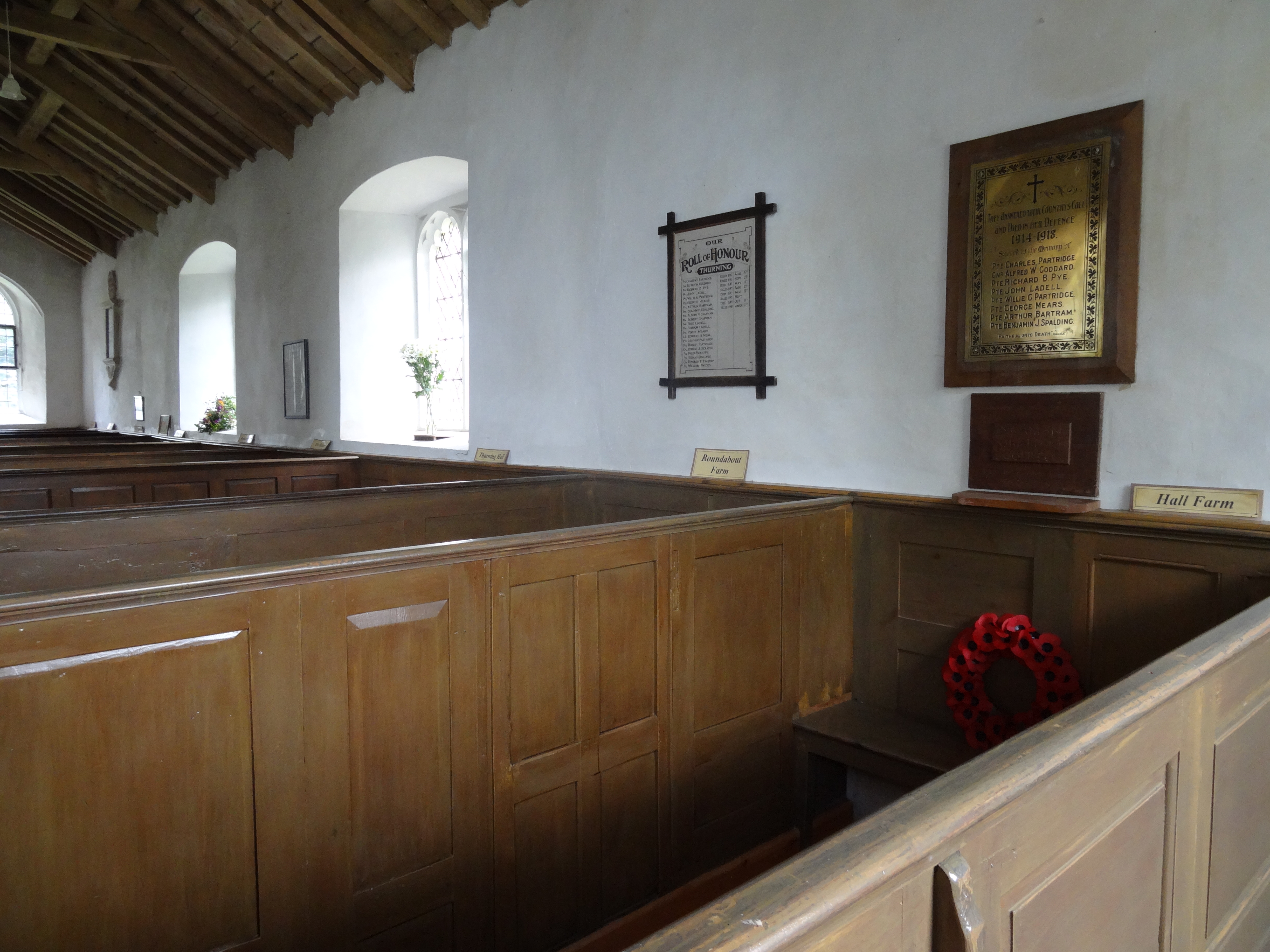
  The truly remarkable little church of Thurning. The elaborate wooden interior came from Corpus Christi College, Cambridge, in 1823, including a three-decker pulpit and a string of box pews, each designated to a particular local farm or house!
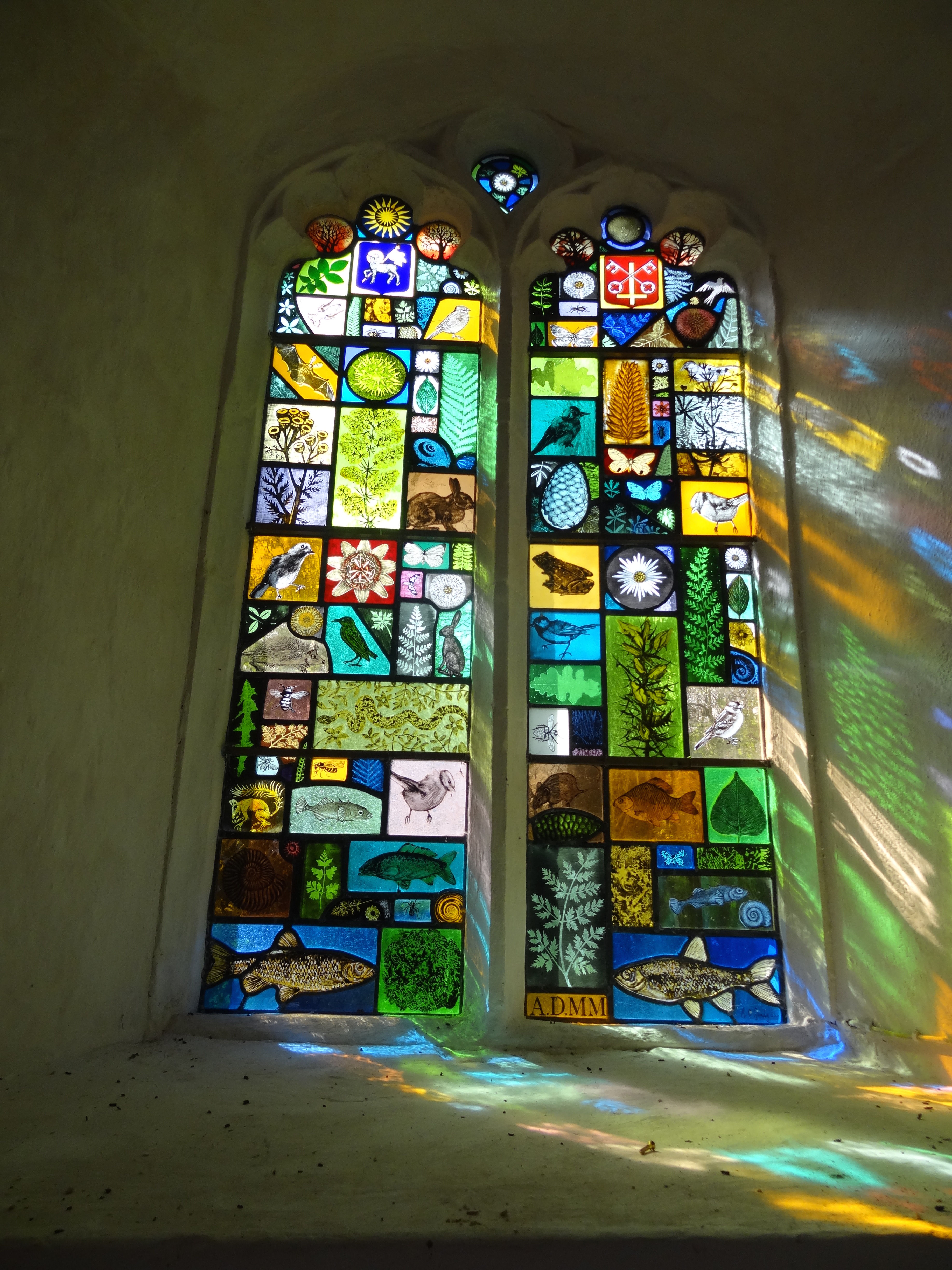
 St Peter, Guestwick
  Detail of a delightful contemporary stained glass window
  Viewed from across the village pond, St Andrew, Wood Dalling
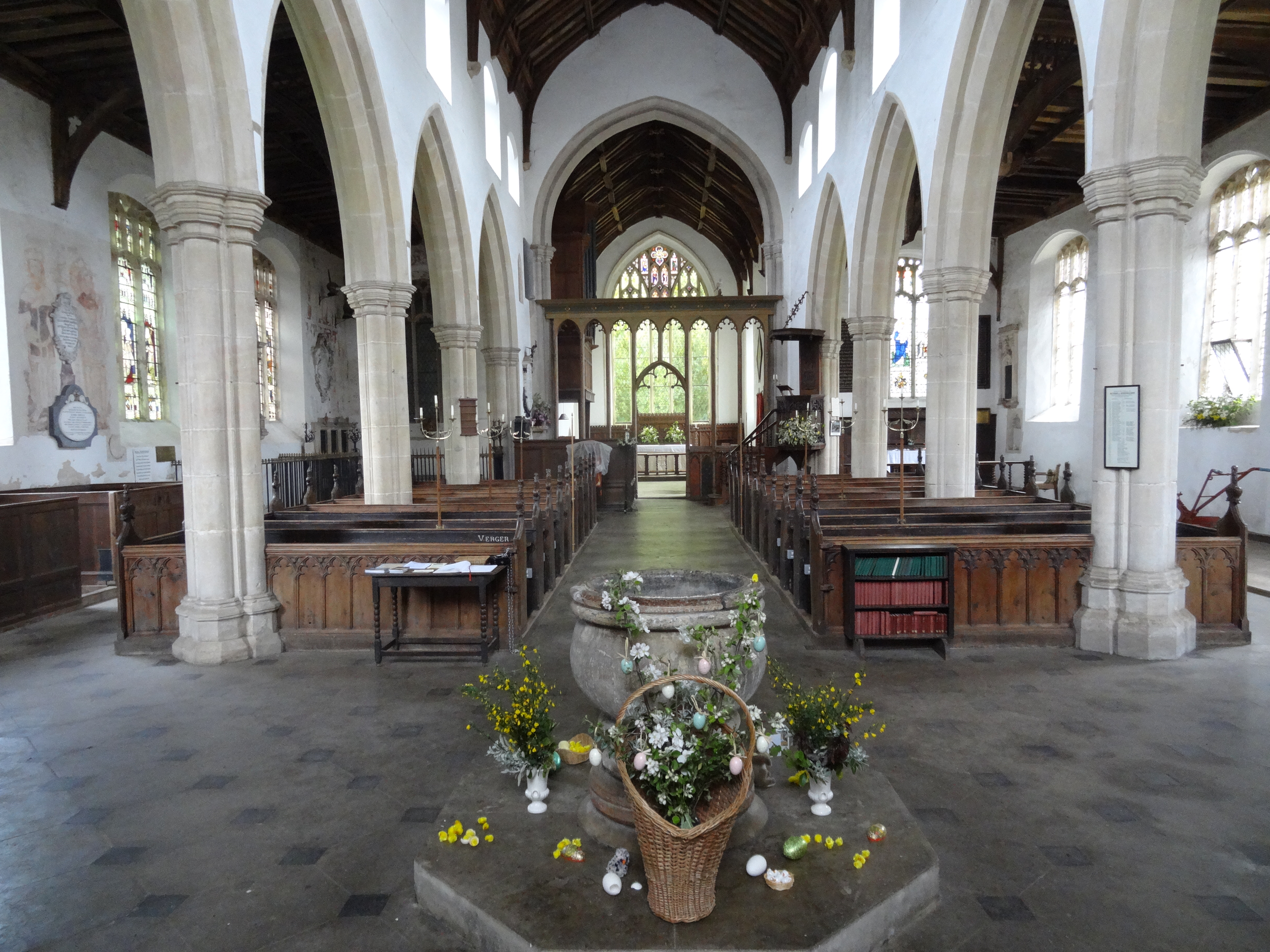
  With it’s spacious yet sparse interior
  St Peter & St Paul, Salle – ‘the cathedral of the fields’ – a magnificent church set in a remote corner of Norfolk

 The vast interior, with detail of the painted rood screen
  Looking down the Nave to the great West door
  Another estate church and another St Peter & St Paul, this time it is in the picturesque village of Heydon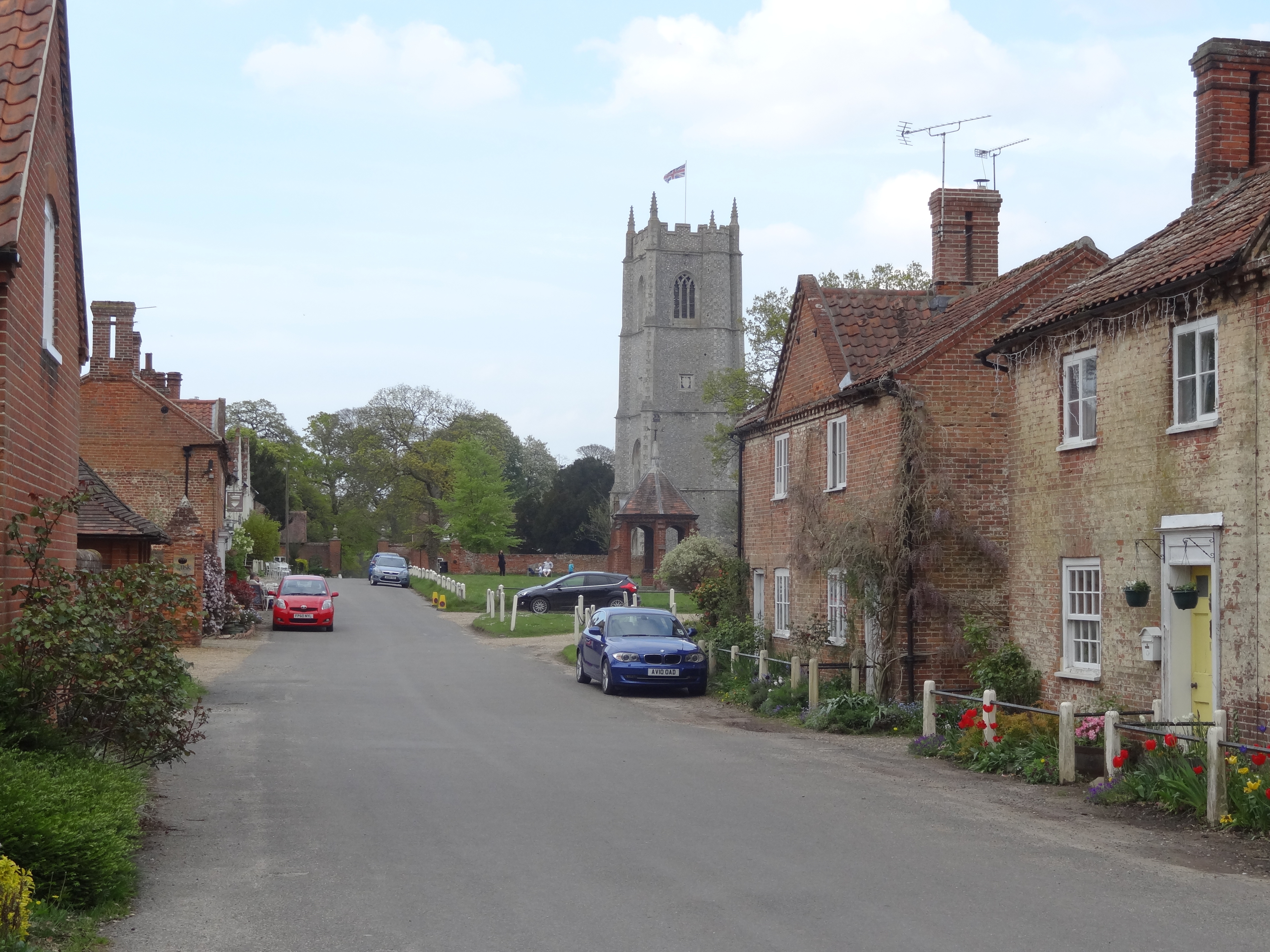
 It was good to be back on the bike after such a long interval and seeking out more secrets of the historic churches of Norfolk. After such an exhilarating day in the saddle it felt rather inappropriate to call Jane for a lift home, so I cycled – a total distance of 78k!
 Trevor On Tour