Our target bird – Sri Lanka Whistling-thrush, female – seen on the Horton Plains shortly after day-break
Actually it was well before the lark – 4.15 am to be precise. And the reason for this outrageously early start was the necessity to be on the Horton Plains before it got light, if we were to stand a chance of seeing the last of our ‘must get’ thrush species. As soon as the reserve opened at six we made our way to the viewing deck, to be greeted almost immediately by the tell-tale shrill squeaky call of the male. As dawn broke Jane spotted our ‘target’ fly to the bushes above the lake – a Sri Lanka Whistling-thrush. It fed quietly along the edge whilst it’s mate flew under the decking to perch temporarily behind us. The pressure off, we then spent the next four hours walking the roads in the park, adding another five endemics, plus an impressive supporting cast.
Second endemic of the day – Sri Lanka Woodpigeon
Next to fall was the colourful Yellow-eared Bulbul
Swiftly followed by Sri Lanka White-eye
and Dusky Blue Flycatcher
The last and trickiest of today’s half dozen endemics – Sri Lanka Warbler
Prize for the best ‘supporting cast’ species on the Horton Plains – the utterly delectable Velvet-fronted Nuthatch
The group – wondering if we’d ever catch up with Sri Lanka Warbler – the last of this mornings endemics to fall
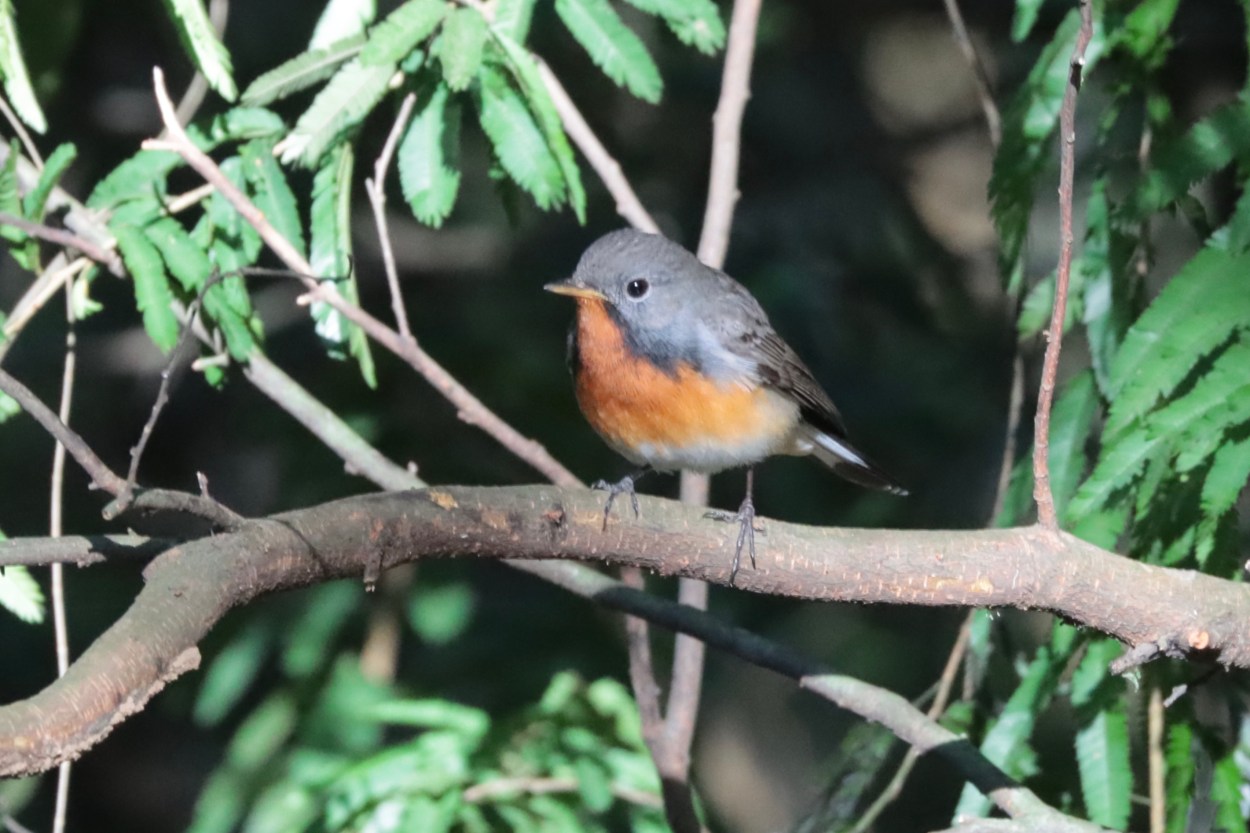
One of the stand-out birds this afternoon – Kashmir Flycatcher, male. A scarce migrant
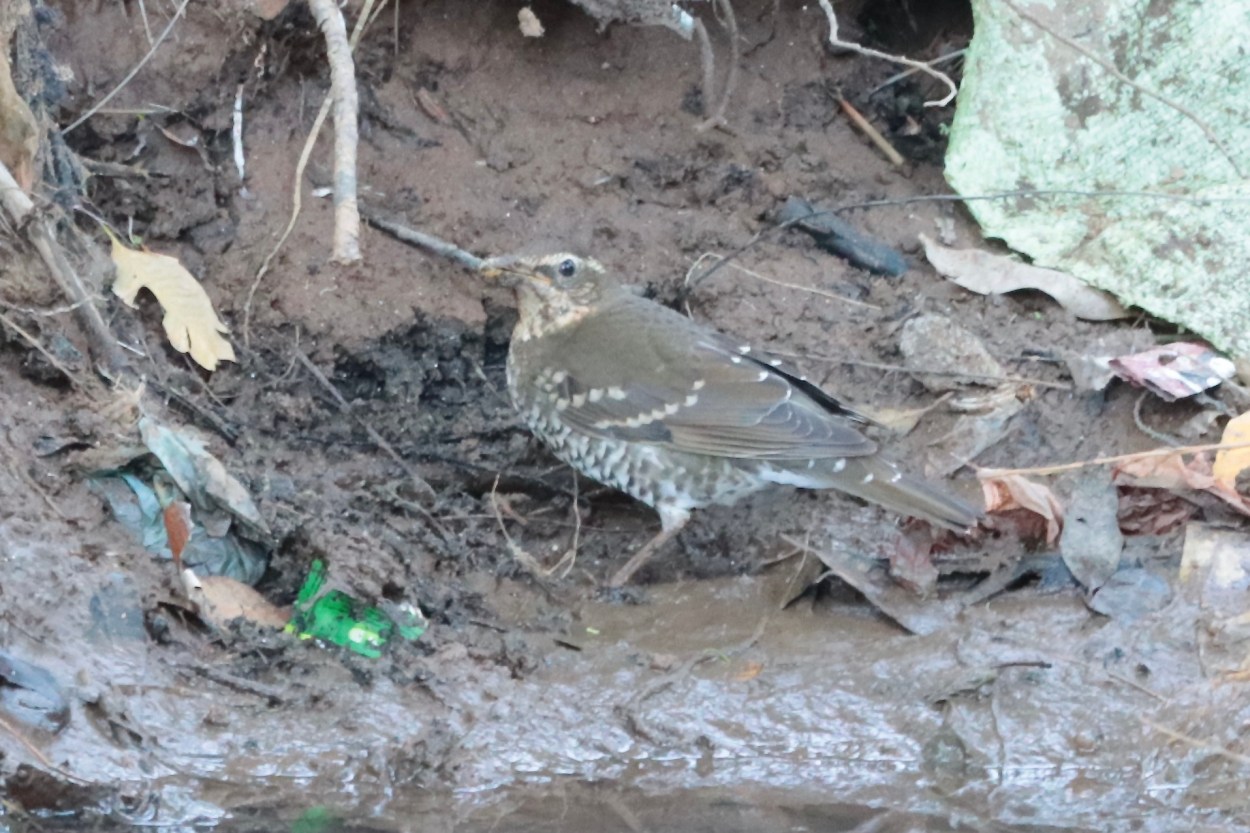
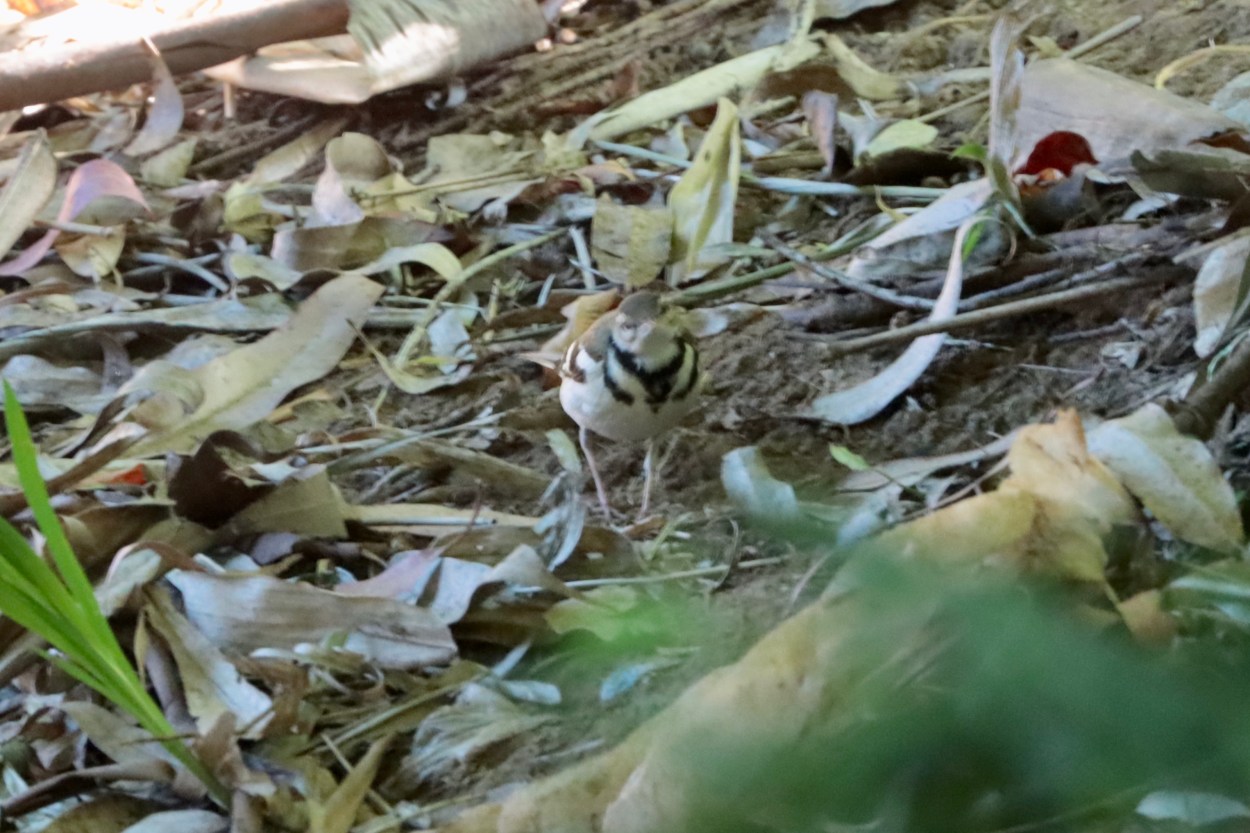
After a three hour transfer from Kitulgala to Nuwara-eliya – capital of the central hill country, at an altitude of over 6,000 feet – and longest lunch-break ever we did manage two hours this afternoon in the birding hotspot of Victoria Park – a typical town park creating in the colonial style with a creek running through it. I say creek but it was more like a giant waste disposal unit. However, as we all know birds aren’t usually put off by their surroundings, and so it proved today. In the space about 100m of ‘water-front’ we had some exceptional birding. We added about a dozen new species to the overall trip list, including a couple of endemics: Sri Lanka Scaly Thrush and Sri Lanka Scimitar-babbler, several scarce migrants and at least one other hard-to-get thrush. A really great session and prelude to a 4.30 am start tomorrow for our trip to the Horton Plains National Park.
Record shot of Sri Lanka Scaly Thrush – a scarce and endangered endemic
Another flycatcher – this is a scarce resident – Grey-headed Canary-flycatcher
Another tricky thrush species – this is Pied Ground-thrush
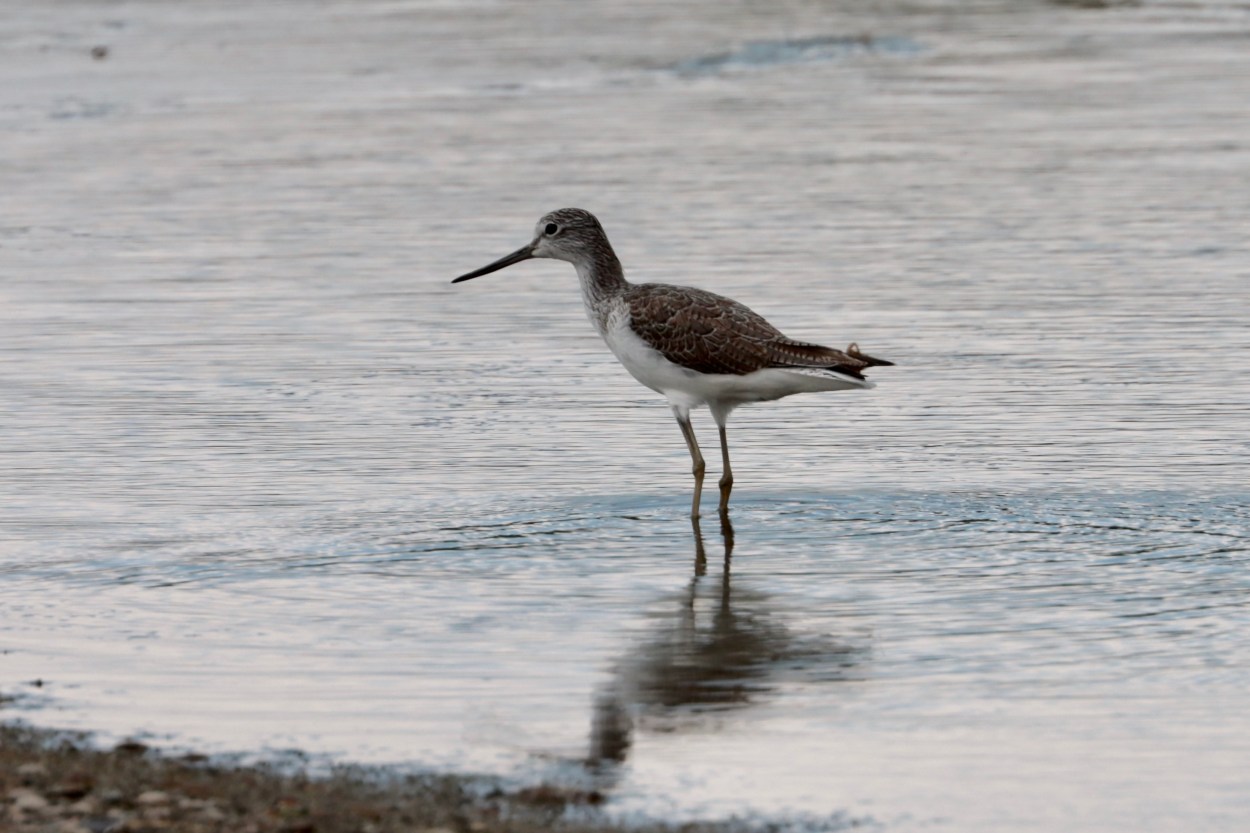
Our first waders of the trip – Common and Green Sandpiper. The latter being rare in land
Finally a record shot of another ‘forest floor’ species – Forest Wagtail
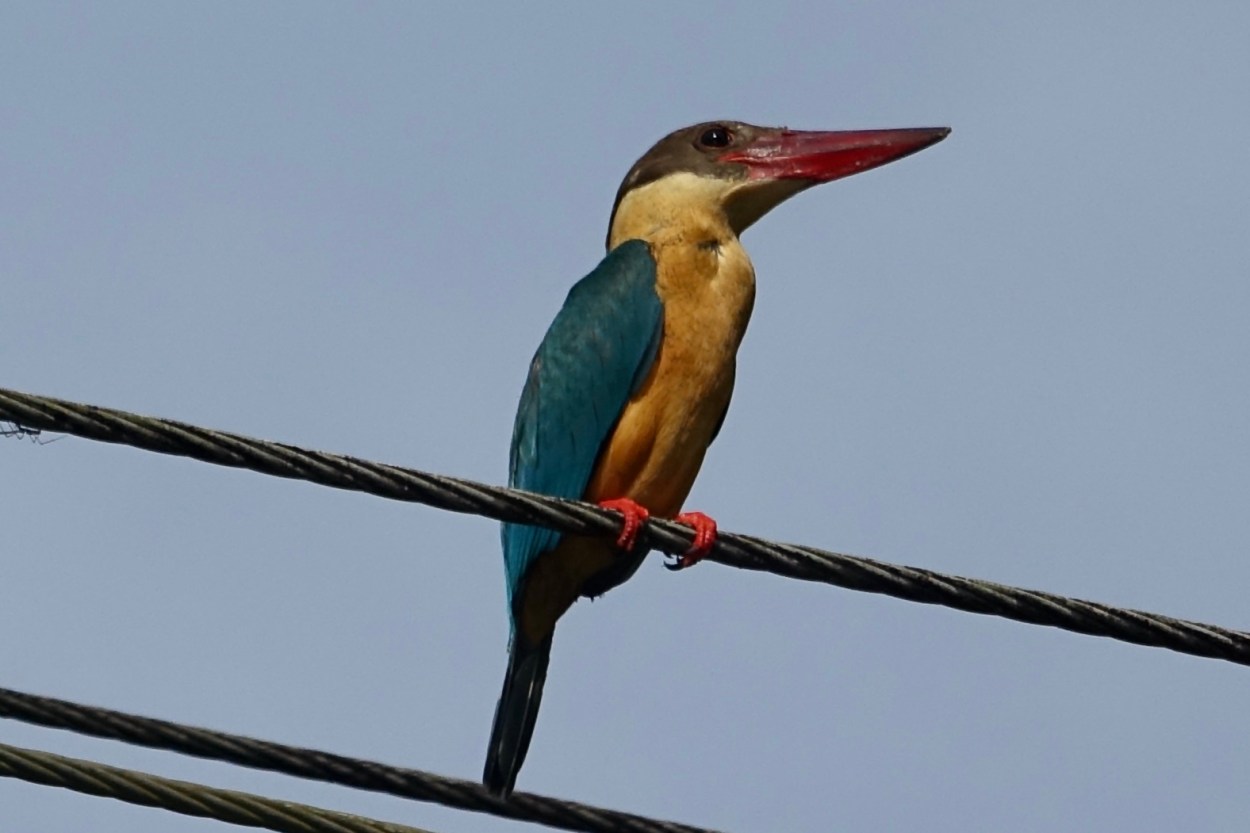
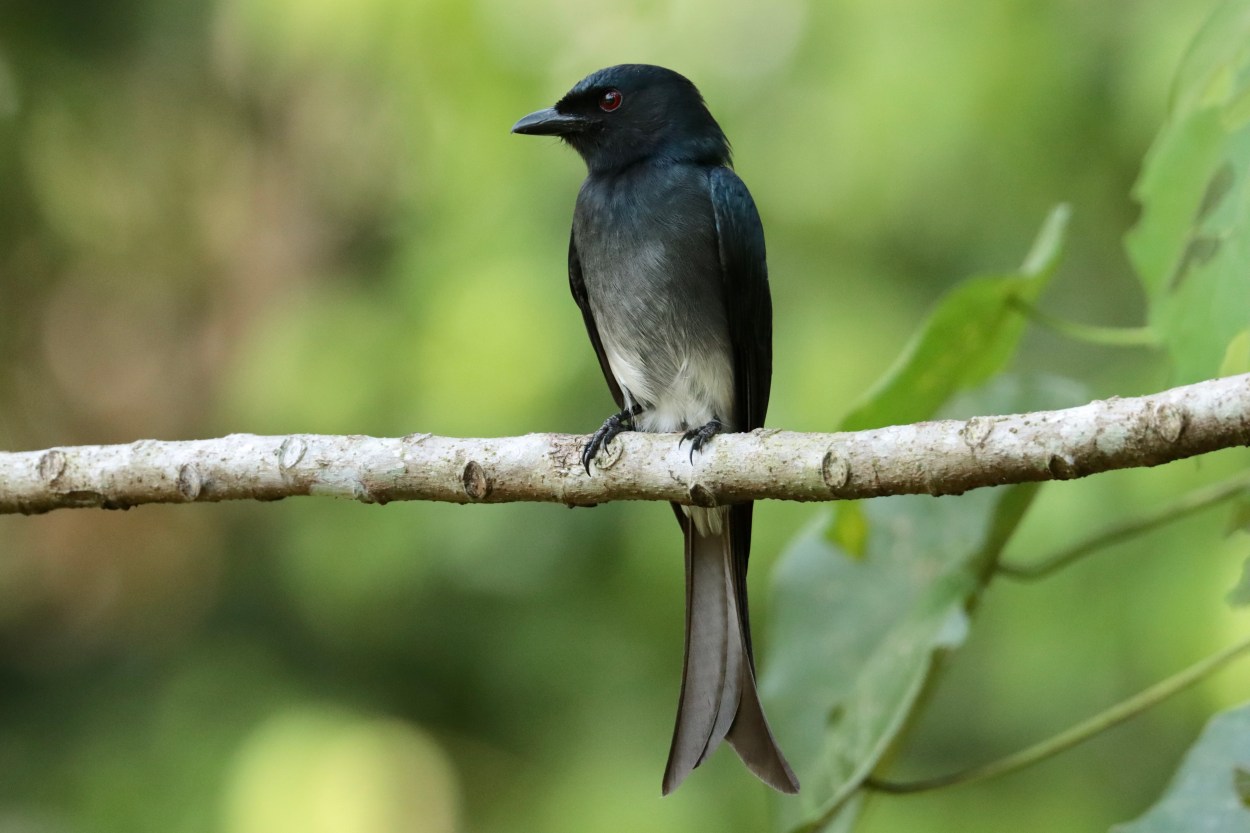
First the ‘little’ – Black-backed Dwarf Kingfisher – at just 13cm from bill to tail
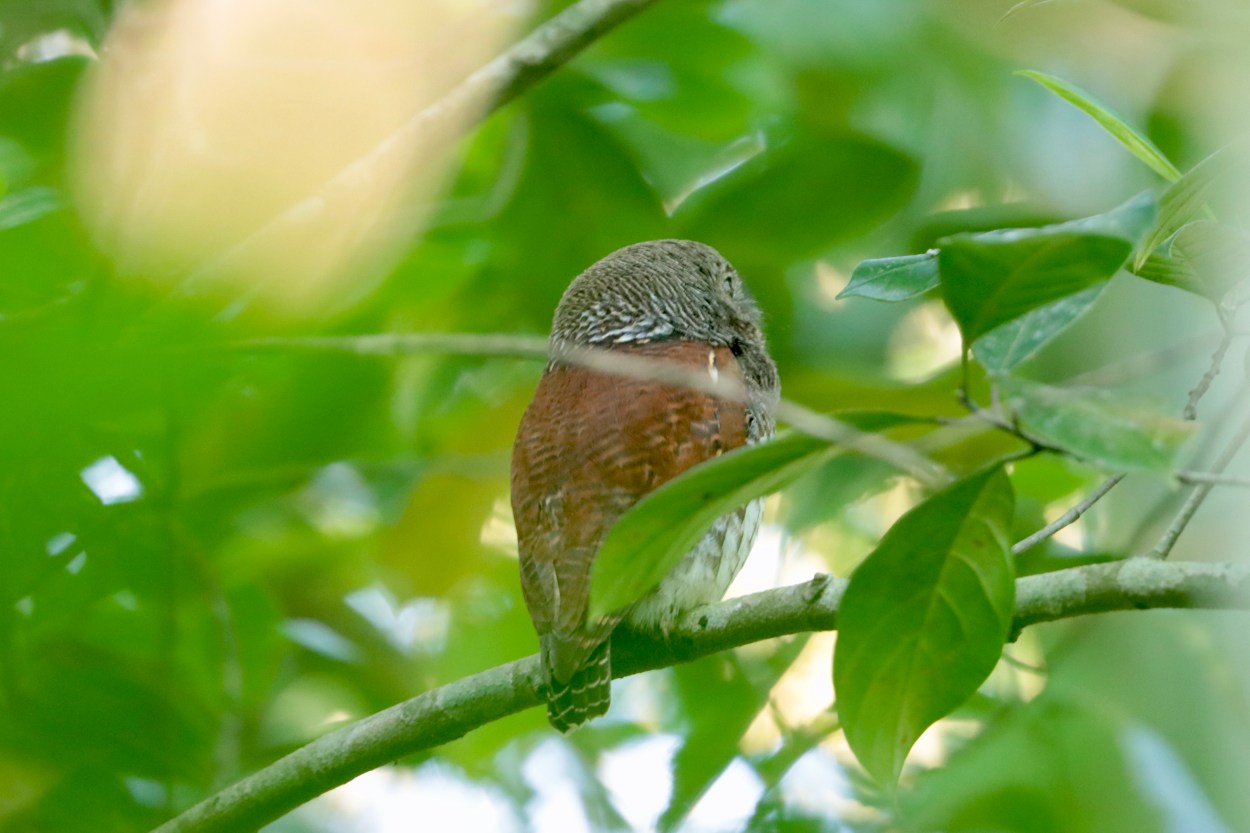
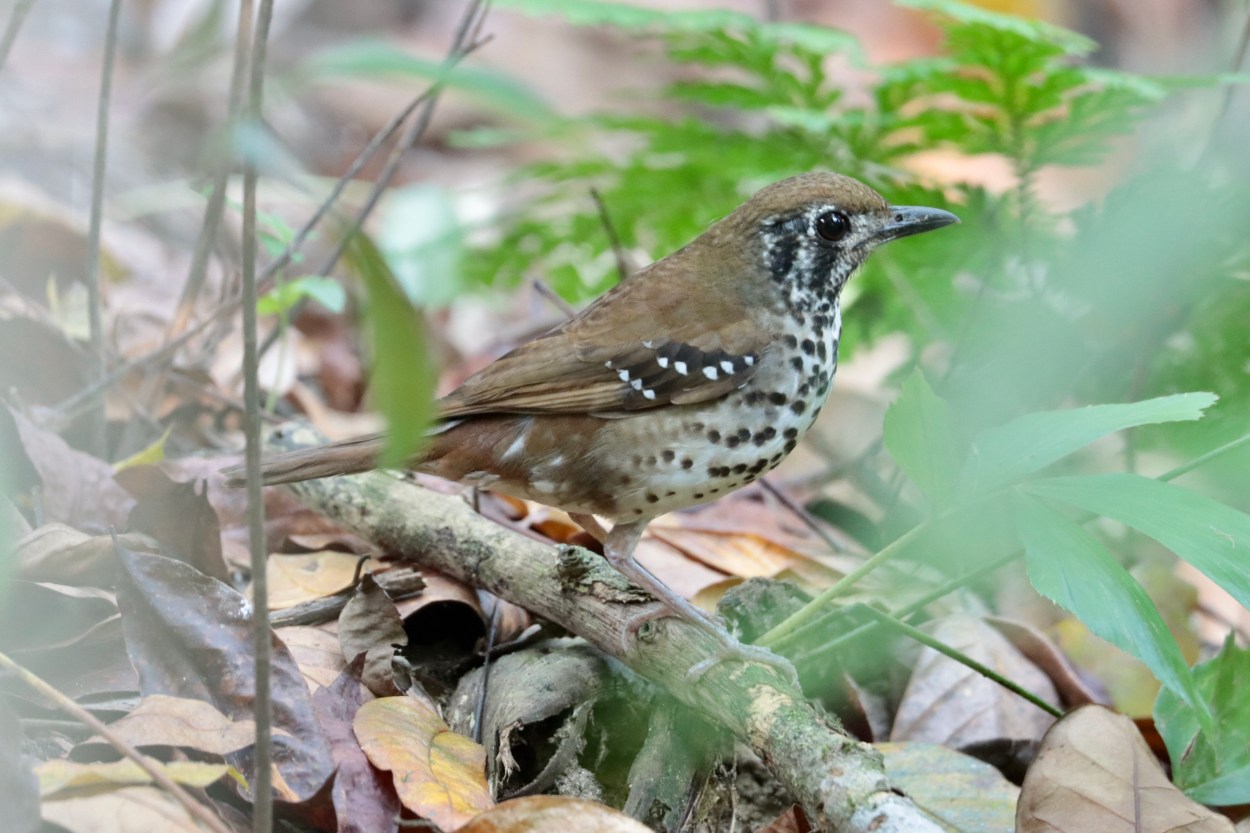
We’ve spent the day birding no more than a couple of miles from the hotel – mostly along the river, adjacent tea plantations and surrounding hill country. Our journey involved an interesting raft-crossing and an even more interesting return across a pedestrian suspension bridge. Several more endemics have been added to the list bringing my personal total to 16. Two raptors were additions to the trip list – both scarce eagles: Black and Rufous-bellied. But it was the evening session which proved to be the highlight with two endemics falling in quick succession: Chestnut-backed Owlet (IUCH Red List – Vulnerable) and Spot-winged Ground-thrush, with the ‘bonus bird’, Black-backed Dwarf Kingfisher. The tea and cake on the deck of a near-by bird lodge was the perfect end to an excellent day.
Now the ‘large’ – Stork-billed Kingfisher – 3 times the size at 38cm (photo courtesy of Jane)Record shot of the Chestnut-backed Owlet – glimpsed through a tunnel of leavesAnd I thought that the Orange-headed was a skulker – this Spot-winged Ground-thrush gave us the run-around in deep cover
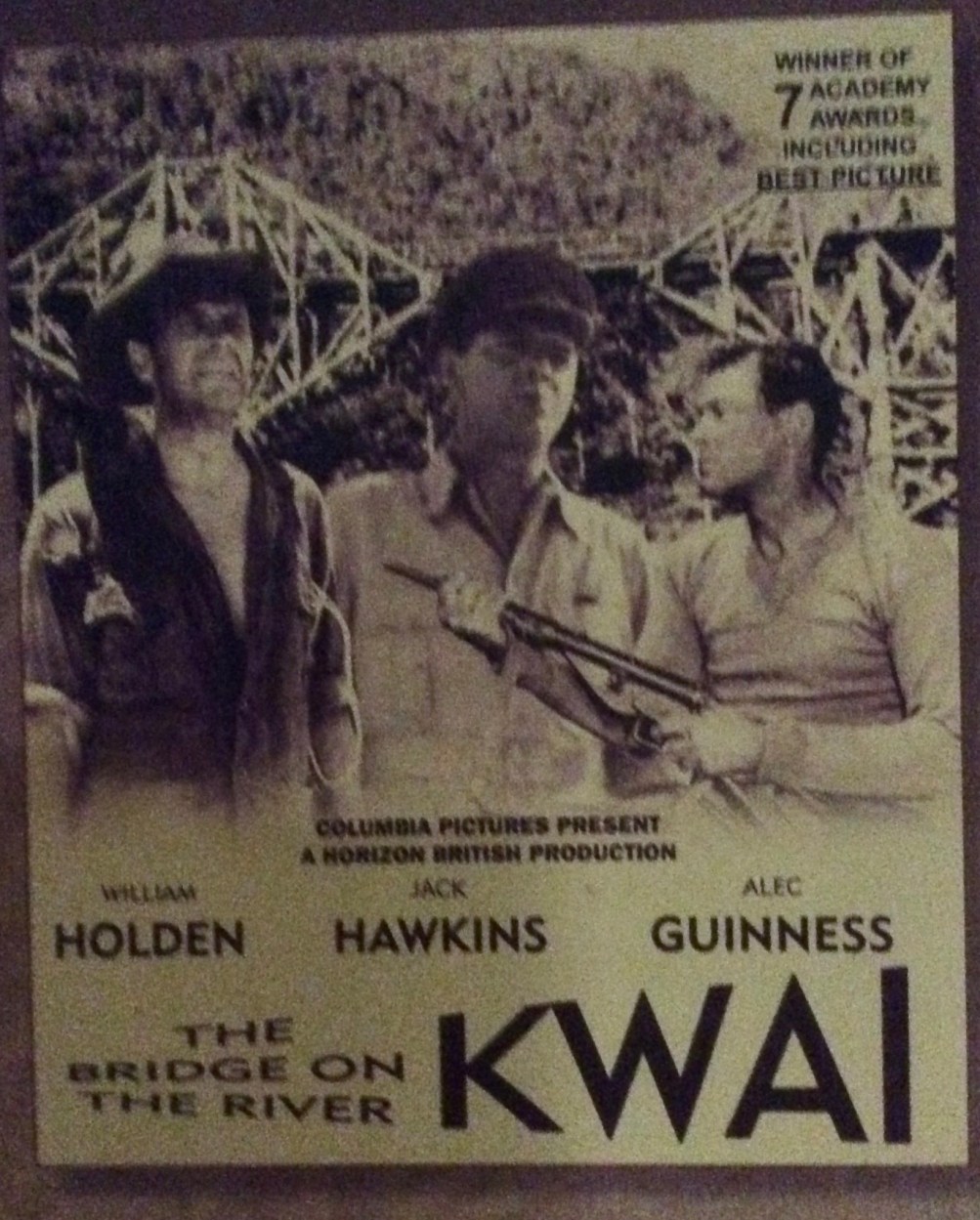
Today was a transition day, from Sigiriya to Kitulgala, where we are staying in the Heritage Kitulgala Rest House – made famous as the centre of operations for filming ‘The Bridge on the River Kwai’. With nearly six hours spent travelling there was only a couple of hours at the end of the day to go birding – but boy what a couple of hours that proved to be! Most of the good stuff was seen from the car park, including the two endemic parrot species, a couple of new bulbuls and a general assortment of other interesting stuff. Wifi here is a little limited so that might impact on the number of photos.. let’s give a go.
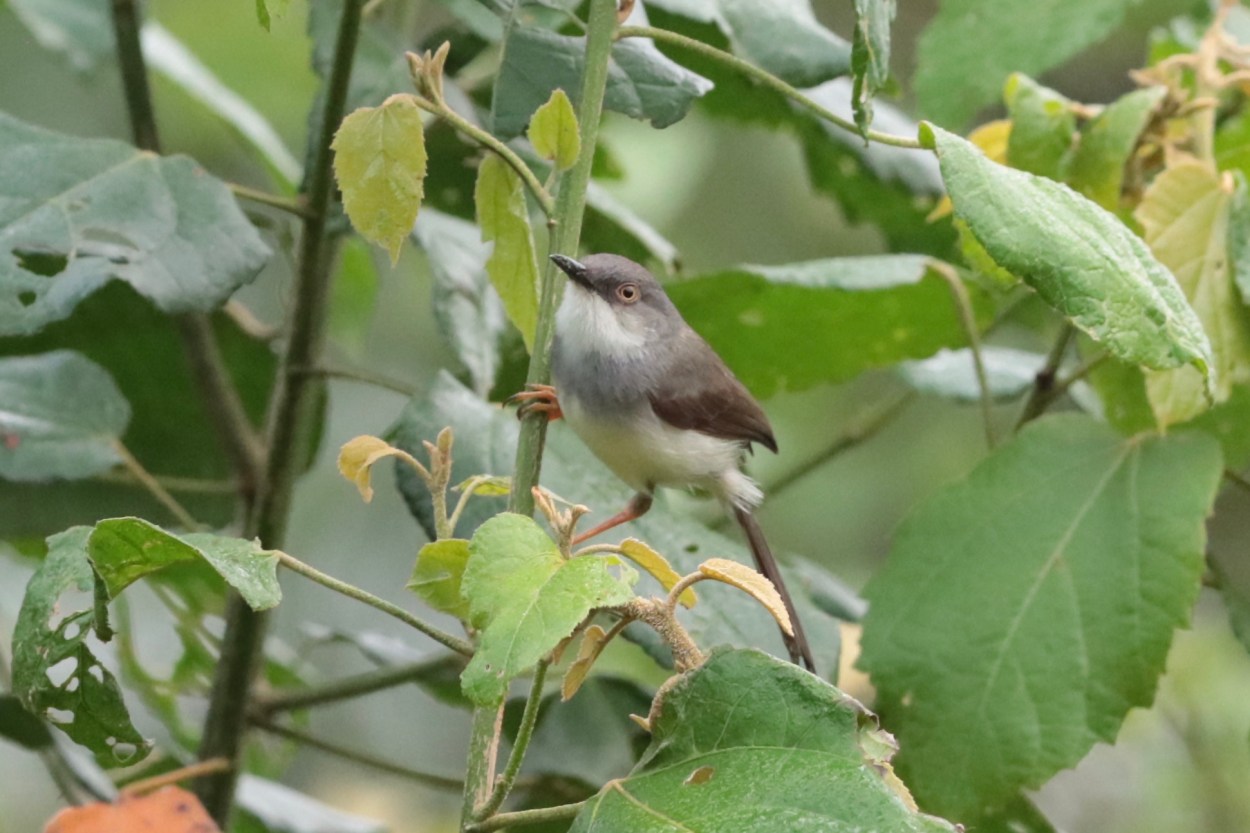
Best of our early morning birding session – Grey-breasted Prinia
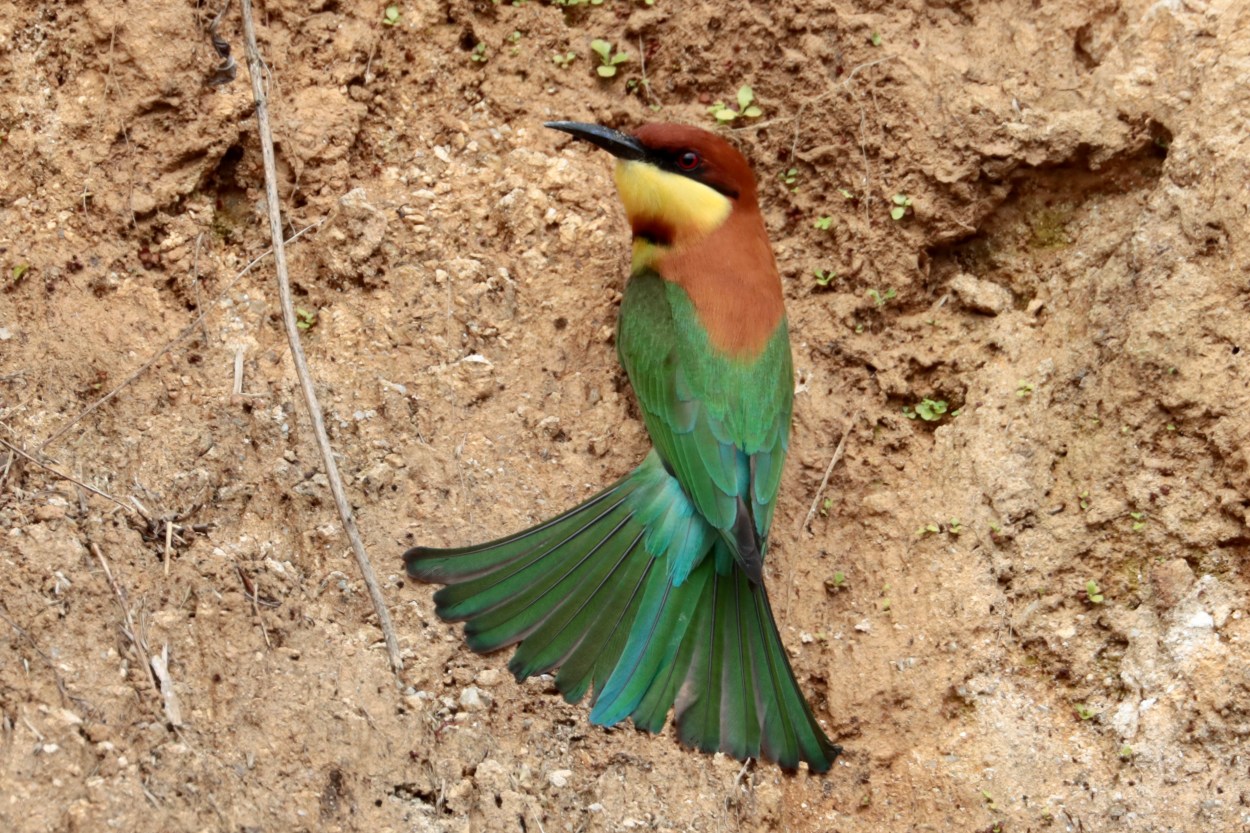
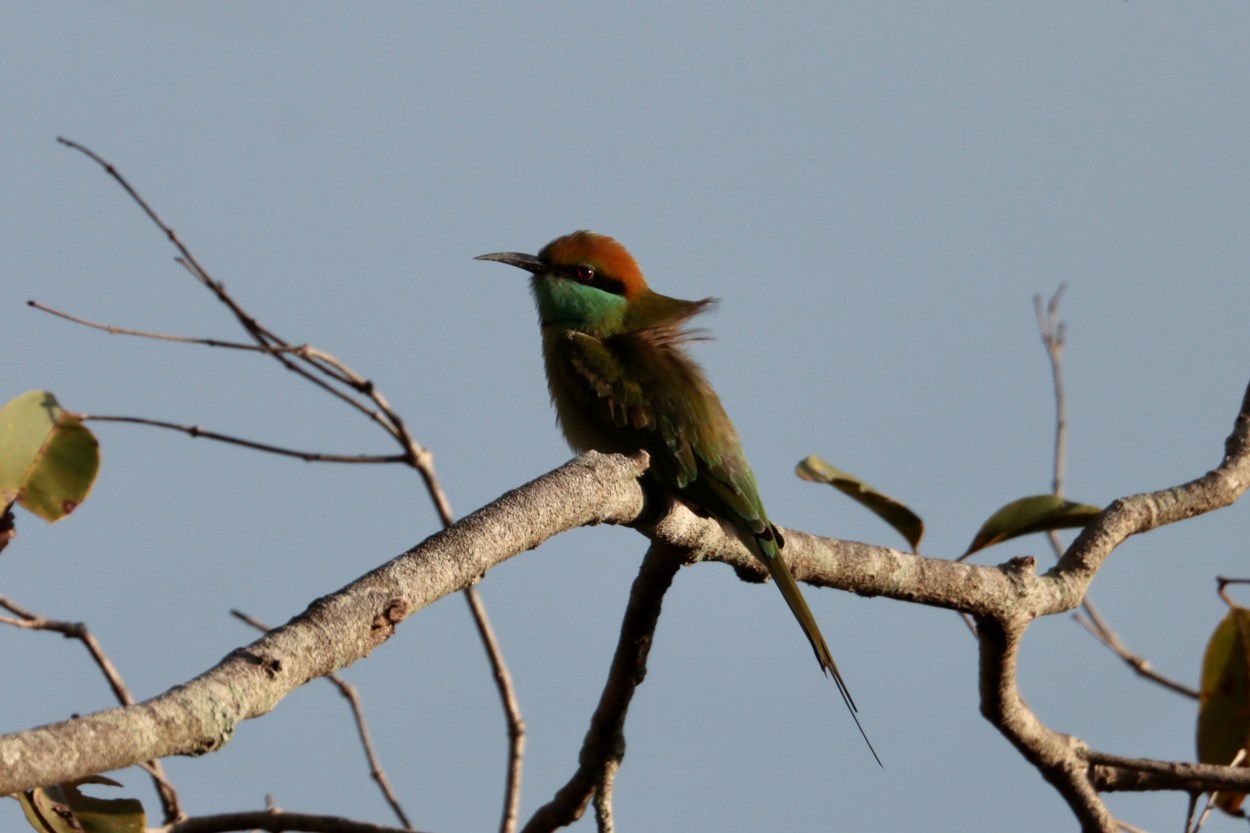
Best bird on route – Chestnut-headed Bee-eater
Emerald-collared Parakeet – an endemic. Seen here with the larger Alexandrine Parakeet
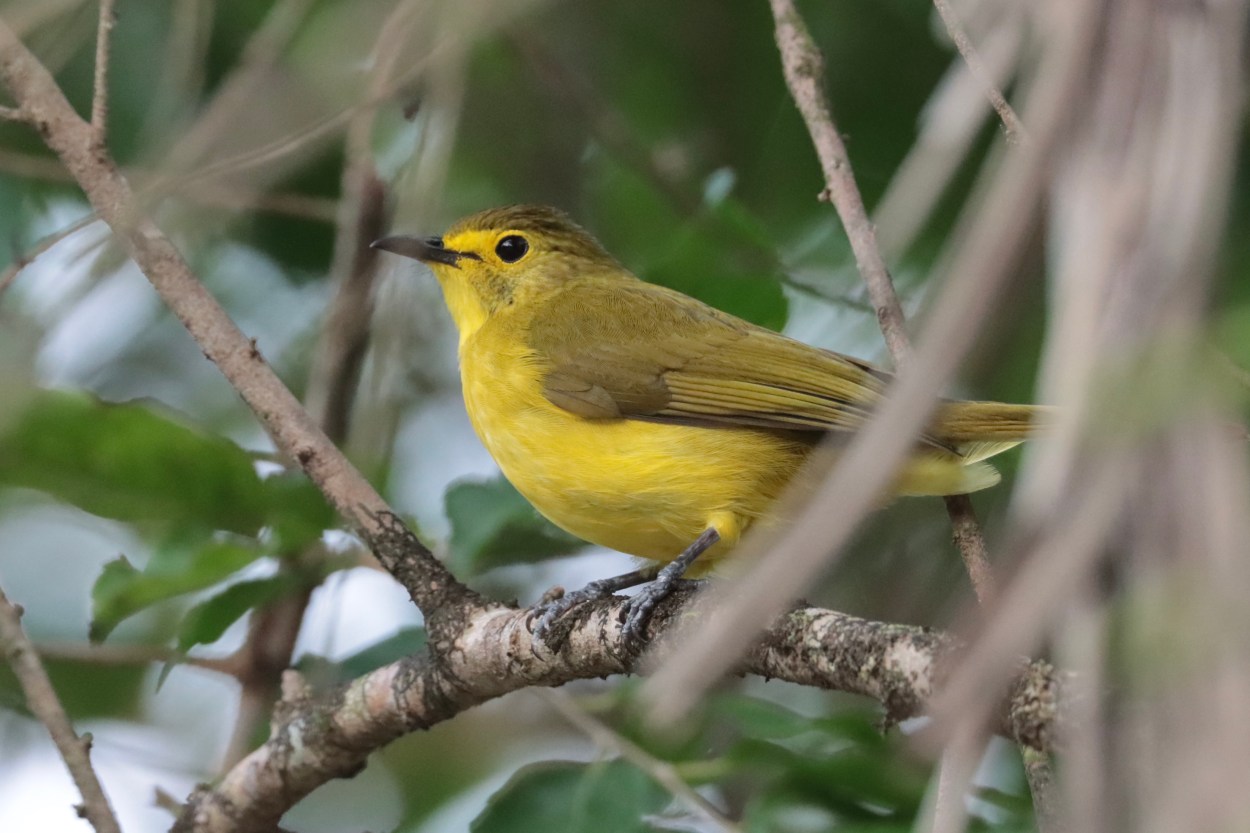
The slightly obtusely named Yellow-browed Bulbul – why not ‘yellow-breasted’?
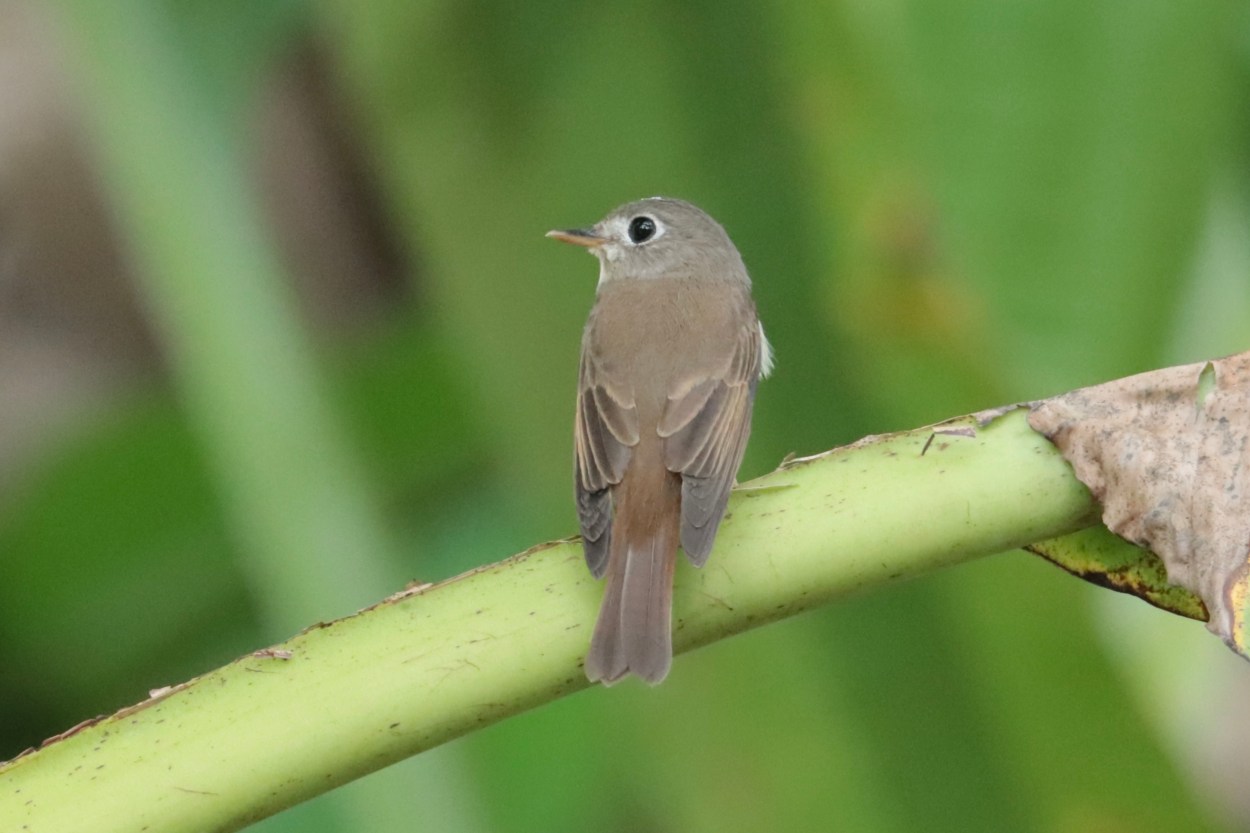
Brown-breasted Flycatcher – identified retrospectively from photographs
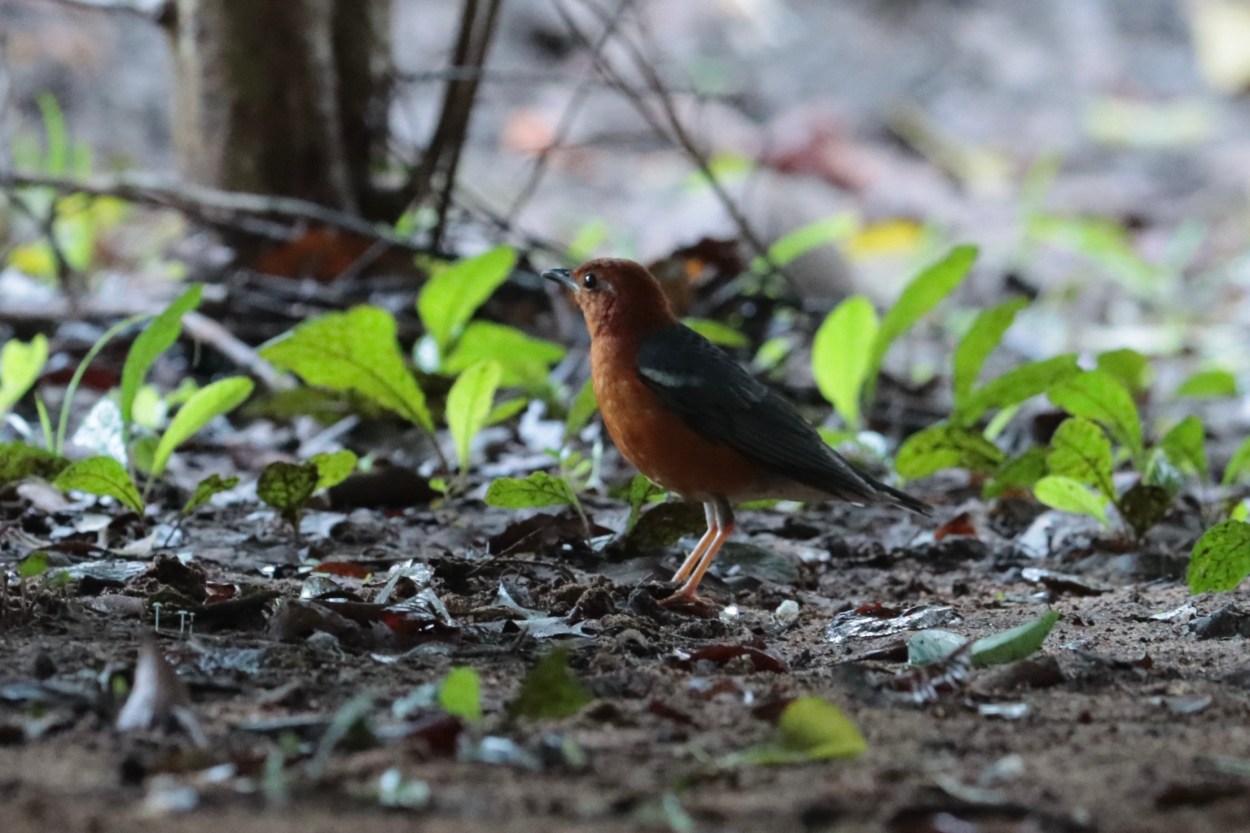
Orange-headed Thrush – one of this mornings target species. Record shot taken in near darkness
An early start this morning meant we were in position for our two target birds before sunrise. Given that we were also birding in dense cover, it was very difficult to differentiate the birds from any number of bird-shaped objects! Occasionally they moved – which made things a little easier. Fortunately it wasn’t long before there was enough light to just make out the colours. Pretty soon the whole group had Indian Pita and Orange-headed Thrush ‘under our belts’. The rest of the morning was spent wandering around the slopes of the ancient rock fortress which dominates the landscape and history of this place. Several more endemics were added to the list, including: Crimson-backed Flameback, Brown-capped Babbler and Black-capped Bulbul – confusing isn’t it!
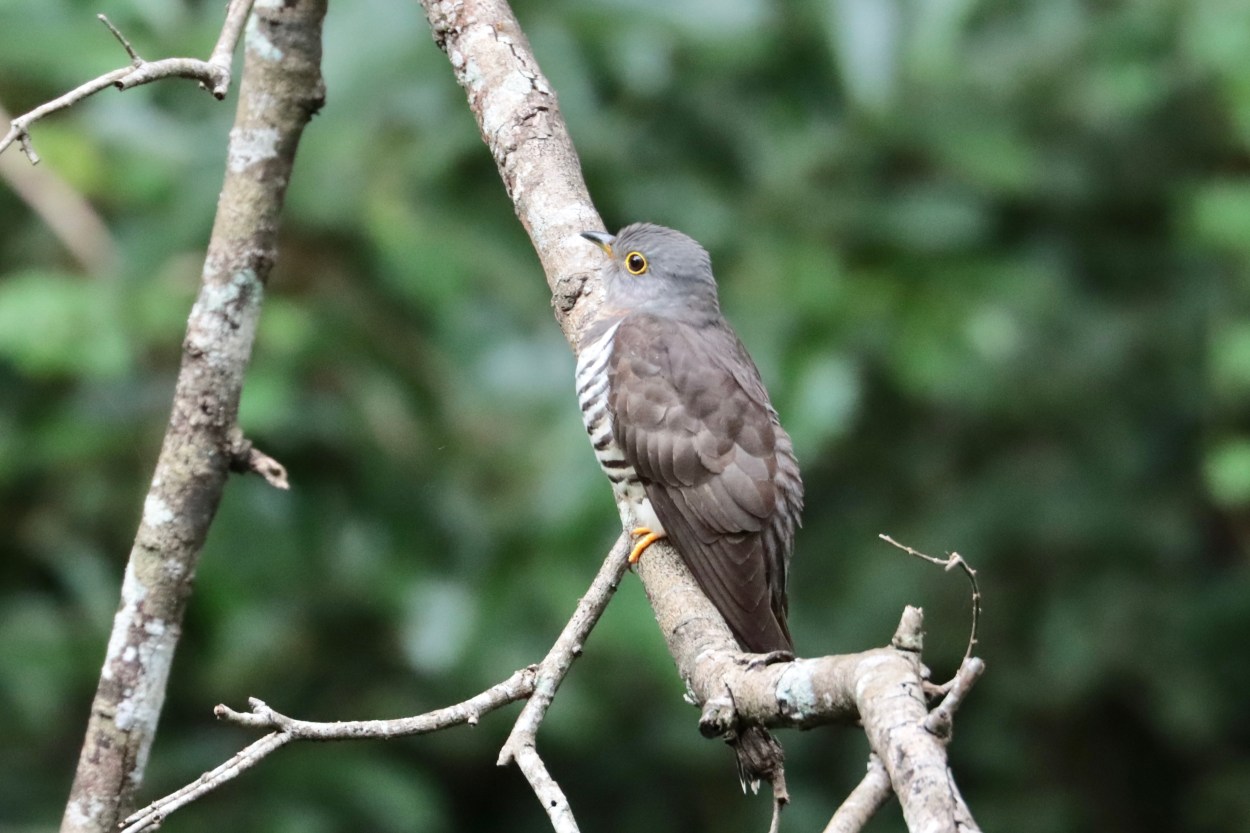
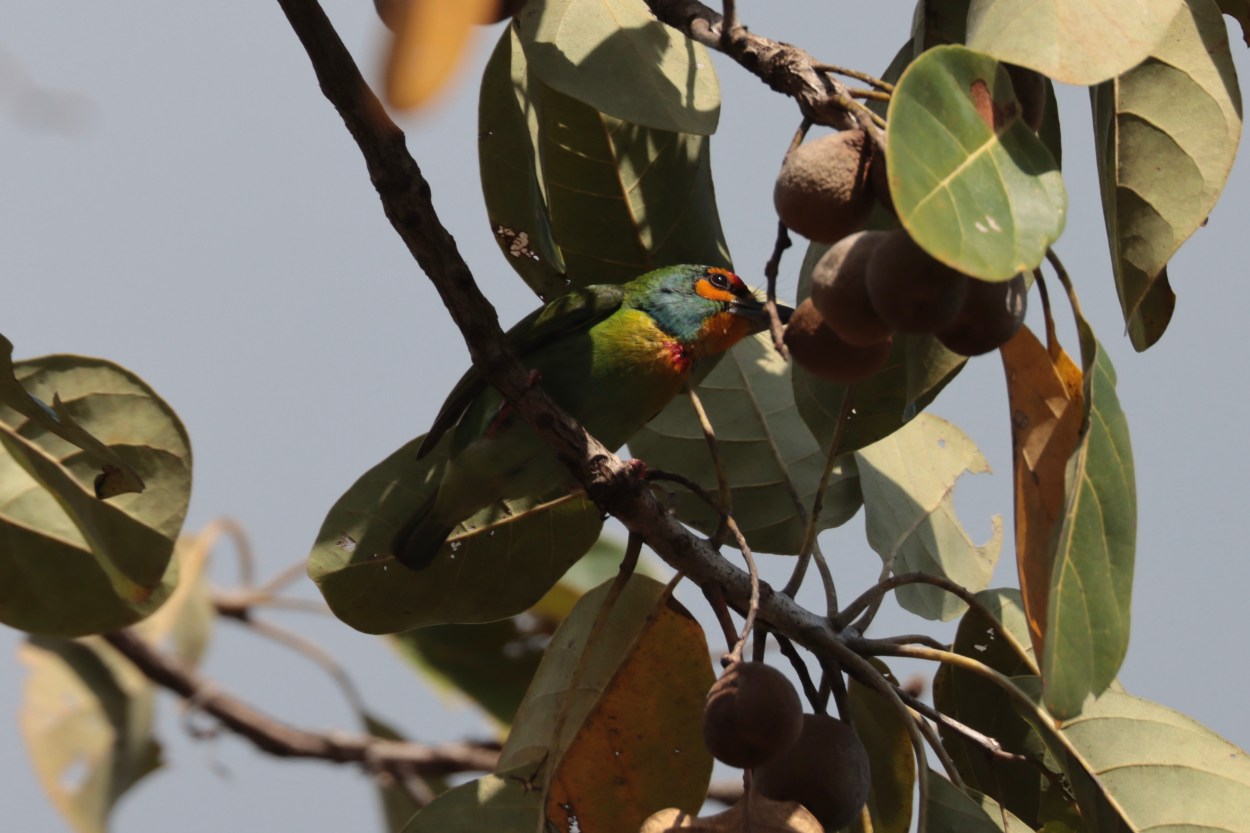
Crimson-backed Flameback with diagnostic pale bill – an endemicBrown-headed Barbet – common and noisy,but still difficult to see wellNot unlike our own – Indian CuckooWhite-rumped Sharma – took some findingGreen Warbler – had a touch of home about itAnother of our early morning targets, taken in the half-light – Brown-capped Babbler, another endemic
Our afternoon session begins shortly with another go for night birds later.
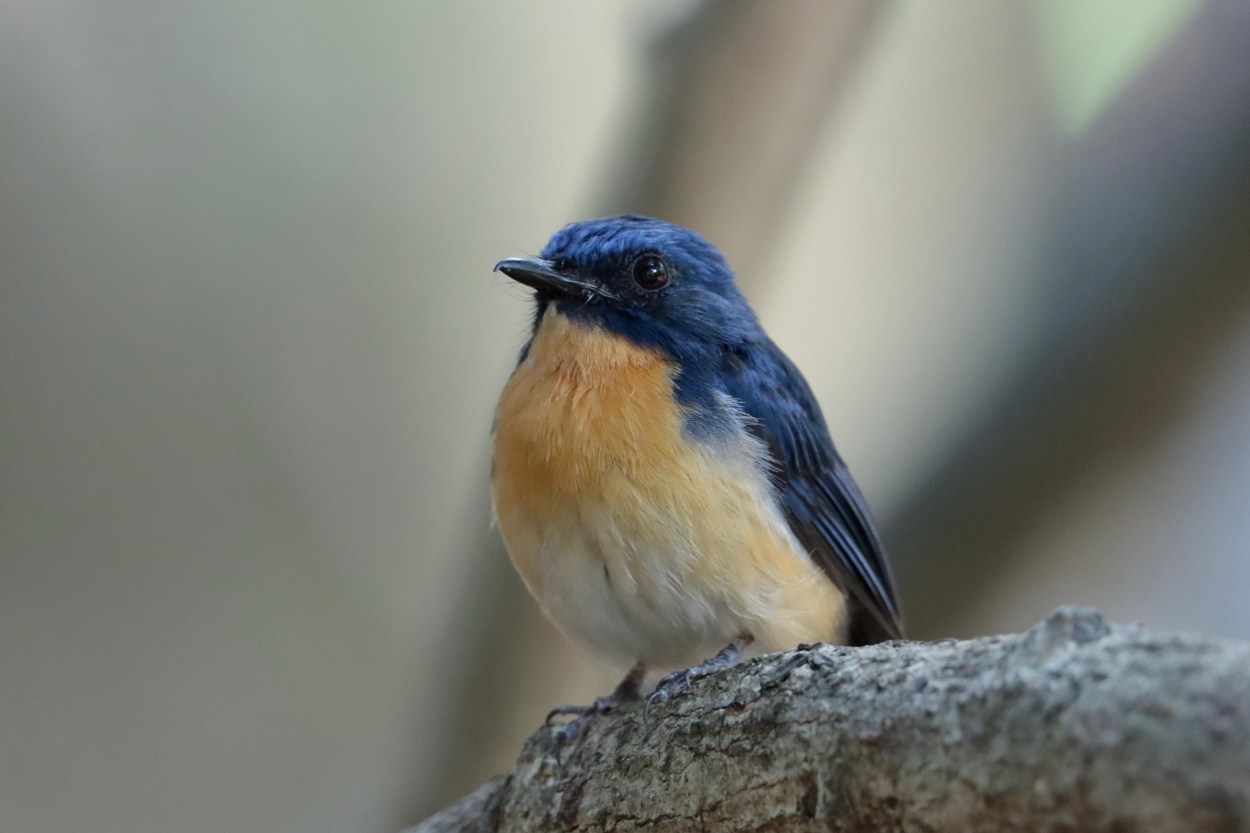
Tickell’s Blue Flycatcher – a stunning addition to the list
We’ve driven from our hotel near Columbo airport a few hours north-east to Sigiriya – an important wildlife sanctuary and world heritage site. We made brief stops on route to stretch our legs and do a spot of birding. This afternoon we birded around the hotel, the highlight being stunning close-up views of Tickell’s Blue Flycatcher – albeit in a very shaded spot, making photos difficult. This evening we had our first expedition for night time species. We were just getting off the bus when a car with a family in it backed slowly towards us – ‘would we like to see a Brown Fish-owl?’ said the occupants. You betcha! Just along the road, sat a few feet above the ground, was this beauty!
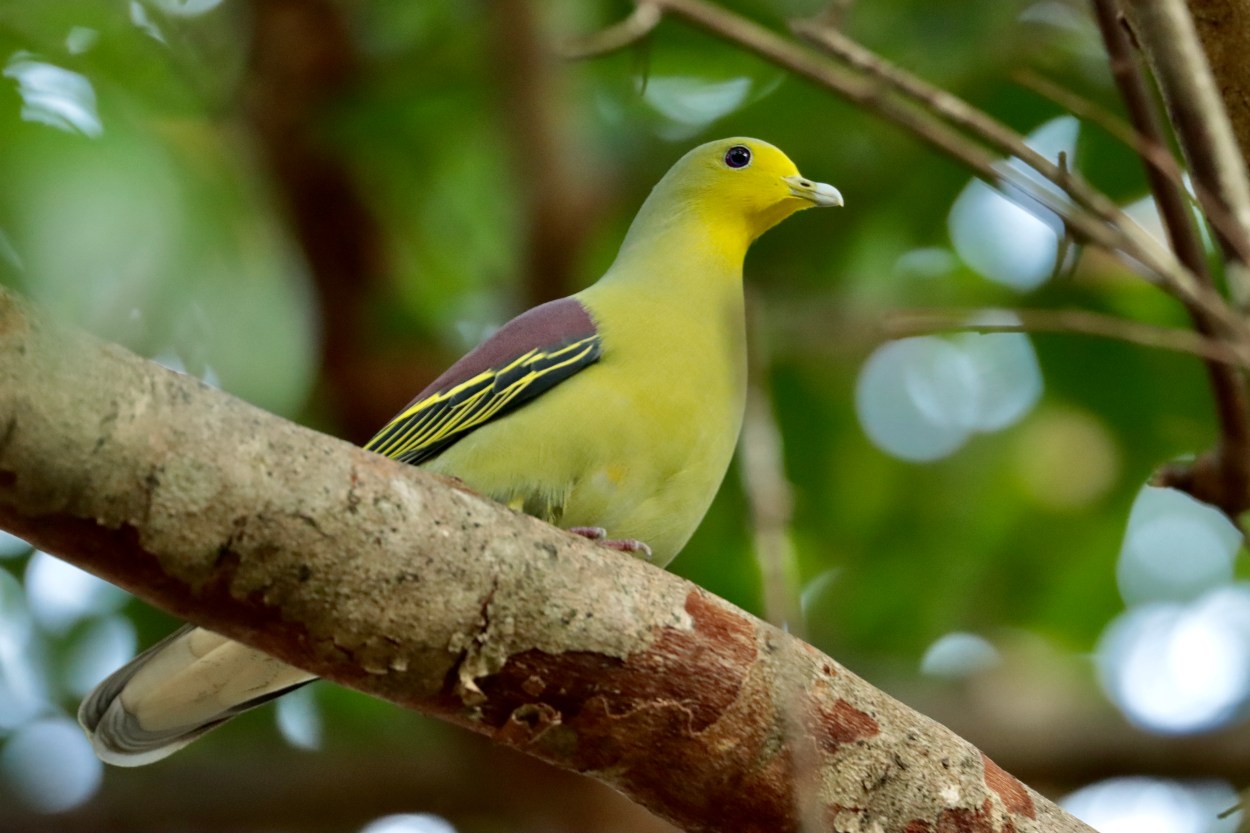
Taken in the half light – record shot of Brown Fish-owlPheasant-tailed Jacana (with Intermediate Egret) seen on route to SigiriyaRecord shot of Grey-headed Fish-eagle – seen at the same spotWe’ve added several endemics to the list today – this is Sri Lanka Green-pigeonRelatively common but stunning all the same – Black-hooded OrioleLast in today’s photo selection – Asian Green Bee-eater
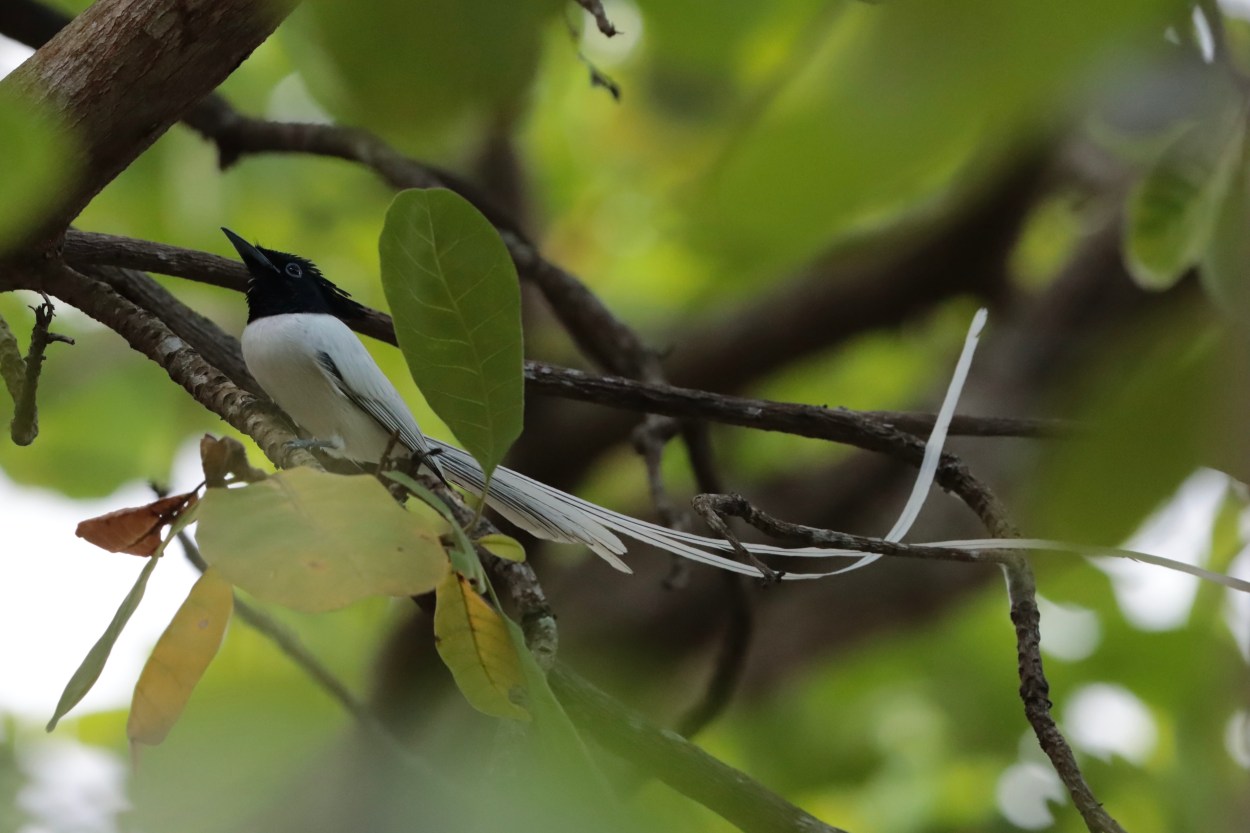
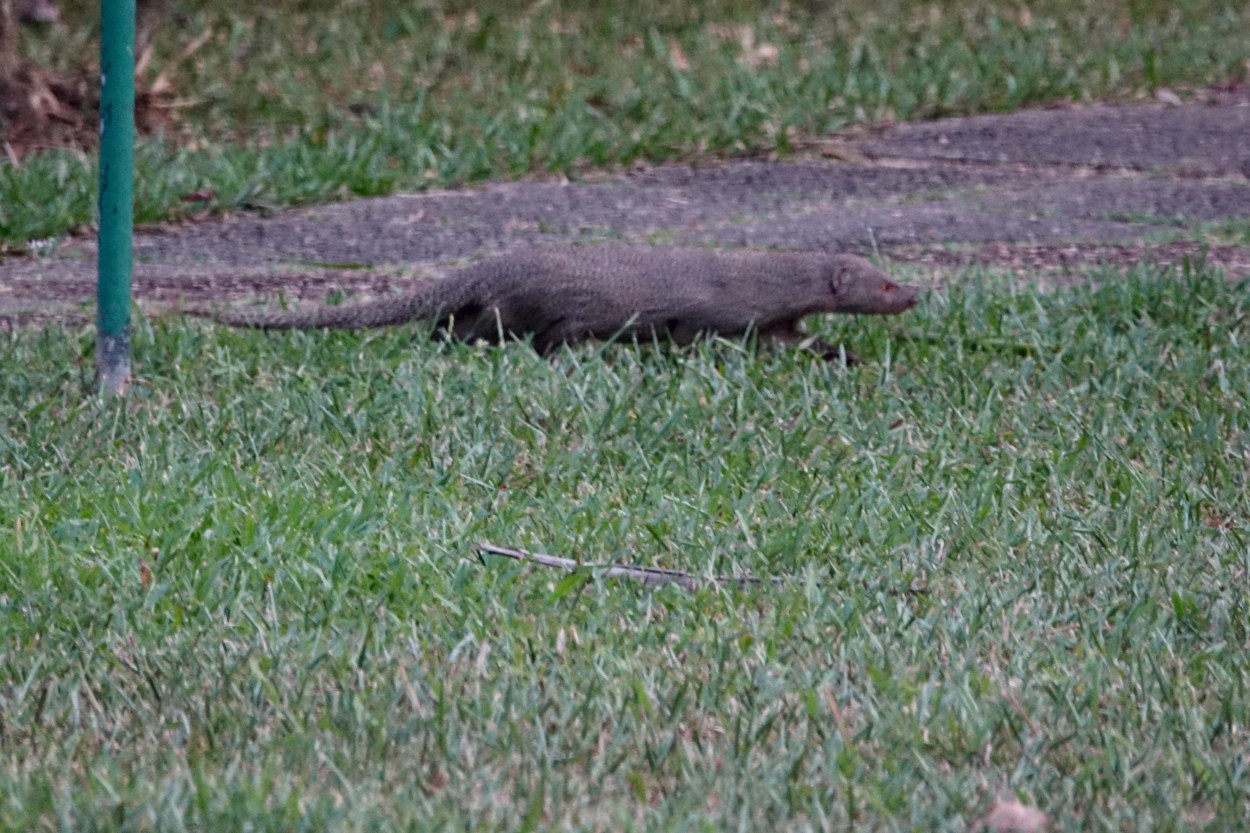
We arrived in Sri Lanka late last night, after a ten hour flight from Melbourne, via Singapore. We’re staying at the Tamarind Tree Hotel prior to the start of our birding tour. As I write, most of the party have assembled – including ‘Gresham Phil’! We’ve spent the day birding the extensive grounds of the hotel, swimming in the pool and generally relaxing. It’s been a great opportunity to begin to get to know each other and get our ‘eye in’ on some of the commoner birds. Not sure just how many species we’ve seen – log-call isn’t until later this evening – but we have had a couple of endemics already and great views of Paradise Flycatcher. I missed the Mongoose whilst I was taking a shower! Not sure how we’ll get on for WiFi for the next two weeks but I’ll blog when I can.
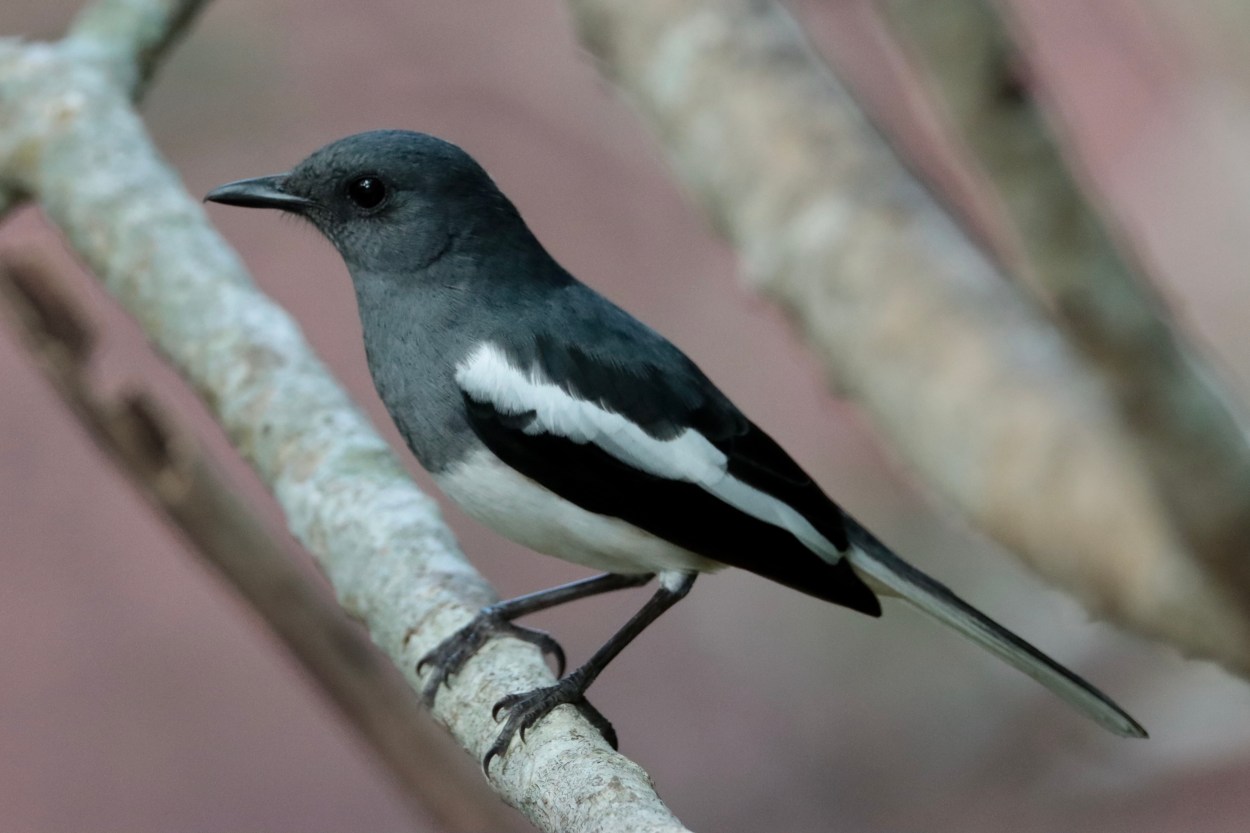
Ceylon Small Barbet- another common endemicWhite-browed Bulbul was a bit of a skulkerMuch more showy – Oriental Magpie-RobinNow the spectacular Indian Paradise Flycatcher – first seen drinking from the swimming pool!Grab shot of Grey Mongoose – courtesy of Jane
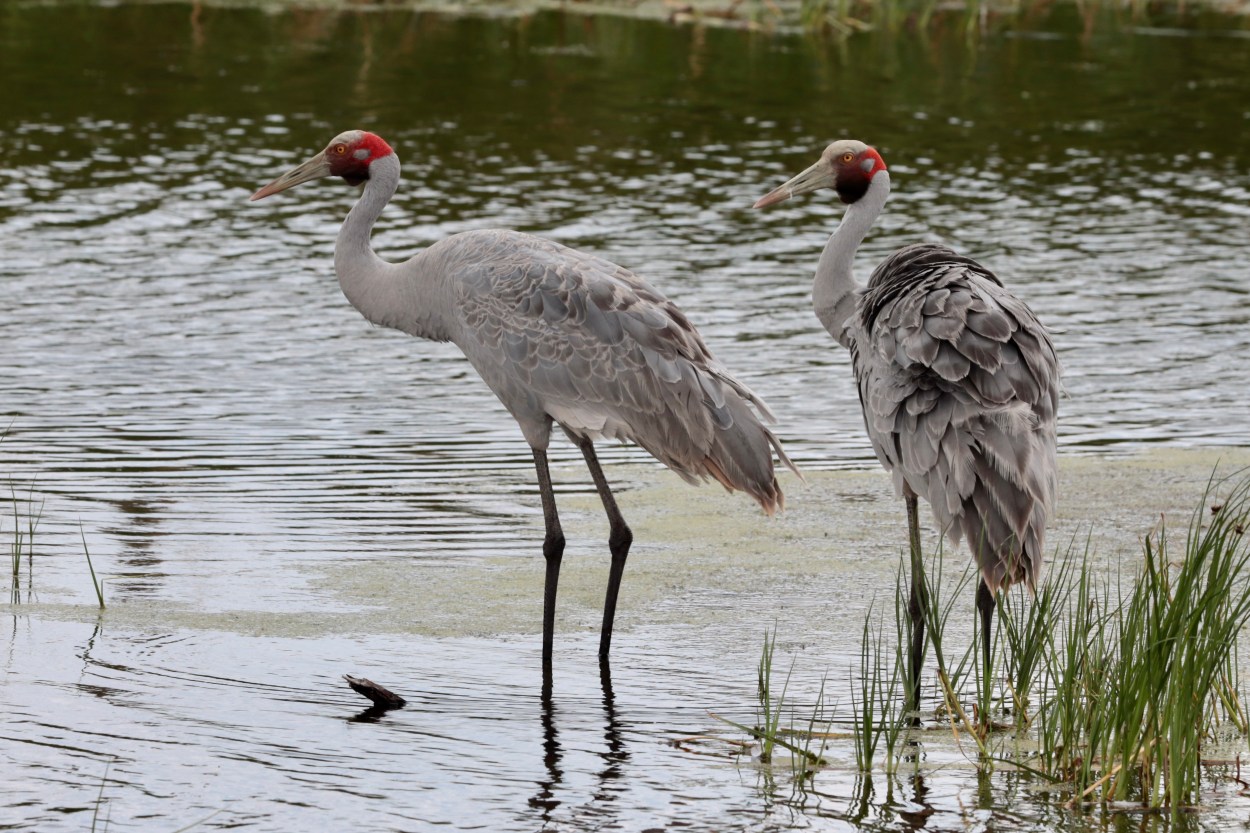
The highlight of our trip to the Western Treatment Plant yesterday was the close encounters with Brolga. We’ve seen these magnificent cranes at WTP before, on a couple of occasions, but never at such close-quarters. We first came across four adults on a narrow pond between two tracks – affording great views. Later we saw them fly off inland. On our final drive around ‘T-section’ an adult stepped out from the tall grass right in front of the car, quickly followed by another and then.. a youngster! Presumably a locally bred bird.
Crossing the road – record shot through the windscreenBaby Brolga
On our walk this morning a late addition to the trip list, a Goldfinch!
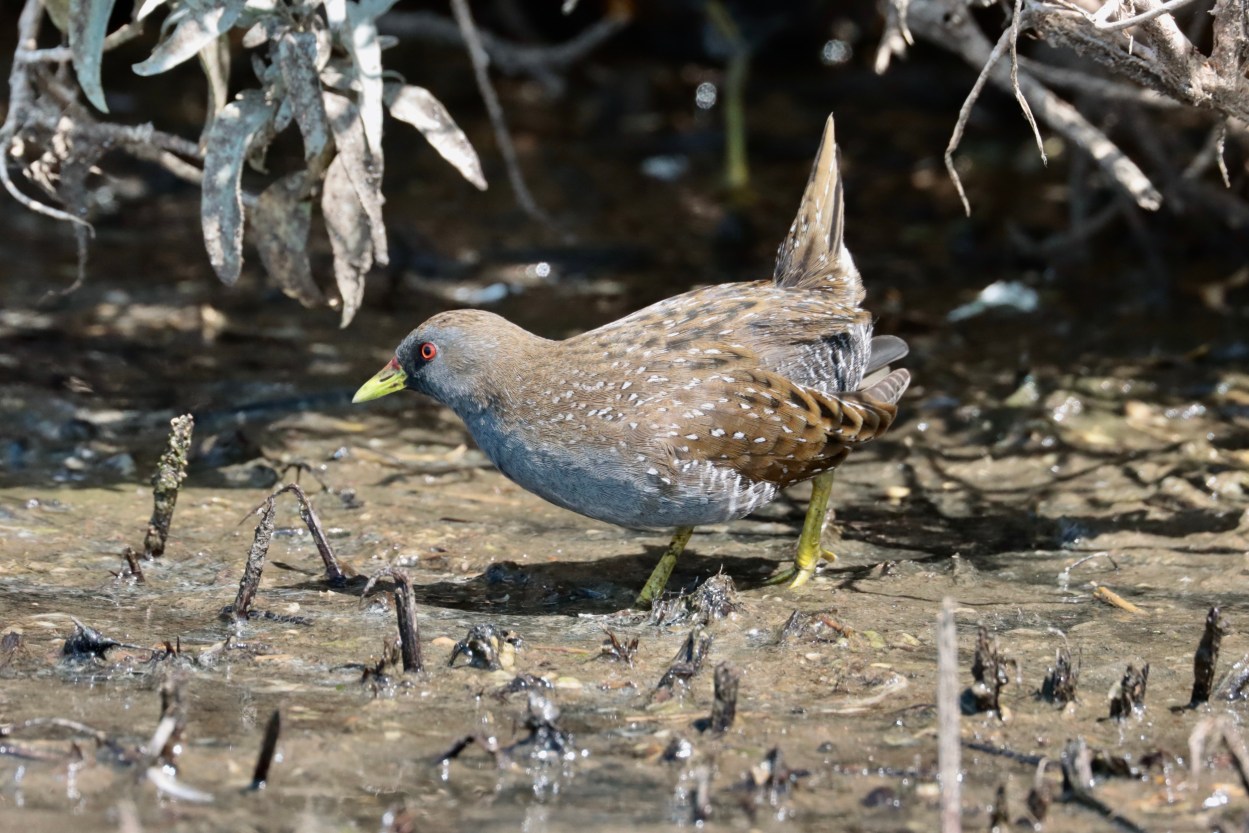
Australian Spotted Crake – just one of the rewards of WTP
The Western Treatment Plant, WTP – Melbourne’s main sewage works – is a great place to bird, but with around 100 settling ponds to check, spread over a vast area, with no shade – yesterday’s temperatures reached 36 deg. – it can be a little overwhelming at times. We collected our key from Werribee Zoo at nine thirty and didn’t leave till around three in the afternoon. Much of the eastern section was closed off, which did narrow the search area somewhat. There were thousands of ducks – mostly Australian Shelduck – but we did manage to find a few other species including Australian Shoveler, a target bird. The morning coffee-stop provided great views of Australian Spotted Crake and by lunch we’d managed to add a few more wader species: Greenshank, Marsh & Sharp-tailed Sandpiper and Red-capped Plover to the trip list. There were several tern species, including Whiskered – another trip tick. Given the current conditions, and general lack of shorebirds, we were very satisfied with our efforts. However, the indisputable highlight of our visit were the Brolga – subject of a separate blog.
We leave Australia this afternoon, bound for Sri Lanka. It’s been a fabulous trip so far, seeing & sharing with family again, enjoying the weather, re-visiting old haunts and adding to my Australia and Hunter bird lists. Our total for this trip is 237 – well down on previous visits – but understandable in the current circumstances. At times the whole covid thing has felt like playing Russian roulette and the added burden of testing and documentation has been daunting, but was it worth it? – you bet!
White-fronted Chat – the default bush-bird at WerribeeSharpies (Sharp-tailed Sandpiper) with a Red-capped Plover The more familiar GreenshankMore of the shorebird bounty at WTP – ‘Black-wit’, White-headed Stilt and Marsh Sandpiper – the latter a trip tickLast in this Werribee gallery – Whiskered Tern with Pacific Black Duck
Blue-billed Duck at Braeside – Australia’s only ‘stiff-tail’
We drove back to Melbourne yesterday, ready for our Sri Lanka pre-flight PCR test this morning – fingers crossed! This provided us with the opportunity to call in at the local park to do a bit more birding. With temperatures in the low 30’s most of the bush birds were well hidden but there were a few waterbirds out and about. We managed to increase our trip list by three: the aptly named Blue-billed Duck – the region’s only ‘stiff-tail’, Pink-eared Duck and Hoary-headed Grebe. A walk along Squeaky Beach on the Prom, prior to our departure yesterday, failed to produce the hoped-for Hooded Plover. We did however add Sooty Oystercatcher to our meagre trip list of waders. On the way to the beach a low-flying group of ‘needle-tails’ provided a rare Australian tick – Pacific Swift. Unfortunately we were on a ‘no stopping’ section of the highway. By the time we got back to the spot the bird had gone. Tomorrow, in a last-ditch attempt to find some shorebirds, we’ve planned a visit to Australia’s largest sewage works – the legendary Western treatment works at Werribee – nice!
One of the few evident bush-birds – Little Wattlebird
Yesterday’s addition to our meagre wader list – Sooty Oystercatcher, on Squeaky Beach
























 Trevor On Tour