Pacific Golden Plover

IMG_6423

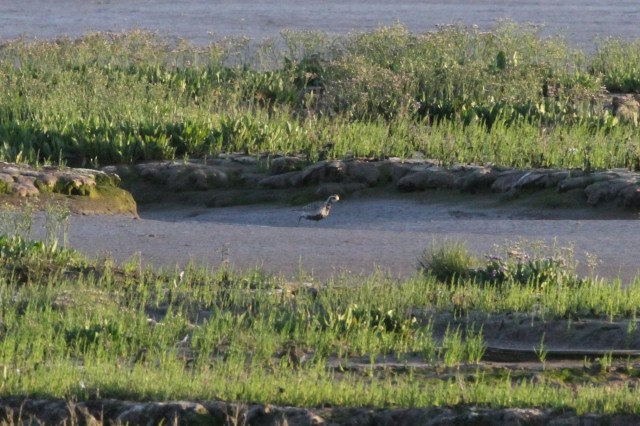
Pacific Golden Plover, Breydon Water, Norfolk

Popped over to Breydon Water yesterday evening to catch up with the Pacific Golden Plover, which has been hanging about there for the past few days. The tide was still out and the setting sun was directly in our eyes but we did eventually manage acceptable views, helped by the fact that there was only the PGP and a pair of Oystercatcher on the entire stretch of saltings! This was my second Pacific Golden Plover in Norfolk, my first being one on Buckenham Marshes, quite a few years ago – which, as I recall, also involved a evening excursion, only that time it was from Peterborough! It’s perhaps a little surprising but I still need it’s American cousin for my Norfolk List.

Post Script: The bird flew off west half an hour after we left and hasn’t been seen so far this morning!

Distant shot, but of the whole bird at least!

IMG_6442

Ticking up, Home and Away

IMG_0354

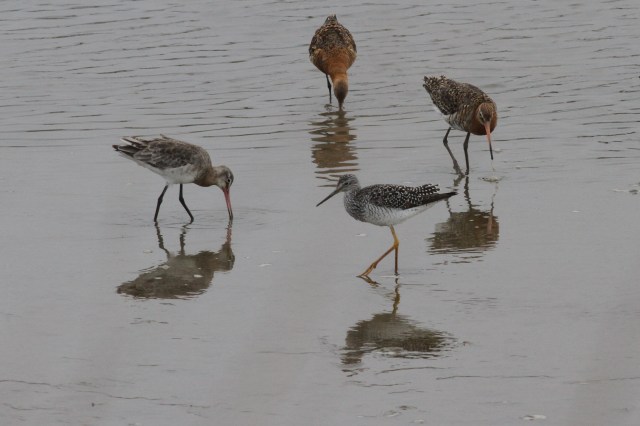
Greater Yellowlegs, Titchfield Haven – 14th June 2015

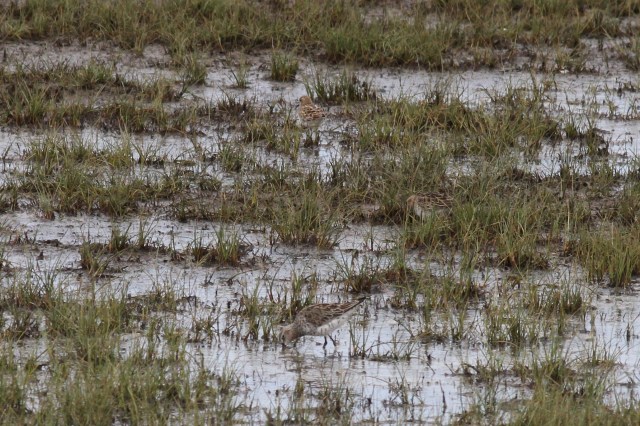
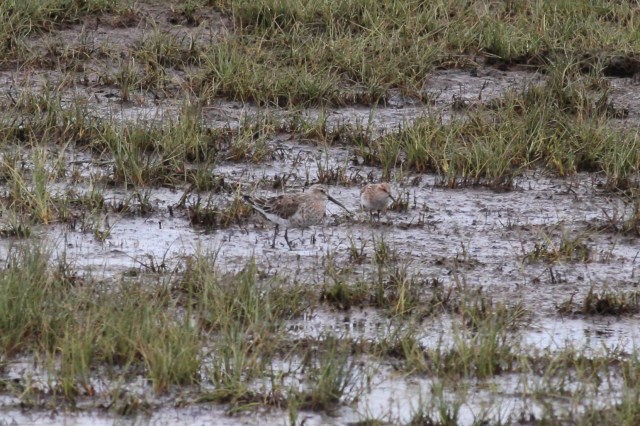
What an unbelievable weekend this has been for rarity hunting. The lure of an Eastern Black-eared Wheatear in the New Forest was too much to resist, particularly with the attraction of a supporting cast of Hudsonian Whimbrel and the long-staying Greater Yellowlegs. In the event, unfortunately, the Wheatear didn’t hang around but the other two did – the former giving acceptable views, the latter exceeding expectations. By early afternoon we were back on home ground and trudging up Blakeney Point in pursuit of two rare warblers. The Paddyfield Warbler had arrived last Thursday but, due to a string of prior commitments, we’d been prevented from going for it – despite it being a ‘first’ for the Cley square and only the fourth Norfolk record. The Blyth’s Reed Warbler, pretty much annual in Norfolk nowadays but something of a ‘bogey bird’ for me, turned up on Saturday evening. Both birds proved to be rather tricky, particularly as the weather began to deteriorate with strong northwesterly winds and increasingly persistent drizzle. Naturally we concentrated on the Paddyfield Warbler but it took well over an hour and a half before we managed acceptable flight and fleeting perched views. Things were brought to an abrupt halt with the news that an adult Laughing Gull (only a handful of Norfolk records) had been seen flying west over Halfway House – just a few hundred yards down the Point. A mad dash up onto the shingle bank delivered the goods as the bird hurtled by! On our somewhat jubilant walk back towards the car park a small crowd was showing intense interest in a patch of suaeda near to Halfway House. It turned out that the Blyth’s Reed Warbler had just been relocated – showing occasionally in flight. Eventually we did see it on the ground and were able to absorb it’s relevant id features. Outcome of our birding adventures – four UK ‘Lifers’, three Norfolk ‘ticks’ and a fun time had by all! The only slight disappointment was that, apart from the ‘Legs’, the birds proved pretty nearly un-photographable – it was one of those occasions when seeing the birds was challenging enough.

Record shot of the Hudsonian Whimbrel – which did give one brief flight view

IMG_0179

The adult Laughing Gull as it hurtled west past The Hood

IMG_0403

Another shot of the long-time omission from my British List – Greater ‘legs’

IMG_0336

Mallorca short break

IMG_9682

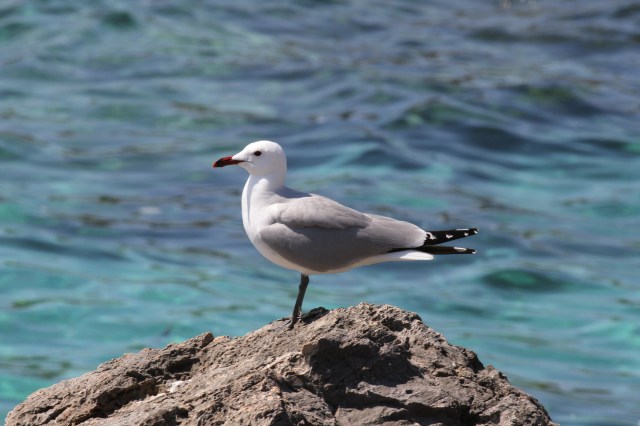
Audouin’s Gull, a very scarce bird in 1982 – now rather common. Still, a truly lovely larid

We’ve just returned from a short break to Mallorca – flying EasyJet from Luton and staying at the Romantic Hotel in Port de Pollenca.

We first went to Mallorca in 1982, when our eldest was just four months old. Then, we stayed at an hotel on the outskirts of Alcudia near (well practically in!) the Albufera marsh. In those days, as I recall, access to this now internationally acclaimed wetland reserve was down a rough track to a mound, made up mostly of builders debris from the burgeoning tourist industry – from where you could overlook a few wader pools and acres of reed bed. How delightfully different things are today where, thanks to the pioneering conservation efforts of ex-pat Eddie Watkins et al, the eastward expansion of the hotels was halted and the whole area transformed into a Mediterranean wildlife haven.

Like many British birders of my generation, Mallorca was my first taste of ‘foreign birding’. Looking back through my old note book of the time, I listed new species seen as follows: Cory’s Shearwater, Little Bittern, Night Heron, Squacco Heron, Purple Heron, Little Egret, Black & Red Kite, Black Vulture, Booted & Bonelli’s Eagle, Eleonora’s Falcon, Montagu’s Harrier, Black-winged Stilt, Collared Pratincole, Slender-billed Gull, Audouin’s Gull, Gull-billed & White-winged Black Tern, Pallid & Alpine Swift, Bee-eater, Short-toed & Thekla Lark, Crag Martin, Tawny Pipit, Rock & Blue Rock Thrush, Fan-tailed Warbler, Moustached Warbler, Great Reed Warbler, Marmora’s Warbler Subalpine Warbler, Sardinian Warbler, Golden Oriole, Woodchat Shrike and Serin – ah those were the days! Whilst, on that occasion, we were there for a fortnight at the end of May – our recent trip consisted of just three and a half days birding, but we still managed to pick up a lot of the same species, albeit that some have been re-named or elevated to full species. Highlights of this trip certainly included good views of Balearic, Moltoni’s and Moustached Warbler, Black and Griffon Vulture, Little Bittern, Red-knobbed Coot, Marbled Duck, Eleonora’s Falcon, Tawny Pipit & Pallid Swift.

In recent years we’ve done most of our European birding in mainland Spain and the eastern Med but this short break reminded us of just how good the Balearic Islands are and, being just a couple of hours flight away, how convenient for a quick getaway. Highly recommended! Here is a selection of some of the birds we saw:

Black Vulture – we saw twelve together, with six Griffon Vulture, feeding on a dead goat near Embalse de Cuber

IMG_0059

Night Heron, Albufereta

IMG_0120

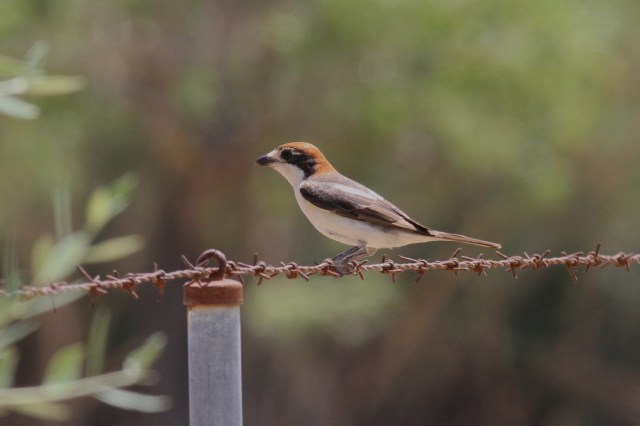
Woodchat Shrike of the badius race, confined to the Balearic Islands – lacking white primary patches
IMG_0090

Red-knobbed Coot, subject of a very successful re-introduction programme on the Albufera

IMG_9751

Marbled Duck – also found on the Albufera, having recently colonised from mainland Spain

IMG_9724

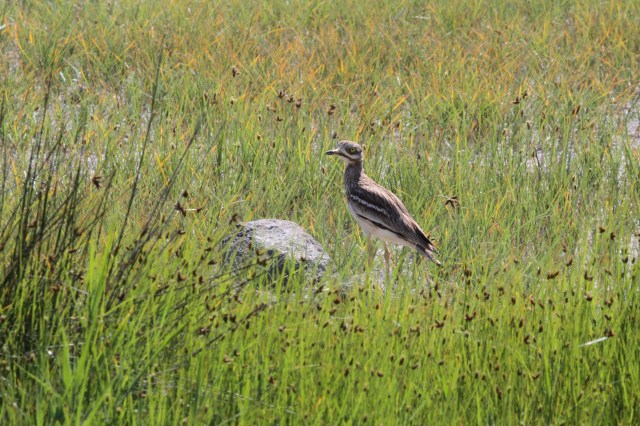
Another regular bird of the Albufera marshes – Stone-Curlew
IMG_9274

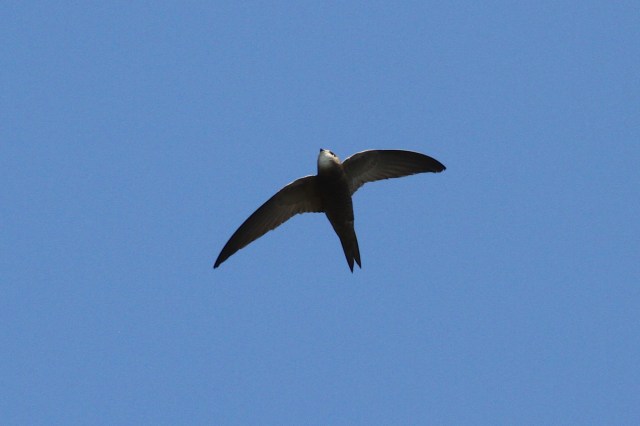
Pallid Swift, seen in small numbers at various locations around the island
IMG_9623

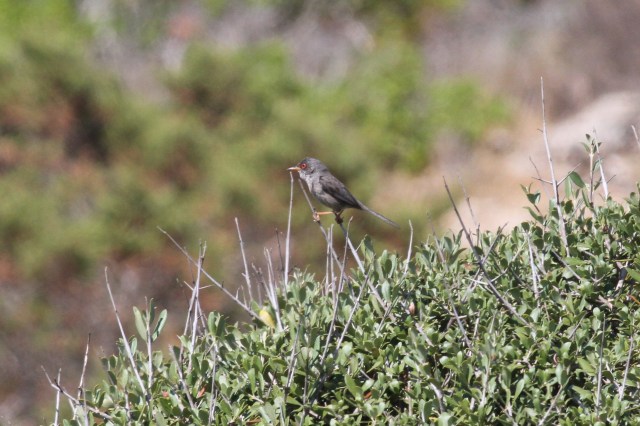
Balearic Warbler – a recent split. Found after many hours of searching coastal scrub locations across the island
IMG_9636

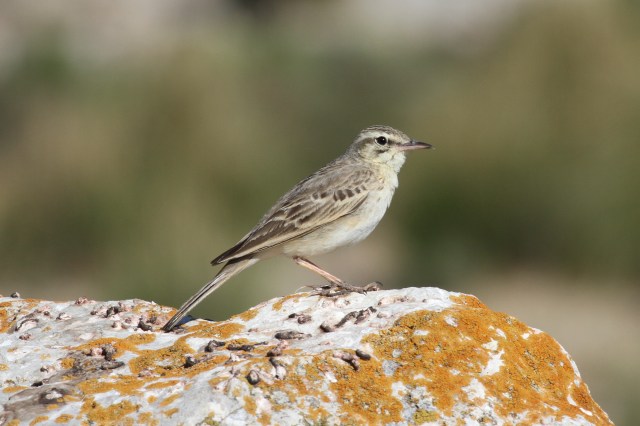
Tawny Pipit – one of several seen during our stay
IMG_9870

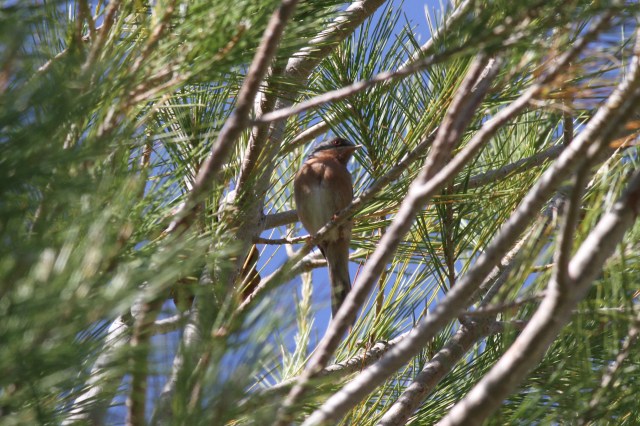
Another recent warbler split. This one is Moltoni’s – last seen only a few weeks ago on Blakeney Point!
IMG_9973

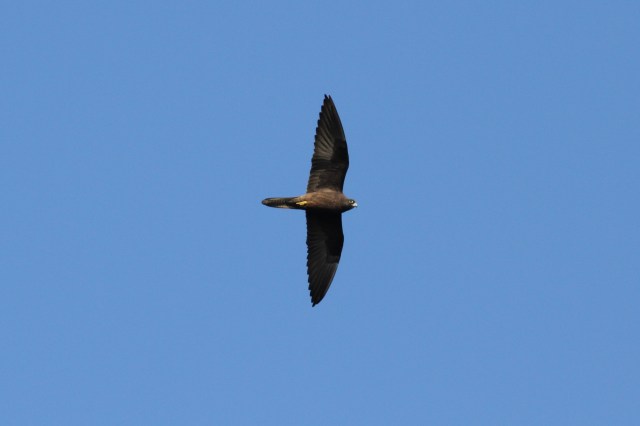
To finish, a dark phase Eleonora’s Falcon, seen off Cap de Formentor on our last evening
IMG_0145


Cetti’s breaks cover

There’s been a couple of Cetti’s Warbler calling – you can hardly describe their raucous utterances as ‘song’, close to the Cley NWT reserve centre for the past few weeks. As Collins Bird Guide puts it ‘generally keeps concealed in vegetation’, but today one unusually bold individual was surprisingly obliging:

DSC00971

Serpentine Spectacular

IMG_8802

Trio of unusual waders – Little Stint, Pectoral & Curlew Sandpiper, Cley NWT

Last Wednesday the recently rejuvenated Serpentine, Cley NWT, came into it’s own. On the Monday, our duty day, there was a rather obliging Wood Sandpiper, just off of the East Bank. By Wednesday the list of waders had grown to include Little Stint, Curlew Sandpiper, Pectoral Sandpiper and a delightful female Red-necked Phalarope! All credit to Adam and the NWT team for the excellent habitat improvement and management work undertaken there in recent months. The only down side currently is that the birds are often rather distant – roll on the new hide! Tonight’s news is that there is a White-rumped Sandpiper in the same spot!

Wood Sandpiper, photo by Jane Williams

wood sandpiper

Curlew Sandpiper and Little Stint

IMG_8820

Pectoral Sandpiper

IMG_8773

A distant grab shot of Red-necked Phalarope

IMG_8779

and an even more distant White-rumped Sandpiper, taken this evening
DSC00955


List of waders seen personally on Serpentine/Arnolds over the last few weeks:

Oystercatcher, Avocet, Little Ringed Plover, Ringed Plover, Grey Plover, Golden Plover, Lapwing, Knot, Sanderling, Turnstone, Dunlin, Curlew Sandpiper, Little Stint, Wood Sandpiper, Common Sandpiper, Redshank, Spotted Redshank, Black-tailed Godwit, Bar-tailed Godwit, Curlew, Snipe, Red-necked Phalarope, White-rumped Sandpiper, Ruff & Pectoral Sandpiper.


Make mine a Moltoni

Sunday was the day of the NENBC ‘Big Sit’, so we were tied up all day in Felbrigg Park. This meant that we were unfortunately unable to go for the Citril Finch at Burnham – truly gutting. Yesterday we were again occupied at Cley NWT, as Monday is our ‘duty day’. The Citril Finch was reported again first thing but by 06.20 it had disappeared – oh well it’s ‘just a bird’! It was a steady start on the reserve but there were plenty of birds about with a few migrants to maintain our interest – Yellow Wagtail, Wheatear, Curlew & Common Sandpiper etc. By late morning the news began to filter through of a female Subalpine Warbler on Blakeney Point – now that’s more like it. Hopefully it would stay on until the evening and provide some recompense for the day before. Suddenly the pressure went up a few bars when news broke that there was also a male Subalpine present but this time of the rare Moltoni’s race (future full species?) – from the Mediterranean islands. The hours ticked by until we’d finished work and were able to commence the long trudge up the Point. We finally got there around five and were treated to rather fleeting or partially obscured views for the next hour or so. ‘Showing well..’ it wasn’t, but adequate for the purpose. Surprisingly, having seen other rare sylvia warblers in Norfolk, including several Sardinian and Ruppell’s, Subalpine, leaving aside the Moltoni’s aspect, was a Norfolk ‘tick’ for me. We were also able to catch up with Temminck’s Stint, which had eluded us all day, as we passed by Cley on our way home. Not a bad day, all things considered.

Not the best photo but this was one of those occasions when it was better to watch the bird than to try for ‘the shots’

IMG_8571

Felbrigg ‘grip-back’

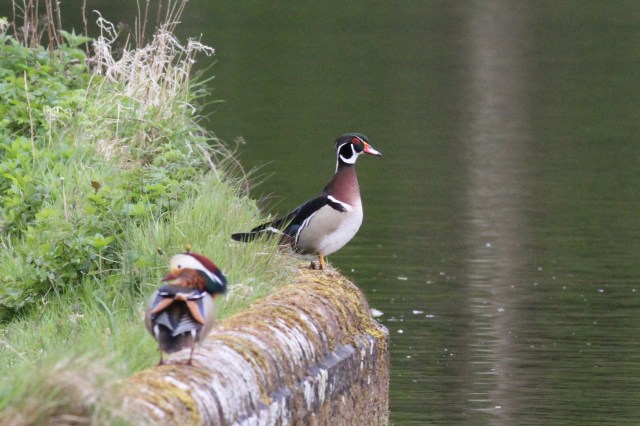
I pay close personal interest in birds seen in Felbrigg Park, my local patch. It was therefore with considerable annoyance that, when we returned from our recent Scottish holiday, I received the news that I’d missed a male Wood Duck on the lake during my absence! Not that anyone would be claiming that this exotic looking duck from North America is anything other than an escape or, at best, ‘of unknown origin’. It was with great relief then that early this morning I achieved something of a ‘grip-back’ when I found the bird, together with a male Mandarin, sat on the dam wall. They eventually flew off over the lake and woods towards the west. What ever it’s origins it’s still a damn fine duck..

IMG_8523

Little Bunting bonus

IMG_8319

Grab-shot of Little Bunting, Snettisham, 26th April

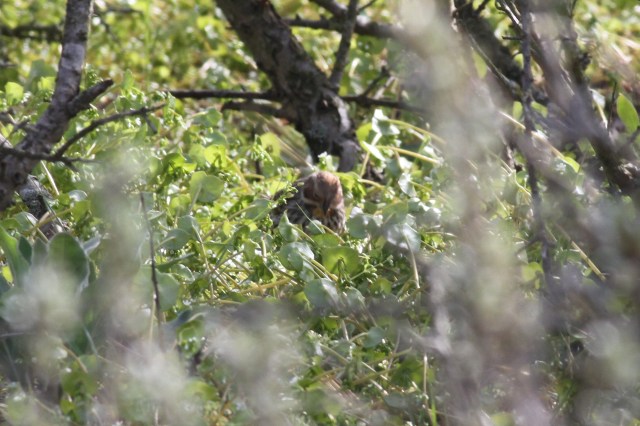
We were on the final leg home of our Scottish sojourn when we decided to take a minor detour to try for the Little Bunting at Heacham Dam, Snettisham. A gentle stroll along the sea wall took us to the birds apparent favoured spot beneath a clump of Sea Buckthorn and after a twenty minute wait there it was, hopping about in the weeds. Often obscured, it did occasionally give good but rather brief views. A very well-marked individual providing a fitting end (well almost – we did go on to find a couple of Dotterel at Choseley) to ten days of outstanding British birding!

Another shot of this rather secretive little Bunting!

IMG_8343

Duck or Grouse

We’ve  just finished a week-long birding trip to North East Scotland and the Highlands, stopping in Upper Teesdale & Forfar on the way up and Mussleburgh & Flamborough on the return leg, with ‘base camp’ at Aviemore. We had fabulous weather throughout with clear skies and warm days. We managed to see all of the regular specialities, together with a few ‘celebrities’. It’s difficult to pick out the highlights but duck and grouse species must be at the top of the list. We amassed a grand total species list of 160.

Top of the pops was this female Harlequin Duck at Sputie Burn. Not as glamorous as the male we missed in Aberdeen but a very nice bird in a fabulous location.

IMG_8071

A spectacular male King Eider on the Ythan estuary – seen on our second visit

IMG_8218

American Wigeon, at Holywell Pond, added interest on our homeward journey

IMG_8265

Red Grouse, most common of the scarce ‘game birds’

IMG_8106

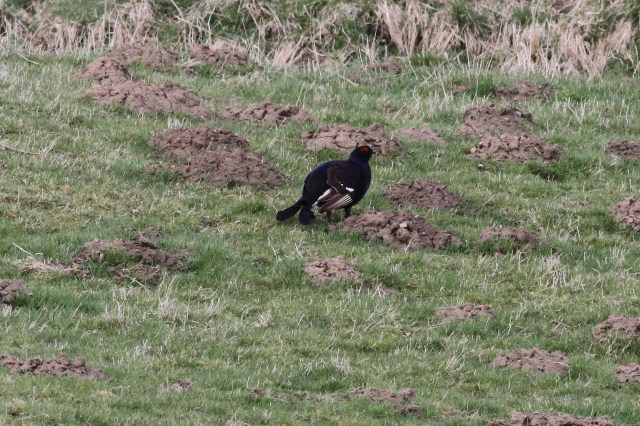
Not seen in Scotland, Black Grouse – upper Teesdale

IMG_7491

Capercaillie, seen on previous trips but not quite as well as this time!

DSC00589

Ptarmigan on the slopes of Cairngorm

DSC00648

Other birds of interest included, Greenland White-front, Udale Bay

IMG_8073

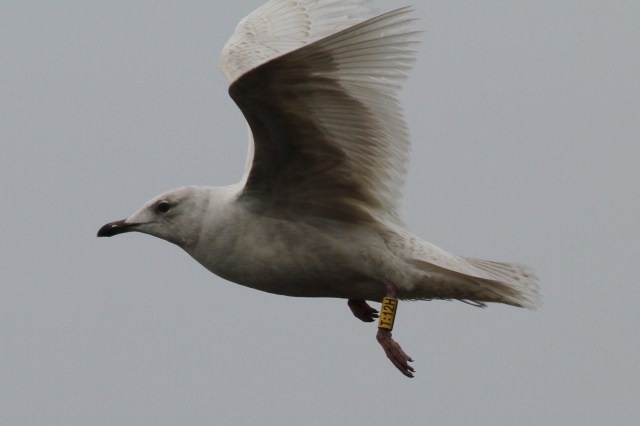
Juvenile Iceland Gull, Arbroath harbour. I’m still trying to obtain ringing details – if anyone knows of a good website for non-European colour ringing schemes, please do let me know

IMG_7611

Flock of Long-tailed Duck, Ythan estuary

IMG_7807

Black-throated Diver, undisclosed site

IMG_8165

Golden & White-tailed Eagle together, Findhorn valley

IMG_7974

One of several Osprey seen – this one was at Loch of Kinnordy

IMG_7686

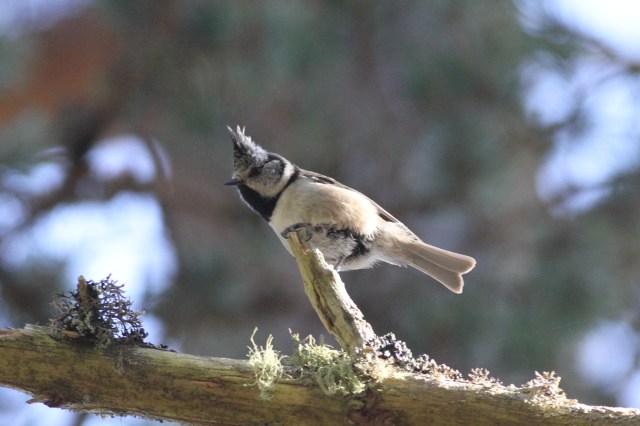
Iconic Caledonian species – Crested Tit

IMG_7888

Last of the interesting birds on our way home. One of two Blue-headed Wagtail, Flamborough

IMG_8302

Moorcock..

IMG_7554

One of fifteen males – traditional lekking site, Teesdale

We’re on our way up to Scotland, so tonight we called in at the traditional Black Grouse lekking site in Teesdale. No sooner had we entered ‘the drop zone’ when we saw three males feeding in a field close to the road. Scanning around we eventually found three more in the adjacent field. We decided to press on to the lek site proper – cresting the hill, we looked down into the valley to see at least nine more males ‘strutting their stuff’. We only saw a couple of females further up the valley, apparently completely unimpressed with what the ‘fellas’ were up to. In total we saw an incredible 15 males and 2 females – just fabulous!

Traditional Black Grouse lek – Teesdale

IMG_7506