Visit to Lady Musgrave

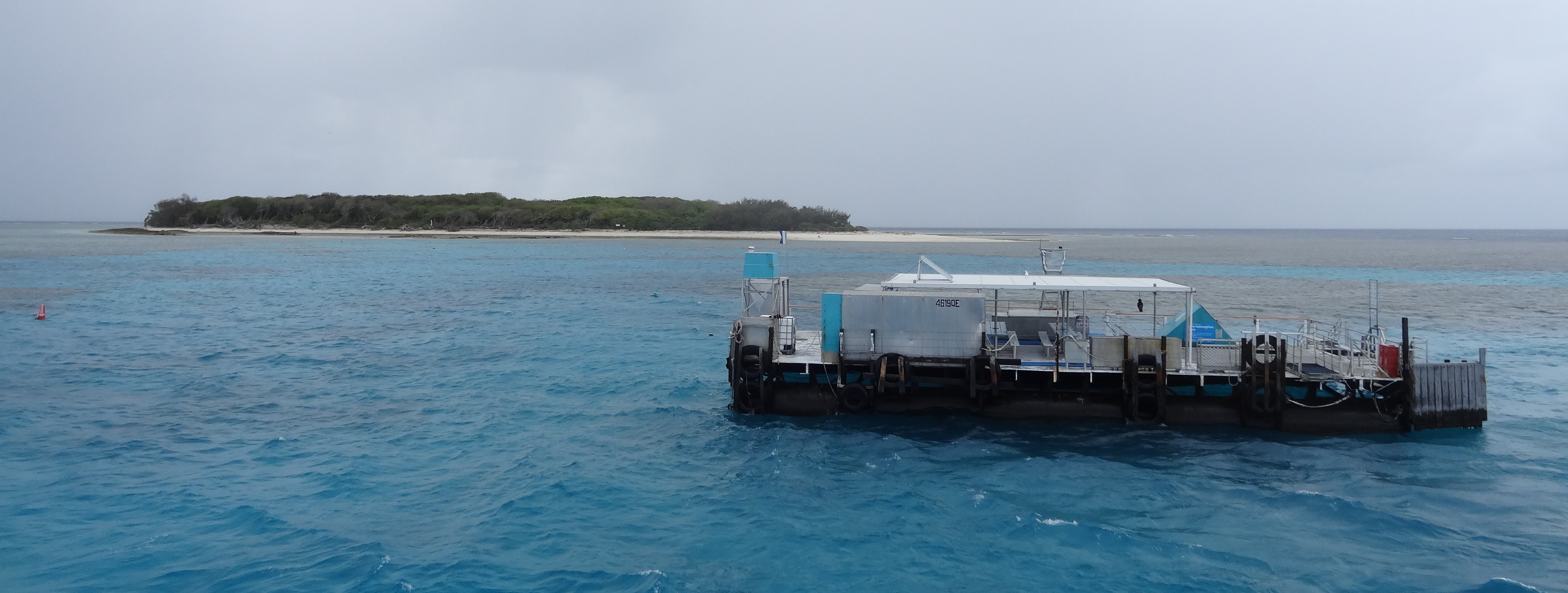
Another 4.00 am start, followed by a three hour drive, got us to the quayside at Town of 1770 ready for our holiday highlight – a day cruise to Lady Musgrave Island, the most accessible point of the Great Barrier Reef to this part of Queensland. Although we were advised by the ship’s captain that sea-sick pills were a ‘must’ for the mornings voyage, and OK it was a bit choppy in places (well most of the places actually!) the two hour crossing and occasional sea watch passed quickly and without gastric incident!. Whilst a good number of our fellow passengers were recovering on board or on the pontoon, moored in the coral cay lagoon, we were part of the first group to visit the 35 acre Lady Musgrave Island – breeding ground of a huge number and variety of sea birds. After a truly ample lunch, snorkelling was the main activity – along with more bird watching. We were back on the mainland by five and home for supper and bed by 9.00pm. Not surprisingly the day list was pretty short, but made up for by the sheer volume of birds and their close proximity. A handsome total of five ‘lifers’ and seven Australia ticks.

Brown Booby, seen on the approach to Lady Musgrave Island and fishing in the Cay lagoon

IMG_9410

Black Noddy, nesting in their thousands on LMI

IMG_9382

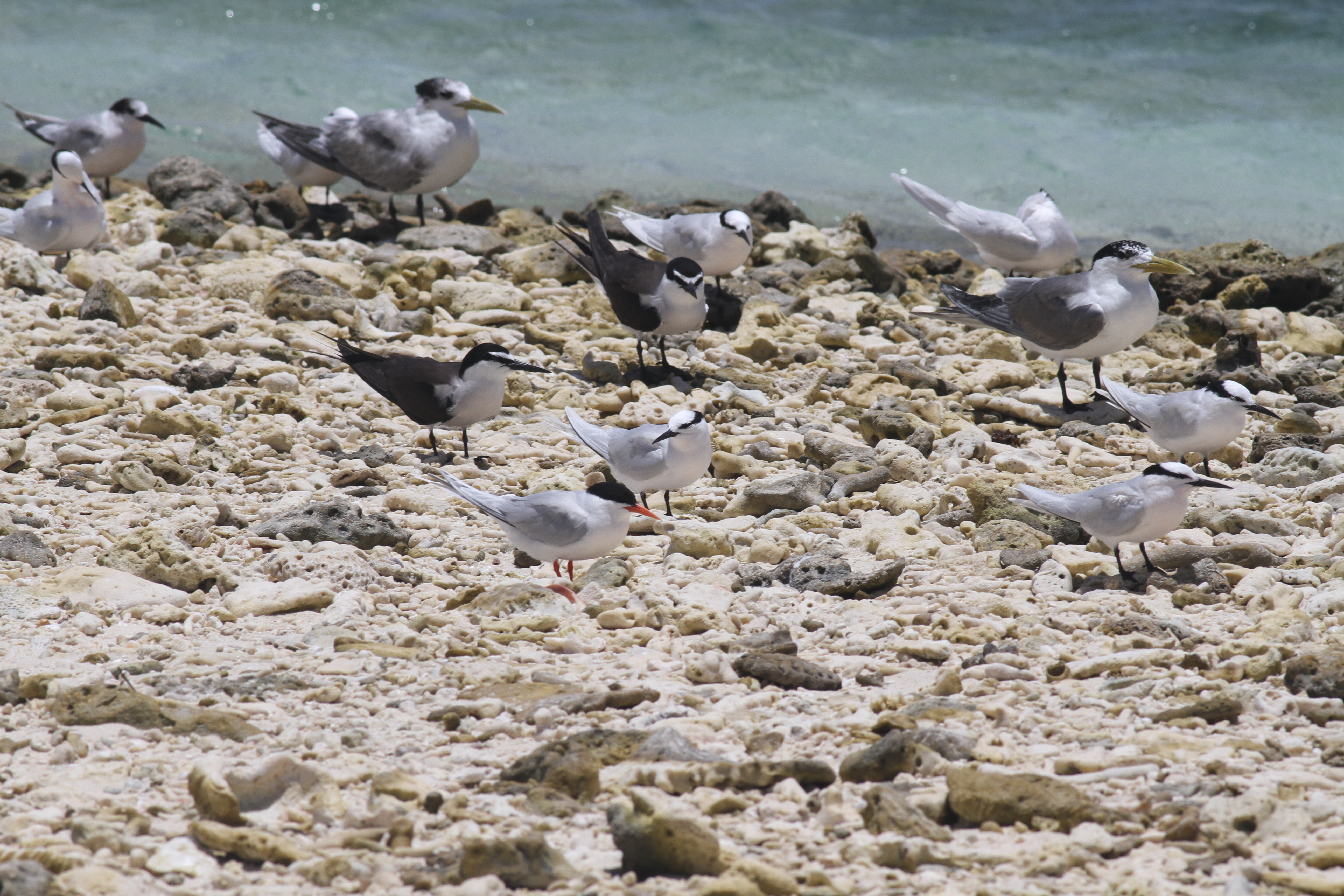
Not surprisingly tern species were much in evidence – in this small group, Crested, Bridled, Black-naped and Roseate
IMG_9401

Bridled Tern – having seen the UK, Farne Islands, bird last year it was good to catch up again with this species breeding the other side of the world

IMG_9357

A new species for me – Black-naped Tern

IMG_9393

Flight shot of Crested Tern – but I’m still searching for Lesser Crested!

IMG_9432

Amongst the non-tern species, this Eastern Reef Heron

IMG_9362

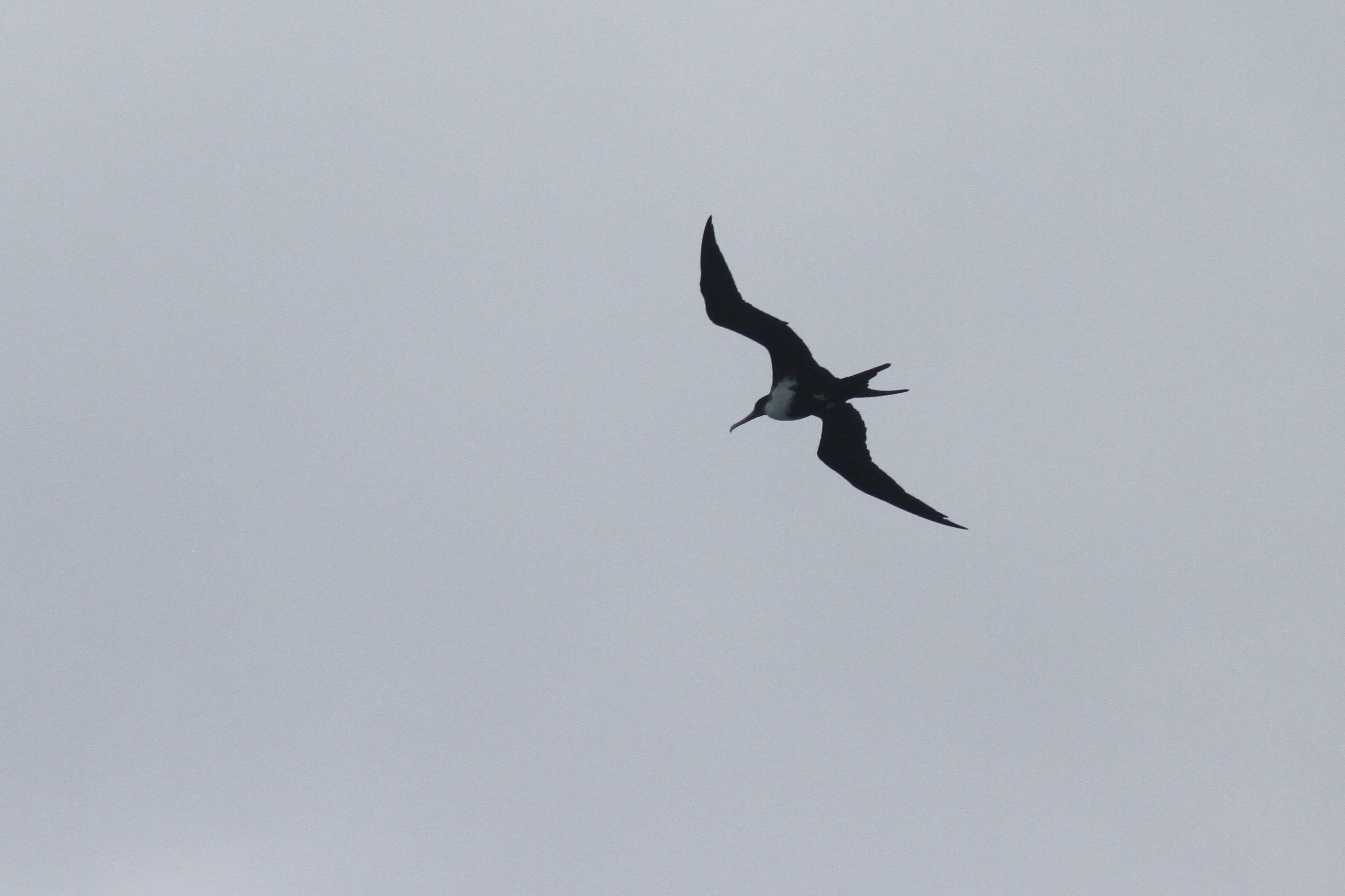
Greater Frigate Bird

IMG_9336

and Wandering Tattler

IMG_9367

After lunch, a spot of snorkelling. Preparing to take the plunge

DSC06263

Dan with a slightly reluctant Solomon, Morgan with Jonah and ‘Grandma’ watching over Samuel

DSC06268

Farewell to Lady Musgrave, a most generous host, providing a really enjoyable day out for all the family with a handful of new birds thrown in – how good is that?

Night terrors

Unlike  UK ‘night birds’ – owls and nightjars, which come out at dawn and dusk, these species in Australia are strictly nocturnal. So after several fruitless night walks, yesterday we managed to catch up with two night time ‘ticks’, Australian Owlet Nightjar and Southern Boobook. The price we paid for this success however was to be eaten alive by mosquitos – despite wearing long pants, sweaters, hats and being dosed with liberal quantities of repellent! Under these rather testing circumstances it’s not surprising that the photos are rather poor – just about good enough to get an overall impression of the birds.

Australian Owlet Nightjar, just about twenty centimetres long – half of which is made up for by it’s tail. A common and well distributed  species but, lacking an ‘eye shine’, very difficult to see in heavily forested areas.

IMG_9089


The Southern Boobook was a slightly easier quarry, with a bright orange eye shine and readily responding to play-back

IMG_9114

Two down and about another half dozen to go, with more ‘night terrors’ to face in the process – better send for another tub of bite cream I guess!

Ash Island does the Double

A couple of recent excursions to local birding hot spots have paid dividends, particularly Ash Island, which has produced two Aussie ticks for me – White-winged Black Tern and King Quail, in as many days. Other interest has come in the form of Black-necked Stork at Pambalong Reserve and at Bunnings ‘scrape’ (the equivalent to a B&Q carpark in England!) another tick in the shape of an Eastern Yellow Wagtail – with a supporting cast of eleven Australian Painted Snipe! These ‘celebrity’ birds, together with a heap of the more common local stuff, have nudged the list to over 150 already!

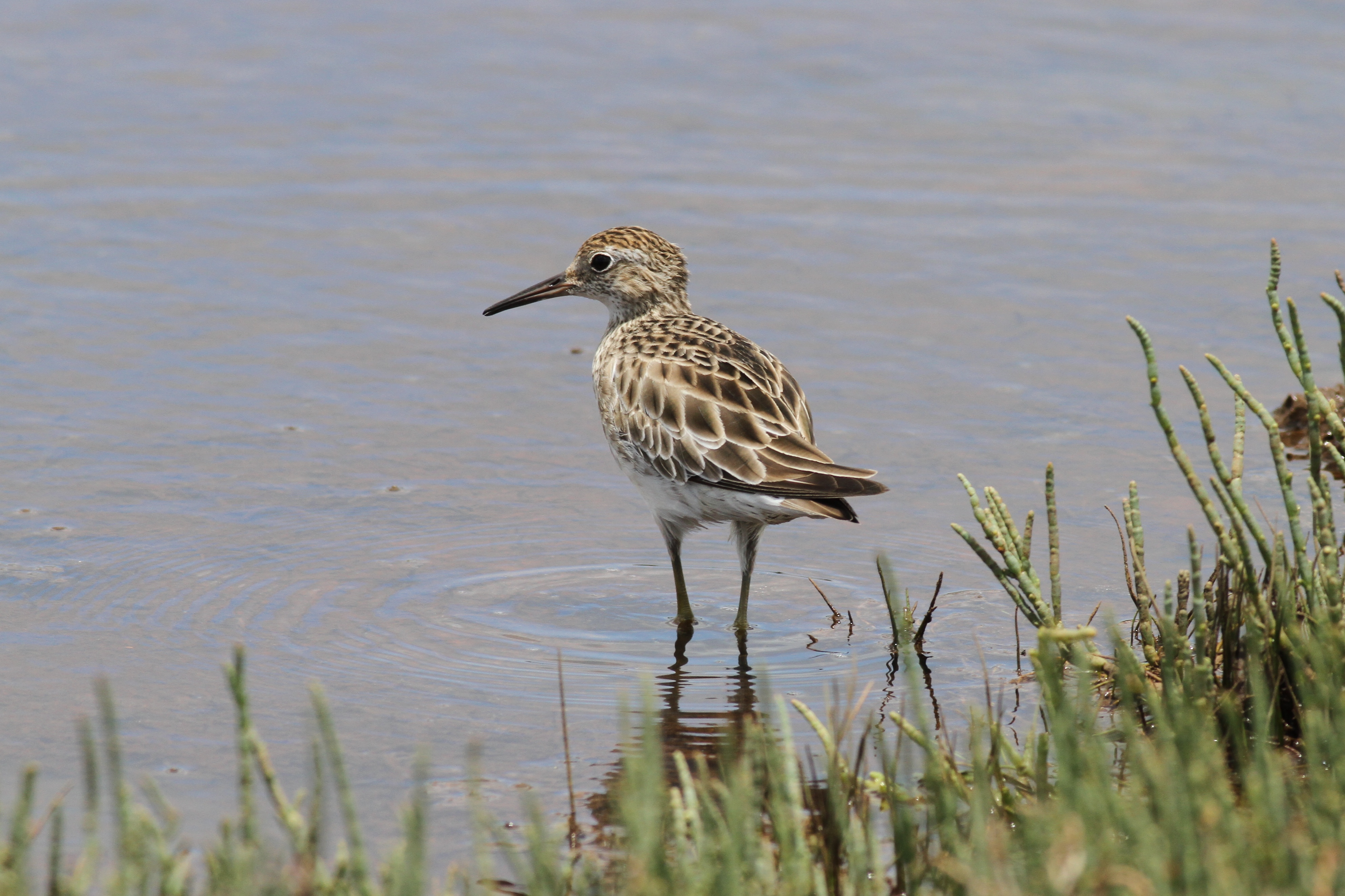
First up, a Sharp-tailed Sandpiper – the ‘default’ wader species on Ash Island and adjacent Hexham Swamp

IMG_8574

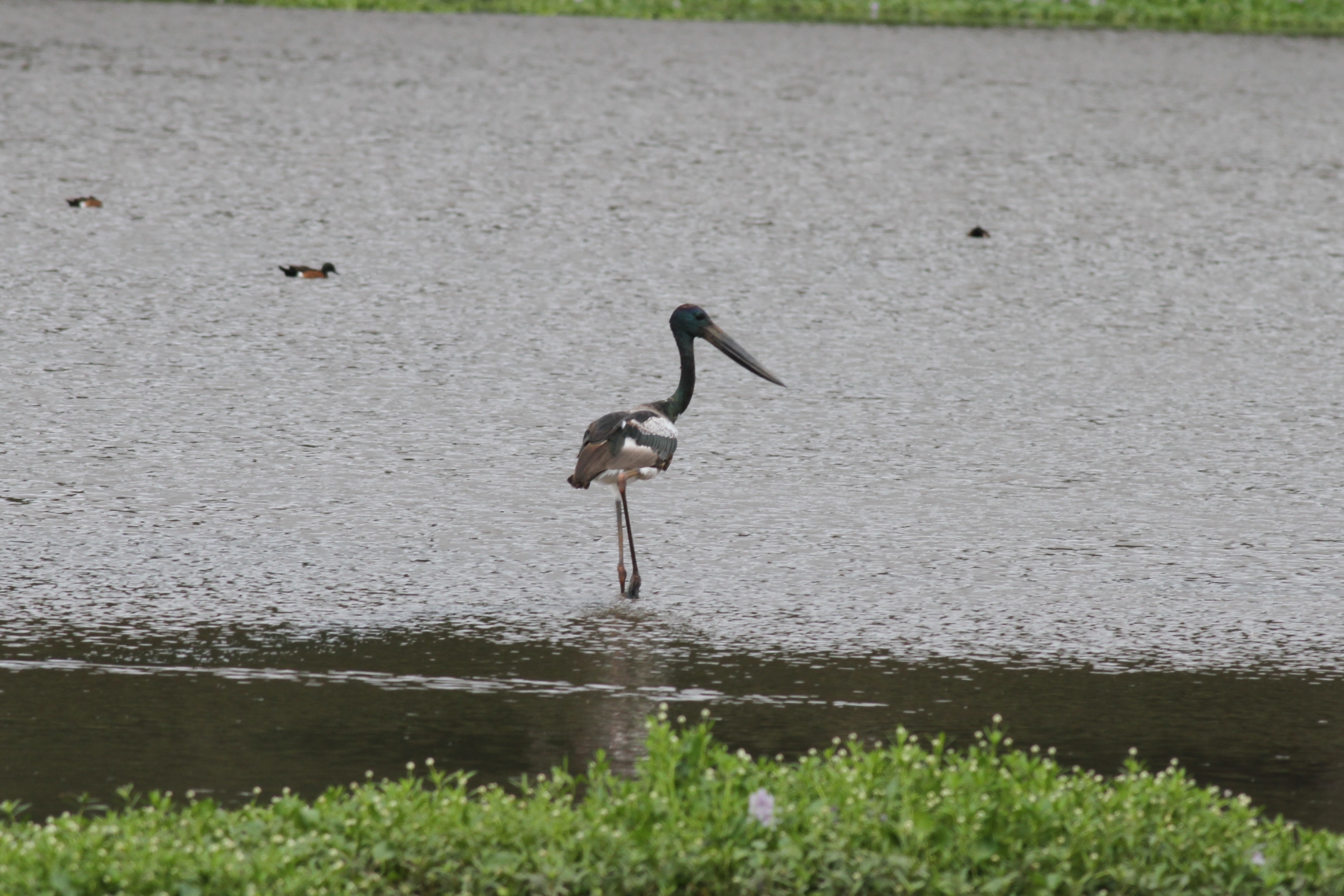
Black-necked Stork, a scarce visitor/possible occasional breeder in the lower Hunter. We found this immature bird at Pambalong

IMG_8776

First of the two Ash Island ticks –  one of four White-winged Black Tern, photographed here with Welcome Swallow.

IMG_8725

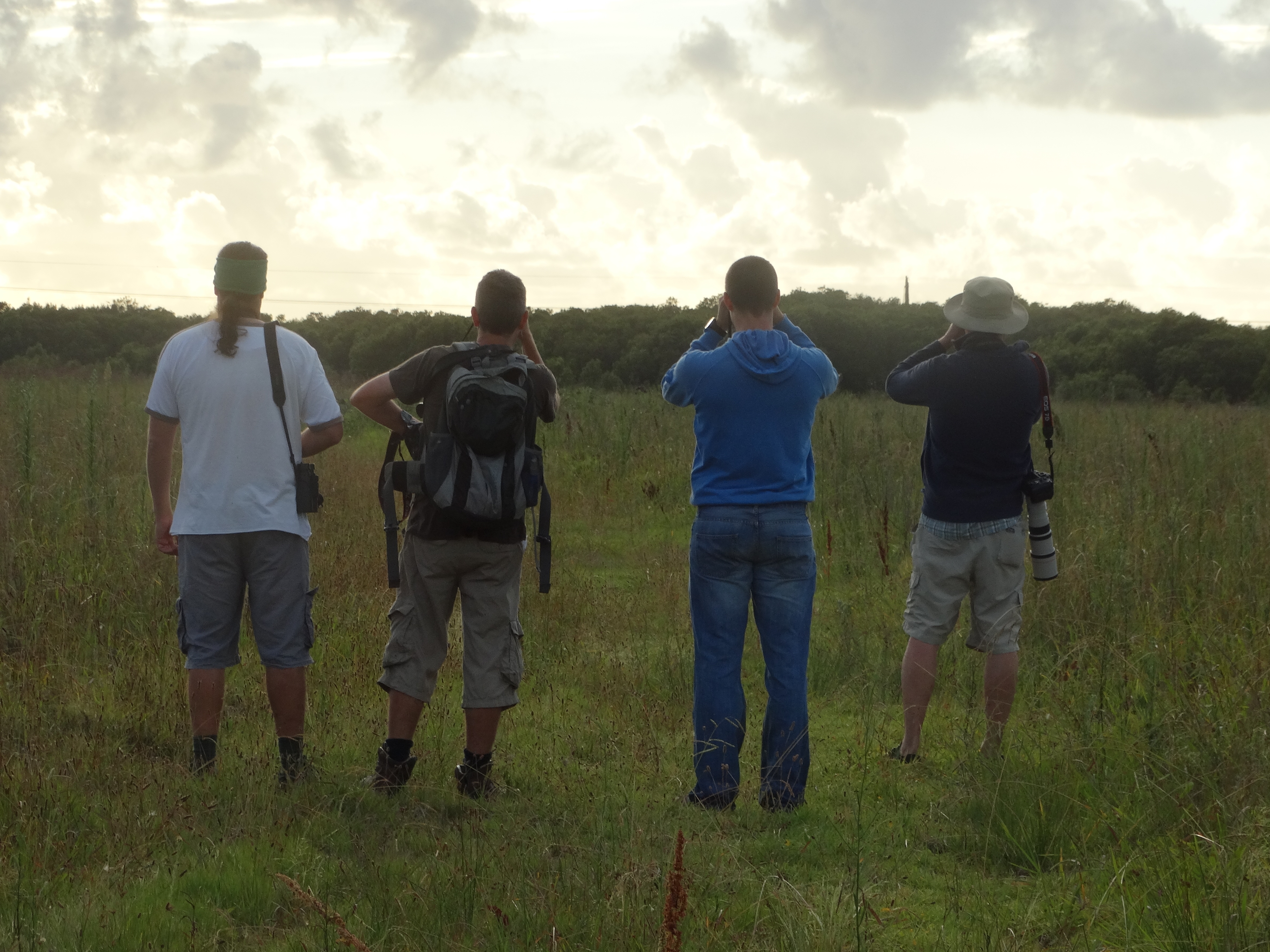
The search is on for the second, which required a 4.30am start, a ‘planet earth’ tick – King Quail! Pictured here, at one of NSW’s biggest recent twitches – from left to right Steve & Mick Roderick, Dan and me – Jane taking the photo

DSC01063

.. and here’s the prize, an amazing shot taken by Mick, of a two second show as this ‘micro’ Quail flew to cover!

King_Quail_images_-_trevorjwilliams55_gmail_com_-_Gmail

More ‘celebrity birds’ – this one, a self found Eastern Yellow Wagtail at Bunnings Scrape. This species was only recently discovered  wintering, in single figure numbers, in the Ash Island/Hexham Swamp area, so to find one away from the regular location was a real bonus

IMG_8822

Mick kindly turned up at Bunnings to confirm the identification of the Wagtail and promptly found a group of Australian Painted Snipe! This photo features four of the total of eleven seen

IMG_8854

To conclude this ‘birds of the lower Hunter’ blog, some of the more regular species…

Nobby’s Noddy

DSC06165

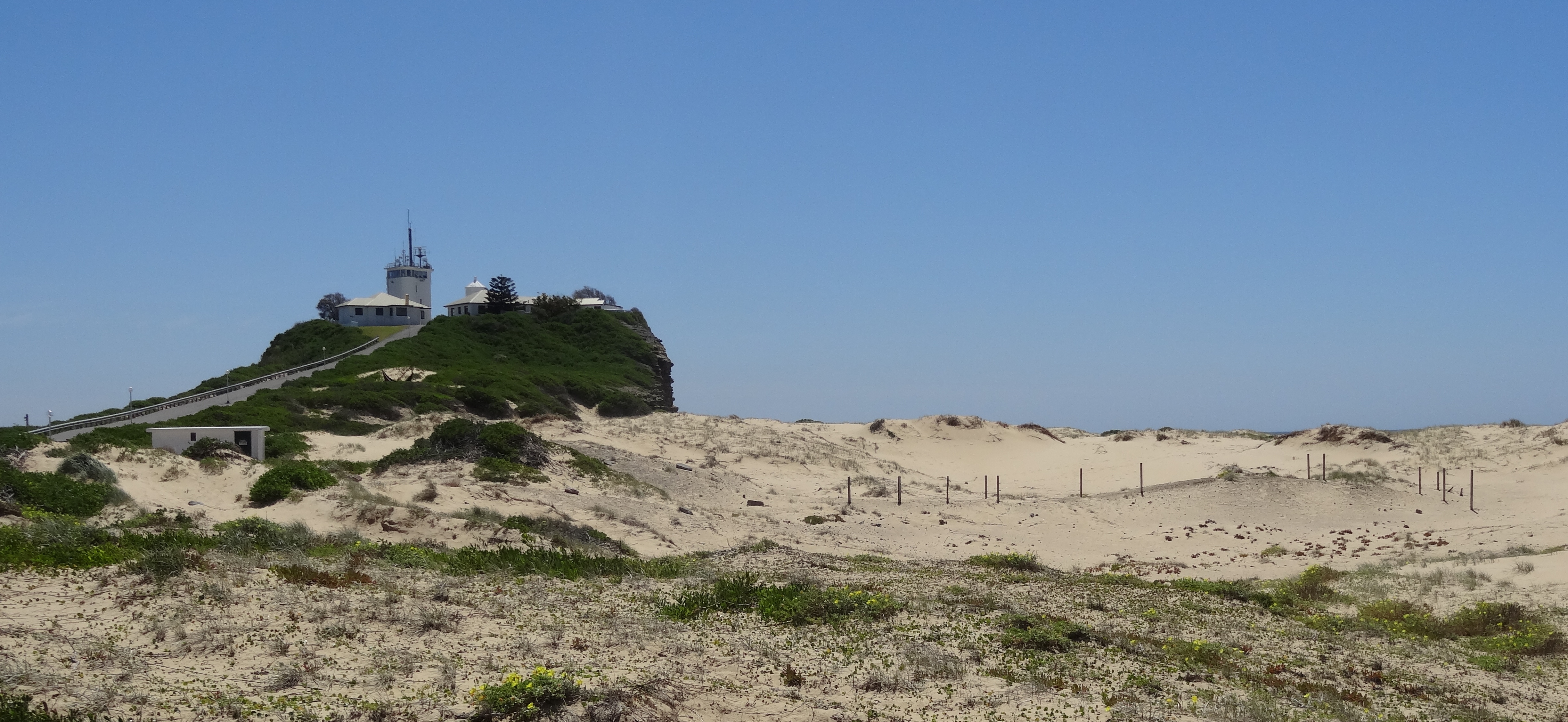
The Light House, Nobby’s Head, Newcastle

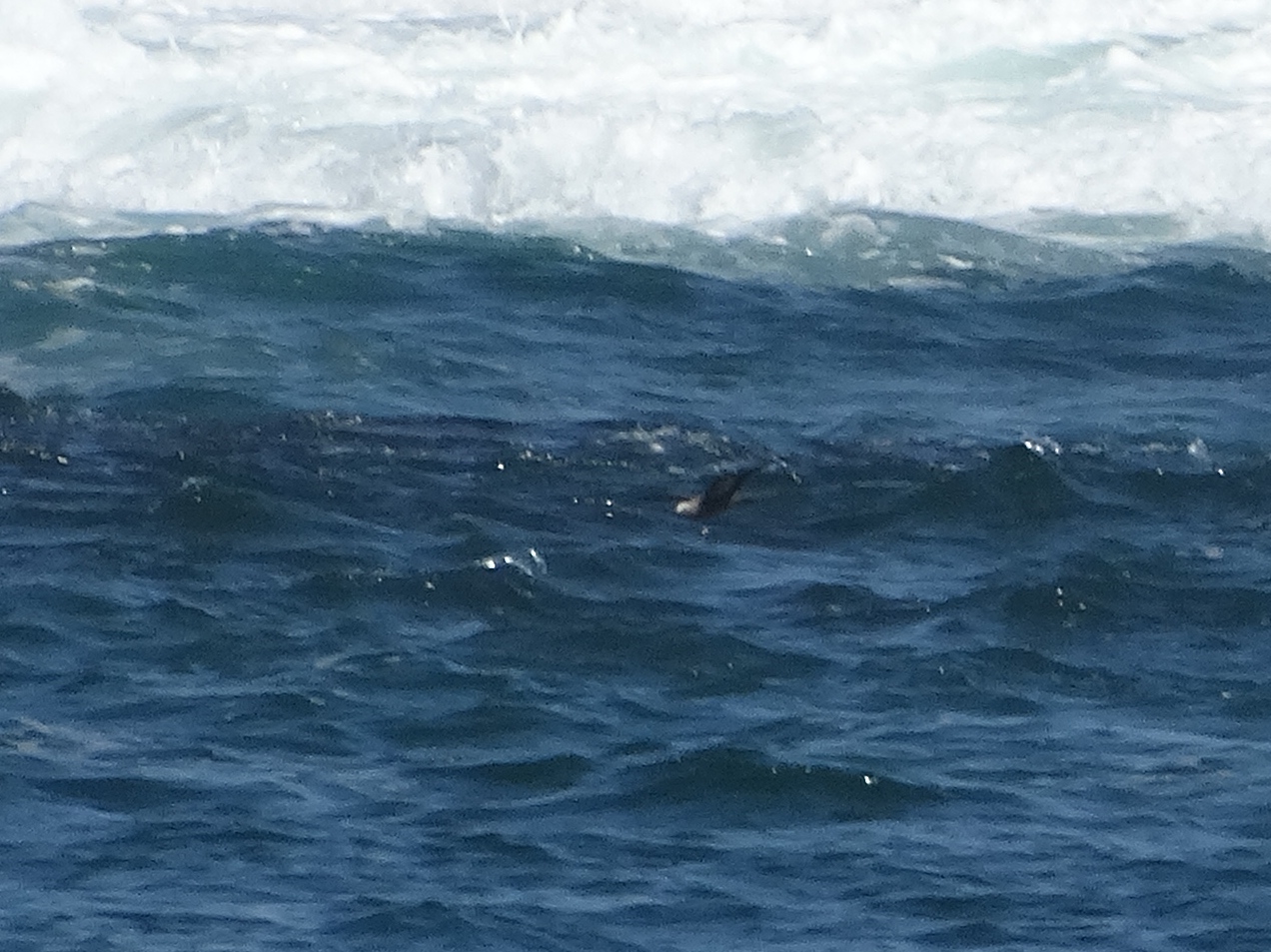
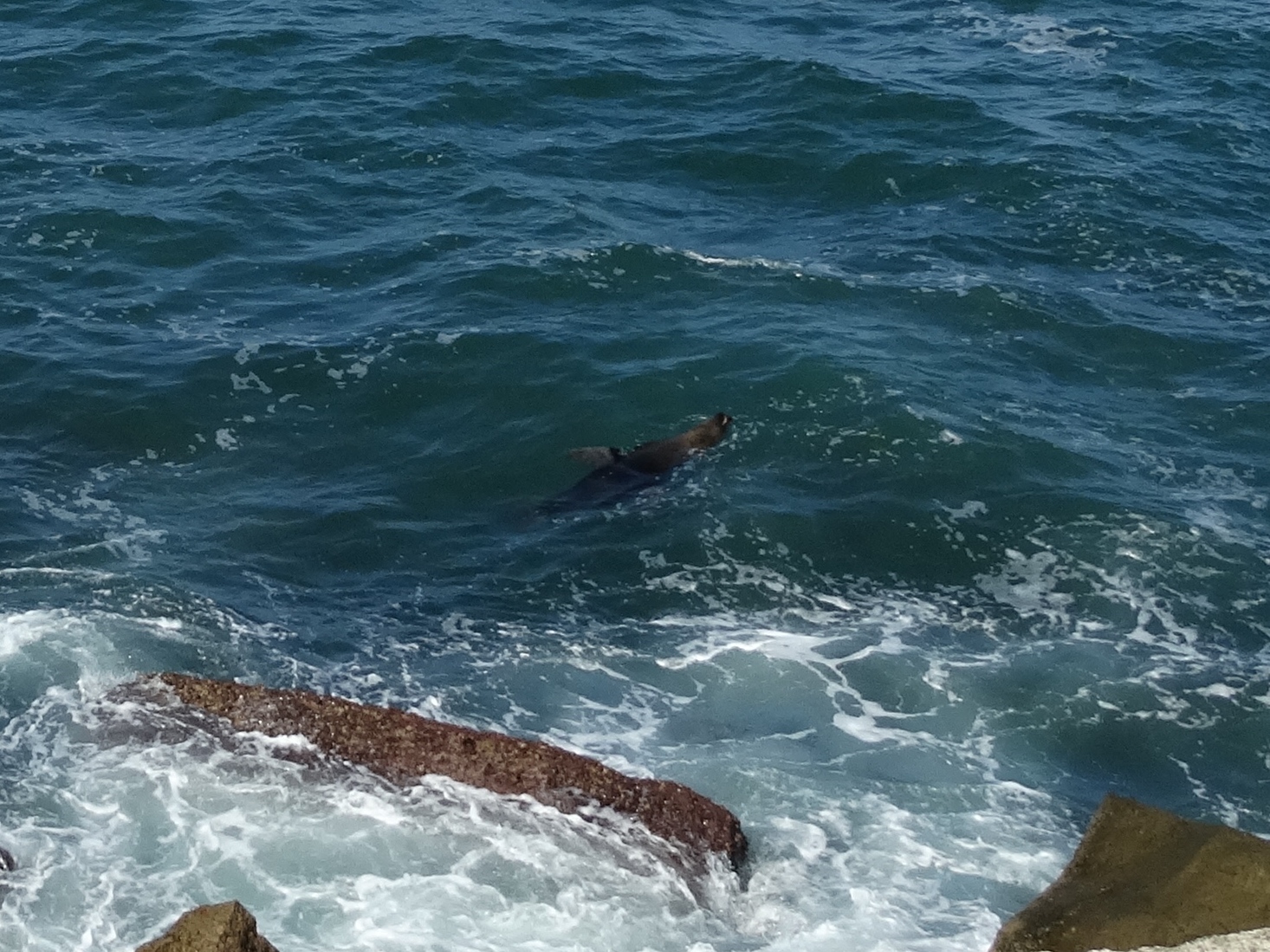
Saturday, and we move out of the Old Brush to a hotel in Charlestown – nearer to Dan, Morgan and the kids, and with a few more creature comforts. In the afternoon we enjoy a family outing to see the sights of Newcastle’s water-front, treat ourselves to ice cream and, by some complete fluke, collect our first Australian ‘tick’ of the trip! Casually looking out to sea, Jane spots a largish brown sea bird off shore. Dan confirms that it’s a Wedge-tailed Shearwater and then, scanning further out to sea, sees another interesting pelagic species – a probable Noddy, blogging over the rocks, just off of Nobby’s  Lighthouse. We quickly clean the kids up, collect optics from the car and head off up the Point. Sure enough, with the aid of a telescope, we are able to confirm the identification features of Common Noody – a rare summer visitor to Newcastle and a ‘planet earth tick’ for Jane and I. We continue to the end of the breakwater to enjoy the spectacle of an Australian Fur Seal, swimming about to the delight of the small assembled crowd.

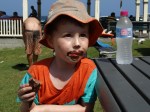
The gorgeous ‘tribe’ of grand kids – Jonah, Samuel & Solomon, enjoying an ice cream!

Distant shots of Common Noddy, blogging off Nobby’s Head, Newcastle

DSC00763

DSC00775

and Australian Fur Seal, courtesy of Jane.

DSC00797

A lovely family afternoon and a completely unexpected ‘life tick’ into the bargain.

Back to Old Brush

DSC06147

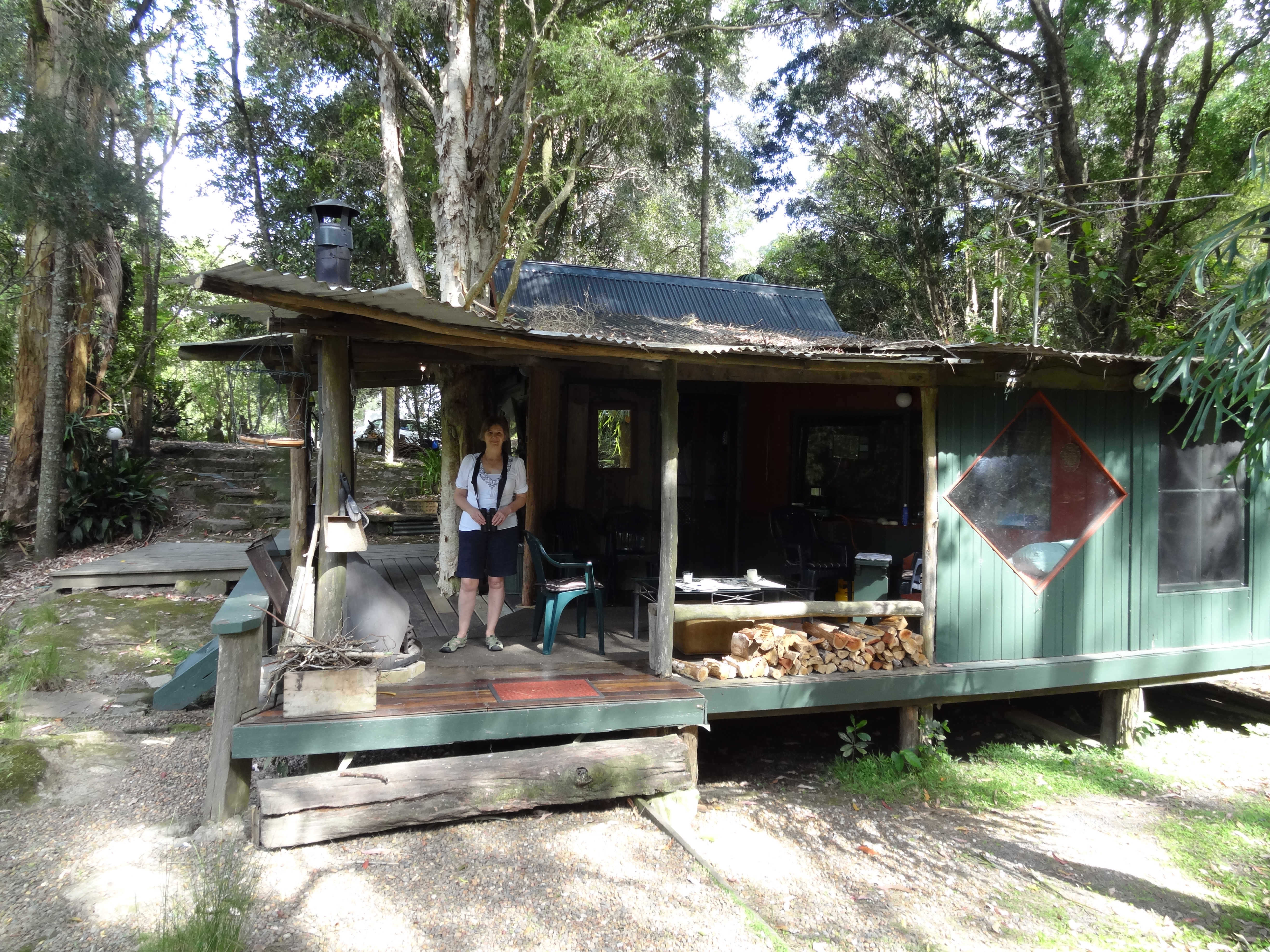
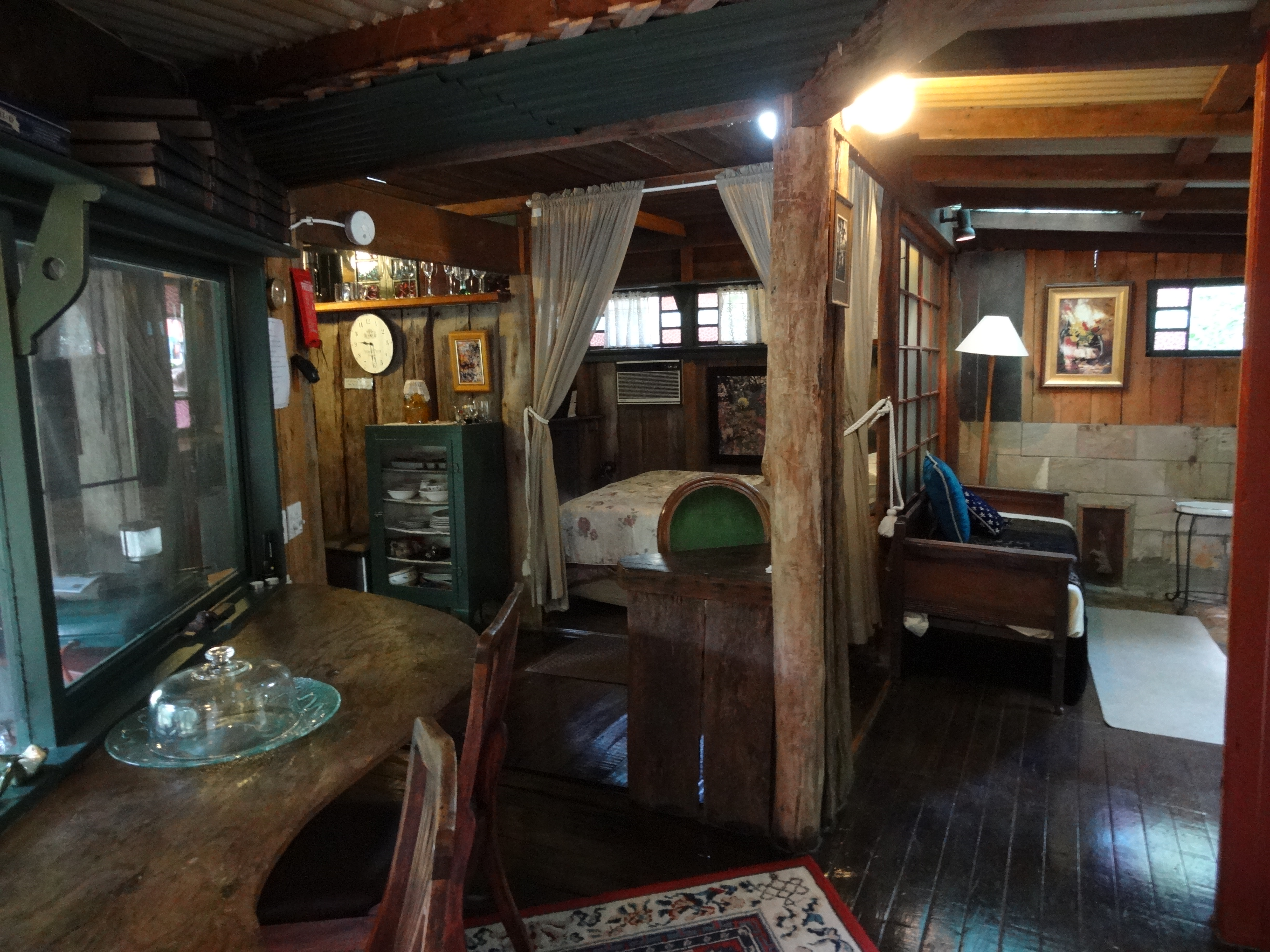
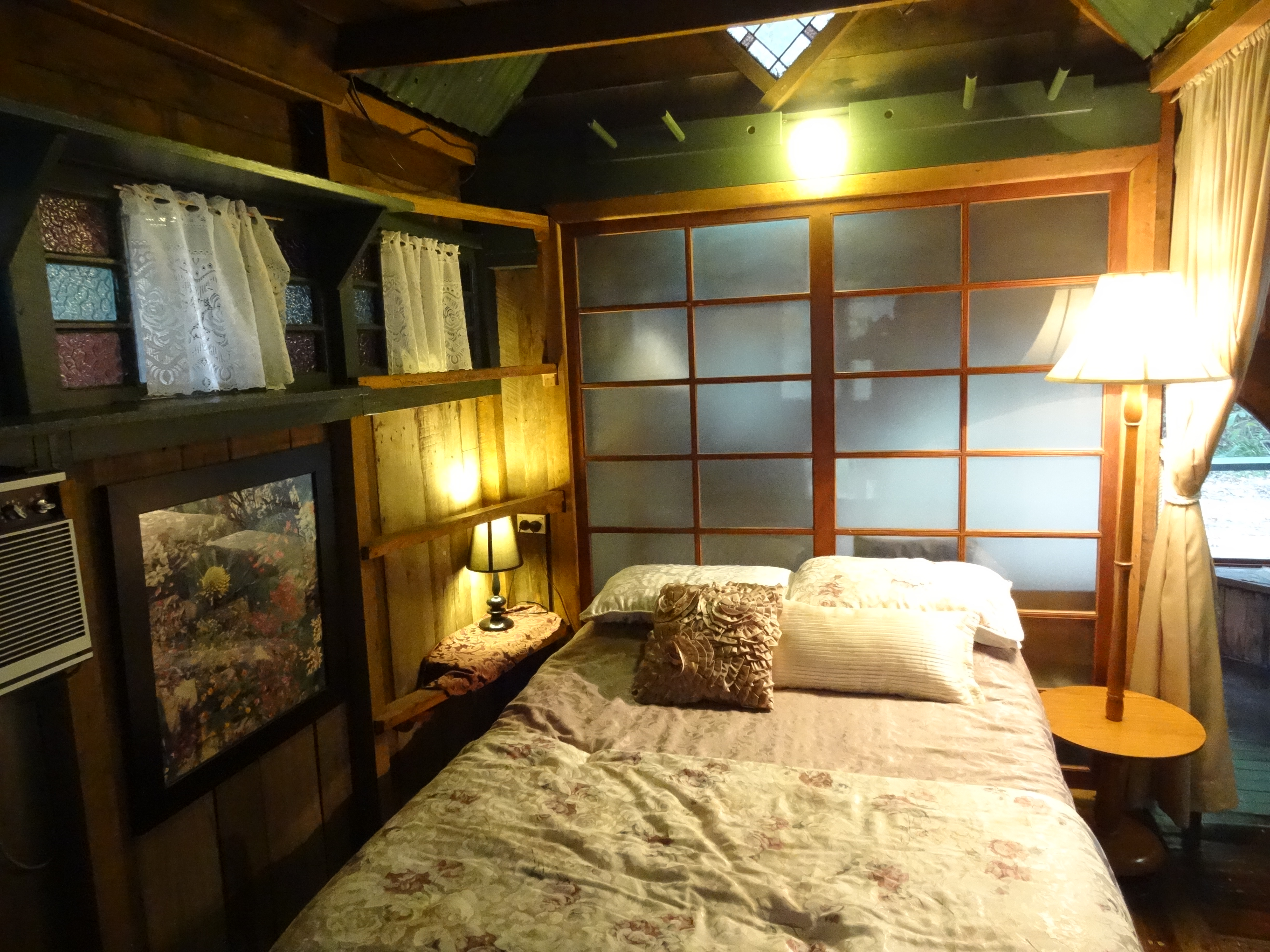
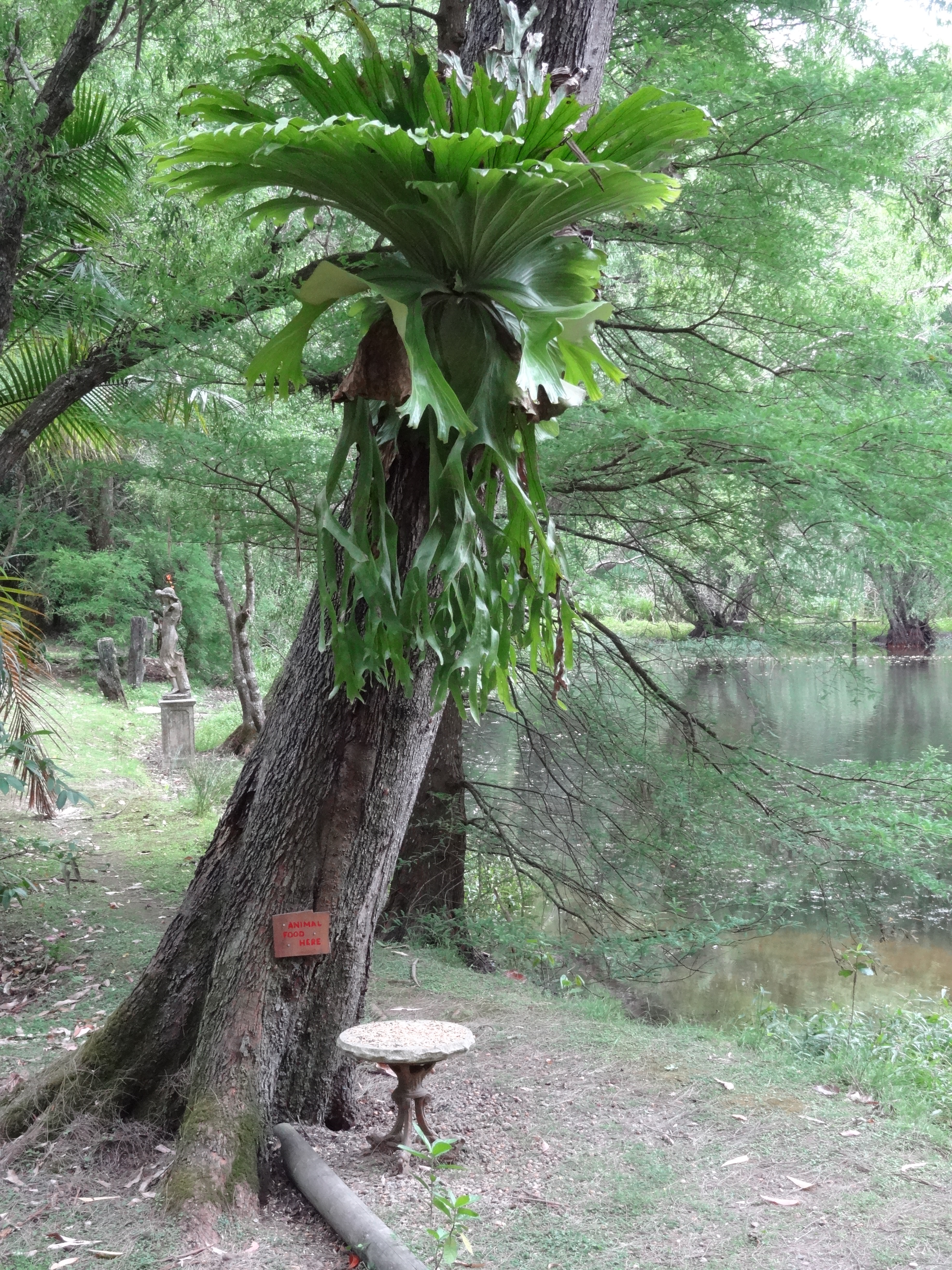
After a long but trouble-free flight from the UK we arrived back at the Old Brush, a delightfully tranquil retreat, half and hour from Newcastle and Dan, Morgan and the kids. A great place to recover, get over the jet lag and relearn the basics of Australian birding.

The cabin:

DSC06163

DSC06162

DSC06157

DSC06158

The grounds;

DSC06149

IMG_8069

IMG_8060

DSC06144

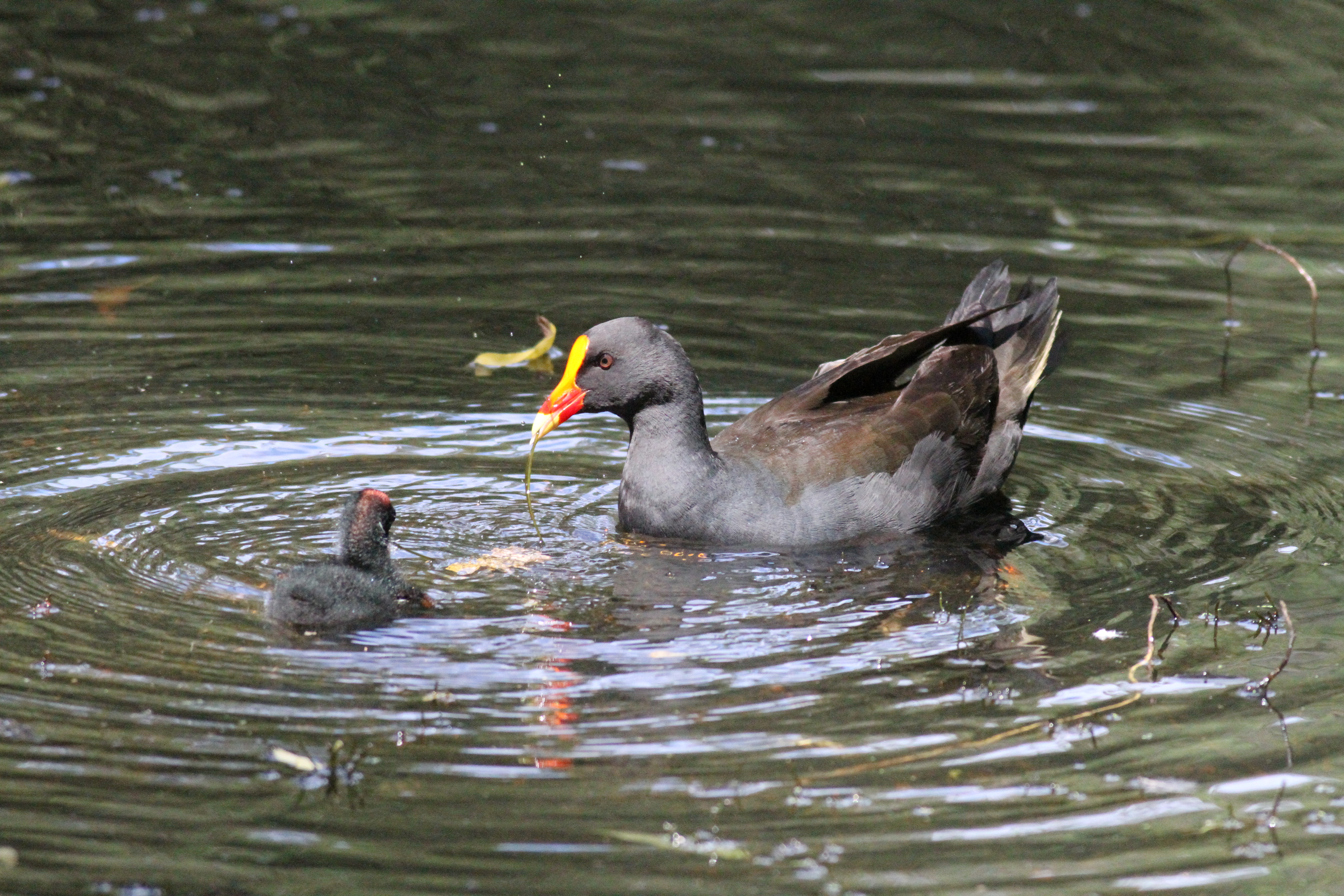
The birds: Dusky Moorhen

IMG_8158

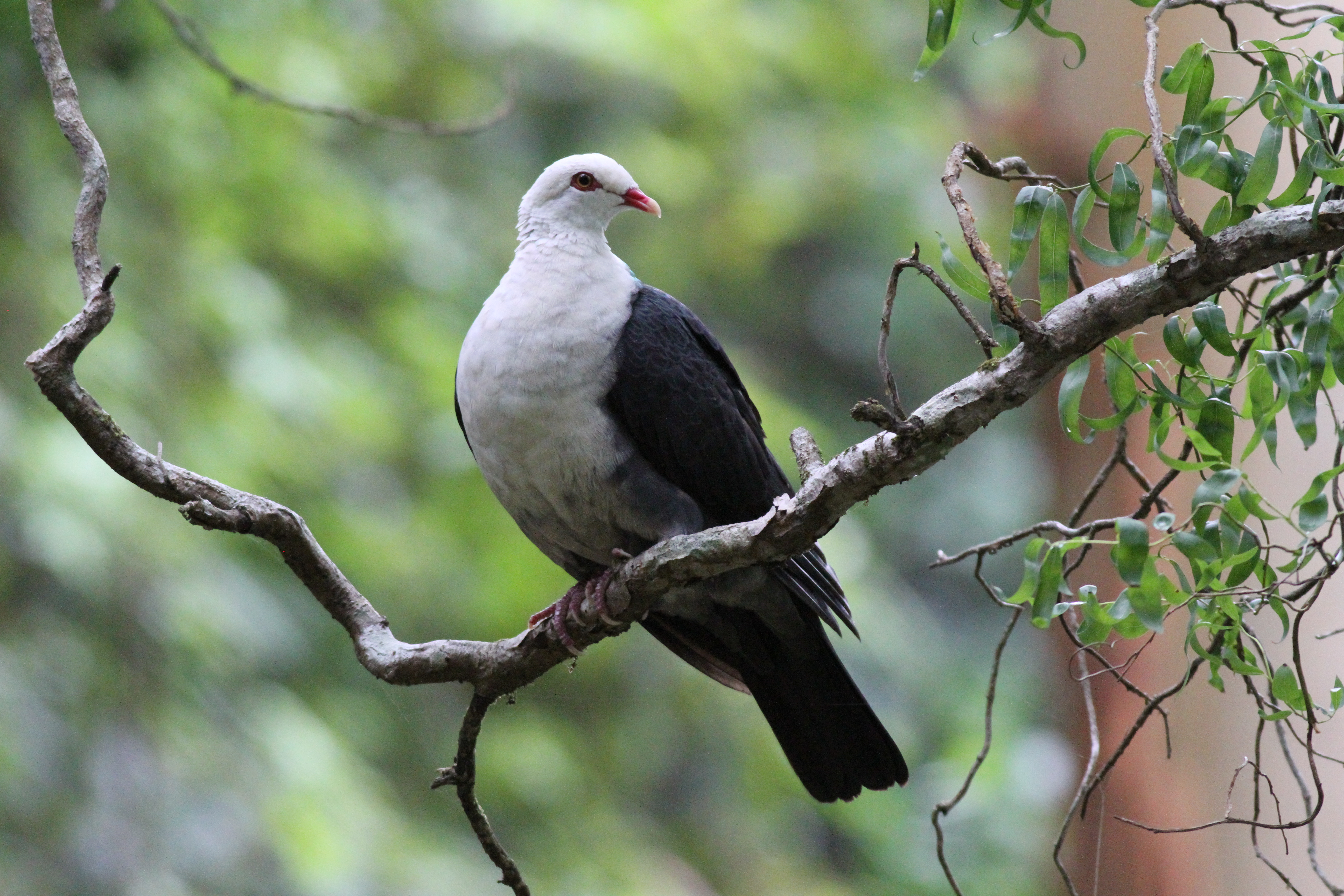
White-headed Pigeon

IMG_8220

Eastern Yellow Robin, courtesy of Jane Williams

DSC00520

Australia Brush Turkey

IMG_8258

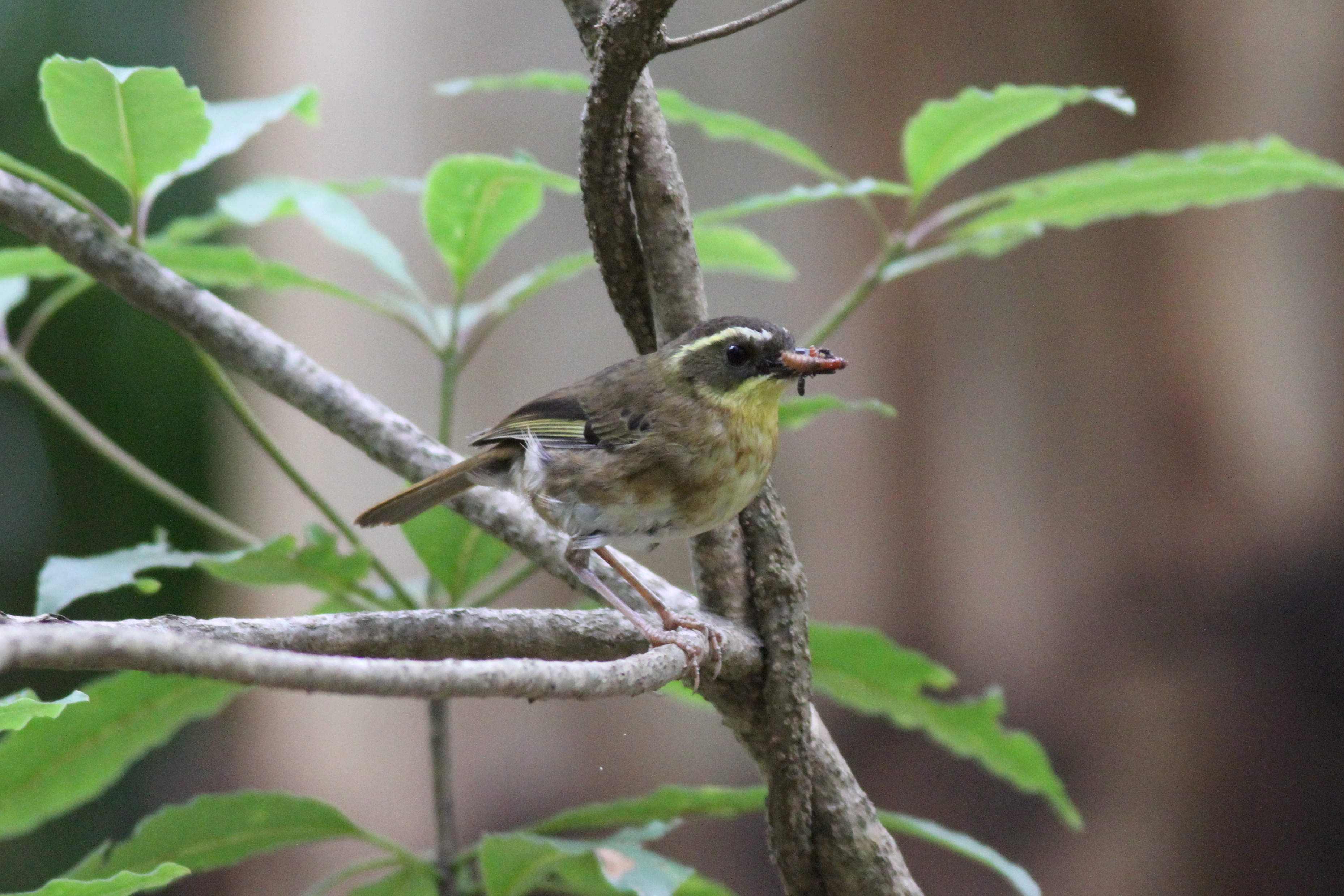
Yellow-throated Scrubwren

IMG_8311

… and finally, if you’ve got an itch you just have to scratch it!

DSC06141

The 2013 List…

In my recent blog ‘301 – and still counting’ I promised to publish the list of all the birds I’d seen in the UK in 2013, providing basic details for all scarce and rare species. To do this I’m using a recently created web-based programme which allows you to compile, keep and share your numerous bird lists quickly and simply – just like filling in a traditional ‘pencil and paper’ check list. But BirdLists does much more – using ‘authorised lists’ for each country/region/continent, it helps you build your various local, county and country sightings into a single interactive database. It lets you make notes beside each of your records, keeps count for you and let’s you share your lists – if you choose to do so – with friends, clubs or the general public. Future developments include adding a photo gallery and the ability to compile ‘grip lists’. Try it for free, whilst it’s still being developed, by creating an account at www.birdlists.me An ideal way to start off your 2014 birding year!

You can see my BirdLists 2013 Year List at http://www.birdlists.me/l/9765ac5c

We’re off tomorrow for a winter break, visiting family and friends in Australia and Thailand, so a very happy and prosperous New Year to all of you out there and make sure you ‘stay tuned’ for some more exciting travel adventures and accompanying eclectic mix of pics!

Wessex Trio provide fabulous finale

Just when I thought it was all over for another birding year and began to slide inexorably into a post-Christmas stupor, an unmissable trio of winter sea birds appeared on the Devon/Dorset coast. With the added bonus of a ‘life tick‘ and the possibility of bringing Jane up to the magic 300, we set off late on Friday night, towards our final ‘targets’ of 2013. An overnight stop at Newbury meant that by nine o’clock we were driving across the causeway to Portland, where two of our three quarry had already been located by the large crowd of eager birders. The distant Black Guillemot was quickly picked out amongst the various boats moored in the harbour, before it’s much rarer cousin and visitor to these shores from Iceland and the high Arctic, Brunnich’s Guillemot appeared, happily swimming and diving just off shore. Next stop was at Radipole Lake for the ‘escaped’ male Hooded Merganser – whatever it’s origins, still a very cute duck indeed! Finally, after a two hour torturous drive along the coast of Dorset and Devon we arrived at Brixham, where the White-billed Diver was seen almost immediately in the outer harbour, along with several Black-throated Diver, Great Northern Diver and a Red-necked Grebe for company. A magic moment for Jane – a ‘lifer’ and her 300th for the year!

Part of the assembled crowd of eager birders enjoying seeing Brunnich’s Guillemot.

DSC06080

With only a handful of accepted records since 2000, this was an unexpected but very welcome addition to my ‘life list’

IMG_7886

Some people will go to extremes to get a closer look!

IMG_7855

With it’s distinctive head and bill profile, it’s dark head and smokey face, this species does stand out from our regular Guillemot

IMG_7816

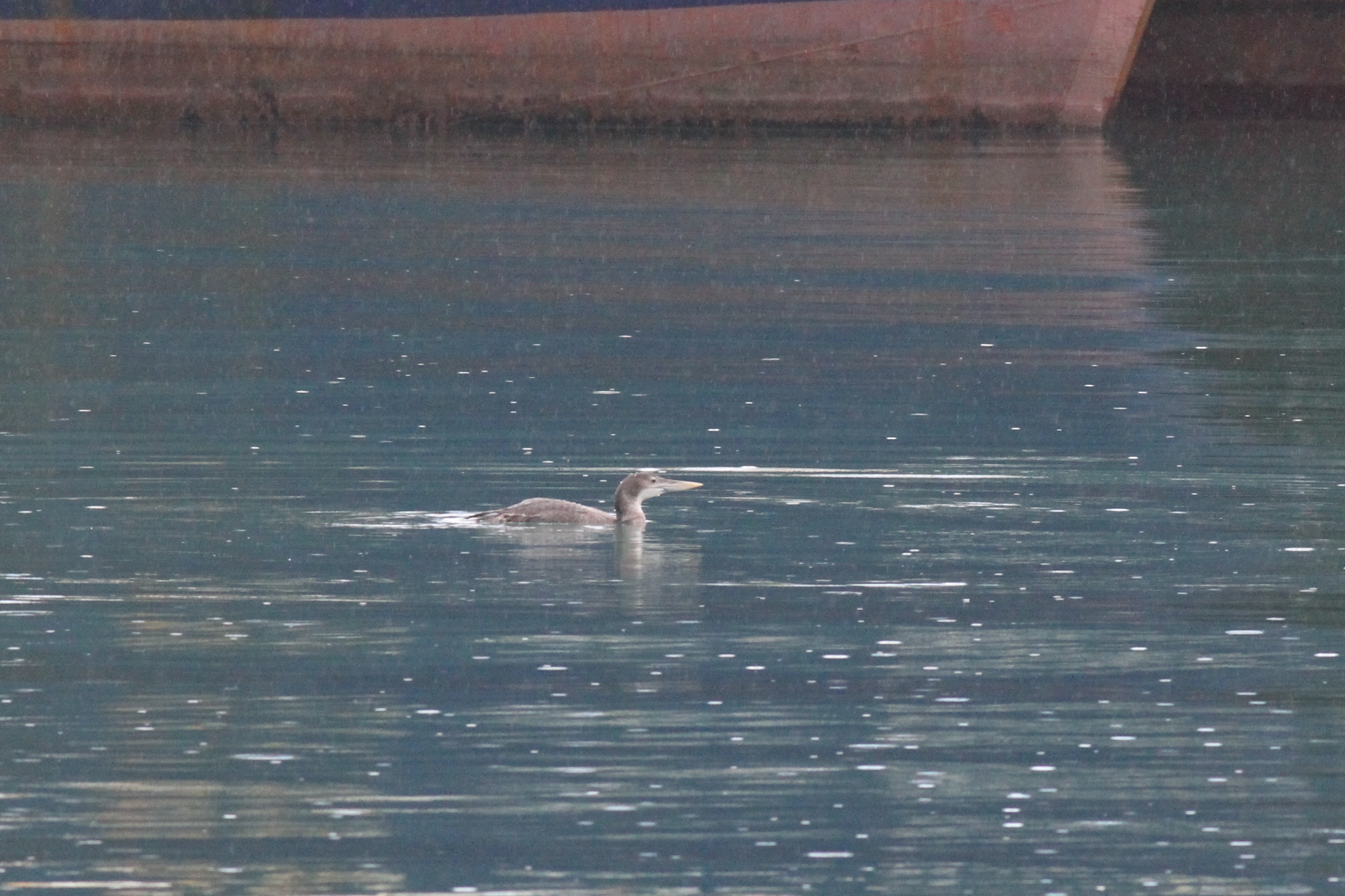
Not such good views of the White-billed Diver in Brixham harbour, but it was a ‘lifer’ for Jane and it brought up her 300th species in the UK in 2013!

IMG_7991

This Hooded Merganser at Radipole may not make it to the list because of it’s unknown origins but it was a cute little thing, nonetheless!

IMG_7973

Arctic ‘pigeon’

IMG_7739

Ivory Gull, Patrington Haven 

The ‘supply’ of scarce and rare birds in 2013 has indeed been plentiful and has continued, right to the year end. In mid December there was an unprecedented influx of Ivory Gull into the UK. As per usual, most of the handful of sightings came from Scotland and the North East, but one individual made it as far south as the Humber estuary, where we caught up with it, just before Christmas. During it’s 10 day stay it was fed by local residents and visiting birders on fish scraps – presumably an acceptable temporary substitute for the carcasses of Whale and Seal  – it’s more usual food source up in the high Arctic, where they originate. To some, these rather unusual larids, have a passing resemblance to pigeons – but to me they have much more of an air of nobility about them, with their distinctive ermine-like plumage.

A couple more shots of this lovely bird – contender for ‘bird of the year’:

IMG_7758

DSC06017

IMG_7793

Three Card Trick

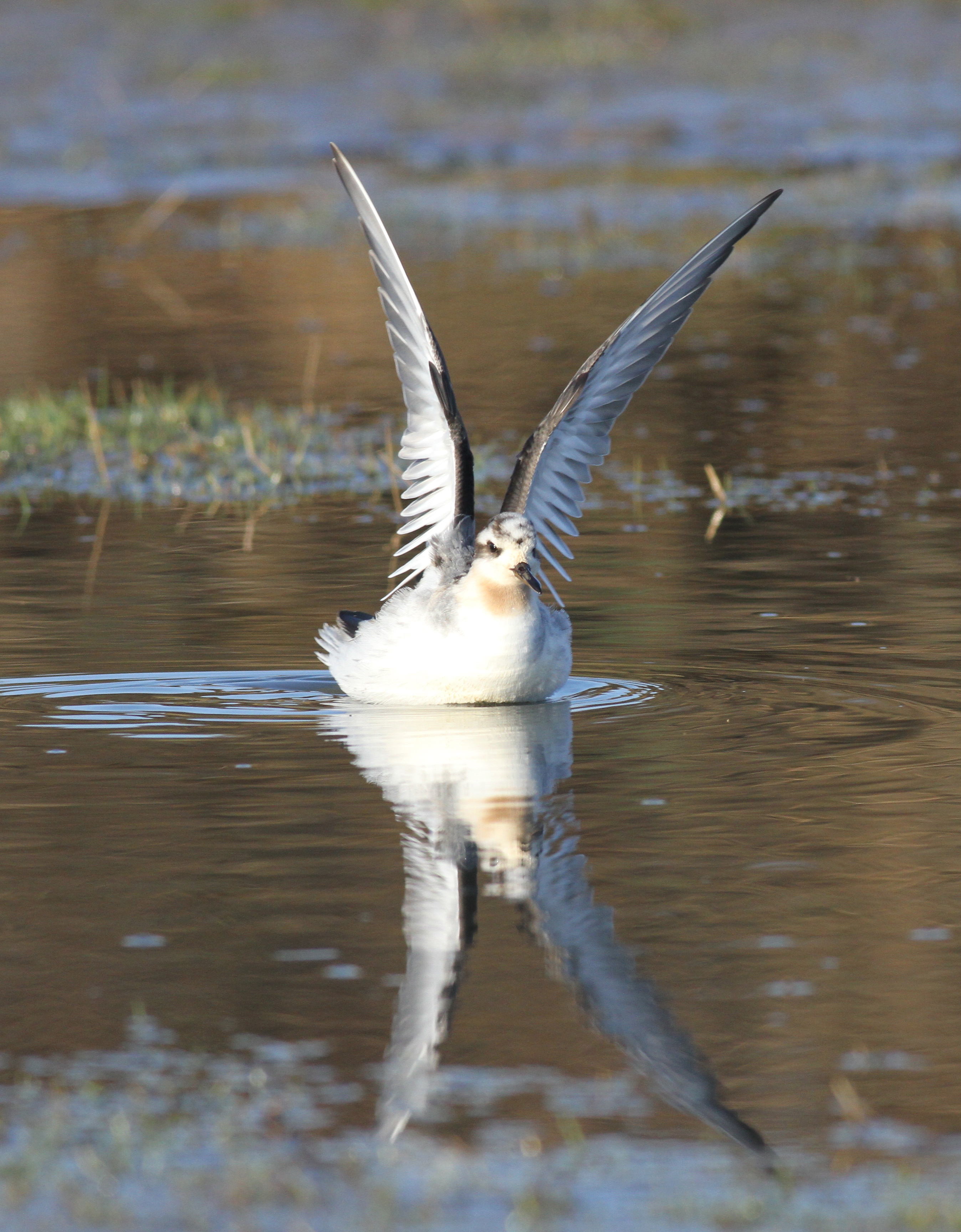
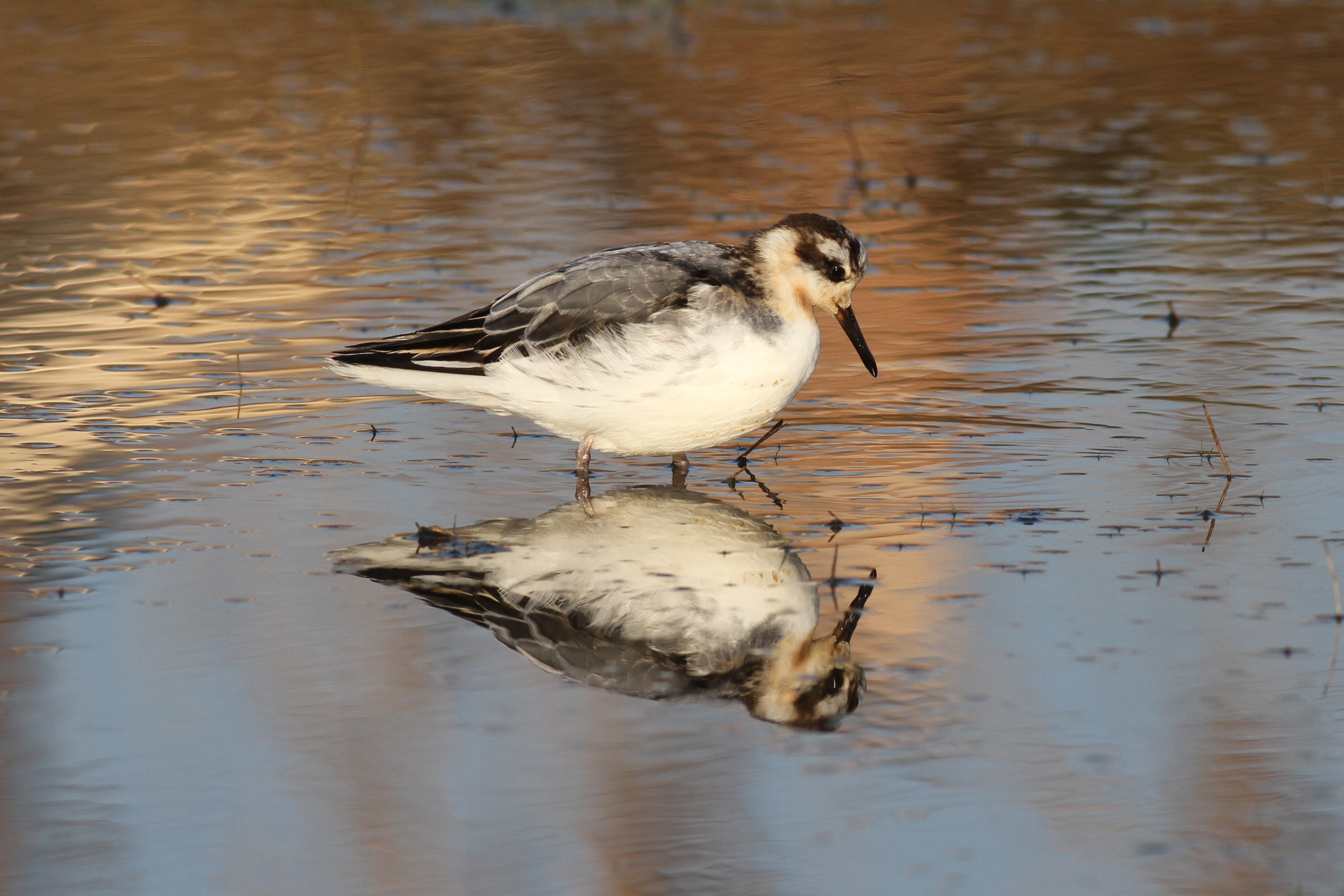
Having missed, by a matter of minutes, the relatively obliging Grey Phalarope at Salthouse, which first appeared whilst we were away in Scotland, the chance of catching up with one today in Suffolk and completing ‘the set’, was irresistible. Norfolk was cloaked in fog all day but luckily for us the sun was shinning on the Suffolk coast when we arrived at Walberswick. The beach car park was more a waterlogged field when we pulled up but conveniently the Grey Phalarope was busily feeding in a puddle close-by. The photographs speak for themselves:

IMG_7625

IMG_7476

IMG_7582

IMG_7659

There are only three Phalarope species on the world list – today’s Grey made up the full set, all seen this year! This was one, if not the cutest bird, seen all year.

Banks Baikal Bonus

Ever since I was a kid I’ve been fascinated by Lake Baikal, in southern Siberia. With a surface area of over 12,000 square miles it is only the seventh largest fresh water lake in the world, but it is thought to be the oldest, with an estimated age of 25 million years, and with a depth in excess of a mile, also the deepest. It holds approximately 20% of the worlds unfrozen fresh water and boasts a vast array of wildlife, more than 80% of which is endemic. This is the home of Baikal Teal, an exquisite endangered duck, which is rarely seen outside Russia.

On Monday, a male Baikal Teal was reported on the Lancashire coast, at Banks, near Southport. By Tuesday evening, after some initial discussion about it’s identification and origins, it had been declared ‘the real deal’, so on Wednesday we went for it. We arrived on site at about 10.30, the bird having been seen three quarters of an hour before, but not now on view. Crossens Outer Marsh is a desolate place and with the beginnings of the strong north westerly winds, later causing so much havoc on the east coast, whipping across the raised bank where the small crowd of hopeful birders stood, it wasn’t long before we were absolutely frozen. We’d decided to retreat to the car and find some lunch when, 200 yards away from the dispersing crowd, we heard a muffled cry go out and an arm raised. We hoofed it back and there at some distance across the marsh was the Baikal Teal, tucked up asleep! A quick tactical relocation to the other side of the inlet and we secured good views of this strangely exotic looking Anas – well worth the 350 mile, eight hour round trip!

Our initial views weren’t that great, though good enough for a ‘Life tick’! But then we were able to get considerably closer..

DSC05915

DSC05926

IMG_7355

With only five previously accepted records of this species in the UK since 1900, hopes are riding high on this bird.