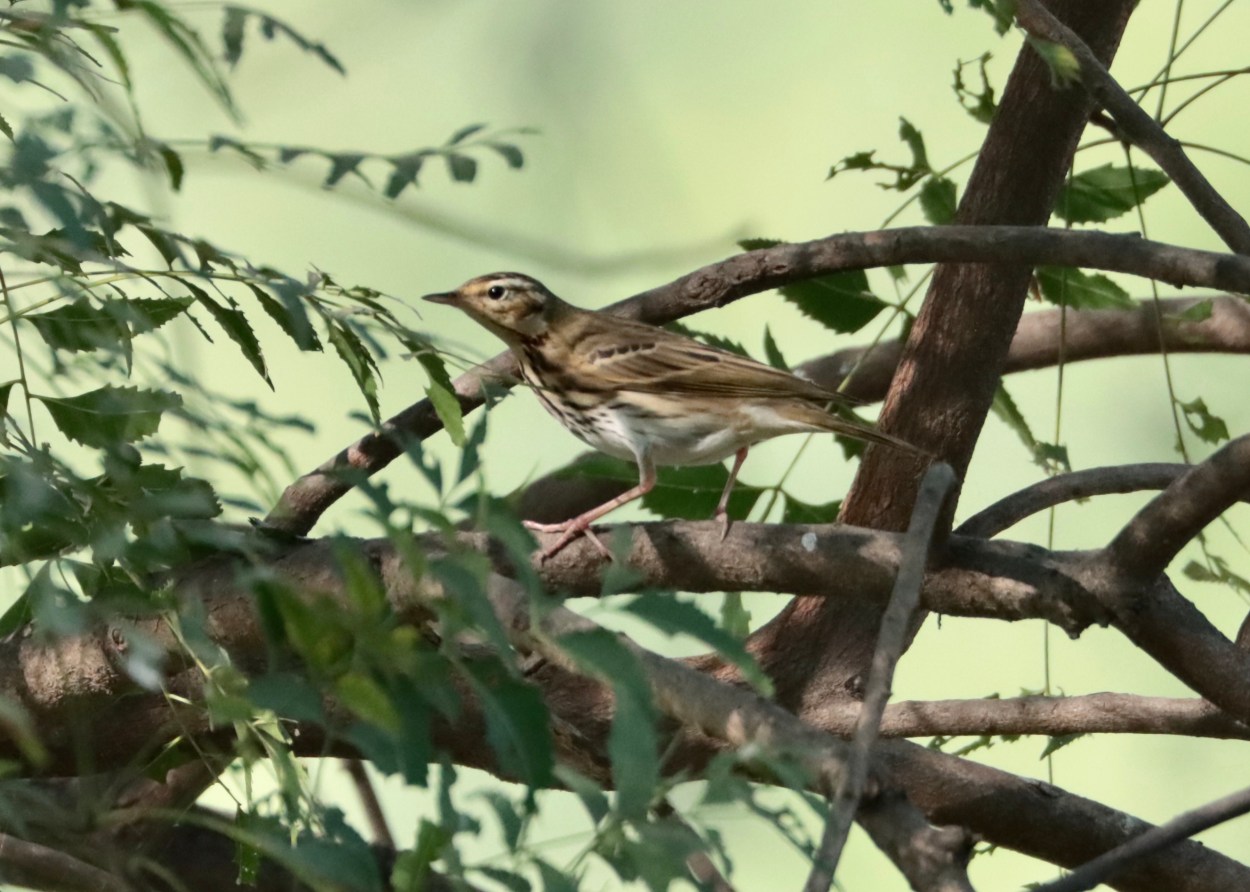
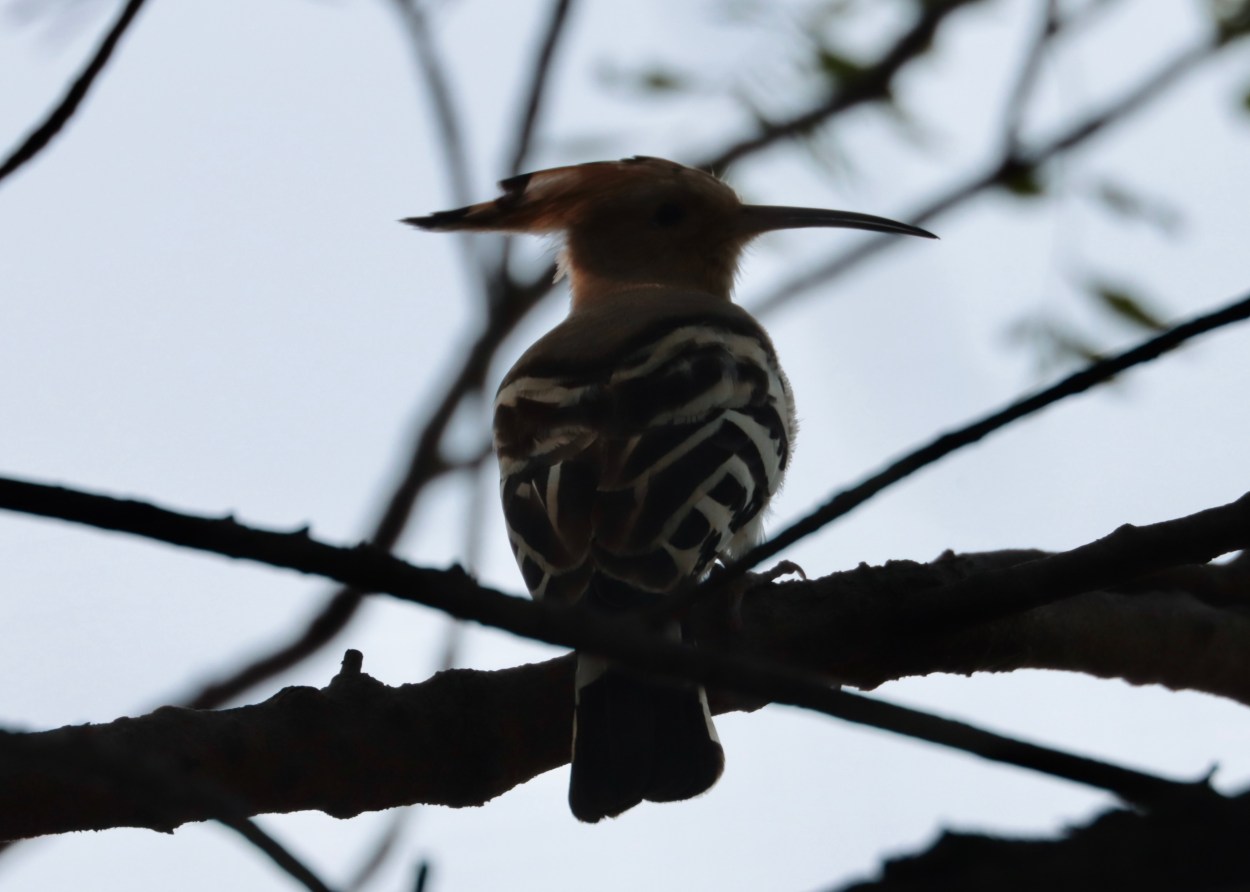
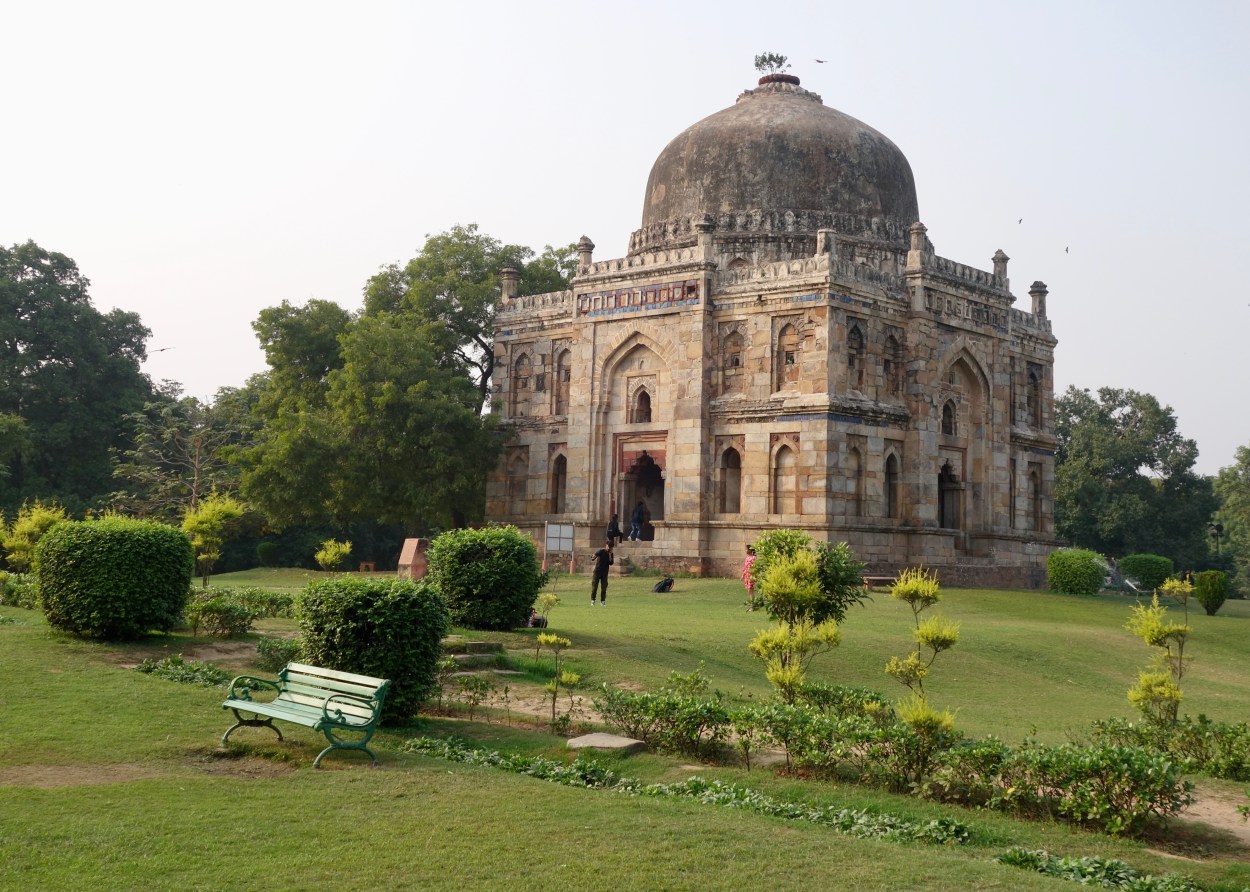
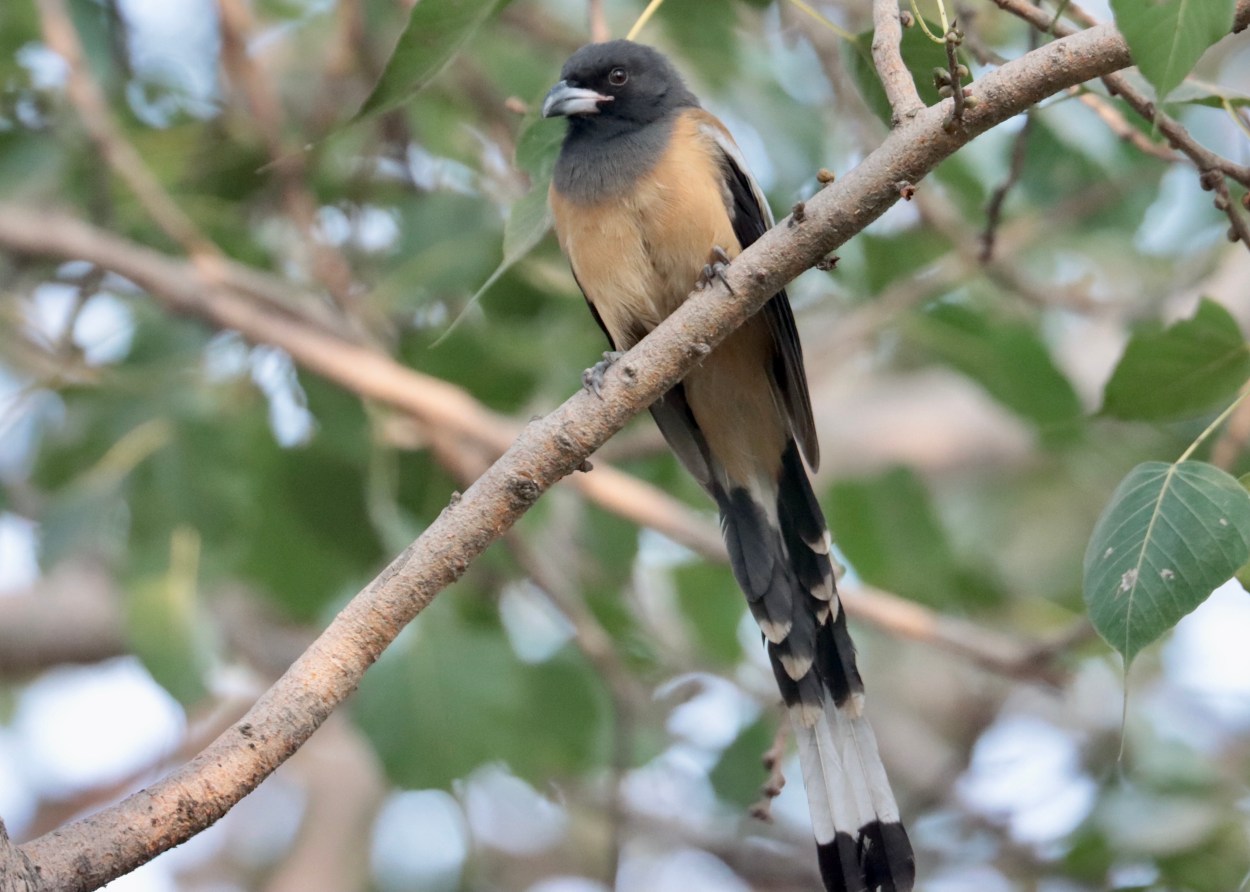
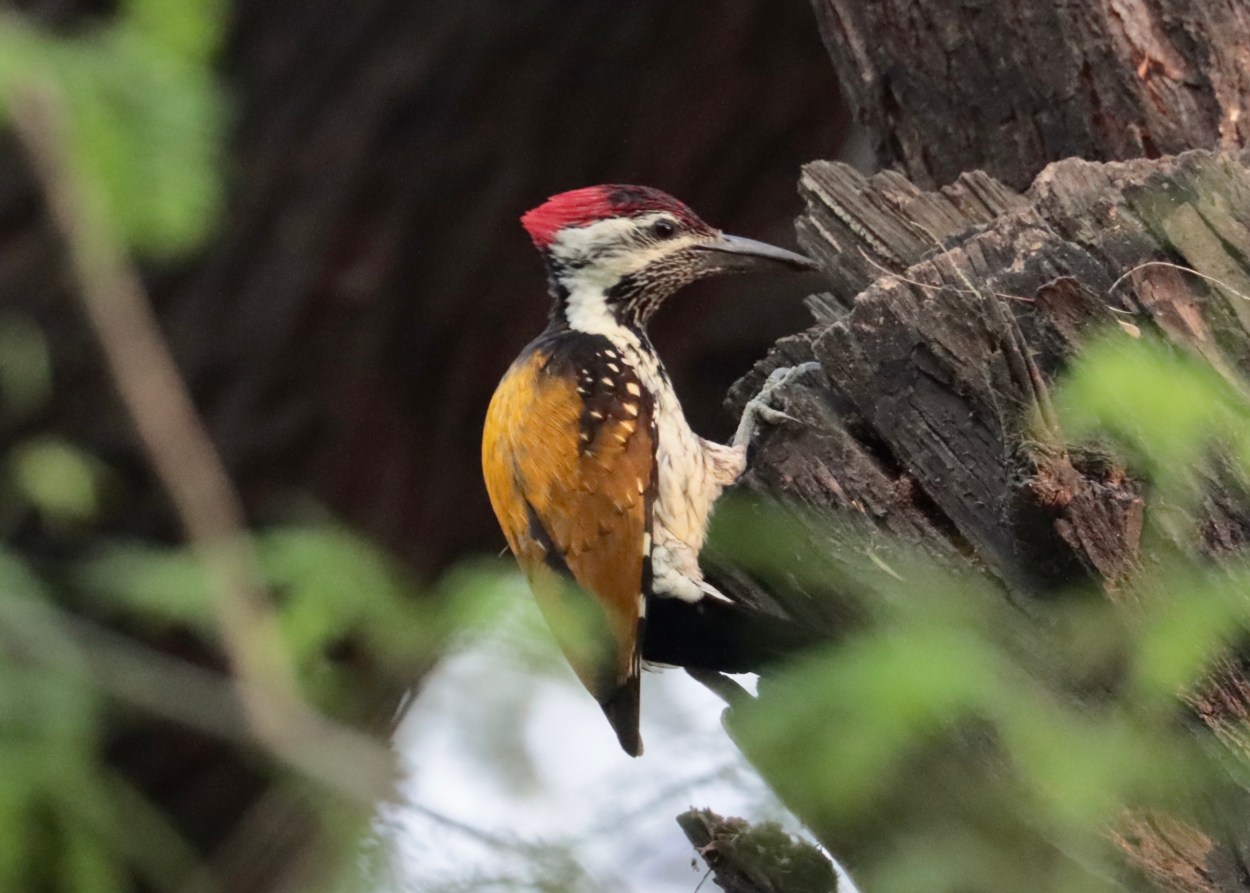
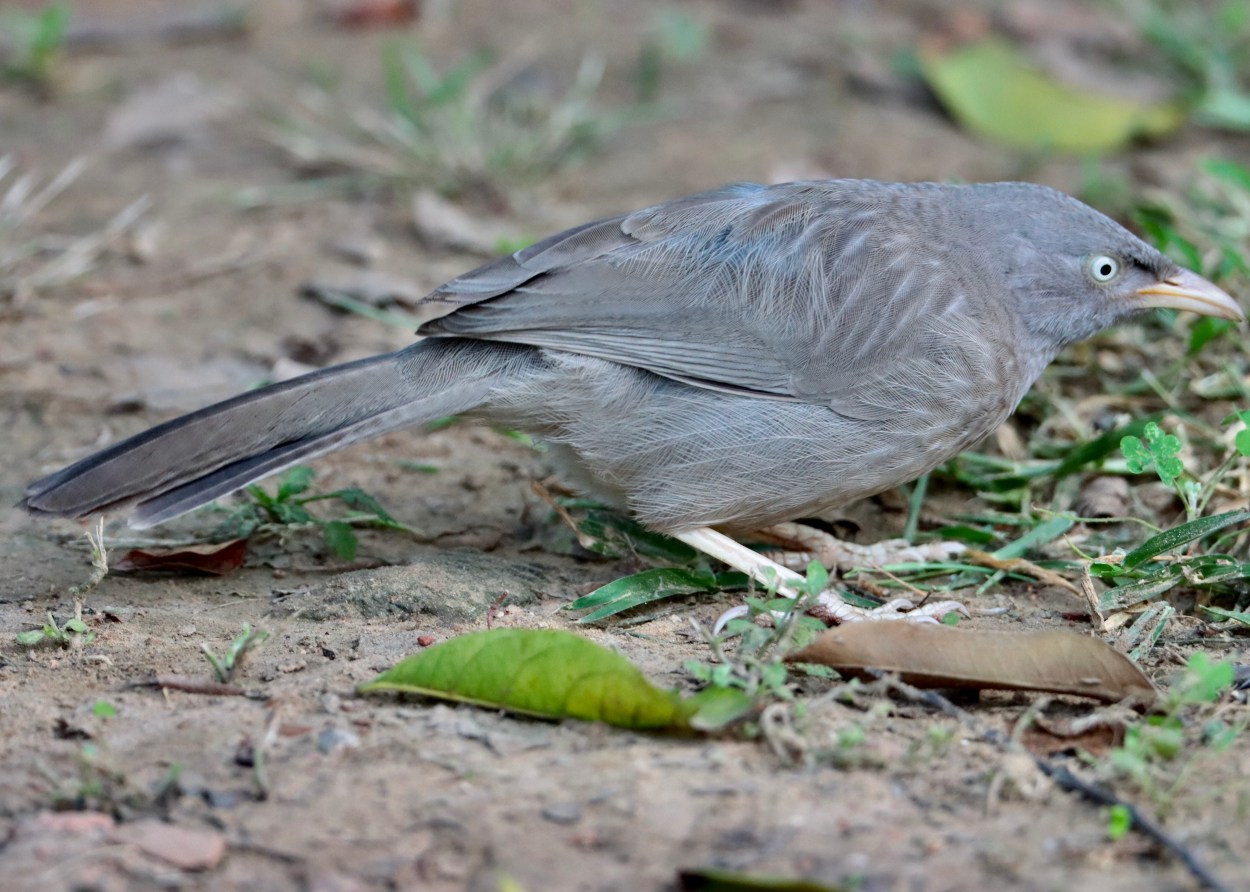
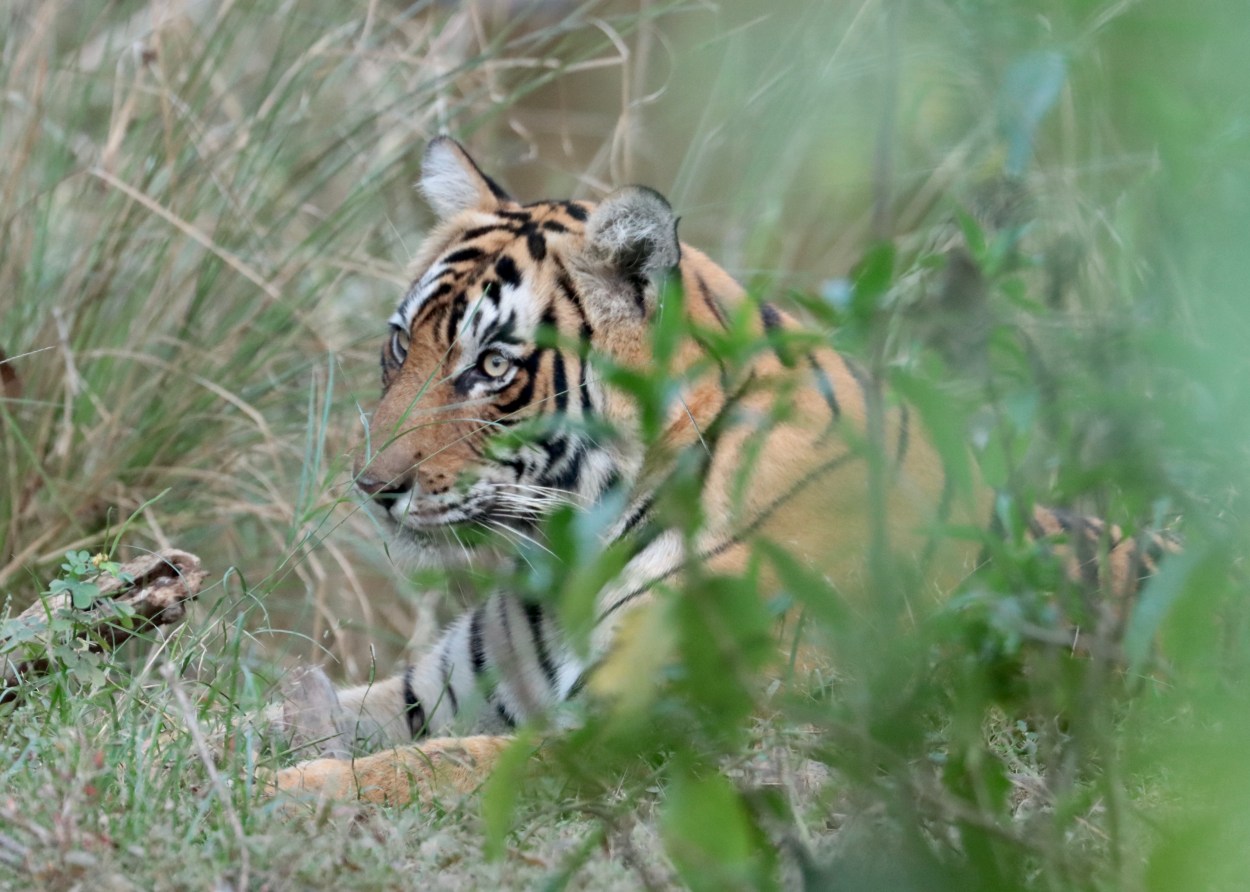
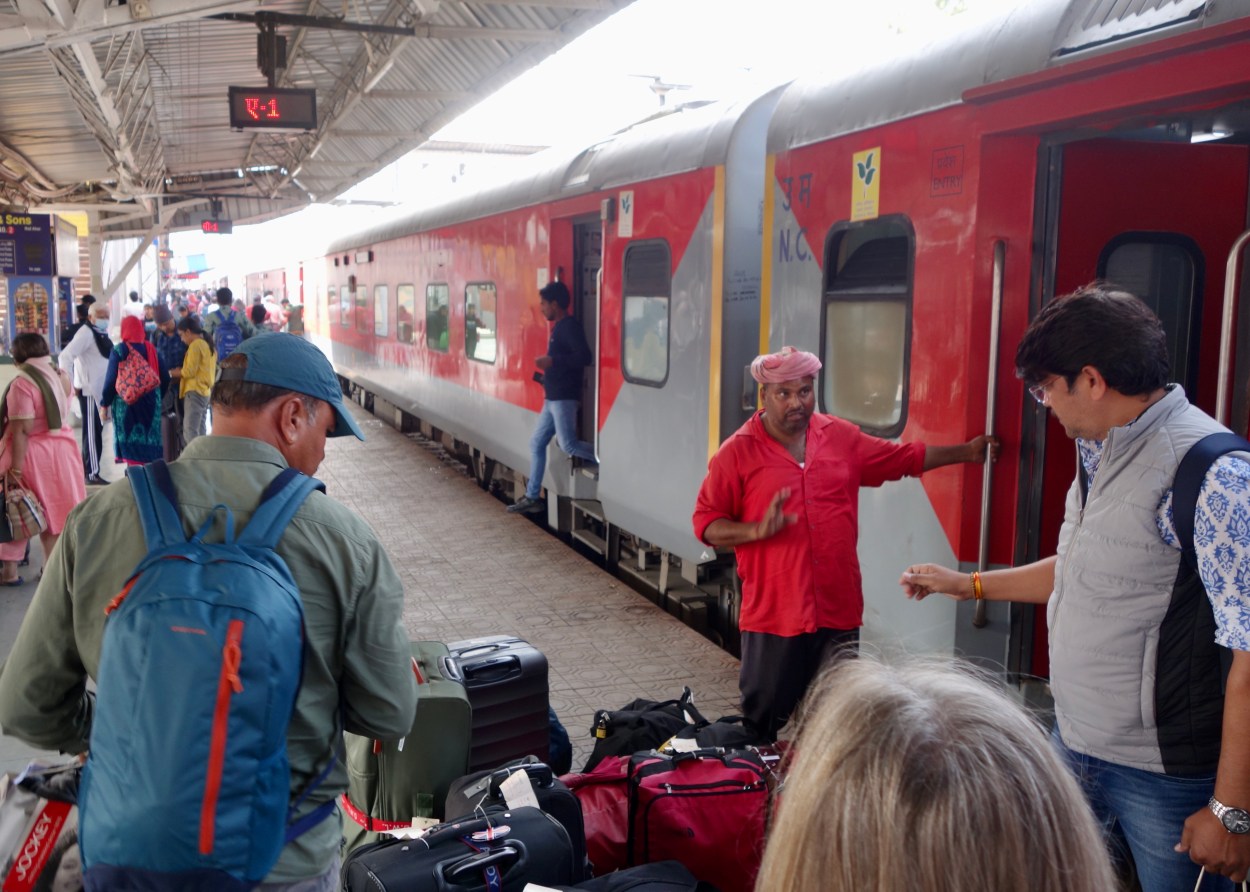
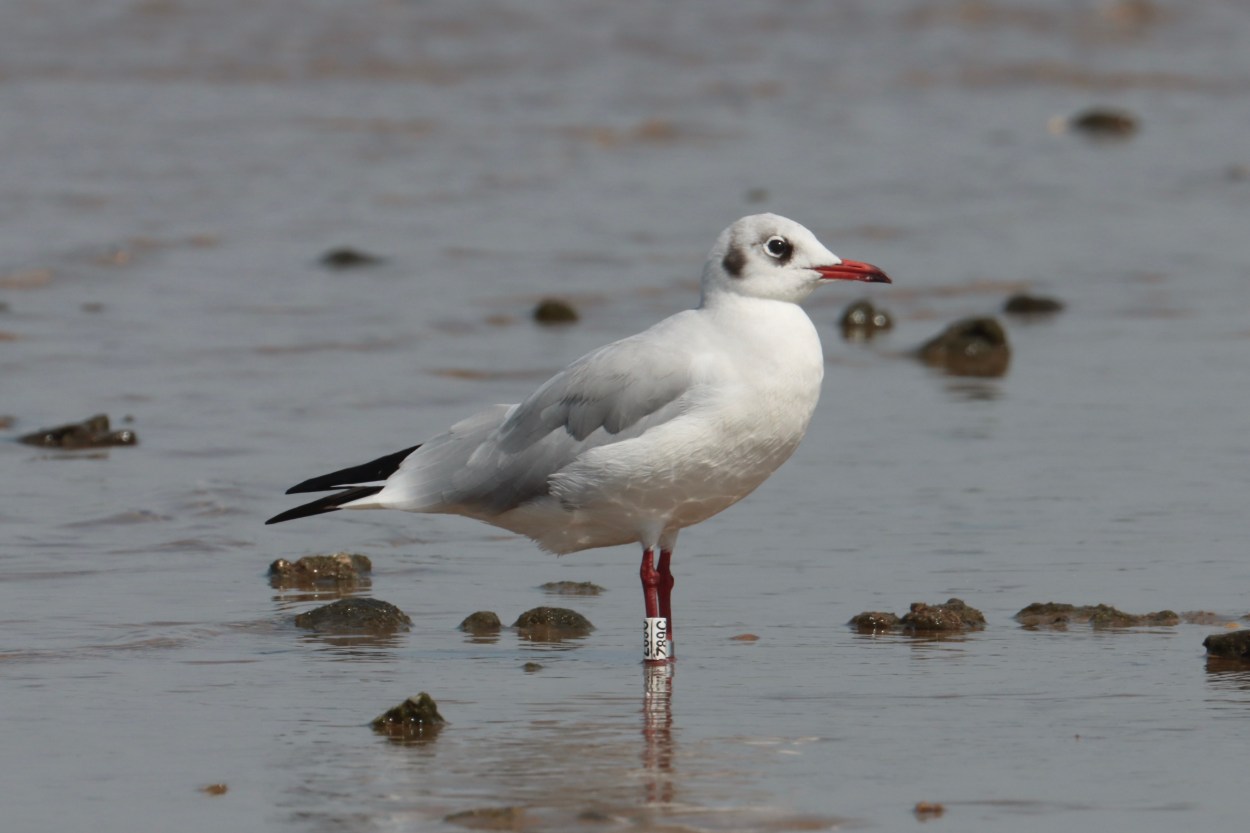
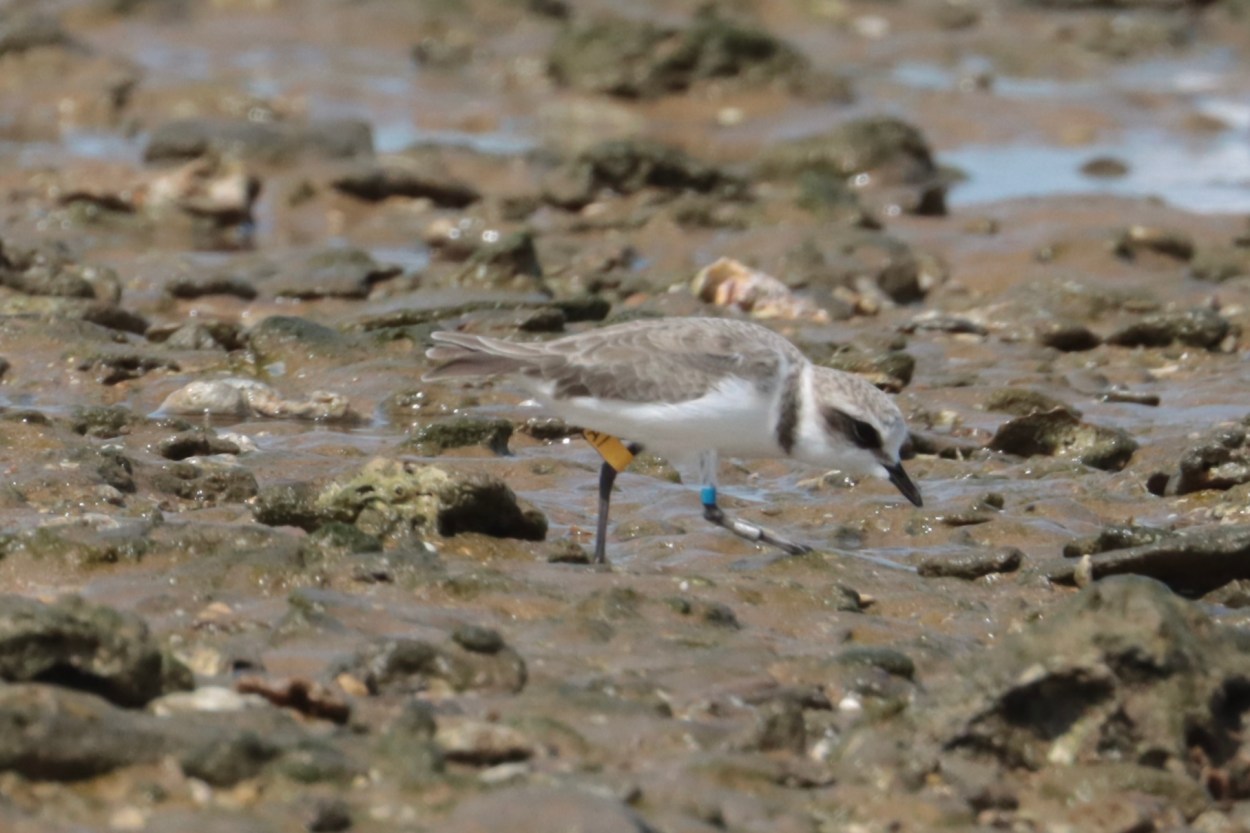
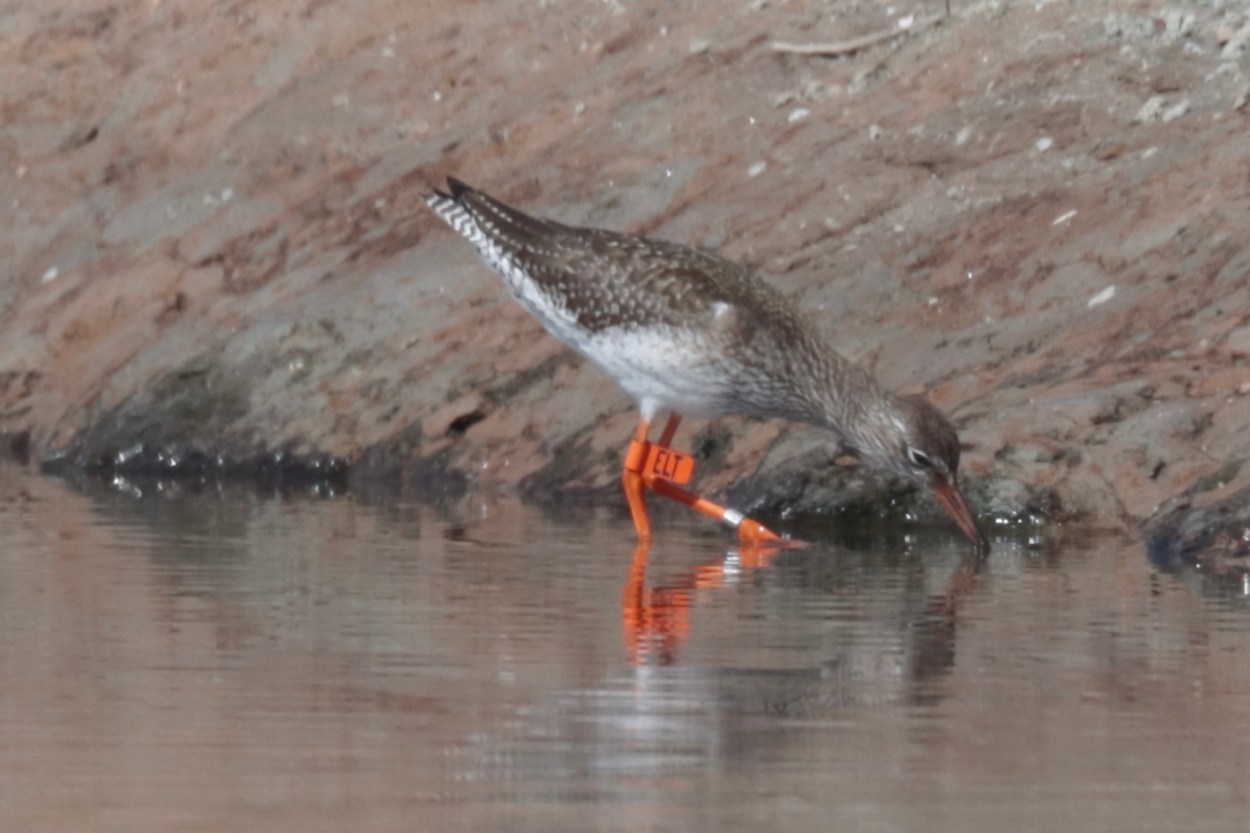
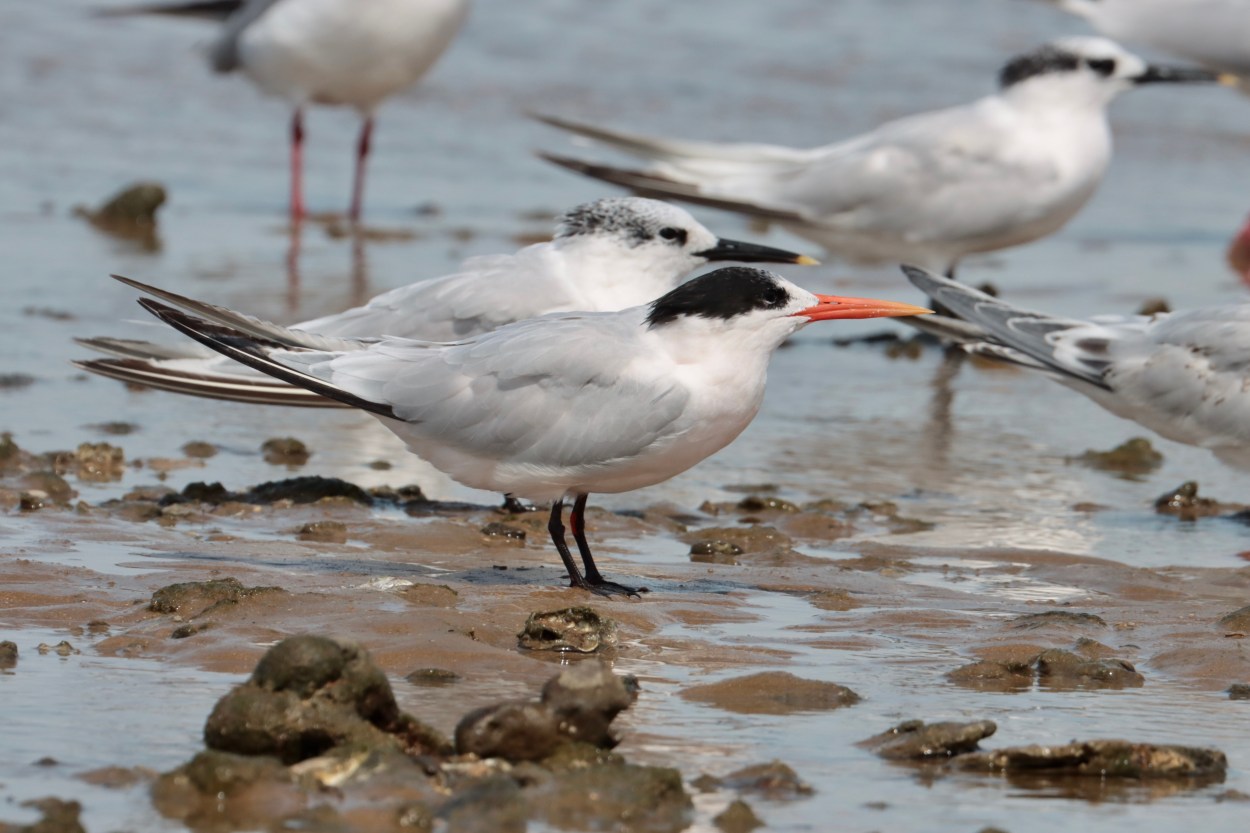
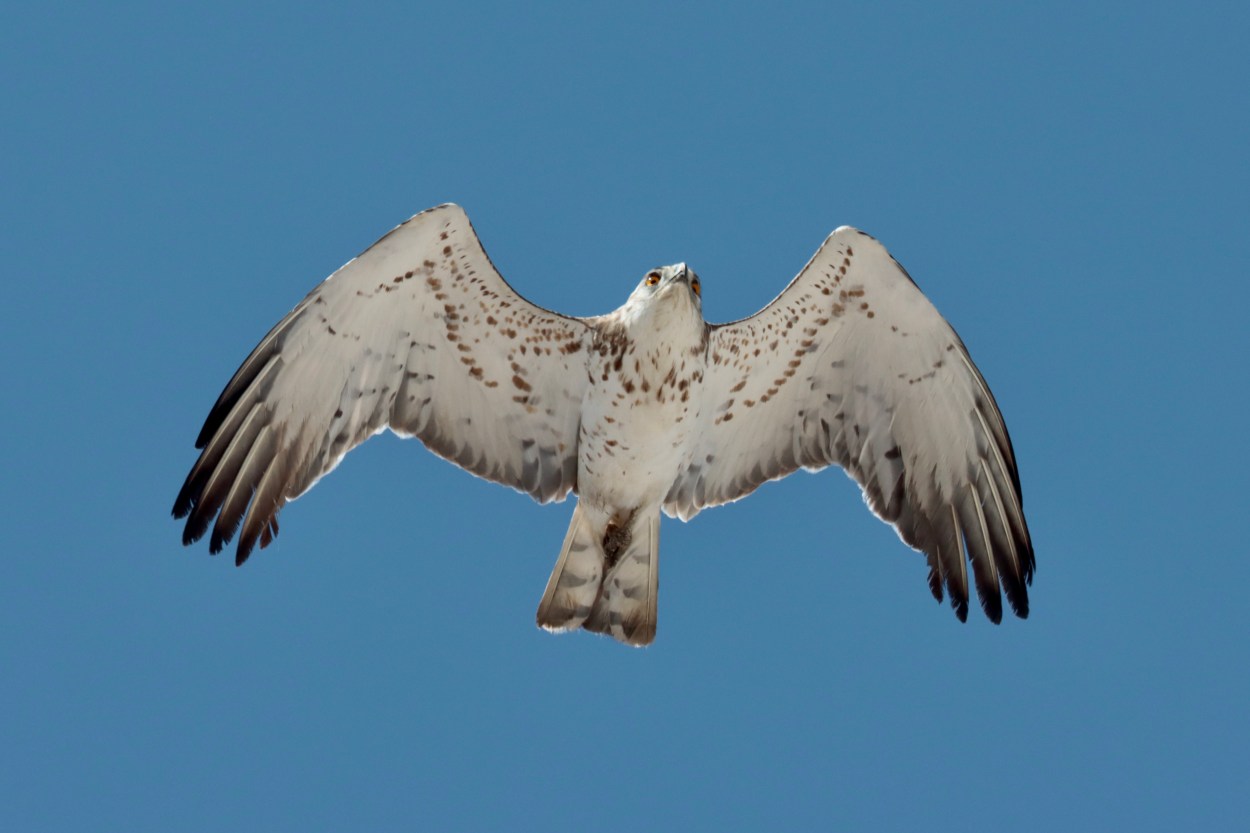
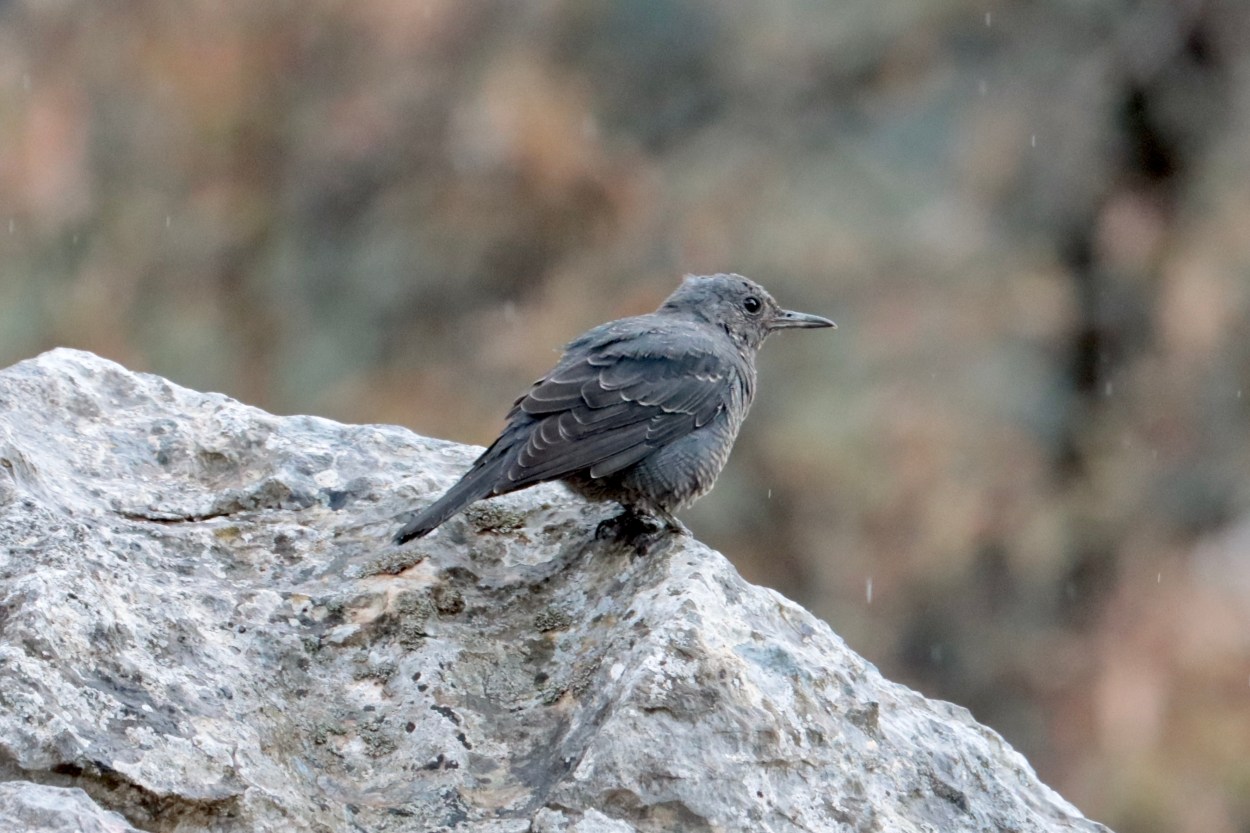
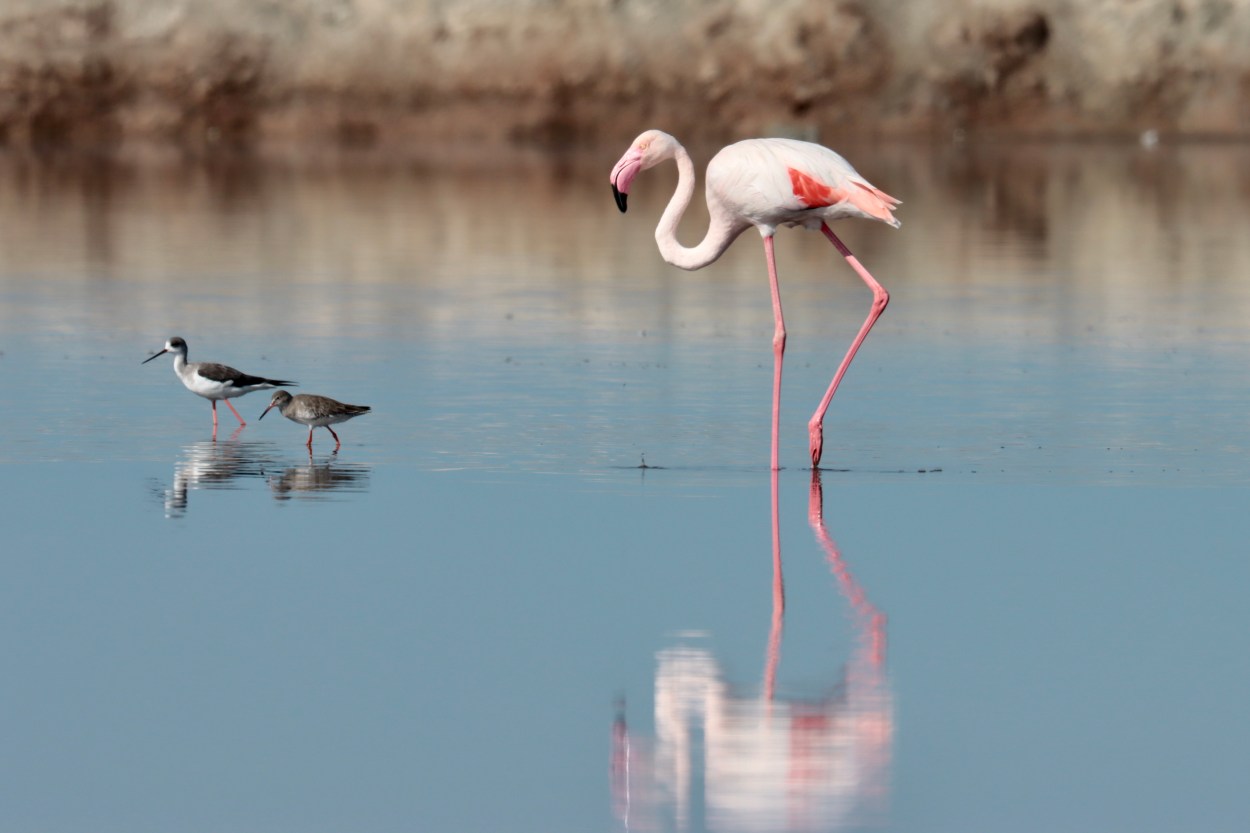
We’re up in the Derbyshire Dales for a few days to celebrate brother Rob’s 70th birthday, staying in a cottage close to the Chatsworth Estate. On my early morning walk I met a few of the locals.


We’re up in the Derbyshire Dales for a few days to celebrate brother Rob’s 70th birthday, staying in a cottage close to the Chatsworth Estate. On my early morning walk I met a few of the locals.


Having sea-watched over a hundred Garganey off the coast of Costa Brava during our recent week away in Spain, I was interested to read this account of Garganey in the Birdguides weekly round-up.


A second attempt to find Dupont’s Lark – this time visiting the excellent SEO Birdlife reserve at El Planeron – was only half successful, in that we heard a couple but failed to see anything in less than optimal conditions. After which, on the way home, we took a detour to Estany d’Ivars i Vila-sana. This lake, the largest in Catalonia, is a triumph of Spanish (Catalan) habitat restoration. The lake was historically seasonal but all that changed in the 1860’s with the creation of the Urgell Canal. The associated accumulation of ground water increased the size of the lake to around 135 ha, and it quickly became a centre of social, economic and cultural life for the surrounding villages. However, with the increased demand for irrigation and arable land meant that by 1951 the lake was completely dry, and it remained so for more than fifty years. But, with a community-backed initiative to buy out the 165 settlements and create the right conditions, the restoration of the lake began in earnest in 2002. It took four years for the lake to re-fill and the major expansion of biodiversity which followed. We walked the 6.5k path around the lake, enjoying water-birds, early migrants and resident species. The highlight was superb views of a pair of Penduline Tit nest-building – unfortunately the battery was flat on my camera so no pics! A last sea-watch this evening produced an excellent Black-throated Diver.


We’ve taken a break from the relentless Santa Susanna ‘sunshine’ (I wish) and come inland to the Zaragoza plains in search of desert species – in particular larks. We stopped off at several spots on our way to our over-night lodgings in Belchite, adding a few more species to the list – which now stands at 70+. Top spot goes to a magnificent 2cy Golden Eagle which drifted over the plain before briefly alighting on a pile of stones by the roadside. A young male Hen Harrier, along with Black Kite, Lesser Kestrel and Little Owl all added raptor interest. Perhaps the most surprising sighting though was of several pairs of Chough seen on various derelict farm buildings – hadn’t thought of them as being a Spanish lowland species. We did see a few larks as well – Crested, Calandra and Lesser Short-toed (Mediterranean) but alas no Dupont’s, our target species. Ah, I nearly forgot to mention the sea-watching bonus this morning – a flock of five Little Ringed Plover and a Little Egret in off.


The weather here in Spain has continued to be miserable – cold, wet and windy. Nether-the-less we did mange a brief outing to the local castle at Palafolls, where we added a few species, including Peregrine and Crag Martin. Yesterday was Jane’s BIG Birthday, so we indulged ourselves in a day of tourism – visiting Casa Dali at the picturesque sea-side town of Cadaques. Hence, the only real birding I’ve managed has been a couple more hours sea-watching from my indoor ‘hide’ of Joe & Gabi’s penthouse apartment. Generally it’s been quiet but I did manage a ‘sea-watching first’ with a fly-by Audouin’s Gull, several more impressive flocks of Garganey, I estimate 70 birds in total, and three Shoveler, tagged on to the back of one of the groups. Today, in a brief weather-window, we head off to the plains of Zaragoza for a bit of larking about.


Like many we’ve seen in Spain, the small La Tordera river meets the sea flowing across intensive agriculture / market gardens, squeezed between sprawling holiday resorts. At it’s junction with the sea there is a small estuary with a couple of bird blinds. The habitat is good and the birdlife interesting. Yesterday, before the rain set in for the afternoon, we spent an hour or two seeking out some old favourites. The fields held mixed flocks of House Sparrow, Goldfinch, Serin, Chaffinch and Linnet, with the odd Black Redstart, Hoopoe and Pheasant. The reed-lined river was home to Cetti’s Warbler and Chiffchaff. At the estuary itself the gulls loafing on the sand-bar included Audouin’s – always nice to be reacquainted – whilst a Bonxie flew by close to the shore. Around the edge White and Yellow Wagtail (Iberian race) fed along with a pair of Shoveler. A good spot, close to Santa Susanna, to spend a lazy Sunday morning birding. Meanwhile, back at the sea-watching hide – aka Joe & Gabi’s 6th floor apartment – things on the sea had quietened down. Still a few Gannets and distant shearwaters but nothing like the day before. There were still several large flocks of Cormorant heading north, probably 300 in total, but they to were distant.


We arrived in Catalonia on Friday evening, to stay with Joe and Gabi in their rented seaside apartment in Santa Susanna. Yesterday was the worst weather I can remember having in Spain – it poured down all day with a moderate north wind. Triple glazing and rain splattered windows made sea-watching difficult but I did have a very productive session in the late afternoon. The highlights of which were: the local Yellow-legged and Black-headed Gulls were joined by Mediterranean and Lesser Black-backed; a steady stream of Gannet; two Great Skua; 50 Golden Plover; four Whimbrel; Scopoli’s & Balearic Shearwater; 800+ Cormorant; a flock of 15 Garganey and, perhaps best of all five Black-winged Stilt. I also had a bedraggled Alpine Swift fly by at eye-level. Not bad for a day spent indoors.


With news of the discovery of a Serendib Scops Owl in the middle of the afternoon on the last full day of our trip, everyone was pumped to see it. This was the last of the 34 Sri Lanka endemic species for us to see but it’s an incredibly rare owl – there are thought to be less than three hundred breeding pairs – having only been discovered in 2001 and confirmed as a new species in 2004. They live on frogs and their call imitates their prey species – making recognising it by call rather difficult! Guides spend the night in the forest listening for it. They then have to locate the roosting site before dawn. Hopefully the bird stays put and allow visitors – closely supervised of course – to see it. We arrived back at the hotel, quickly donned our leach-protective clothing and jumped in the jeeps. Another bare-knuckle ride up rough tracks and we were deposited by a hillside path. The track took us through a tea-pickers property and finished on a steep hillside. One after another we climbed the last few feet to view the roosting owl deep in the shade of an over-hanging palm. Everyone eventually getting good views and some acceptable record shots. Well done Phil & Carolyn for making it! What an amazing end to an amazing day and an amazing trip. Thanks to our fellow travellers for being such good company, a big thank you to Dhammi our outstanding, knowledgeable and helpful guide, to Ornithvacations for making all the arrangements and lastly to Andy Howes for his amazing tour organisation. A wonderful experience! See you all in Madagascar next year!


We’ve spent the past couple of days at Sinharaja, staying at the excellent Birds Paradise Hotel. Sinharaja is a world heritage forest reserve and home to most of Sri Lanka’s endemic species – a fitting end to the trip and a great chance to hunt down those endemics which had evaded us during the earlier part of the trip. After an excellent first day, when we added six more endemics to the trip list including: Red-faced Malkoha, Sri Lanka Drongo, White-faced Starling – only found in this one location, Sri Lanka Hill Myna, Legge’s Flowerpecker and Ashy-headed Laughingthrush, we concluded the day with just three of the 34 endemics still to see. A tall order but doable on our final full day of birding. I’ve mentioned early starts before on this trip but our second day in Sinharaja began with a particularly early one, at 4.30 am with a strong cup of coffee and, armed with a packed breakfast, we climbed aboard our safari jeeps to drive us deep into hill country. Long before it got light we were having our pack-up on the lawn of a remote cottage, situated on the edge of the forest. We were there for one reason and one reason alone – to see the Sri Lanka Spurfowl another rare and difficult to find endemic. We had early success with another target, the Green-billed Coucal, but we suffered a severe set-back with the Spurfowl. After and hour of nothing, Dammi our guide heard the bird calling. Another hour and it was glimpsed in the dense dark undergrowth below our vantage point, but no-one really got on it. Minutes later a eagle came crashing through the canopy, probably in pursuit of Junglefowl chicks, and scattered everything. It was another hour before we got our first reasonable views and even then the bird took some finding in the shade. We arrived back at the hotel for lunch with just one omission from our list of endemic – the recently discovered Serendib Scops Owl. The afternoon had been ear-marked for travel to a property, twenty minutes up the road, which had a reliable internet connection for those who needed to complete their online Passenger Locator Forms. Whilst we were busy doing that Dammi got a phone call – the one we’d all been waiting for – the Serendib had been located at a roost site and we had less than three hours of daylight left in which to see it. How did we do – read my next blog!


Our final safari of the trip was to Udawalawe National Park – apparently one of the best locations to see Elephant in Sri Lanka. We were up well before dawn to pick up the jeeps and get to the main gate for opening time. As we’d already seen Elephant well at a previous location we concentrated on birding. Our main target was the range-restricted endemic Marshall’s Iora, which we saw within the first hour and then on a couple more occasions as we toured the park. The supporting cast included: Yellow-eyed Babbler, Philippine Shrike, Jacobin Cuckoo, Yellow-crowned Woodpecker and Indian Roller. We arrived back at the park entrance, transferred from our jeeps to the bus and drove ten minutes to a local restaurant for lunch. I’d just sat down when, for no reason, I checked my back pocket – no wallet! Simultaneously our guide was receiving a call from our previous hotel. They’d had a message from the post office in the village where we were having lunch, saying that my wallet had been found in the park. They knew to contact the hotel because I’d kept the bar bill receipt in my wallet. We drove straight to the post office to reclaim my wallet – all my bank cards were safe and my driving licence too but all our cash, in four currencies, was missing! Admission to the parks is strictly controlled, with details of each driver recorded. There is only one place you are permitted to get out of the vehicles – presumably the place I’d ‘dropped it.’ Handing the wallet into the post office, rather than taking it to the police, was done anonymously. I’m guessing that the ‘finder’ consider the cash a fare return for leaving my bank cards intact. True, I was very grateful to not have to go through the worry and hassle of cancelling cards but I was disappointed that someone thought they could help themselves to £200. Oh well, that’s travel for you – it broadens the mind but, occasionally, diminishes your faith a little in other people.
Internet issues are affecting normal service – please do not readjust your set!


Regular blog posts about wildlife & conservation in and around Cromer
Discover the birds of Hampton, Peterborough
Documenting the bird life in Hethersett (Norfolk UK)
...an eclectic mix of travel photos with a birding theme, home and away.