Tour de Force
Yesterday, in the small hours of the morning, we got back from a mini break to France, having watched three stages of this year’s centenary Tour de France. We stayed at the excellent camp site of Le Bois Coudrais, near Combourg and saw Stage ten, with it’s sprint finish at St. Malo, the individual time-trial from Avranches to Mont St. Michel and the ‘signing in’, prior to the stage from Fougeres to Tours. As always the atmosphere was electrifying but with the added edge of British interest in Chris Froome, riding in yellow, and seeking to become only the second Brit to win the Tour and Mark Cavendish adding to his already impressive list of existing stage wins to assure him of his place in British cycling history as the most prolific stage winner of all time. There were also plenty of ‘up close and personal’ encounters with many of cycling’s international elite.
The ‘caravan’, announcing the arrival of the riders
A break away of five riders on Stage 10, sixty kilometres before the finish
The chasing peleton, just two minutes behind the leading group
The Top Men at the front of the peleton, including Chris Froome in the ‘Maillot Jaune’, Peter Sagan in the Green Jersey, Mark Cavendish, Cadel Evans, Andy Schleck and Andre Greipel
Smile for the camera
Chris Froome and Richie Porte on a pre-race reconnoitre of the 33km time trial course
Third place on the podium, Thomas De Gendt
Overall winner, by eleven seconds, Germany’s Tony Martin
and in second place and overall race leader, Chris Froome
The ‘signing in’ at Fougeres – King of the Mountains, Pierre Rolland
Master Kittel, with three stage wins already to his name , and that incredible hair!
Former Tour winner and current possible threat to Froome, Alberto Contador
The ‘Manx Missile’, Mark Cavendish
Maillot Jaune, and hopefully 2013 Tour de France winner, Chris Froome
More photos to follow in my Tour de France 2013 Gallery.
Rarity Round-up
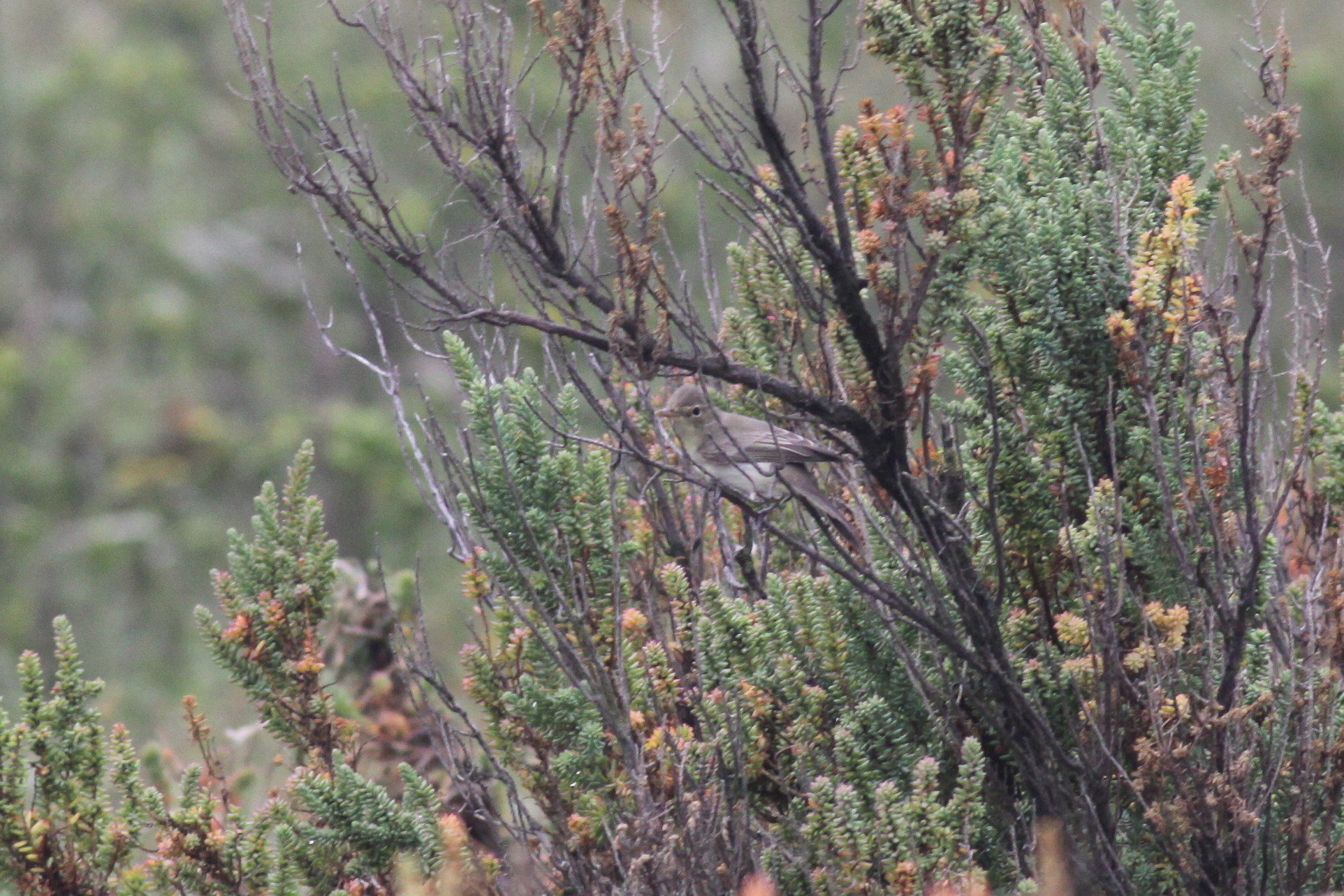
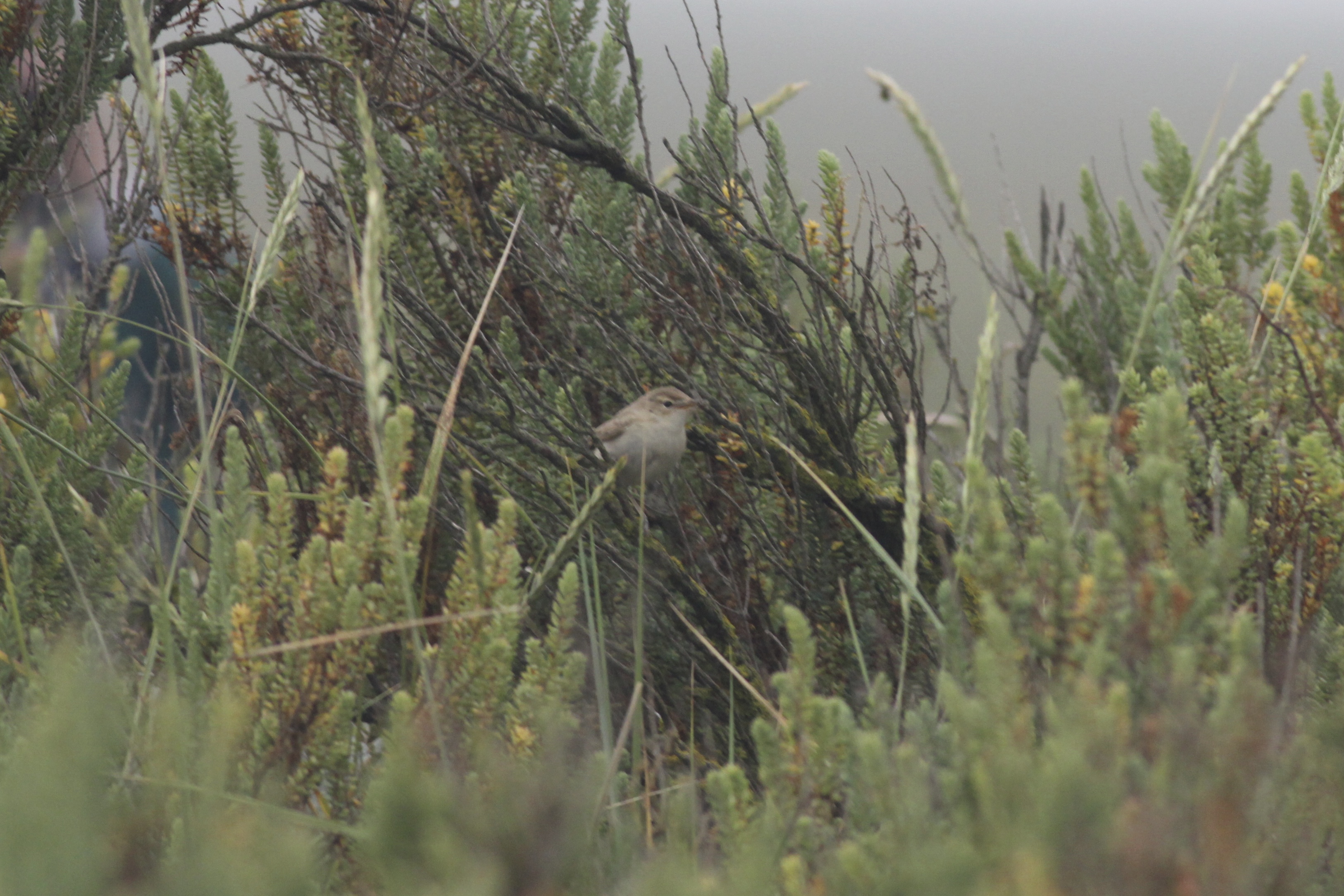
Over the past week or so there have been a number of scarce/rare birds in the region, which we’ve been able to catch up with. First was the singing Melodious Warbler in a pine plantation near Retford. ‘Melody’ Warbler, rather inappropriately nick named, since their song is a rather excitable nasal scratchy tune, are quite a rare bird in the east of Britain, being more typically an overshooting western Mediterranean migrant to Devon & Cornwall. The bird, still present this morning and singing for it’s tenth day, was easy to locate but much less easy to see (let alone photograph!)
This was our second ‘Hippo’ (Hippolais family of Warblers) of the year and a UK ‘Lifer’ for Jane.
Yesterday we revisited old haunts and birding colleagues (- hello again Frank!) to see a really nice and reasonably close Surf Scoter in Filey Bay, on the Yorkshire Coast. A typical mid-summer species, but one usually found much further north, off the Scottish coast. It was in the company of half a dozen Common Scoter and is easily picked out (even at relatively long distances or poor weather conditions) by the rather ‘clown-like’ white, yellow and red beak and head markings.
It’s been more than a decade since we last saw this species as part of our legendary ‘Duck trilogy’ trip to Scotland, to visit my brother. Then it was Surf Scoter, Black Duck and King Eider – now that was a trip to remember!
The last of this weeks unusual species was a moulting Ring-Necked Duck – a North American species, at Catterick racecourse. Once we’d found the fishing lake, in the middle of the course, it was a reasonably straightforward matter to study the dozen or so Tufties (Tufted Duck) to spot the odd one out. Since there is a strong resemblance to it’s English cousin, care is needed with the relevant features – domed head peaked at the rear with no sign of a tuft, brownish tones to the otherwise greyish flanks and a white sub-terminal ring around the beak.
Ring-necked Duck are an ‘ornamental’ species sometimes kept here in captivity, but genuine vagrants do regularly occur in the UK … and this was definitely one of those!!
Rose-coloured Spectacle
This mornings delight was a fabulous adult Rose-coloured Starling, sometimes rather unflatteringly referred to as ‘Pink Stink’, feeding on fat-balls in a tiny garden, just off the quay at Wells-next-the-Sea. Rose-coloured Starling is an eastern European/Asian species which occasionally over-shoot on spring migration or else find their way to UK shores as dispersing juveniles, in late summer or autumn. The juveniles are much less eye-catching – basically a pale sandy version of our regular Starlings. But today’s bird was in as near full breeding plumage as you can get, and ‘boy was it a belter’…..
The lovely ‘Rose of (Tralee) Wells-next the-Sea!
Roller coaster day….
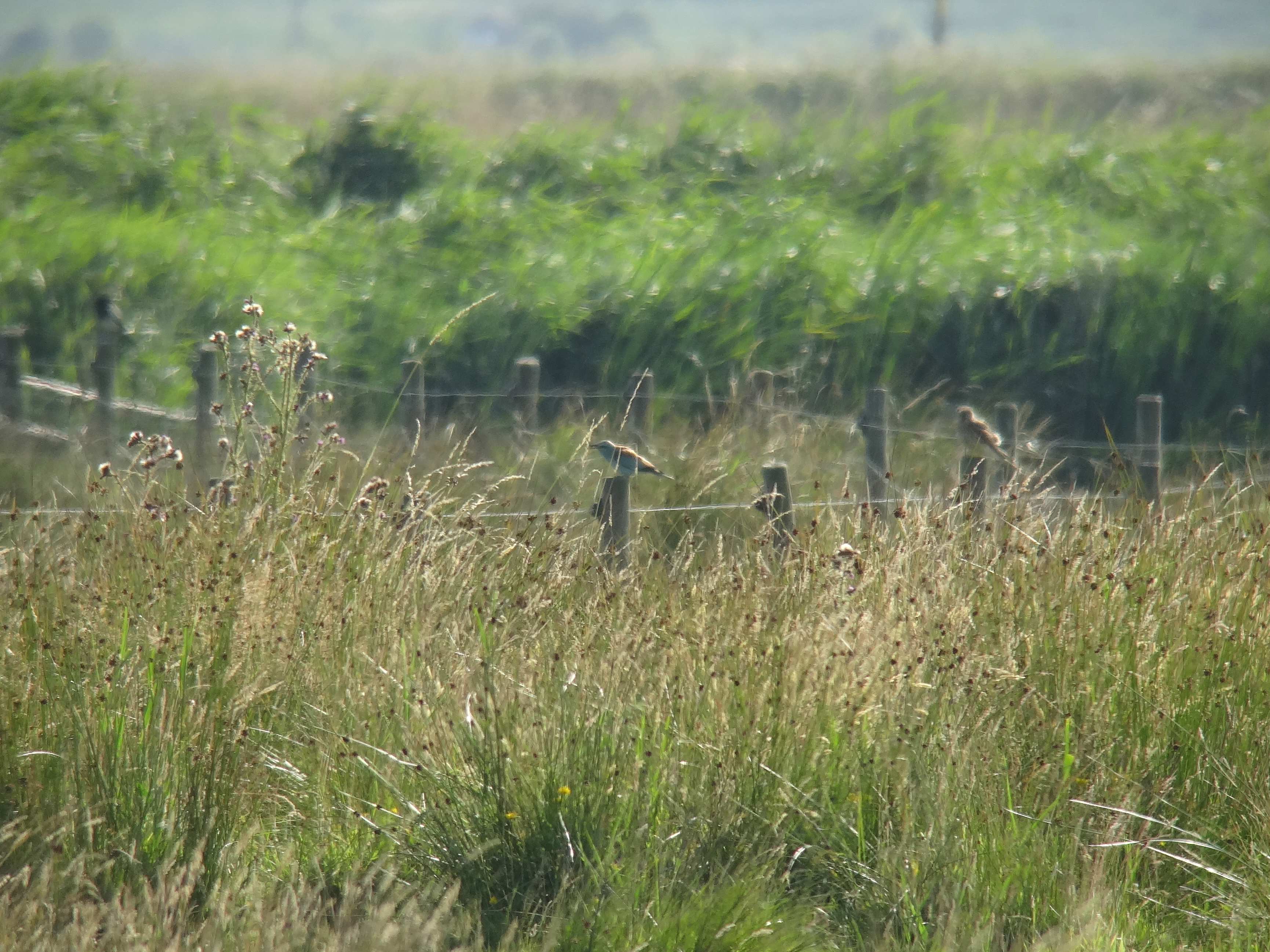
No sooner had we got back from seeing Pacific Swift in Suffolk – a ‘Lifer’ in case you were wondering, than a tentative report of a Roller, five miles down the road, came over the airwaves! Tea was put on hold and we headed in the Holt direction, to the Lowes nature reserve. First news was that the bird had disappeared, in a southerly direction, possibly to where it had first been located. We hung about on the ridge waiting for news until a group to the east of us started gesticulating – we rapidly relocated to where the bird was showing well, if a little distant, in a birch tree. We watched it for about half an hour, feeding and flying from tree to tree, before heading back for a late tea.
The bird….
A Norfolk ‘tick’ and a truly fabulous end to a very special ‘Fathers Day’ (thanks Matt!)
Terrific Pacific
For the last couple of weeks a very rare Swift – I mean a ‘mega’ Pacific Swift, has been touring the English east coast from Suffolk to Yorkshire. Pacific Swift, which breeds from central Siberia east to the Pacific, has only been recorded in the UK on a handful of occassions. Last Wednesday morning the bird flew past Spurn Point, heading south, and was seen at Saltfleetby, Lincs., later  that afternoon. Yesterday it reappeared at Trimley marshes in Suffolk. Much against the odds it was still there this morning so we went for it. After an anxious two and a half mile hike from the car to the SWT reserve and an hours wait, the bird finally obliged with a reasonably close fly past over the lagoons and then away high over Felixstowe docks and out across the river towards Essex.
A small part of the crowd, gathered in anticipation
Pacific Swift (left) and, for helpful comparison, Common Swift
Although a rather poor record shot, this photo shows the essential features: white rump, elongated forked tail, longer wings and slightly projecting head profile
Side view of the white rump patch
A very nice Fathers Day present – thank you!
Bluethroat – more like blue knees!
This morning we tried for the reported singing Bluethroat along the East Bank at Cley. In our haste I forgot that I was wearing shorts and ‘boy’ did I pay the price during our two and a half hour vigil! There was a noticeable sea fret when we arrived at Walsey Hills and a stiffish breeze was blowing from the north as we walked along the bank. Apparently the bird had been showing five minutes before we arrived, so we were feeling lucky. An hour and a half later, not a peep from the bird and I was getting decidedly chilled. Jane had opted for an ill-timed walk back to the visitors centre for a comfort break when first the Ruddy Shelduck, which has been frequenting these parts for a couple of weeks, put in an appearance quickly followed by the Bluethroat – which sang briefly from a distant elder bush. Jane was, by this time, ambling back down the bank but alas the bird had disappeared into thick cover by the time she reached me! We gave it another hour but again there was no sign. The afternoon was spent in the garden until the Bluethroat was again reported. Twenty minutes later and this time success – a UK ‘lifer’ for Jane.
The picture is a poor record shot, due to distance, heat haze and the setting sun, but it is just about recognisable as a Bluethroat, of the Central and Southern European White- spotted race:
Return of an old friend….
On Saturday I had a fleeting view of an old friend, as they chased a moth across the drive, in front of our house. Yesterday we had a better view and this morning, not one, not two but an incredible THREE! Ever since we’ve lived here we’ve been priviledged to have a pair of Spotted Flycatcher breeding in or around our garden. They usual arrive in the first week of May, have two broods and are gone by late August. We’d nearly given up hope this year – partly because it’s nearly the end of May but also the number of reports of this species, arriving in Britain this year, have been few and far between. Anyway they’re back and I hope they settle down to another successful breeding season:
Post Script: 1st June, a thousand Spotted Flycatchers were reported today at Portland, in Dorset – so that’s where they all were!
Walking tour of Norwich churches
The weekend before last, in the care of our local expert guide Helen, we did a walking tour of the medieval churches of Norwich. We visited 37 churches in total ( including a couple of ruins) and walked over ten miles – all within the inner ring-road, consumed several pints of beverage and concluded with a splendid Bangladeshi meal at the excellent Roti restaurant. Space doesn’t allow photos of all the churches, so here is a selection of the better/more interesting ones:
To begin with, St Julian – home of Julian of Norwich, authoress of ‘Revelations of Divine Love’, c 1375, who lived in a cell attached to the south wall
St Etheldredas, which contains interesting Black Death wall paintings and is now an artists studios
Interior of St Stephen, Chapelfields, which has recently undergone major restoration because some careless workman left an outside underground tap on, which undermined the foundations!
St Peter, Mancroft
The font and rare timber canopy of St Peter, with a ancient tapestry in the background, which depicts Jesus wearing a hat!
St Peter, Hungate, at the top of the exquisite Elm Hill, with it’s original 1460 door. The church is said to have been  saved from dereliction by a Punjabi Prince, Frederick
Detail of pew end, St Peter
St Mary the Less, entered through a modest door on the street – with a hidden ‘private’ church behind!
Interior detail of St George, Tombland. A memorial to a couple and their twelve children – a number of whom died early
A view from the Cathedral close of this spectacular structure, with it’s resident breeding Peregrine Falcons!
St Augustine – now in the care of the Churches Conservation Trust and the only church in Norwich with a brick tower
Detail of a stained glass window, St Augustine
St George, Colegate
St Saviour, Magdalene Street
St John, Maddermarket
The west doorway of St Laurence, on St Benedict’s Street, depicting the martyrdom of  St Edmund, who was killed by arrows and had his head cut off. Legend has it that it was watched over by a wolf and that head and body were later reunited!
St Mary, Coslany, with it’s thousand year old round tower
St Swithin, now in use as an Arts Centre
St Giles on the Hill – in the drizzle. The remaining churches were done ‘at a run’ before retiring, wet, tired but happy to the Indian restuarant!
Post script – not many UK cities can boast a thatched cottage within a stones throw of it’s shopping centre!
Post post script – if you’d like to experience the delights of the mediaeval churches of Norwich, in the company of a knowledgeable and personable guide, you can contact Helen at helendawson41@yahoo.com. It might cost you a few quid, but well worth it!
Betjeman birds
Whilst doing the second part of the Betjeman Trail in the West Country we did manage to see a few interesting birds, photos of some can be seen below:
Hobby (one of five) over Ham Wall RSPB reserve
Bittern – several heard ‘booming’ at Ham Wall, three seen flying together but distant, and this bird which provided some light relief during the seven hours spent waiting for and missing the Pied-billed Grebe!
Singing male Blackcap
Great Egret, at the same location
Pied Flycatcher in Yarner Wood
Male Mandarin, Yarner Wood
Sparrowhawk somewhere on Dartmoor
Dartford Warbler, Aylesbeare Common – the only bird seen on a rather breezy day