Day 7 – Three scarce plovers

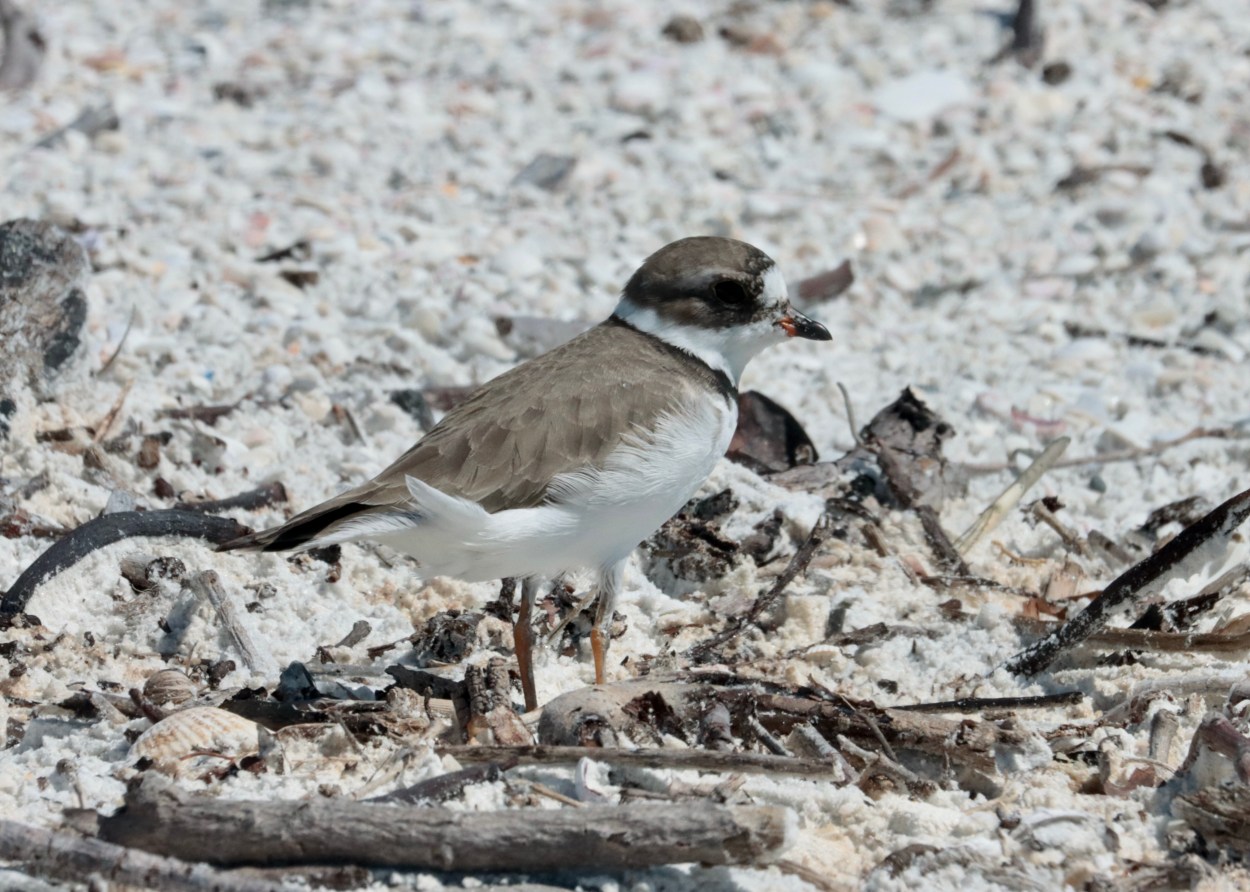
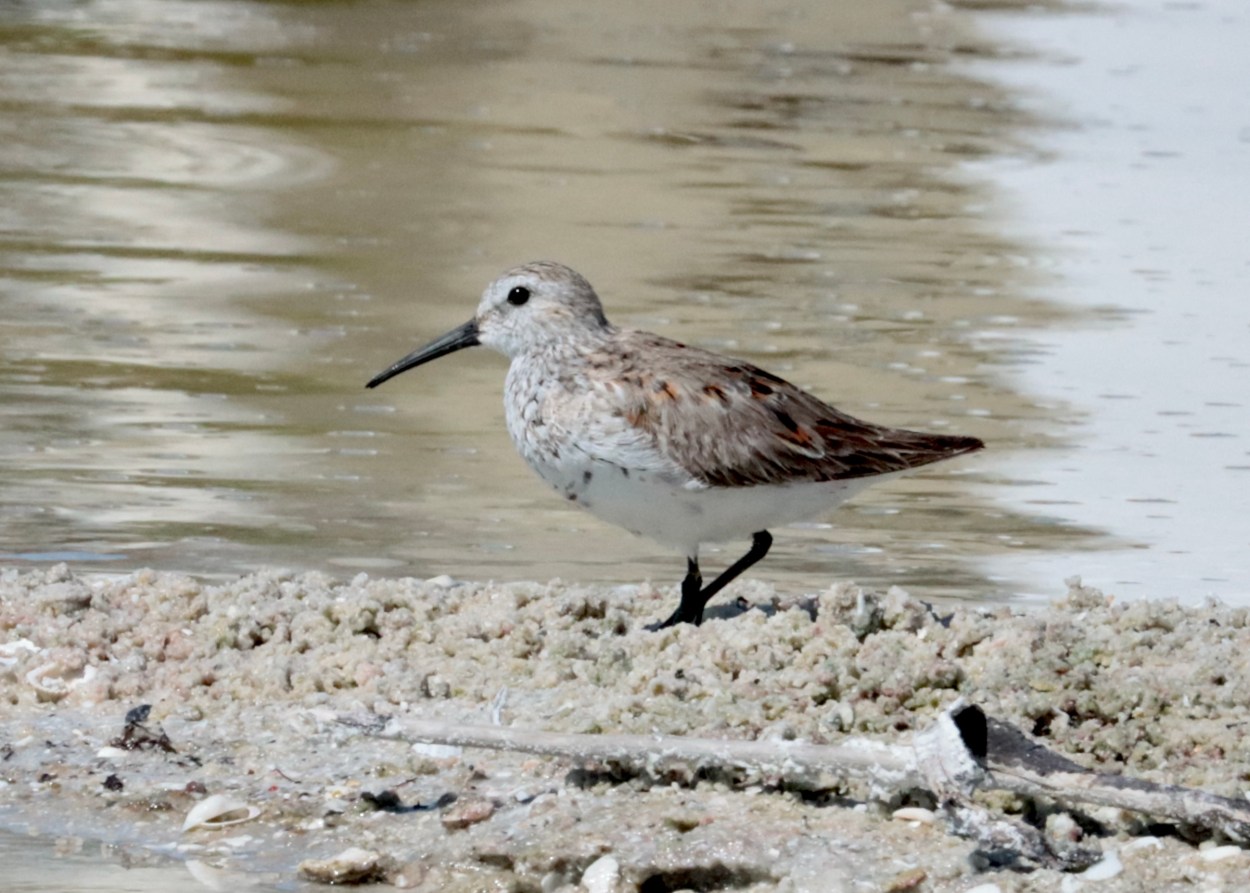
Perhaps the most striking of this morning’s three plovers – this is Snowy

Continuing with yesterday’s theme of shorebirds we headed for Sanibel Island, but not before a spell of pre-breakfast birding at the local site of Lakes Park. Highlights here included Least Bittern, American Coot, Pied-billed Grebe and.. Egyptian Goose! A small taste of home and an America tick to boot. Sanibel Island is still recovering from the hurricane and the Ding-darling reserve has only recently reopened. The birding along the five mile drive was OK but not exceptional – top birds were probably Indigo Bunting, Roseate Spoonbill and a mixed wader flock, containing several Dunlin. With no access to the interesting beach areas on the island we decided to cut our losses and return to Fort Myers beach – a little further south than yesterday. Here we came up trumps, with reasonable views of a variety of waders including three scarce plovers – Piping, Snowy and Wilson’s. Acting on a tip-off from a lady we met in the park this morning, we did a late afternoon / early evening session at Six Mile Cypress Slough. Steady at first, we saw a few interesting birds along the trail, before heading back to the carpark. Then we had a mad moment as a wave of birds, including several warbler and flycatcher species swept through the parking lot. Ovenbird, Northern Parula and Black-throated Green Warbler, with Tufted Titmouse and Hairy Woodpecker were all identified – the others got away!
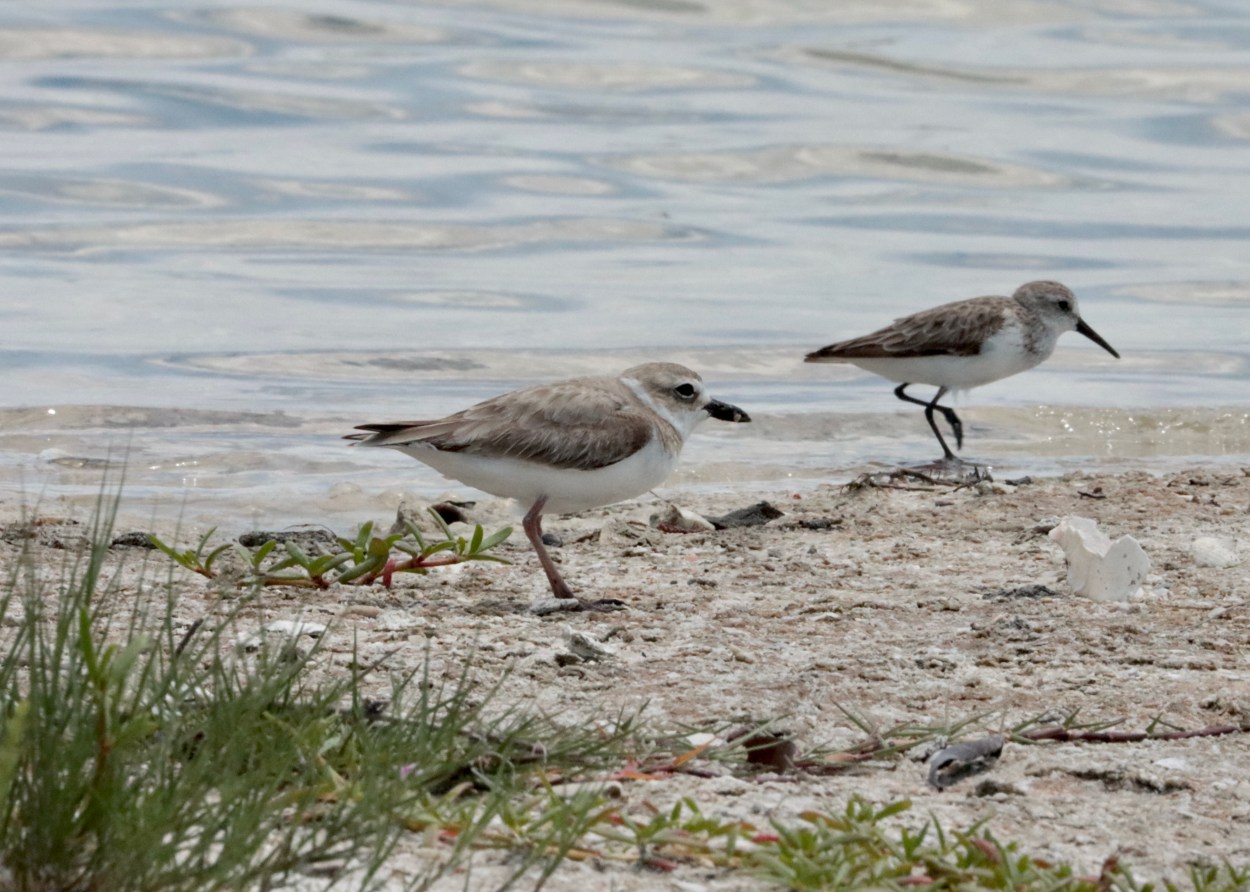
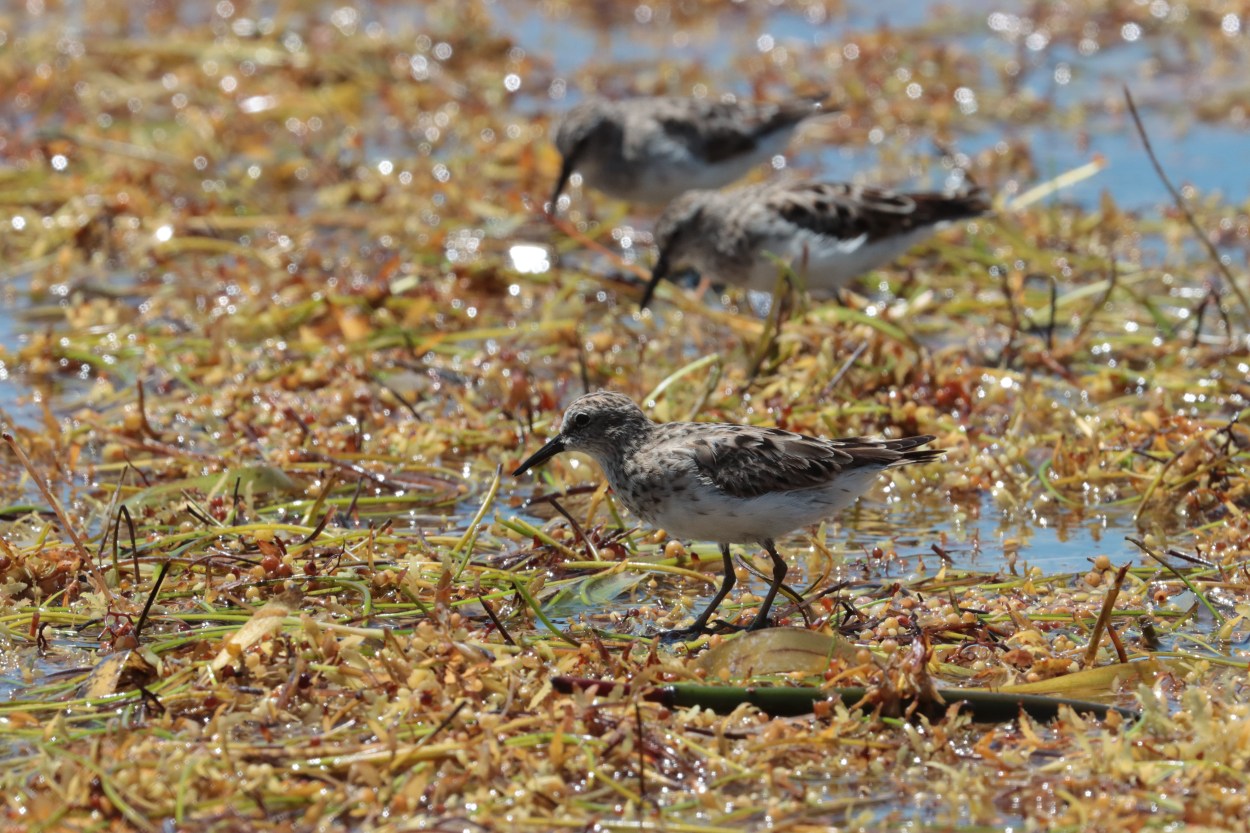
The largest of the three – Wilson’s Plover. Seen here with Western Sandpiper
Scarcest of the three – Piping Plover (world population less than 10k) – record shot only
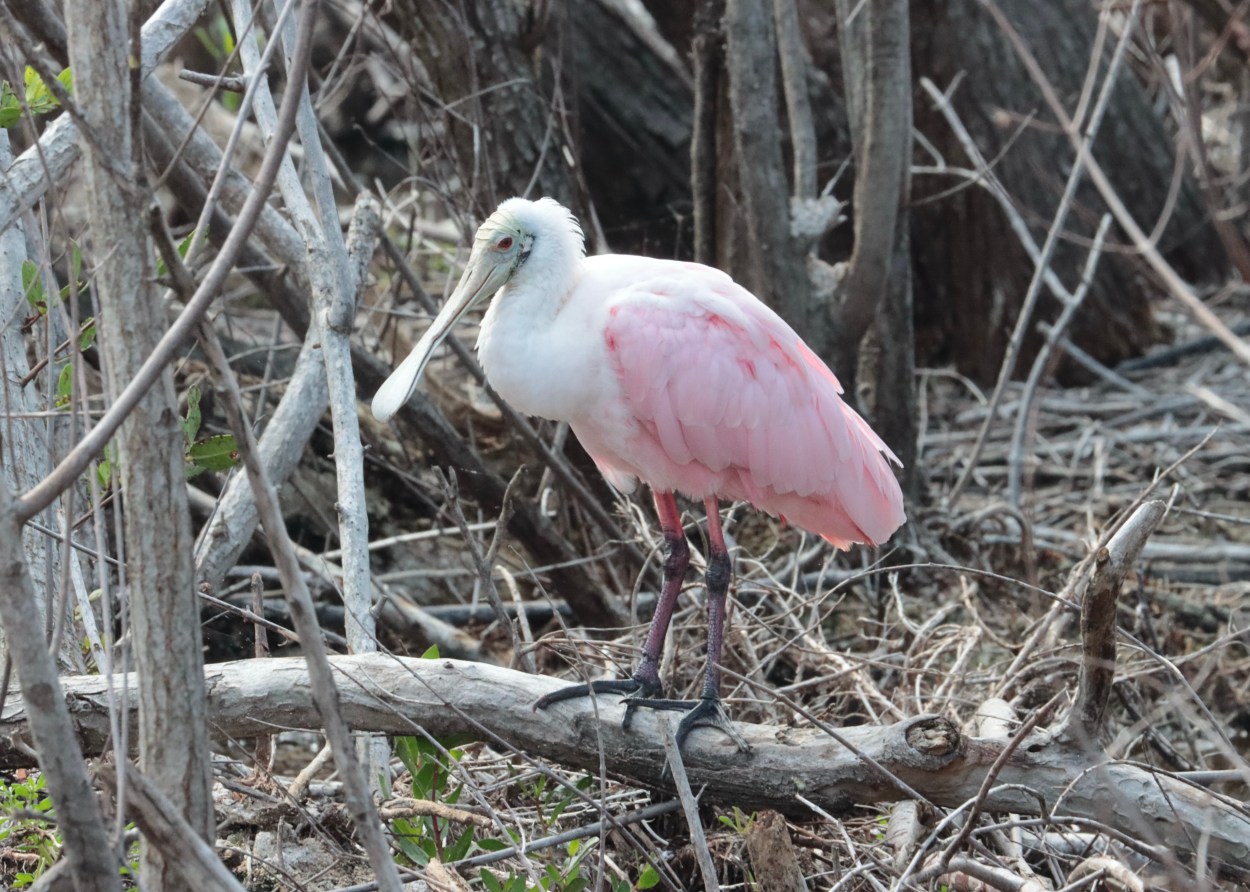
Prize for the most handsome goes to this Roseate Spoonbill – seen on the Indigo Trail, Ding-Darling
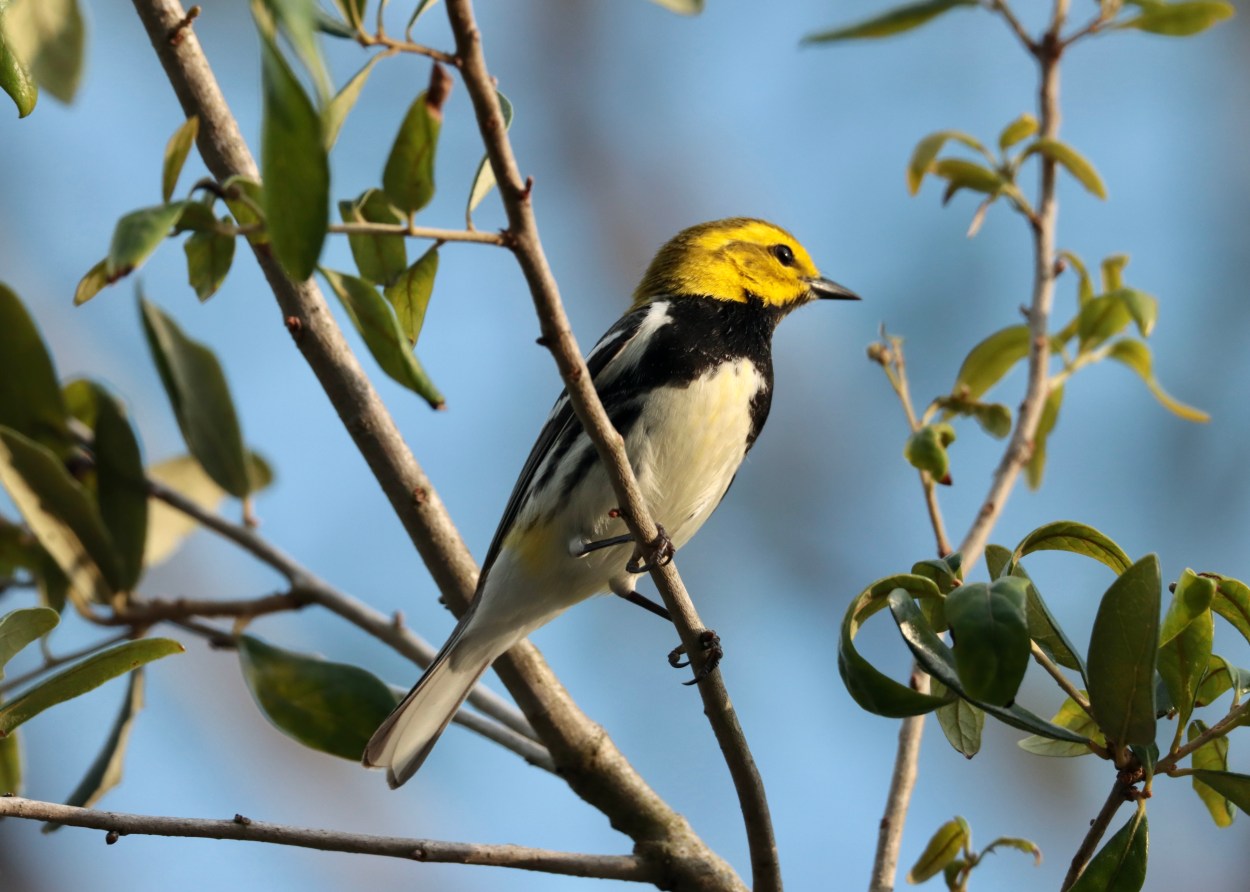
Tonight’s ‘warbler wave’ included this striking Black-throated Green
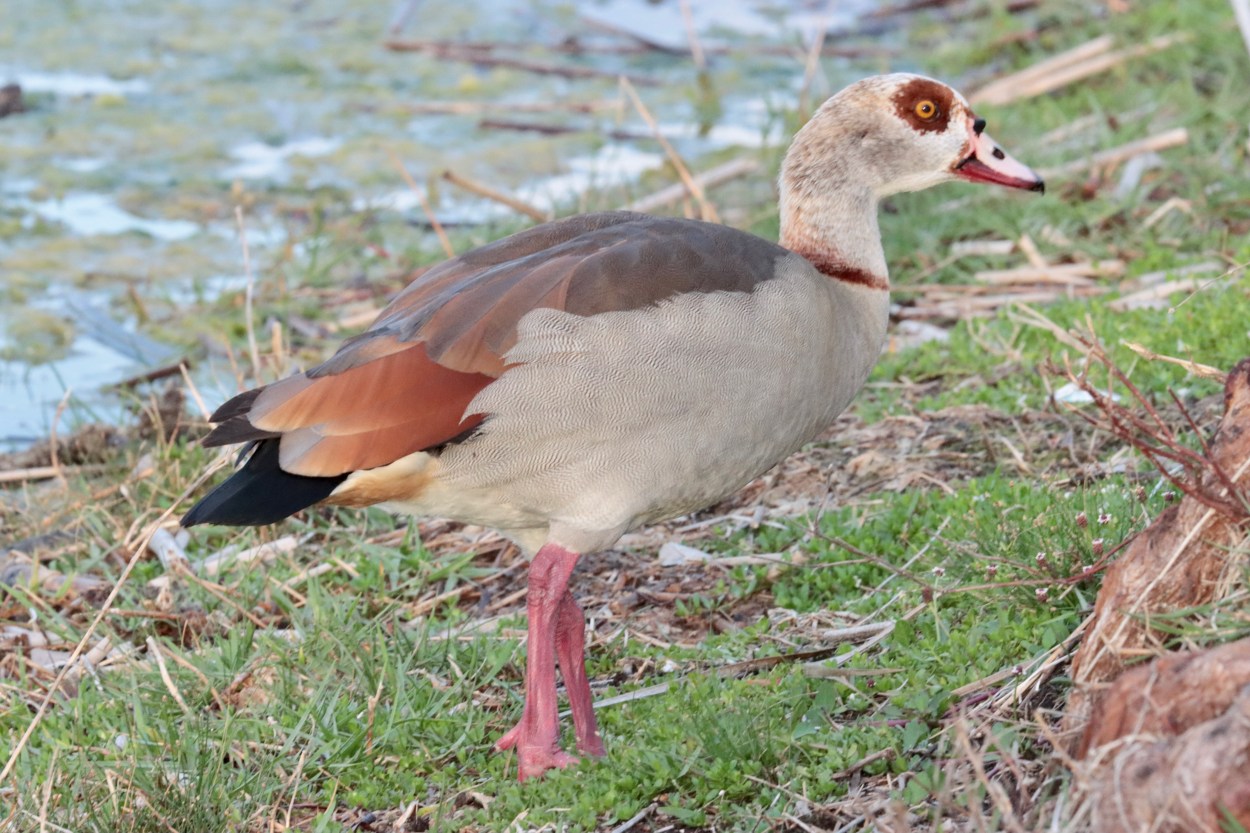
and last but by no means least – Egyptian Goose – an American ‘tick’

Day 6 – Wader watching

Our first Avocets of the trip – hopefully not the last. Apparently they’d just arrived in The Everglades that day

Yesterday was a transition day – we left South Florida and headed north-west for the coast at Fort Myers, calling in at a couple of spots in and around The Everglades, including the recently opened Ten Thousand Islands marsh trail. Bush birds were hard to come by but we did see a few waders, the best being American Avocet. Our first Yellow-billed Cuckoo was a fly across the track. We moved on in search of a site which on our first trip to Florida produced some good birding – the beach at Fort Myers. This sea-side town was at the centre of Hurricane Ian last autumn which left total devastation in it’s wake. They’re busy re-building the place but it still looks like a war zone. The good thing is that the birds are still there and on the beach and around the small brackish lagoon we managed to find over ten species of wader – Willet, Black-bellied (Grey) Plover, Sanderling, Short-billed Dowitcher, Greater Yellowlegs, Killdeer, Semipalmated Plover, Dunlin, Western, Semipalmated and Least Sandpiper.

The scene of devastation in the wake of Hurricane Ian – six months on. No wonder accommodation was hard to come by
But at least the birds have returned – this is Semipalmated Plover
and this is Western Sandpiper-both found along a relatively deserted Fort Myers beach

Day 5 – Grooved and Smooth

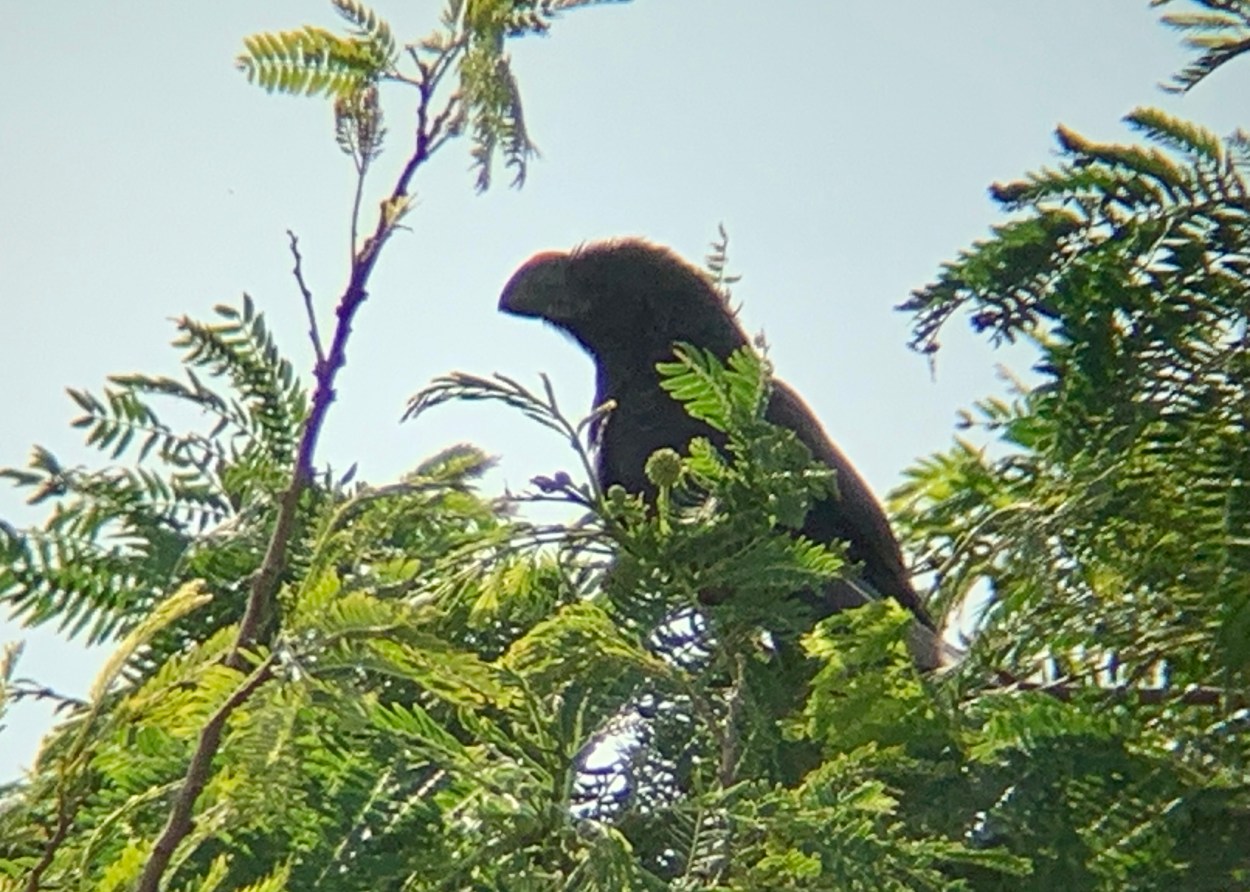
Record digi-shot of Smooth-billed Ani – super scarce in USA

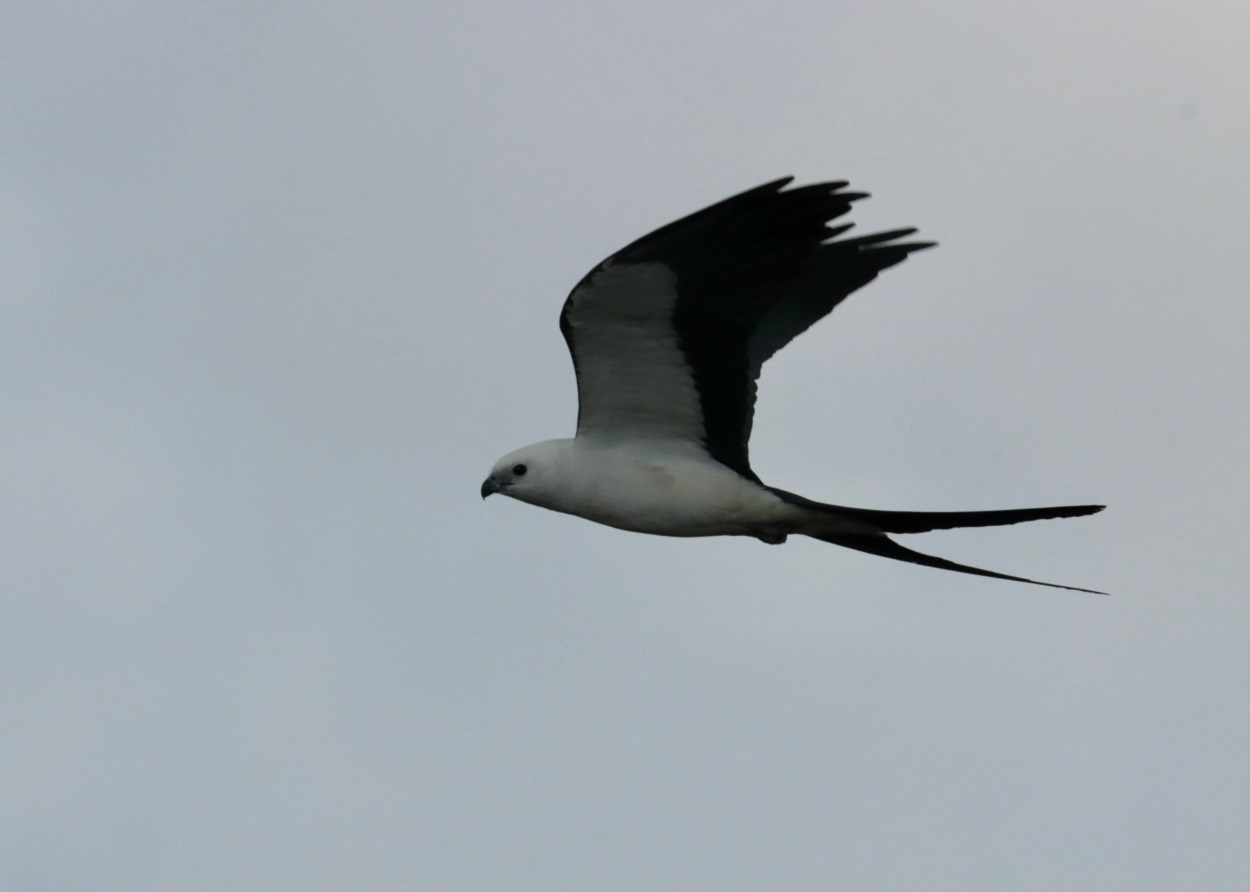
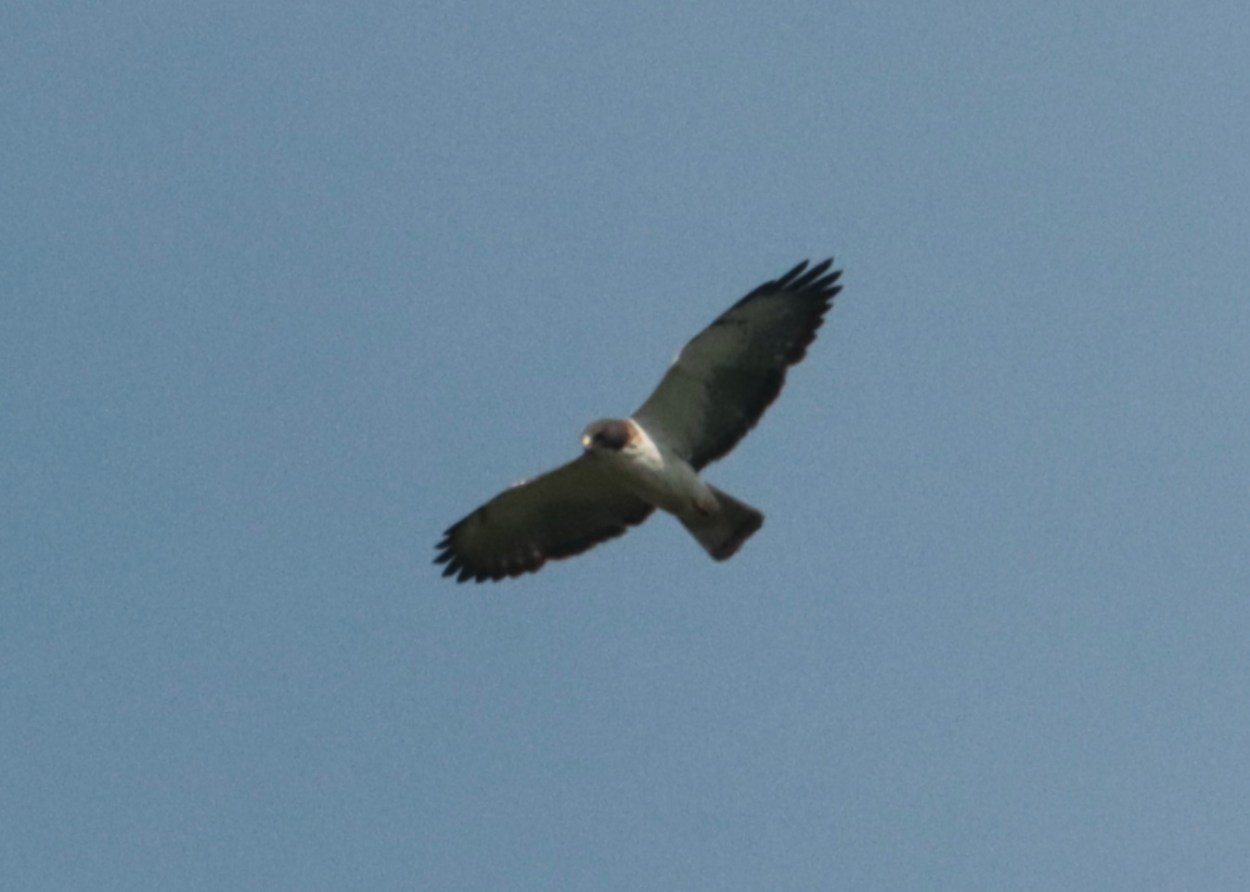
After our incredible day on Dry Tortugas we drove 120 miles to our overnight base in Homestead – between Miami and The Everglades. This morning we started off at a suburban power line easement looking for escapes. It wasn’t long before we found a bunch of Scaly-breasted Munia (last seen in Bharatpur), a Monk Parakeet and, our target bird, Red-whiskered Bulbul. Then it was off to The Everglades and the Gumbo-limbo and Anhinga trails. Highlights included Logger-head Shrike (at the entrance), Great Blue Heron, Black Vulture, Swallow-tailed Kite, Red-shouldered Hawk, Short-tailed Hawk (a rare bird in the US, with an estimated population of under 300 pairs), White-eyed Vireo and Blackpoll Warbler. In conversation the Ranger at the Information Centre mentioned the petrol shortage – what shortage! It was true, when we drove back into town it was Petrol Station madness. Luckily we managed to find a garage with fuel left so filled the tank ready for our journey through Florida into Georgia. The shortage was because biblical storms over South Florida had deposited up to 24 inches of rain in one day – flooding the storage depots. After a bit of mid-day R&R we headed off to the local airport for a spot of late afternoon birding. The best early find was a Burrowing Owl, close to some airport buildings, later a Northern Harrier drifted across the runway. The stake-out for our target bird along the airport fence line proved useless, with the bird being found by another group of birders from Missouri in fields behind us. Two Ani were observed in field-side bushes – incredibly one was Groove-billed (a scarce bird to find in America) – the other was the Smooth-billed, an even rarer bird! Grooved & Smooth in the same Florida bush – it doesn’t get much better than that! The only down side was I’d foolishly left my camera back at the motel so had to attempt a dig-scope record shot.

The Everglades produced some excellent raptors – including Swallow-tailed Kite
and Short-tailed Hawk
Our friends from Missouri – finders of the Anis – a bit of Amish mash!

Day 4 – Dry Tortugas

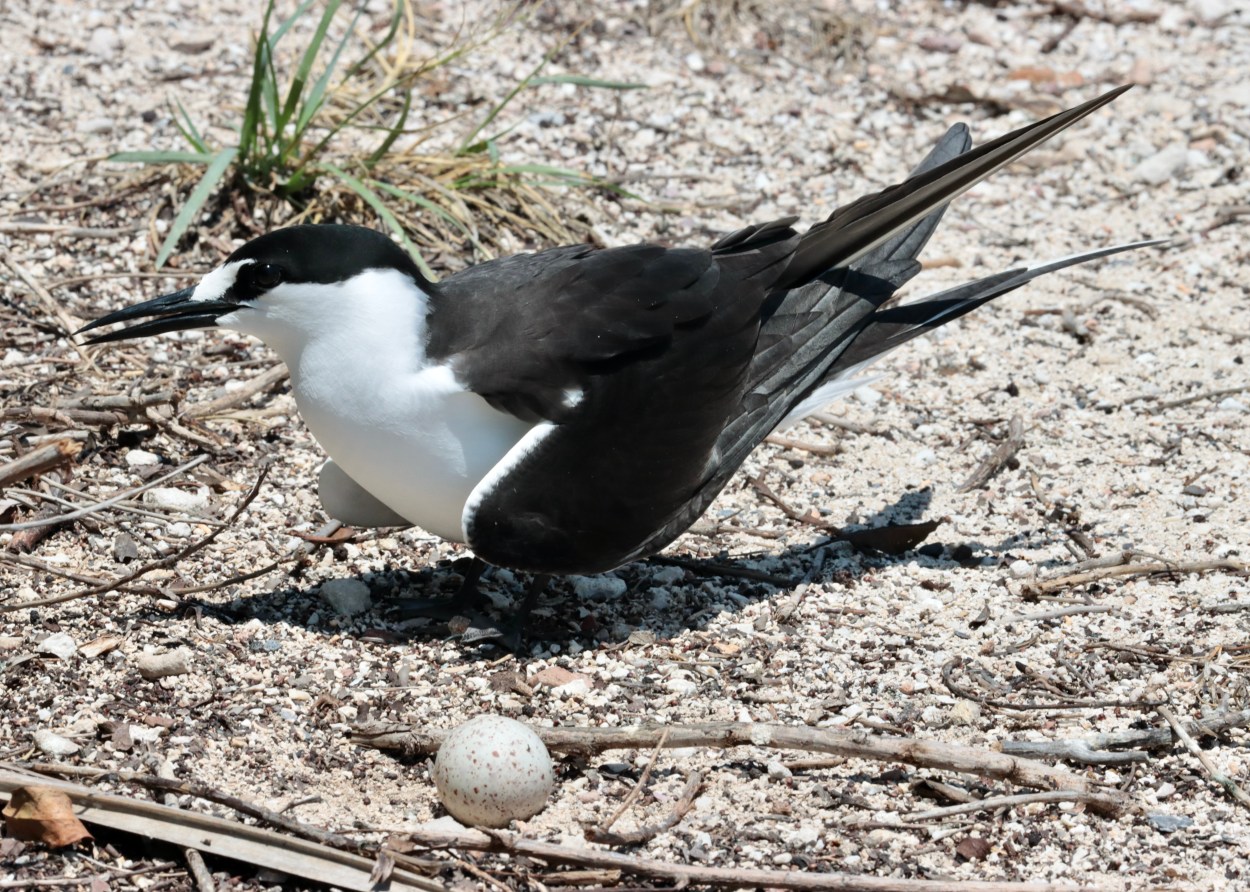
Dry Tortugas is the only place in USA where a number of rare breeding sea-birds occur – this is Sooty Tern

Florida Keys is made up of a series of islands connected by causeways – the longest being 7 miles – which run in a crescent south west of Miami. In all it’s a hundred miles from start to finish. Lying 70 miles further out into the Gulf of Mexico are the Dry Tortugas – a cluster of seven small islands, on which is situated Fort Jefferson – the largest brick made structure in the Western Hemisphere. Juan Ponce de Leon was the first recorded visitor to Dry Tortugas in June, 1513 Construction of the fort started in 1847, although it was never actually finished. It’s a fascinating place which is made all the more interesting by the bird life. The resident / breeding sea-birds are the real target species but the fort, with its enclosed areas of scrubby ‘gardens’ and a water drip, also attract a whole host of interesting migrants. Yesterday we were up early for the hour drive from our motel in Marathon to the ferry terminal – for a prompt departure at 8.00am. The journey takes around 21/2 hours on generally flat seas. We birded all the way there but you could count the birds we saw on one hand! However, as the boat pulled in to Garden Key and Fort Jefferson, it passed reasonably close to Middle Key – nesting site of Masked Booby and a smaller colony of Brown Booby. Bush Key, which is joined to the main island by a causeway (closed during the breeding season) is home to hundreds of Sooty Tern and Brown Noddy Dry Tortugas is the only place in the contiguous States where these birds breed. There is also the largest breeding population of Magnificent Frigatebird in the US here. With only five hours on shore we worked flat out to see as much of the birdlife and this special place as possible. The scrubby areas contained a host of exhausted migrants busy feeding up – including: Hooded, Yellow-rumped and Prairie Warbler, Northern Waterthrush, Ovenbird, Sora Rail, Grey Kingbird and Common Nighthawk. Jane spent longer in this location – whilst I was watching the sea-bird colonies – and saw Indigo & Painted Bunting and White-winged Dove. With all that prey about there were a few raptors about including: American Kestrel, Peregrine & Merlin. By the end of our stay we’d seen over forty species including a handful of America ticks.

Entrance to Fort Jefferson – Dry Tortugas NP
On Middle Key there is a small breeding colony of Masked Booby – and an even smaller population of Brown Booby
The area enclosed by the fort held many interesting migrants – including this bright Summer Tanager
and this roosting Common Nighthawk
The skies above us were filled with marauding Magnificent Frigatebirds for the entire time we were on the islands

Day 3 – birding the Lower Keys

Mangrove Cuckoo is a real southern speciality – we were lucky enough to find two at one spot

Today we’ve really done the hard yards. There are thousands of acres of mangrove, creeks and shoreline to cover in the Lower Keys and, as we discovered, very few birds at the moment. Still we did manage to fine a few of our ‘must get’ species, including: Mangrove Cuckoo, Grey Kingbird and White-crowned Pigeon. Shore birds, when we found them, were good and included: Willet, Black-bellied and Semipalmated Plover, Least Sandpiper, Sanderling, both Yellowlegs, Turnstone, Black-necked Stilt and Short-billed Dowitcher. Other species of note where: Royal and Least Tern, Blue-winged Teal, Northern Parula and Yellow-crowned Night Heron. In a failed attempt this evening to find Antillean Nighthawk we did managed to add two new species – Killdeer and Solitary Sandpiper, feeding in the muddy pools at the end of Marathon airfield. Tomorrow is our all day pelagic.

These Red-bellied Woodpecker certainly think Spring is on the way!
Least Stint have, so far, been the only small peeps we’ve come across

Day 2 – Fort Pierce to Marathon

Bird of the day – the rare Caribbean over-shoot – La Sagra’s Flycatcher. It helped that it called occasionally and we had Greg for company – an experienced US birder – who confirmed the id

After a rather disturbed night we were up well before dawn and heading south on the 95 towards Miami and our first proper birding spot at Key Biscayne. There’s water everywhere in Florida and all along the highway were flooded ditches containing water birds. We saw a good selection of heron and duck species from the car including: Wood Stork, Limpkin and Mottled Duck. It helps if you are regularly held up by multiple rush-hour car crashes! Once on Key Biscayne we headed for Crandon Park, where a few good birds had been reported. We got our first warblers – Prairie and Blackpoll, Black-whiskered Vireo, Red-bellied Woodpecker and a couple of flycatchers, Great Crested and – target species – La Sagra’s, a rare overshoot from the Caribbean. We then did a couple more sites before arriving at our base in Marathon – half-way down the Keys. More warblers were added to the list – Yellow-rumped and Palm, along with Northern Waterthrush, Belted Kingfisher Clapper Rail and Reddish Egret. Our list closed at just shy of 50.

Prairie – the first of what we hope will be a hat full of warblers as we slowly head first south and then north
At Long Key State Park we were buzzed by this curios Osprey – only just managed to lift the camera
I wouldn’t want you to get the impression that it was all easy – this Clapper Rail never really gave itself up to the camera

We’re off this morning to do a few more sites down the Keys and recce the ferry arrangements for tomorrow’s big trip to the Dry Tortugas.

Day 1 – Hounslow to Fort Pierce

The only parakeet we saw today was Rose-ringed – on our way to Hounslow tube!

Day 1 of our new Great American Birding RoAd Trip – henceforth referred to as GABRaT ll. Arriving at our Fort Pierce hotel at gone 10.00pm (with a 5 hour time difference) the only birding we did today was as we taxied to our stand at Orlando International Airport. Species included: White Ibis, Eastern Meadowlark and Double-crested Cormorant. The only parakeet we managed to see was a Rose-ringed, on our way from our Travelodge to Hounslow tube! We start birding in earnest tomorrow.

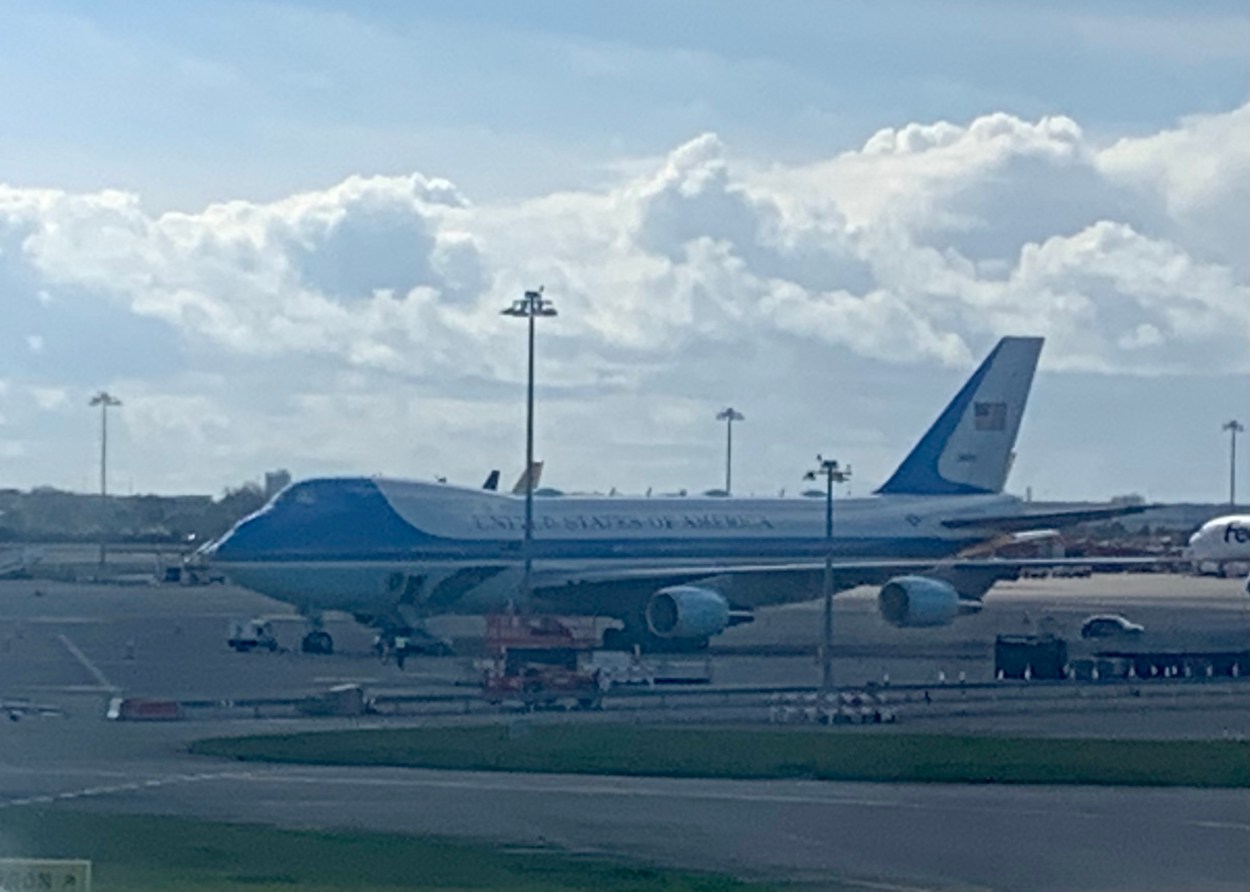
An added bonus (and the likely cause of flight delays in and out of Dublin) was to see ‘Air Force 1’ parked up on the runway

Day 1 minus 1

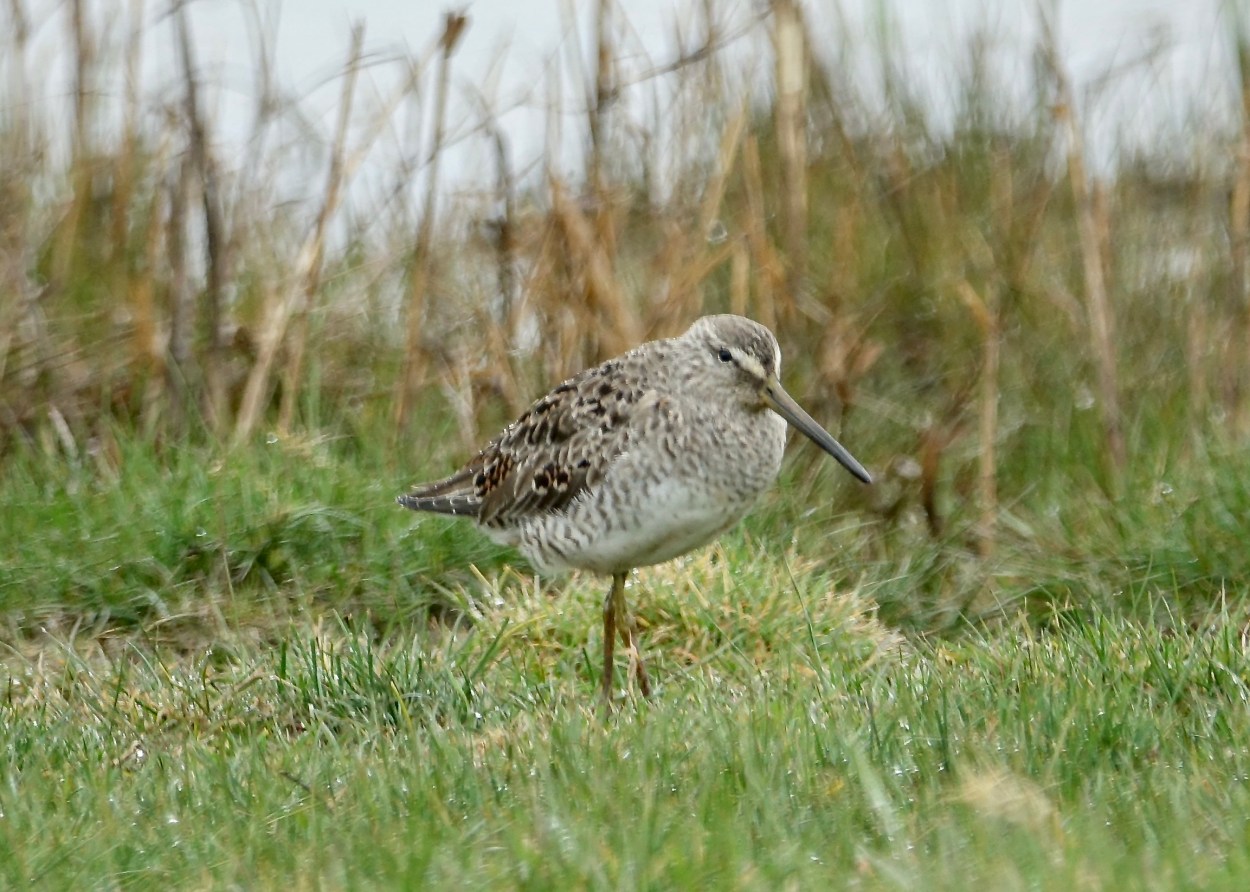
We’ll be lucky to see Long-billed Dowitcher (photo taken by Jane of the Cley long-stayer) but there should be plenty of other stuff!

We’ve made it as far as Hounslow at the beginning of our Great American Birding RoAd Trip ll – GABRaT ll. Tomorrow morning we fly to Orlando, Florida via Dublin for the start of our epic journey, following Spring bird migration from the south to the north of America – along the Eastern seaboard. After birding the Keys and a trip to the Dry Tortugas we head north via the Everglades to Sanibel Island, then it’s into Georgia, South & North Carolina, Virginia, Ohio (for the Biggest Week in American Birding Festival), then it’s into Canada & the migration hot-spot of Point Pelee, Niagara Falls, then through New England to the north-east tip of Maine. We’ll be meeting up with friends on the way, absorbing the culture and taking in the magnificent scenery but mostly it will be six relentless weeks of birding! Subject to WiFi I’ll be blogging most days. Feel free to follow our adventures as they happen. Next post will be from the east coast of Florida – somewhere near Fort Pierce.