TalkTalk -walk, walk!

After ten days of no internet, we finally got our service restored at lunchtime today. How have we become so dependant on  something we understand so little about (I’m speaking for myself here of course) and have even less control over?? It’s a long story, which I won’t bore you with, but it was only when we demanded the code to change provider that TalkTalk finally got their act together, stopped blaming everyone else and fixed the problem – in two hours!

Anyway, enough of the whinging, here is a catch-up blog of birding stuff over the past week. On Friday we called in at Titchwell in the hope of ‘ticking up’ the Spotted Crake that had been there for several days and which was showing well, if only occasionally. It was the usual story, we arrived about ten minutes after it had been seen, I glimpsed the bird very briefly heading into the reeds and then it was two hours before the thing showed itself again! After a much appreciated late lunch we headed towards Cley/Salthouse, where a Purple Heron had been reported earlier in the day. We dropped into the NWT Centre to ask for an update and were told that it was last reported in a ditch, south of Arnold’s Marsh. We parked up and yomped down East Bank, where the couple of birders present said they hadn’t seen it. I turned and looked over towards the coast road to see a group of distant birders looking intently through their scopes at something in the vicinity of Pope’s Marsh! I’d just started yomping back towards the road again when the bird obligingly flew up, across the marsh, along the single bank and dropped down in the reed bed between North Scrape and Pat’s Pool. Brief, but very acceptable views of a quite rufous looking juvenile.

Spotted Crake, heads for cover

IMG_6661

‘ Excuse me Ma’am, have you seen the Purple Heron?’ – ‘Yes, it’s behind you..!’

DSC08146


Corncrake capers

DSC08077

Young Corncrake, Nene Washes RSPB, 23rd July, 2014

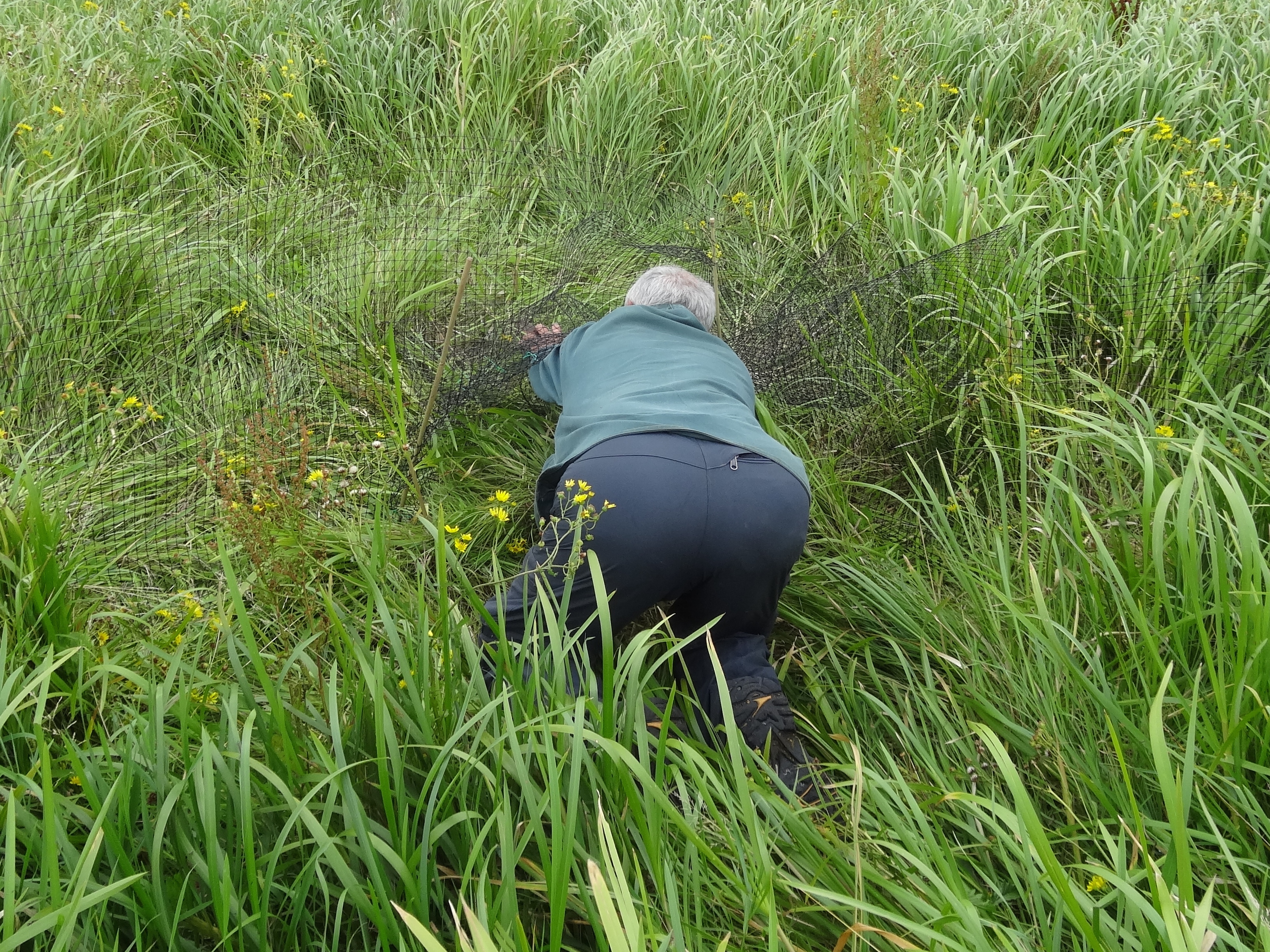
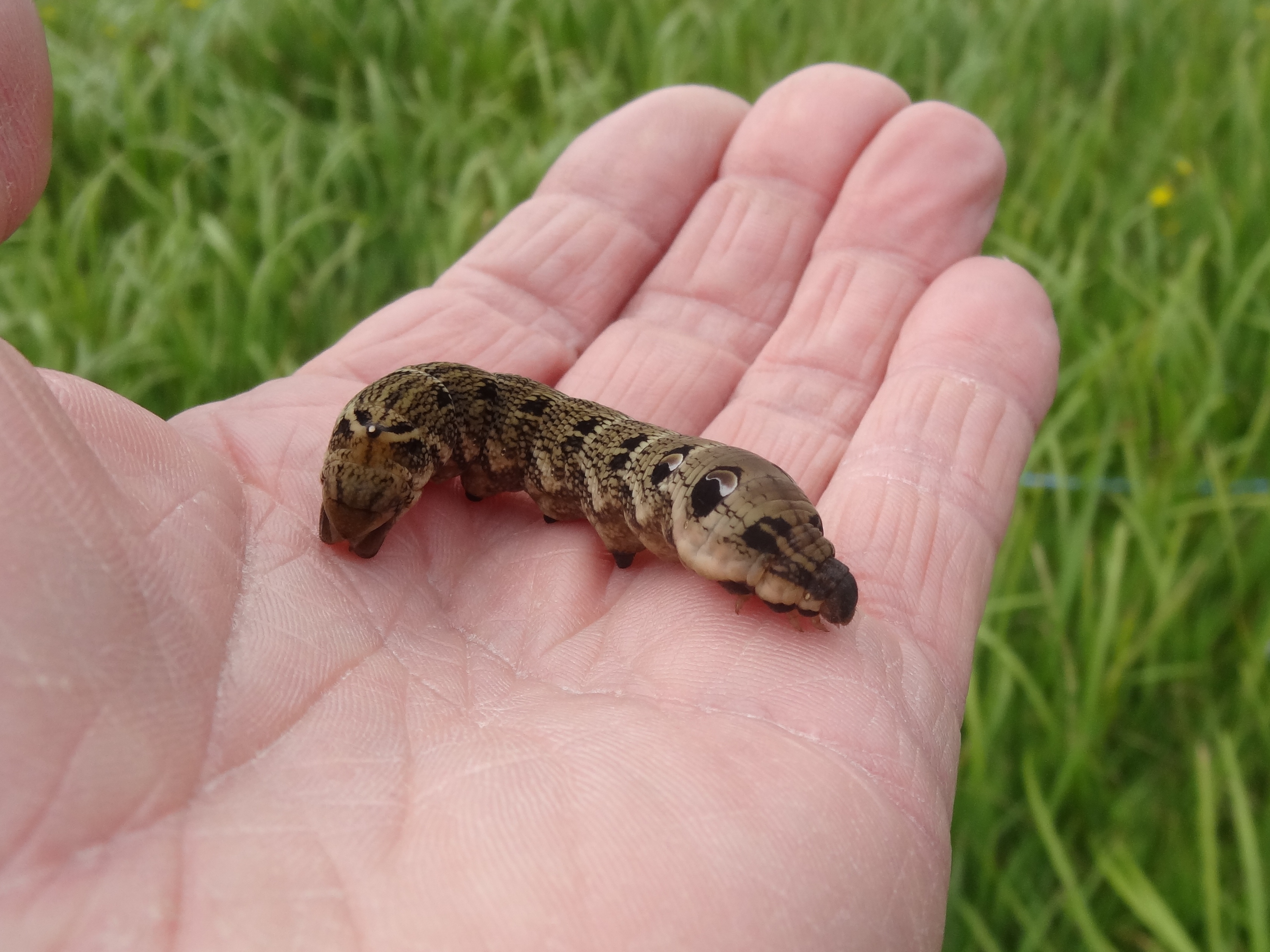
Last Wednesday we were up early to get to the RSPB Nene Washes reserve for 8.00 – we’d been asked to join in the first of this years Corncrake trapping sessions, providing data on the ongoing reintroduction scheme there. After an initial briefing we set off in a line beating a 300m strip of wet meadow, deep in the heart of the reserve. It took us a couple of hours, slowly pushing the birds – at least that’s the idea, towards a line of nets and traps. We didn’t see anything during the drive, except I found an Elephant Hawk Moth caterpillar, until we got to the very end – then in the last 30m several birds hurled themselves into the traps. We caught five birds in all, two retraps, two un-rung juveniles and a chick. A pretty good catch!

The happy bunch of beaters

DSC07973

Getting to grips with the first ‘catch of the day’
DSC07996

Processing begins

DSC08000

Re-trap, one of two dozen males on the reserve this year

DSC08001

Ringing one of this year’s juveniles

DSC08065

DNA swab

DSC08016

What a cute little black chick

DSC08035 DSC08040

The moment of freedom

DSC08104

and talking about ‘cute’ – the Elephant Hawk Moth caterpillar

DSC07981 DSC07976

Felbrigg stuff

IMG_6423

Juvenile Common Cuckoo, Felbrigg NT, 18th July, 2014

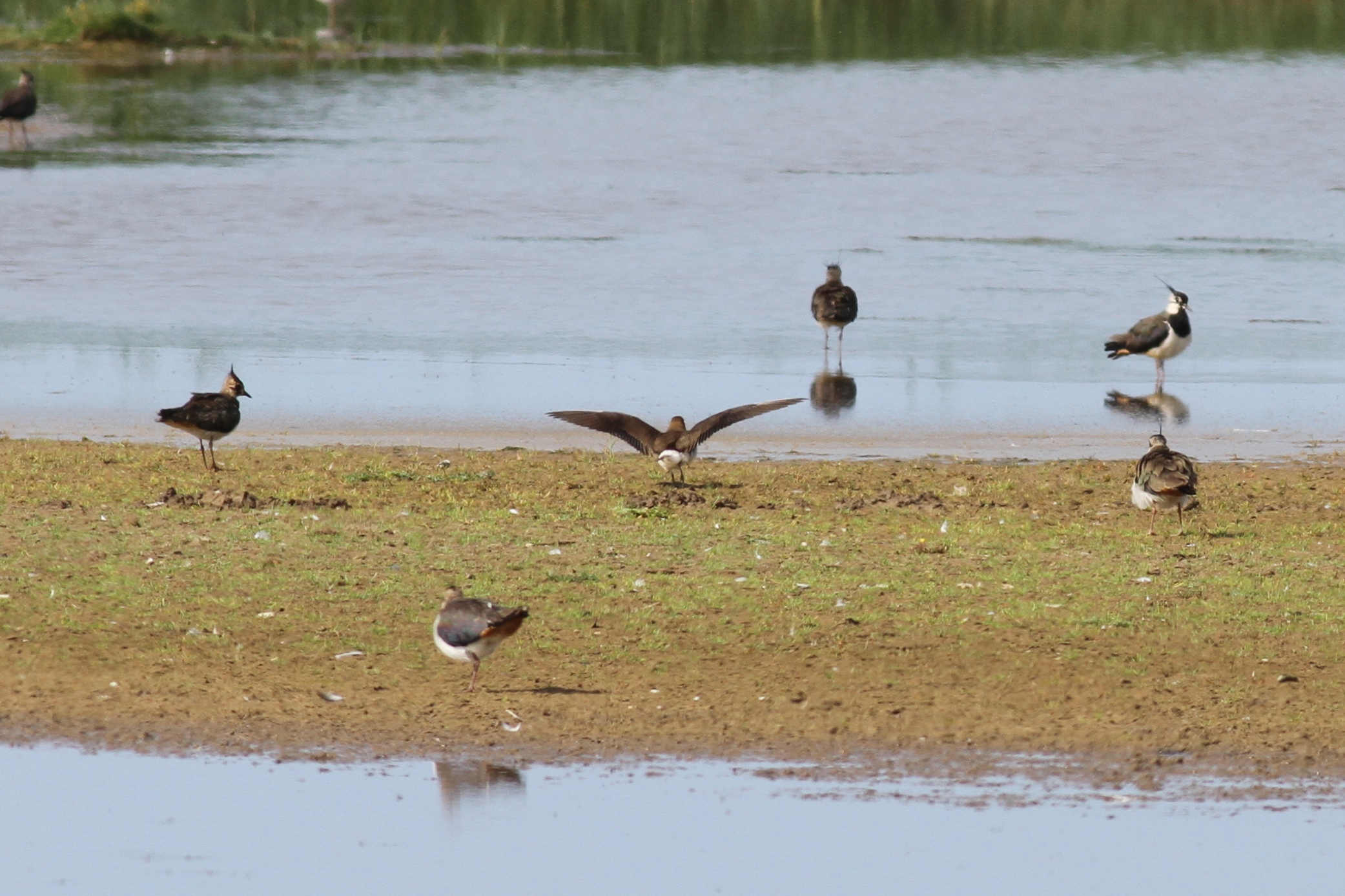
Not in the same league as recent North Norfolk rarities, I grant you, but for ‘local patch’ birding this evening’s stuff at Felbrigg was of considerable interest. First I spotted a wader-like bird on the far side of the lake, turned out to be Common Sandpiper  – not just one but six! Then on the way back I flushed a young Cuckoo, which obligingly flew to the top of a nearby gorse bush. Felbrigg never ceases to surprise me, day after day the same stuff and then ‘bingo’!

Distant shot of six Common Sandpiper, the Lake, Felbrigg

IMG_6418

More shots of the Cuckoo

IMG_6450 IMG_6475 IMG_6470

Mid-summer Madness

DSC07765

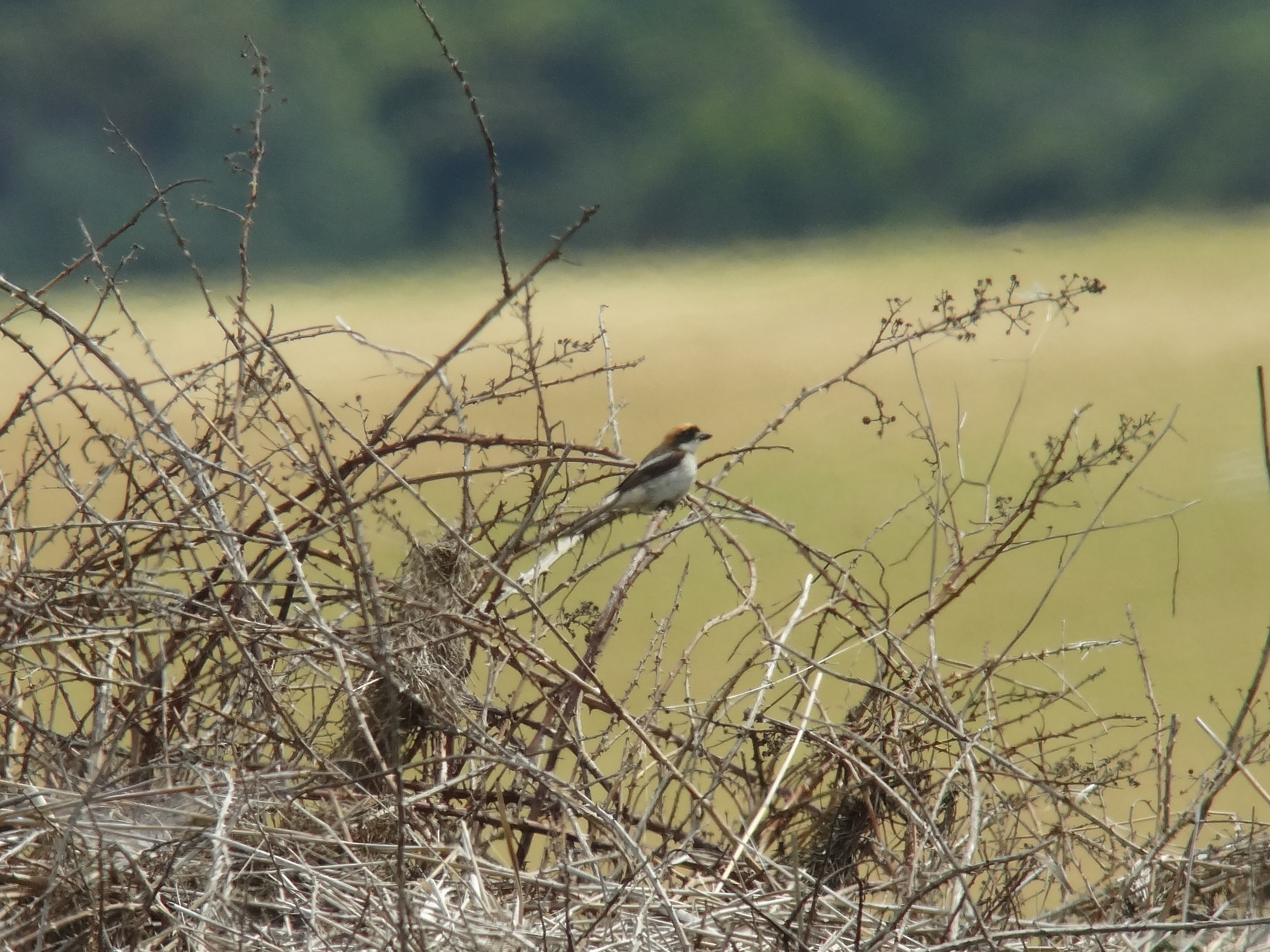
Woodchat Shrike, Gramborough Hill, July 16th, 2014

The run of rare and scarce birds in north east Norfolk continues. Yesterdays offering came in the shape of a Woodchat Shrike at Gramborough Hill. A pretty colourful 1st summer bird, seen almost immediately after parking the car, in hawthorn bushes on the south side of the hill – still present mid evening.

A couple more distant digiscoped shots:

DSC07778 DSC07797

Publication of this blog creates a small bit of history in that it’s my 200th since I started at the beginning of 2012! To all those people, from over 100 countries around the world, who have taken the trouble to view this stuff – a big thank you!  TW

Norfolk’s Rare Wader Fest continues

IMG_6357

Black-winged Pratincole, Simmond’s scrape, Cley, 15th July, 2014

It started at the weekend with that elusive Stilt Sandpiper at Hickling. Yesterday it was the turn of Breydon Water and the fabulous Great Knot – first for Norfolk, and then this evening the Black-winged Pratincole, which has been making it’s way south down the coast from the North East, finally arrived at Cley NWT! Here, from a packed Dauke’s hide overlooking Simmond’s scrape, are a few more photos of this rare Pratincole:

DSC07737

 IMG_6364

IMG_6356

IMG_6324

IMG_6320

.. and this one, courtesy of Jane

DSC01130

Norfolk Great Knot (dot!)

DSC07690

Part of the admiring crowd, watching Norfolk’s first ever Great Knot

Why is it that most of the decent birds in Norfolk recently have turned up on a Monday, when it’s my ‘duty day’ at Cley NWT?  Well it happened again yesterday – I logged on to Birdguides first thing, to be greeted by the news of a ‘mega’ Great Knot at Breydon! Throughout the day news of it’s confirmation, disappearance, reappearance, and further disappearance distracted me from what was actually a pretty good mid-summer day on the reserve. We were just on our way home when a text came through to say that the bird was back – albeit a mile and a half’s yomp up the estuary, so we decided to try for it. We parked up and speed-walked to where the crowds were visible in the distant evening sunshine. On the way we were told that the bird had flown across the estuary to the Norfolk side (yippee!) but, as a consequence, was now rather distant. They weren’t joking! Careful study of the Great Dot revealed most of the distinguishing features of this adult summer first for Norfolk, and GB tick. The bird flew several times, but never nearer, when it showed its distinctive elongated profile, white under-wing with black primary tips and white upper tail patch.

Digiscoped photo of the bird, taken through a Kowa 30x with 2x optical zoom! – it’s the small bird, facing right, directly under the tallest gatepost!

DSC07674

And now a couple of horrendously magnified images, showing the general structural and plumage detail – dark breast band, blotchy back, white belly and elongated ‘rear end’

DSC07682 - Version 2

DSC07708 DSC07704 DSC07705 DSC07701

Anyway, more import than it being a fantastic bird, a first for Norfolk and a British ‘tick’, is the fact that it’s a ‘grip-back’ on my old birding buddy Neil, who saw the first Great Dot on Teeside in 1996. Those birders present yesterday, who had also seen that bird, all agreed that the Norfolk bird gave far better views…. !!

Poscript: Here’s a picture of Great Knot, taken in Thailand, November 2012

DSC01789


Weird or what

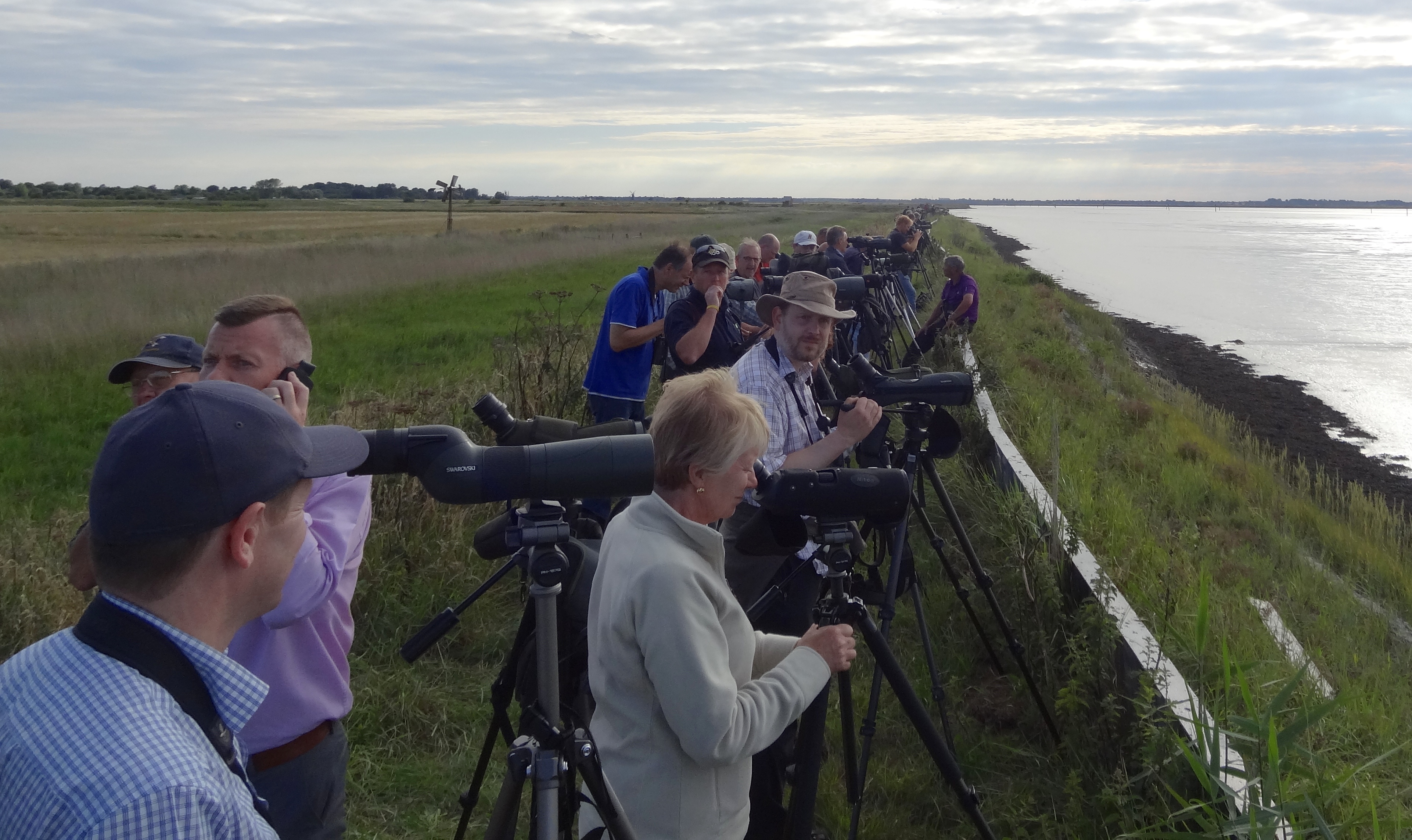
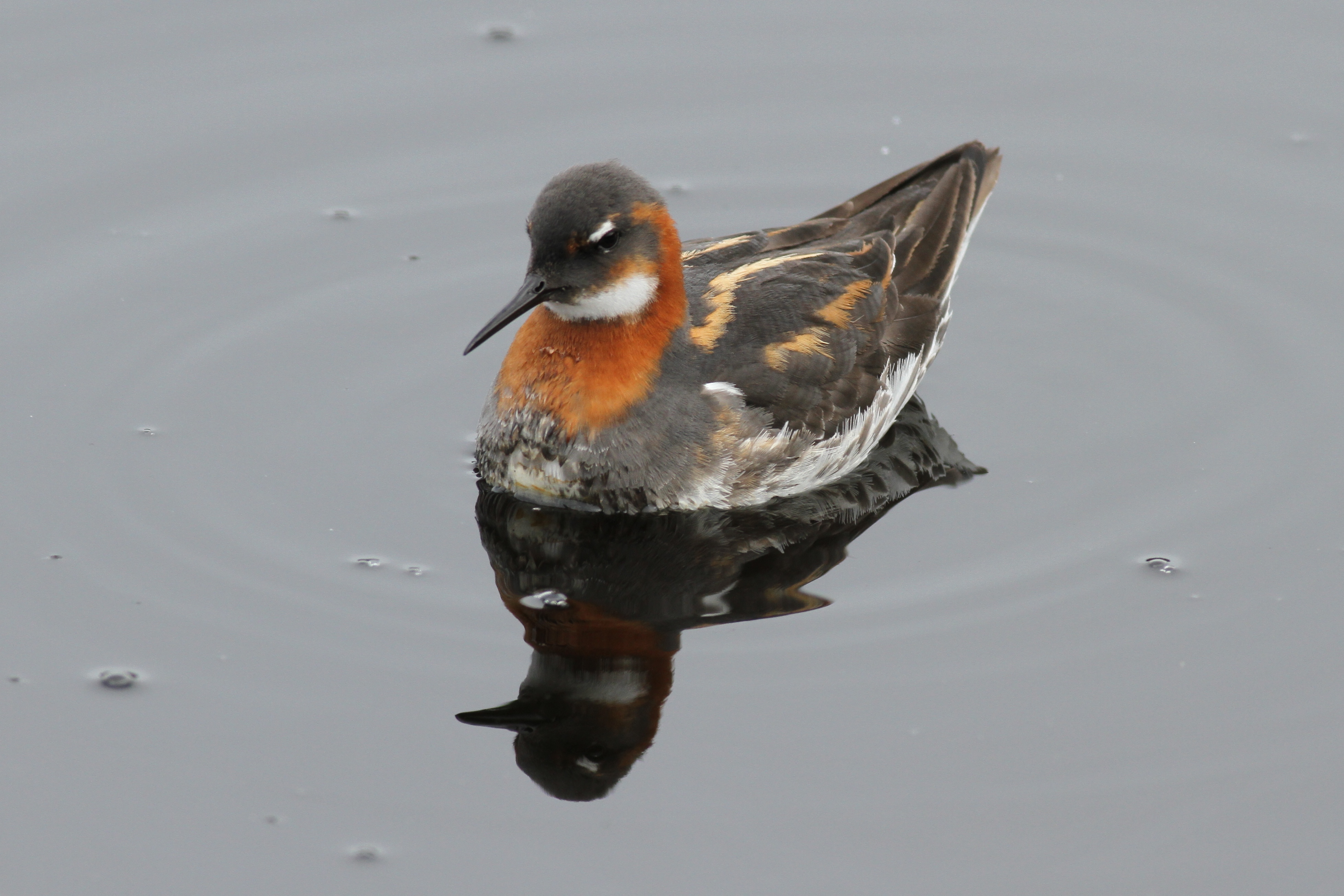
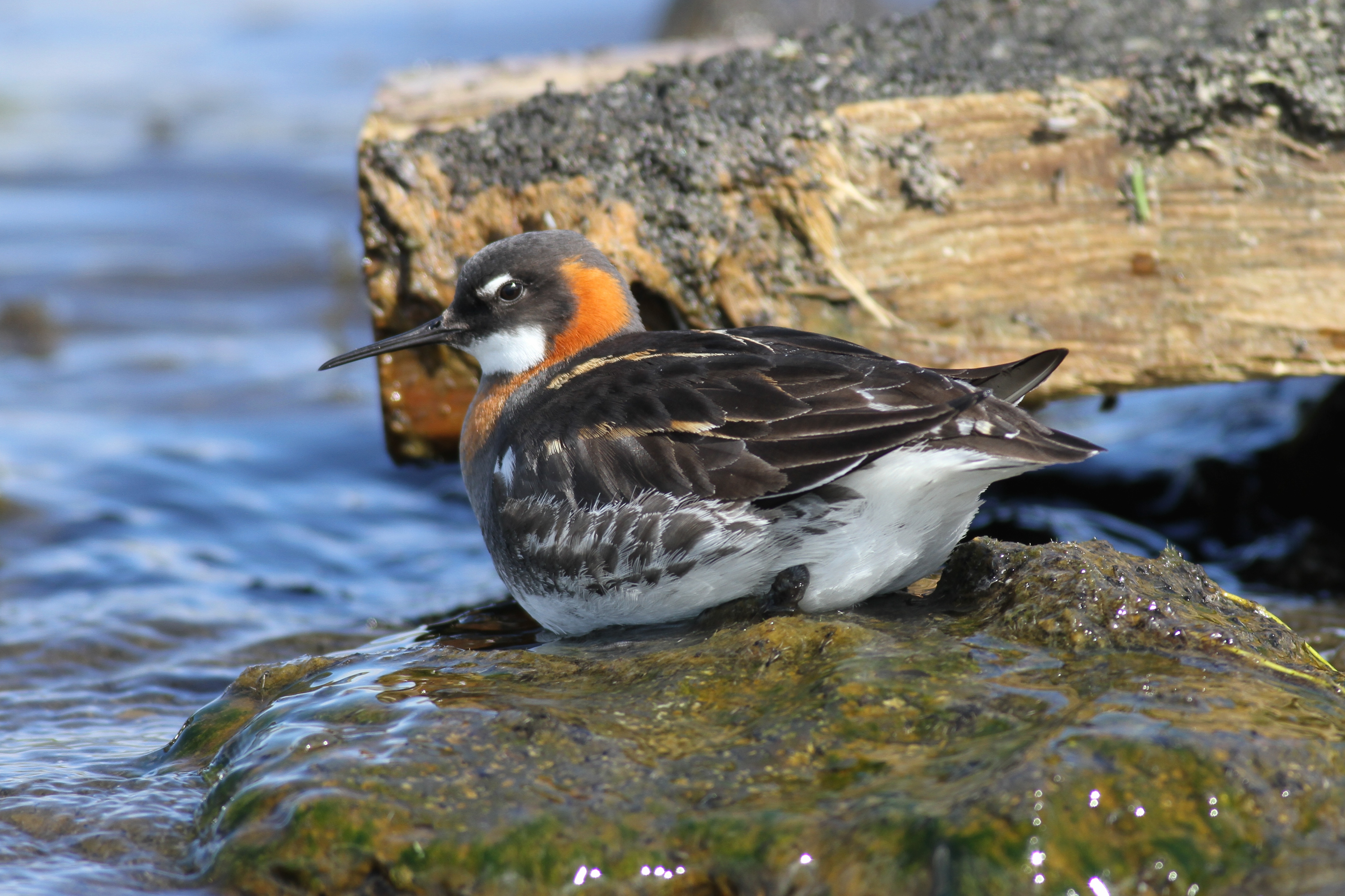
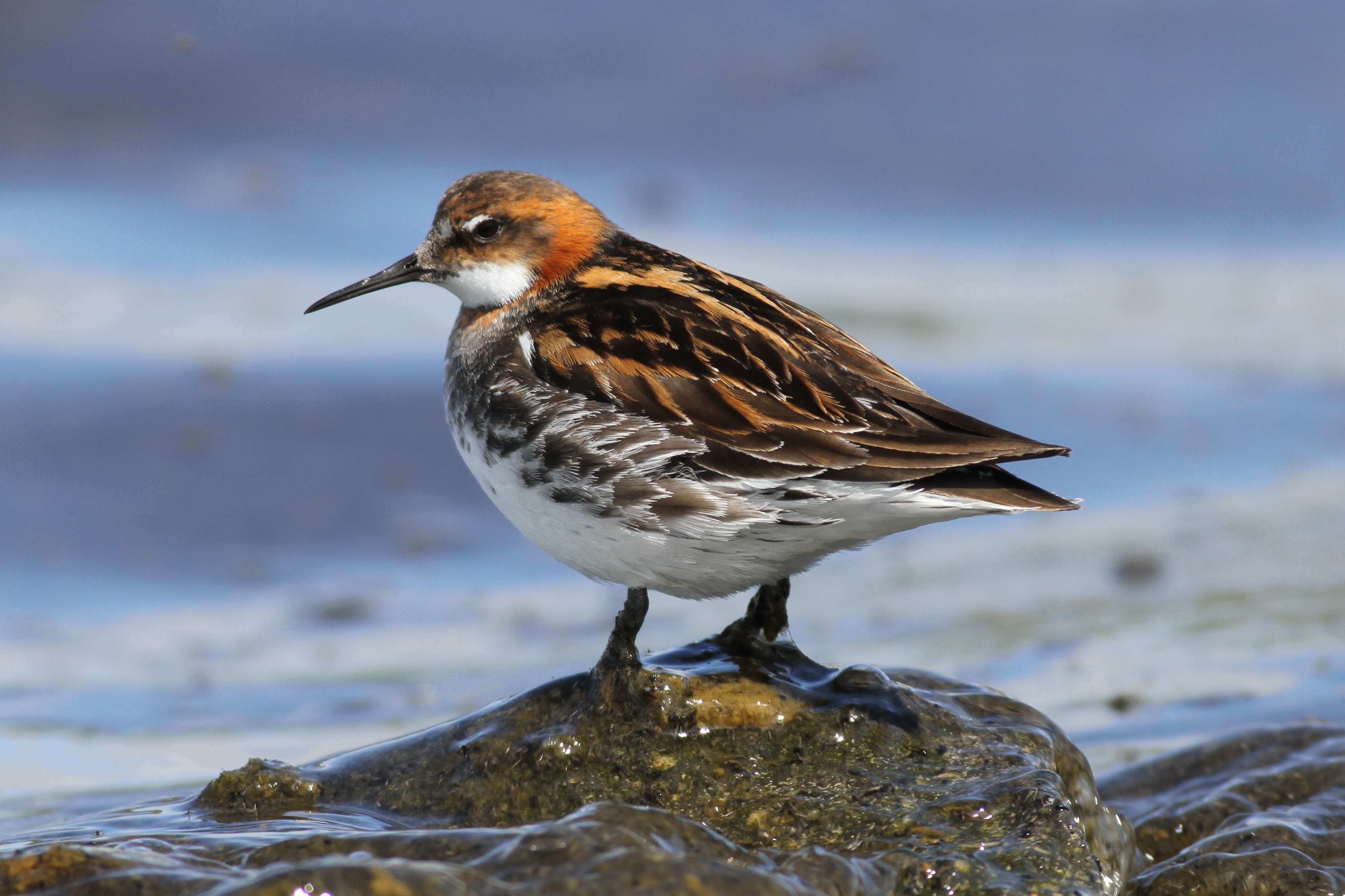
A month ago, having got back from our birding trip to Lesbos, practically the first birds I saw on my next ‘duty day’ at Cley NWT were Temminck’s Stints – a scarce species in Britain, but one we’d seen well in Greece only days earlier. Today I arrive at Cley, having just returned from Iceland, only to discover that a Red-necked Phalarope was on the reserve – last week we were seeing hundreds! How weird is that? Heaven knows what might turn up when we get back from Goa!

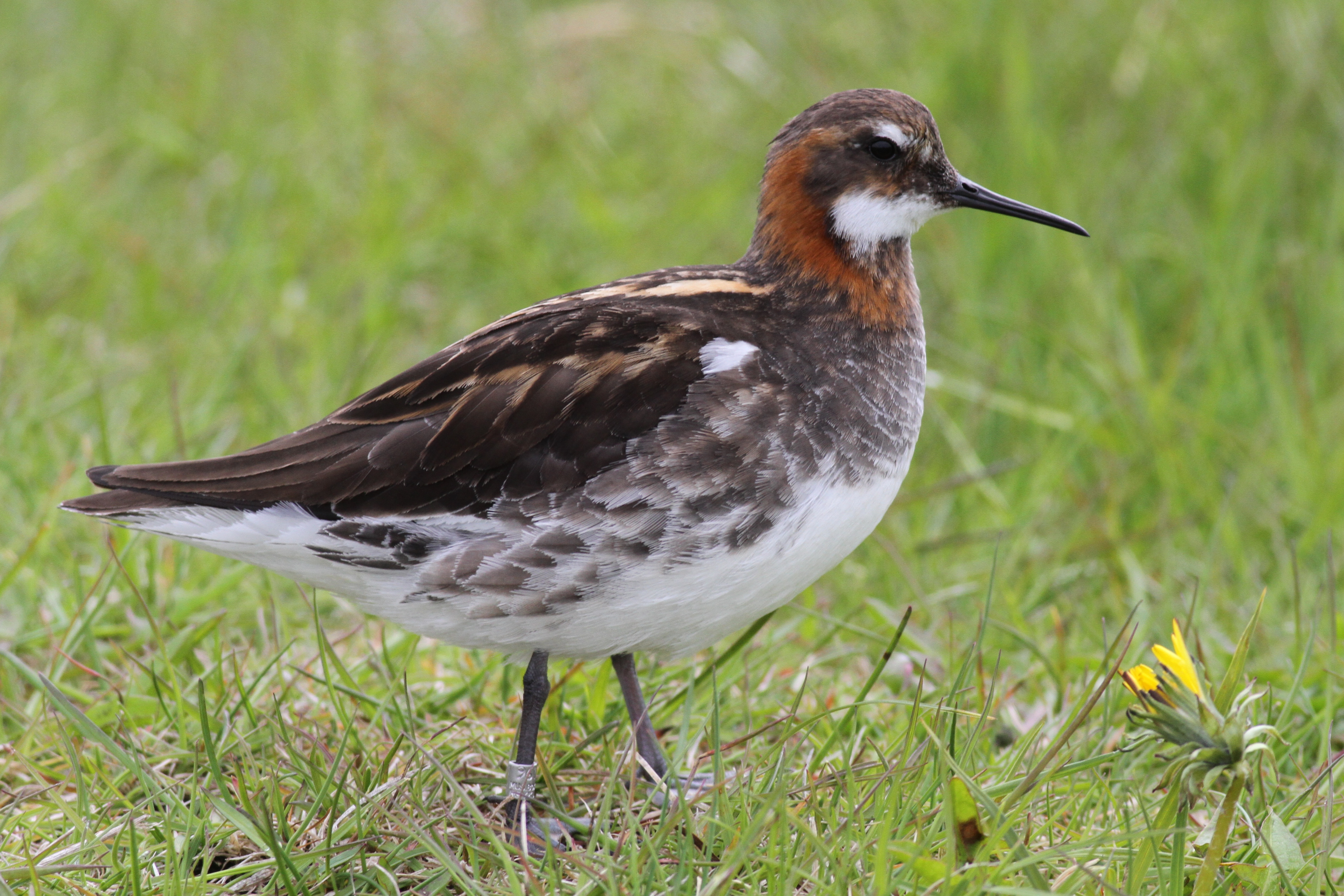
Although rather distant, todays adult female in full summer dress (a plumage we rarely see in Britain) was a real ‘spanker’. This digiscoped grab shot doesn’t do it justice:

DSC07391

However, it does give me an excuse to ‘show-case’ a few more RNP shots from Iceland!

IMG_5324 IMG_4903 IMG_5298 IMG_5374

Aren’t they gorgeous..

Land of Ice and Fire

DSC07018 - Version 2

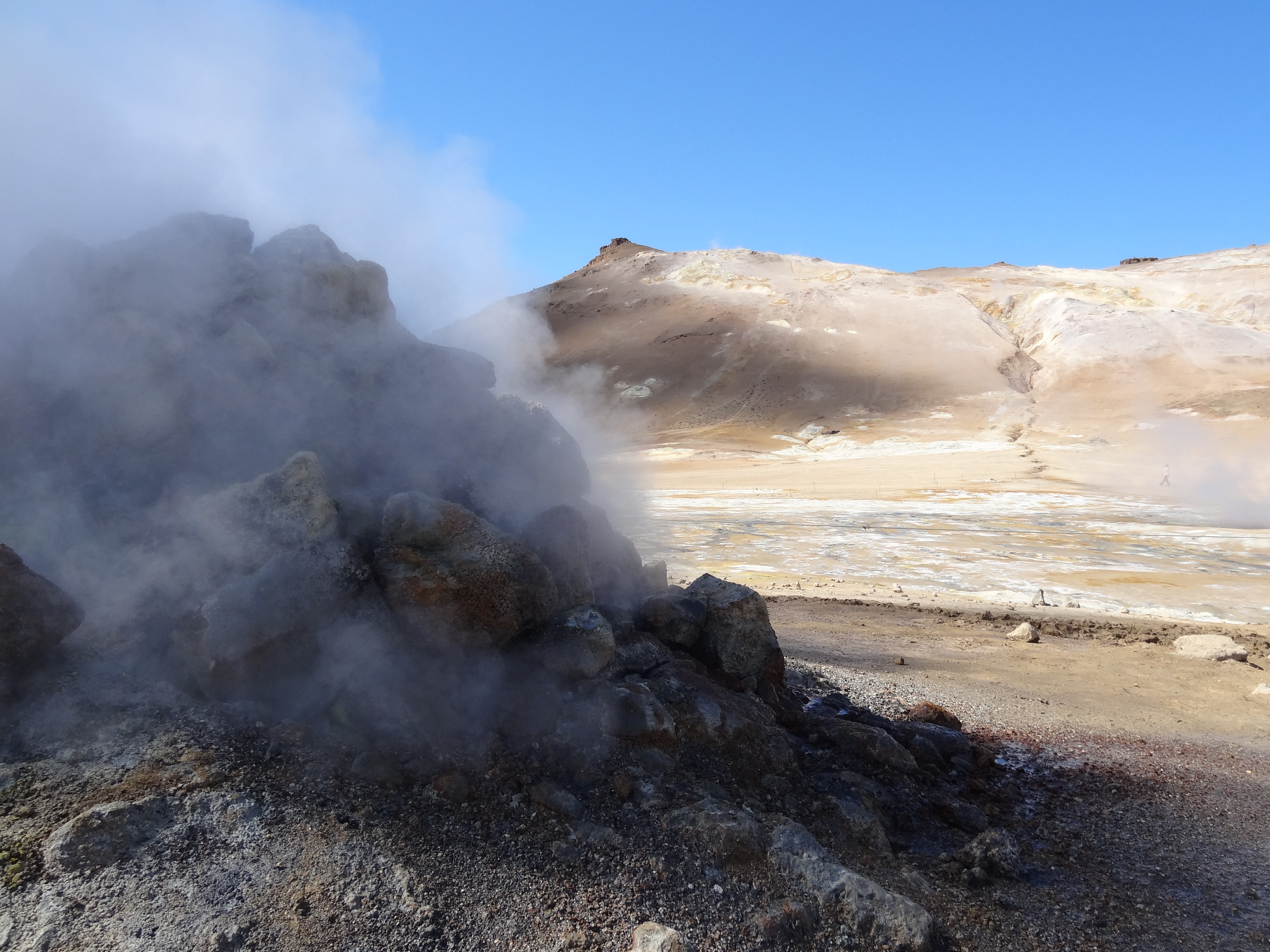
Last week we spent a few days in Iceland with brother Rob and his wife Gi from Australia and Bob and Sue, our long time birding buddies. We flew easyJet from Luton and stayed in two places – the excellent guesthouse and cafe of Vogafjos, on the shores of Lake Myvatn (Lake of the midges!) and the hotel at Stykkisholmur  –  location for some of the filming of the recently released Secret Life of Walter Mitty. Iceland has a pretty limited resident bird population, which is augmented by a range of summer migrants. Our ‘not to be missed’ list included the ‘big three’ Harlequin Duck, Barrow’s Goldeneye and Brunnich’s Guillemot – which mostly have their only European breeding presence in Iceland. We did see sixty or so species in the five days we were there but missed out on Gyr Falcon and Red (Grey) Phalarope – oh well, gives us a reason to return. By way of compensation though was the spectacular scenery – volcanos, waterfalls and fumerals.

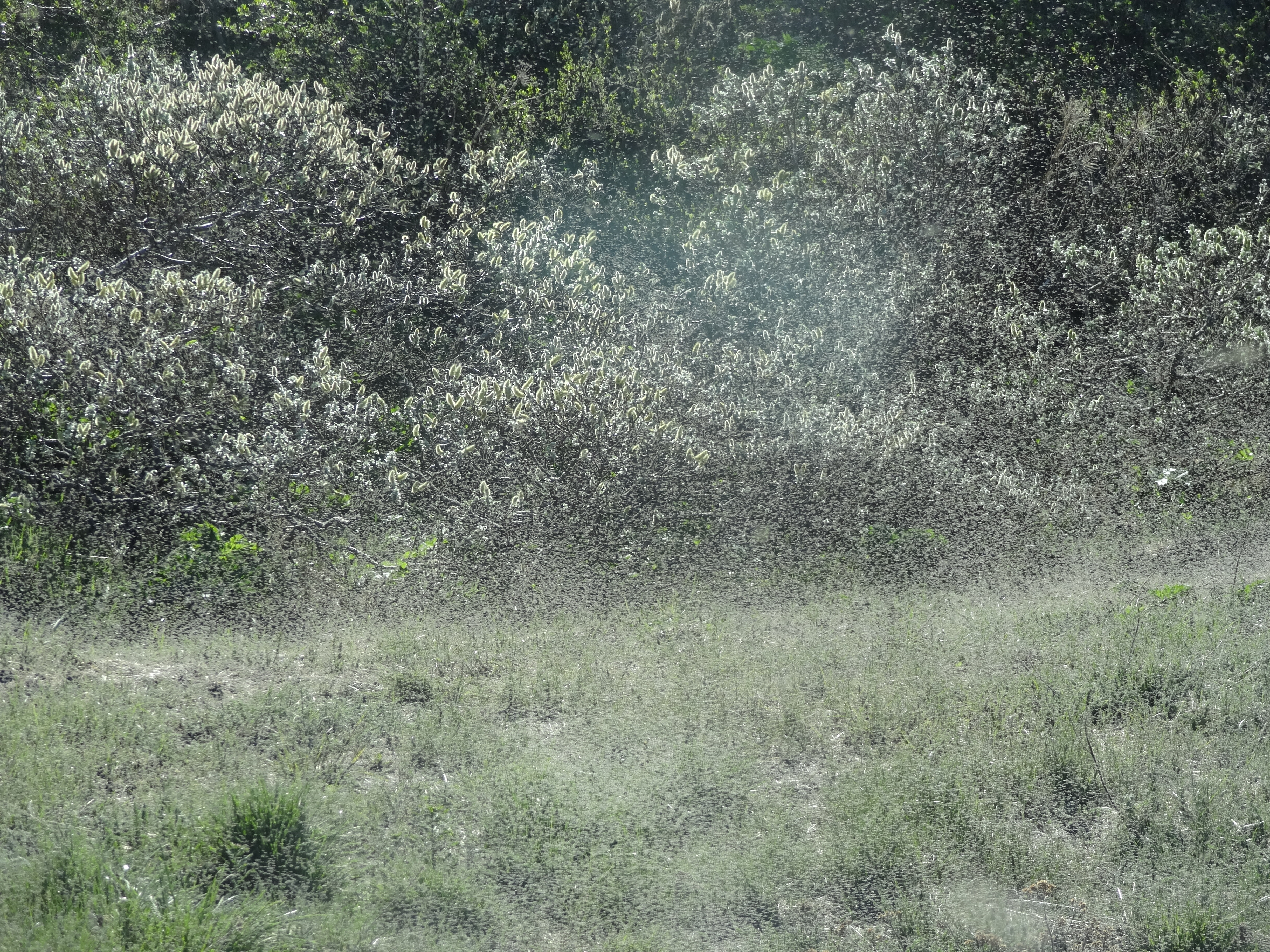
First though the birds, starting naturally with the water birds. Fourteen species of duck breed on Lake Myvatn, the main reason being the abundant food supply, as can be seen in this photo of a male Wigeon..

IMG_4832

.. and from this shot. They aren’t the biting kind of midge, like you get in Scotland, but boy there are a lot of them and they get everywhere – making birding impossible at times!

DSC07168

Long-tailed Duck are present in small numbers – males in breeding plumage are difficult to beat

IMG_5037

First of the ‘big three’ Barrow’s Goldeneye – two males with three females. Myvatn is the principal location for this rarest of breeding nearctic ducks in Europe

IMG_4816

Slavonian Grebe is the only member of this genus which breeds in Iceland – just gorgeous

IMG_5110

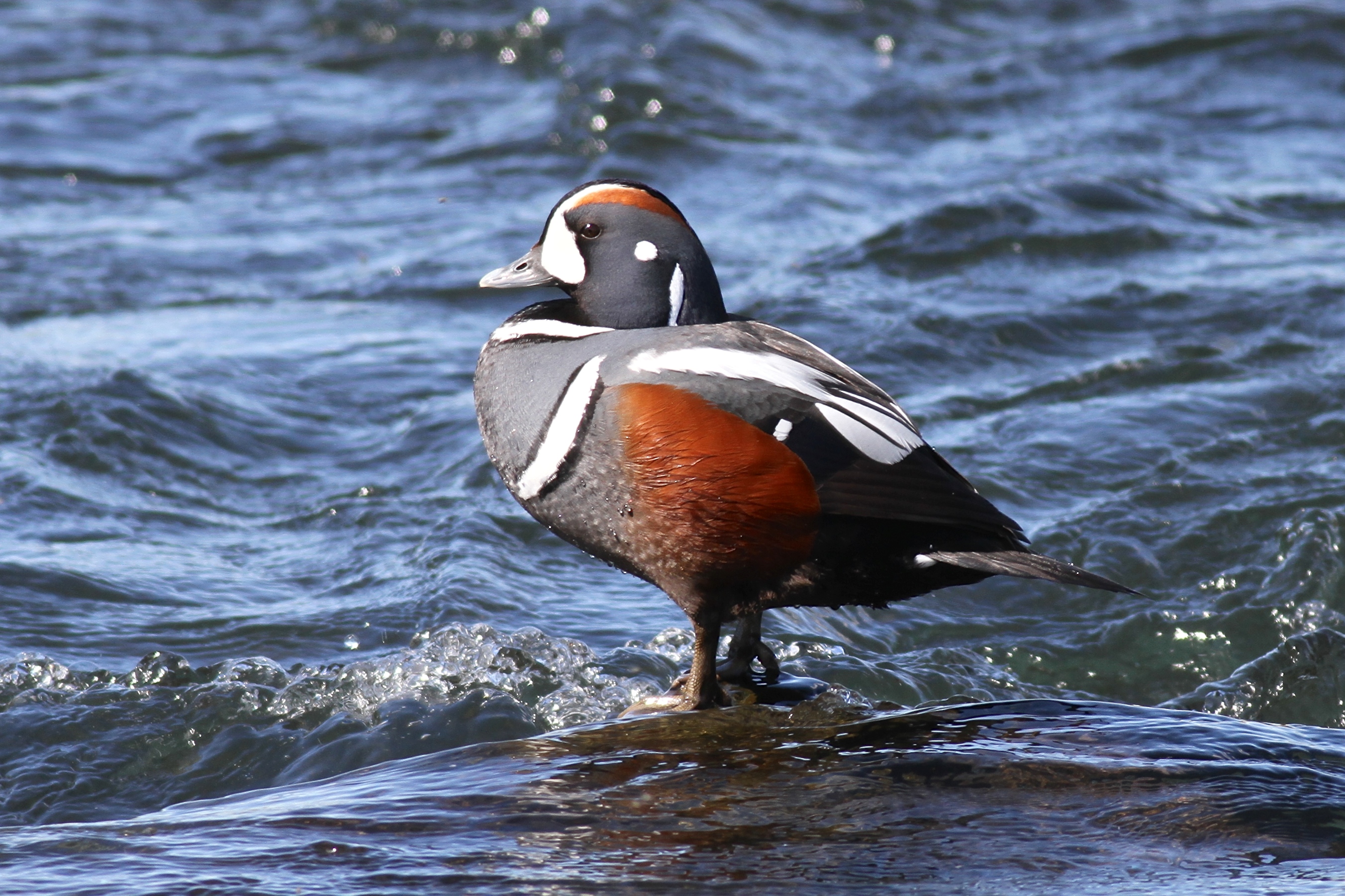
Second of the ‘big three’ is the stupendous Harlequin Duck, which move from the icy, fast flowing streams to the flood plains of the Laxa river for just two months of the year to breed

IMG_5024

Red-necked Phalarope are just about everywhere in Iceland!

IMG_4910

A couple of other species which are surprisingly common, Snow Bunting and Redwing (of the Icelandic race)

IMG_5301 IMG_5395

Now for the sea birds, first Arctic Skua..

IMG_5439

.. which prey on the abundant Arctic Tern

IMG_5264

Glaucous Gull, rather than Iceland Gull, are surprisingly the only breeding ‘white wingers’ on Iceland

IMG_5381

Last of the ‘big three’ – Brunnich’s Guillemot, a rare Arctic breeder – last seen at Portland Dorset in December 2013!

IMG_5574

and Black Guillemot or ‘Tystie’, as it’s known in Scotland

IMG_5346

An added bonus at these seabird cliffs was the small group of Orca – Killer Whale, hunting off-shore

IMG_5651

Now some of that spectacular scenery I was telling you about

DSC07191

DSC07179

DSC07268 DSC07270 DSC07307 DSC07016 DSC07028

Finally, the iconic church at Stykkisholmur – watch out for it in the movie!

DSC07227


What a Spectacle (updated 18/6)

IMG_4617

Spectacled Warbler, Gun Hill, 2nd June 2014

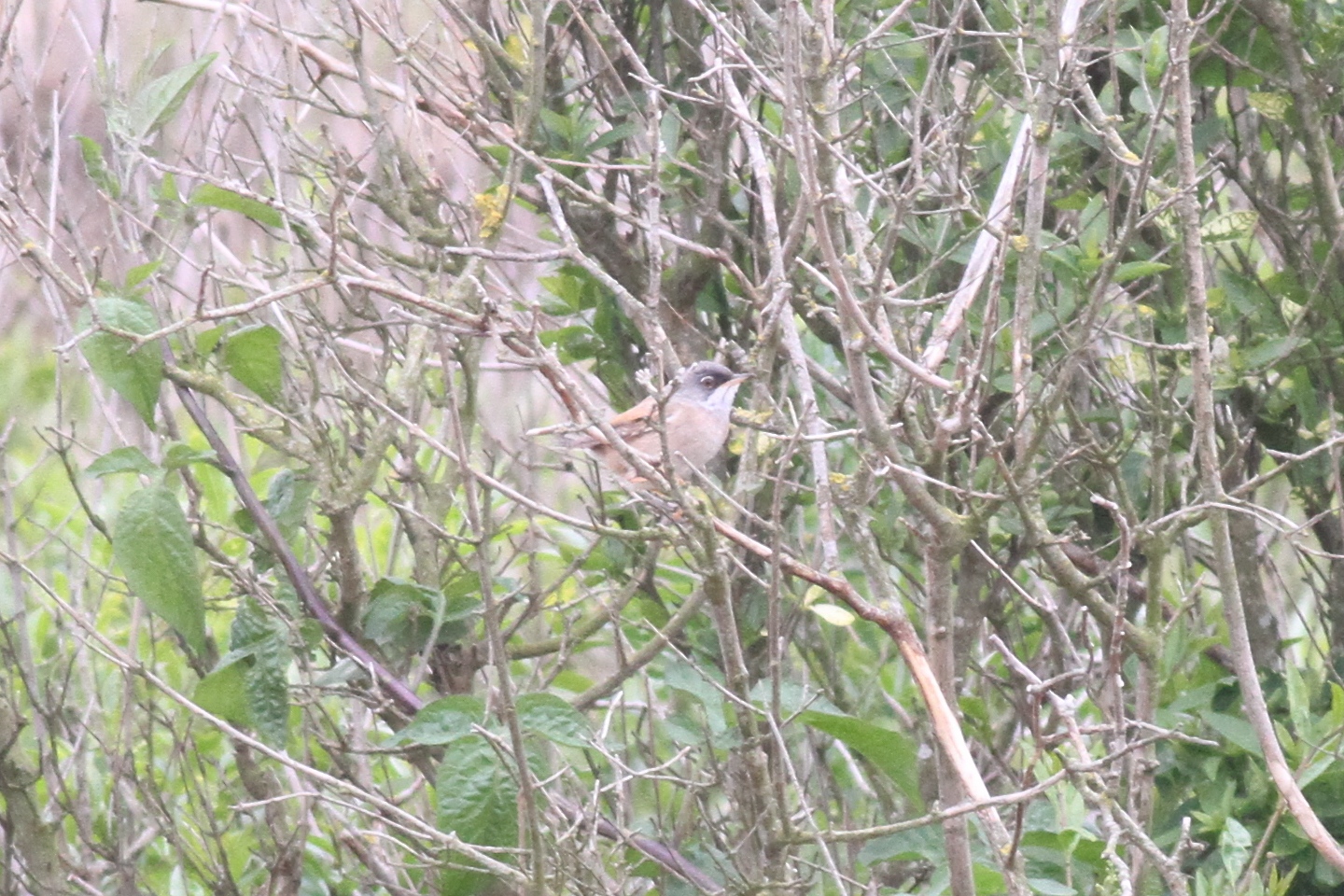
I was at ‘work’ all day today at Cley NWT so when the news broke at lunch time of a singing male Spectacled Warbler, up the road at Gun Hill – it was a tense afternoon! I finally got away at four and headed straight for the site. Parking was easier than I’d anticipated and then the long yomp down to the sea wall, along the board-walk and 300m beyond to where the bird was showing reasonably well to the assembled crowd. I managed a few acceptable grab shots before heading back home.

Spectacled Warbler is a mega rarity – this being only the second confirmed record for Norfolk. It was a ‘British lifer’ for me – my first for 2014, a Norfolk ‘tick’ obviously and went some way to making up for missing the Black-headed Bunting, which appeared virtually on my doorstep, whilst we were away in Northumberland.

Update

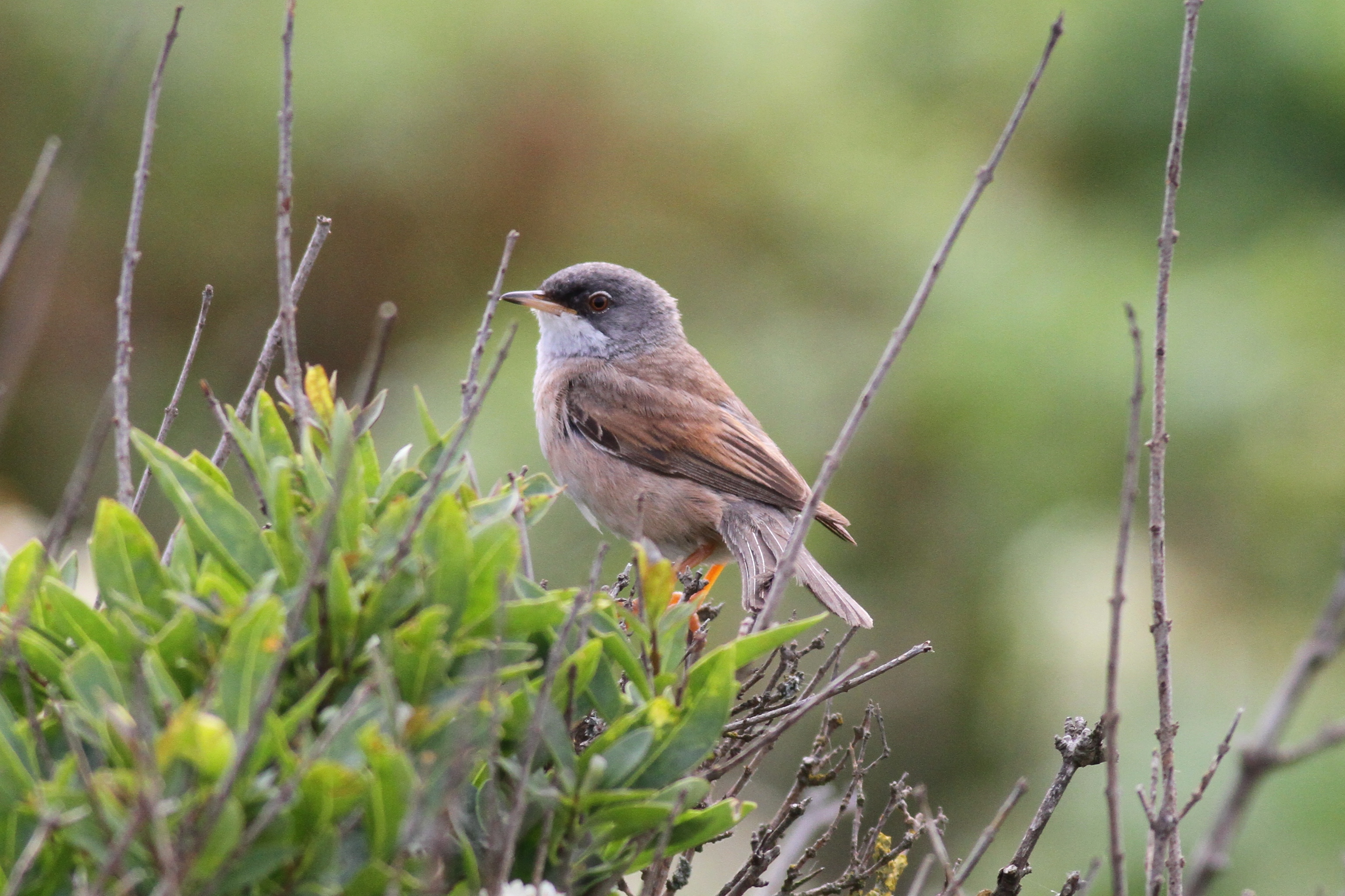
Today, 18th June, we paid a return visit to Gun Hill in the hope that Jane would finally connect. Although the weather was rather unpromising, the bird did eventually start singing and showed occasionally.  A couple of better shots showing the distinctive features of smokey grey head contrasting with white throat and pink breast, rufous wing panels, broken white eye-ring and strongly coloured pinkish yellow legs

IMG_5763 IMG_5789 IMG_5786

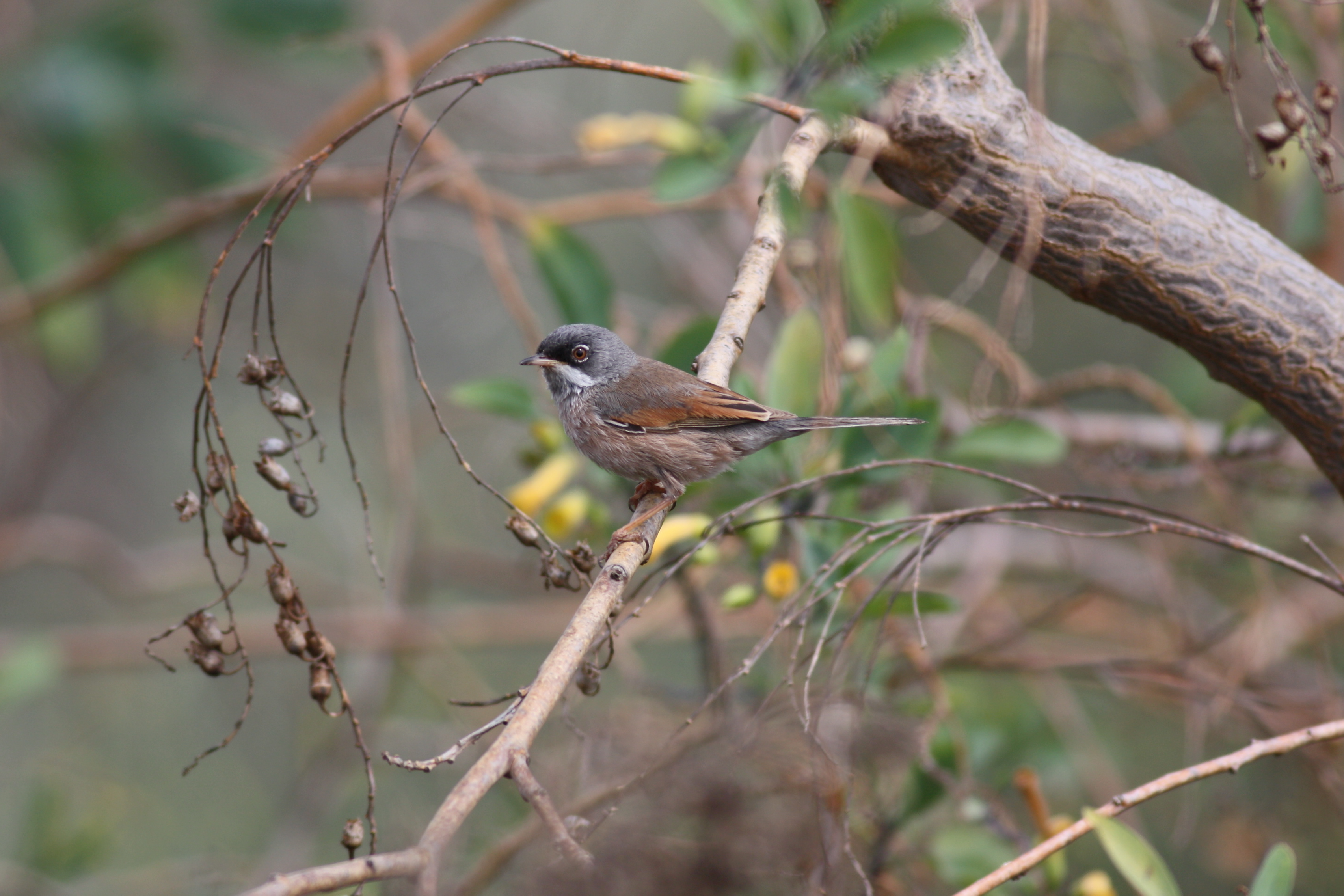
For interesting comparison, here is a shot taken a few years ago in the Canary Islands

IMG_0040