The team were out from dawn to dusk for Global Birding Day, visiting a number of local coastal sites and the grasslands of the Kennebunk Plains. In all we recorded 90 species, including several America, GABRaT ll and State ticks. Our first site – the really lovely Audubon East Point reserve at Biddeford – was really productive and gave us a good variety of coastal birds as well as warblers in the bushes. It was two o’clock before we could take a break for lunch, then it was back out for the final session until sunset. Some great birds and an opportunity to be part of the global birding community, doing what we love but, this time in someone else’s ‘back yard’.
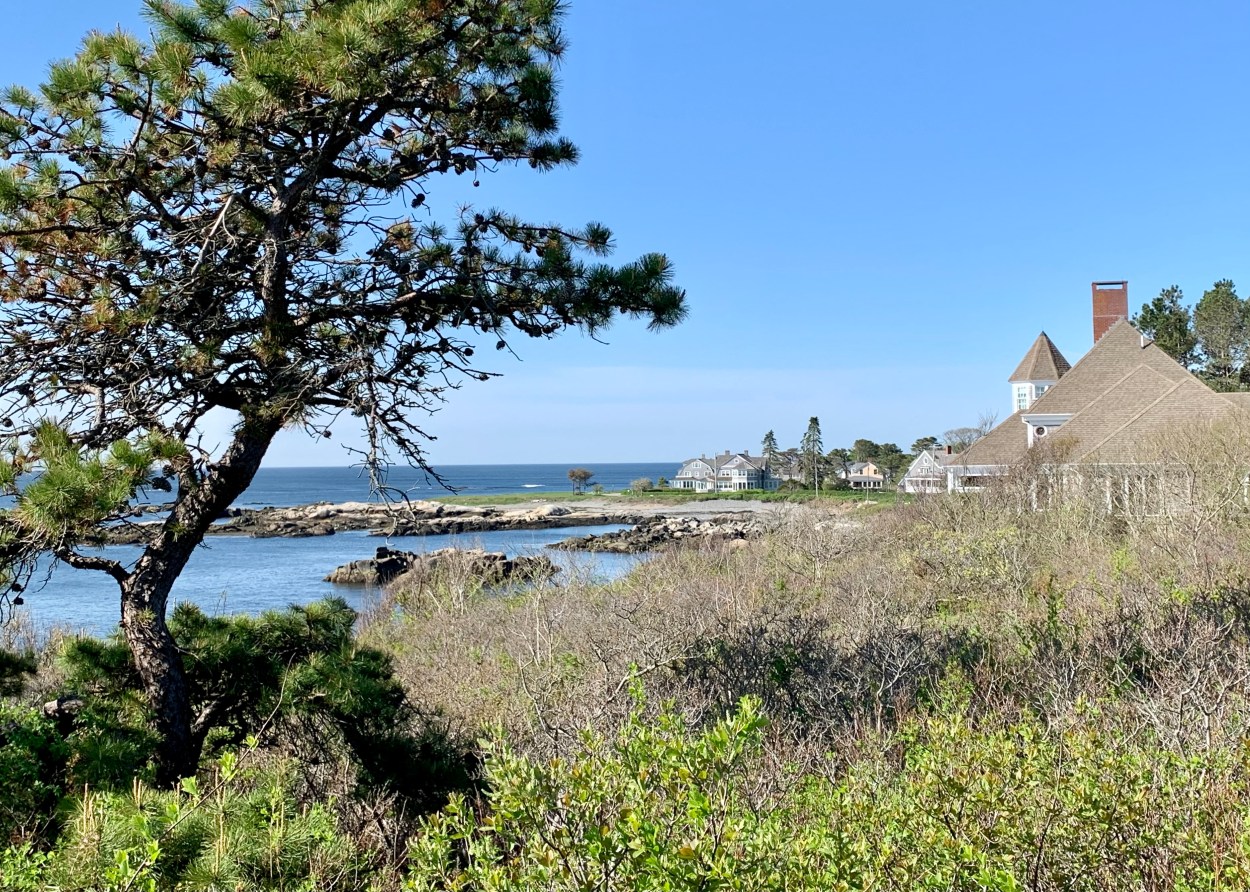
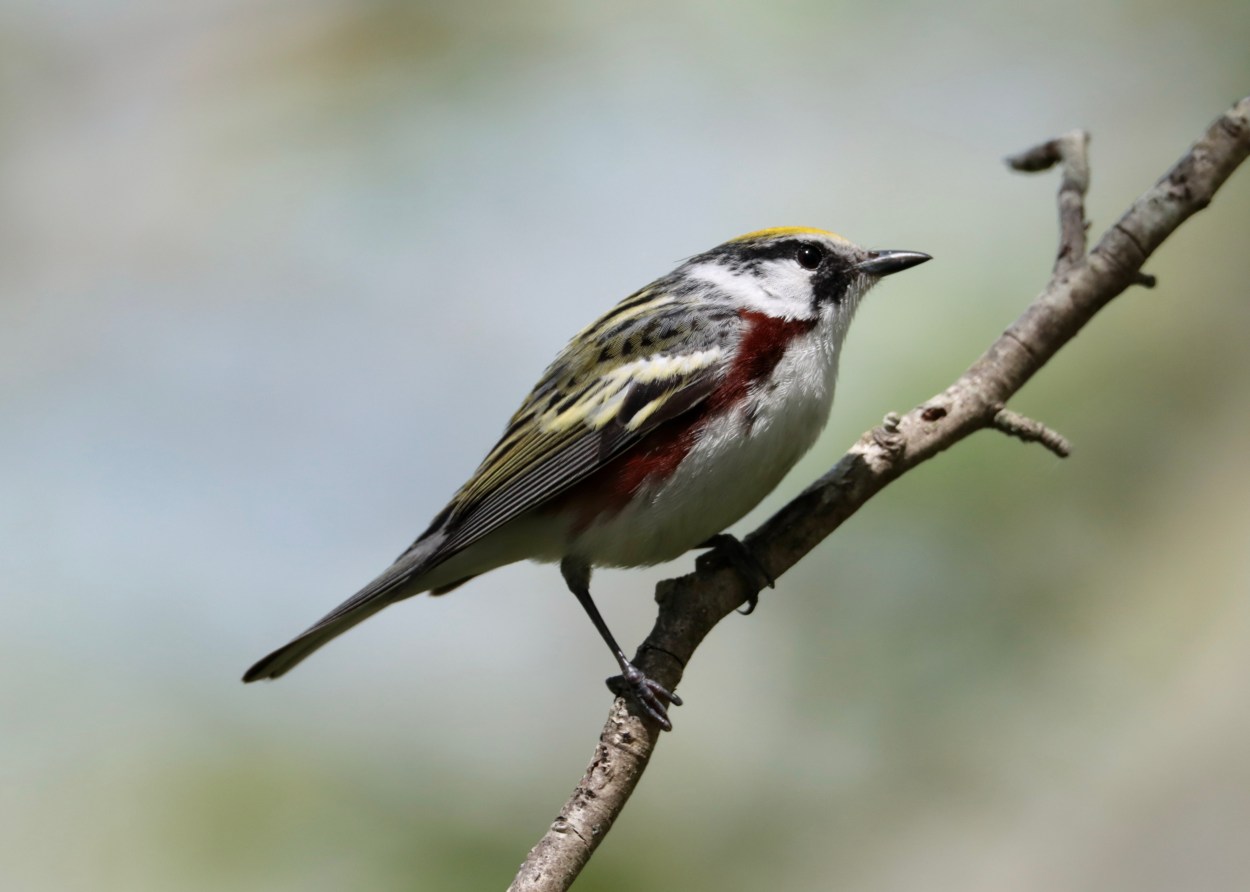
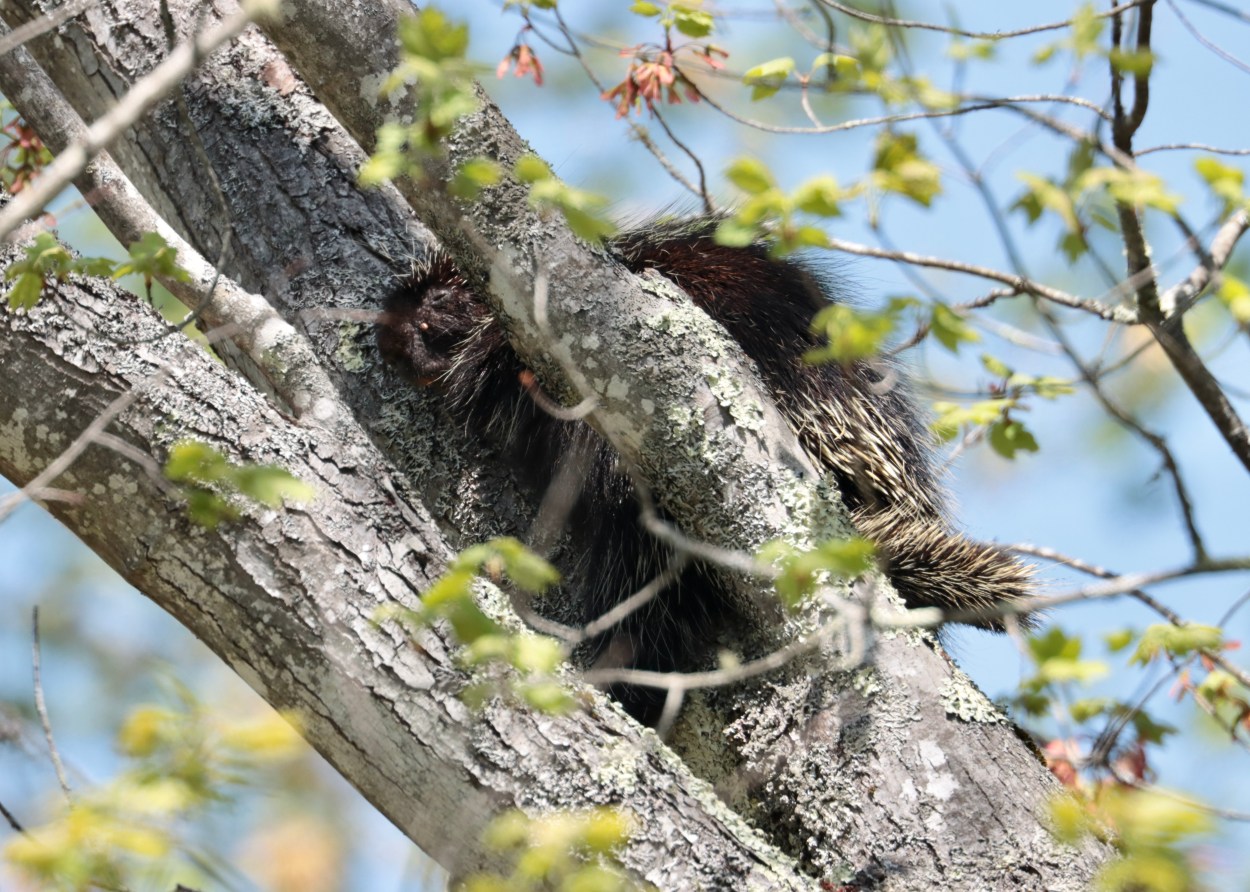
Sparrows were a feature of the day – I think we saw seven species. Never easy to separate – this one was VesperThe coastal setting of the Audubon reserve at East Point – millionaires row!An old favourite – Chestnut-sided Warbler – seen at point blank range at Laudholm FarmRuby-throated is the only hummingbird you get this far north on the east coastFirst seen at Fort Myers a month ago – this is the endangered Piping PloverRed-necked Grebe in summer plumage – an American tick!It wasn’t just birds which kept us amused – this American Porcupine was asleep in a tree
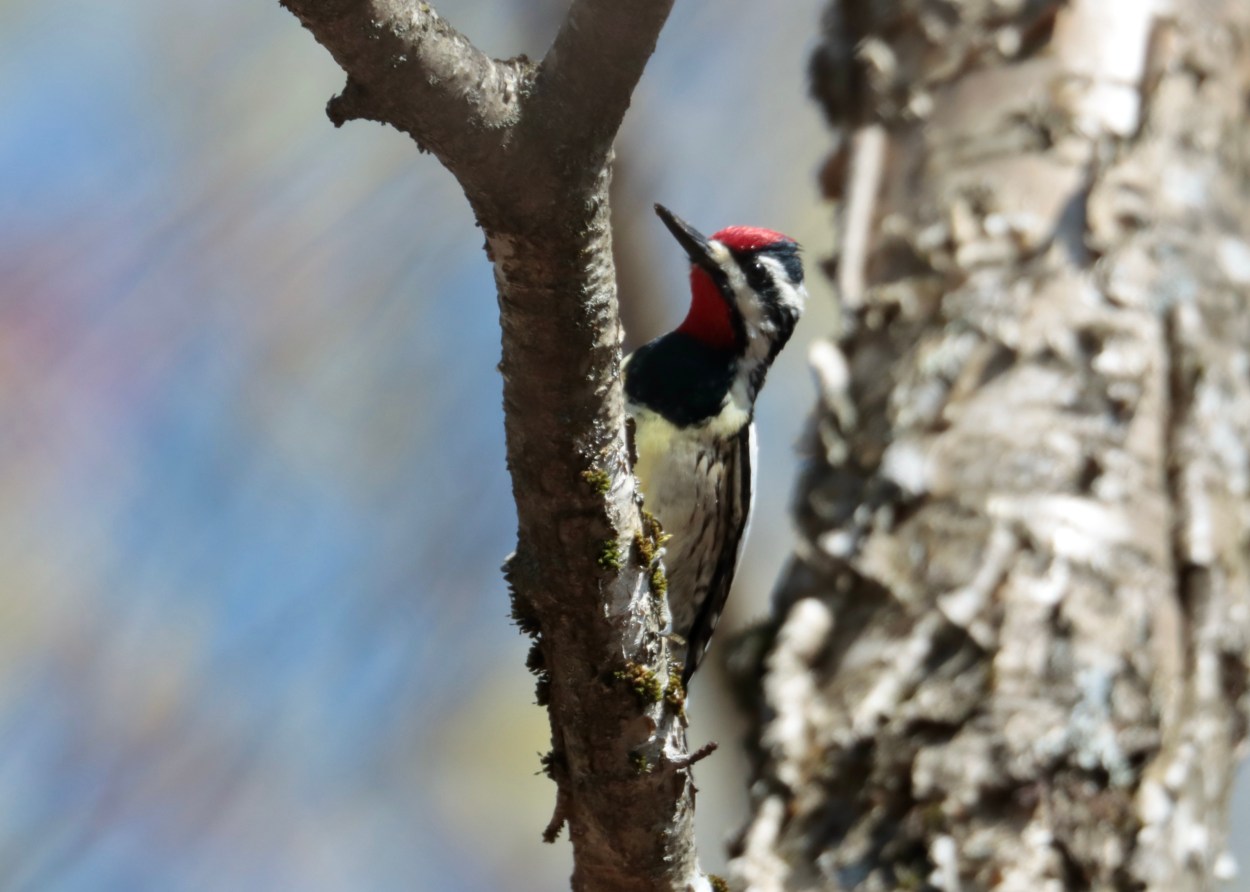
Yellow-bellied Sapsucker – a trip tick – helping avoid a ‘dot day’
We’ve finally arrived back on the Atlantic coast – after last seeing it at the Outer Banks, North Carolina – stopping first at Old Orchard Beach, before moving north over the next week through Maine to the furthest north east point of USA, and the border with New Brunswick, Canada. Yesterday was a repeat of the previous two, with a fairly long travelling day broken up by regular birding stops. Our first stop, at 3500ft, was Woodford State Park which unfortunately was closed (to vehicles) so we walked along the entrance track. We ensured it wasn’t going to be a ‘dot day’ by quickly adding Purple Finch around the park buildings – followed by a nice selection of other forest species, including: Blackburnian Warbler, Red-throated Vireo and another trip tick – Yellow-bellied Sapsucker. Coffee was taken at the delightful ‘alpine’ town of Wilmington before our final stop at the McLane Audubon Centre where we again saw some nice birds and added several State ticks. Speaking of which, the day started in New York State, then we travelled through Vermont, and New Hampshire before arriving in Maine – as a consequence our State list average has, not surprisingly, dropped considerably. Today is Global Birding Day – so we’ll be doing our bit to support the cause and, as it happens, getting our Maine State list off to a flying start.
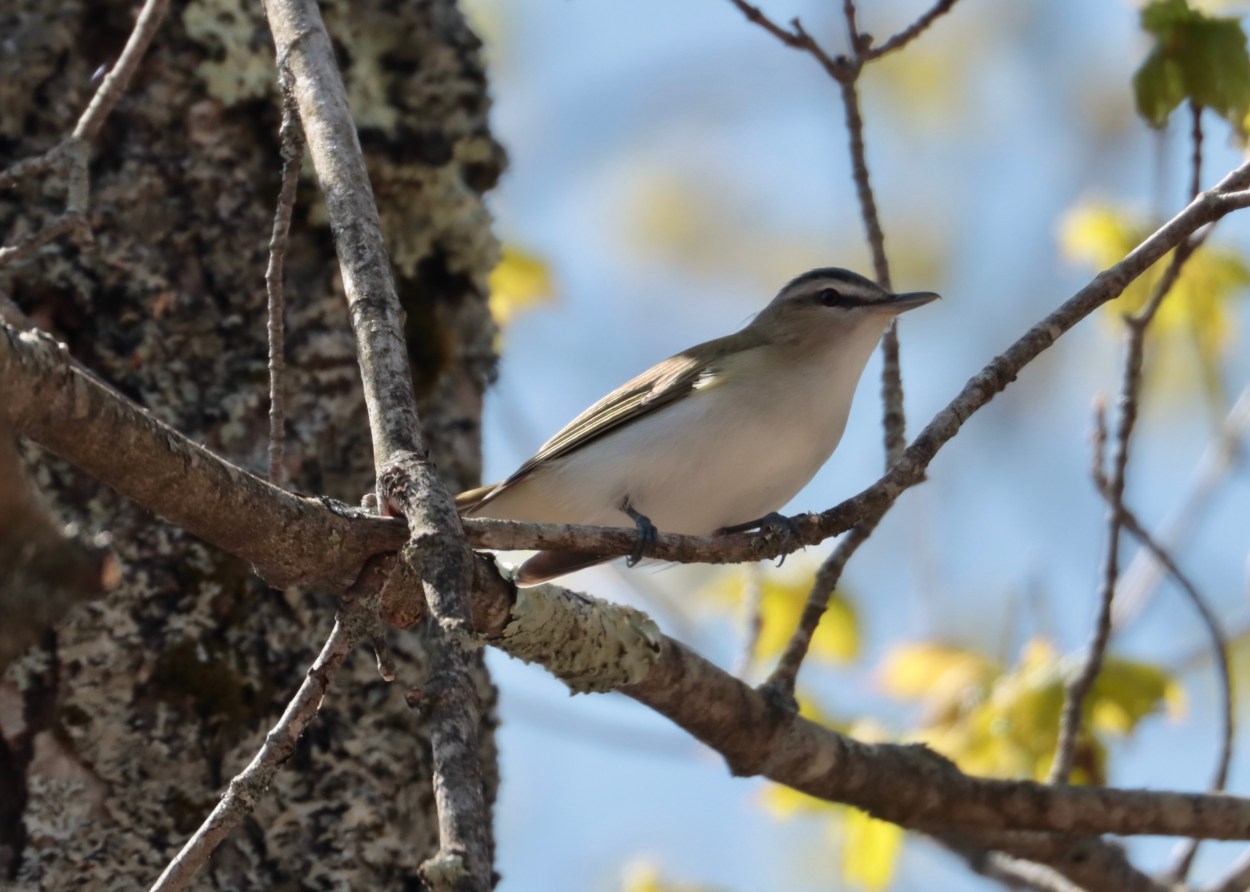
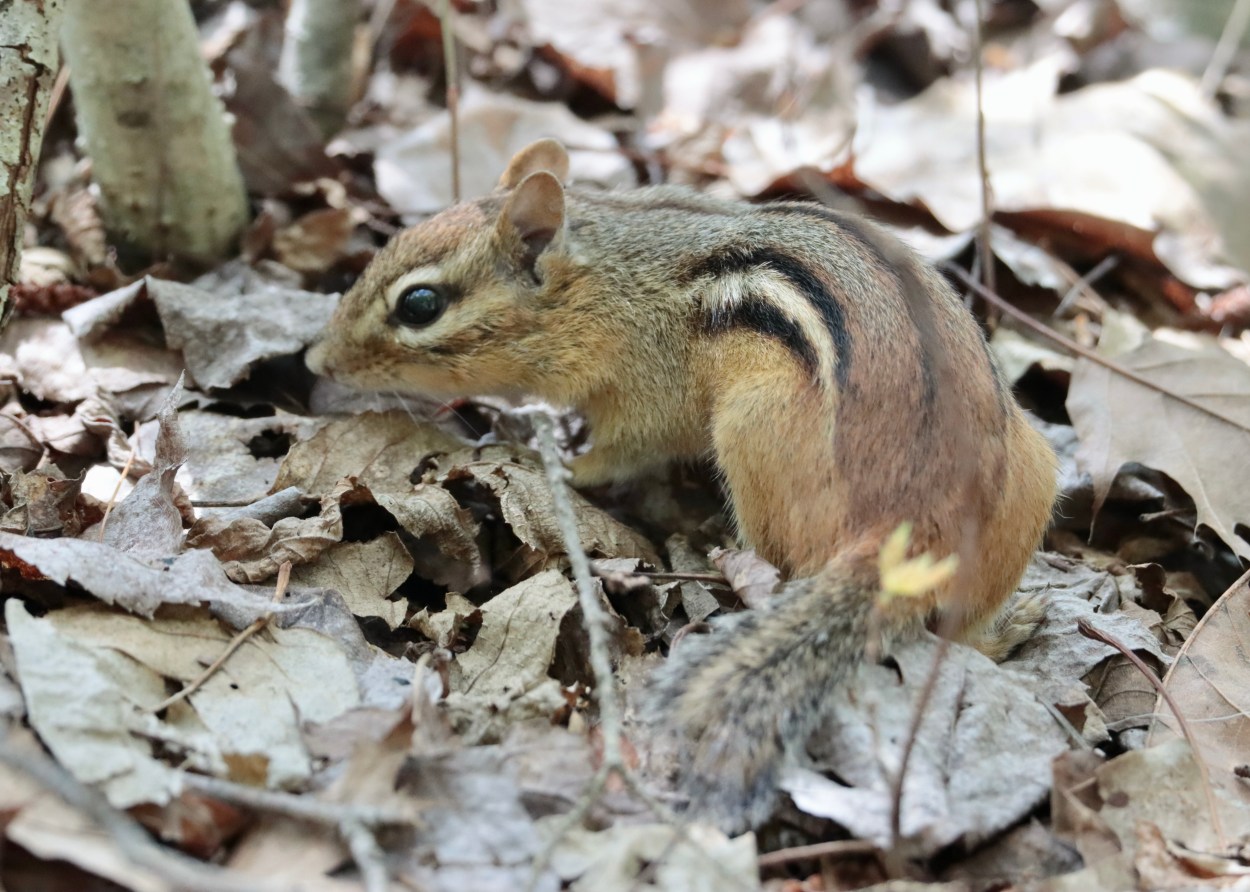
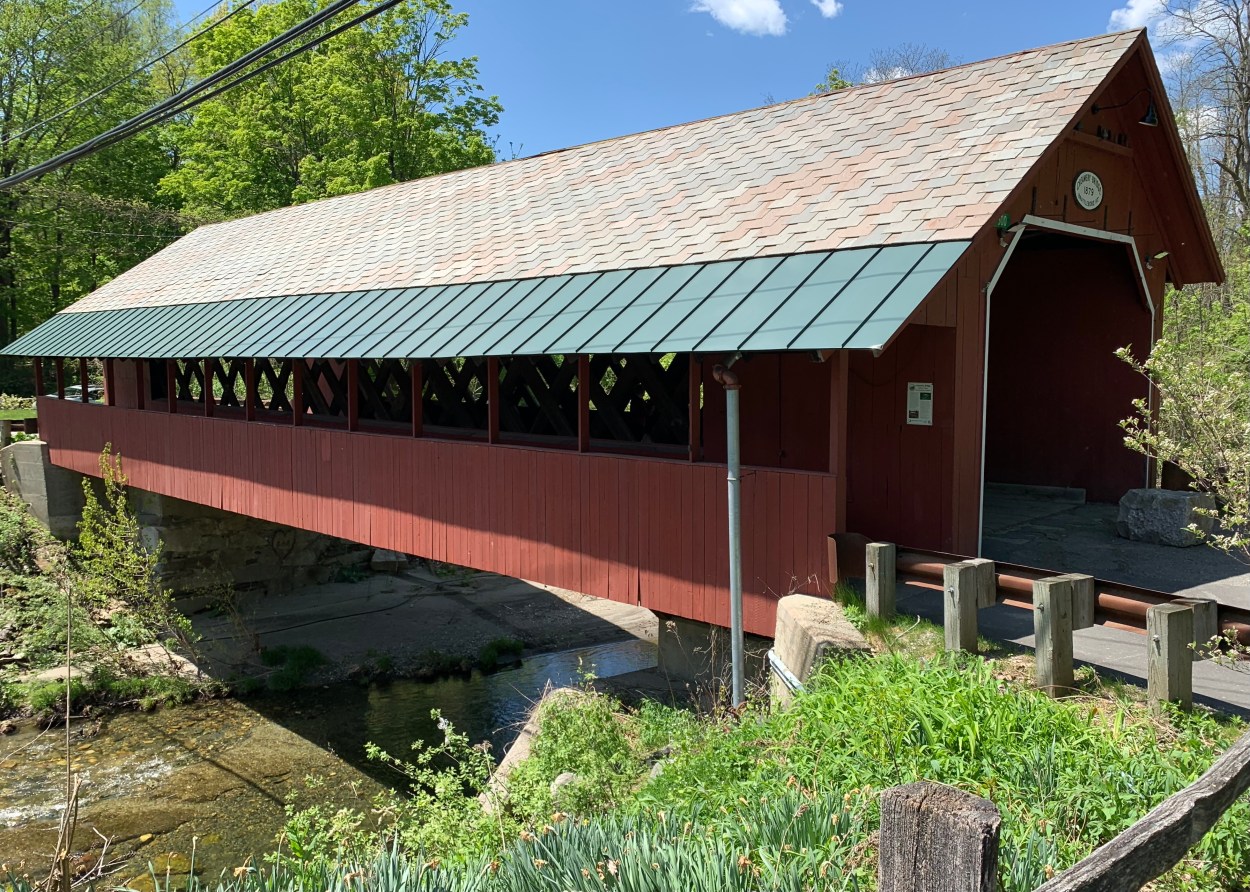
Red-eyed Vireo – a nice selection of birds on yesterday’s routeWe saw snake and Chipmunk at McLane Audubon CentreCreamery Bridge – one of the famous Vermont covered bridges
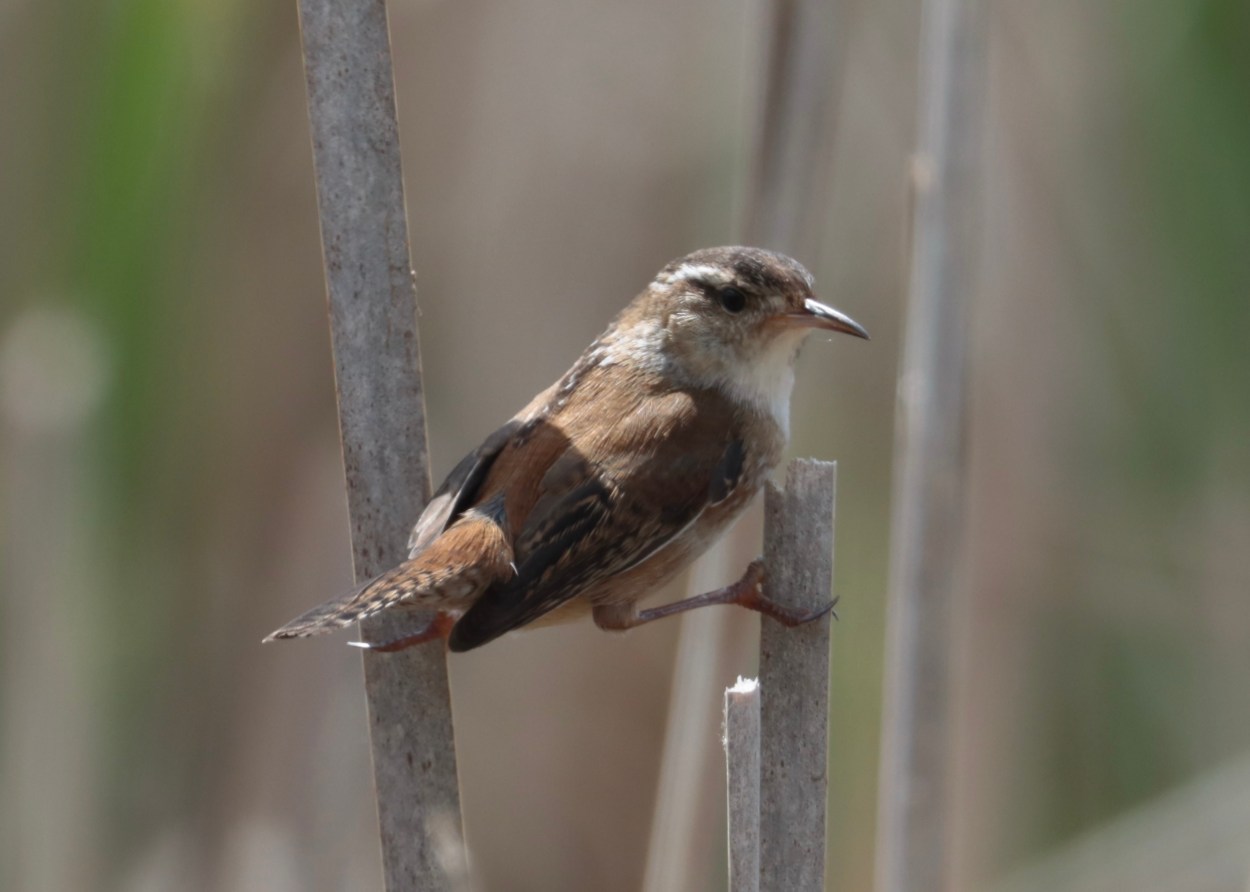
Nabbed at last – Marsh Wren has been evading us since Florida. This one was at Montezuma NWR
Another long day yesterday as we travelled from Niagara Falls east to Albany, our overnight stop and departure point for Phil & Carolyn. Our only birding along the route was at the Montezuma National Wildlife Refuge – a fabulous wetland just off the I 90. The reserve, which is accessed via a wildlife drive with several stopping-off points, produced a good variety of species including three much needed trip ticks: Pintail, Black Tern and the elusive Marsh Wren. We spent three very productive hours there – and could have spent many more. As our hotel in Niagara Falls was only half a mile from the border it meant that practically all the birds seen on route were additions to our New York State list. Today we are off to the coast at Old Orchard Beach, south of Portland. It’s been great having Phil & Carolyn along with us – we wish them a safe and speedy return to the UK.
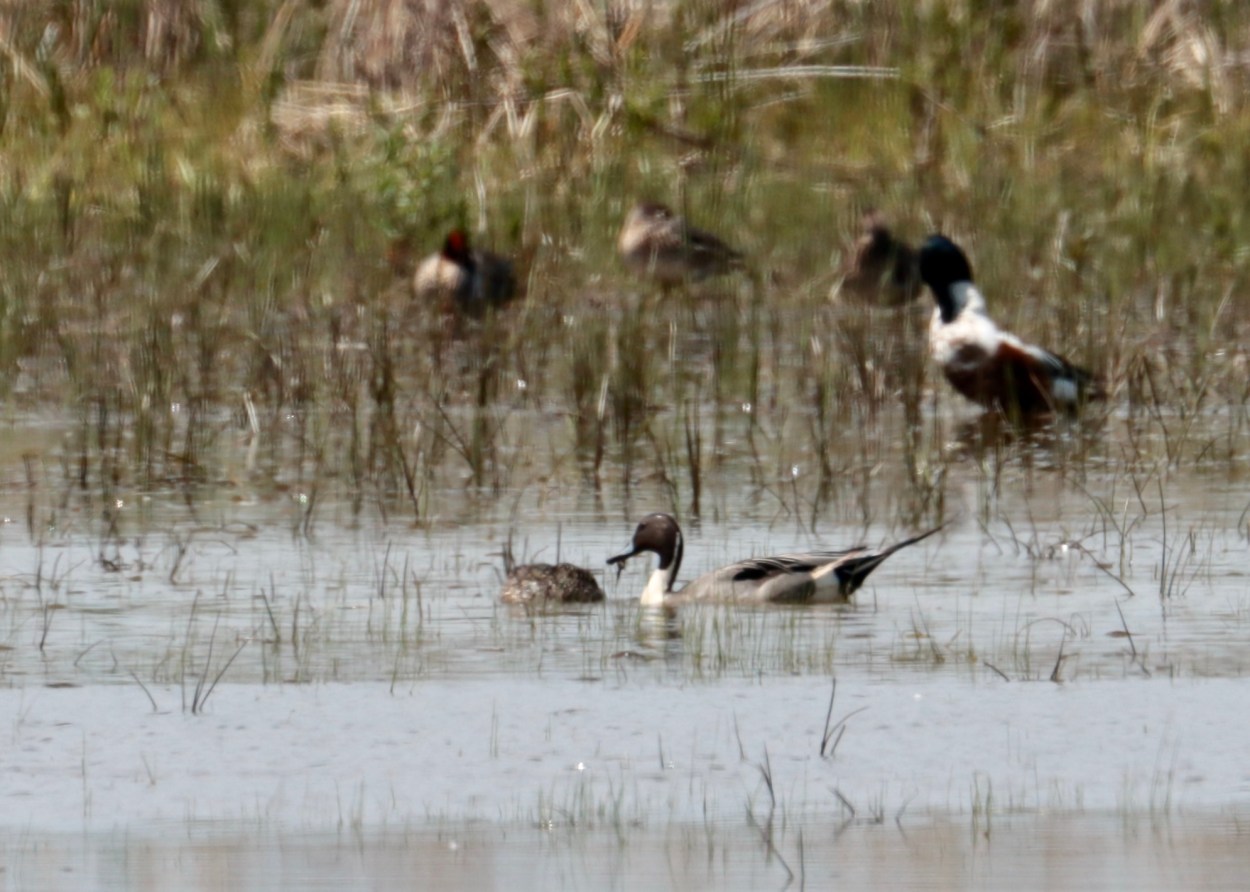
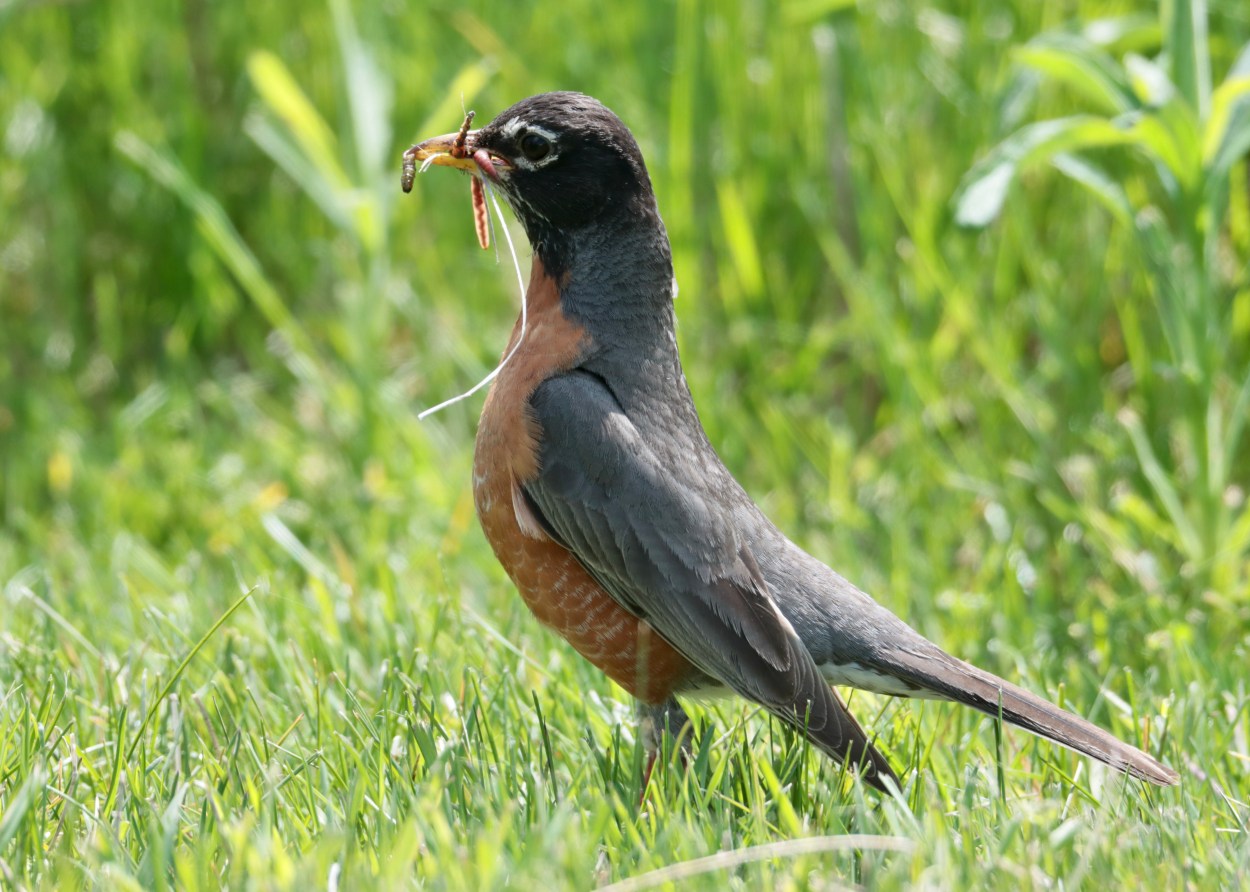
Another GABRaT ll tick – record shot of Northern PintailSometimes it’s the obvious that goes unrecorded – American Robin has been common since South Carolina
Our group arrives at Niagara Falls – the end of the Canadian leg of our GABRaT ll adventure
Yesterday was a travelling day – we drove east from our Point Pelee base to Niagara Falls, on the Canadian / US border. Three short stops helped break up the journey and allowed time for some birding. The first was Hillman Marsh, an excellent wetland close to the shore of Lake Erie. A nice selection of stuff along the 5k trail and an over-head Peregrine meant that it wasn’t a ‘dot day’. The second stop was different, an area of agricultural prairie at McArthur Road, where we tracked down Bobolink – not new for us but a Canadian tick and a trip tick for the rest of the group. No birding trip would be complete without a visit to a sewage works – well actually on this occasion a decommissioned one at Strath Roy – produced another nice selection of birds, including a trip tick – Ring-necked Duck and another scarce Canadian tick – Black-necked Stilt. Our GABRaT ll list is now comfortably over 250, as we head back into America and the final leg of our journey around New England. Today is another travelling day to Albany, where we drop off Phil & Carolyn for their flight home. The pressure is on to see a new species and continue our unbroken record – we’ll see.
A Peregrine scatters the waders at Hillman Marsh – but prevents it being a ‘dot day’
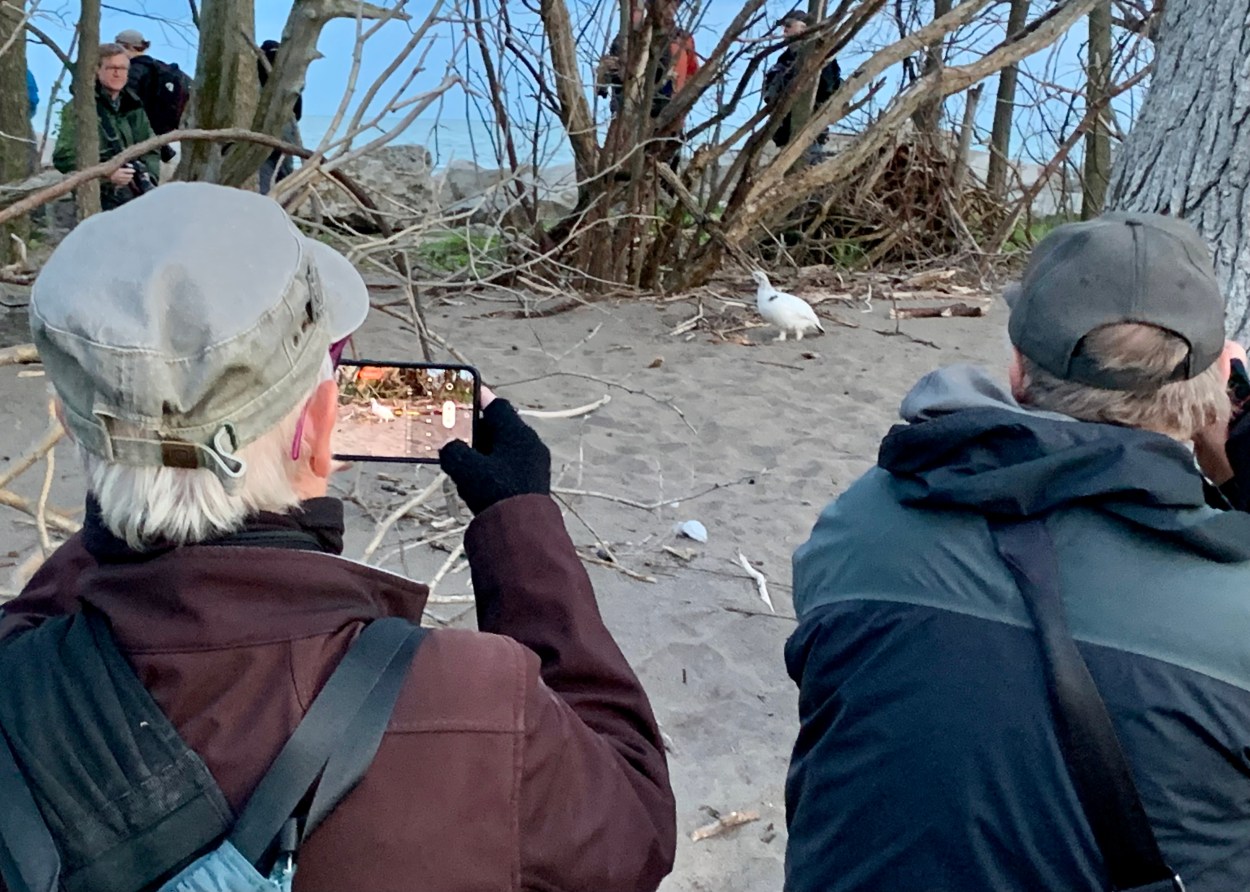
Ptarmigan on the beach! – a Point Pelee ‘first’ – completely out of place for this high montane species. Absolutely bonkers!
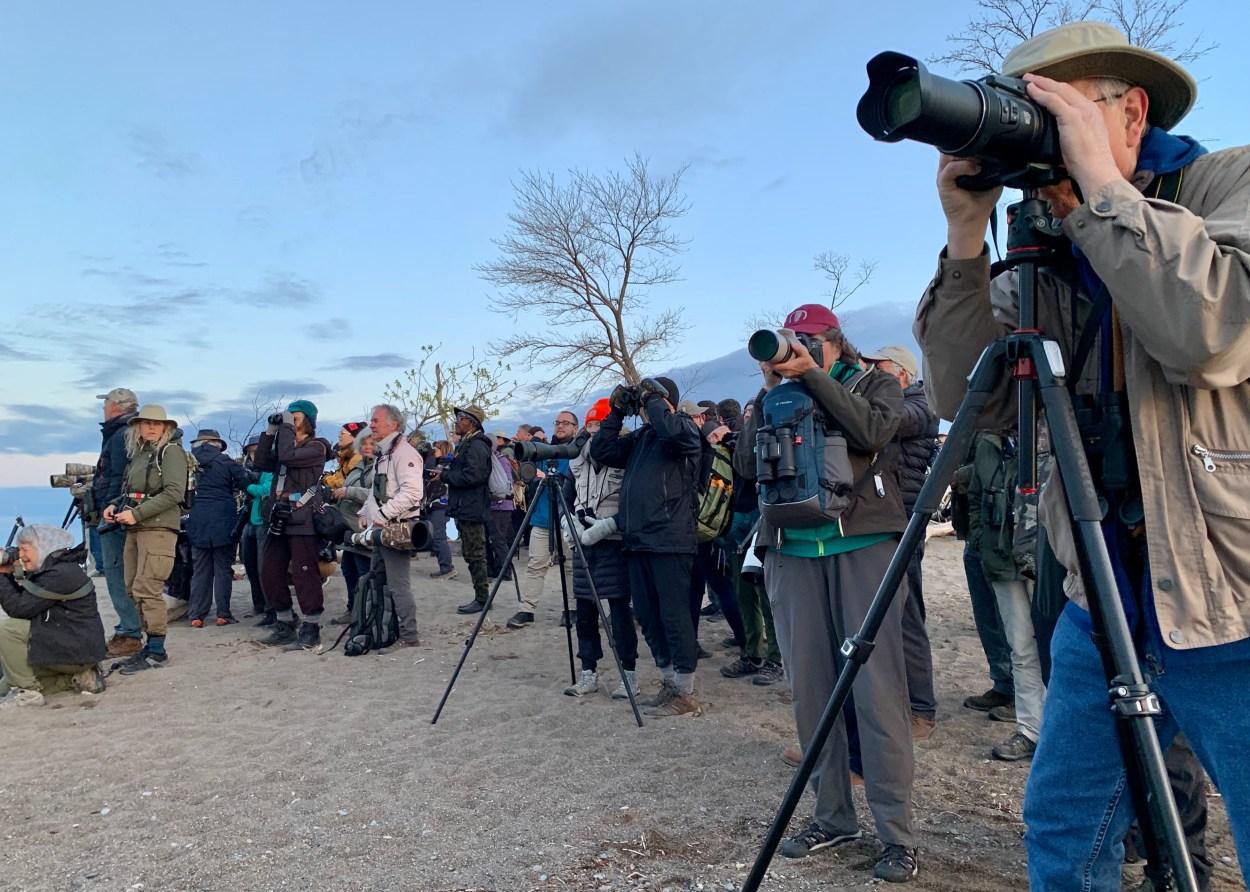
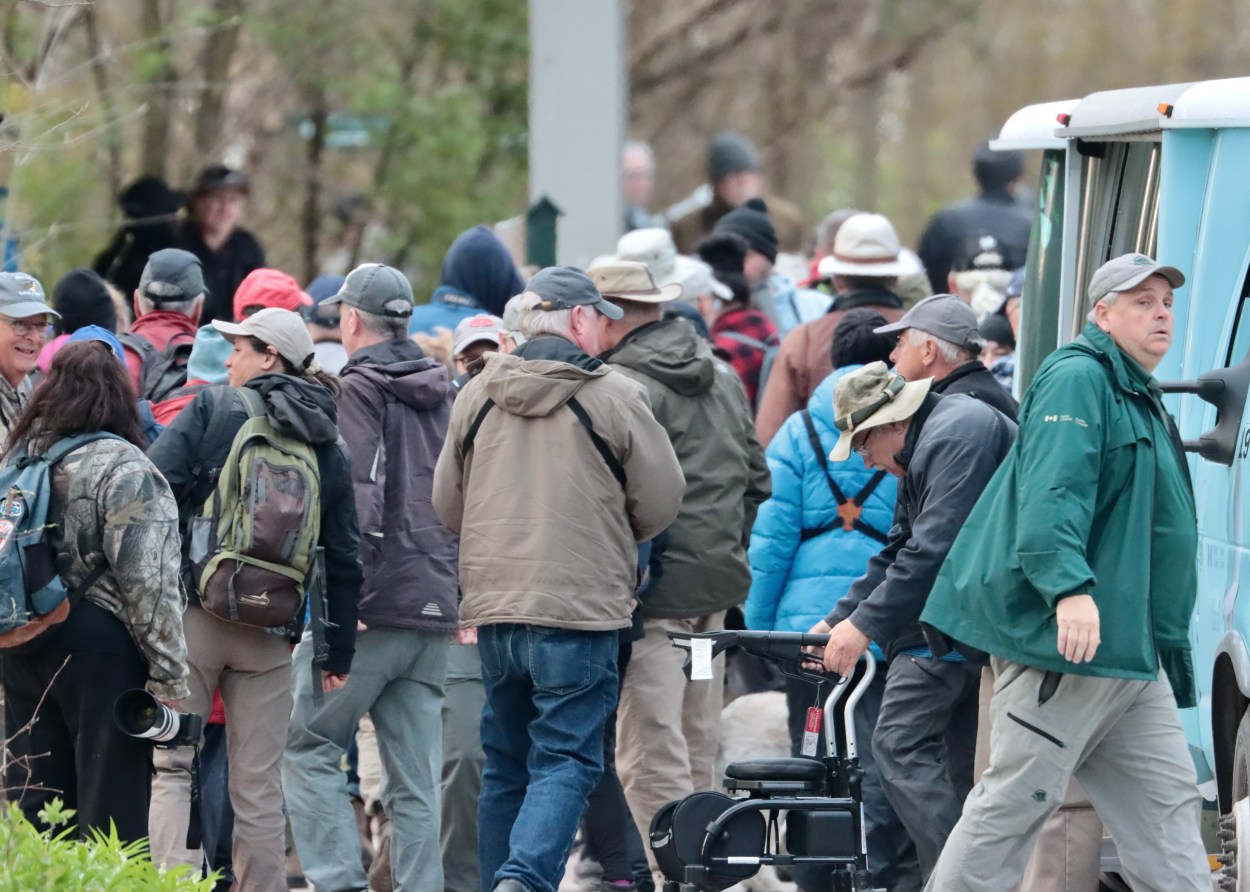
Today was our day for birding Point Pelee. All the advice was, that at this time of the year, you have to be in the queue at the main gate for opening time – 5.00am. It’s then a 8k drive to the Visitors Centre, which has limited parking, and a wait to catch the shuttle bus to The Tip – the most southerly mainland point in Canada, a thin finger of land pointing south into Lake Erie and a magnet for migrating birds. We got up at four and had joined the queue just as they started admitting vehicles into the park. We parked up at the the VC, got our kit together and were on the first bus to The Tip. So far the plan was working. It’s only about a 300m stroll then for what we hoped would be the start of our Point Pelee birding experience – a few shore birds at the very end then a methodical check of the bushes back to the Centre and the ‘birders breakfast’. Thirty people max were in front of us as we ambled down to the start… then all hell broke loose! An excited lady pointed to the bushes and said ‘there’s a Ptarmigan in there’! Now, as we all know, Ptarmigan are a high mountain species with cryptic white plumage to disguise them against the snow. The nearest breeding birds must be hundreds of miles north of Pelee. Assuming it was a problem of ‘lost in translation’ we went to take a look. To our utter combined amazement there indeed was a Ptarmigan, pecking about on the beach. The first ever recorded at Pelee and the start of a birding stampede. As news spread more bus loads of anxious birders began to arrive – the first maintaining a fast walk, those that followed forced to break out into a trot, the ones who couldn’t get on the bus adopting an ‘Iron Man’ running style down to The Tip. Absolutely bonkers! Meanwhile the bird which, was becoming increasingly anxious at the growing number of admirers, took a walk down The Tip to escape the crowds and later flew into cover. We left it alone and started what we’d come to do in the first place – check the bushes for Spring migrants and have breakfast. The rest of the day was ‘rinse and repeat’ – checking various areas along the Point with breaks in between. We did find some great birds but nothing which could compare to our first bird of the day – the Point Pelee Ptarmigan!
The story as it unfolded. First discovery at dawn in the modest cover at The Tip
The initial group of admirers The growing crowd Another busload arrives..
Lark Sparrow – seen at Oak Openings Metro Park on our way to Point Pelee in Canada
This post is, of necessity, short – we have to be up at 04.00 to get to Point Pelee (Canada) for dawn. Although Point Pelee is only 35 miles or so across Lake Erie from Magee Marsh, the road trip is about 120. We took the opportunity to call in at Oak Openings Metro Park for a couple of special birds – Golden-winged Warbler and Lark Sparrow. Both of which we managed to see. Then it was north to Detroit, across the border and then east to Point Pelee. Here a late afternoon walk around The Tip produced a reasonable list, including a couple of GABRaT ll ticks.
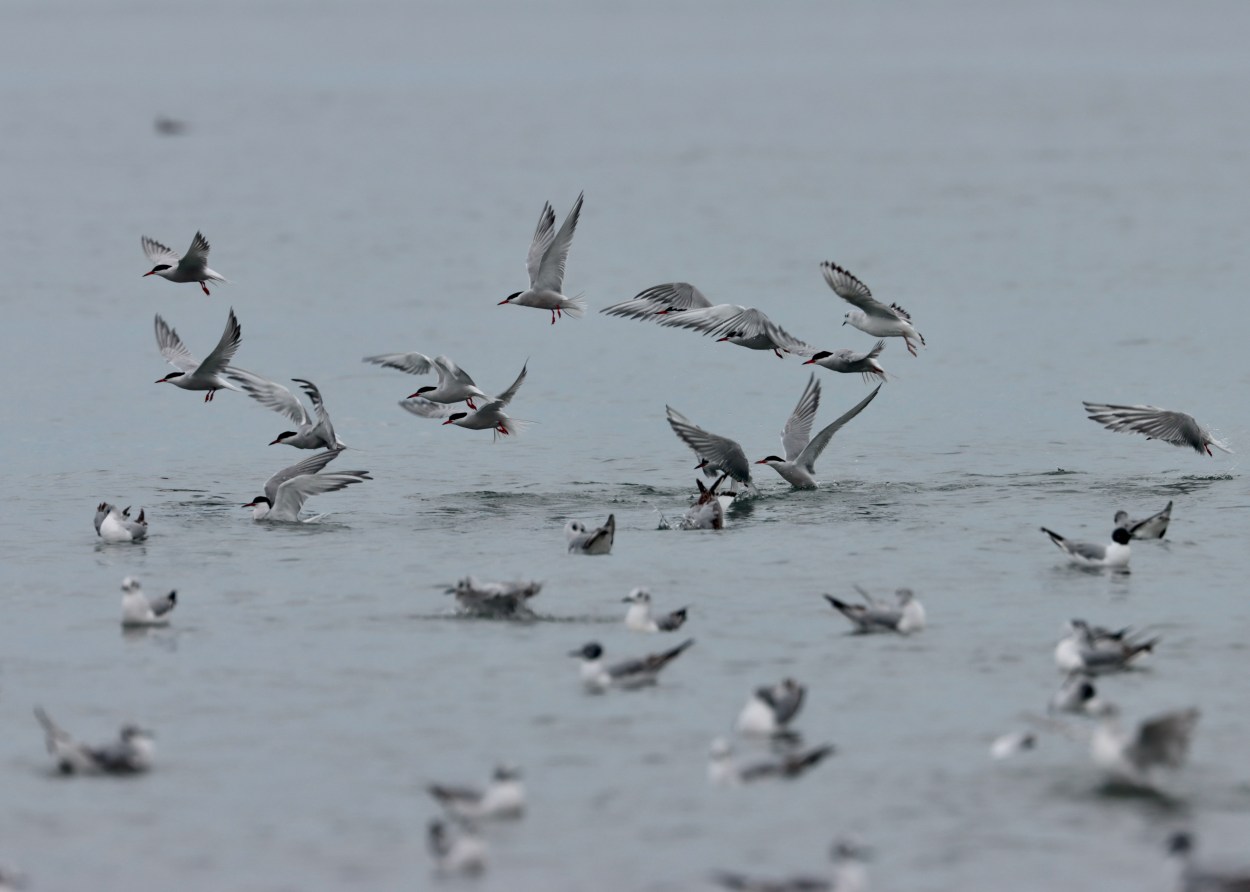
Magnolia Warbler – one of the birds seen at The Tip, Point PeleeCommon Tern with Bonaparte’s Gull, off The Tip
The overnight forecast was for early morning rain with thunder, clearing up by lunchtime. As it happens all we got was a light shower around breakfast, then the skies began to clear and the temperature rose to nearly 80 deg. F. All this meant that the predicted ‘fall’ of migrants didn’t really materialise. Still there was a change of cast on the boardwalk and we did get some new species and excellent views of the stuff we’d seen previously. Our final session at Magee Marsh in the late afternoon will live long in the memory – it was reasonably quiet, with a lot of the Sunday visitors gone home, the weather was glorious, the light was fantastic and the birds couldn’t have been more cooperative. A fitting end to our TBWAB experience.
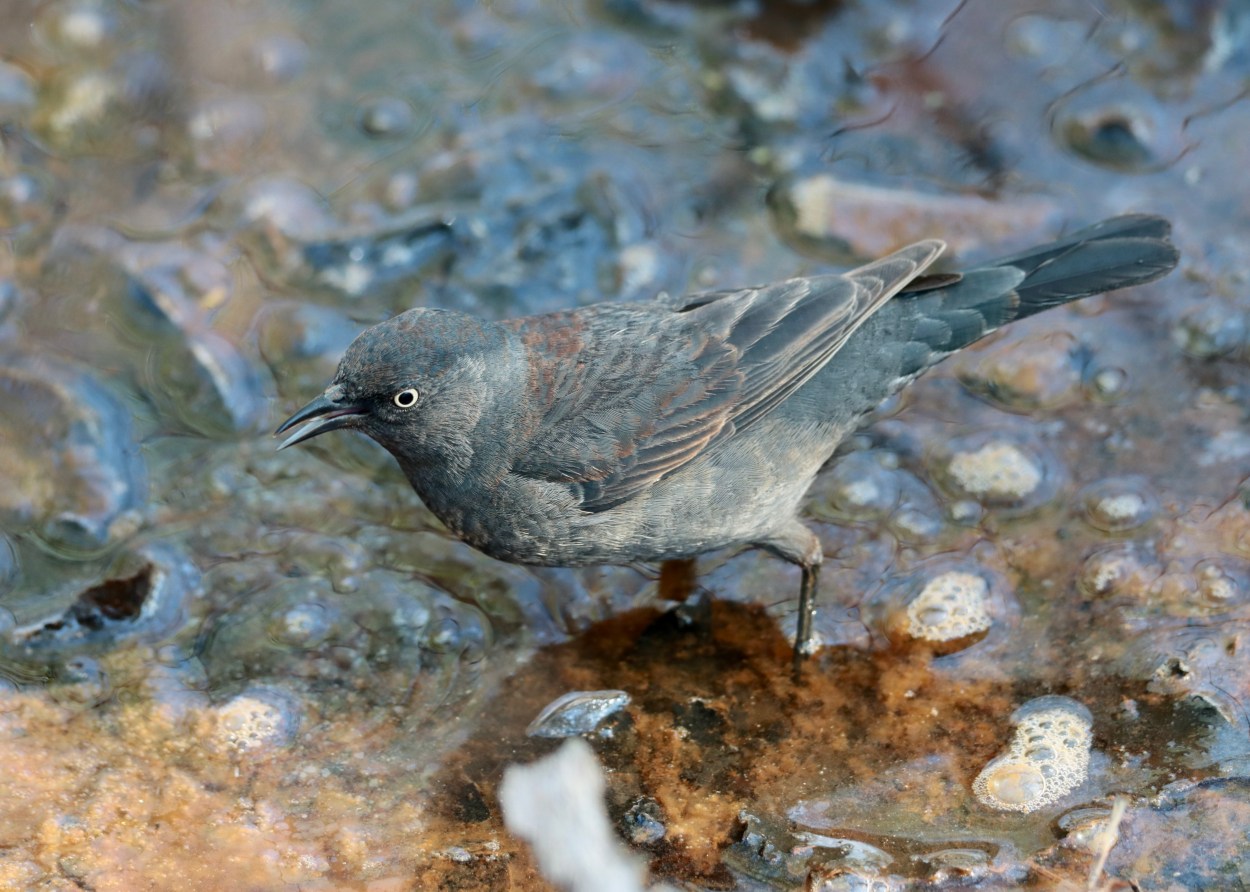
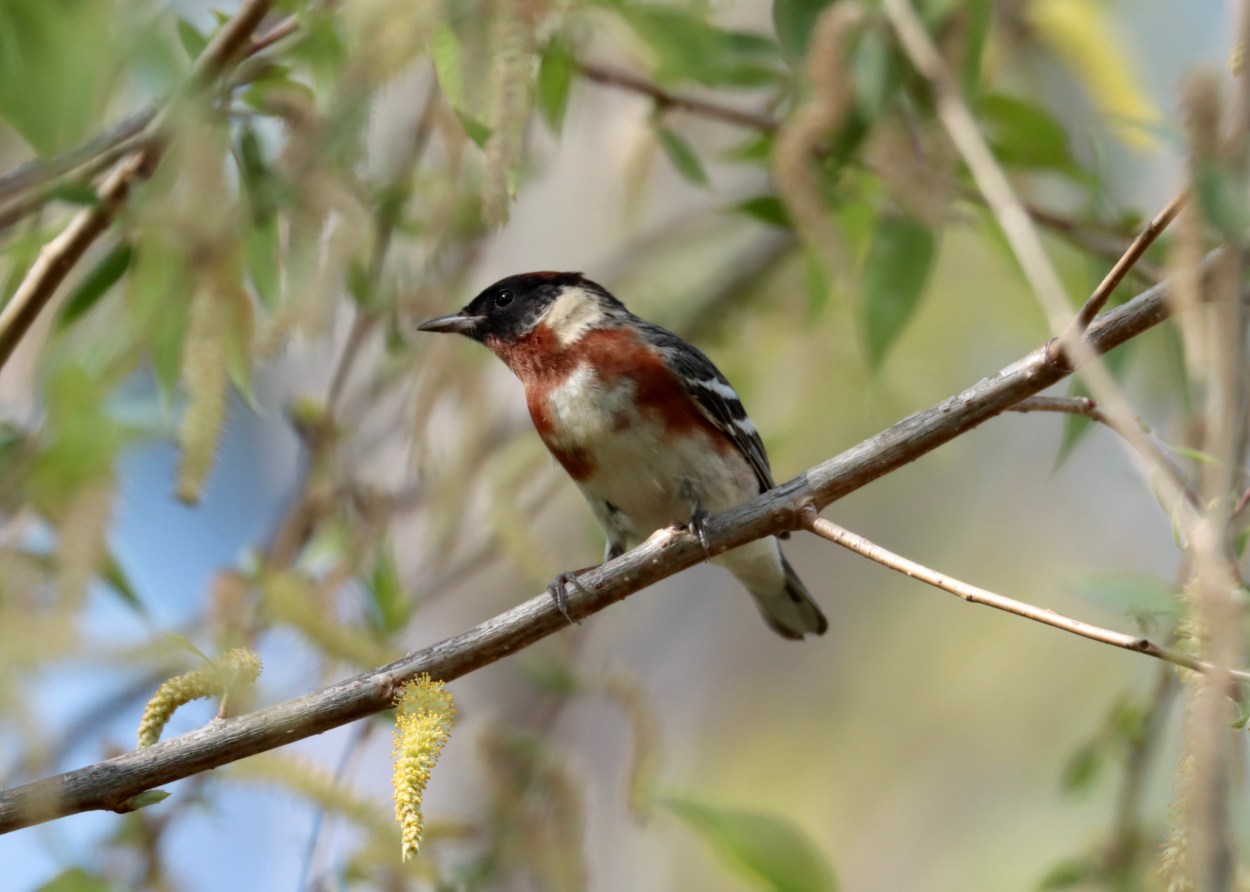
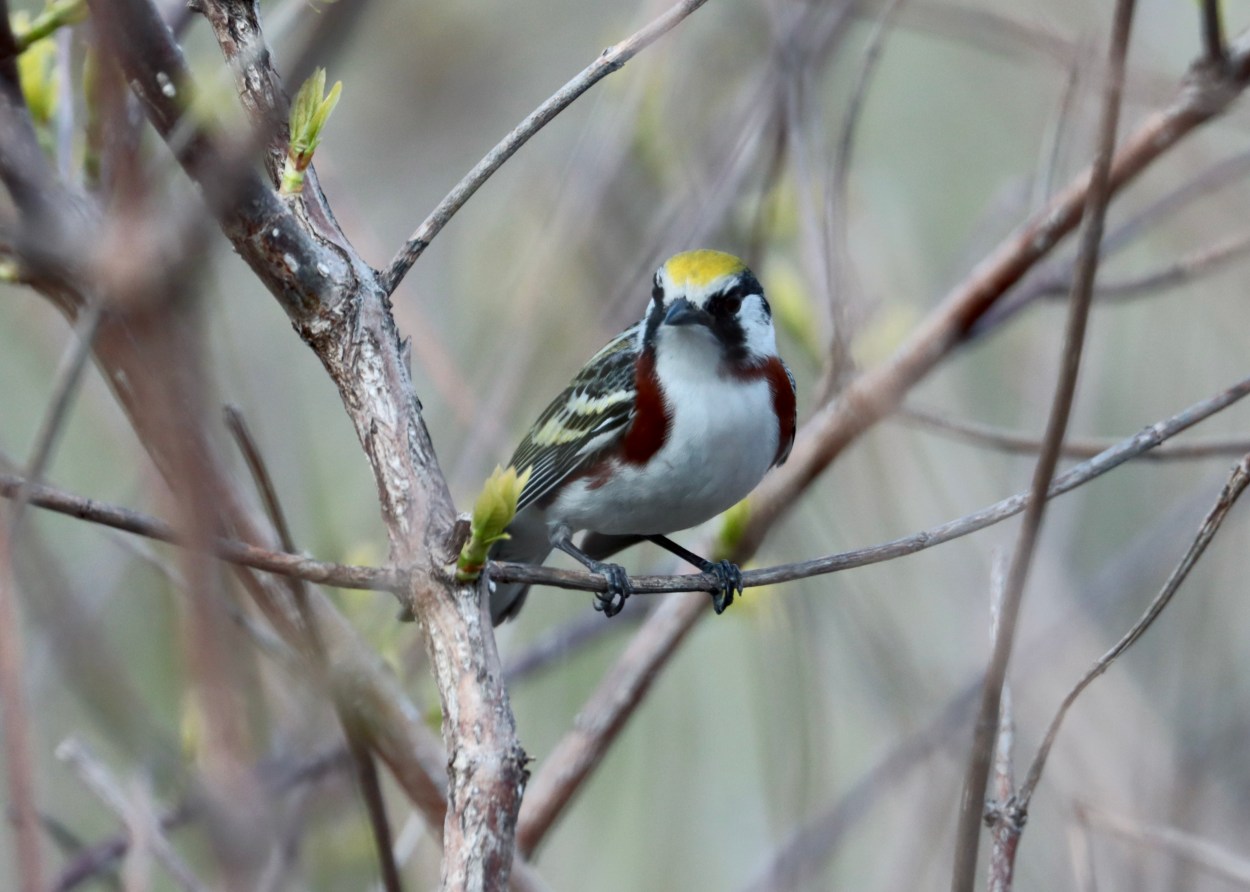
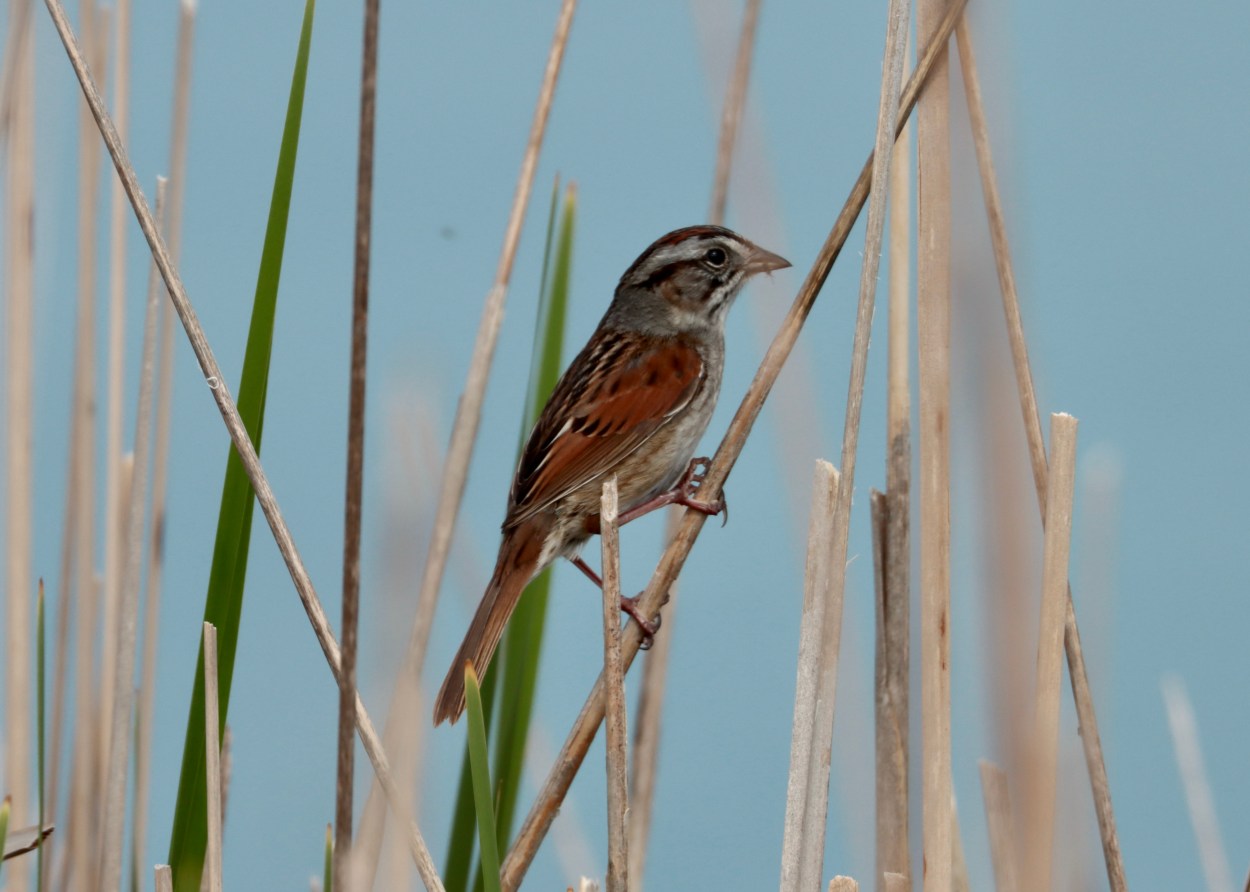
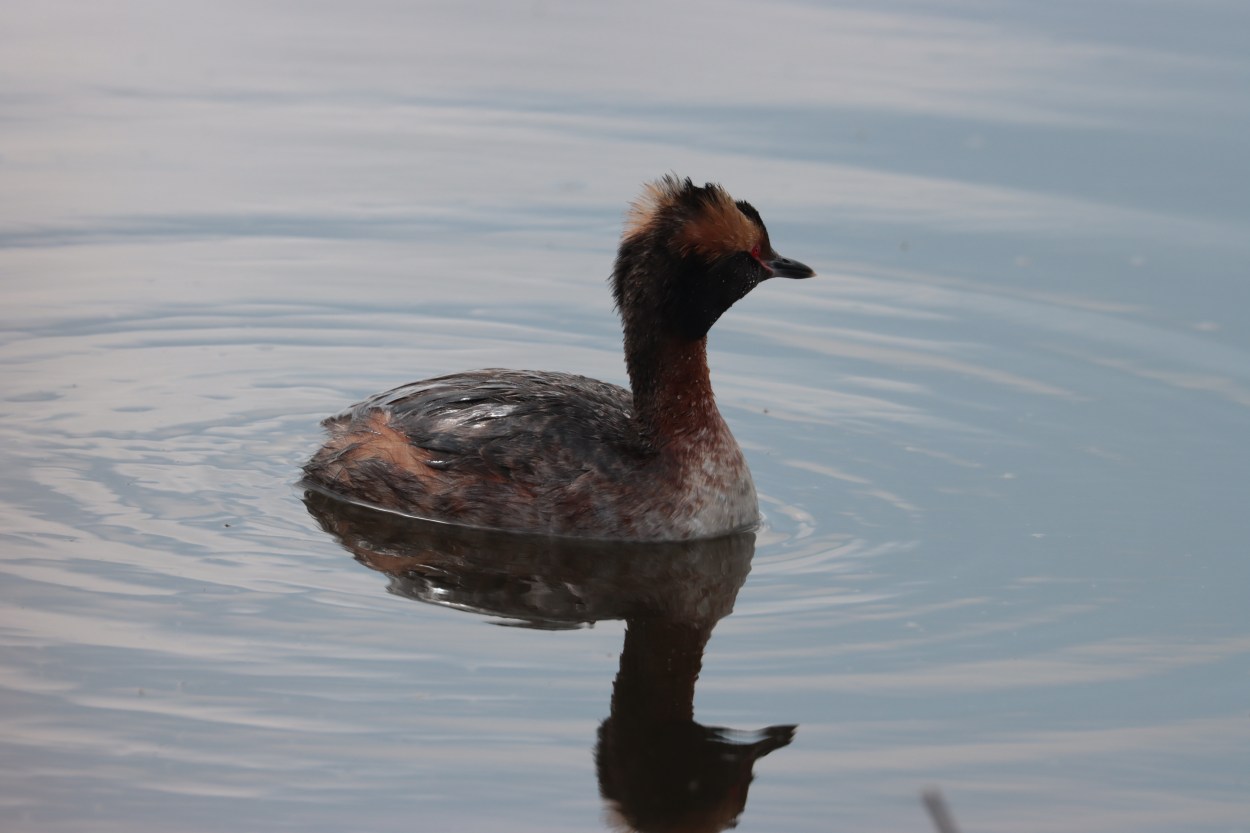
Contender for ‘bird of the day’ was this Rusty Blackbird – a bit of a Grackle look-alike but with subtle differencesNot so subtle were these warblers – bold and brassy in their fresh breeding plumage – this is Bay-breastedand this is Chestnut-sidedOn the Ottawa wildlife drive after lunch we had a couple of additions, including Swamp Sparrowand Horned Grebe – or Slavonian as we know it – which wasn’t on our radar
Today we leave our The Biggest Week in American Birding base, close to Black Swamp Bird Observatory / Magee Marsh, and head north into Canada on the final leg of our GABRaT ll adventure. Some great memories and unbelievably good birding.
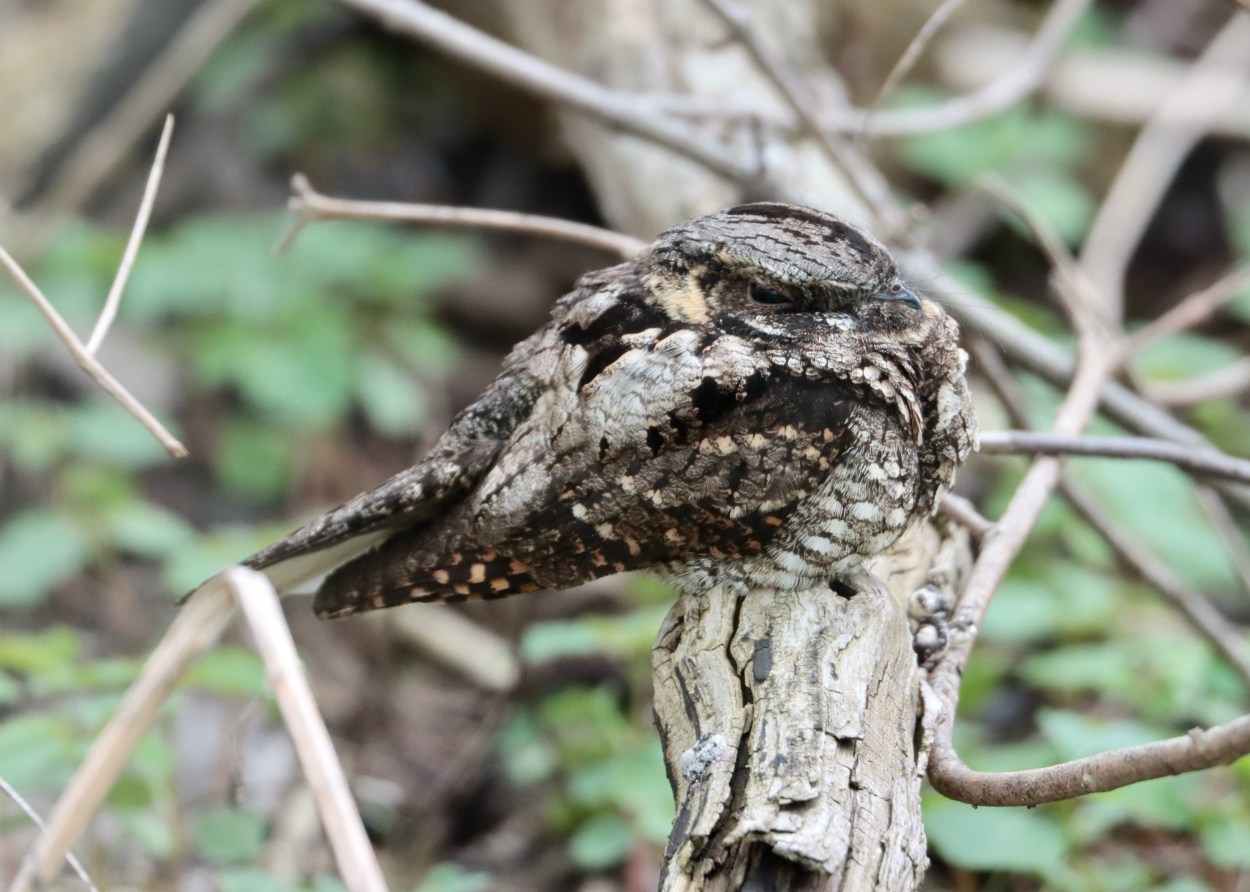
Best bird of the Magee Marsh morning session were a couple of Eastern Whip-poor-will – watch out for a better shot from Neil!
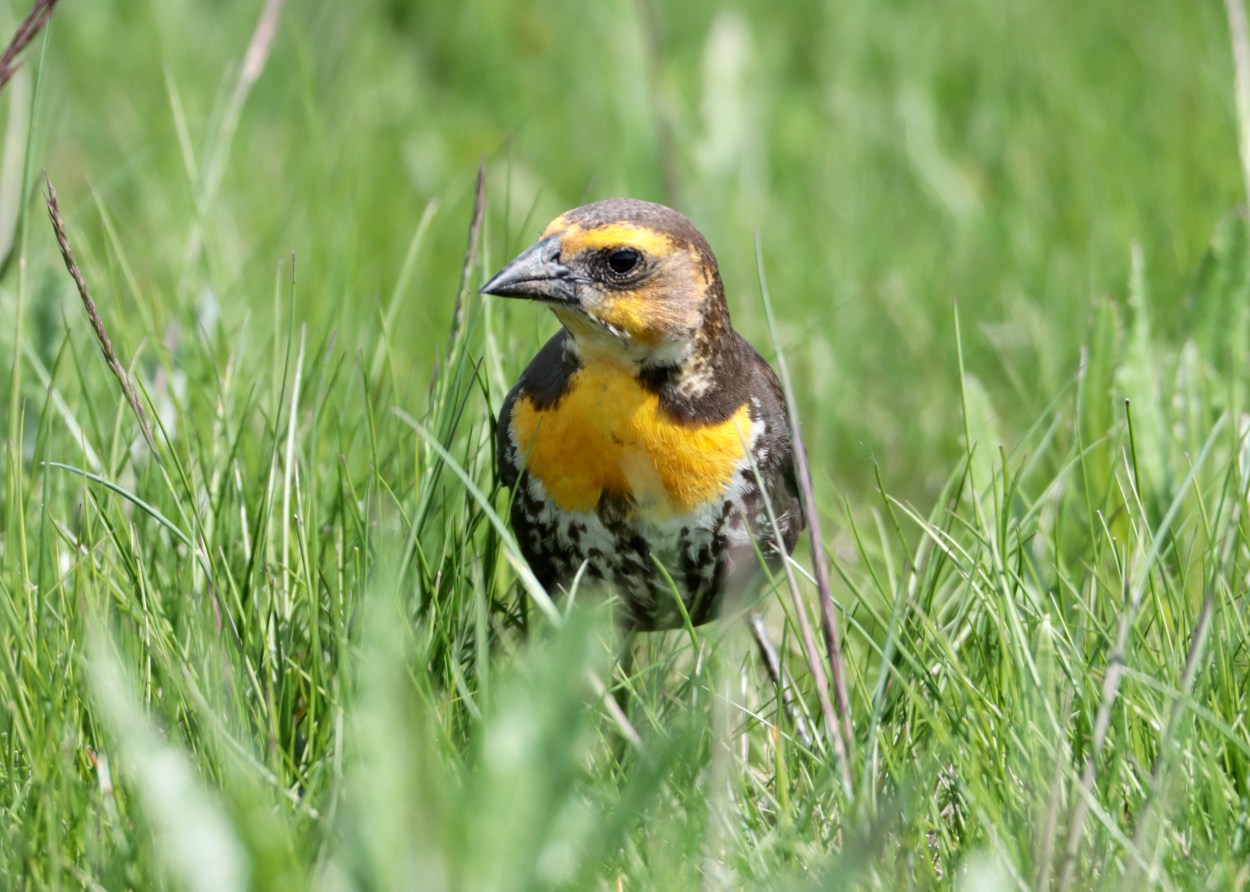
As part to TBWAB visitors are encouraged to explore a cluster of good birding sites close to Black Swamp / Magee Marsh – yesterday we did just that. We began the day on the boardwalk – being a Saturday it was busier than ever but everyone remained friendly and helpful. We added a couple more birds to our growing list for the site before heading off to discover the delights of several near-by locations. First up was newly created Howard Marsh – a farmland restoration project and now an excellent wetland. Here we caught up with the visiting Yellow-headed Blackbird, which conveniently was on the grass right where we parked the cars! A walk around the reserve added several shore birds including Black-necked Stilt, which have recently started to breed. Another great car-park tick was Horned Lark. Next was Metzger Marsh and more ‘coastal’ species before our last stop – the vast Ottawa National Wildlife Area – where we managed to get our first cup of coffee of the day, see a few interesting birds and add more ticks to our Ohio State list. Then it was back to Magee Marsh for one last circuit of the boardwalk and then home for supper.
Best warbler of the day – though not one to win a beauty pageant – was this Orange-crowned. First of our ‘car-park birds’ at Howard Marsh – Yellow-headed Blackbird. A scarce bird in this part of OhioBetter known to us as Shore Lark – this Horned Lark was also in the car-parkBack at Magee Marsh more tantalising views of the small thrushes – this one is Veery– less spotty than HermitIt’s easy to become complacent with some of the commoner species – but this Yellow Warbler is still a stunner
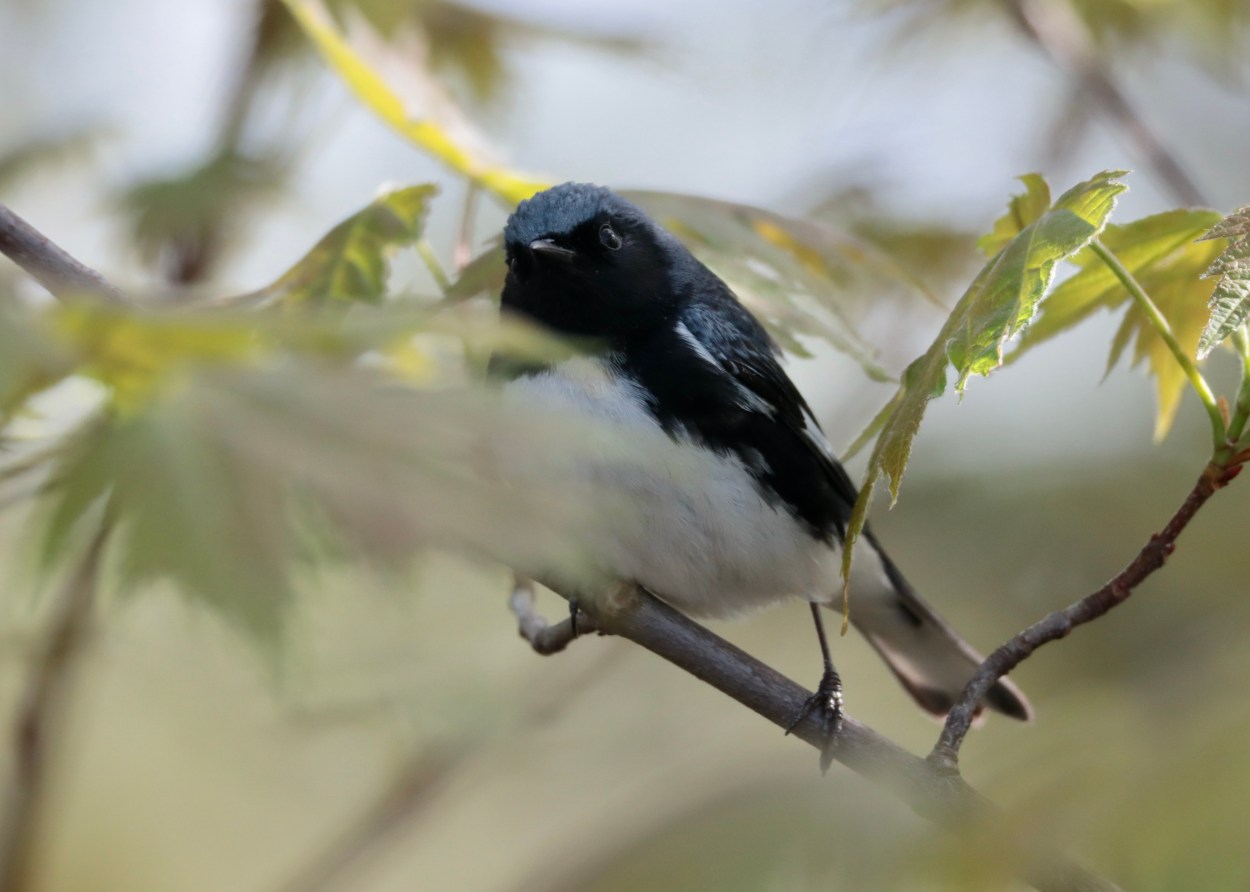
We saw a dozen different warblers during our two sessions along the board-walk – this is Black-throated Blue
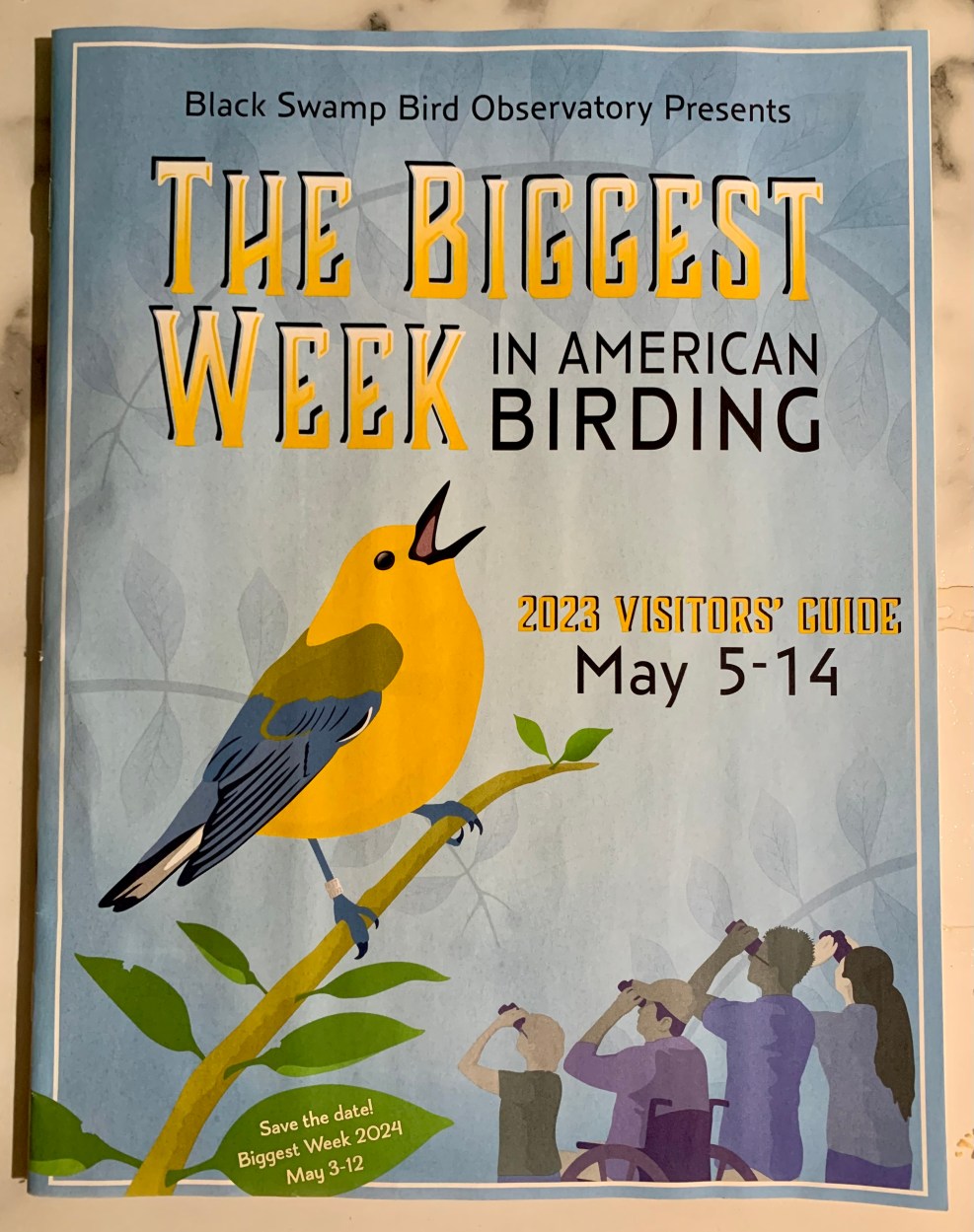
We’d had breakfast, parked up and were at the start of the Magee Marsh WA board walk – the epi-centre of The Biggest Week in American Birding – by 08.00. Our first walk lasted three hours. we then took a long lunch-break, returning at three for another session. During the course of the day we saw over forty species, including a dozen ‘warblers’, and a host of other interesting birds. The board-walk was very busy but never crowded (unless a really good bird was discovered) and everyone was friendly, helpful and united in a love of birds and the marvel of migration. Magee Marsh is situated on the shores of Lake Erie – actually an inland sea – a natural collecting point for migrants before they make the crossing over water to Canada and their breeding grounds. I don’t suppose we walked more than a couple of miles during the whole day. It’s a magic place and we were lucky that finally the weather improved and the ‘door to migration’ opened. Today we’re hoping for more.
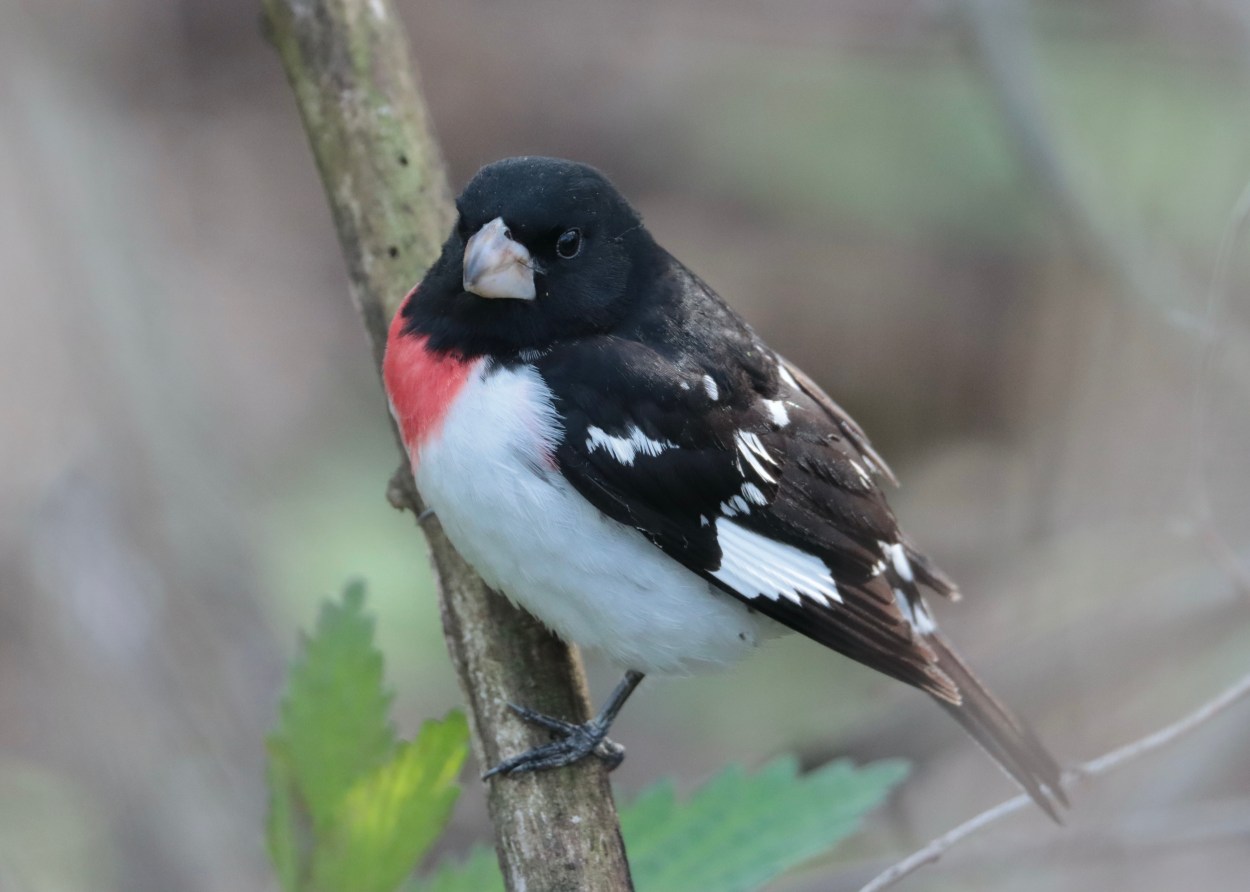
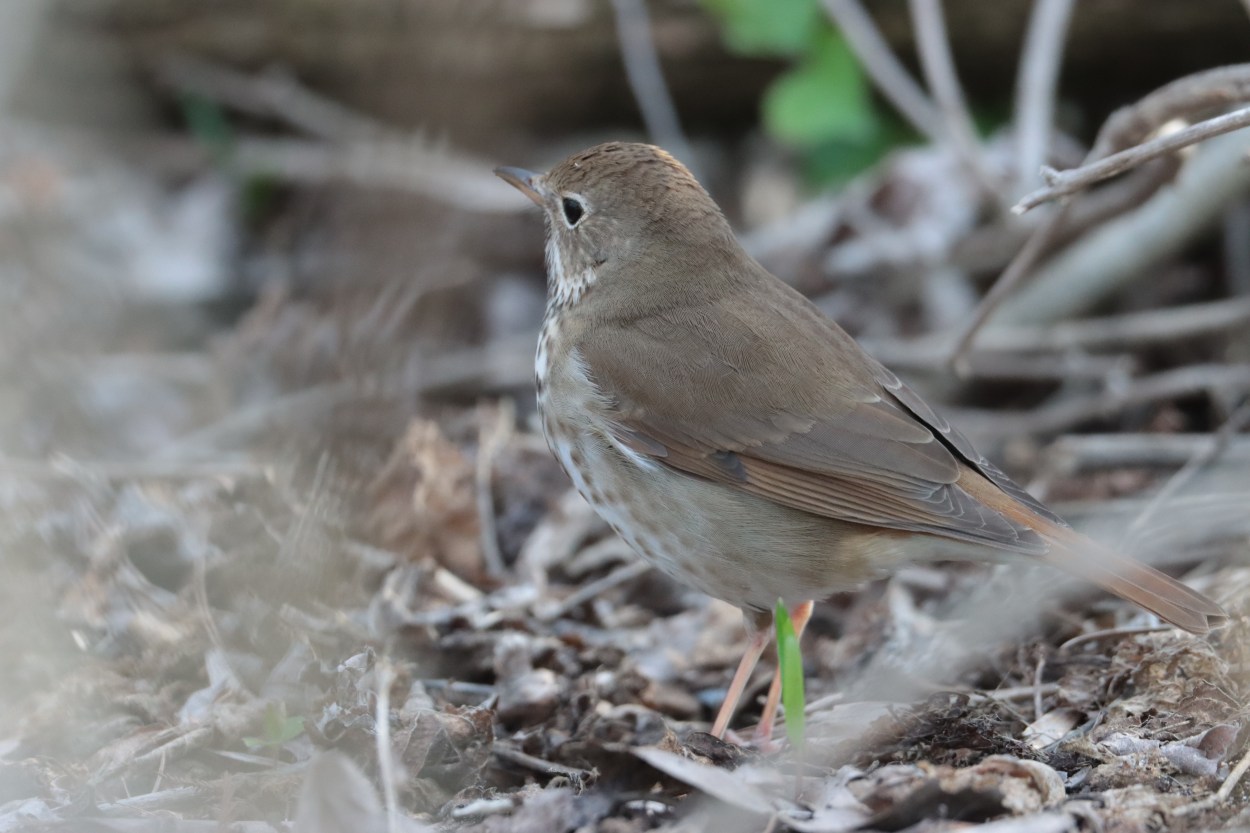
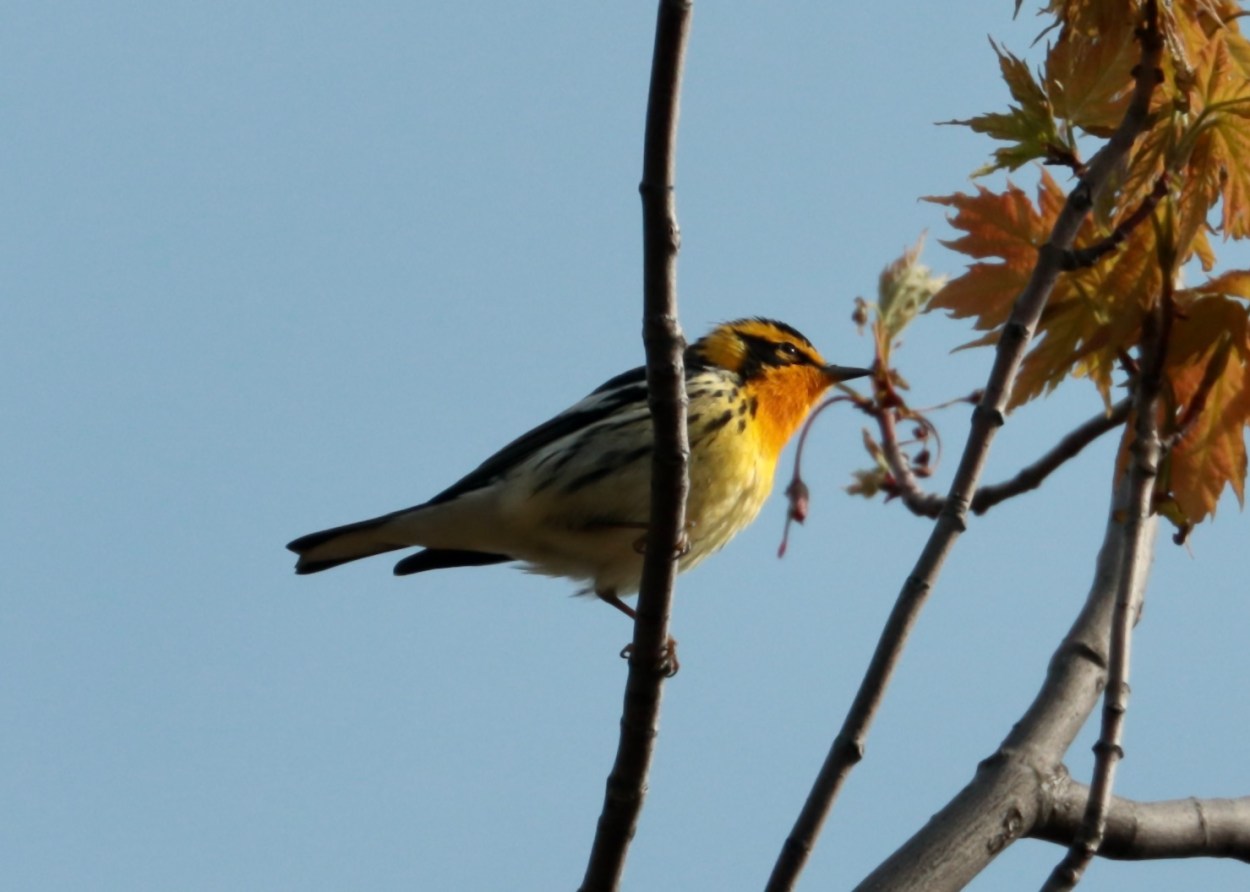
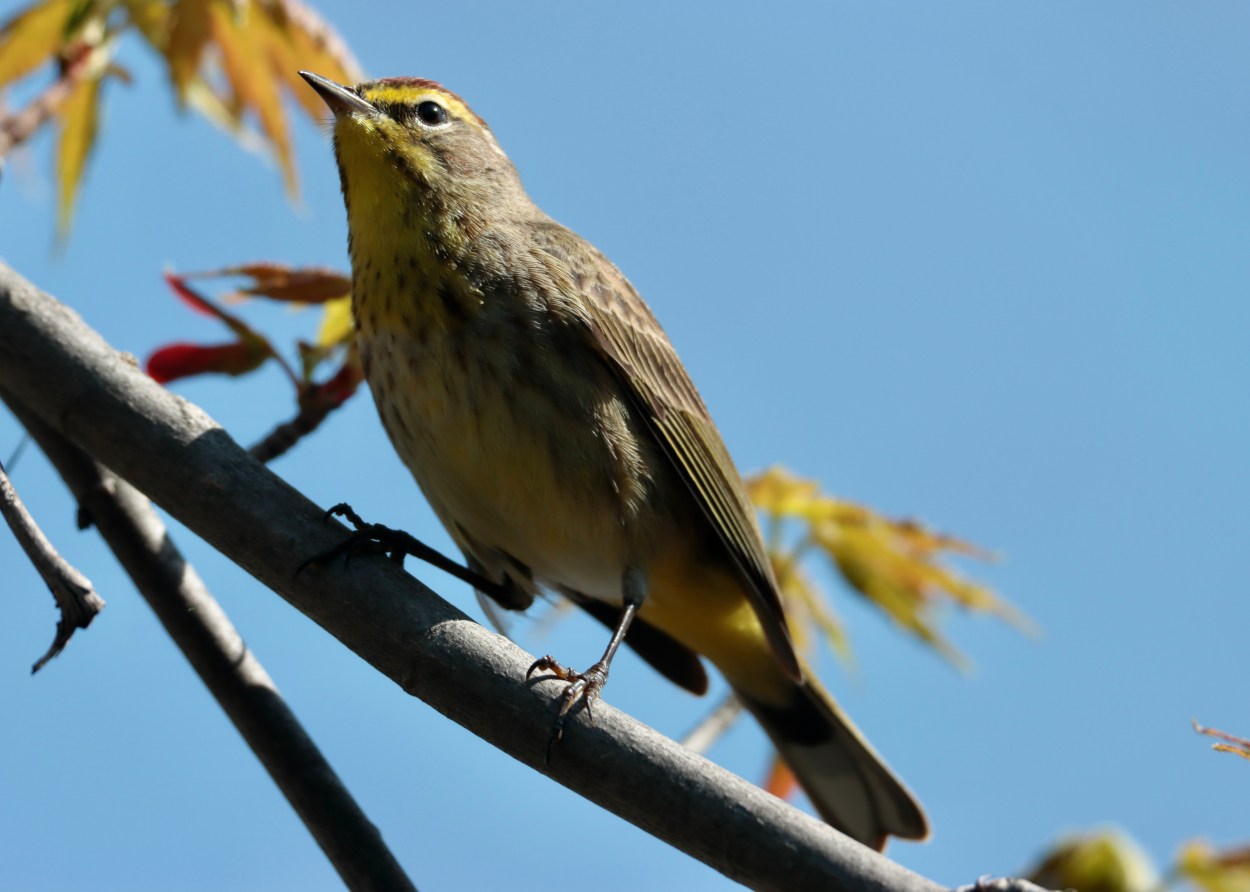
Blue-winged Warbler – one of the ‘must get’ warblersOther species included Grosbeak – this is Scarlet-breasted – flycatchers, and a selection of other migrants and residentsThere were several Hermit Thrush – like a miniature version of our Song ThrushThis Eastern Screech Owl was quietly sunning itself – watched by a procession of admirers Our most difficult challenge was to see this incredibly cryptic American Woodcock– record shot onlyBut it was the warblers which really stole the show – this Blackburnian, in full breeding plumage, never came really closeUnlike the dozens of Palm Warbler – which often came too close!Early morning on the Magee Marsh board-walk
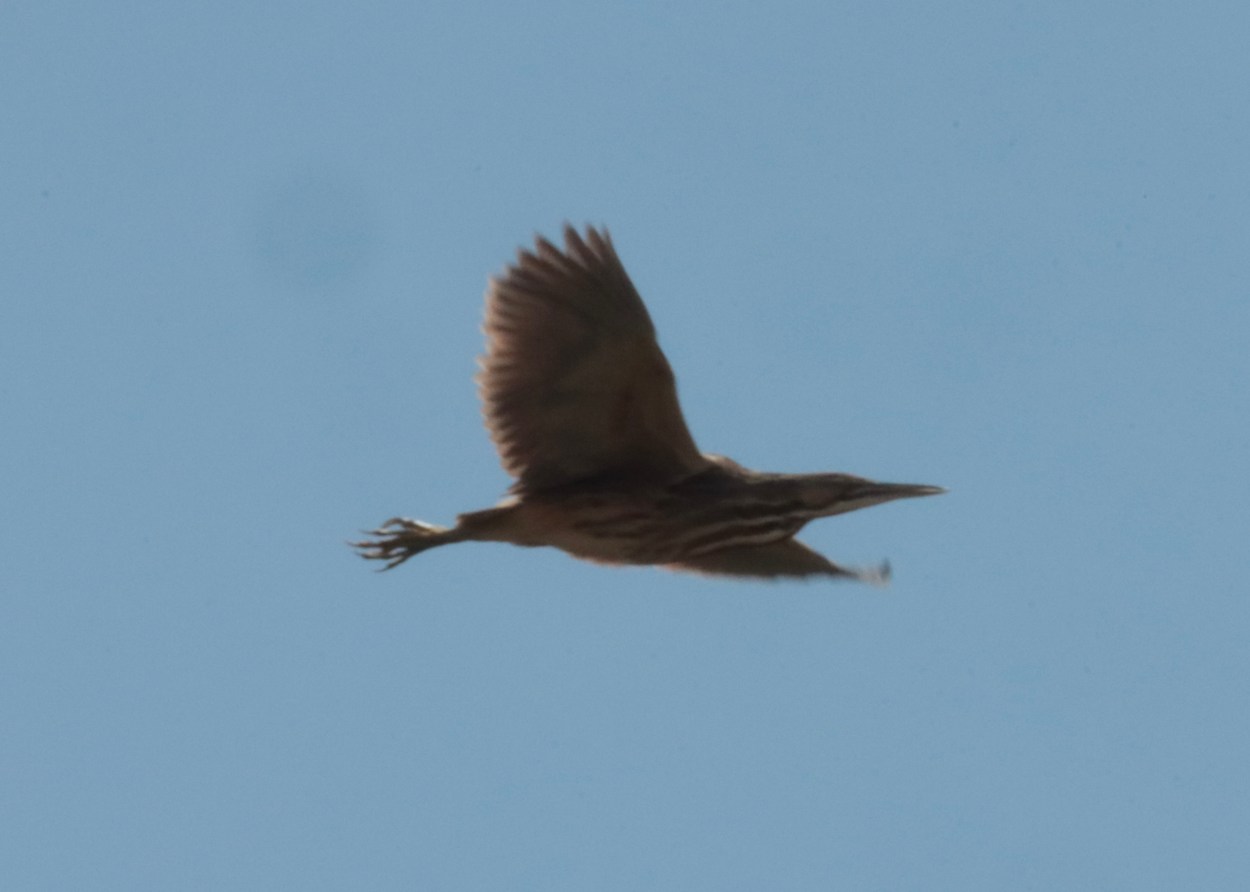
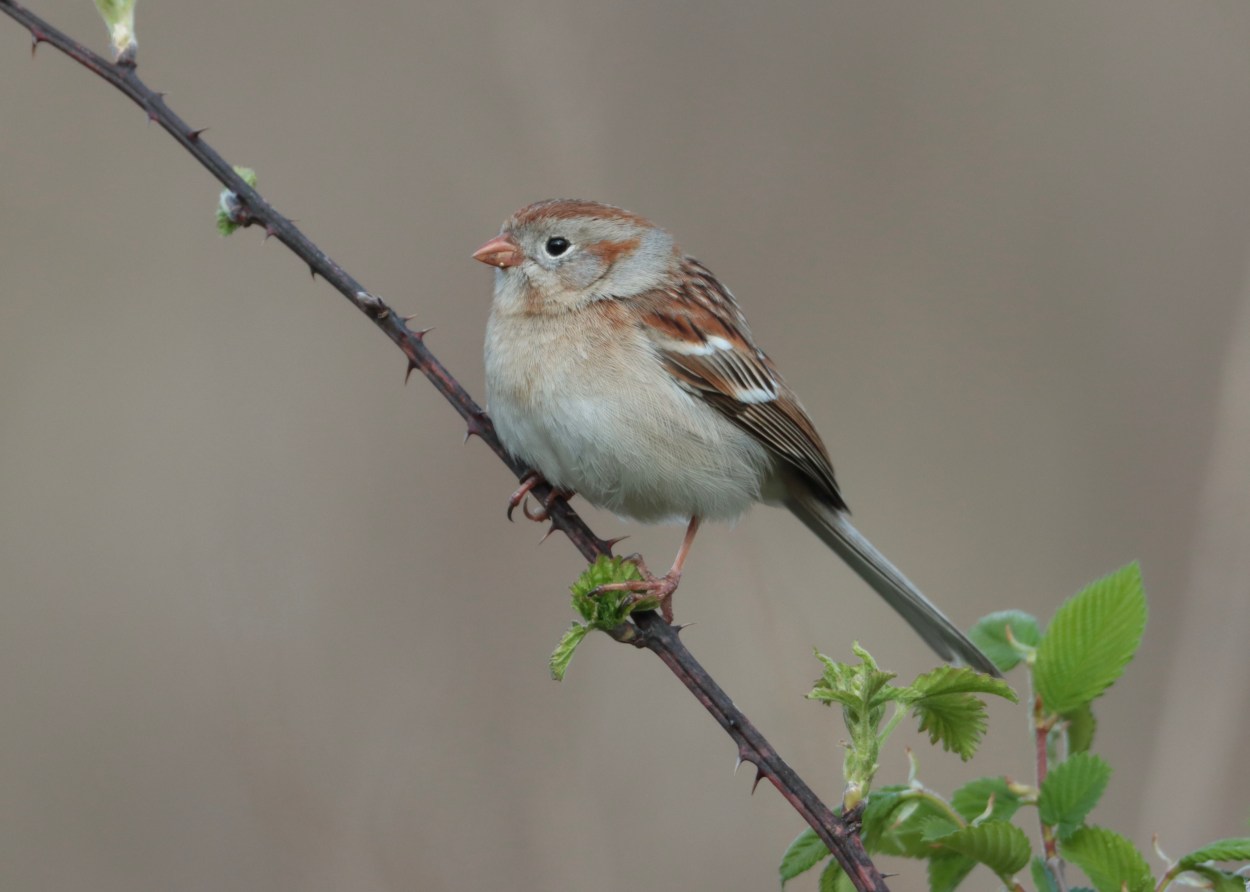
So we’ve finally made it – we’re together as a group and ‘camped-out’ on the doorstep of The Biggest Week in American Birding. Yesterday we travelled the final leg north to our base located between Oak Harbour and Port Clinton – a five bedroom (just) house, set in rural Ohio countryside. Neil & Nicola and Phil & Carolyn finally arrived at just after eight, when we had our first group meal together. We did manage to do some birding before hand – stopping off at the excellent Killdeer Plains Wildlife Area. Here we saw more waterbirds – ducks, waders and cranes – adding a few ticks to the overall trip list and plenty to our Ohio State list. Good views of woodpeckers, another excellent Sparrow – this time Field – and, best of all, whilst looking at a winter owl roost (more out of hope than expectation) an American Bittern! This morning we’re going to Magee Marsh and TBWAB.
American Bittern dropped in whilst we were looking for ‘wintering owls’ – we didn’t find any!Field Sparrow – a lovely addition to the listAmerican White Pelican – the biggest surprise of the day – seen from our accommodation















 Trevor On Tour